Running Shoes
Super Shoes and Sticker Shock: Is the £450 Racing Shoe Worth It?
Four performance running shoes compared on value, durability, and race-day payoff, from a £450 super shoe to bargain daily trainers that punch far above their price.
Introduction
Running shoes keep getting more expensive, and brands keep testing exactly how much runners are willing to pay for performance. Nowhere is that more visible than in the top tier of racing shoes, where a single pair can cost as much as several solid daily trainers combined.
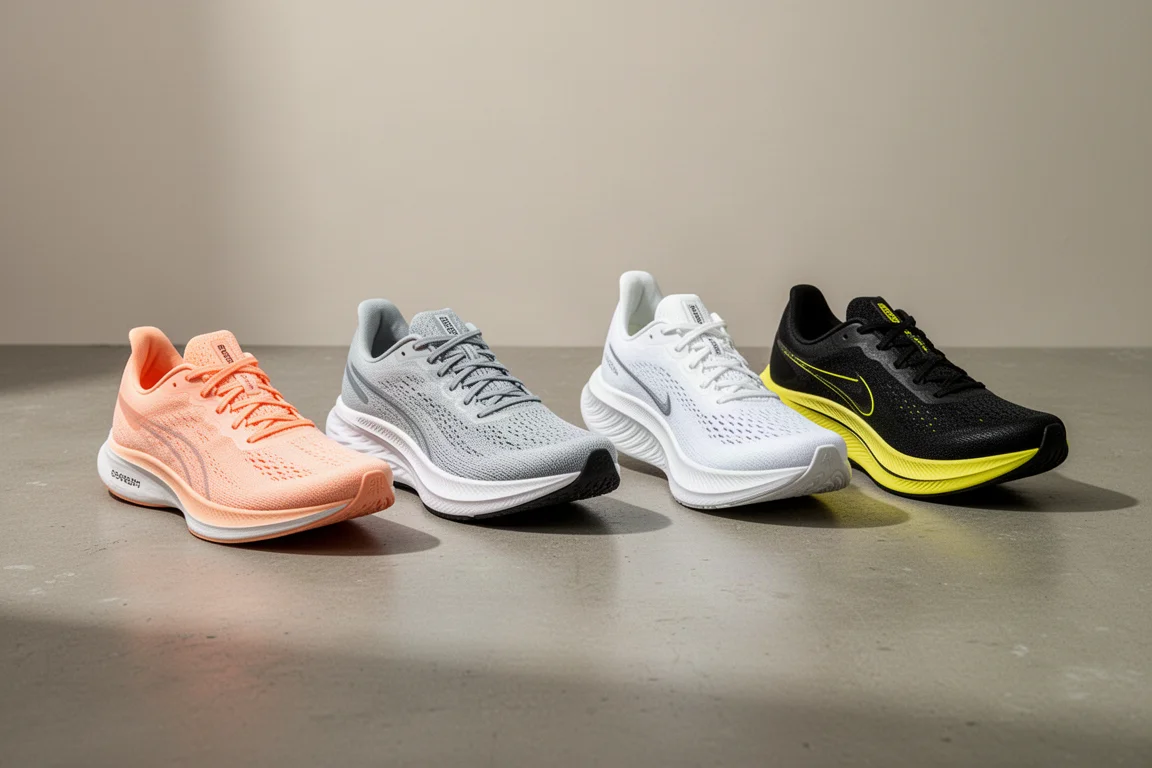
This roundup looks at four shoes that frame the current debate perfectly: the Adidas Adizero Pro Evo 1 at the extreme top of the price scale, the Adidas Adizero Evo SL and Adizero Adios Pro 4 as strong value plays from the same brand, and the Puma Fast-R Nitro Elite 3 as an alternative super shoe that undercuts the top price significantly. All four are genuinely fast. The real question is which one makes sense for how you actually run.

Adidas Adizero Pro Evo 1: Brilliant, and Priced Out of Reach
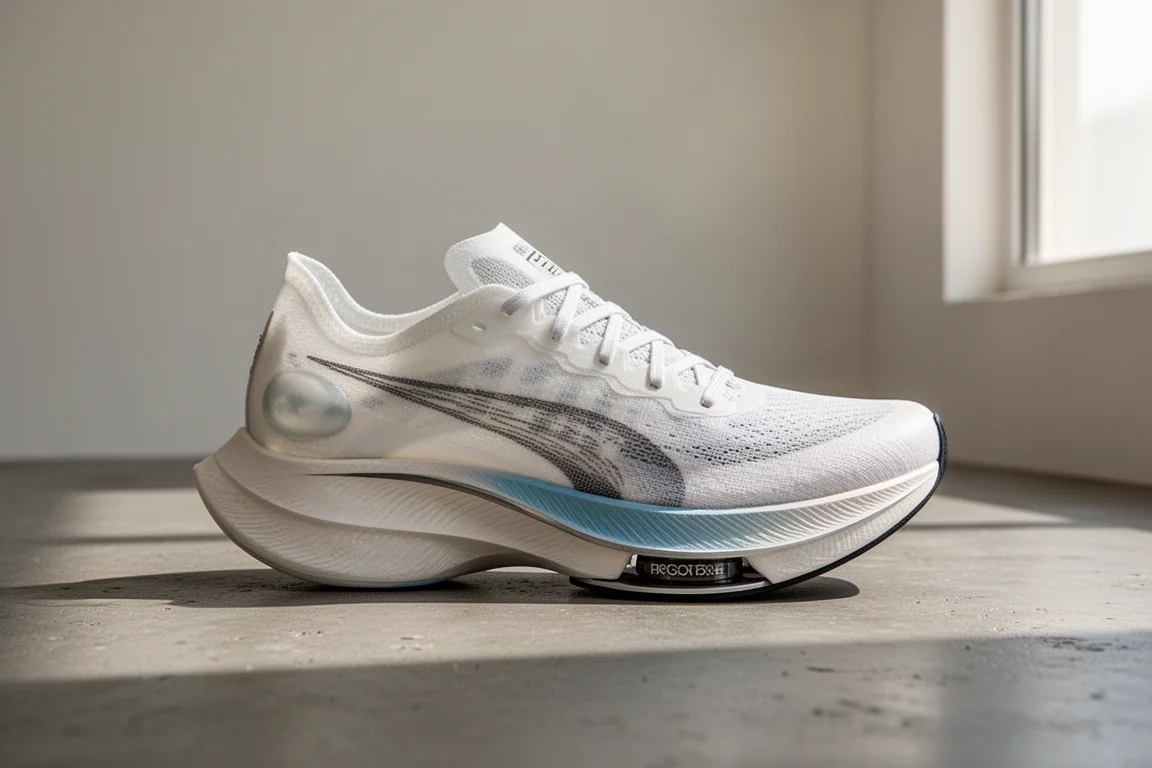
The Adizero Pro Evo 1 sits on the Adidas UK webstore at £450, with almost all sizes available. That availability itself is telling: for a flagship racing shoe, plenty of stock sitting around suggests demand has not matched the price. It is an extraordinarily light shoe with a foam formula that offers strong energy return and fewer materials around the foot, which naturally makes it quicker. Less shoe, less weight, more speed.
The trade-off is durability and economics. A super light racing shoe built with minimal materials is vulnerable to the everyday hazards of running: step on a thorn, glass, or a nail and a very expensive shoe may be finished. For many runners that risk simply does not justify running slightly faster, especially with a proven follow-up, the Pro Evo 2, adding a little more forefoot stack and a slightly amended outsole. If the next model already offers more shoe, the case for paying top price now gets even harder to make.
Adidas Adizero Evo SL: The Value Benchmark
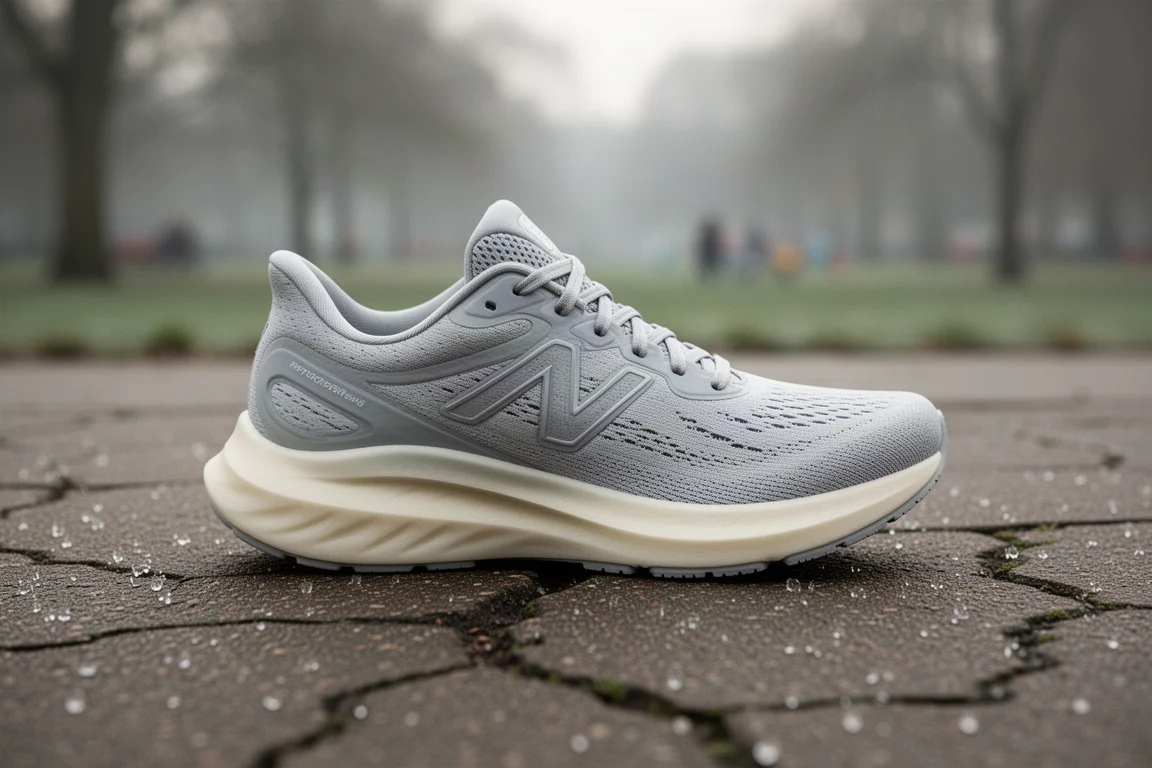
At £130 in the UK, the Adizero Evo SL is the anti-Pro Evo 1: you could buy three pairs of it for the price of one top-tier racer and still have change for running gear. And the shoe itself is no compromise play. It is light enough for faster running and even racing, soft enough for most runners thanks to the older Lightstrike Pro foam formula, and durable enough for daily training sessions.
Early impressions suggested the midsole rode a little firm, but it softens up with use and becomes something quite special. It is the kind of shoe that gets better the more you run in it, and runners are comfortably racking up 300 to 400 miles in a pair. In a tight economy, a shoe this capable at this price is exactly what most runners actually need.
Adidas Adizero Adios Pro 4: The Sensible Racing Choice
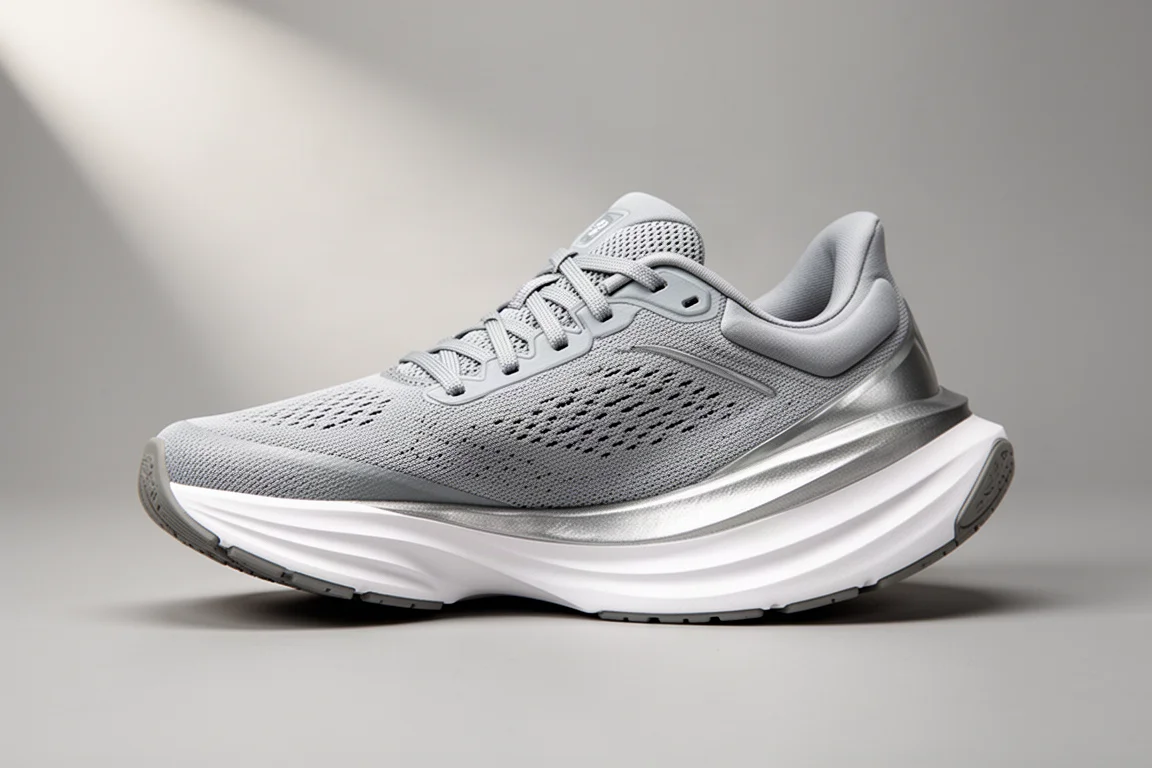
The Adizero Adios Pro 4 is such a good shoe at half the price of the Pro Evo 1 that it may be the very reason the flagship is gathering dust. It delivers genuine race-day performance without the extreme price, making it the natural pick for runners who want a true super shoe but refuse to pay for marginal weight savings.
For anyone deciding between the two Adidas racers, the logic is straightforward: the Pro Evo 1 is lighter and marginally quicker, but the Adios Pro 4 gets you most of the performance for a fraction of the outlay, with far less anxiety about ruining a fragile race-day investment on a bad step.
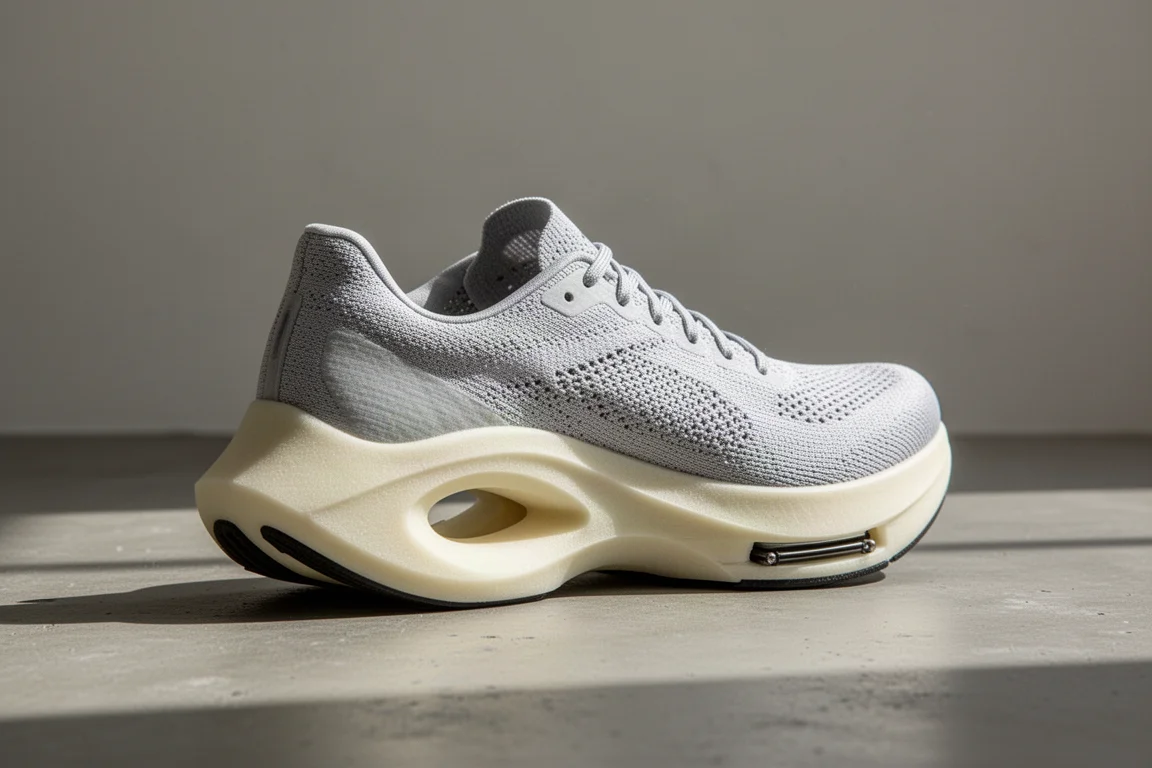
Puma Fast-R Nitro Elite 3: Fast Without the Excess
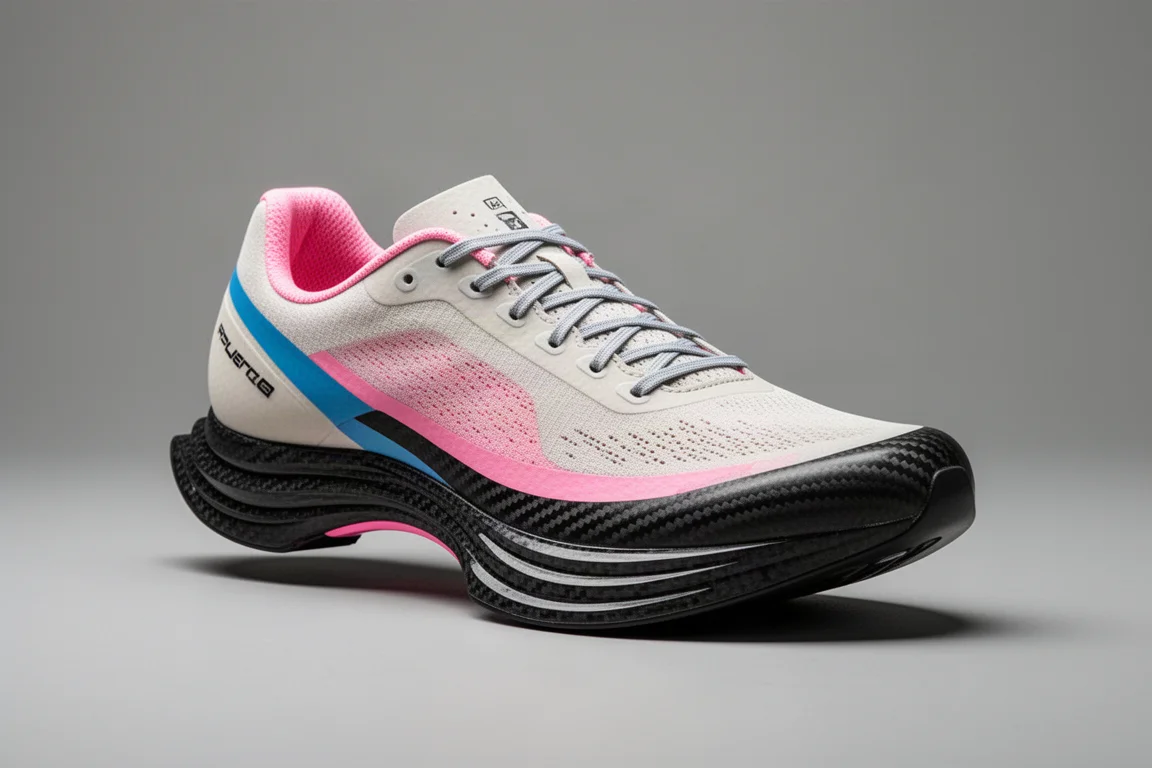
Puma has trimmed as much excess foam as possible from the Fast-R Nitro Elite 3 midsole, lowering the weight to what it considers an optimal point, and the shoe lands around £260 in the UK. That is still a serious investment, but it undercuts the Pro Evo 1 by a wide margin while targeting the same top-tier racing audience.
The development-cost argument gets complicated here. Adidas has suggested enormous development spending behind the Pro Evo 1 and 2, yet Puma has managed a highly efficient super shoe at a notably lower price, despite development costs of its own. For runners, the takeaway is simple: the Fast-R Nitro Elite 3 proves that top-tier performance does not automatically require the market’s highest price tag.
How to Choose Between Them
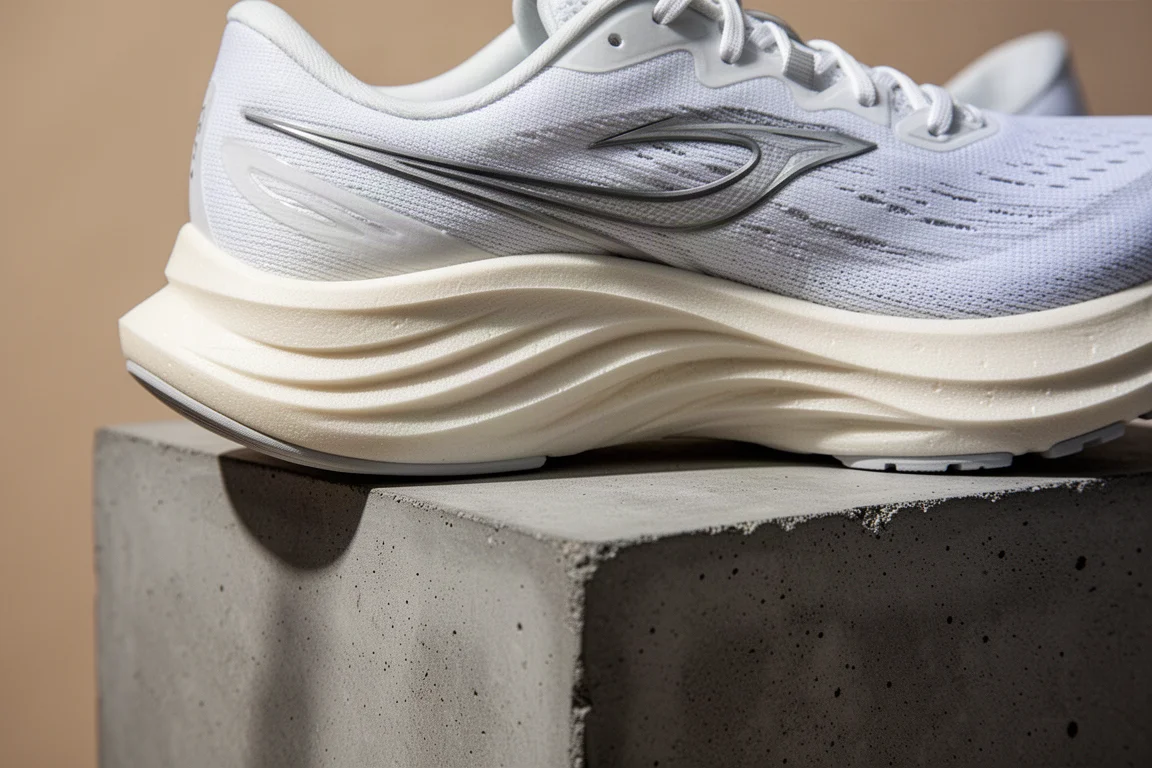
If you race seriously and money is no object, the Pro Evo 1 is the lightest tool in this group. If you want one shoe that handles daily training, tempo work, and the occasional race, the Evo SL is the standout value and possibly the best all-rounder here. If you want a dedicated race shoe without flagship pricing, the Adios Pro 4 is the easy answer. And if you want a modern super shoe with an aggressive rocker and a mid-tier flagship price, the Fast-R Nitro Elite 3 earns its place.

Conclusion
The expensive-shoe question comes down to this: is a top racing shoe genuinely better, or just less shoe, less weight, and fewer materials at a premium? With the Evo SL available at £130, the Adios Pro 4 at half the flagship price, and the Fast-R Nitro Elite 3 undercutting the top end entirely, most runners have excellent options that do not require spending £450 on a pair. Spend where the performance gain is real for your running, not where the marketing points.
Further reading
Related Reviews

Running Shoes
Best Road-to-Trail Running Shoes: Three Versatile Options for Mixed Terrain
A practical guide to three road-to-trail running shoes that handle both pavement and mild trails, with clear strengths and trade-offs for different runner types.

Running Shoes
Best Running Shoes for Achilles Tendonitis: Three Options Explained
Three running shoes with different heel drops and support features designed to help reduce Achilles tendon pain during walking and running.

Running Shoes
Best Running Shoes for Women: Five Top Choices Ranked
A ranked guide to five women's running shoes, from versatile daily trainers to high-performance racing options, with real strengths and trade-offs for each.