Running Shoes
Adidas Pro Evo 3 Review: A Transcendent Racer, Not a Daily Shoe
The $500 sub-2-hour marathon racer returns with wild uncompressed foam, a carbon energy rim, and a ridiculous 115 g weight. Here is who it actually makes sense for.
Introduction
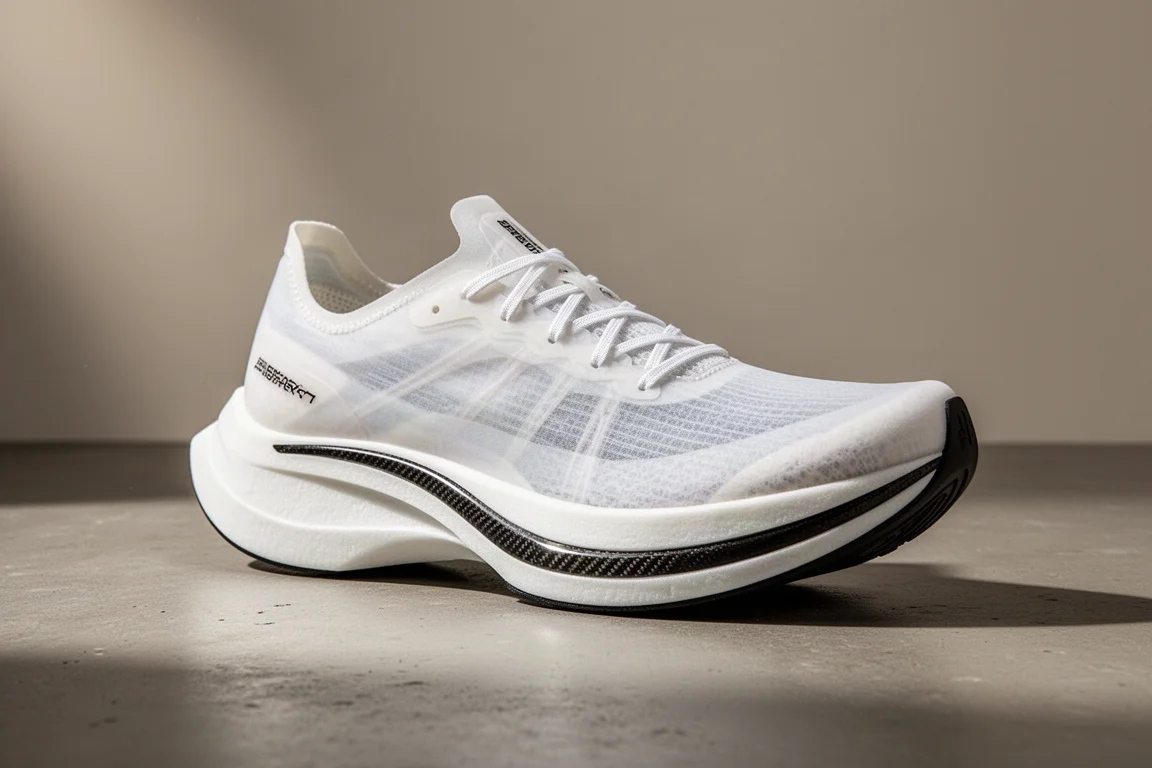
The Adidas Pro Evo 3 is a $500 racer, and it is the same shoe used to run the first two-hour marathons at London earlier this year. That pedigree alone makes it one of the most talked-about shoes on the planet. The more interesting question is whether the third generation fixes what was wrong with the first two.
Short version: it does, mostly. The Pro Evo franchise went from a hollow, unimpressive ride to one of the most energetic platforms available today. But every trade-off that comes with a 115 g speed weapon is still here, and some of them are genuinely rough. This is a shoe engineered like a race car, and it should be judged that way.
What Makes the Pro Evo 3 Different
The headline technology is uncompressed foam in the midsole. Rather than compressing the material, Adidas keeps it in an uncompressed state, which translates into an absurd weight saving. In a US 10.5, this shoe weighs 115 g on the scale, and possibly closer to 100 g after a sweaty run. For context, a typical race shoe like the Alphafly sits around 200 to 220 g, and even the current lightweight generation of racers runs 170 to 180 g. This is 30 to 40% lighter than those lightweight shoes and roughly half the weight of other popular super shoes.

The midsole also gets a carbon “energy rim”: a carbon plate that rises up the sides and wraps almost all the way around the shoe, leaving only the medial side open. The spoon-like shape lets Adidas put more foam underfoot while reducing plate feel. The foam itself is the same family used in the Prime Evo X, and it is a completely different animal from the firm, hollow Lightstrike of the previous two Pro Evos. It compresses deeply, feels soft and bouncy, and adds genuine pop rather than leaving the runner to do all the work.
How It Rides
The first two Pro Evos could be run fast, but the shoe gave nothing back. This one is propulsive. The rocker geometry is excellent, the plate position is dialed, and the foam compresses hard above the plate while still responding quickly. The shoe encourages landing on the forefoot, which suits runners at threshold half-marathon pace and faster who pop off the front of the shoe and drive turnover.
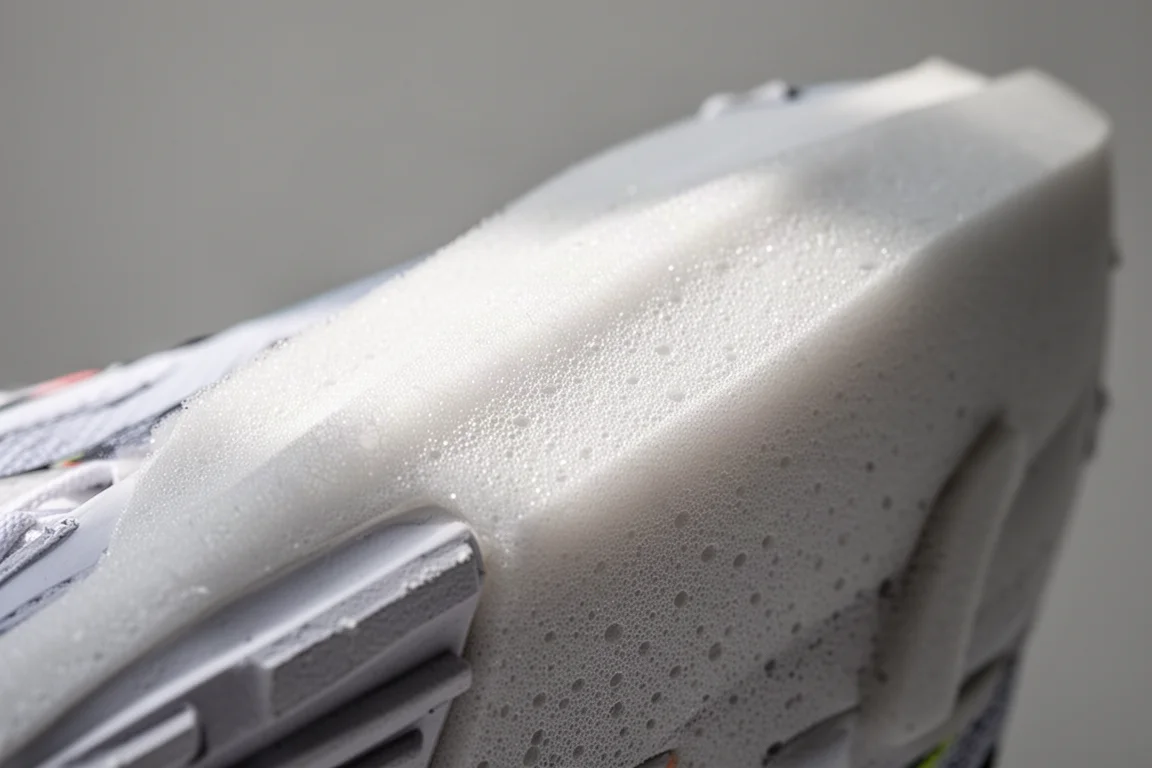
It also works as a fatigue eliminator. Despite the aggressive intent, you barely feel the plate at all, and the midsole foam is genuinely comfortable underfoot. That combination of near-nothing weight plus real bounce is why this is the sub-2-hour marathon shoe: it is easy to pick your legs up and turn them over, and the foam supplies the energy the older versions never had.
The Downsides
Every weakness here comes from the same place: this was built as a speed weapon within World Athletics rules, not as a mass-market product. The upper is the first problem. It is paper-thin, to the point of feeling like a grocery bag. There is barely anything holding the shoe to your foot, and the foot slides around inside it. Reties were needed two or three times during a single workout, and cranking the laces down leaves the forefoot heavily crinkled. The previous generations had better uppers.
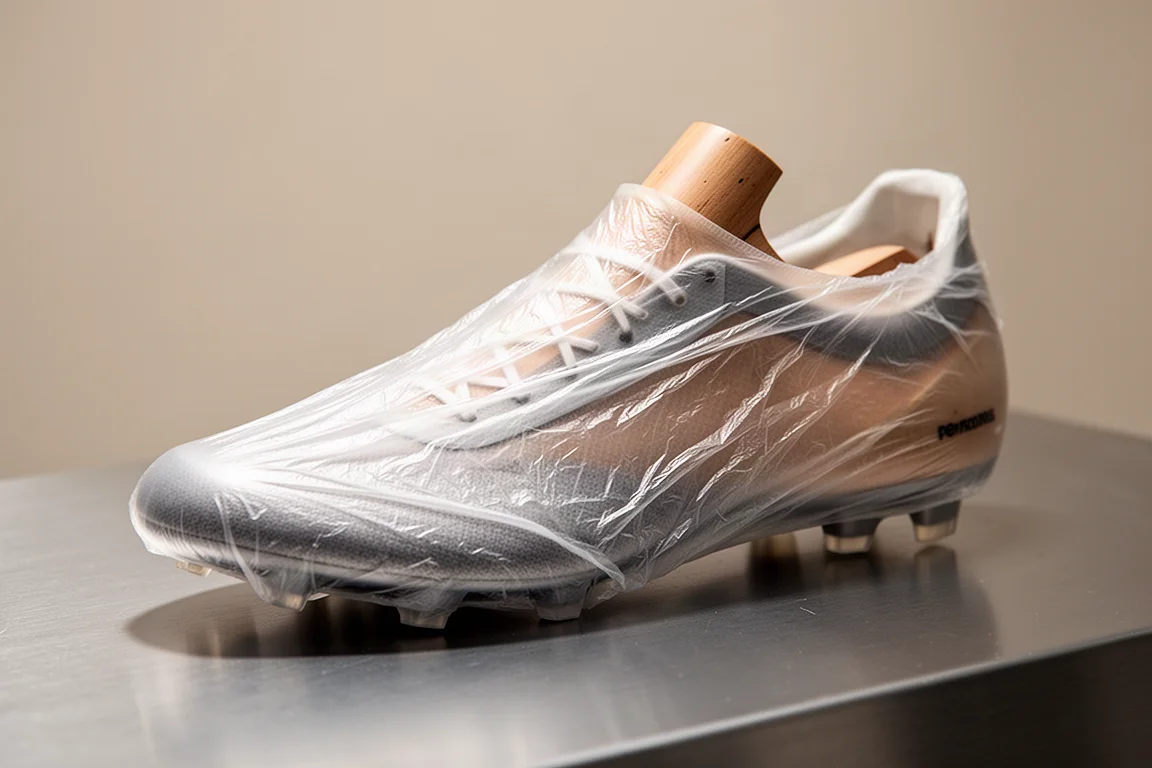
The second downside is stability. The heel is extraordinarily unstable, even with a small plastic heel cup for reinforcement. Any cornering, turning around a cul-de-sac, or stepping off the road felt genuinely ankle-endangering. Runners with any stability needs should look elsewhere entirely; this is a straight-line speed tool, and it demands flat or forefoot landings.
Third is durability. Small pieces of the rubber outsole began coming off, which is unsurprising for a shoe intended to deliver essentially one great run. The consolation is grip: the front now uses Continental rubber, a clear improvement over the slick outsole of the Pro Evo 2 that caused slipping issues for some athletes. No grip problems appeared on dry roads.
Buying Advice: Who Should Actually Buy This
The open question with a shoe like this is where it becomes the optimal choice, because it is emphatically not for everyone. The guess here is that the sweet spot sits somewhere between a 2:10 and 2:30 marathon. Run slower than 2:30 and the trade-offs start to haunt you: form breaks down over time, the unstructured upper demands constant attention, and the soft foam turns messy.

Course matters too. This is a straight-line shoe. Races with lots of turns, stepping off the road, or soft footing will punish it, while flat out-and-back courses play directly to its strengths. If you have stability or overpronation concerns, this is not your shoe at any pace.
Conclusion
The Adidas Pro Evo 3 is transcendent. After two generations of lightweight-but-lifeless racers, Adidas finally paired the ridiculous weight with a foam that has heart and soul. It is fun, propulsive, comfortable, and absurdly light, and it is easy to see why elite athletes chose it to break the two-hour barrier.
If you want the absolute fastest shoe available and you can afford a Ferrari, this is the Ferrari. Just know exactly what you are buying: a fragile, unstable, single-purpose race day weapon with a 115 g weight and foam among the best in the sport. For the right runner on the right course at the right pace, nothing else comes close.
Product link
View more details for Adidas Pro Evo 3
This product is mentioned in the review. Check the specifications, options, and compatibility before buying.
View more details for Adidas Pro Evo 3Further reading
Related Reviews

Running Shoes
Best Road-to-Trail Running Shoes: Three Versatile Options for Mixed Terrain
A practical guide to three road-to-trail running shoes that handle both pavement and mild trails, with clear strengths and trade-offs for different runner types.

Running Shoes
Best Running Shoes for Achilles Tendonitis: Three Options Explained
Three running shoes with different heel drops and support features designed to help reduce Achilles tendon pain during walking and running.

Running Shoes
Best Running Shoes for Women: Five Top Choices Ranked
A ranked guide to five women's running shoes, from versatile daily trainers to high-performance racing options, with real strengths and trade-offs for each.