Running Shoes
Adidas Prime X2 Strung Review: A Max-Cushion Concept Shoe That Trades Bounce for Stability
With 54mm of heel stack, a split carbon plate, and a hefty 355g weight, the Prime X2 Strung is a very different shoe to its predecessor. Here's how it performs.
Introduction
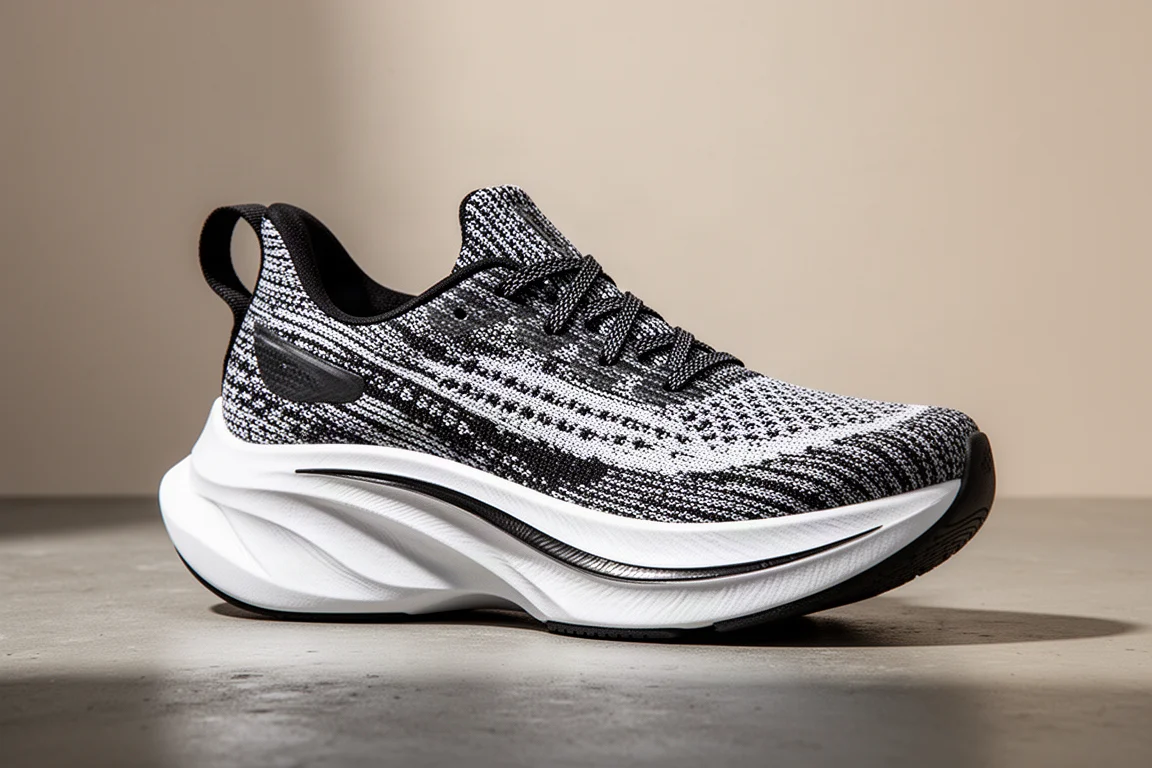
The Adidas Prime X2 Strung arrives as the sequel to one of the most talked-about max-cushion shoes in recent memory. The original Prime X Strung was among the best running shoes this site has ever tested, so expectations were high for round two. The answer? It is a very different shoe, and not always in the ways you might expect.
This one was bought at retail rather than supplied, at a painful £250 list price, though a discount brought the real-world cost down to around £163. In UK size 11 (US 11.5), it weighs a whopping 355 grams, over 50 grams heavier than the first version. The stack is enormous: 54mm in the heel and about 47mm in the forefoot, roughly a 7mm drop. Adidas also widened the platform considerably, around 12cm in the forefoot and 8.4cm at the heel, which makes for a much more stable landing platform at the cost of added foam and weight.
The Upper
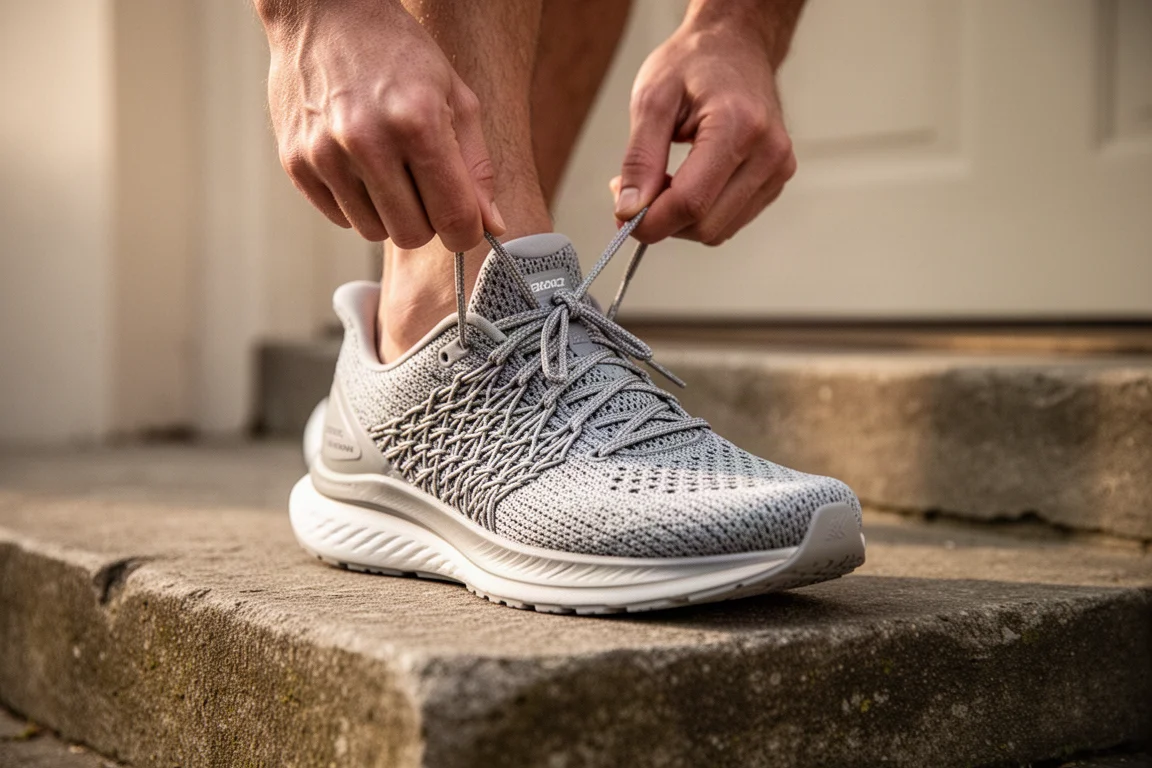
The Strung upper carries over in spirit but feels very different on foot. Like the Nike Alphafly, there is a knit-like section forming the tongue that joins the two halves of the upper. Getting the shoe on is a challenge: you essentially need the rear pull tab as a built-in shoehorn.
Sizing is odd. Go true to size and you get a low toe box height but gallons of extra room around the sides of the foot, even with thick socks. If you want a more generous toe box you could go up half a size, but that just adds more loose upper material. The laces barely do anything except through the final couple of eyelets, so a runner’s knot is the way to get a proper lockdown. The upper materials also flex and give a little after a few miles, though a re-tighten seems to stabilise things.
Comfort is genuinely good: no rubbing, no hot spots, no heel slip, and breathable enough in testing summer heat. But if you dislike a sock-like fit, this experimental concept shoe is not for you. The final eyelets look like hard plastic but are backed with coarse material; some wearers have reported them digging in, so it is worth bearing in mind. Small quality niggles exist too, such as a glued-in insole that started lifting at the heel. Still, it is a beautiful-looking shoe with a distinctive finish, and the upper earns a 2.4 out of 3.
Midsole
Out go the energy rods and blades of the first version; in comes a split carbon-infused plate plus a new energy core material in the forefoot, which measures soft enough to suggest a formula similar to the Pebax-based foams Adidas uses elsewhere.
On foot, this is not the same ride. The Prime X was very bouncy; this keeps some of that DNA but is far more stable and controlled underfoot, especially on turns and bends. That makes it a much better long-range cruiser: steady-pace miles and easy recovery runs where the colossal 54mm stack saves the legs and keeps bouncing you forward.
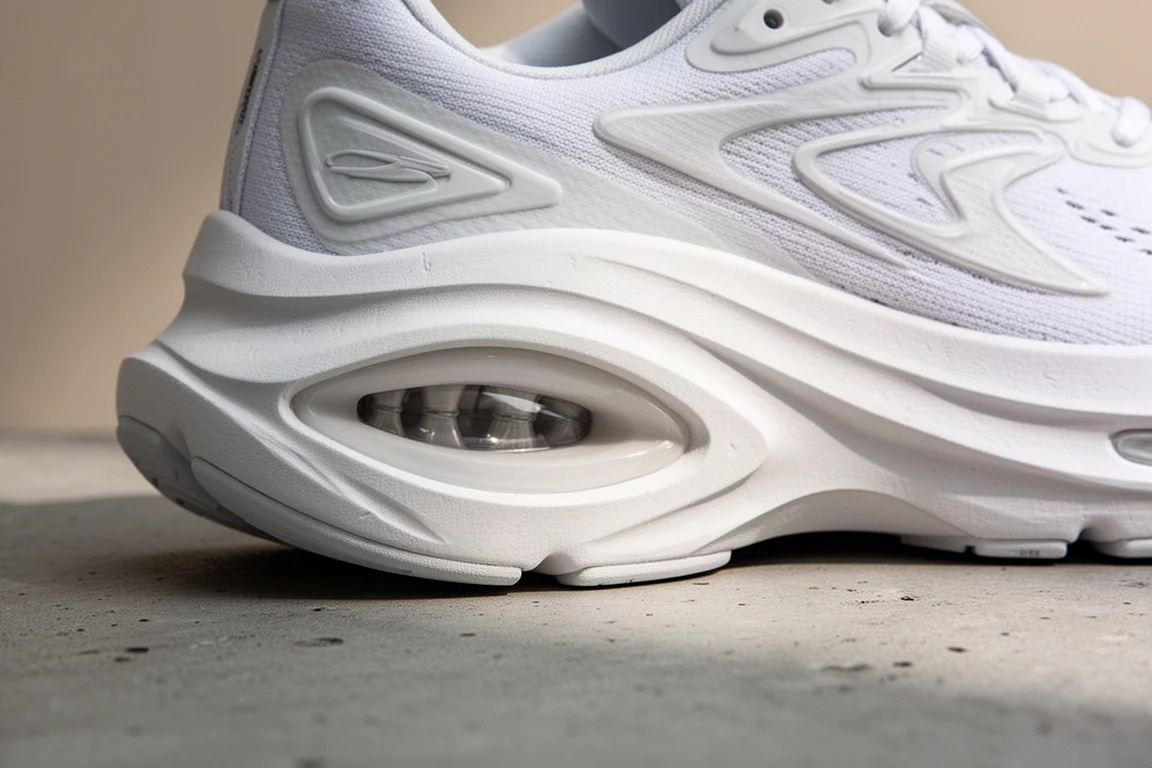
At higher paces it struggles. The extra 50 grams per foot makes faster running more testing, and this is no longer a race option. Compared with rivals, there is more pop here than in the Asics Gel-Kayano 30 or Nimbus 25, it is more fun to run in than the Saucony Kinvara Pro, and it offers more forward propulsion than the Nike Invincible Run, where much of the foam sits elsewhere than directly underfoot. The heel bevel and lateral geometry deliver a cushioned, impact-protected heel strike. The midsole scores 2.8 out of 3: better than other early impressions suggested, and one of the most cushioned rides out there, but at a weighty price.
Outsole
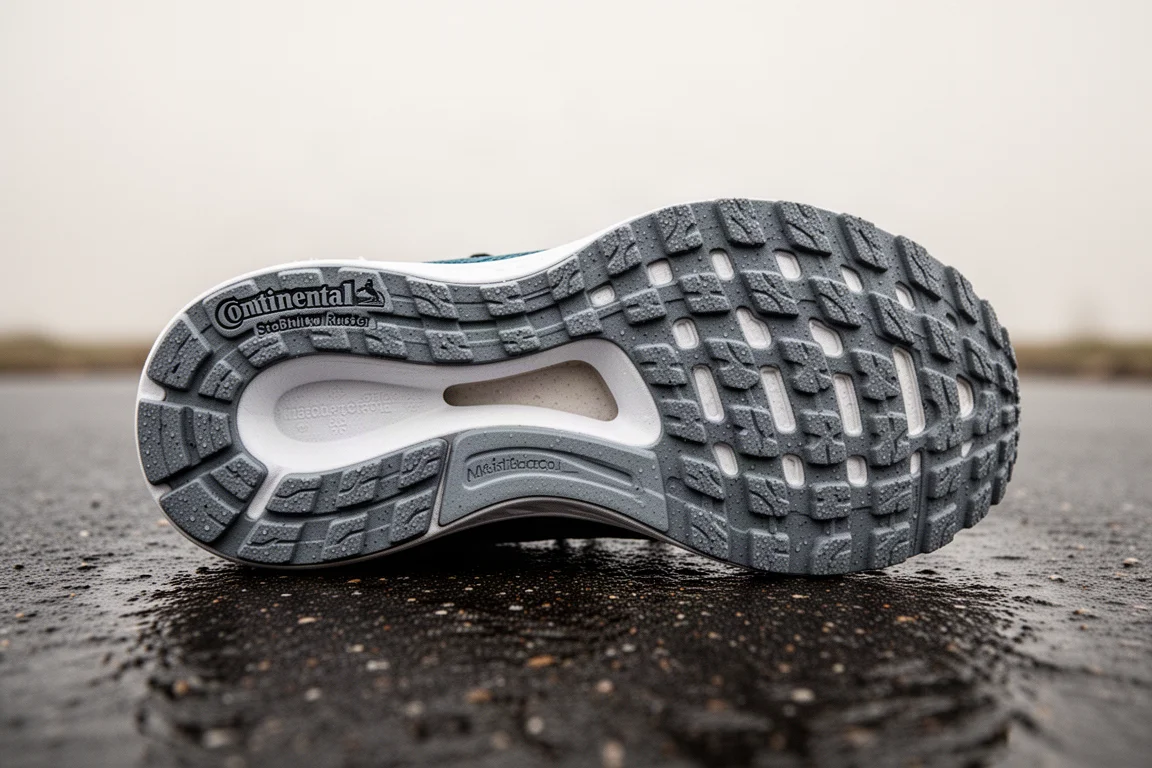
The outsole is the best part of this shoe. The Continental rubber coverage is thick, roughly 2mm by eye, coarse, and grippy, with excellent traction on road and pavement. There is an unusual double plastic overlay on the medial side, possibly to enhance stability, and a large cutout in the exposed midsole in the forefoot for flexibility. The one caveat: avoid gravel tracks, as exposed midsole and trails do not mix. It scores a full 3 out of 3.
Value and Verdict
At £250 retail, this is a very expensive shoe: about £30 cheaper than the Alphafly and roughly £15 more than the Vaporfly. Whether it is worth that price is debatable; at the discounted price paid here, it feels much fairer.
Who should consider it? Runners with slightly wider, more voluminous feet, since the fit favours them. Triathletes may love the pull-tab entry once they get used to it. Most of all, it suits long-range training at steady paces, where the cushioning genuinely spares the legs. It is not a race shoe at 355 grams, and over a long race the extra weight will tell. Those with very narrow feet should look elsewhere.
Final score after the initial runs: 10.5 out of 12. It is a training option now, and more than ever an experimental concept shoe from Adidas rather than an out-and-out running shoe. If you loved the original’s wild bounce, this tamer, heavier take may disappoint. If you want a mega-cushioned monster with fantastic traction and none of the Alphafly 2’s aggressive arch, the Prime X2 Strung could be spot on.

Conclusion
The Prime X2 Strung trades some of its predecessor’s bounce for a wider, more stable, more usable platform that shines on easy and steady miles. The fit is quirky, the price steep, and it is far too heavy to race in, but as a leg-saving long-run tool it is hard to beat. Test it, try it with your usual socks, and judge the odd sizing for yourself before committing.
Product link
View more details for Adidas Prime X2 Strung
This product is mentioned in the review. Check the specifications, options, and compatibility before buying.
View more details for Adidas Prime X2 StrungFurther reading
Related Reviews

Running Shoes
Best Road-to-Trail Running Shoes: Three Versatile Options for Mixed Terrain
A practical guide to three road-to-trail running shoes that handle both pavement and mild trails, with clear strengths and trade-offs for different runner types.

Running Shoes
Best Running Shoes for Achilles Tendonitis: Three Options Explained
Three running shoes with different heel drops and support features designed to help reduce Achilles tendon pain during walking and running.

Running Shoes
Best Running Shoes for Women: Five Top Choices Ranked
A ranked guide to five women's running shoes, from versatile daily trainers to high-performance racing options, with real strengths and trade-offs for each.