Running Shoes
Adidas Prime X Strung V2 and the Max Stack Racing Shoe Field: What to Expect
A closer look at the Adidas Prime X Strung V2 and the max-stack shoes it will compete with, including the New Balance SC Trainer, Asics Superblast, and Adidas Takumi Sen 8.
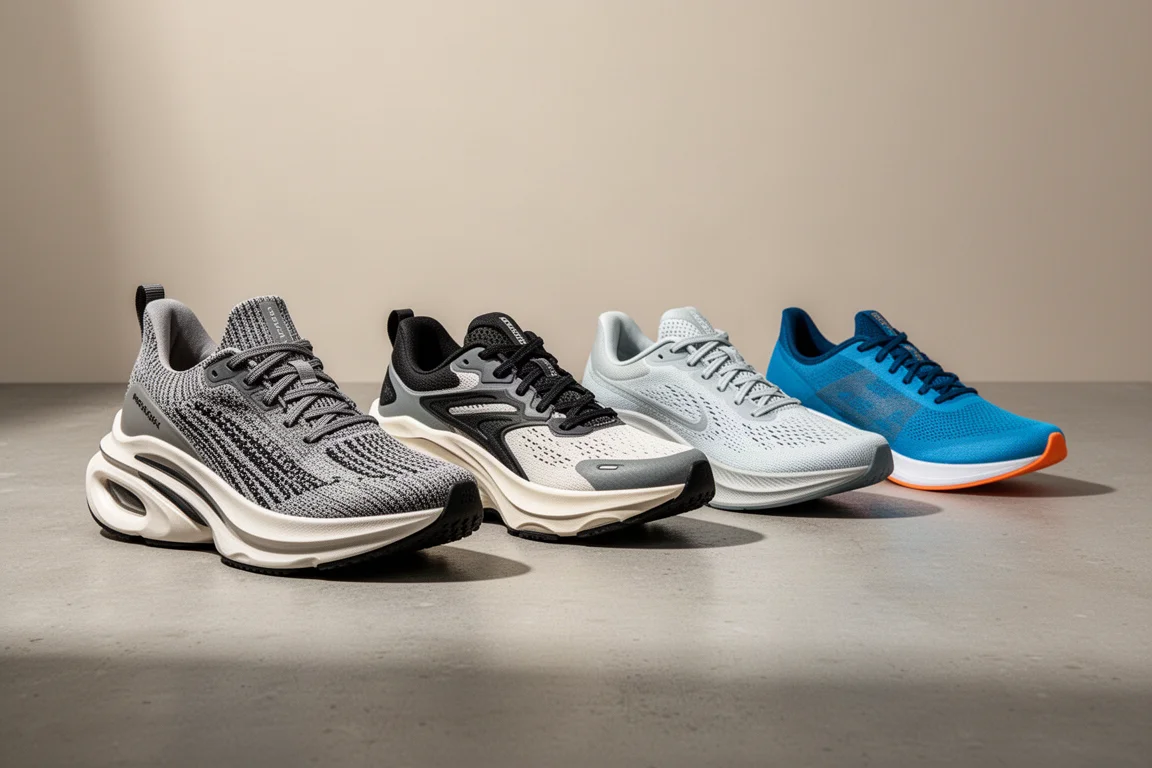
Introduction
The Adidas Prime X Strung V2 is shaping up to be one of the most talked-about releases in performance running footwear, and for good reason. It takes an already extreme platform and pushes it further: a 50 millimeter stack of Light Strike Pro foam paired with not one but two carbon fiber plates. That places it firmly in the max-stack, beyond-race-legal category, going head to head with the New Balance SC Trainer and the Asics Superblast.
In this guide we break down what we know about the Prime X Strung V2 so far, how its dual-plate design differs from the traditional single-plate super shoe formula, and how it stacks up against the three shoes most likely to be cross-shopped.
Adidas Prime X Strung V2: Two Plates and 50mm of Foam
The first Prime X Strung already had an unusual recipe: a 50 millimeter stack of Light Strike Pro, Adidas’s supercritical TPE compound, in a shoe famous for its soft, cloth-like knit upper. The V2 keeps that same platform but adds two carbon fiber plates into the midsole.
The single carbon plate formula has been refined across countless super shoes, from the Nike Vaporfly to the Adidas Adizero line, so moving to two plates is a genuine question mark. The expectation is more buoyancy, more responsiveness, and more bounce from the platform, though the real underfoot feel remains to be seen.
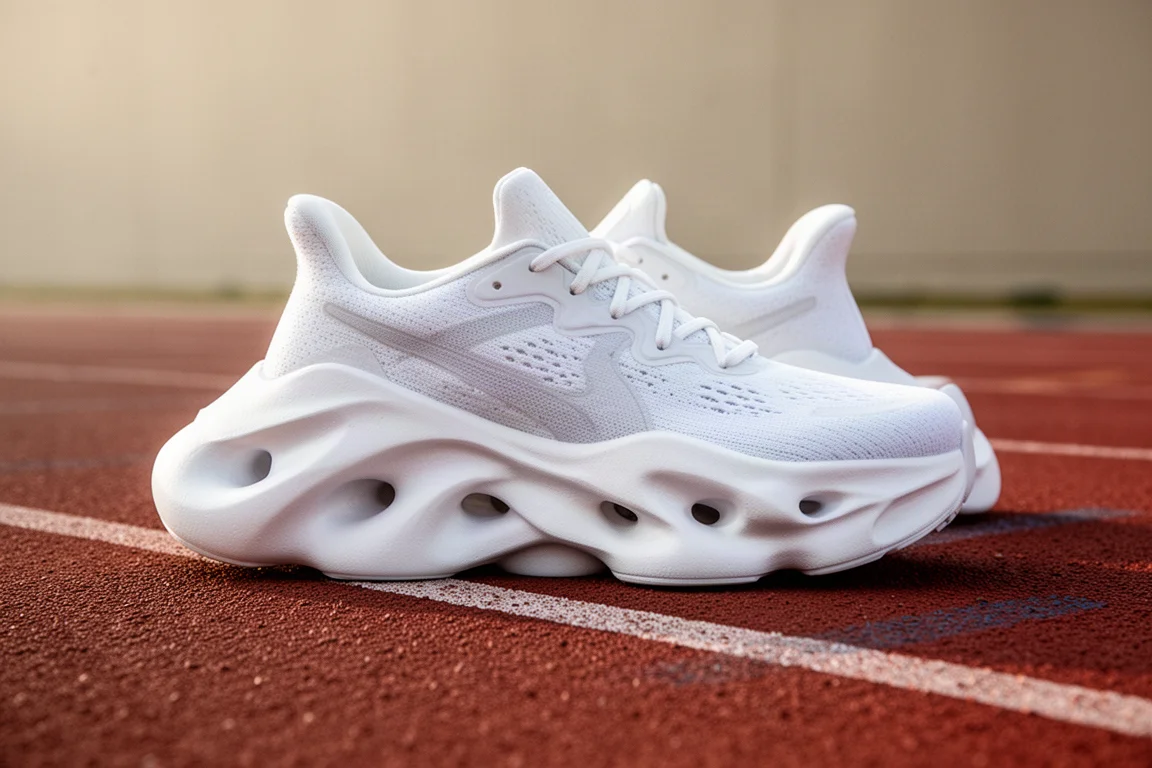
From early images, the midsole appears to have some kind of cutout, possibly to reinforce the dual carbon plates. What is not yet clear is whether the shoe uses a full plate setup or Adidas’s energy rod configuration, the pronged carbon rods the brand traditionally uses in its racing shoes.
Why Stack Height and Legality Matter
This is the elephant in the room. World Athletics set the standard that a shoe must have a midsole stack no higher than 40 millimeters and only one carbon fiber plate to be race legal for road competition. The Prime X Strung V2, with its 50 millimeter stack and dual plates, does not meet those limits.
That does not make it irrelevant, though. For recreational runners chasing a personal best, a shoe that gets you out the door and motivates you to push harder can still be worth wearing in training and non-sanctioned events. The innovation is exciting for the sport regardless, and it is worth watching how these platforms perform for marathoners in the three to four hour range.
New Balance SC Trainer
The New Balance SC Trainer is one of the two max-stack shoes the Prime X Strung V2 will be positioned against. Its first version leaned heavier, which kept it from being a favorite, but its core idea is genuinely appealing: carbon plate propulsion you can use on easy days and recovery runs, not just race day.
The ride was described as super comfortable while staying bouncy, something like a Saucony Endorphin Speed 3 made a bit heavier and less nimble. You bounce along rather than attack, which makes it a strong option for high-volume training with a propulsive edge.

Asics Superblast
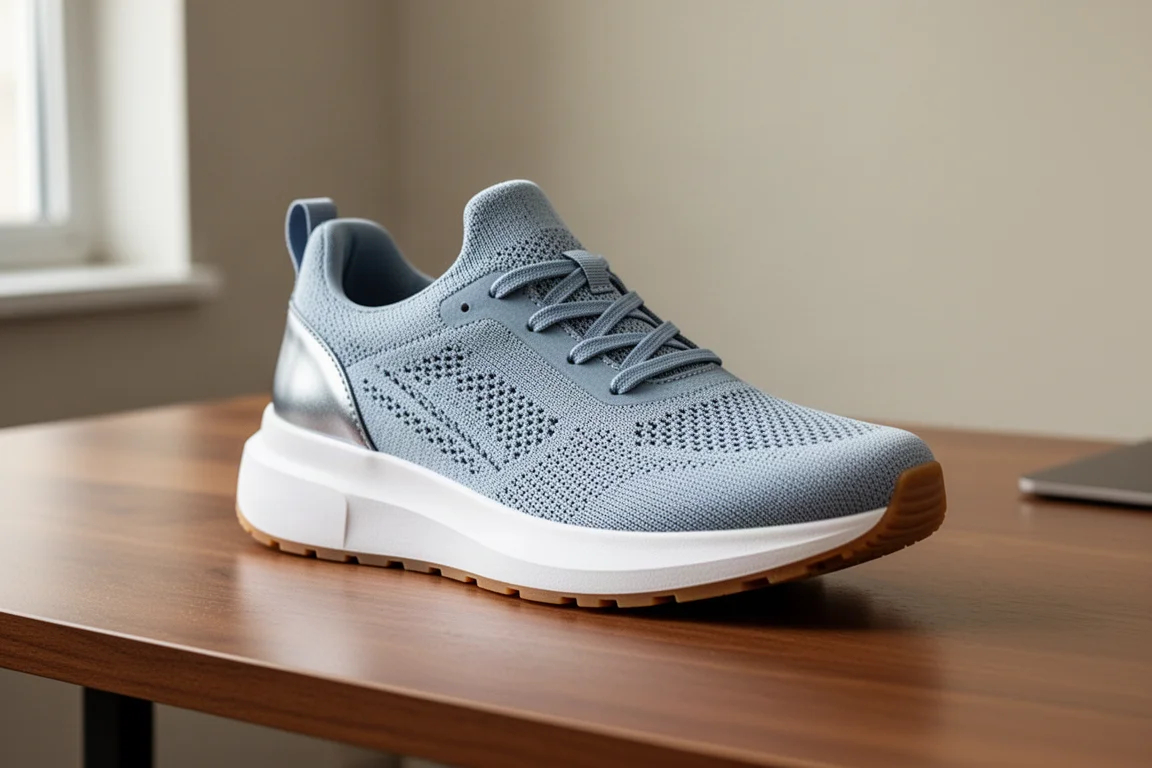
The Asics Superblast takes a different route to max-stack performance. It also exceeds the 40 millimeter stack limit, but instead of a plate it pairs FF Blast Plus foam with the firmer FF Turbo foam used in Asics’s racing shoes. That denser foam provides the propulsion instead of a rigid plate, giving the Superblast enough snap for marathon pace efforts and faster.
That makes it arguably the most versatile of the max-stack trio: bouncy enough for easy days, firm enough to handle genuine speedwork. If the Prime X Strung V2’s ride skews firmer and more speed-oriented, the Superblast is its most direct rival.

Adidas Takumi Sen 8: Understanding the Energy Rods
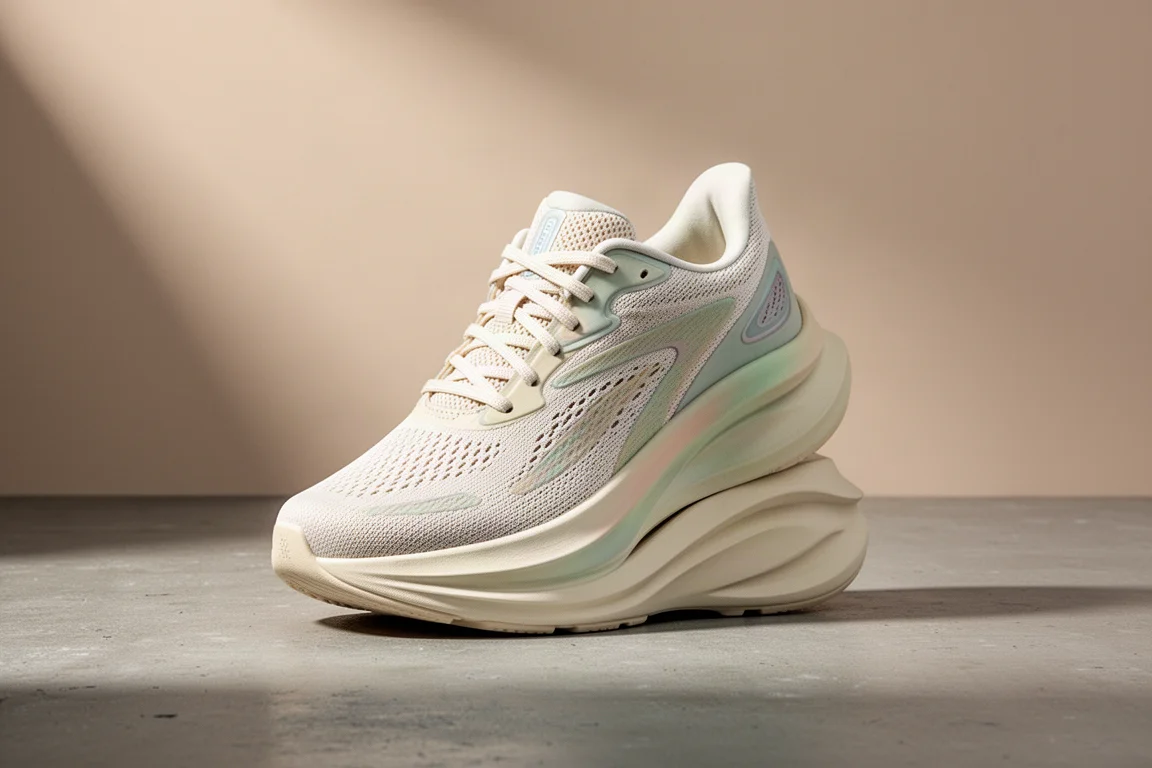
To understand what Adidas might do inside the Prime X Strung V2’s midsole, it helps to look at the Takumi Sen 8. Instead of a straight carbon plate, Adidas uses pronged carbon fiber energy rods that reinforce the midsole while allowing more flexibility through the platform and a more natural cornering feel during races.
Compare that with a full-plate shoe like the Saucony Endorphin Pro 3, and the difference is obvious: the rod setup flexes where a full plate stays rigid. With a 50 millimeter stack, though, the Prime X Strung V2 is unlikely to be flexible regardless, which suggests Adidas is reinforcing the platform with every resilient, responsive material it can to build the most propulsive ride possible.
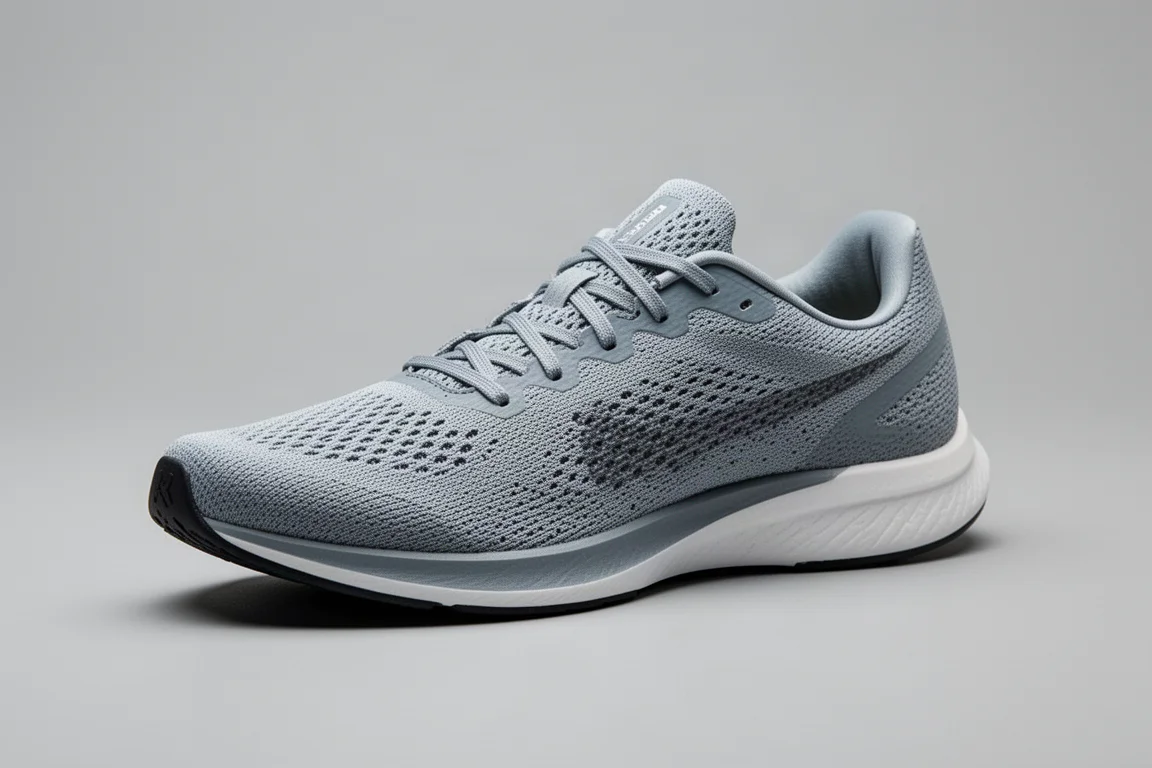
Where the Prime X Strung V2 Fits in Your Rotation
One telling detail: an Adidas professional athlete reportedly ran the Ironman marathon world record, a sub-2:30 effort, in the Prime X Strung. That is not the kind of result you would expect from a soft, versatile trainer; it hints at a firmer, more speed-oriented ride than the 50mm of foam might suggest.
So the direction for this category seems clear. Rather than adding versatility and comfort, the Prime X Strung V2 is about adding speed, responsiveness, and bounce. If the SC Trainer is the max-stack easy-day shoe and the Superblast is the versatile do-everything option, the Prime X Strung V2 looks like the max-stack race weapon.

For the Prime X Strung V2 itself, the pitch is simple: a 50 millimeter Light Strike Pro platform with dual carbon plates, a proven comfortable Strung knit upper, and a clear speed-first intent. If your priority is trampolining your way to a race PR in training and non-World Athletics events, it deserves a spot on your shortlist.
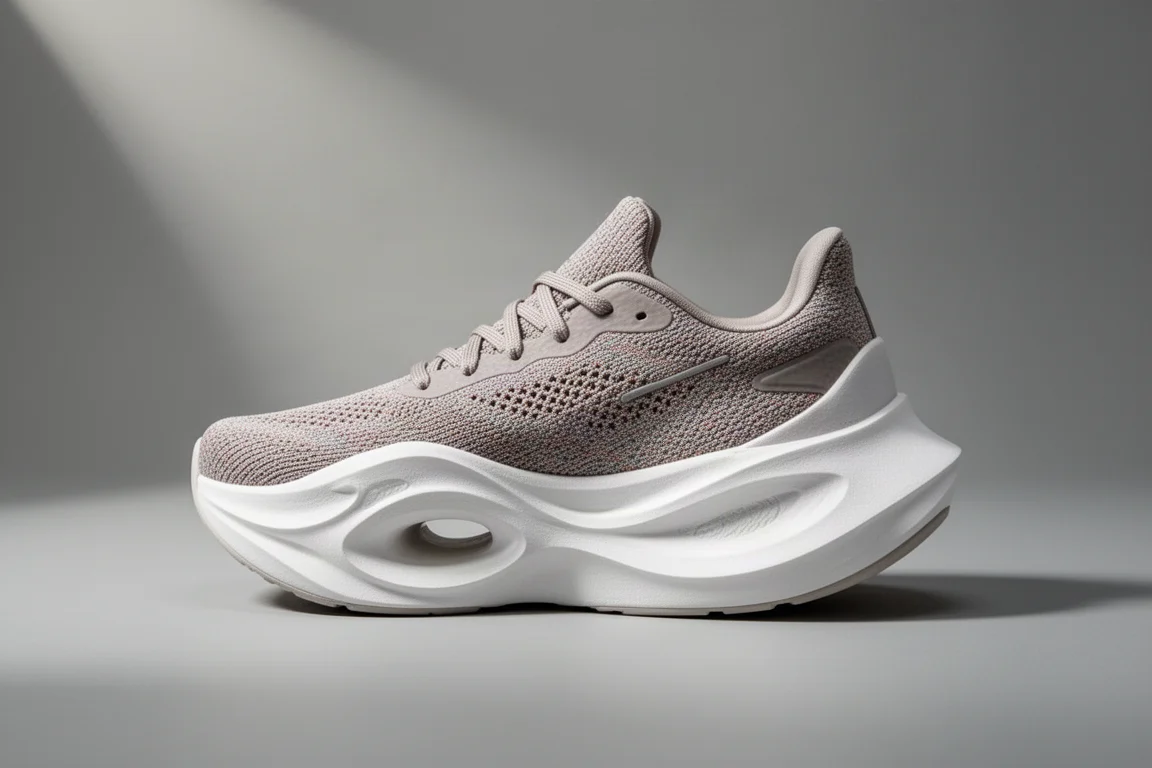
Conclusion
The max-stack shoe category keeps pushing boundaries, and the Adidas Prime X Strung V2 may define its next chapter. Choose the SC Trainer for cushioned, propulsive easy miles, the Superblast for a versatile plate-free ride that still handles pace work, the Takumi Sen 8 for a traditional flexible racing feel, and the Prime X Strung V2 when maximum stack and maximum propulsion are the goal.
Further reading
Related Reviews

Running Shoes
Best Road-to-Trail Running Shoes: Three Versatile Options for Mixed Terrain
A practical guide to three road-to-trail running shoes that handle both pavement and mild trails, with clear strengths and trade-offs for different runner types.

Running Shoes
Best Running Shoes for Achilles Tendonitis: Three Options Explained
Three running shoes with different heel drops and support features designed to help reduce Achilles tendon pain during walking and running.

Running Shoes
Best Running Shoes for Women: Five Top Choices Ranked
A ranked guide to five women's running shoes, from versatile daily trainers to high-performance racing options, with real strengths and trade-offs for each.