Running Shoes
Adidas Prime X Strung OG vs Puma MagMax Nitro: Two Takes on Super Max Cushion
Two towering max-stack trainers take very different approaches: a 50 mm race-foam rocket and a wide, stable souped-up trainer.
Introduction
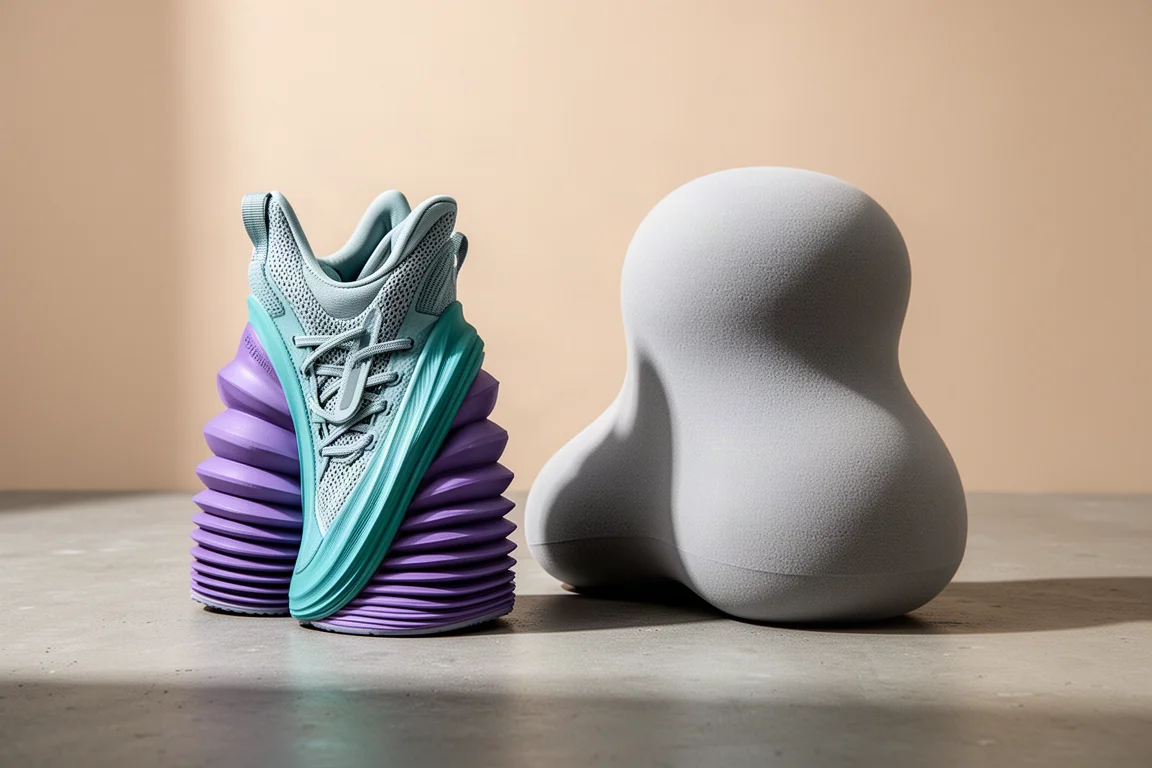
Max cushion is no longer a niche corner of the running market. Two shoes in particular keep coming up in conversation about the tallest stacks on sale today: the Adidas Prime X Strung OG and the Puma MagMax Nitro. Both sit well above the traditional stack heights most runners grew up with, but they approach the idea of “more foam” from opposite directions.
Two Philosophies of Maximum Stack
The Prime X Strung OG is widely credited as one of the originators of the 45 mm-plus segment, and with a 50 mm stack it still looks enormous. The MagMax Nitro is a newer take on the same idea, but with a much wider, more stable platform. Comparing them side by side makes the market split obvious: one is a rule-breaking racer, the other a cushioned everyday workhorse.
Adidas Prime X Strung OG Review
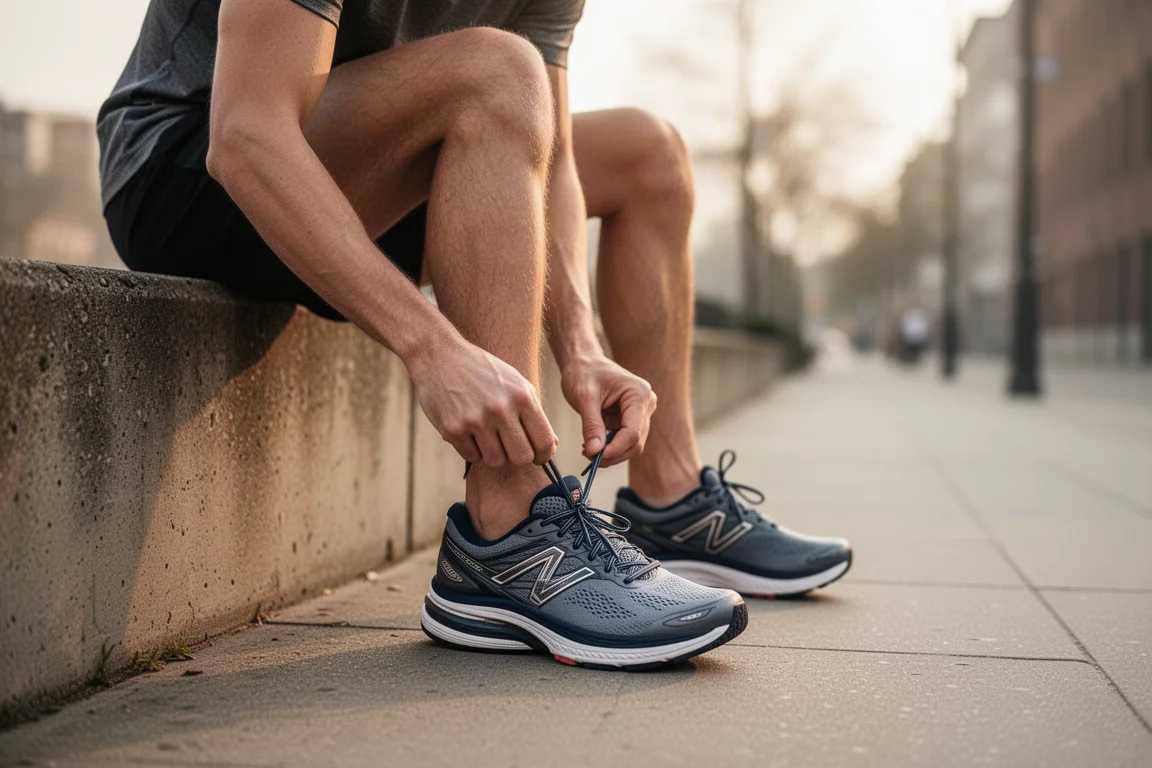
The Prime X Strung OG runs 100% Light Strike Pro race foam, the same foam family found in Adidas’ fastest racing shoes. Adidas does not use plates in the traditional sense; instead the shoe uses energy rods to add stiffness and a degree of stability to a massive stack of foam, with additional reinforcement elements near the front of the midsole.
Despite the towering 50 mm stack, the shoe weighs a claimed 275 g, which is lighter than many ordinary daily trainers and lighter than a well-known high-cushion neutral trainer from the same brand. The Strung upper keeps the weight down and offers a lightweight, locked-in fit.
The catch is the heel. The platform under the heel is extremely narrow, roughly half the width of the MagMax Nitro, closer in width to a lightweight speed trainer than a max-cushion trainer. Walking in it, the ankle visibly wobbles, and heel strikers or runners who need stability should think carefully.
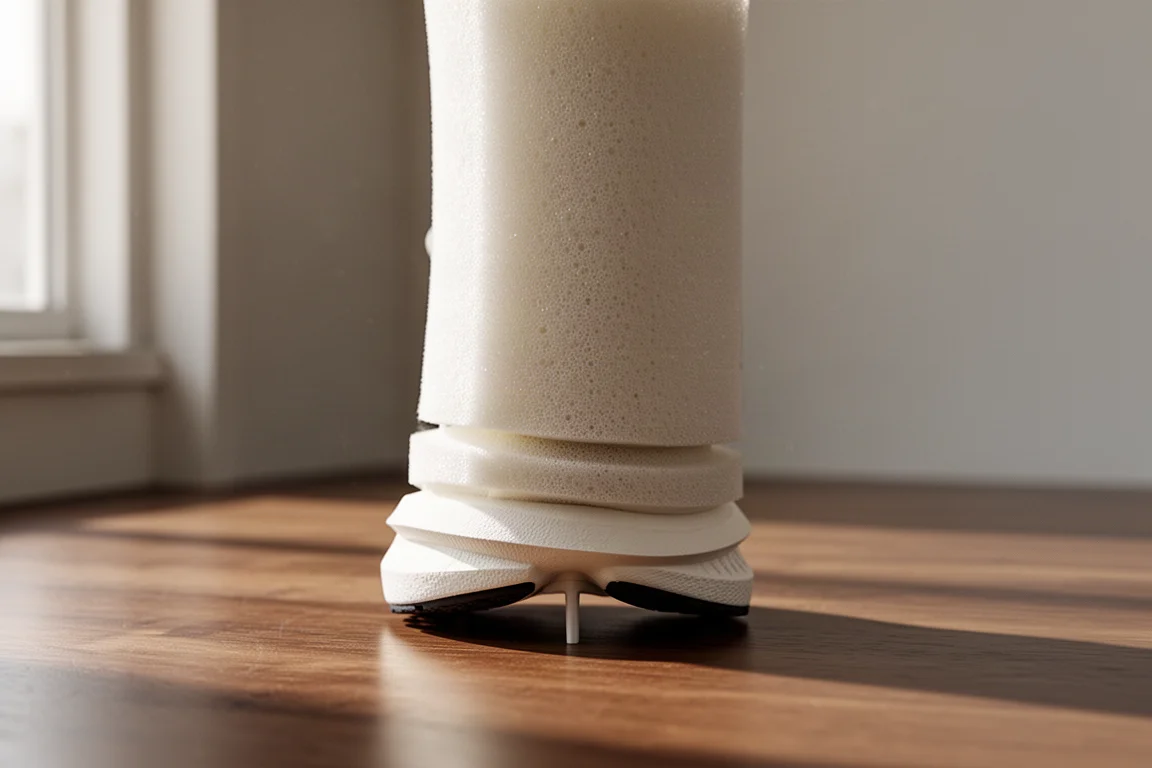
On the run, though, the shoe earns its reputation. The Light Strike Pro foam takes some force to activate, but once pace picks up it bounces the runner along with surprising ease. During testing, faster paces felt dramatically easier than the effort suggested, with sub-six-minute-pace miles feeling like cruising. It feels like an elevated version of a fast tempo trainer with far more stack, best used for faster miles, tempo runs, and long race-pace efforts rather than slow recovery jogging.
Puma MagMax Nitro Review
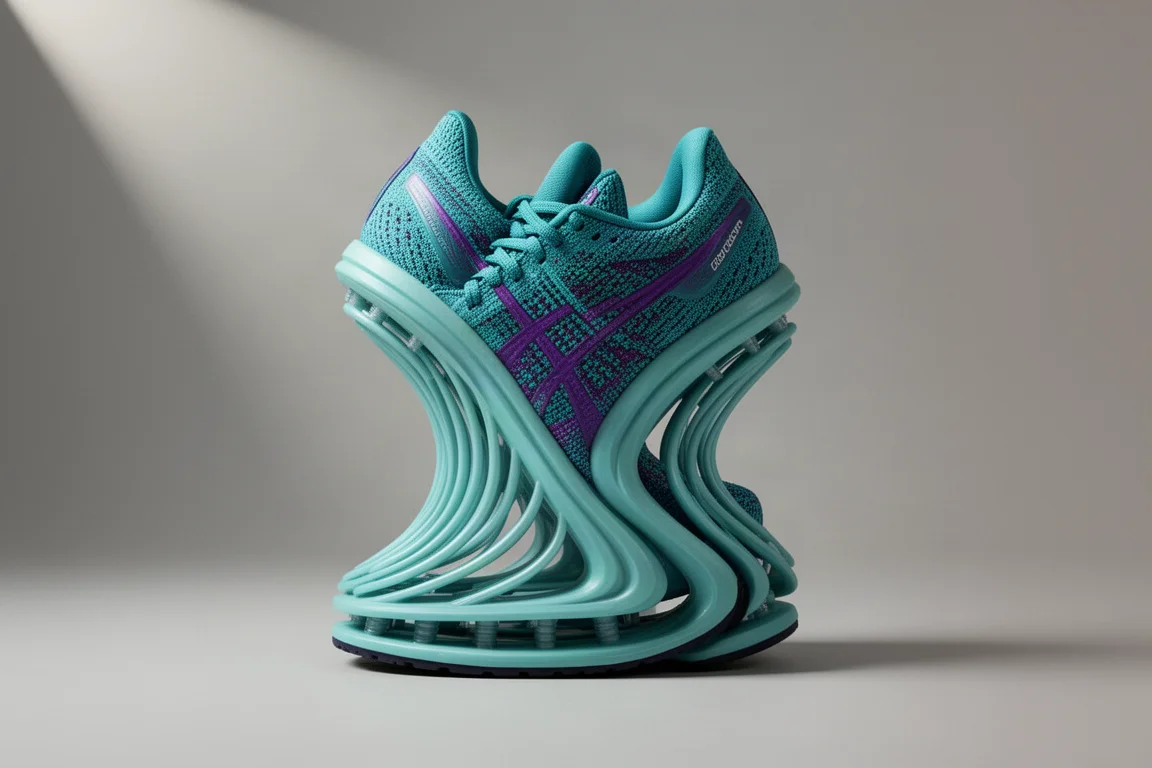
The MagMax Nitro is a very different animal. Visually it carries nearly twice the width of the Prime X Strung OG underfoot, and that width translates directly into stability and comfort. It uses a Nitro training foam rather than full race foam, which is part of why it costs less than the Adidas.
It is also a heavy shoe at 325 g, and it takes work to run in. The enormous bulk of foam means the legs need to keep turning over to get the most from the bounce, and it fights back a little at easy paces. But the trade-off is real: wrapped, stable geometry and so much protection that an 18-mile day felt manageable.
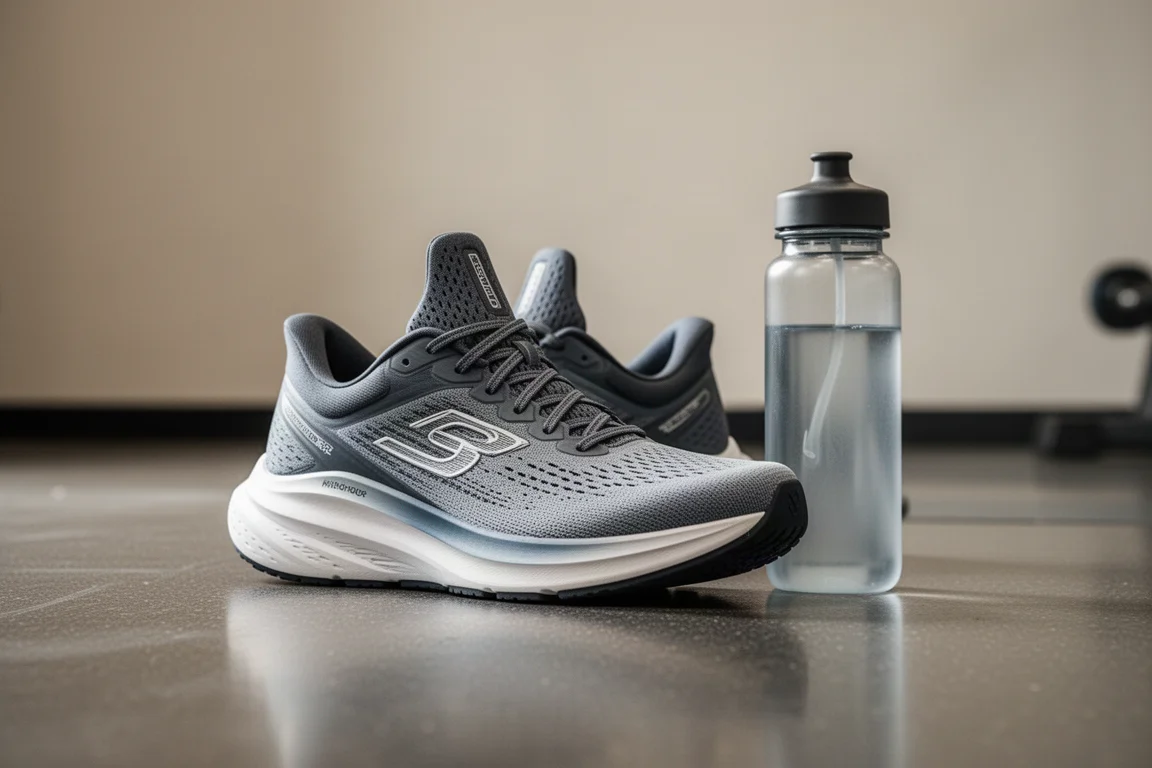
For heavier runners, hard heel strikers, or anyone who simply wants a plush, protective everyday trainer, the MagMax Nitro makes more sense than the Adidas. It feels like a heavily amplified version of a classic cushioned neutral trainer: approachable, stable, and built for long miles rather than personal bests.
Buying Advice: Which One Fits Your Running
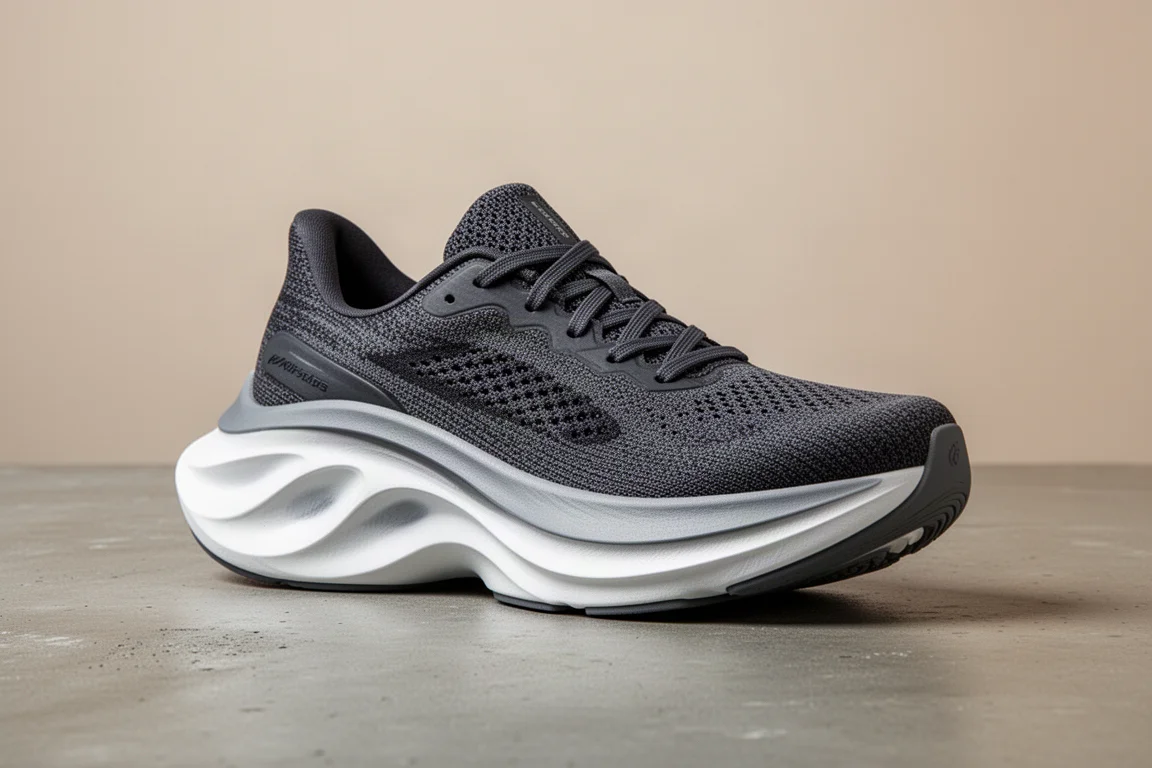
These two shoes answer different questions. If the goal is a marathon racer with the maximum legal-adjacent stack and genuine speed assistance, the Prime X Strung OG is the more focused tool, provided the runner has confident ankles and does not need heel stability. If the goal is maximum comfort and protection for everyday training and long slow miles, the MagMax Nitro is the safer, easier choice.

Conclusion
The Prime X Strung OG proves that extreme stack can still deliver race-day speed, while the MagMax Nitro shows where the market is heading: more stability, more accessibility, and max cushion for everyone. Matching the shoe to the type of running matters more here than in almost any other category.
Further reading
Related Reviews

Running Shoes
Best Road-to-Trail Running Shoes: Three Versatile Options for Mixed Terrain
A practical guide to three road-to-trail running shoes that handle both pavement and mild trails, with clear strengths and trade-offs for different runner types.

Running Shoes
Best Running Shoes for Achilles Tendonitis: Three Options Explained
Three running shoes with different heel drops and support features designed to help reduce Achilles tendon pain during walking and running.

Running Shoes
Best Running Shoes for Women: Five Top Choices Ranked
A ranked guide to five women's running shoes, from versatile daily trainers to high-performance racing options, with real strengths and trade-offs for each.