Running Shoes
Prime X Strung 2 vs 3 and 7 More Running Shoes Worth Knowing About
A closer look at the Adidas Prime X Strung 2 and 3, plus stability-minded picks from New Balance, Salomon, Saucony, On, and Mount to Coast.
Introduction
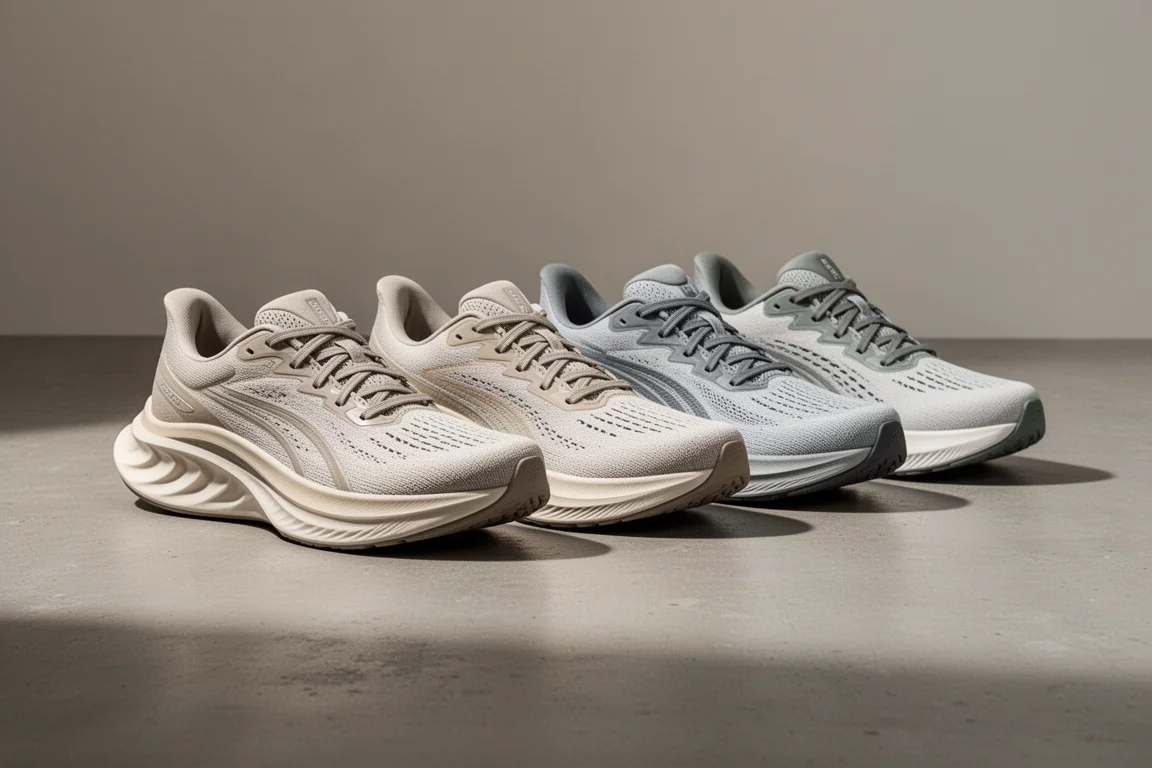
Some running shoes are easy to categorize, and some quietly ask you to rethink what you want from a trainer. That is especially true for the Adidas Prime X Strung line, where the latest two versions feel like genuinely different shoes rather than a simple refresh. Around them sits a wider group of trainers worth knowing about, including options chosen specifically for runners managing inner-ankle issues like tibialis posterior tendinopathy or tarsal tunnel syndrome, and a dedicated ultramarathon stability shoe from Mount to Coast.
This guide walks through what each shoe does well, where it falls short, and who it actually makes sense for.
Adidas Prime X Strung 2: The Stable Super Trainer
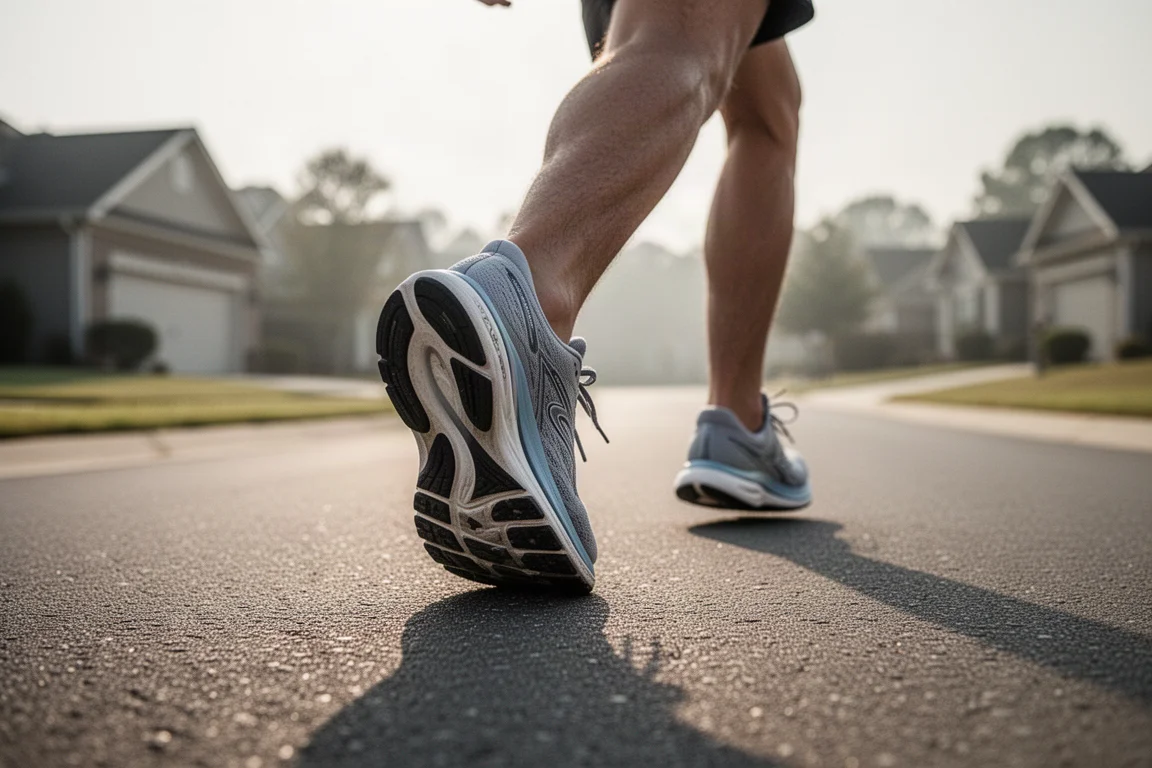
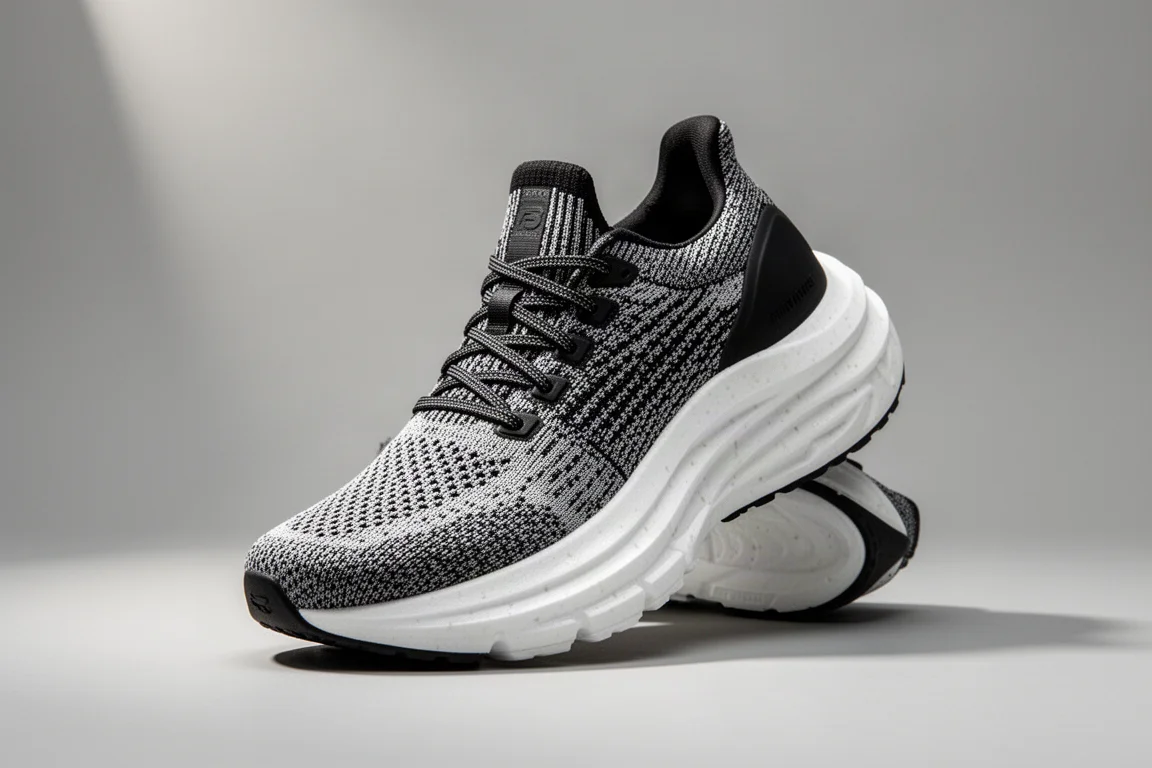
The Prime X Strung 2 sits at a towering 50 mm heel and 43 mm forefoot for a 7 mm drop, weighing about 11.3 oz (320 g) in a men’s size 10. It is not light, and it is not fast, but it is surprisingly stable for a shoe this tall. The lateral heel bevel and solid midfoot setup give it a laterally biased heel ride with good guidance, and there are two carbon fiber plates, one top and one bottom.
Durability is a real strength. After 200 miles, the outsole, midsole, and strung upper all held up well. The low-volume strung upper locks the foot down securely, though it can create pressure points, and there is no heel counter, which many runners will appreciate. As a trainer, it caps out around longer, easier, or mildly uptempo efforts; marathon pace work is a stretch.
Adidas Prime X Strung 3: The Faster, Bouncier Update
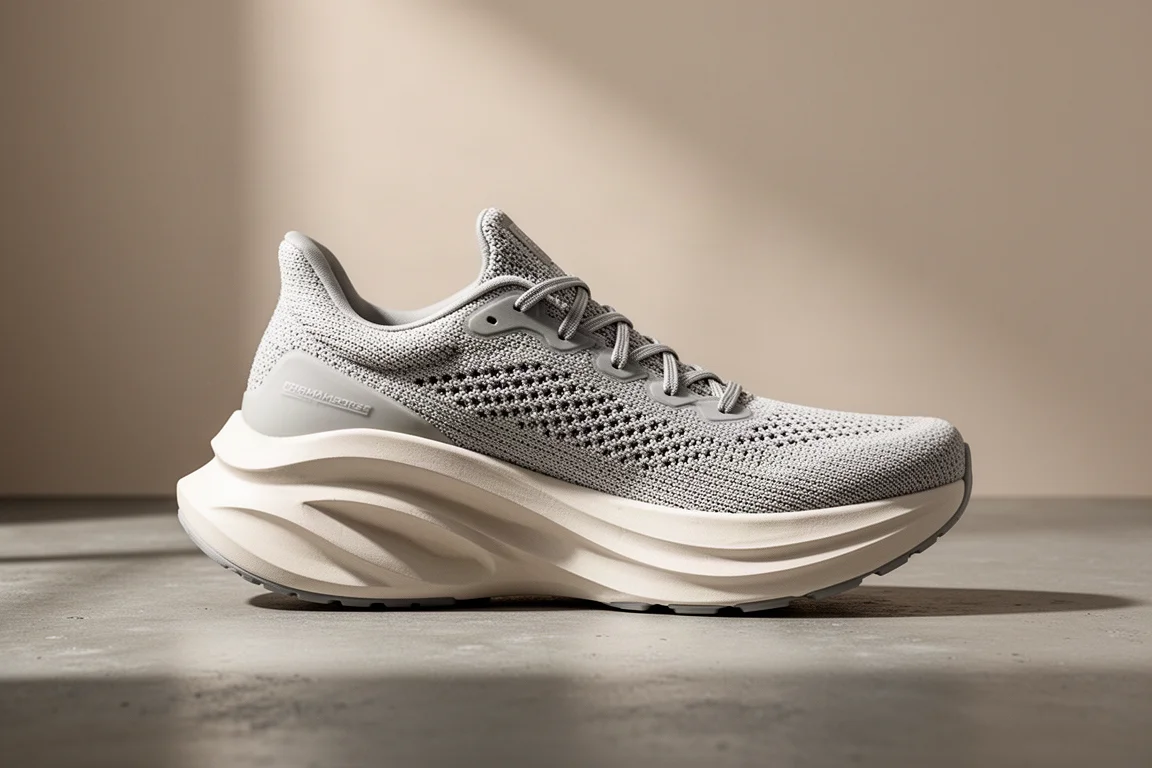
The Strung 3 keeps the same claimed stack heights but drops to about 10.9 oz (310 g). The foam is noticeably softer and bouncier, and the structure changes: version two’s dual carbon plates give way to a single carbon fiber plate paired with an energy rod system. The result is a snappier, faster-rolling shoe that handles marathon pace and even tempo work far better than version two.
The trade-off is stability. The softer foam removes much of the lateral guidance of version two, and the midfoot, though technically wider, feels less centered because there are no real sidewalls. Heel and forefoot still carry some lateral bias, which helps, but runners with significant midfoot stability needs should look elsewhere. It also needs break-in time, and the laces should not be cinched too tight since there is minimal tongue padding to protect the top of the foot.
Choosing Between the Two Prime X Versions
If you want a stable, centered long-run trainer and can accept a heavier, slower ride, the Strung 2 remains the better pick. If you want pace versatility, a bouncier heel ride, and a shoe that can carry you through half marathon and marathon efforts, the Strung 3 is the stronger choice. Neither has much ground feel, and neither should be used for anything requiring sharp turns given how tall the platform is.
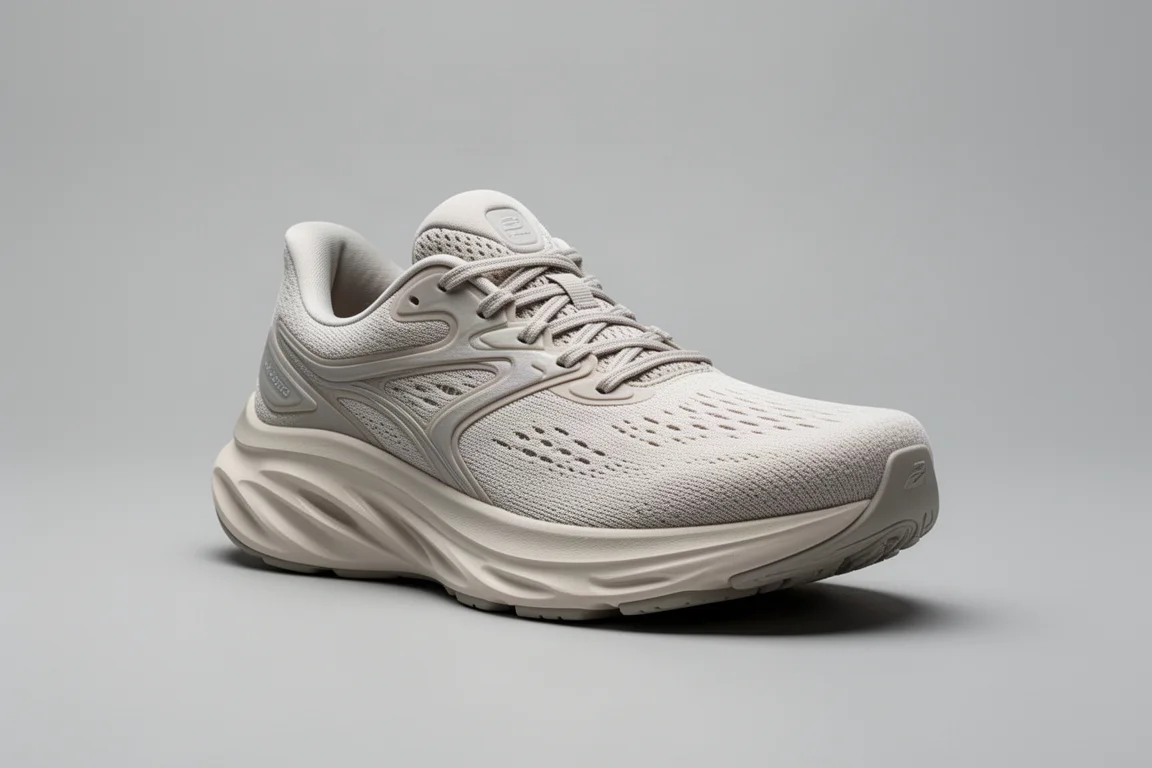
Salomon Aero Glide 3: A Firmer Platform
For runners managing inner-ankle load, a firmer midsole can help limit how far the foot collapses into pronation. The Salomon Aero Glide 3 is called out as an example of that firmer character: its midsole resists medial and lateral motion better than very compliant trainers, making it a sensible option when you want to reduce demand on the inside of the ankle.
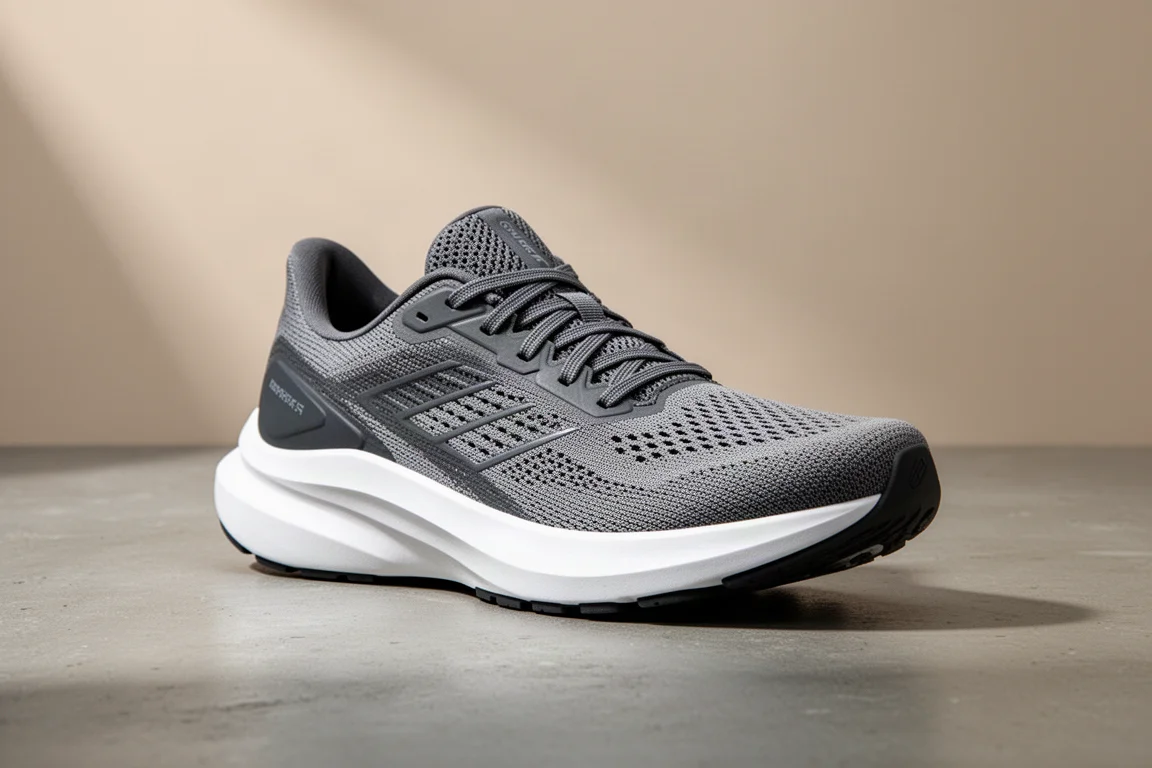
Saucony Ride: A Narrower Midfoot Profile
Midsole width matters more than most runners realize. The Saucony Ride is an example of a neutral trainer with a slightly narrower midfoot, which is not inherently bad, but it does allow a faster rate of pronation motion. If you are trying to reduce load on the inner ankle, this is a shoe to be aware of rather than necessarily avoid.
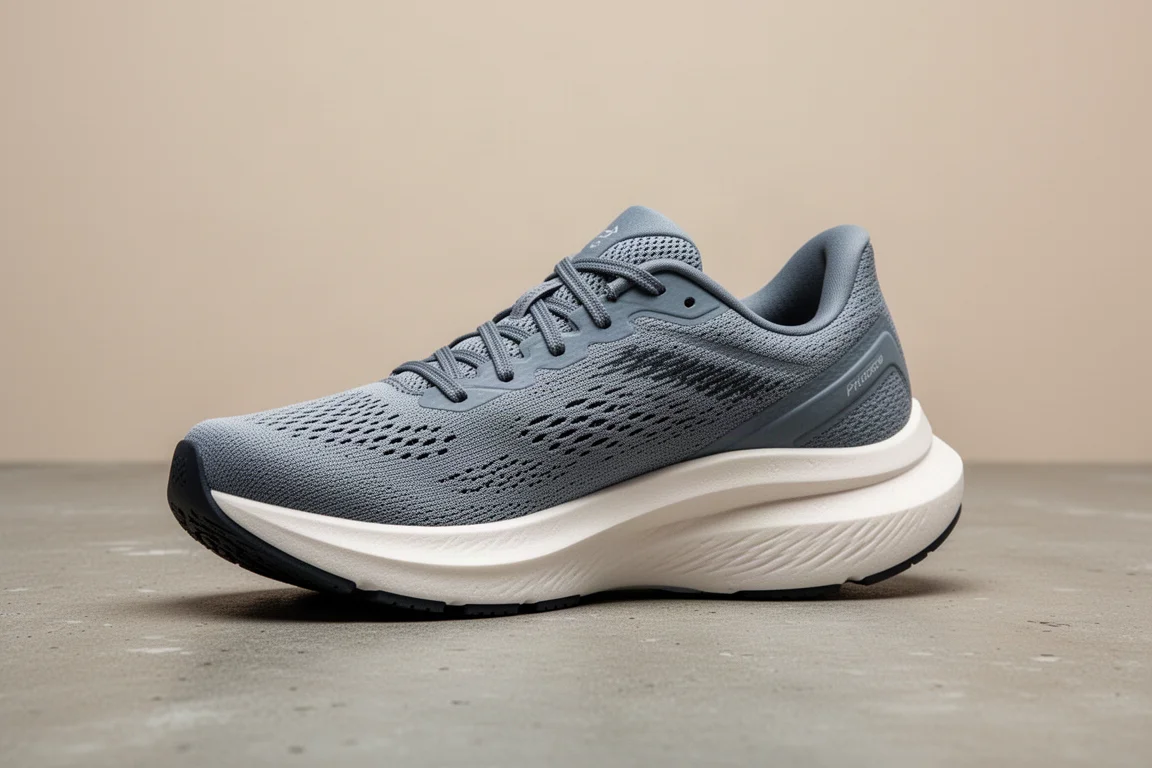
Saucony Triumph 22: The Wider Alternative
Set the Ride next to the Saucony Triumph 22 and the difference is clear: the Triumph 22 has a wider midfoot construction where it contacts the ground. That wider platform slows the rate of pronation and adds a touch of inherent stability, which is exactly what some runners with chronic inner-ankle symptoms are looking for in a daily trainer.
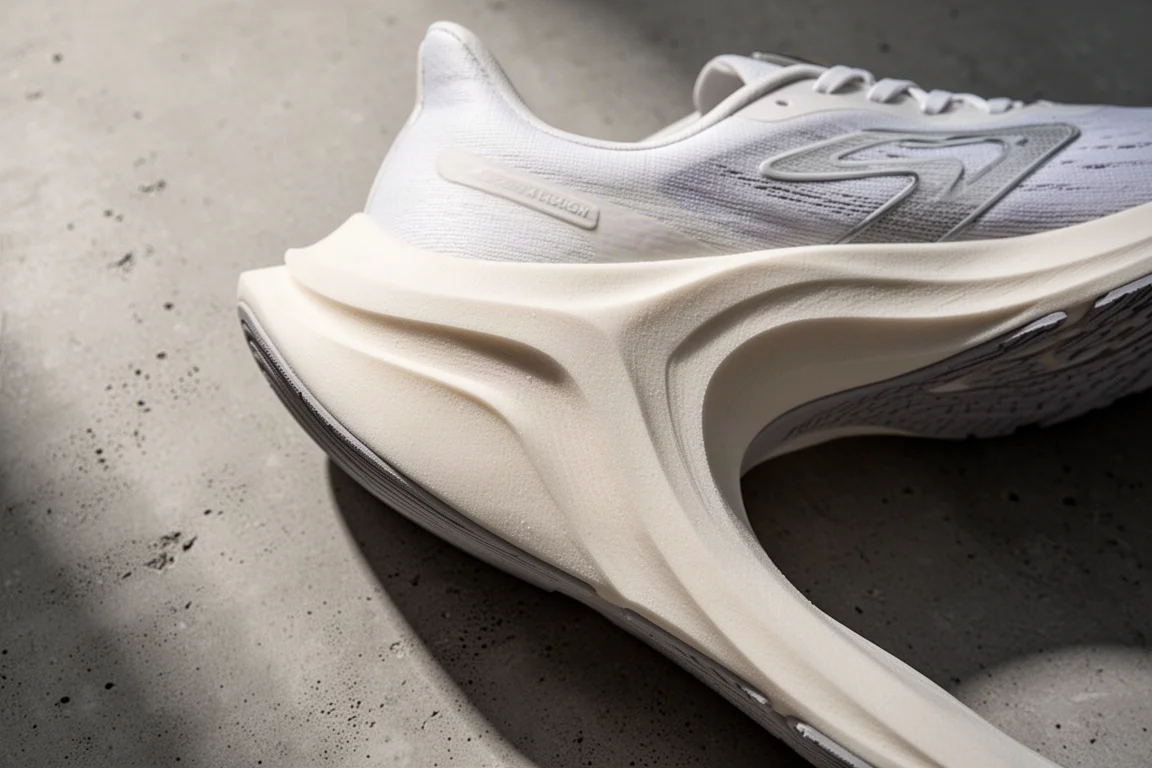
Mount to Coast P1: Built for Ultra Distance
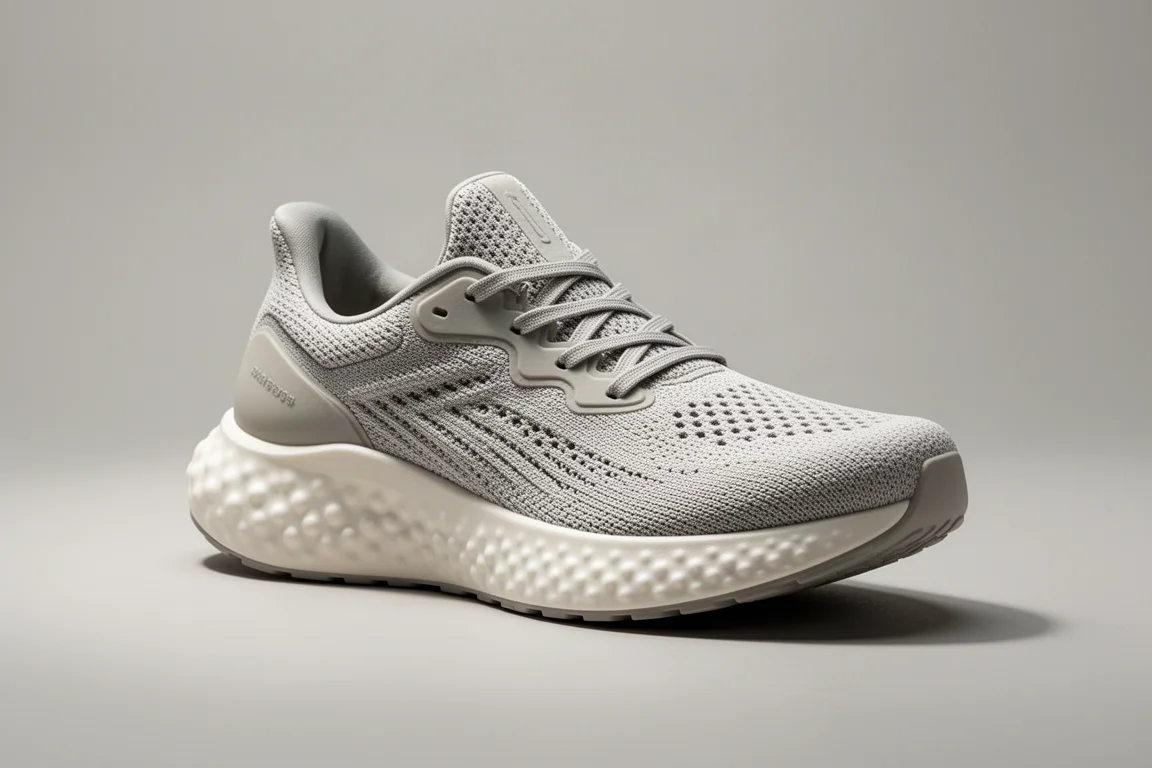
Mount to Coast specializes in ultramarathon shoes, and the P1 is one of the few options on the market aimed at forefoot stability. In a men’s size 10 it weighs about 288 g (10.1 oz) with a 37 mm heel, 27 mm forefoot, and a 10 mm drop. The full-length LightCELL midsole is not bouncy; it is built to absorb shock and hold its shape over very long distances, and after 100 miles it felt unchanged.
The ride rewards a shorter stride and higher cadence rather than a long, fast stride, and heavy heel strikers may find the small, centered heel bevel clunky. The stability story is where this shoe gets interesting: internal heel cups in the midsole create real structure at the rearfoot, and a 3D arch rail running along the lateral midfoot up into the medial forefoot provides mild, genuinely useful forefoot guidance. Aggressive stability it is not, but for mild medial forefoot needs over long distances it is rare and effective.

Fit is the main caveat. The firm toe guard makes the shoe run short, so most runners should go a half size up, and ultramarathon runners may want a full size up to account for swelling. The upper itself is comfortable, adjustable, and sits well over long efforts, and the outsole showed essentially no wear after 100 miles.
Mount to Coast T1 and On Cloudultra: Trail Options
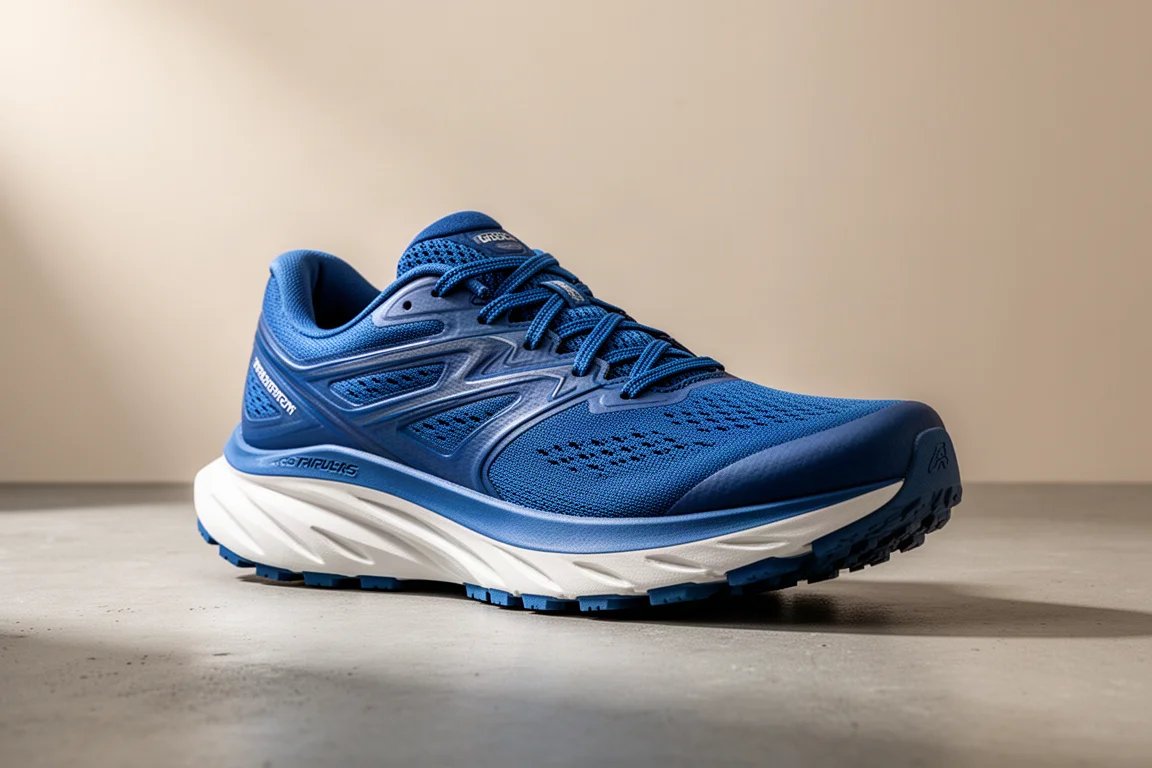
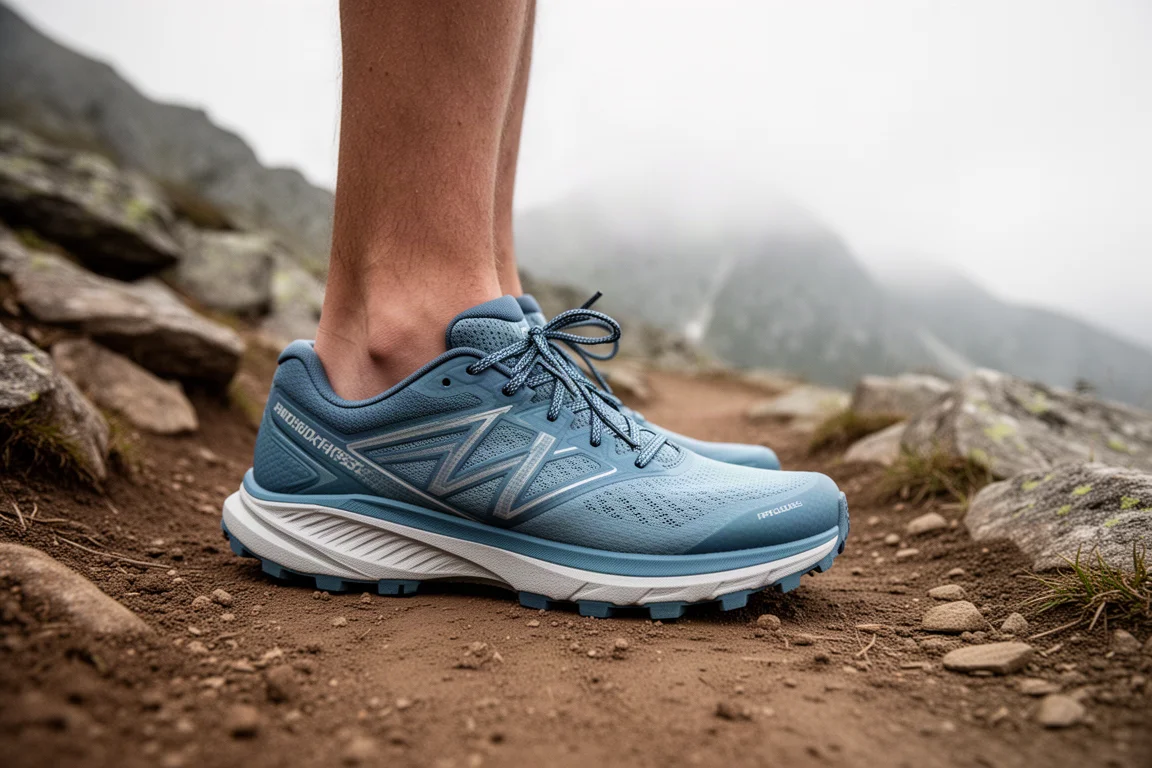
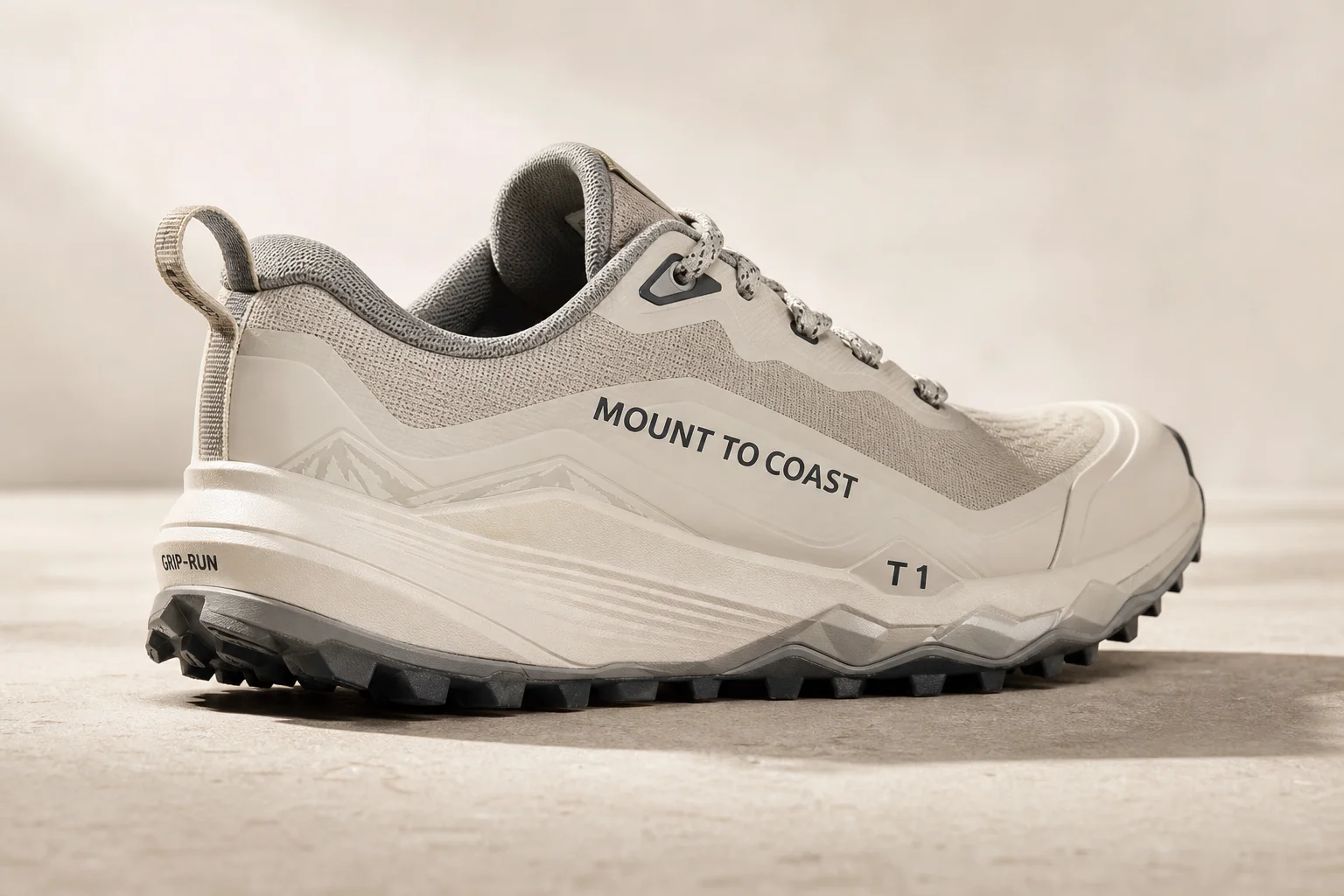
The Mount to Coast T1 is the trail version of the brand’s ultra-focused approach and is currently being tested, with early impressions positive. The On Cloudultra is an eye-catching trail shoe, but its noticeably narrow midfoot gave pause when inner-ankle symptoms were in play, leading to a switch to a wider, plated trail alternative for that particular run.
Conclusion
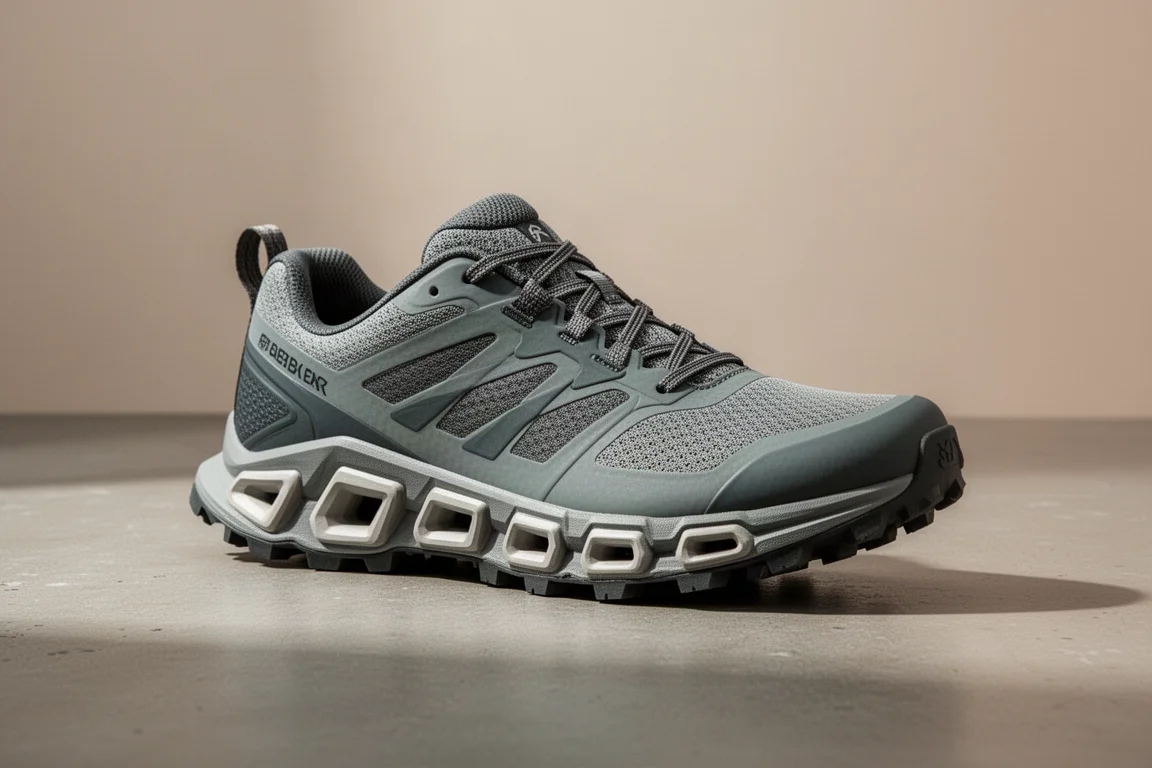
The Prime X Strung 2 and 3 are genuinely different shoes: one a stable, heavy trainer, the other a bouncier, faster, slightly less stable update. The Saucony Triumph 22 and Salomon Aero Glide 3 show how midsole firmness and width can shape stability for sensitive ankles. And the Mount to Coast P1 remains one of the only serious options for mild forefoot stability at ultra distances. Match the shoe to the job, size carefully where noted, and each of these can earn a real place in your rotation.
Further reading
Related Reviews

Running Shoes
Best Road-to-Trail Running Shoes: Three Versatile Options for Mixed Terrain
A practical guide to three road-to-trail running shoes that handle both pavement and mild trails, with clear strengths and trade-offs for different runner types.

Running Shoes
Best Running Shoes for Achilles Tendonitis: Three Options Explained
Three running shoes with different heel drops and support features designed to help reduce Achilles tendon pain during walking and running.

Running Shoes
Best Running Shoes for Women: Five Top Choices Ranked
A ranked guide to five women's running shoes, from versatile daily trainers to high-performance racing options, with real strengths and trade-offs for each.