Running Shoes
Adidas Prime X Evo Review: A 50mm Super Stack Shoe That Actually Holds Up
After 100 miles of testing, the Adidas Prime X Evo proves that an extreme stack, ultra-light weight, and surprising durability can coexist in one wildly fun running shoe.
Introduction
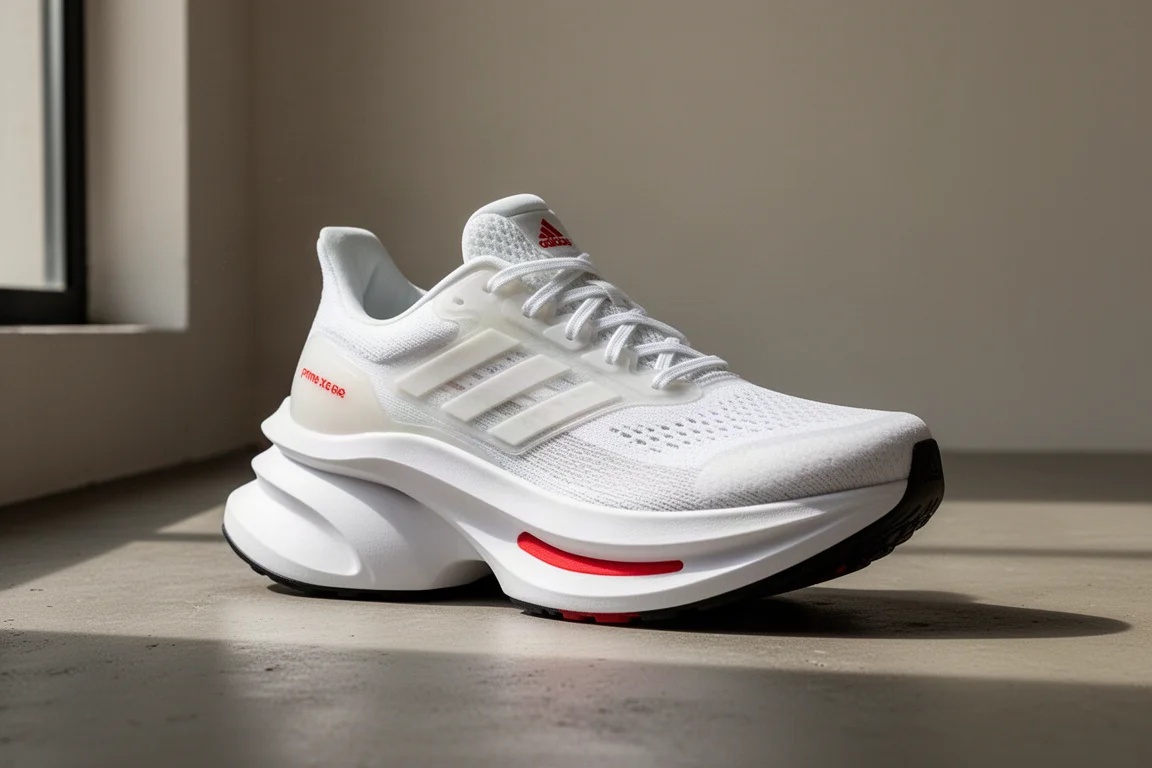
Some running shoes arrive quietly. The Adidas Prime X Evo is not one of them. Built originally around an attempt to break the 100K world record, the shoe was never expected to reach production at all. The initial batch was individualized for the athletes chasing that record, which they ultimately did. A very limited sample then made it to market, and one landed in our test rotation.
What followed was an unusual review process. Instead of stopping at the usual 20-mile checkpoint, we pushed this shoe to 100 miles to see whether the wild ride and the extreme stack would hold up. The short answer: it held up far better than expected, and it earned a place in the regular rotation.
A Minimal Upper Borrowed From the Evo Pro
Keeping the shoe light was a top design priority, and the upper reflects that. The material is barely there, almost see-through, sharing clear DNA with the Evo Pro. Despite how minimal it looks, it does a surprisingly good job of locking the foot down. There were moments of mild instability, but the foot itself always felt secure inside the shoe.
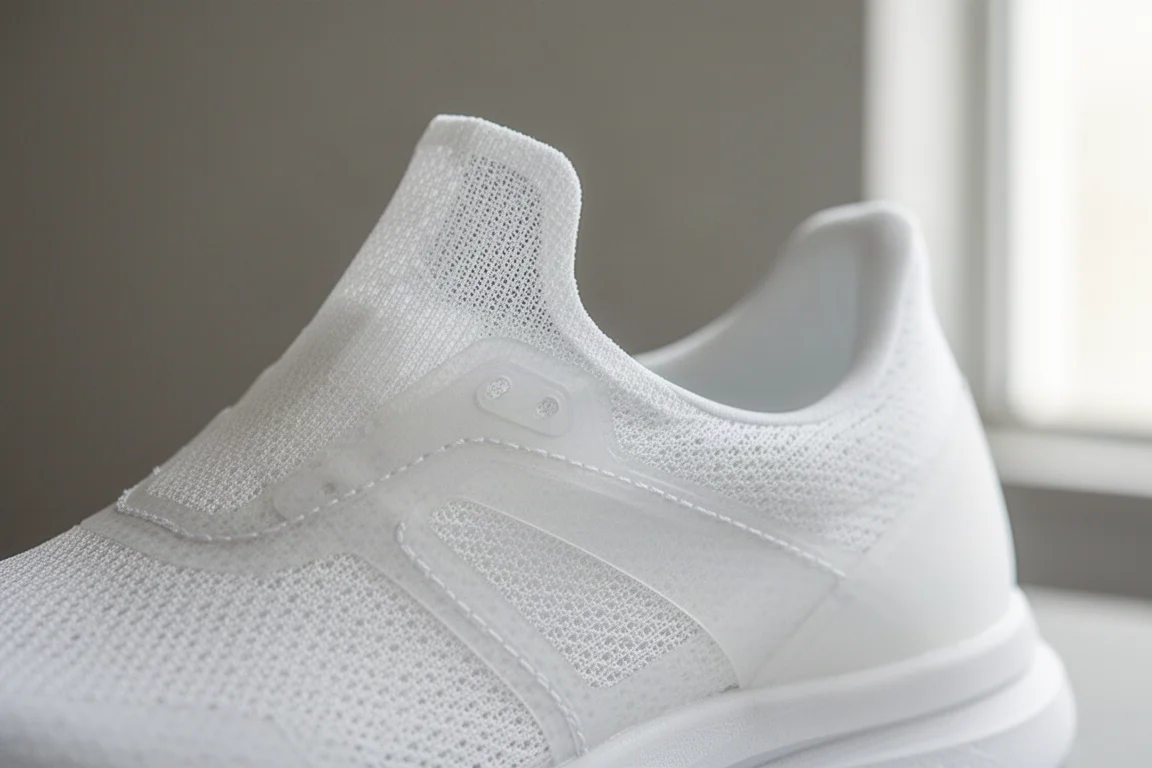
Fit proved consistent across testers as well. Try-ons at Adidas headquarters in Herzogenaurach, Germany, produced the same reaction from two different wearers in the same size: a fit unlike anything either had tried before, in a good way.
The Energy Rim: No Traditional Carbon Plate
The most shocking feature sits in the midsole. Adidas uses a new Lightstrike Pro Evo foam here, claimed to be 35% less dense than the foam in the Pro Evo. It feels lighter and less dense, noticeably bouncier, and less like the firmer foams some runners compare to Styrofoam.
Inside that foam there is no energy rod system and no traditional carbon fiber plate. Instead, there is what Adidas calls an energy rim: a stiffening agent, made of an undisclosed material, that wraps around the edge of the shoe rather than sitting as a full plate under the foot. The company’s own framing is blunt: it is not about what it is made of, it is about what it does.
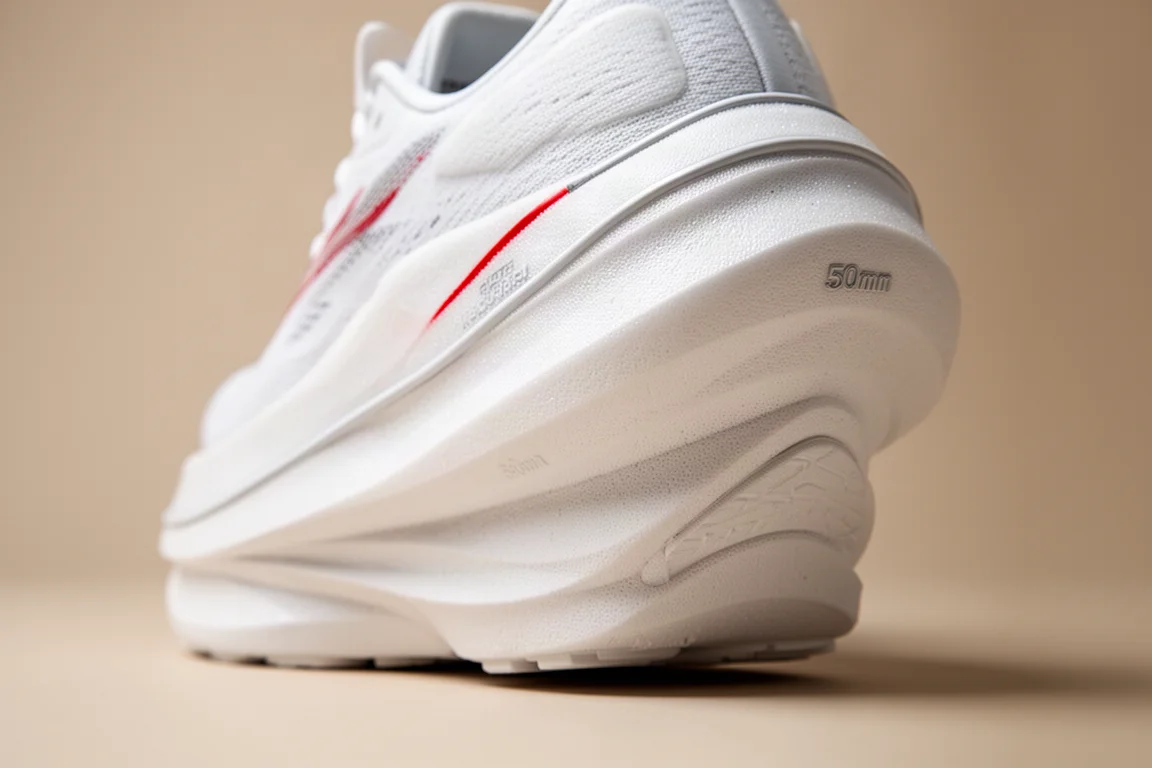
Underfoot, the rim behaves very much like a full-length carbon plate. You get the same pop and snap sensation you expect from a race shoe, but without the harshness, because everything directly under the foot is foam. The result feels mechanical in the best way, with a distinct jump when landing midfoot or in the heel.
Ride Feel and Performance
This is where the shoe wins. It is light, it is bouncy, and it is genuinely fun. Every run in this shoe produced a pace 20 to 30 seconds per mile faster than intended, almost involuntarily. The ride has been described as a trampoline effect, and that is a fair characterization.
The stack is a serious 50mm in the heel and 44mm in the forefoot, yet the shoe stays more stable than the numbers suggest. The foot sits down into the foam bed, and a wall around the heel cups and supports it. Sharp turns still produce a wobbly, baby-deer sensation that demands slower cornering, but on straightaways and in conditions as tricky as ice and snow, testers reported no real stability issues.
Weight and Durability After 100 Miles
Here is the part that defies logic. With this much shoe, you would expect a heavy build. Instead, a women’s 7.5 weighs 4.6 oz (132g). That is lighter than most dedicated race day shoes, at a far higher stack.
Durability was the big open question, and after 100 miles of running, including salt and snowy Baltimore conditions, the answer is encouraging. The wear is not severe, the foam shows far less compression than comparable super shoes at the same mileage, and most importantly, the bounce is still fully intact. The shoe simply does not look beat up, which is rare for a shoe this soft and this tall.
Outsole and Traction: A Big Step Up
The outsole is a new combination and differs from the polarizing liquid rubber setup on the Evo Pro, which some runners found slippery in wet conditions. The Prime X Evo uses light traction directly under the foot plus a very thin layer of Continental rubber.
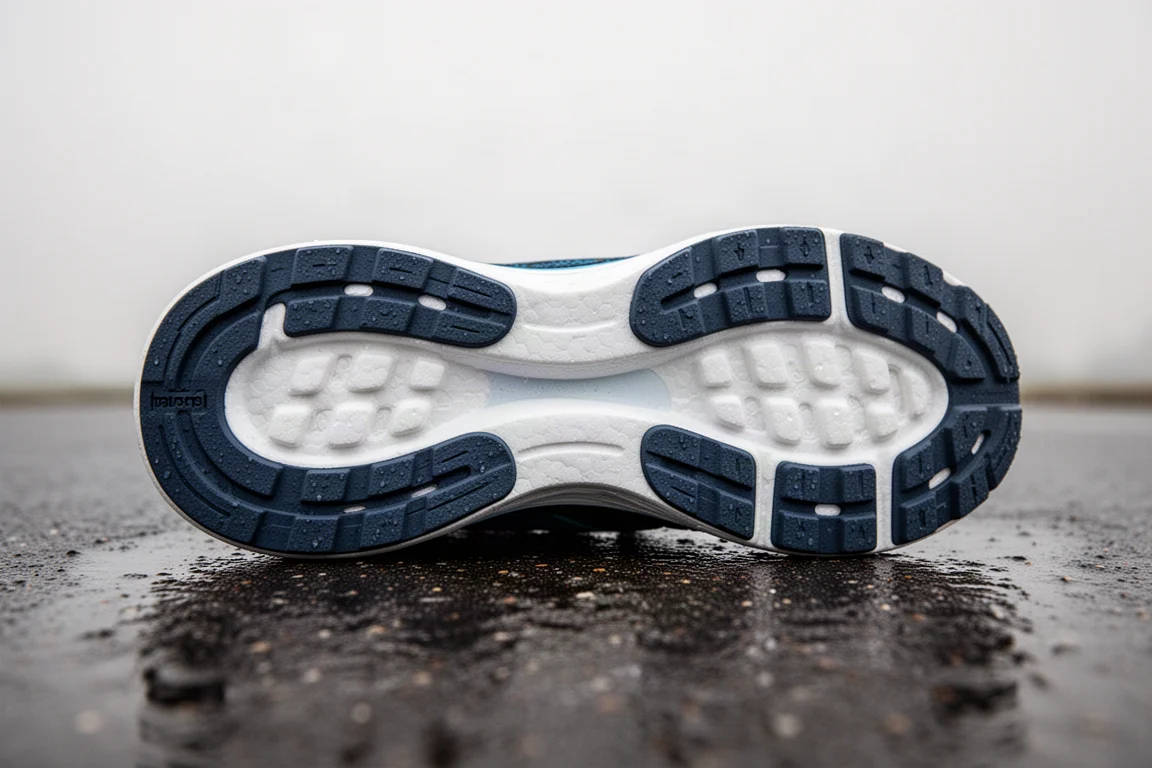
The grip difference is immediately noticeable. It is significantly more sure-footed than the liquid rubber, which removes one of the biggest complaints about the previous Evo platform.
Would You Race In It?
Yes, with conditions. The straighter the course, the more willing the tester was to race in it. Sharp cornering is the limiting factor, so a twisty course like Boston requires some calculation, but the answer was still yes. Marathon pace suits it better than 5K or 10K efforts, and asked to pick any shoe on the market today for a marathon tomorrow, regardless of World Athletics legality, this was the pick.
Design, Value, and Performance Ratings
Design earns an A. The outlandish look is part of the appeal, the red accent is a nod to the nighttime 100K record attempt where visibility mattered, and the upper materials are among the lightest available. Value gets a B, reflecting a strange market situation: the shoe saw a small release in January at $500, availability is extremely limited, and while that price feels aggressive, it compares favorably to the $1,000 Pharrell Earth shoe from the same brand. Performance is the standout: an S rating, a grade given to only one other shoe all year. Overall, the Prime X Evo earned an S and a green light, described simply as a dream shoe.

That S rating is not about perfection on paper. It is about how the shoe makes running feel, which is something few products manage at all.
Buying Advice
The hard truth about this shoe is availability. It was released in a very small batch at $500, and getting a pair is difficult. If you find one and you love high-stack, ultra-light, max-bounce shoes, it is an easy decision. If you are waiting for a street-legal race day version for the masses, there is good reason to believe the energy rim and Lightstrike Pro Evo combination will show up in other Adidas models, much as the Evo Pro pushed the entire industry to rethink its super shoes.
Conclusion
The Adidas Prime X Evo is unlike any other running shoe currently available. A 50mm stack, a 132g weight, a rim-based stiffening system instead of a plate, and durability that survives 100 miles with its bounce intact make it a genuinely special product. It is expensive, scarce, and slightly wobbly in tight corners, but as an expression of what a super stack shoe can be, nothing on the market right now does it better.
Product link
View more details for Adidas Prime X Evo
This product is mentioned in the review. Check the specifications, options, and compatibility before buying.
View more details for Adidas Prime X EvoFurther reading
Related Reviews

Running Shoes
Best Road-to-Trail Running Shoes: Three Versatile Options for Mixed Terrain
A practical guide to three road-to-trail running shoes that handle both pavement and mild trails, with clear strengths and trade-offs for different runner types.

Running Shoes
Best Running Shoes for Achilles Tendonitis: Three Options Explained
Three running shoes with different heel drops and support features designed to help reduce Achilles tendon pain during walking and running.

Running Shoes
Best Running Shoes for Women: Five Top Choices Ranked
A ranked guide to five women's running shoes, from versatile daily trainers to high-performance racing options, with real strengths and trade-offs for each.