Running Shoes
Adidas Prime X 3 Strung Review: The Wildest Prime X Yet
A 50 mm stack, double carbon layers, and a robot-woven upper make the Prime X 3 Strung one of the most extreme running shoes on the market. Here's how it compares to the Puma Fast-RB and Brooks Hyperion Max 3.
Introduction
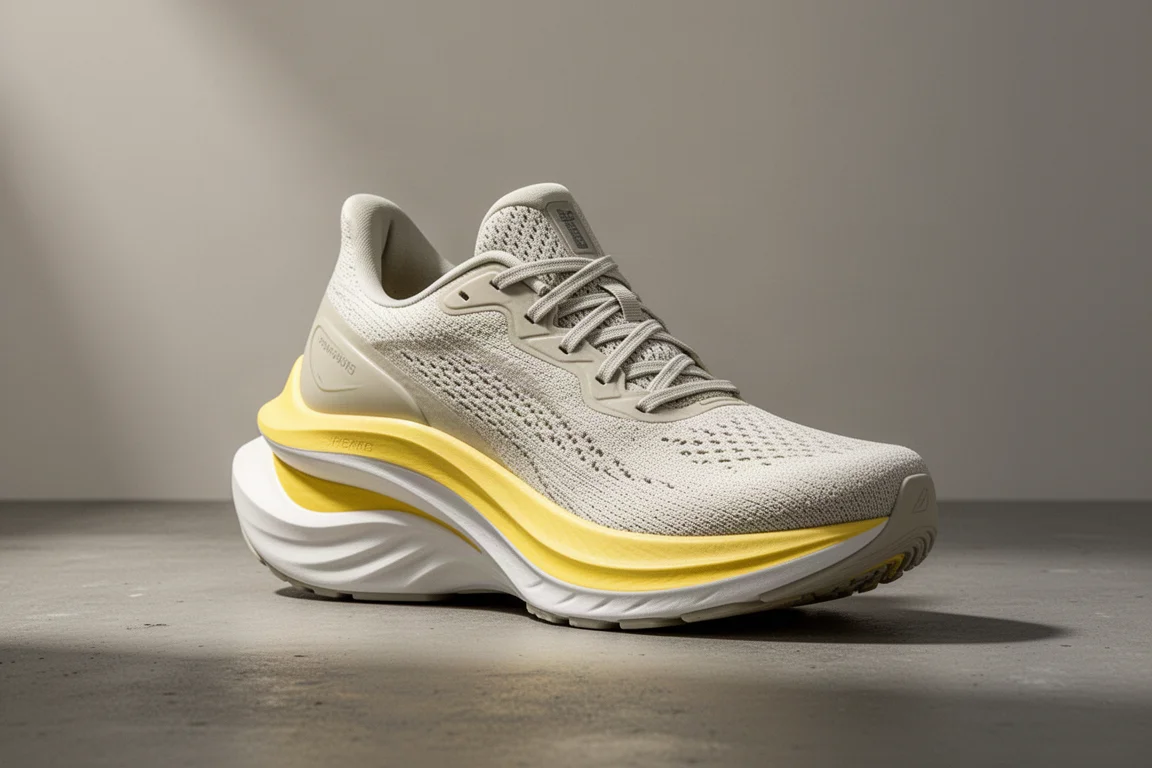
The Adidas Prime X 3 Strung is not a shy shoe. It pairs two layers of carbon with a towering 50 mm of Lightstrike Pro racing foam, and the upper is built by a machine that places each high-tensile fiber strand deliberately where it is needed. The question is whether all of that engineering adds up to a genuinely useful shoe, or just a headline-grabbing experiment. After logging real miles, the answer leans firmly toward the former: this is the wildest Prime X yet, and for many runners it is also the most useful.
Specs and Construction
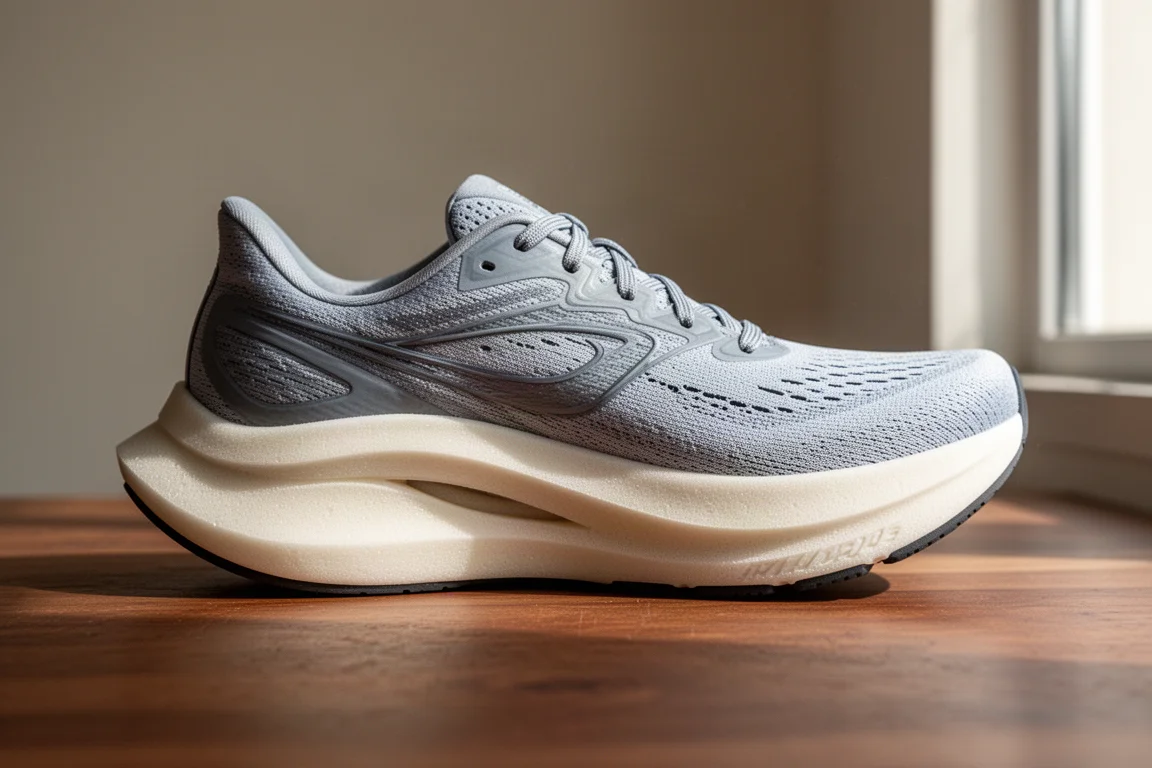
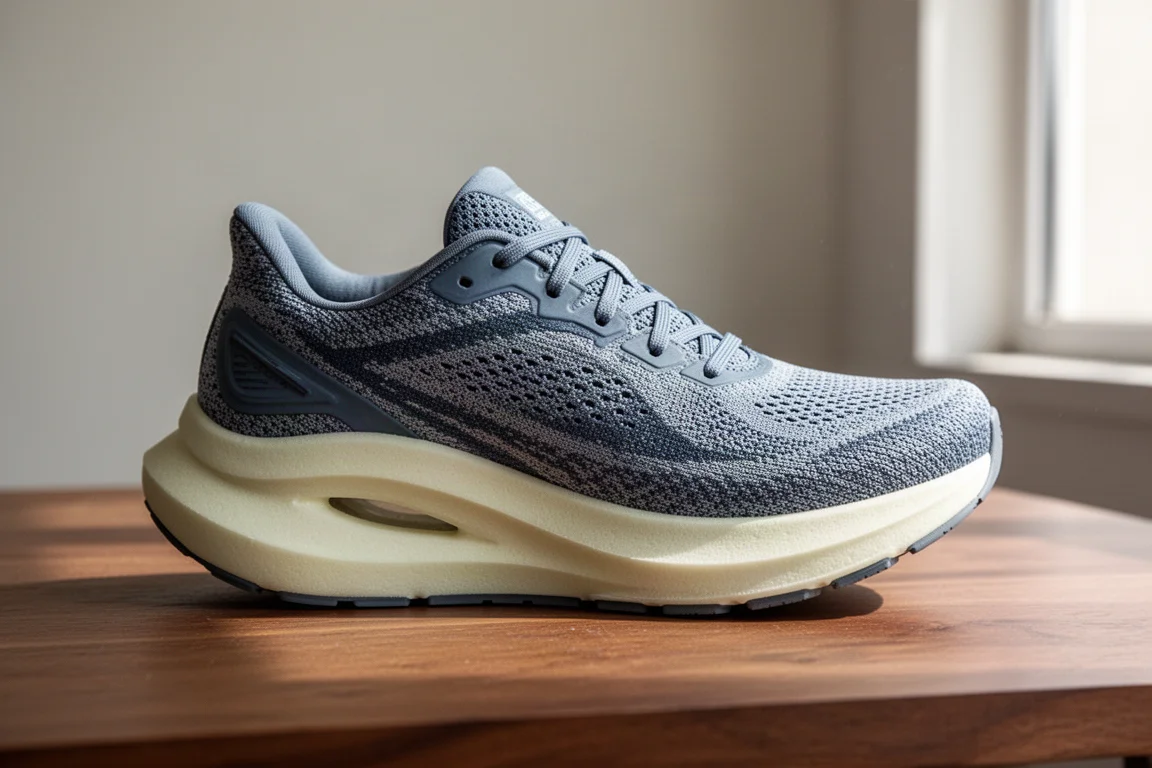
The stack height sits at 50 mm in the heel with a 7 mm drop, leaving 43 mm in the forefoot. The midsole is built entirely from what Adidas calls Lightstrike Pro, though the shoe actually layers two different formulations: a denser yellow top layer and a large, almost cheese-like white block under the forefoot.
The carbon arrangement works like a gymnastics springboard. The top carbon plate is full length, stopping short of the toes with a small tail at the rear that adds stability from heel to forefoot, while the underside carries Energyrods 2.0, carbon-infused rods that mimic the placement of the bones of your foot. A see-through cavity behind the forefoot hollows out the middle of the shoe, exposing the rods and creating a wedge of foam that squeezes and rebounds under load.
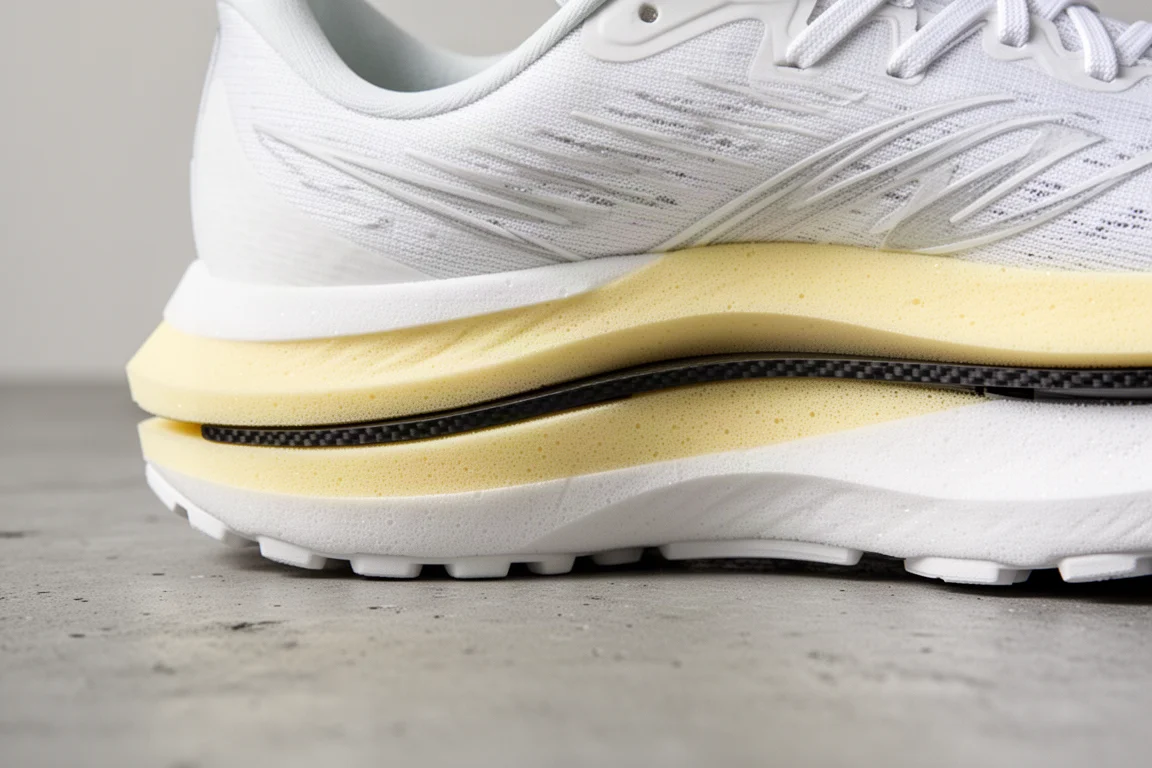
Grip comes from Continental rubber in the forefoot, paired with light traction on the outer edge of the toe, leaving some foam exposed elsewhere. The rocker starts later than in the Adios Pro Evo shoes but then tapers aggressively, which makes it easy to get up on the toes and push off without fighting the shoe.
The Strung upper is the other signature piece. Every strand is placed with extreme precision, layered for strength in some zones and arranged for stretch in others, with a knit tongue and heel collar lining for comfort. The result is a shoe that is still heavy on paper at 10.1 oz (286 g) in a US men’s size 9, but noticeably lighter than its predecessor and relatively light in hand for its size.
How It Feels on the Road
This is a genuinely fun shoe to run in. The springboard effect of the double carbon layers is noticeable, especially when you get on your toes, delivering a strong compression and then a punchy decompression as you push into the next stride. The Lightstrike Pro here is not the squishiest foam on the market; it is denser than the airier foams out there, but it absorbs impact well and pops back in a pleasant, bouncy way.

Fit runs true to your usual running shoe size. The intended fit is more race-oriented, but there is plenty of toe room, the heel padding feels just right, and there was no heel slippage. Traction has been consistently excellent across Adidas’s race shoes, and this one is no exception.
Compared to the Prime X 2 Strung, the pendulum swings back toward excitement rather than safety. The hollowed-out middle preserves a medial wall for more stability than a cutout would allow, and the shoe behaves better at easier paces than most pure marathon racers, making it a surprisingly versatile long-run tool for mixed marathon-effort and easy miles.
A Brief History of the Prime X
The Prime X line has four generations now, and each tells a story of Adidas wrestling with a 50 mm stack. The original Prime X had a 10 mm drop, a subtle rocker, a medial cutout, three carbon blades under the midfoot, Energyrods up front, and a half carbon plate in the back. It was unstable by some accounts, but enormously fun, and for many it remains the spiritual favorite.
The Prime X Strung added the robot-woven upper and traded some rocker for heel drop. It was more comfortable for many runners, but the transition from heel to forefoot felt harder to manage. Then came Prime X 2 Strung, which dropped the medial cutout, widened the forefoot, added an earlier rocker, started hollowing out the middle, and replaced the rods with double carbon plates. It was the most stable, safest, and by most assessments the least exciting of the line.
The Prime X 3 Strung swings the pendulum all the way back to chaos, and that is exactly what makes it special. It is less stable than the Prime X 2, but the 7 mm drop and late-then-aggressive rocker make the foam easy to wrangle whether you land midfoot or on your toes.
Buying Guide and Alternatives
If you are trying to win marathons or set records, this is not your shoe. At $300 and 286 g, pure racers will want something lighter. But for long-distance speed, enthusiastic runners, bigger runners worried about blasting through standard carbon-plated shoes, or anyone who simply wants a shoe that is a little bit dangerous, the Prime X 3 Strung is a compelling and genuinely fun choice. It is expensive, but the engineering on offer makes the price feel less out of line than it sounds.
Puma Fast-RB
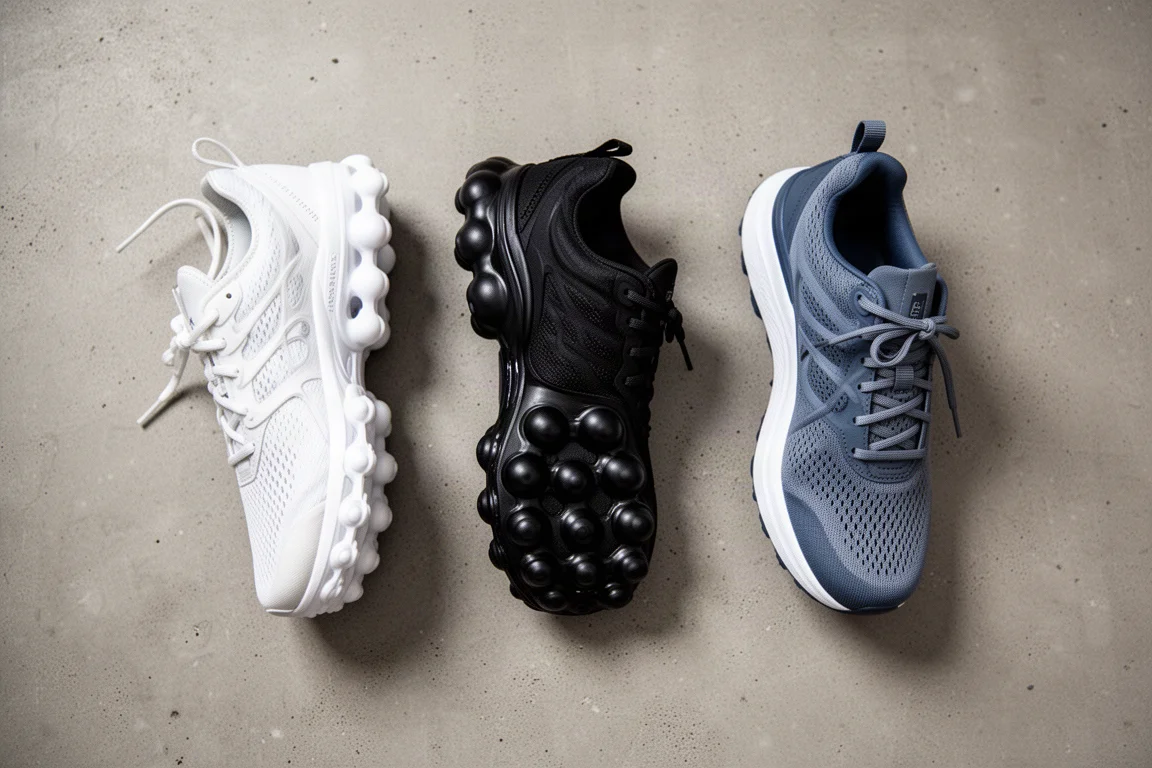
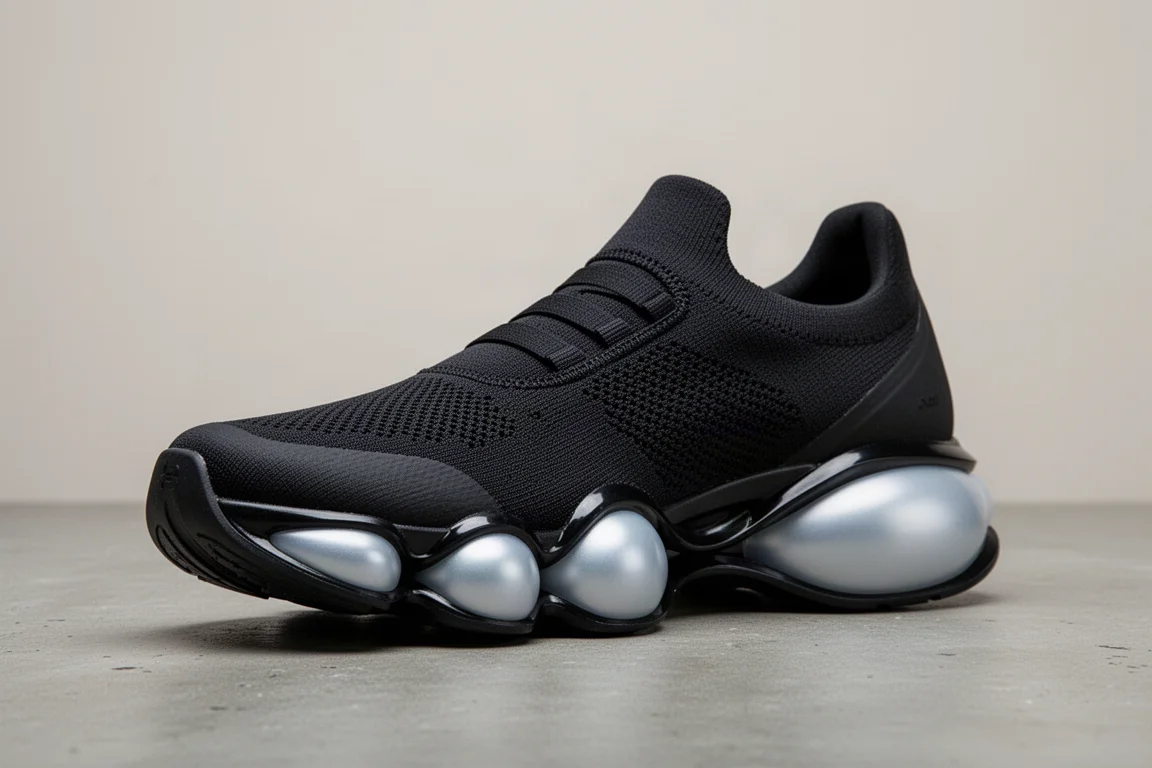
The most over-the-top shoe on the market right now is the Puma Fast-RB, where RB stands for rule breaker. It carries a full-length carbon fiber plate with two plastic elements over pods of foam in a springboard configuration, similar in concept to the Prime X’s forefoot wedge. The radical part is the heel: there is almost nothing there, so the shoe effectively free-floats on the forefoot, with a laceless upper completing the concept-shoe feel. Measured weight in a US men’s size 9 was over 12 oz. It retails for $350 and is best treated as an experience rather than a recommendation.
Brooks Hyperion Max 3
On the more practical end sits the Brooks Hyperion Max 3, which pairs PEBA foam with DNA Flash supercritical foam, a plastic rather than carbon plate, and a medial side cutout to help manage a jumbo stack. The rocker shoots up quickly toward the toes, and there is a knit tongue, comfortable heel padding, and a strong but flexible upper.
Think of it as the tuned-down version of the Prime X concept: more stable, less wild in the bounce, fewer layers of carbon, and a little less of everything else. It runs 0.2 oz lighter and retails at a substantially more accessible $200, making it the smarter pick if the Prime X 3 interests you but the price gives you pause.
Overall Buying Advice
Pick the Prime X 3 Strung if you want the most exciting take on the max-stack formula and have the budget for a $300 experiment that doubles as a long-run and tempo tool. Pick the Fast-RB only if you want the purest rule-breaking concept shoe available. Pick the Hyperion Max 3 if you want a similar jumbo-stack feel at a friendlier price.
Conclusion
The Prime X 3 Strung proves the concept is not a gimmick. It is heavy, expensive, and unapologetically extreme, yet it is also the best Prime X so far: fun, slightly dangerous, and genuinely useful as part of a rotation.
Further reading
Related Reviews

Running Shoes
Best Road-to-Trail Running Shoes: Three Versatile Options for Mixed Terrain
A practical guide to three road-to-trail running shoes that handle both pavement and mild trails, with clear strengths and trade-offs for different runner types.

Running Shoes
Best Running Shoes for Achilles Tendonitis: Three Options Explained
Three running shoes with different heel drops and support features designed to help reduce Achilles tendon pain during walking and running.

Running Shoes
Best Running Shoes for Women: Five Top Choices Ranked
A ranked guide to five women's running shoes, from versatile daily trainers to high-performance racing options, with real strengths and trade-offs for each.