Running Shoes
Adidas Prime X 2.0 Strung Long Run Review: High Mileage, Big Bulk
A 12 mile steady effort reveals a shoe with a superb midsole and outsole, but an upper that feels like a step backwards from the original.
Introduction
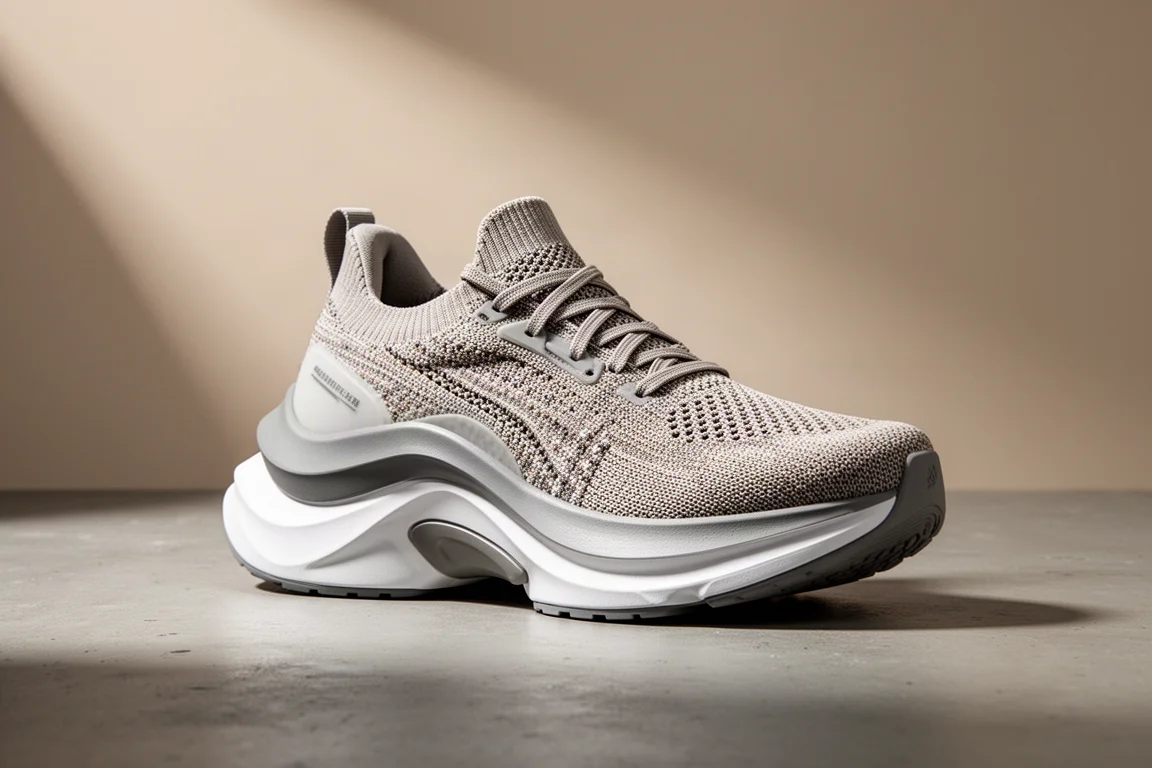
Some shoes divide opinion, and the Adidas Prime X 2.0 Strung is firmly one of them. Training for a half marathon in October, I have been using it for longer runs and recovery efforts, and I went in with low expectations. The extra weight compared to the original Prime X Strung made me assume it would perform worse. When I actually looked at the data, that assumption did not hold up. A 12 mile steady effort was the perfect way to find out where this shoe genuinely stands.
Who This Shoe Is For
The Prime X 2.0 Strung fits a specific runner: someone who wants maximum underfoot protection and comfort for easy and steady paced long runs, and who is not chasing a propulsive, nimble ride. If you like to throw fast segments into your long runs, this version feels less suited to that than the first one did.
The 12 Mile Test
Conditions were far from ideal: 19C temperatures with high humidity in the UK, after a little rain. I headed out early on a Sunday morning for a 12 mile (19.3 km) effort, one hour 37 of moving time at an easy to steady effort, averaging 169 steps per minute and 133 bpm heart rate, with 96 percent of the run in the moderate heart rate zone. That works out to roughly 7:30 to 8:30 per mile pace zones, based on a 1:30 half marathon. The route was reasonably flat with one larger climb.

The Upper: A Backward Step
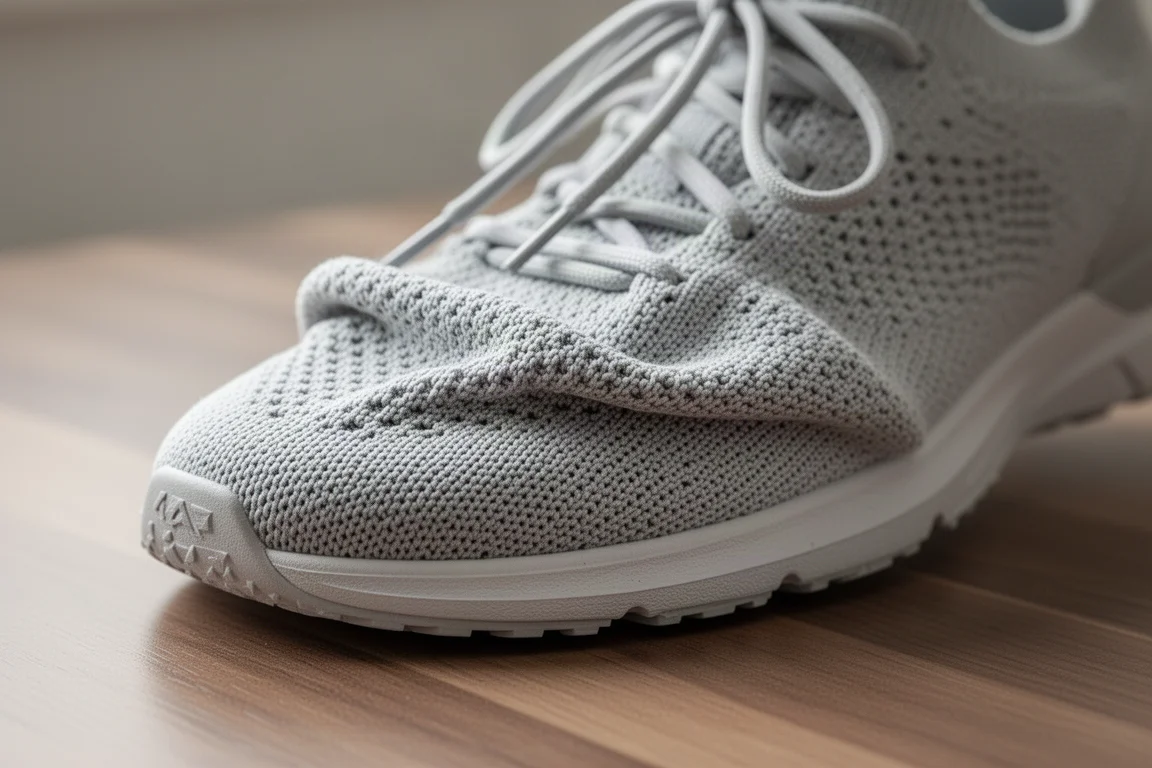
This is where the shoe loses me. The fit is strange, with too much material and far less refinement than the original, particularly around the toe box. The fabric bunches up no matter how I lace it, and it never lays flat across the top of the foot. It also feels thicker than the Strung material on the V1 and noticeably less breathable, possibly due to a more closed-in design around the tongue area, which can feel claustrophobic.
Towards the end of the run, the laces started digging into the top of my foot as my feet swelled with the miles, something I never experienced on a 30 km effort in the original. On one positive note, the upper is very easy to clean: dirt and debris simply brush off, just like the first version.
Midsole and Ride Feel
Around 10 miles in, I found myself wishing for a little less shoe on foot. The bulk makes the ride feel less streamlined than before, though it is certainly stable. This is more of an impact protector than a road-propulsive option, and I do not feel the urge to push up through the gears in this version. It fits best at steady paces around 8:00 to 7:45 per mile and works on easier recovery efforts, but you feel the bulk even then, which narrows its appeal, especially at its retail price.
The midsole does loosen up with mileage, though. The more miles I put in, the more compressive and less jarring it feels, with more bounce on foot strike. The carbon plate feels like it applies a handbrake, though: the shoe does not feel as nimble at higher paces, where the V1 seemed tuned to make faster efforts more sustainable.
Outsole and Stability: The Strong Points
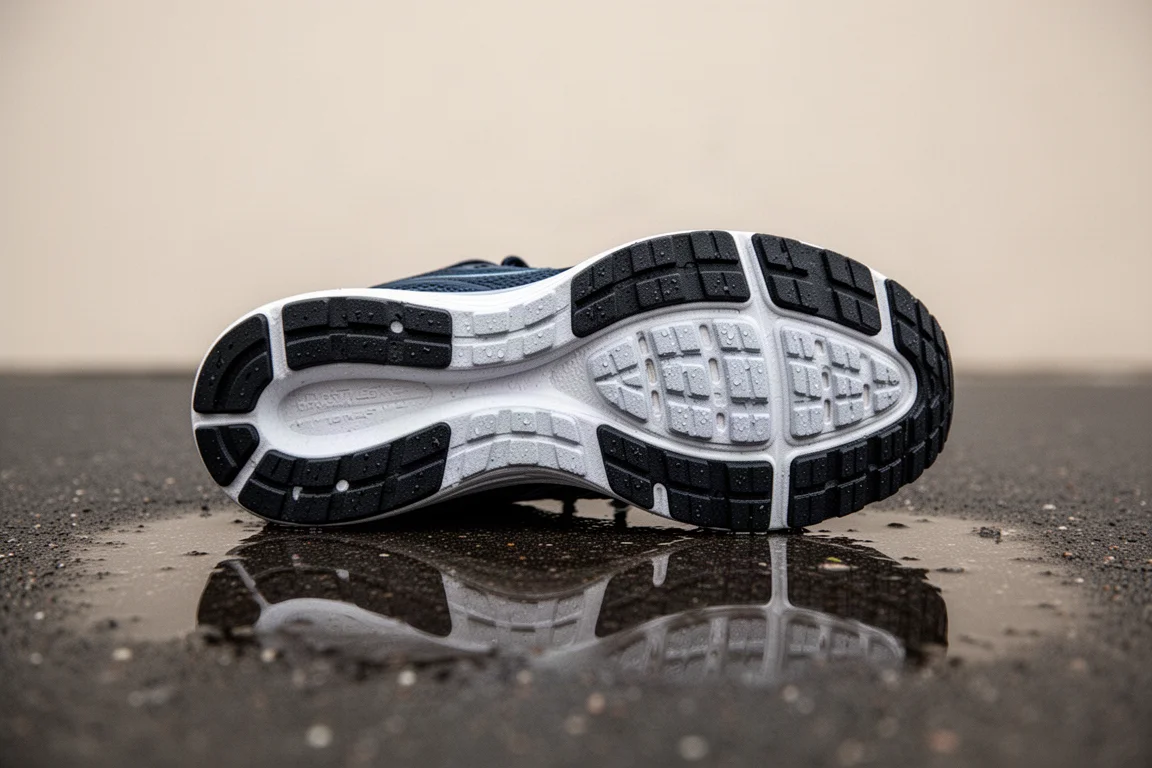
The outsole is probably the best part of the shoe. Grip was consistent and versatile on wet, slippery surfaces with standing water, and reliable on bends and curbs on both road and pavement. The landing platform is much wider in the forefoot and heel than the previous version, the forefoot curve is far less aggressive, and the improved heel stability is very welcome. The increased rubber coverage should also help the durability and longevity of the shoe overall.
Does It Lower Your Heart Rate?
The day after the long run my legs felt okay, good enough for easy miles, which suggests the shoe is doing its recovery job. On the question of whether it lowers heart rate: yes, though possibly to a lesser extent than the V1. With roughly 50 grams of extra weight per shoe, you would expect it to sap energy on a long run. The data says otherwise. Comparing similar runs in both versions, with similar elevation and routes, there is not much difference in performance. The most interesting comparison was a 20 mile run in the Prime X Strung versus this 12 miler in the Prime X 2: similar average heart rate, but lower wattage in the Prime X 2.
Buying Advice
If you want a maximally cushioned shoe for steady and easy paced long runs and you value stability and outsole grip above speed, the Prime X 2.0 Strung makes sense, especially once the midsole has loosened up. If you want a refined upper or a shoe that encourages faster paces inside your long runs, the original Strung upper would arguably serve you better. Given the retail price, it is worth being honest with yourself about which of those runners you actually are before spending the money.
Conclusion
The Prime X 2.0 Strung turned out better than I expected where it counts in the data: perceived effort, pace, and heart rate showed no meaningful penalty despite the extra bulk. The midsole is protective and softens nicely with mileage, and the outsole is superb. But the upper is a real step backwards, and the shoe is more niche than its predecessor. A strong long run option for the right runner, with clear compromises to weigh up first.
Product link
View more details for Adidas Prime X 2.0 Strung
This product is mentioned in the review. Check the specifications, options, and compatibility before buying.
View more details for Adidas Prime X 2.0 StrungFurther reading
Related Reviews

Running Shoes
Best Road-to-Trail Running Shoes: Three Versatile Options for Mixed Terrain
A practical guide to three road-to-trail running shoes that handle both pavement and mild trails, with clear strengths and trade-offs for different runner types.

Running Shoes
Best Running Shoes for Achilles Tendonitis: Three Options Explained
Three running shoes with different heel drops and support features designed to help reduce Achilles tendon pain during walking and running.

Running Shoes
Best Running Shoes for Women: Five Top Choices Ranked
A ranked guide to five women's running shoes, from versatile daily trainers to high-performance racing options, with real strengths and trade-offs for each.