Running Shoes
Adidas Hyperboost Run vs the Competition: How It Stacks Up Against Four Popular Daily Trainers
The Adidas Hyperboost Run goes head to head with the Mizuno Neo Zen 2, ASICS Novablast 6, Puma Deviate Nitro and Saucony Endorphin Azura to see which daily trainer earns your money.
Introduction
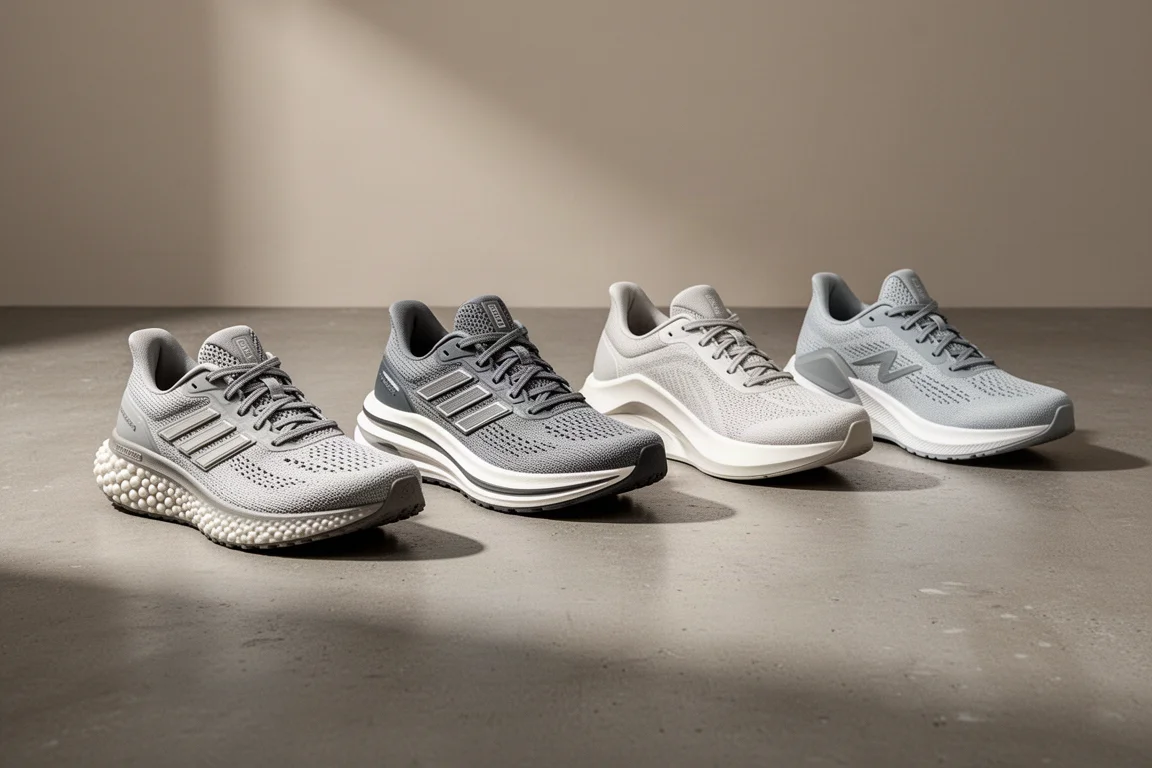
The Adidas Hyperboost Run has attracted a lot of attention since it appeared, and for good reason. It brings a new take on Boost-style foam to the daily trainer category, with a soft, bouncy ride that sits alongside some very established rivals. To see where it truly stands, we compared it against four popular alternatives: the Mizuno Neo Zen 2, the ASICS Novablast 6, the Puma Deviate Nitro and the often overlooked Saucony Endorphin Azura.
All five shoes land in a similar price band, roughly in the 130 to 140 range, and most can be picked up with a bit of discount if you search around. They also sit in the same performance category: cushioned daily trainers pitched at easy and sustainable paces, with enough snap to handle a smattering of faster running when needed.
How We Compared Them
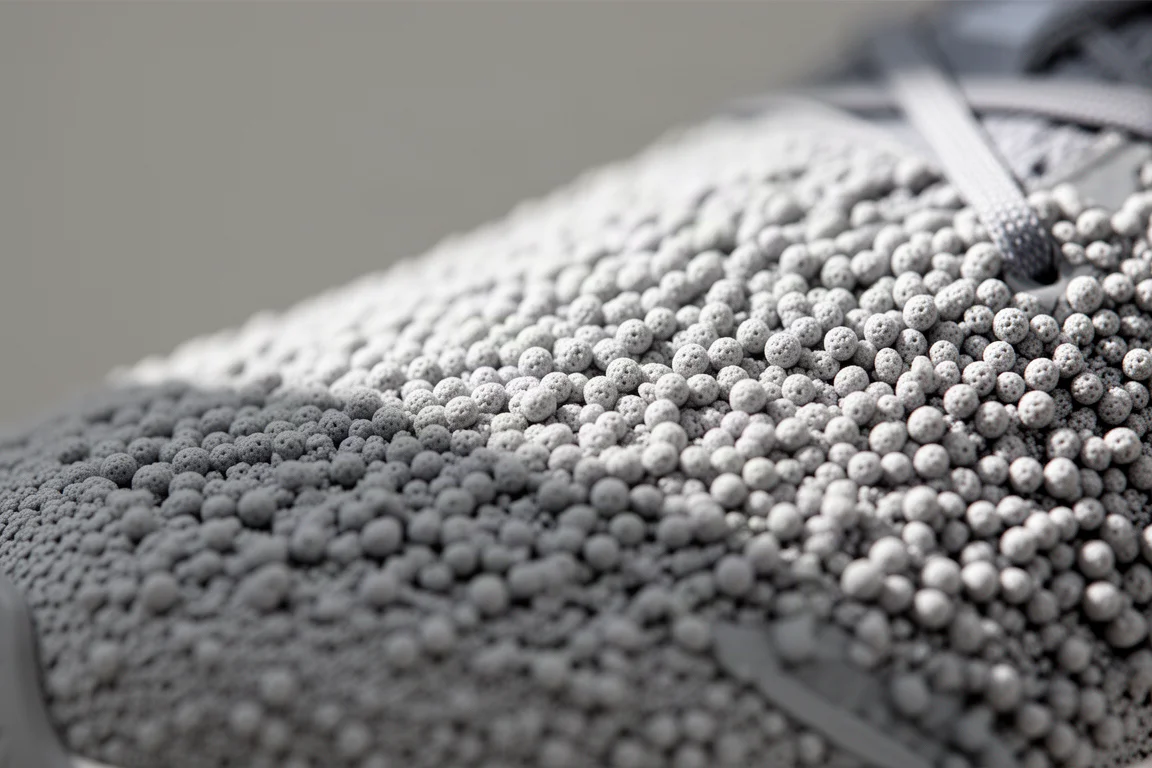
The comparisons were done at a UK 11 or US 12 fit, with one exception: the Novablast 6 was tested in a UK 10.5. The Hyperboost Run is not the heaviest shoe of the group. The Neo Zen 2, the Azura and the Novablast 6 all come in a little heavier, though the Adidas has comparable stack height to the others and arguably the softest midsole material of the lot, just edging out the Azura on shore A durometer softness. Its midsole uses tightly packed pellets, a similar design approach to the Azura, which may explain that softness.
The Neo Zen 2 has the thickest forefoot stack of the group at 37mm in the tested size, though all five shoes are in the same ballpark. Mizuno also takes the widest heel at 10.1cm. In short, this is a closely matched field, and small differences in ride character matter more than headline numbers.
Adidas Hyperboost Run
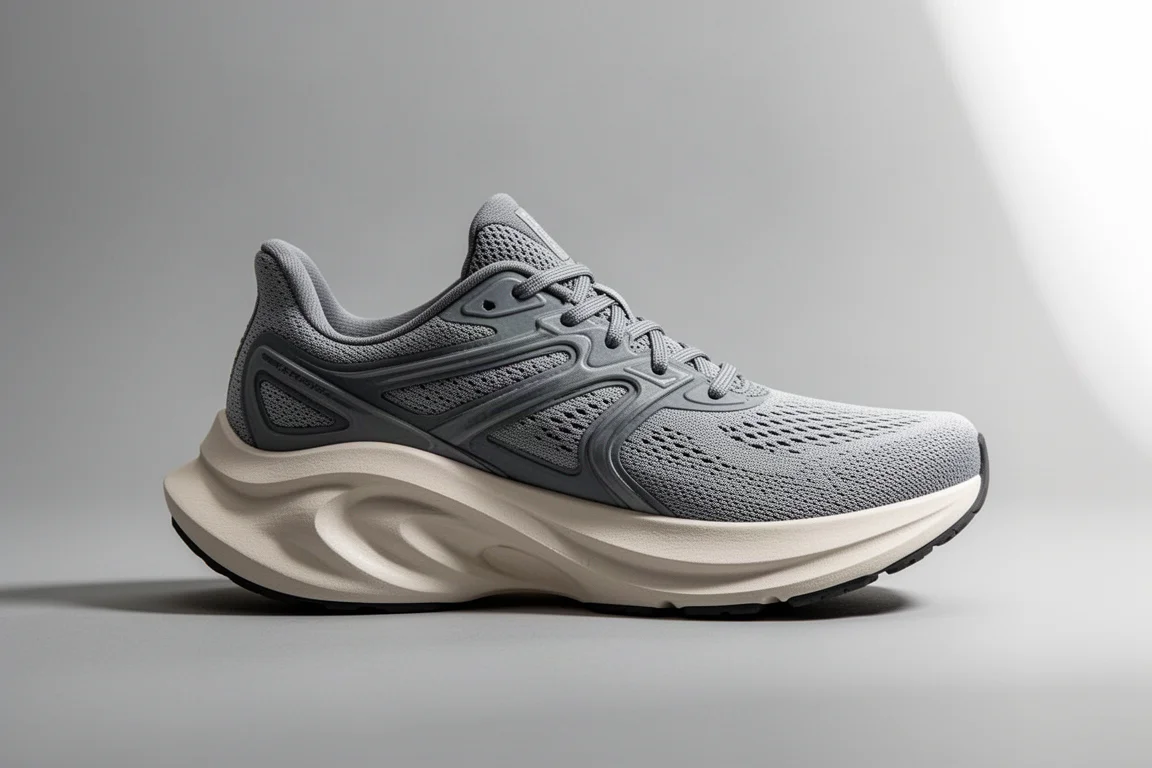
The Hyperboost Run’s defining trait is bounce. Its new midsole material, referred to on the sidewall as Hyperboost Pro, delivers a lively, springy feel that is more focused underneath the foot, without the large sidewalls you find on some rivals. It is also a remarkably stable and consistent cruiser, with a firmer, less malleable foam structure that suits a quick cadence and a rolling stride.
Comfort is a strong point thanks to generous padding around the heel, and durability has held up very well so far. The upper is less traditional in style, and it could benefit from a subtle redesign: a touch more breathability and a little less constriction on foot would go a long way.
One thing to note is availability. The shoe has been hard to find in the US, and a firm release date there remains unclear, a situation similar to what happened with the Evo SL ATR earlier in the year.
ASICS Novablast 6
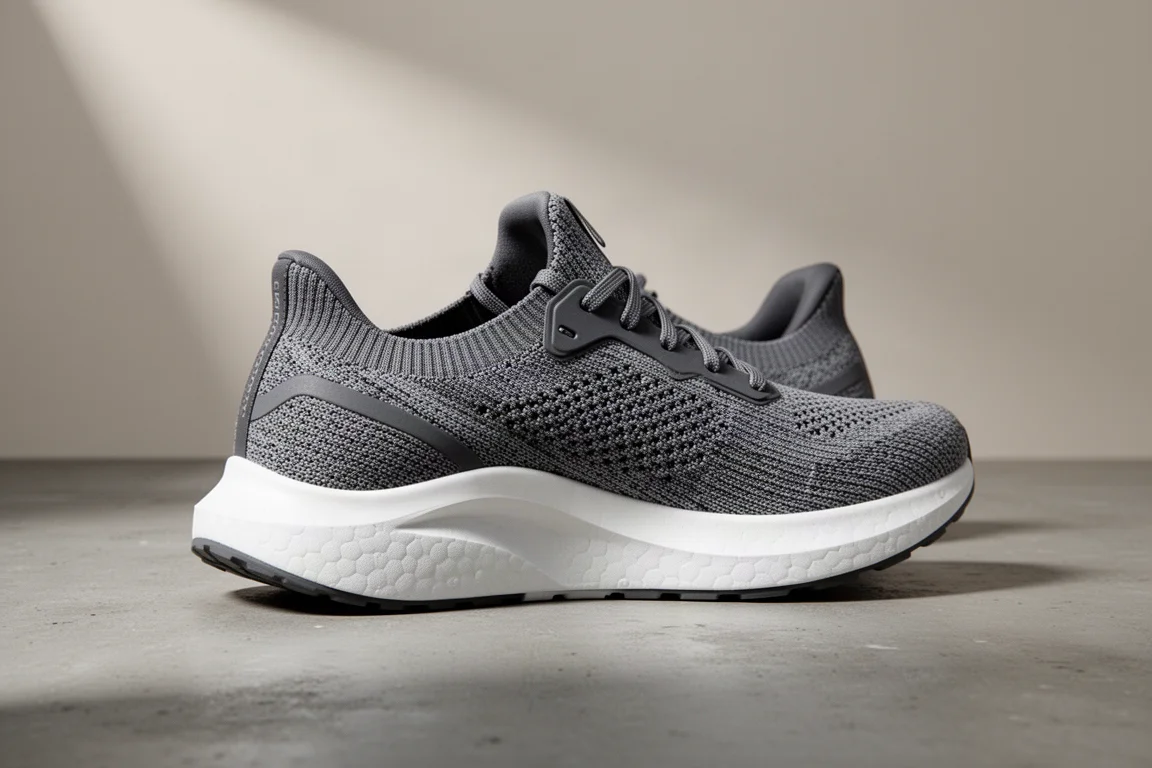
The Novablast 6 is the shoe that arguably does a few more things. Its combination of foams, including a Flight Foam Turbo Squared portion in the forefoot, gives it a more lively and energized feel, with fast return to form that helps when you pick up the pace. It is not quite as consistent as the Hyperboost Run due to that foam mix, but it is the more versatile tool out of the box.

There is also genuine grip on offer here, with ground contact polyurethane plus some rubber at the front producing a sticky, almost aggressive hold on rough concrete. Durability has been excellent, standing up to just about everything thrown at it, and the colorway looks better the more it is worn. It is a slightly heavier shoe than the Hyperboost Run, and in a half size down, so the gap would grow in a comparable size. Overall, it edges the Adidas on versatility, grip and looks.
Puma Deviate Nitro
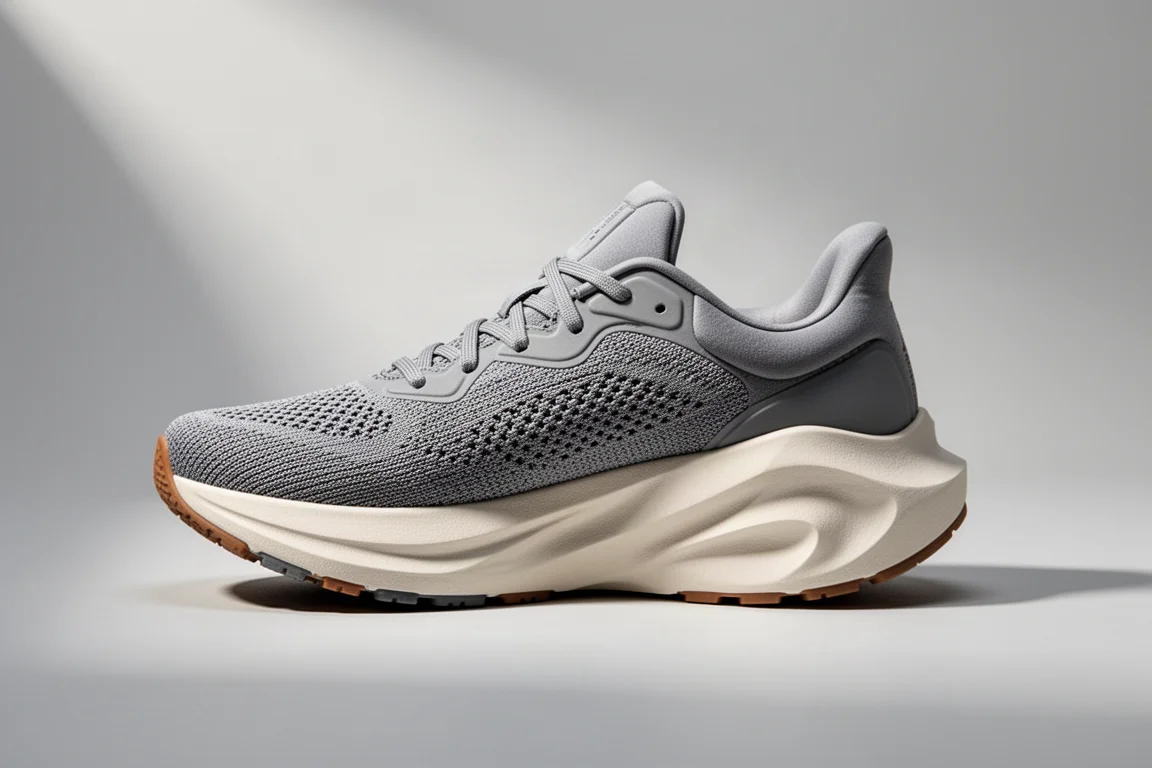
On paper, the Deviate Nitro matches the Hyperboost Run closely on stack, softness and drop, while being much lighter. In practice, that weight advantage is hard to feel on foot. The ride is soft and compressive across the PEBAX midsole with good impact protection, but it lacks the bounce and snap of the Adidas. It simply does not give back as much as you put in, and it feels a bit mushy as a result.
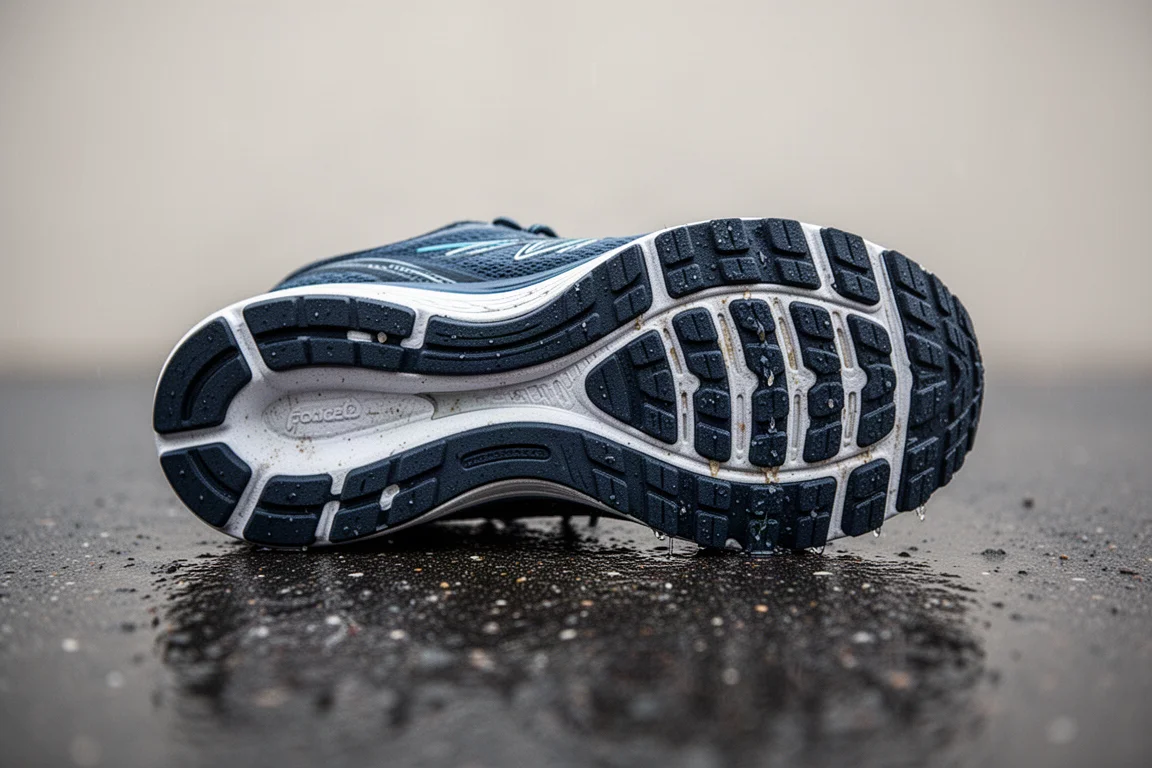
Where the Puma does win is grip and weight. On uneven camber or debris-strewn surfaces, its outsole holds an edge, and if heft is a concern, it is the clear pick. It is also impressively durable so far. Still, compared to the lower-stack Velocity Nitro 5, it is hard to shake the feeling that this model lacks an X factor. The Hyperboost Run has more character; the Puma is the comfortable, low-weight alternative.
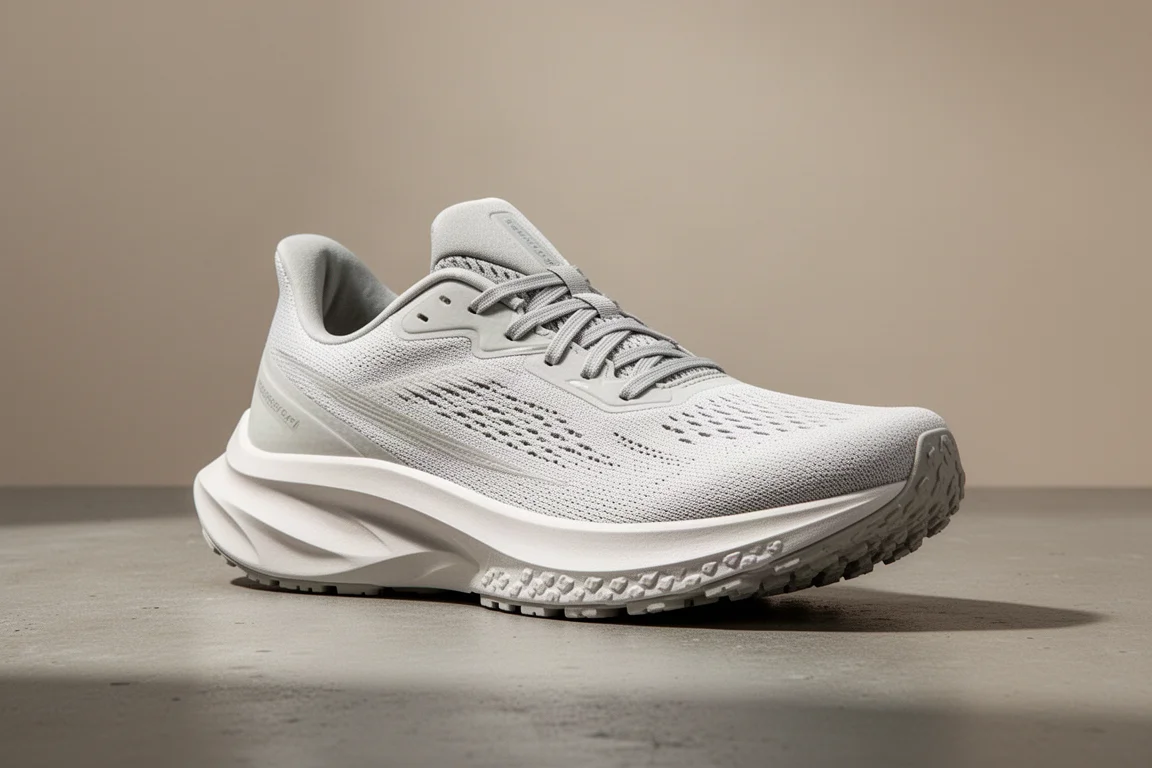
Mizuno Neo Zen 2
The Neo Zen 2 is built around compression and impact protection. Its Energy Next midsole is a lot softer than the Adidas foam, with more surface area underfoot, but it does not return to form as quickly. The Hyperboost Run has the bounce; the Mizuno has the plush, forgiving compression.
Neither shoe is the best choice for dedicated faster speed training, as lighter options fill that role better. Both are pitched at easier, sustainable paces and do that job very well. The Mizuno is the more breathable of the two thanks to a mesh and knit upper, lockdown is very good, and it is easy to get on foot despite the enclosed flexible knit tongue area.
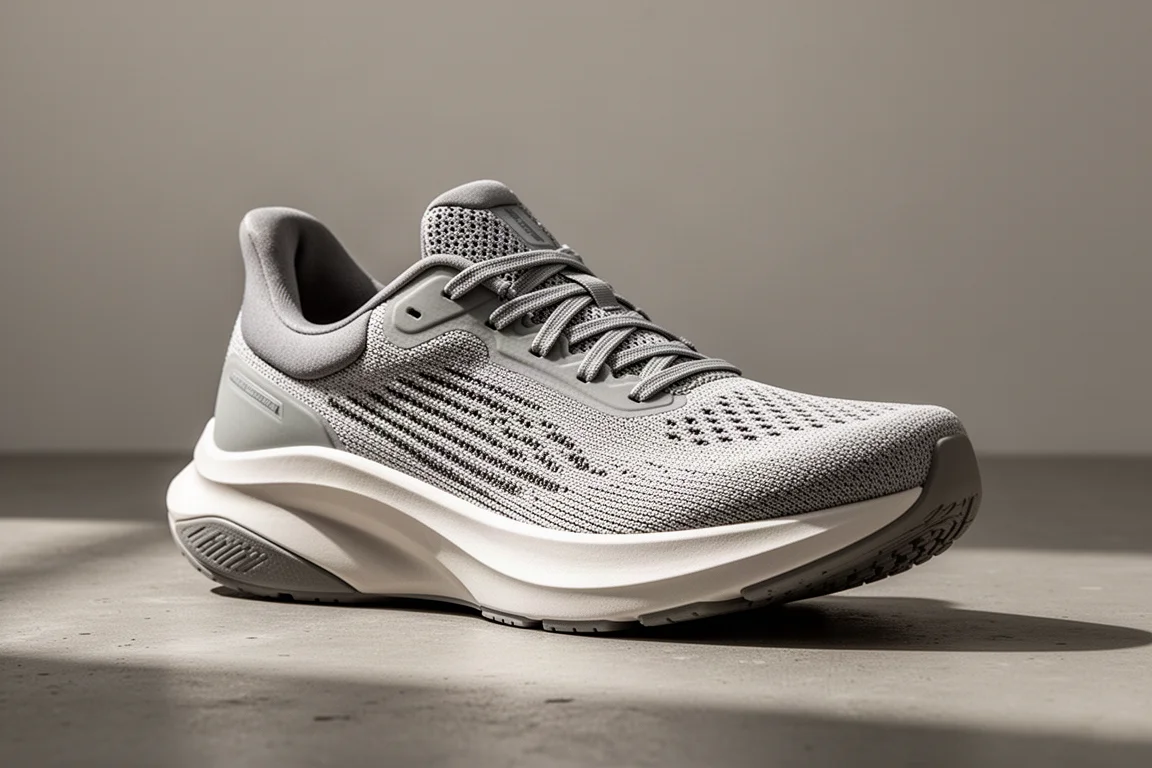
For forefoot landers, the extra forefoot cushion and lower drop are appealing, while heel landers get more surface area at the back thanks to that wider heel. With similar weights and prices, this matchup comes down largely to ride preference and aesthetics.
Saucony Endorphin Azura
The Azura is the quiet overachiever here. Its upper, midsole and outsole are close to the Hyperboost Run’s in quality, and both shoes share a similar pellet-style midsole setup that delivers consistent cushion across the whole footbed. If you do not want extreme softness but want reliable, uniform comfort, the Azura is a very good bet.
Its extra forefoot width makes it one of the most stable shoes in this comparison, and it is a touch more breathable on foot. A beveled heel section also stays out of the way of a natural stride. The main flaw is the tongue, which slides around and can cause lace bite, a fixable issue that a more traditional tongue would have solved.
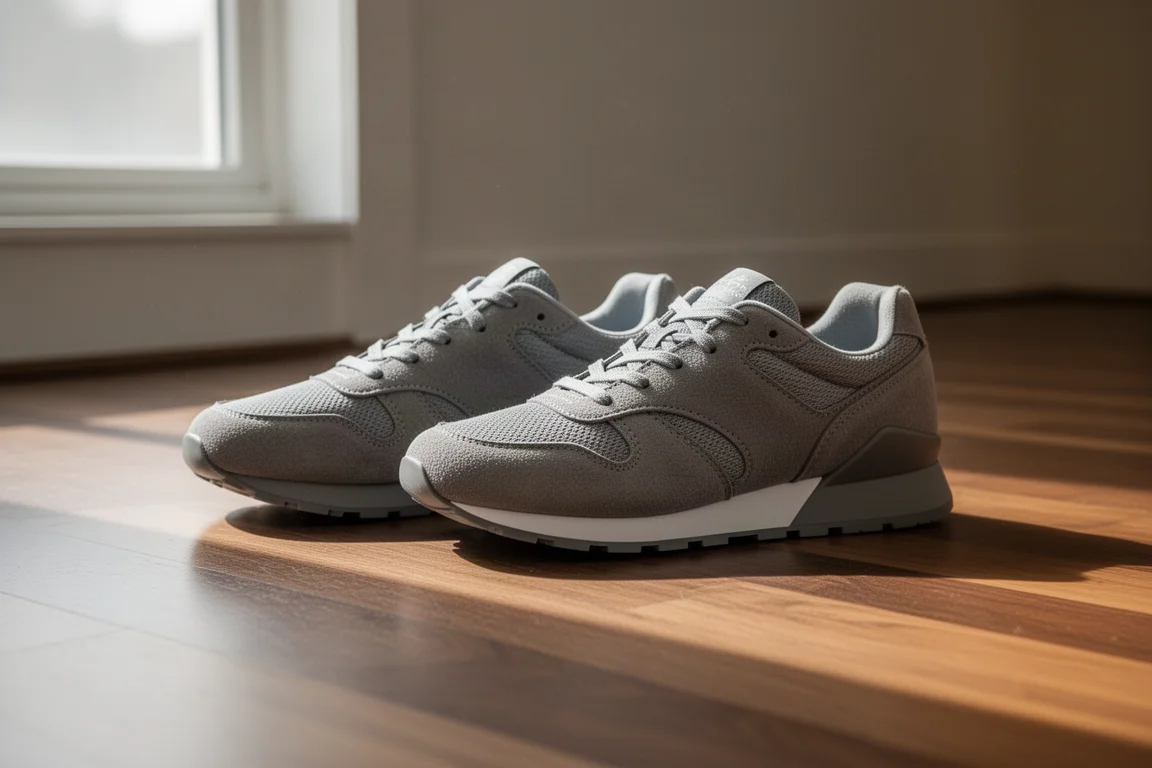
Power and PB, the outsole material, is incredibly durable, lasting ages even with some aesthetic wear. The Hyperboost Run has slightly less exposed midsole material, which may help its long-term durability, but the Saucony’s breathability and heel shape make it the narrow pick, especially in winter. It is a close call.
Buying Advice
If you want the most versatile shoe that can pick up the pace, the Novablast 6 is the strongest all-rounder, with the best grip and durability credentials of the group. If bounce, stability and a consistent cruiser character appeal to you, and you are not bothered by heft, the Hyperboost Run is a genuinely enjoyable daily trainer, assuming you can find it in your region. The Deviate Nitro suits runners who want low weight and impact protection above ride character. The Neo Zen 2 is for those who prefer softness, a lower drop and a wider platform. And the Endorphin Azura is the value-savvy pick for consistent, stable daily cushioning, especially at discounted prices around the 120 to 125 mark.
All five shoes reward a bit of shopping around, and none of them is a bad choice for easy and sustainable daily mileage.
Conclusion
This is a tightly matched category, and the right choice depends on what you value most. The Novablast 6 edges the field on versatility, the Hyperboost Run brings the most bounce and stability, the Deviate Nitro wins on weight and grip, the Neo Zen 2 delivers the softest, most forgiving platform, and the Endorphin Azura offers beautifully consistent cushioning with a few fixable niggles. Whichever way you lean, there is a very capable daily trainer in this group for your easy miles.
Further reading
Related Reviews

Running Shoes
Best Road-to-Trail Running Shoes: Three Versatile Options for Mixed Terrain
A practical guide to three road-to-trail running shoes that handle both pavement and mild trails, with clear strengths and trade-offs for different runner types.

Running Shoes
Best Running Shoes for Achilles Tendonitis: Three Options Explained
Three running shoes with different heel drops and support features designed to help reduce Achilles tendon pain during walking and running.

Running Shoes
Best Running Shoes for Women: Five Top Choices Ranked
A ranked guide to five women's running shoes, from versatile daily trainers to high-performance racing options, with real strengths and trade-offs for each.