Running Shoes
Four New Running Shoes Worth a Look: Adidas Hyperboost Euphoria and Run, New Balance SC Elite V6 and SuperComp Rebel
Two new Adidas Hyperboost models and two New Balance racers face a straightforward verdict each: what works, what does not, and who each shoe is really for.
Introduction
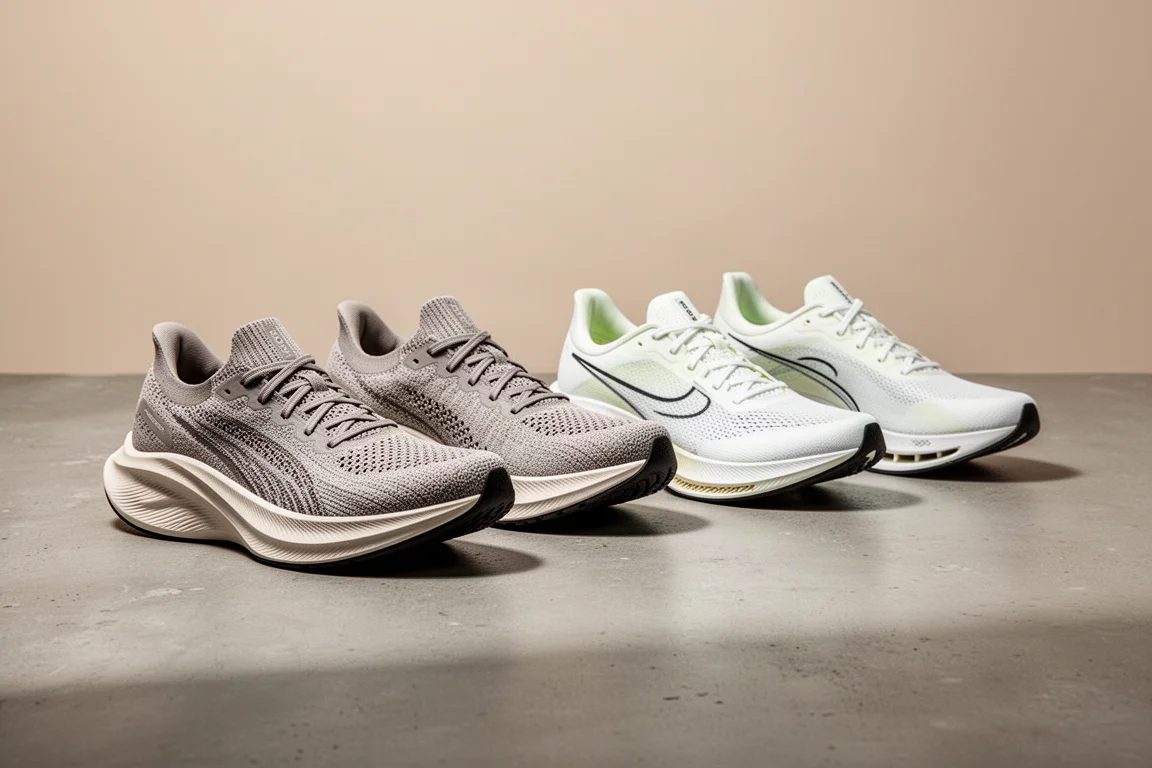
A fresh batch of releases has landed, with two quiet drops from the Adidas Hyperboost stable and two eagerly awaited New Balance models. The Adidas pair consists of the Hyperboost Euphoria, a more lifestyle-orientated take, and the Hyperboost Run, a new running-focused version of the shoe. From New Balance come the SuperComp Rebel, a fresh rebranding of the FuelCell Rebel under the SuperComp line, and the sixth update to the SC Elite racing franchise.
Each shoe gets a straightforward verdict here, based on the design details, stack heights, weights, and pricing that have been shared so far.
Adidas Hyperboost Euphoria
The Euphoria positions itself as more of a replacement for the original Ultraboost, with a little less weight relief over the initial Hyperboost Edge release. It features a lifestyle upper, a midsole that reaches up around the heel a little more, and a more standard-style outsole with rubber placed only in specific areas. The lacing system is more traditional than previous Hyperboost models, and the price is noticeably gentler at £110 in the UK.
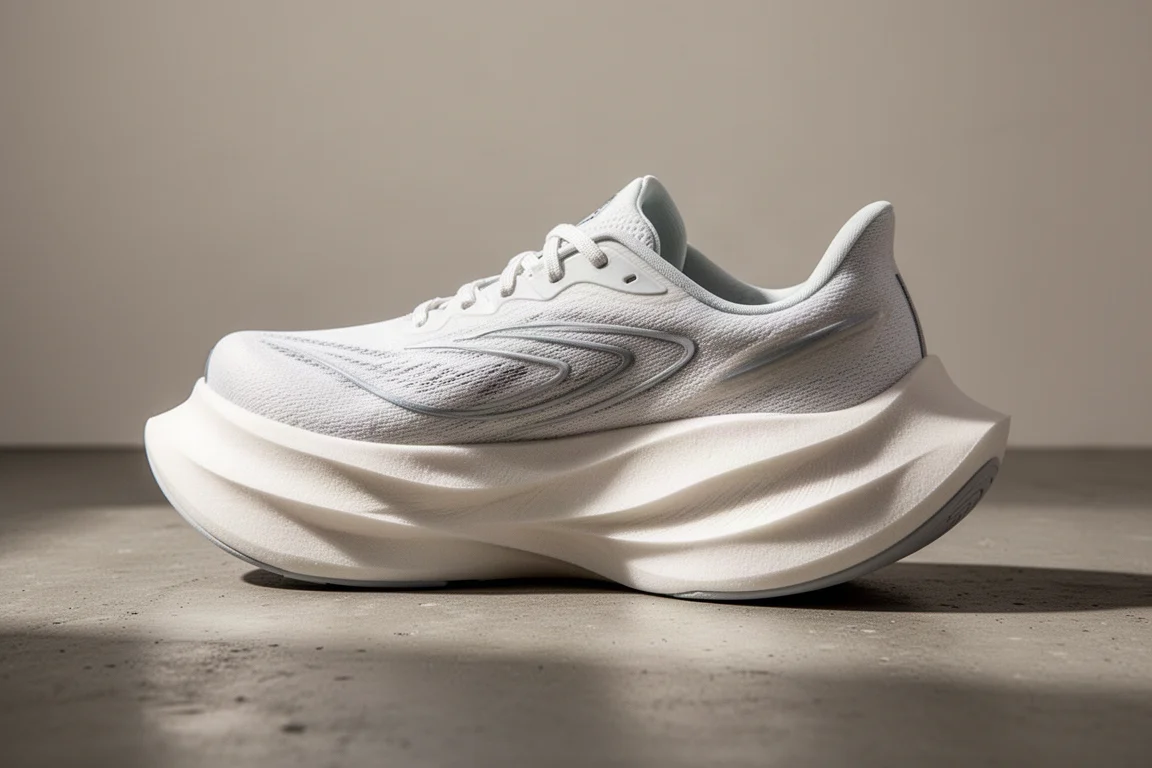
The significant rocker in the heel and forefoot carries over from the Hyperboost Edge, along with the same foot-like profile on the lateral side of the shoe. Aesthetically, it is a good-looking shoe, arguably more pleasing than the Edge itself. However, the sample size weight of around 290g is sizable, likely well into the 330g range in a UK 11, and the shoe leans more toward looks than performance.
Verdict: a nay. The design is appealing, but it seems less about performance and more about style.
Adidas Hyperboost Run
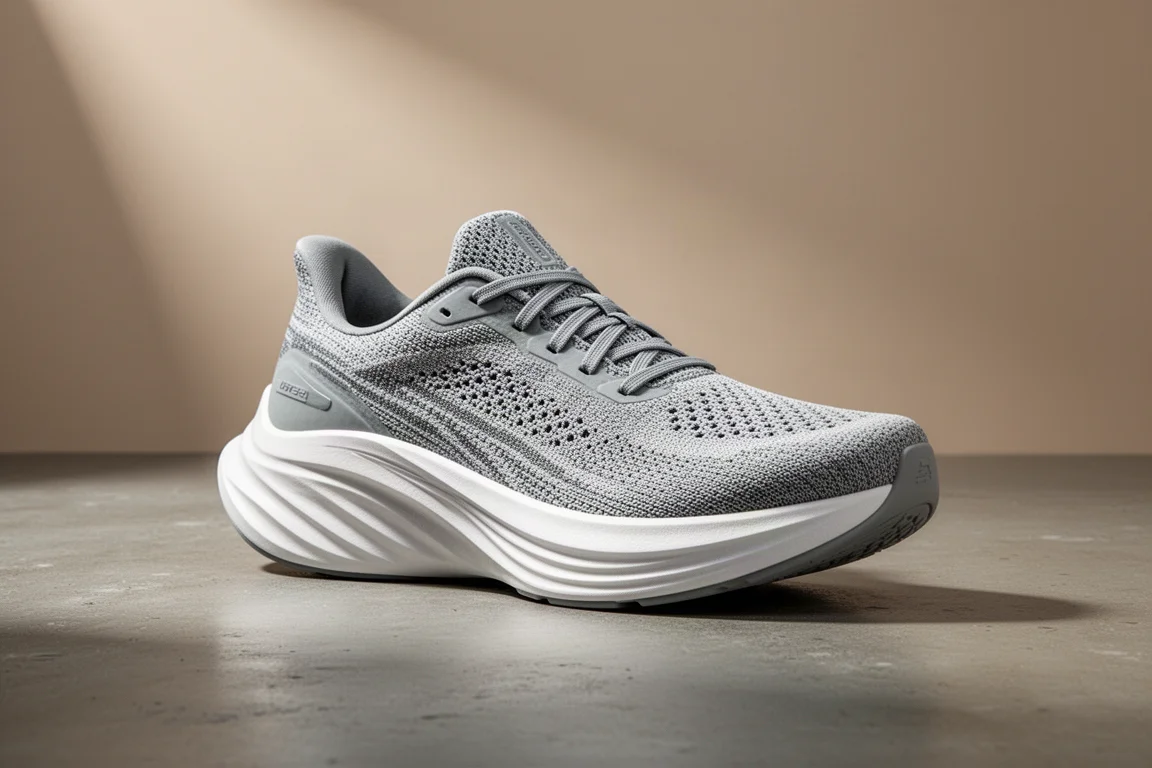
The Hyperboost Run is the performance counterpart, launching at £150, roughly £20 to £30 cheaper than the Hyperboost Edge. It carries 38mm in the heel and 32mm up front, with a sample size weight of 248g, lighter than the Edge but with about 6 to 7mm less heel stack. The Hyperboost Pro midsole material looks set to work very well, and the outsole features Continental rubber areas up front, with lighter traction across the rest.
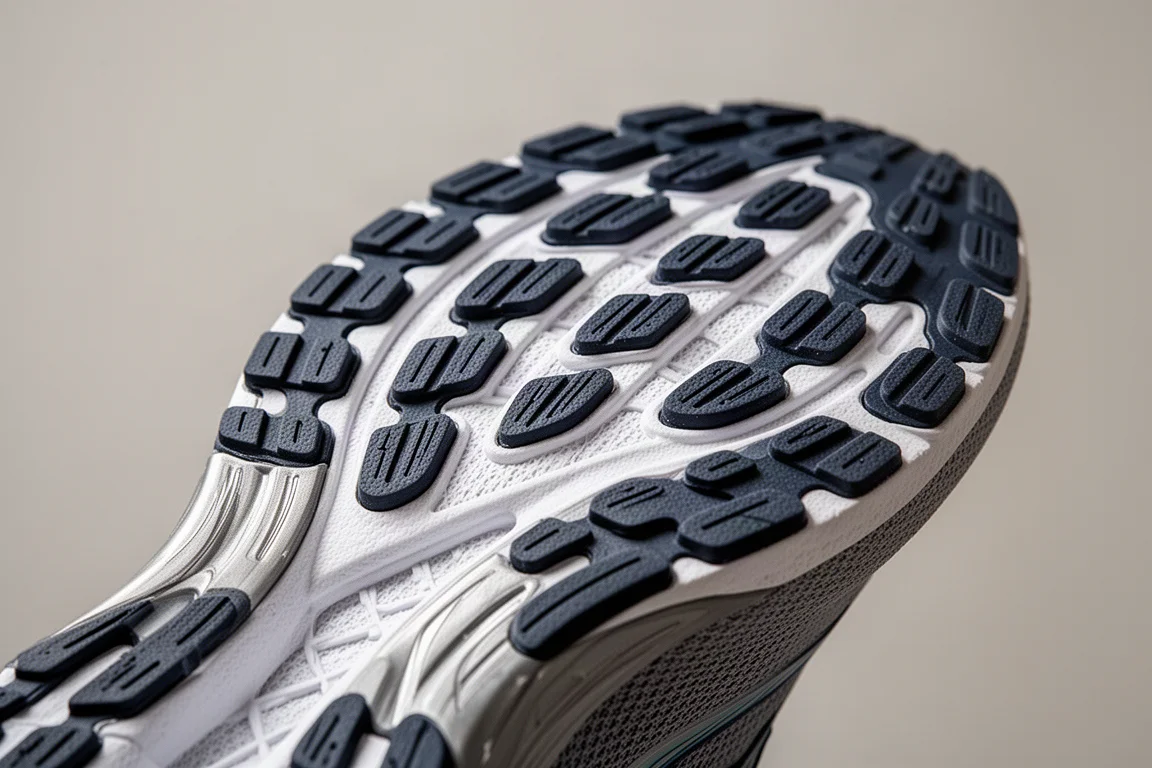
That Continental addition matters, especially in the high-wear focus points, since the material is known for durability and grip. One carryover worth noting is the somewhat odd separated heel padding, unchanged from the Edge. Many found that an odd addition, and if it was a problem before, it could be an issue here, though no issues have surfaced so far. There is also hope that the lasting board has been cut away as it was in the Edge, which gave the midsole a genuinely great feel in the forefoot and heel.
For those who found the Edge’s considerable stack too much, the Run offers less weight with the same midsole material and a little less stack, which is an appealing trade unless real impact protection is the priority.
Verdict: a yay. The only real complaint is that the Run edition could look a bit more appealing than it does.
New Balance SuperComp Rebel
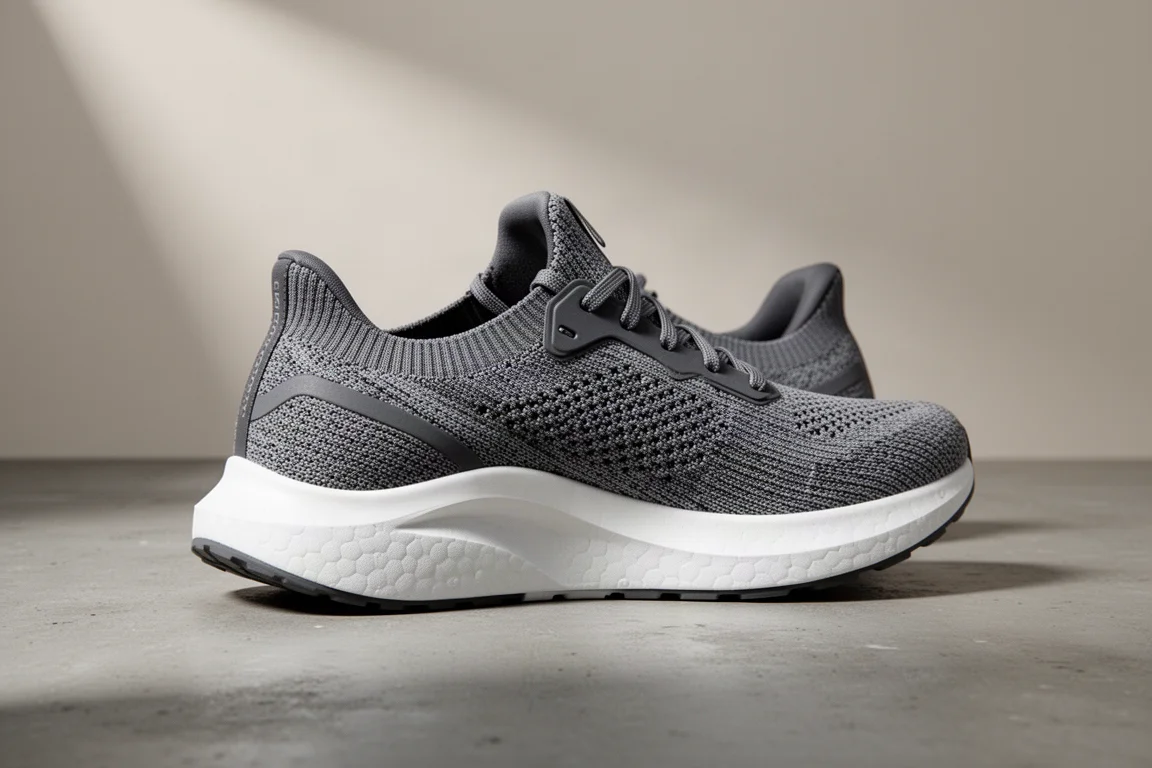
The FuelCell Rebel history is a bit of a love-hate story: it started as a fairly firm tempo shoe, then became a very soft daily option that almost looked like a lifestyle shoe. Now New Balance is rebranding it and mixing it into the SuperComp line, where the SuperComp Trainer was a tall shoe with a carbon plate and very soft foam, and the Rebel returns as a lower-stack shoe with a very soft EVA blend.
What makes this version exciting is the numbers. It weighs in at only 212g or 7.5oz in sample size, remarkably low given there is a carbon plate inside. Stack is 40mm with a 4mm drop, exactly the combination many runners have been waiting for. Part of the weight saving comes from a polyurethane outsole, a trend across current performance shoes like the Adizero models, which keeps weight down while maintaining grip and longevity.

A cool design detail is that the carbon plate pokes through the PU outsole material, with a huge amount of midsole cut away. The launch colorway is reminiscent of the beautiful off-white Rebel V5, a truly wonderful looking shoe. It slots into similar territory as the Hyperboost Run, though at a $190 price tag, and there is some concern that New Balance models tend to rise in price when they reach the UK.
Verdict: a yay, and a genuinely exciting one. It is expected to drop in August 2026.
New Balance FuelCell SC Elite V6
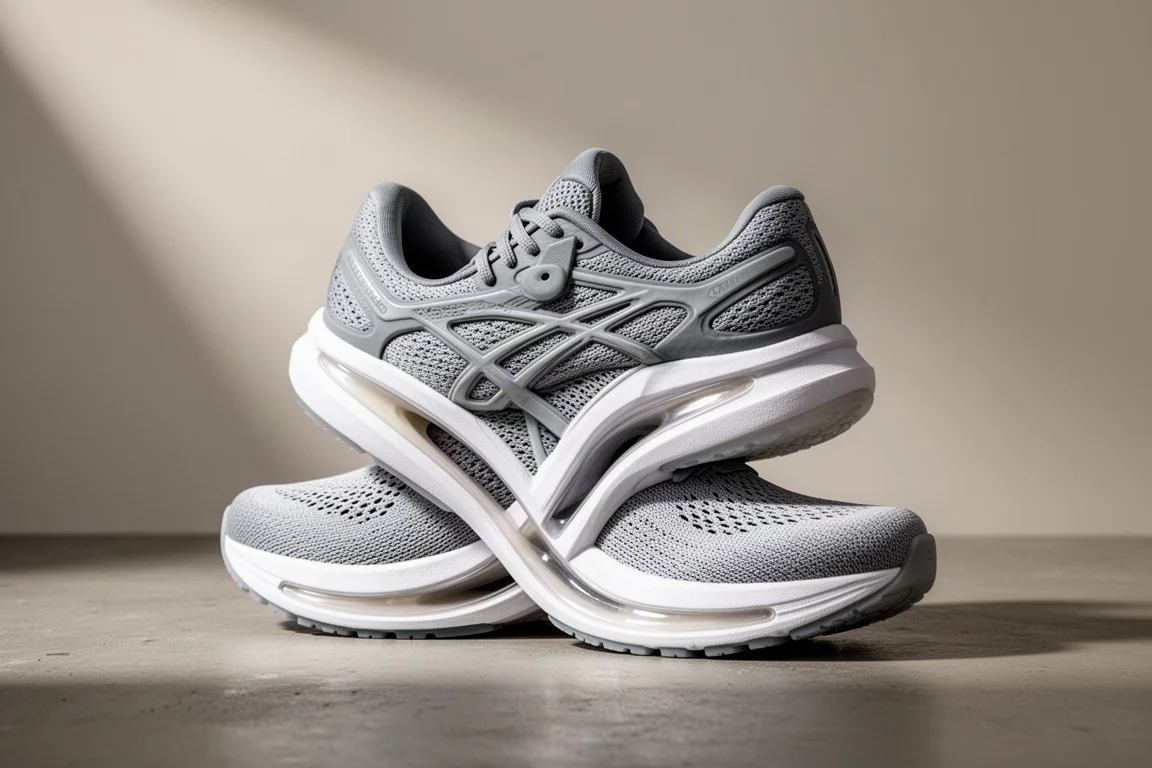
The SC Elite V5 was a good shoe: light, more responsive, with a great upper and superb grip. The sixth update looks set to build on that formula. New Balance suggests the weight is coming in below 190g for the sample size. That is low, though not quite as low as the ASICS Metaspeed line, the Puma Fast-R, or the Deviate Elite 4, which all sat around the 200g mark in the same size. In a larger size, expect maybe 220g or so, still very viable for racing.
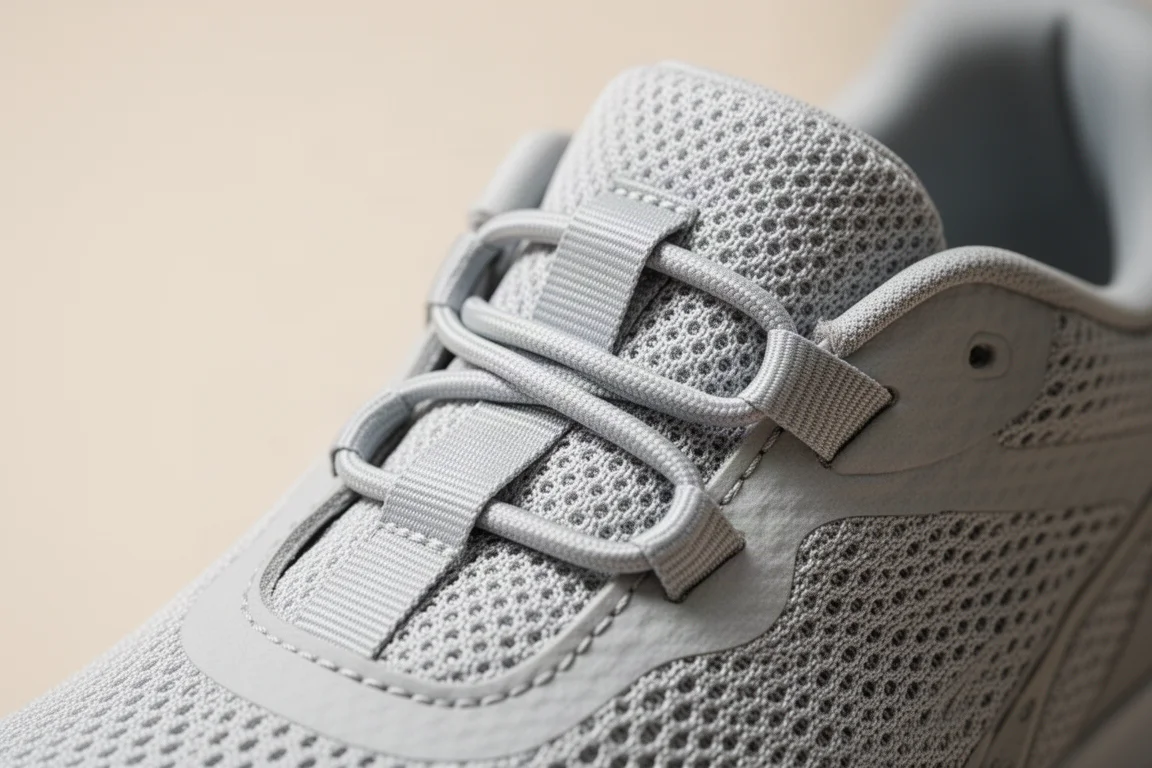
The updates are extensive. The midsole now uses InfiniOn, likely a different formulation to the one in the SC Rebel. There are double lace loops on the tongue, a first that should stop laces sliding. Cutouts on both sides of the midsole reduce weight and may create a bit more compression, and there is a considerable drop in the ankle area around the ball of the ankle to enhance freedom of movement. The outsole uses PU material at apparently only 1mm thick, as New Balance goes all out on weight reduction.
The catch is price: $275 is big cash, and with the V5 selling for about £230 in the UK, the V6 will likely land at £240 or more. Even so, with the lowered weight and the new updates in outsole and foam, this earns a yay.
Overall Buying Advice
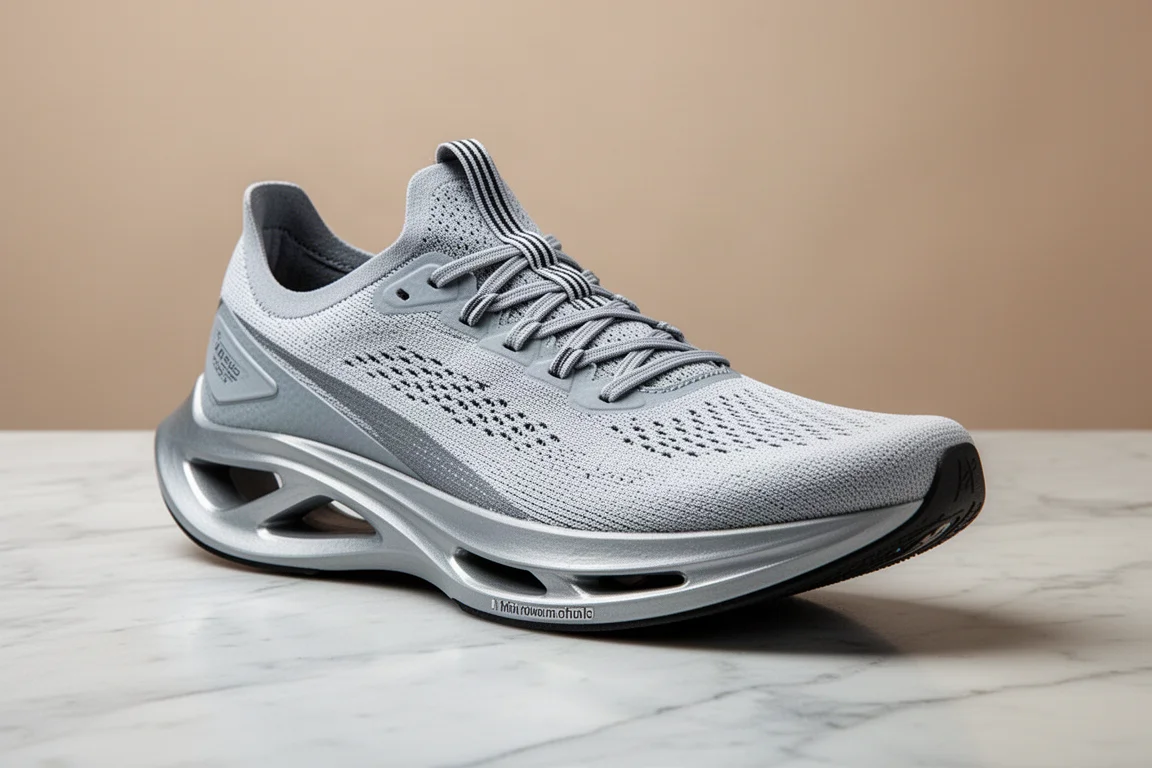
If aesthetics matter most and the budget is tighter, the Euphoria is the easy-to-live-with pick, even if it is the least performance-focused of the four. If you loved the Hyperboost Edge but found the stack too tall or the price too steep, the Run is the more rational buy with the same midsole material at less weight. The SuperComp Rebel is the standout for anyone chasing a low-weight, high-stack, plated daily performance shoe at $190. The SC Elite V6 remains the racing choice for those already sold on the SC formula, provided the price bump does not put you off.
Conclusion
Three yays and one nay is a strong hit rate for this batch. The Hyperboost Euphoria misses out for leaning too far into looks over performance, while the Hyperboost Run, SuperComp Rebel, and SC Elite V6 all earn genuine excitement for their weight savings, thoughtful design details, and strong midsole technology. The SuperComp Rebel, in particular, looks like one of the most interesting releases of the year.
Further reading
Related Reviews

Running Shoes
Best Road-to-Trail Running Shoes: Three Versatile Options for Mixed Terrain
A practical guide to three road-to-trail running shoes that handle both pavement and mild trails, with clear strengths and trade-offs for different runner types.

Running Shoes
Best Running Shoes for Achilles Tendonitis: Three Options Explained
Three running shoes with different heel drops and support features designed to help reduce Achilles tendon pain during walking and running.

Running Shoes
Best Running Shoes for Women: Five Top Choices Ranked
A ranked guide to five women's running shoes, from versatile daily trainers to high-performance racing options, with real strengths and trade-offs for each.