Running Shoes
Adidas Hyperboost Edge: The Max Cushion Trainer That Finally Makes Boost Fast
A close look at the new Hyperboost Edge, plus how it stacks up against the UltraBoost 5X, Evo SL, Boston 13, Nike Pegasus Premium, and Asics Superblast 3.
Introduction
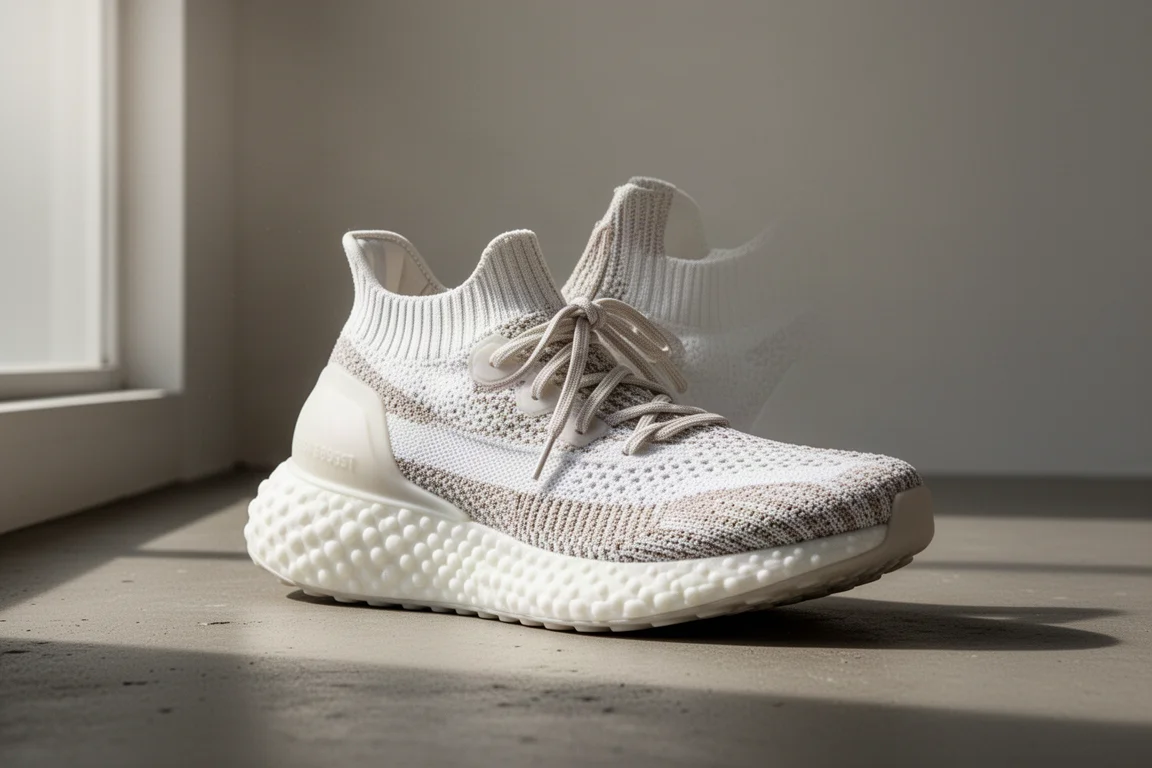
Every so often, a running shoe arrives that feels less like another seasonal update and more like a genuine rethink. The Adidas Hyperboost Edge is one of those. It introduces Hyperboost Pro, a brand new beaded midsole compound, and it does so in a tall, bouncy, surprisingly fast package that works across a remarkably wide range of paces. In this guide, we break down what the Hyperboost Edge actually offers, then compare it against the Adidas UltraBoost 5X, Adidas Evo SL, Adidas Boston 13, Nike Pegasus Premium, and Asics Superblast 3 so you can figure out which one fits your running and your budget.
Specs and Design: What Makes the Hyperboost Edge Different
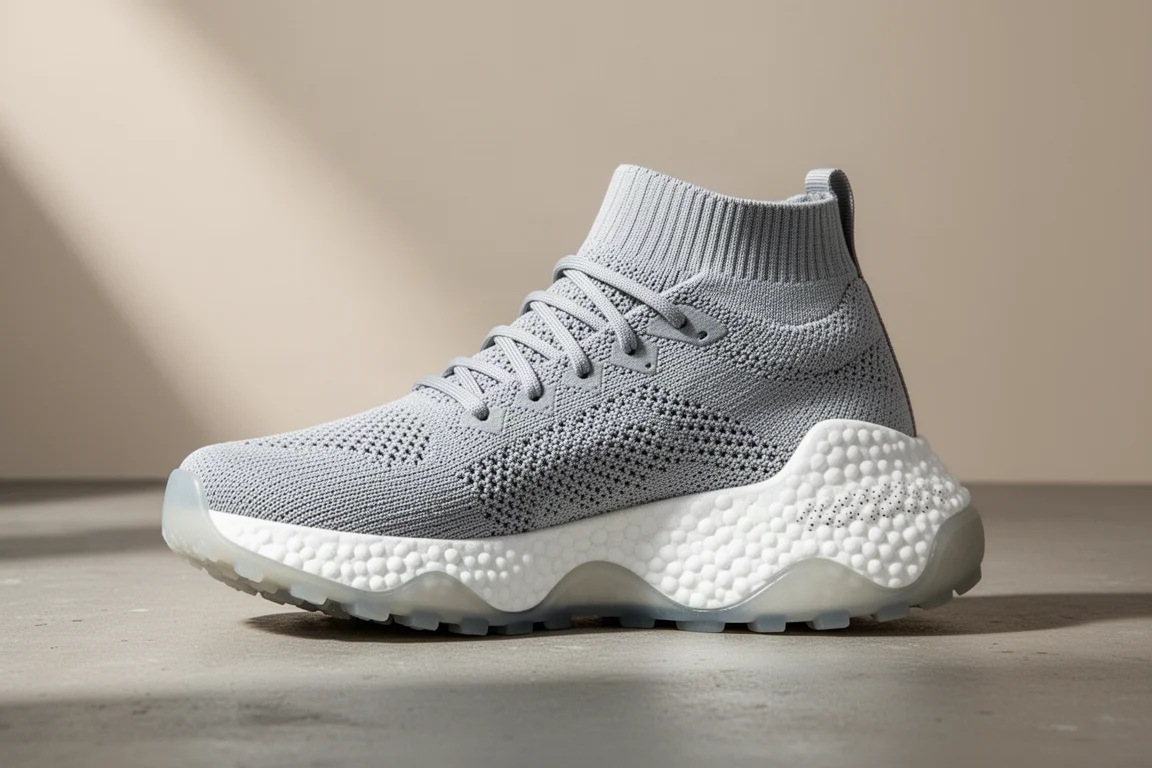
On paper, the Hyperboost Edge is a tall shoe: 45 mm of stack at the heel, 39 mm in the forefoot, with a 6 mm drop. The real story is the foam. It looks familiar, but this is not regular Boost or even Light Boost. It is Hyperboost Pro, a new type of beaded foam that Adidas says is lighter and bouncier than previous Boost iterations, and the on-road experience backs that up.
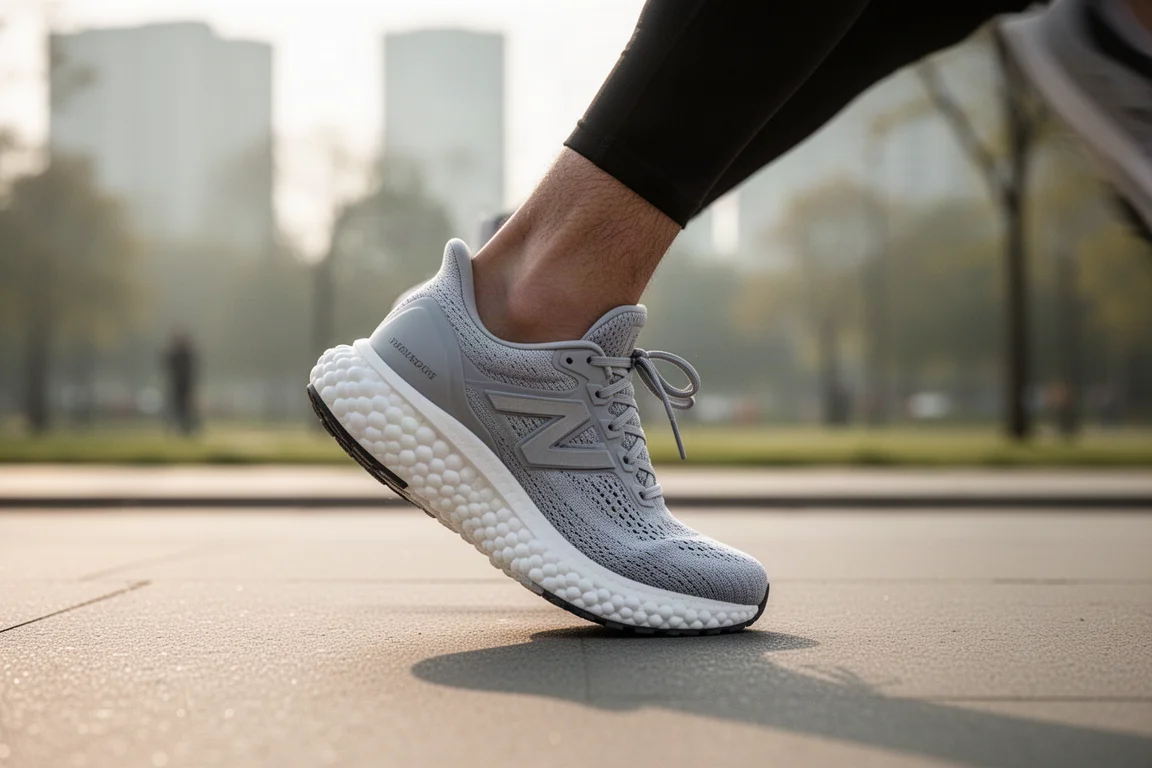
The other notable engineering choice is what is missing. There is no torsion bar and no shank, just foam. That is unusual for Adidas, which has historically tucked a small stabilizing piece into shoes like older UltraBoosts and even the otherwise minimal Evo SL. The outsole brings nearly full rubber coverage with a wavy, slightly translucent Light Traction tread, interrupted only by a small plastic accent piece that displays stack height and drop information.
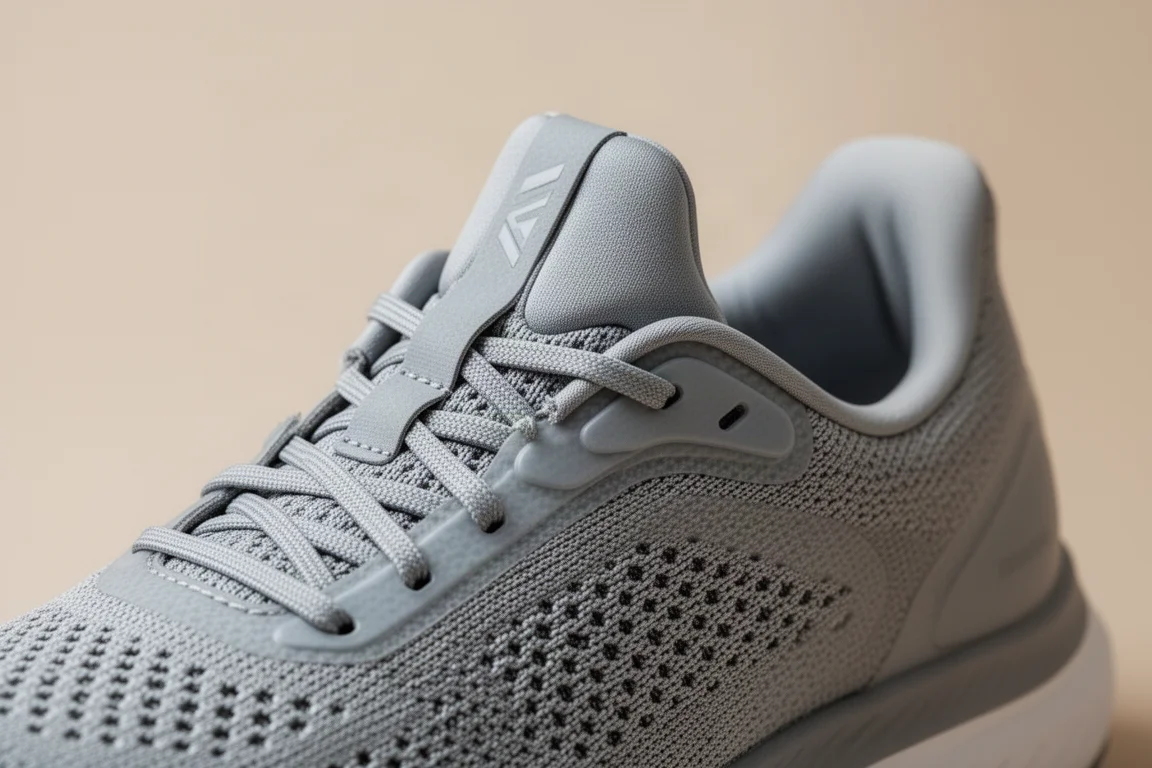
The upper is Primeknit TPU knit, and there is a styling first here: this is the first Adidas running shoe without the three stripes on the upper, with the stripes instead placed on the midsole so they stay visible when the shoes are worn with pants or jeans. The lacing sits in a recessed collar that hides the crossover points for a cleaner look, the tongue is lightly padded but thin, and heel comfort pads accommodate a wider range of heel shapes.
Fit is comfortable in your usual running shoe size, and unlike older UltraBoost models, which tended to run long, the toe box has just the right width and height without extra length at the front. A US men’s size 9 measured in at 8.7 oz (248 g), which is competitive for a shoe with this much midsole.
On the Road: Soft, Bouncy, and Genuinely Versatile
The best way to describe the ride is that Boost is back. The foam compresses a moderate amount underfoot, then snaps back in a timing that actively makes the shoe want to go faster. It is soft like a max cushion shoe, but lively in a way that relaxed max cushion shoes usually are not.
The pace range is genuinely wide. It handles slow recovery runs well, works as a daily trainer, and holds up for faster days, speedy long runs, and early-training-block fartleks. Adidas calls it the brand’s first lightweight non-plated super trainer, but the more useful framing is simpler: this is a max cushion daily trainer that can also pick up the pace.
For runners who do not want a closet full of shoes or an aggressive carbon-plated race shoe, the Hyperboost Edge could be a very comfortable way to reach a marathon finish line. If you already love aggressive race day shoes for workouts and racing, this one is less likely to replace them, but as a fun, versatile trainer it is hard not to enjoy every run in it.
Alternative: Adidas UltraBoost 5X
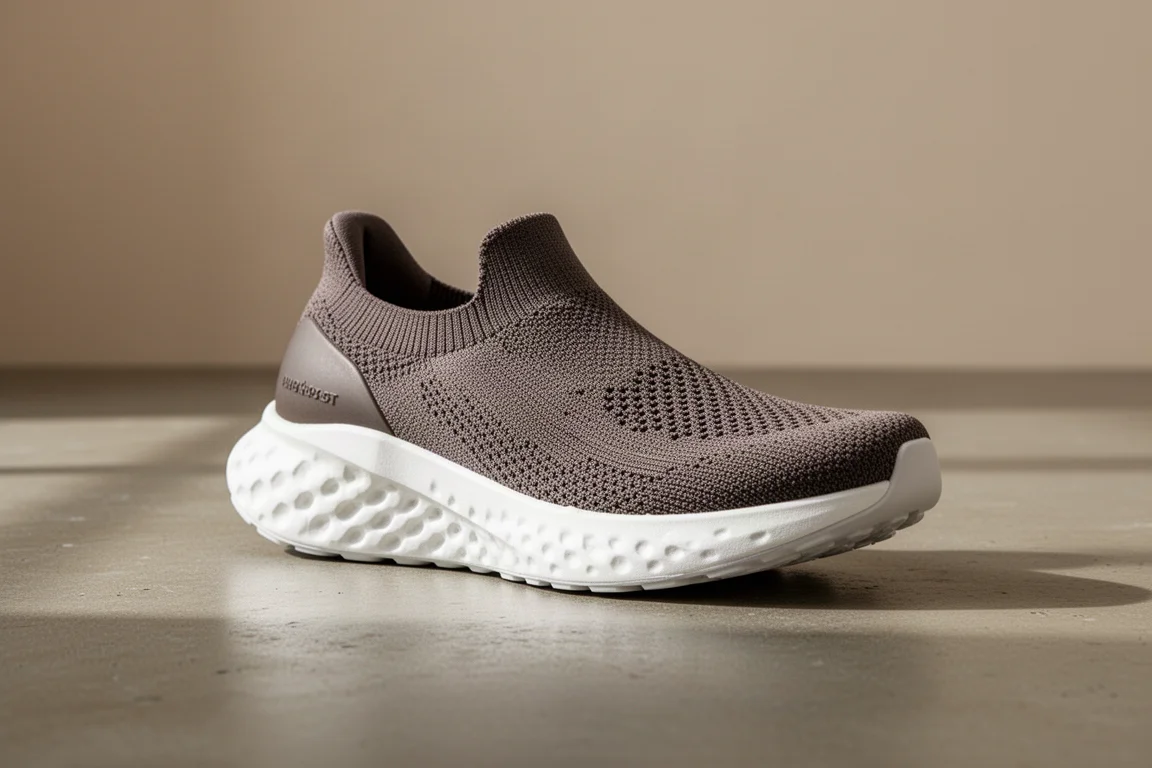
The UltraBoost 5X is a big improvement over several previous UltraBoost iterations, with a knit upper that is genuinely more comfortable than the Hyperboost Edge’s. It is a heavier, denser shoe thanks to LightBoost, which limits it mostly to easy running, casual use, and run-walk. The silhouette is a little dated compared to the Hyperboost Edge’s reinvention, but at $153 (discounted from a $180 launch price), it is a compelling way to save roughly $50 while keeping much of the comfort.
Alternative: Adidas Evo SL
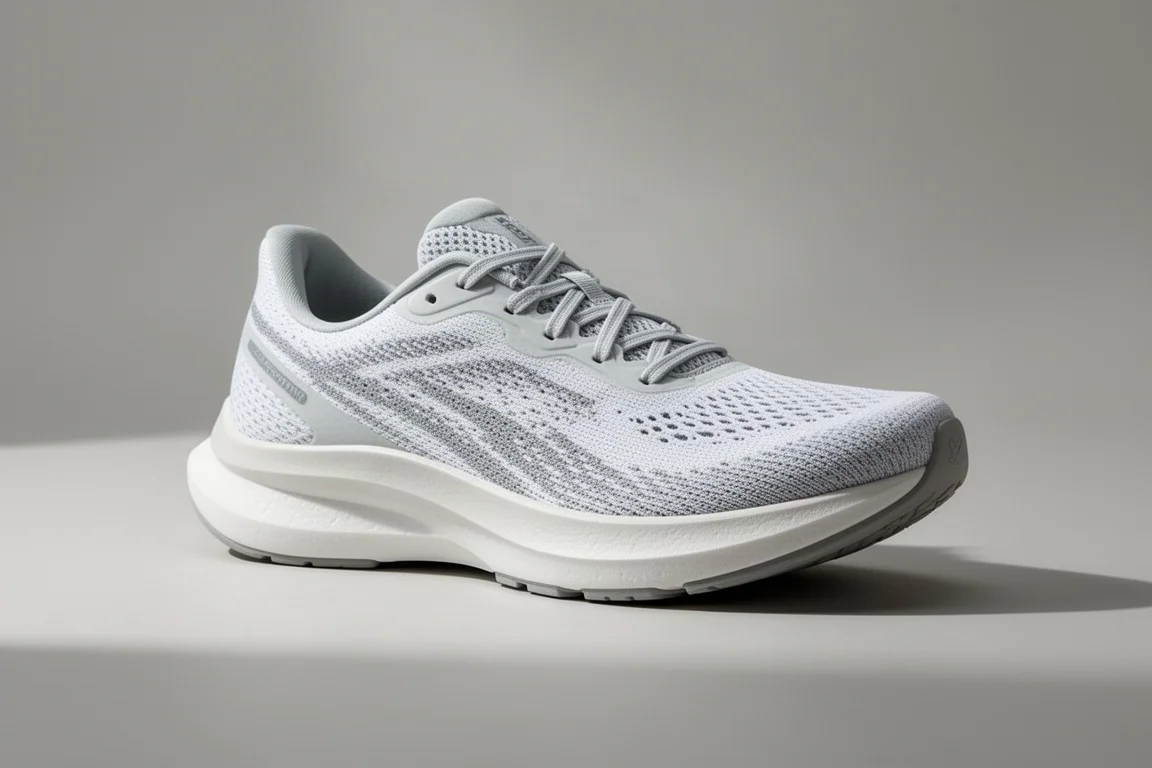
The Evo SL, a previous shoe of the year pick, is the more difficult comparison because it overlaps heavily in everyday training while costing only $150. It uses Lightstrike Pro race-caliber foam with a small plastic shank and a stripped-down minimal upper, and it is lightweight, pleasantly squishy, and pleasantly speedy.
The distinction comes down to feel: the Hyperboost Edge is really bouncy, while the Evo SL is really soft and squishy, and the Evo SL does faster running slightly better while the Hyperboost Edge does max cushion slightly better. With a big price gap in the Evo SL’s favor and a cleaner, run-first design, many runners will still find the Evo SL the better buy, but the Hyperboost Edge will appeal to those who want the bouncier, more cushioned experience.
Alternative: Adidas Boston 13
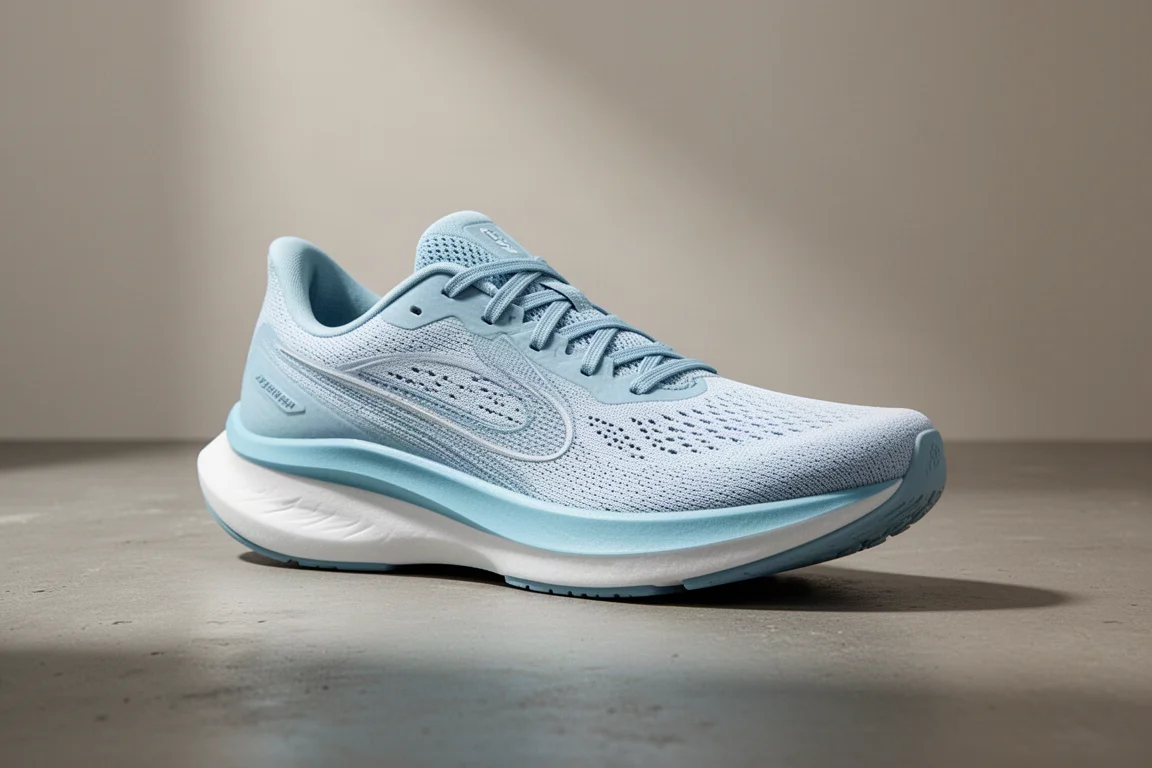
The Boston 13 and the Hyperboost Edge occupy similar use cases but approach them differently. The Boston uses Lightstrike Pro and Lightstrike with energy rods, placing it firmly in the performance-focused Adizero side of the lineup. It works well for daily training, chill easy miles, and speedy long runs, though neither shoe is the pick for genuinely fast work.
For almost everything the Boston does, the Hyperboost Edge does it better and is more fun doing it. At $160, the Boston is $40 cheaper, which is not a trivial difference, but for many buyers the newer shoe justifies the premium.
Alternative: Nike Pegasus Premium
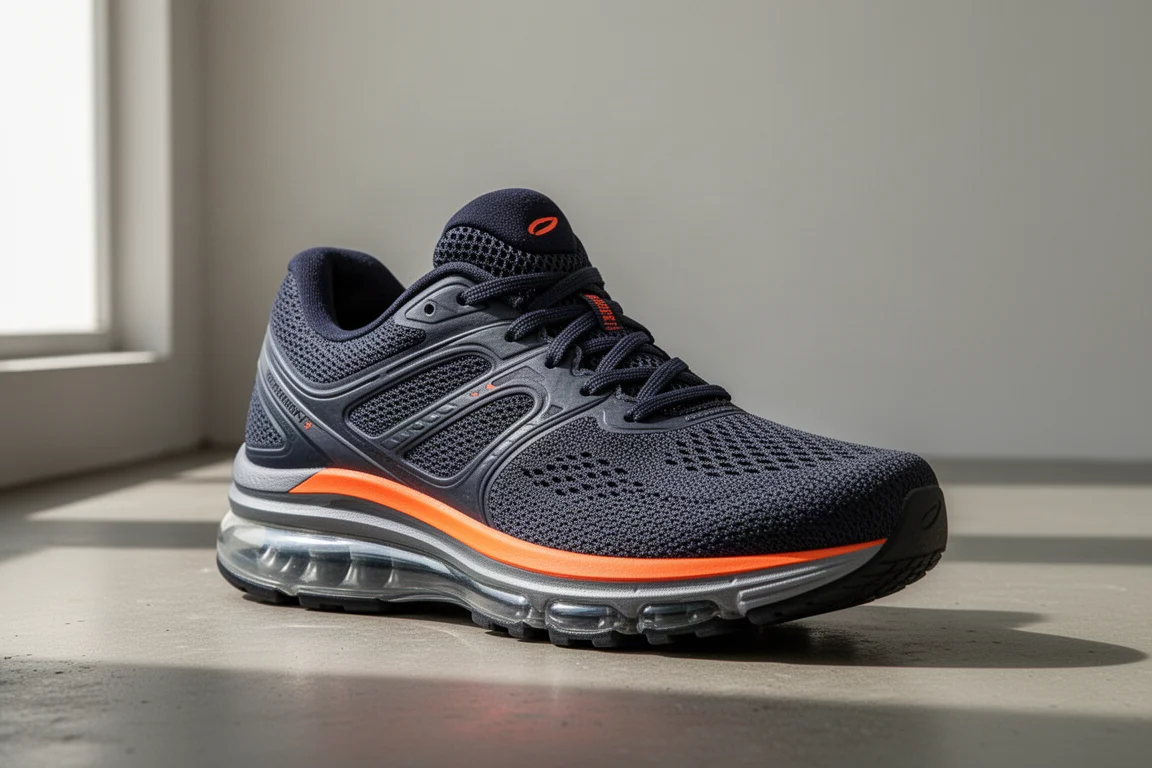
The Nike Pegasus Premium targets a very similar buyer: a shoe mixing old and new technology with style in mind. It revives the edge-to-edge Air Zoom pocket in updated form alongside ZoomX and ReactX foams, and the premium upper looks great. From a performance standpoint, though, it is overbuilt and extremely heavy, coming in 2 oz heavier than the Hyperboost Edge in the same US men’s size 9, roughly 25% more.
It is fun to run in, but not for very long sessions. At $220, it costs $20 more than the Hyperboost Edge, so you are paying a premium largely for looks.
How It Compares to the Asics Superblast 3
The Asics Superblast 3 is the closest philosophical rival. It layers a high-end racing foam on top of a daily training foam, has a very comfortable upper, and is a very tall shoe. It even costs almost the same at $210, a one-dollar increase over last year.

On foot, the experiences are drastically different. The Superblast 3 offers more softness, with dynamic compression and decompression that feels fun in its own way, while the Hyperboost Edge delivers that bouncy, updated Boost feel. Both shine on speedy long runs and steady runs, when the foams really come to life. Choosing between them is a matter of preference: bouncy Boost energy or dynamic softness and speed. For many shoe enthusiasts, the honest answer is both.
Overall Buying Advice
The Hyperboost Edge sells for $200, more than an UltraBoost, with a limited release on March 14 and a broader release shortly after. There is no prior version to buy at a discount, so early availability is the main consideration.
If you want a max cushion daily trainer with pace versatility and you are drawn to the bouncy, modern Boost experience, the Hyperboost Edge is the standout. If budget matters, the discounted UltraBoost 5X or the $150 Evo SL deliver serious value. The Boston 13 is the cheaper performance option, the Pegasus Premium is the style-first choice, and the Superblast 3 is the alternative for runners who prefer a softer, dynamic ride over bounciness.
Conclusion
The Hyperboost Edge is the UltraBoost-legacy shoe many runners have been waiting years for: a tall, comfortable max cushion trainer with a genuinely new foam that is bouncy, fast, and fun across nearly every pace. It is not cheap, and aggressive racers may still want a dedicated race day shoe, but as an everyday, everything-up-to-speedy-long-runs trainer, it earns its place at the top of this comparison. Match the choice to your preferred ride and budget, and you will be happy with any of these shoes.
Further reading
Related Reviews

Running Shoes
Best Road-to-Trail Running Shoes: Three Versatile Options for Mixed Terrain
A practical guide to three road-to-trail running shoes that handle both pavement and mild trails, with clear strengths and trade-offs for different runner types.

Running Shoes
Best Running Shoes for Achilles Tendonitis: Three Options Explained
Three running shoes with different heel drops and support features designed to help reduce Achilles tendon pain during walking and running.

Running Shoes
Best Running Shoes for Women: Five Top Choices Ranked
A ranked guide to five women's running shoes, from versatile daily trainers to high-performance racing options, with real strengths and trade-offs for each.