Running Shoes
Adidas Hyperboost Edge vs Asics Superblast 3: Two Super Trainers Compared
Two of the most hyped super trainers go head to head, covering upper comfort, stability, softness, ride character, and who each shoe is really for.
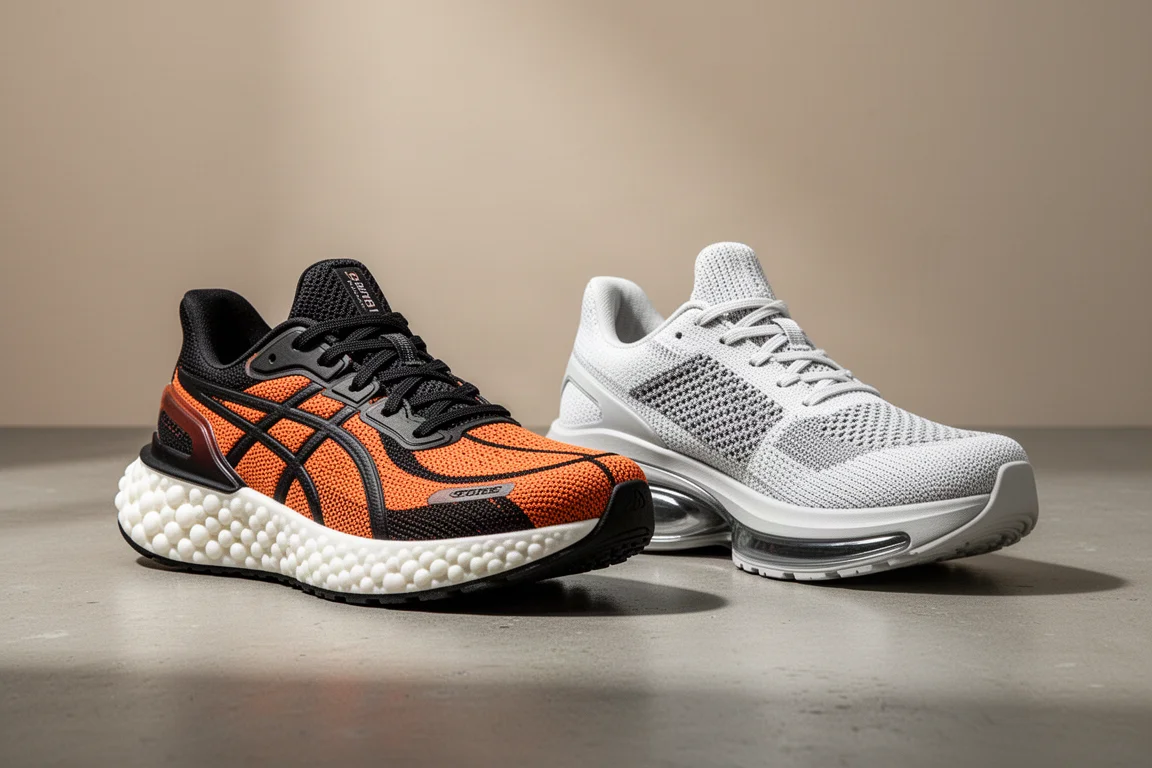
Introduction
Two of the most talked-about new super trainers are now on the market at the same time, and they happen to chase almost exactly the same job: maximum cushion, genuine race foam, and a ride comfortable enough for everyday miles. The Adidas Hyperboost Edge and the Asics Superblast 3 are more similar than they are different, which makes choosing between them a matter of fit, feel, and preference rather than an obvious win for one side.
Two Super Trainers, Same Job
Both shoes sit in the comfort-first corner of the super trainer category. They are not aggressive speed shoes in the mold of a pure racer, but dialed-up daily trainers with real bounce underfoot. Neither feels sluggish the way some heavier max cushion shoes can. For everyday paces in the roughly 6:30 to 7:30 per mile range, easy mileage, and zone three work, both deliver pop without forcing you to run harder than you planned.
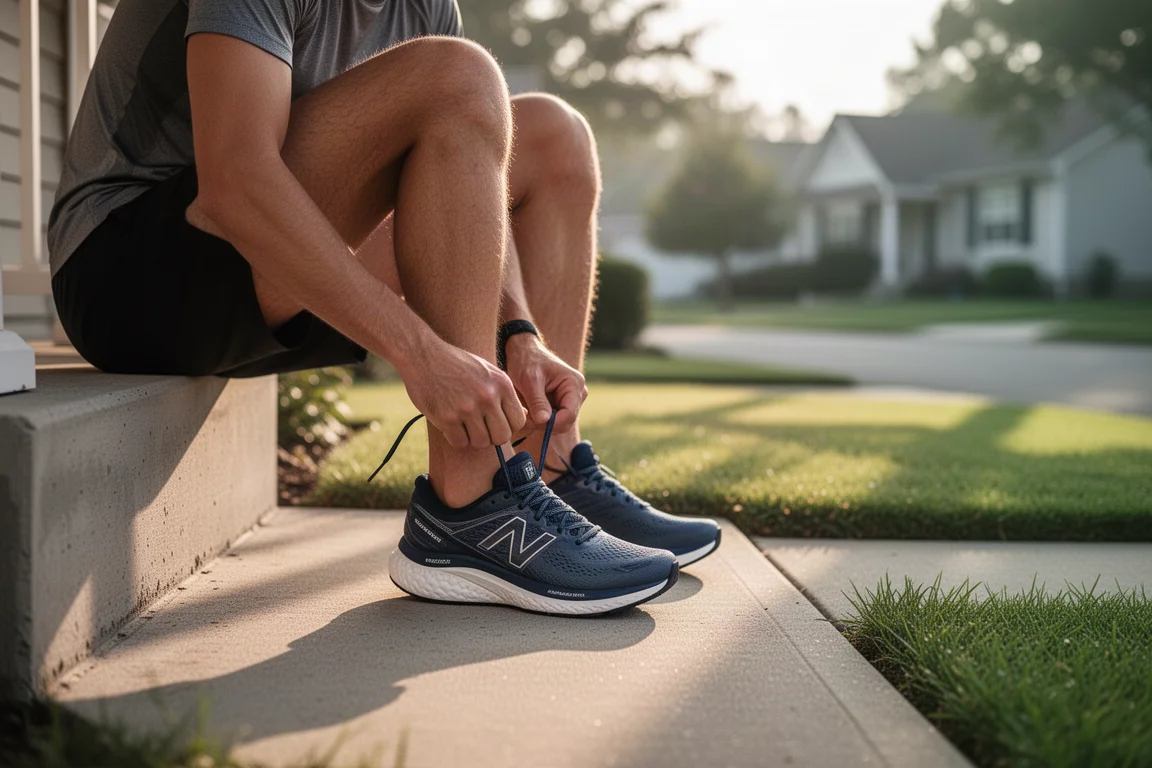
The spec sheets are also close. Stack heights are near identical, weights are near identical, and both use premium race-level foam. Price is nearly the same too, around $200 versus $210. The Hyperboost Edge may hold better long-term value since Adidas discounts its shoes more readily, while the Superblast line has historically stayed at full price almost until the end of its life.
Upper and Step-In Comfort: Superblast 3 by a Landslide
This is the clearest separation between the two. The Superblast 3 has what is arguably the best upper the model has ever had, with generous padding around the heel, a plush collar, and a roomy forefoot. Step-in comfort is excellent, the kind of shoe you look forward to lacing up.
The Hyperboost Edge upper is the weak point. It feels stiff and unfinished out of the box, like unbroken leather that needs wear to soften up. Some runners, including both forefoot and heel strikers, have reported the collar digging into the Achilles area. Others get no issues at all, so sensitivity varies a lot from foot to foot. A thicker padded running sock seems to help. Around the midfoot, the Asics fit is also more dialed and secure.
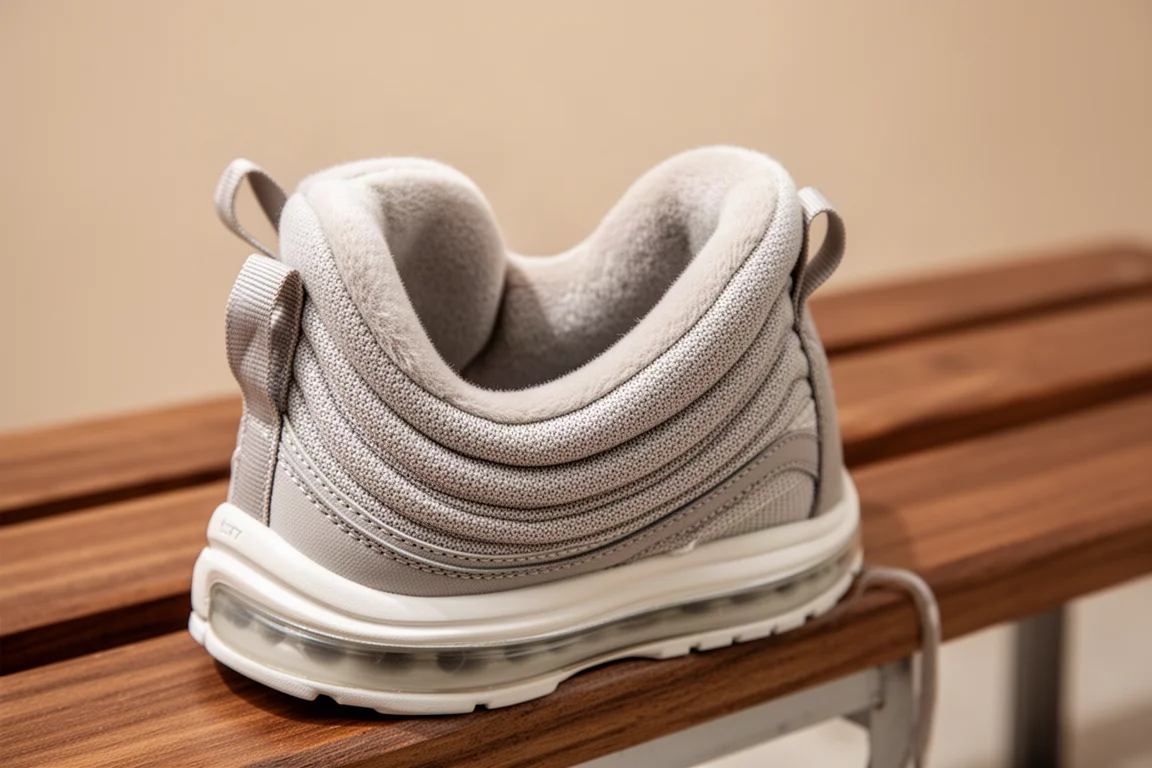
In the forefoot and toe box, the two are close: both are decently generous, with the Asics feeling slightly more voluminous. But on overall upper comfort and step-in feel, the Superblast 3 wins decisively.
Ride and Softness: Different Kinds of Cushion
Underfoot, these shoes are more alike than not, but the character differs. The Superblast 3 keeps the geometry of its predecessor relatively intact, with a firmer, almost plate-like EVA layer on the bottom and a soft, bouncy FF Blast layer on top. That dual-foam setup gives an immediate squishy feel on step-in and a floaty, plush ride at recovery paces. It is also the more stable shoe thanks to that structured lower frame and massive platform. The trade-off is a bit of chop in the ride, which some runners never got along with in previous Superblast generations.
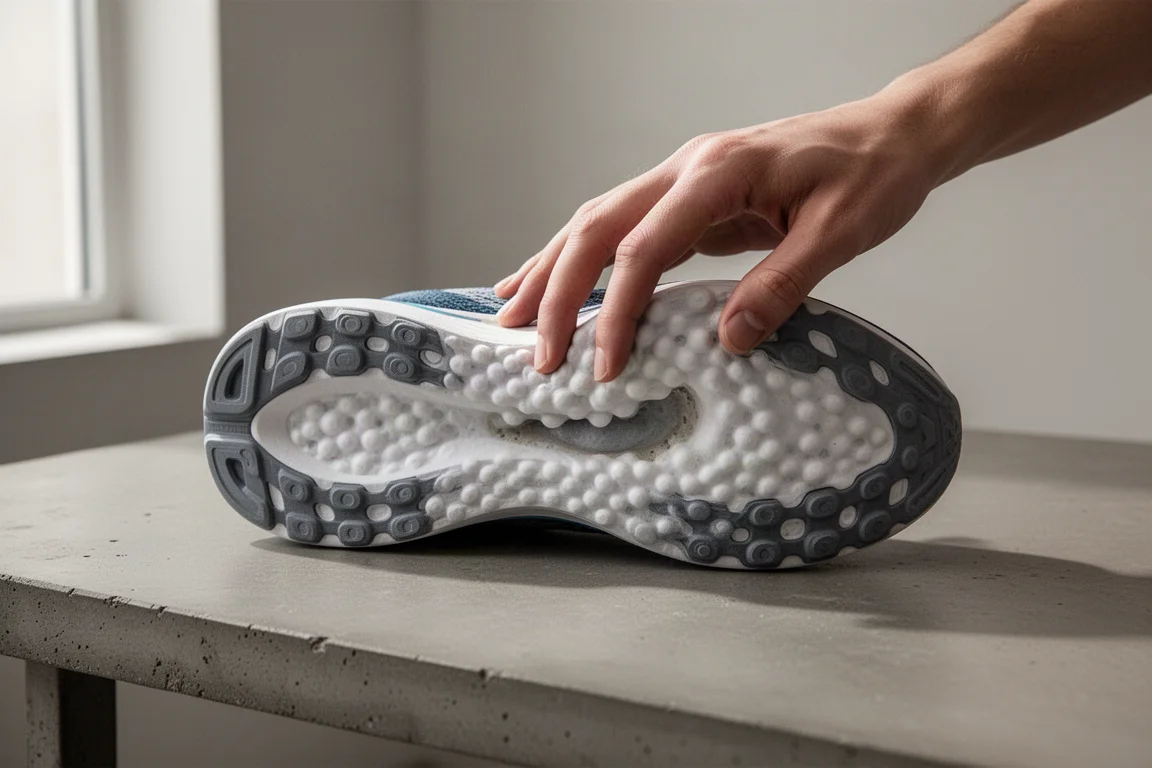
The Hyperboost Edge uses a single 45 mm stack of beaded PEBA foam with a great rocker. The result is smooth, rhythmic, and protective, with none of the Superblast chop. It feels smaller and more streamlined on foot despite a similar weight. Softness depends on the pace: the Asics feels softer on step-in and at recovery paces, while the Hyperboost Edge feels slightly softer and bouncier right in that everyday seven-minute-mile zone. There is a hint of that lively, almost uncontrollable bounce that pushes you to pick up the pace, which is great when you feel strong but less ideal for true recovery runs.
Stability, Speed, and Outsole
Stability clearly favors the Superblast 3. The firmer lower EVA frame and the more secure upper make it the better choice if you need a structured ride, and it is the better pure recovery shoe for the same reasons. If you dislike the big, boat-like feel of massive max cushion platforms, the Hyperboost Edge is the more svelte option.
On speed, neither is the definitive pick. Most runners in the 3:30 to 4:30 marathon range can run tempos in either shoe. The Hyperboost Edge has the peppier, geometry-driven feel and is the better zone three cruiser, while the Superblast 3 is more proficient at slow miles than most super trainers.
Outsole is a tie. Adidas covers the full outsole with grippy light traction rubber for a smooth, sure feel on dry roads, while the Asics grip compound is one of the grippiest outsoles available and has historically been excellent in wet conditions and snow.
Which One Should You Buy?
There is no winner here, only the better shoe for your preferences. If you are prone to Achilles irritation, want the most comfortable step-in, value stability, or plan to pile up high zone two mileage and recovery runs, the Superblast 3 is the pick. If you dislike the Superblast chop, prefer a smoother and peppier ride at daily paces, or find big platform shoes unwieldy, the Hyperboost Edge is the better match.

If forced to choose a single shoe for everyday training at moderate paces, the Hyperboost Edge currently feels the most dialed, and it earns a spot in the top tier of daily trainers. But the Superblast 3 remains one of the best do-it-all max cushion shoes available, and runners with higher weekly mileage in slower zones will likely be happier in the Asics. Both are excellent, and neither purchase should feel like a gamble.
Conclusion
The Adidas Hyperboost Edge and Asics Superblast 3 are two of the strongest super trainers on the market, and they split the categories almost cleanly: comfort, stability, and plush recovery feel to the Superblast 3, smoothness, peppiness, and everyday versatility to the Hyperboost Edge. Pick based on your foot strike, your pace, and whether you value a plush structured ride or a smooth rhythmic one, and you will not go wrong either way.
Product link
View more details for Adidas Hyperboost Edge
This product is mentioned in the review. Check the specifications, options, and compatibility before buying.
View more details for Adidas Hyperboost EdgeFurther reading
Related Reviews

Running Shoes
Best Road-to-Trail Running Shoes: Three Versatile Options for Mixed Terrain
A practical guide to three road-to-trail running shoes that handle both pavement and mild trails, with clear strengths and trade-offs for different runner types.

Running Shoes
Best Running Shoes for Achilles Tendonitis: Three Options Explained
Three running shoes with different heel drops and support features designed to help reduce Achilles tendon pain during walking and running.

Running Shoes
Best Running Shoes for Women: Five Top Choices Ranked
A ranked guide to five women's running shoes, from versatile daily trainers to high-performance racing options, with real strengths and trade-offs for each.