Running Shoes
Adidas Hyperboost Edge Review: A Bold Boost Reboot for Easy Miles
A max-cushion reboot of the Boost series with a bouncy Pebax-based midsole, light traction grip, and an upper you will either love or hate.
Introduction
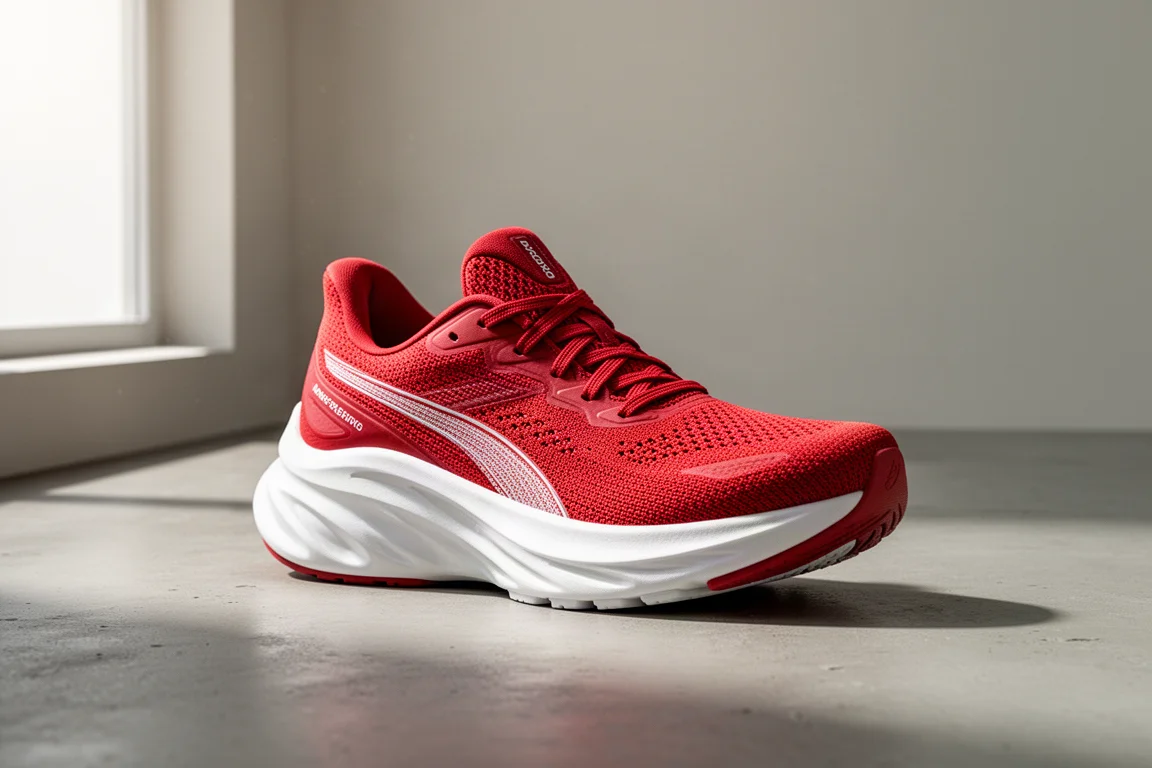
The Hyperboost Edge is Adidas’ reboot of the Boost series, and it comes in swinging as a proper max-cushion trainer. It is a big departure from what the Boost line used to be, built around a Pebax-based Hyperboost Pro foam, and after the first miles it turned out to be far more forgiving and comfortable than expected.
First Impressions and Specs
Measured weight comes in around 294 g for a UK 11, about 10.3 oz. The shoe states a 45 mm heel stack, but measuring closer to 49 mm in that size with 43 mm up front gives a 6 mm drop. Worth noting that the stack grows as the shoe size goes up. Width measures 12.1 cm at the widest point of the forefoot and 9.5 cm in the heel, a touch wider than some other models in the Adidas range.
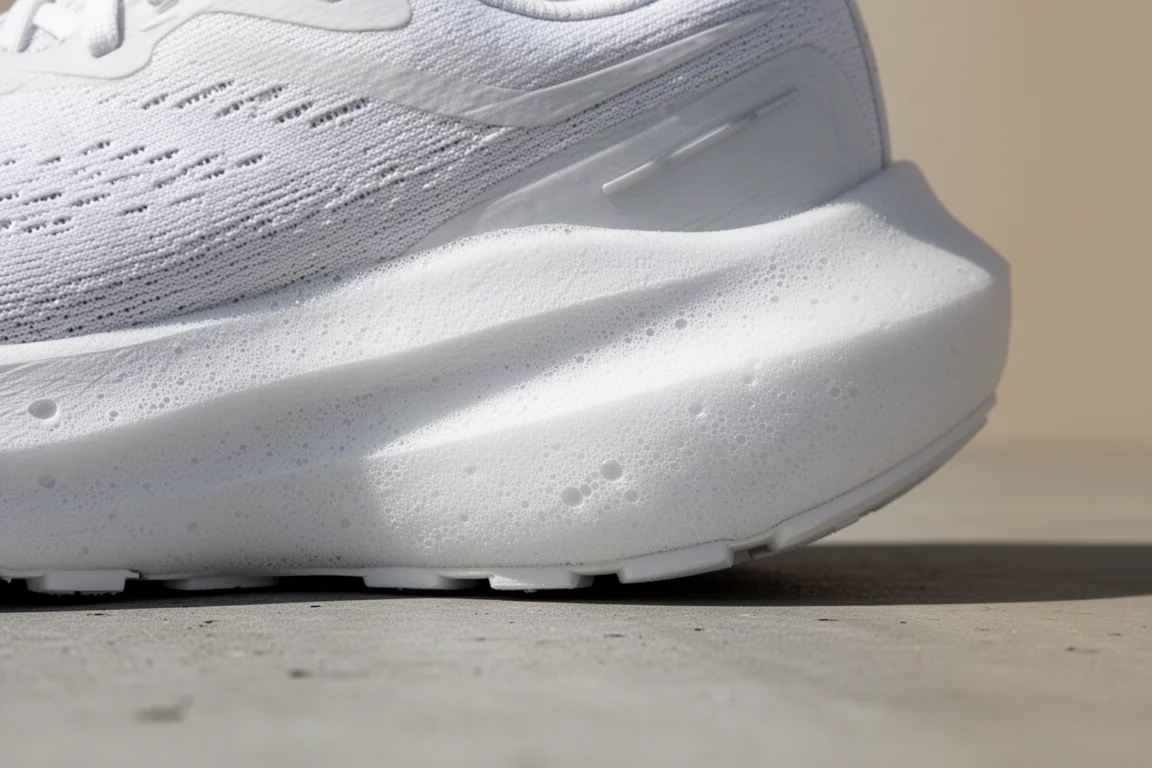
The foam reads about Shore A 23 for the Hyperboost Pro midsole and around 55 for the Light Traction rubber, so the outsole is slightly softer than a lot of current rubber compounds. The foam is also completely exposed under the insole rather than sitting beneath a lasting board, which puts you in closer contact with the Pebax material and amplifies both bounce and cushion.
Upper and Fit
Sizing is true to typical Adidas sizing. A UK 11 fits like a glove, especially for slightly narrower feet. The upper is far from a traditional running shoe design and feels a bit like a basketball shoe, and plenty of other wearers have had issues with it. It is genuinely divisive, a Marmite kind of upper.
That said, it worked well here. Toe box height is reasonable, width is fine without being cavernous, and there is a little elasticity in the laces. The tongue has enough padding, gusseting on both sides, and no tongue slide at all. The lace loops give a nice wrap around the top of the foot, and while an extra rear eyelet for a runner’s knot is missing, leftover slots inside the shoe suggest one was planned at some point.
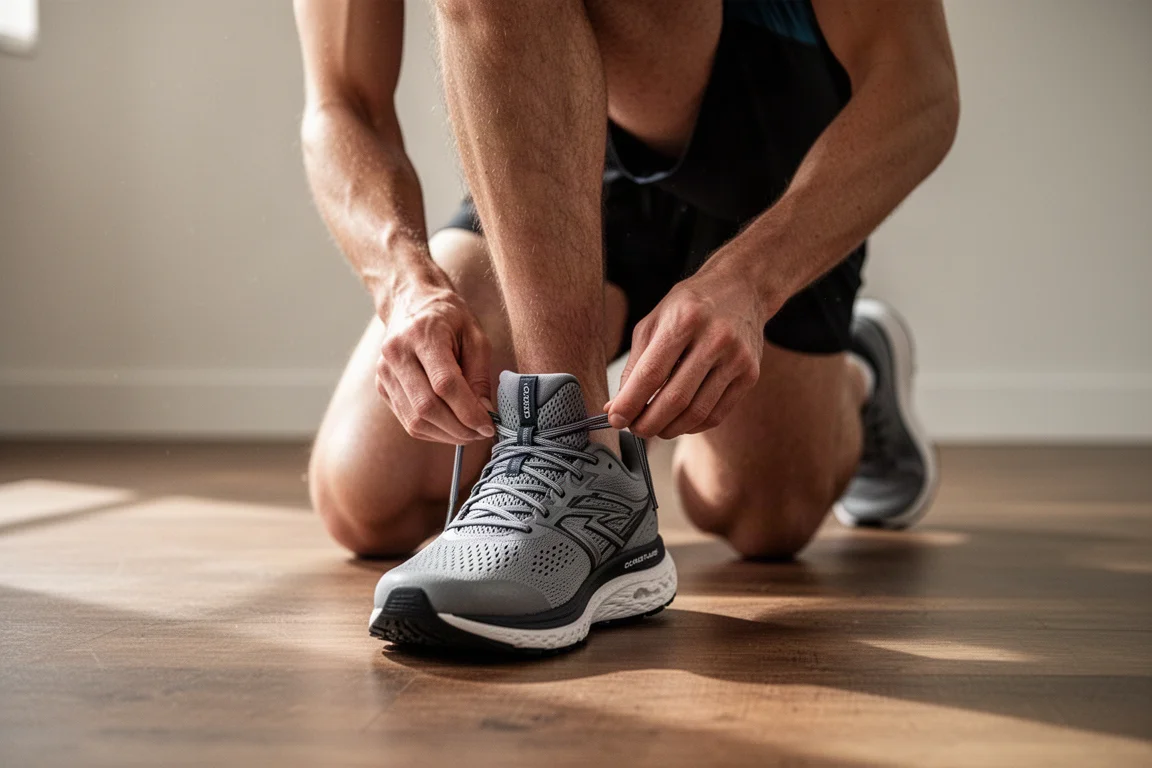
Two caveats in the upper. The fabric used in the heel area feels like an odd choice, could be lighter and more functional, and stains quickly and permanently when wet or exposed to sock lint. The separated padding at the back of the collar is also a little rigid, which could be a problem for heavier-built runners who compress the midsole more and bring the ankle ball closer to that firm area.
Midsole and Ride
The midsole is where this shoe earns its keep. The Hyperboost Pro material is compressive, light, and quick to return to form. It never feels like quicksand, and there is genuine bounce in both heel and forefoot. At steady and easy paces it is smooth and comfortable with lots of impact absorption.
At around 300 g it was never going to be an out-and-out speed shoe, and the huge slab of foam in the heel feels very present. If you want to run faster paces, you need to work on a mid-to-forefoot landing, though the lower drop helps a bit. It is a very viable alternative to the Nike Vomero Plus, which is heavier and feels clunkier in comparison, though it is cheaper. The Superblast 3 is closer in character but holds a significant weight advantage, largely thanks to the upper materials used here.
Outsole and Durability
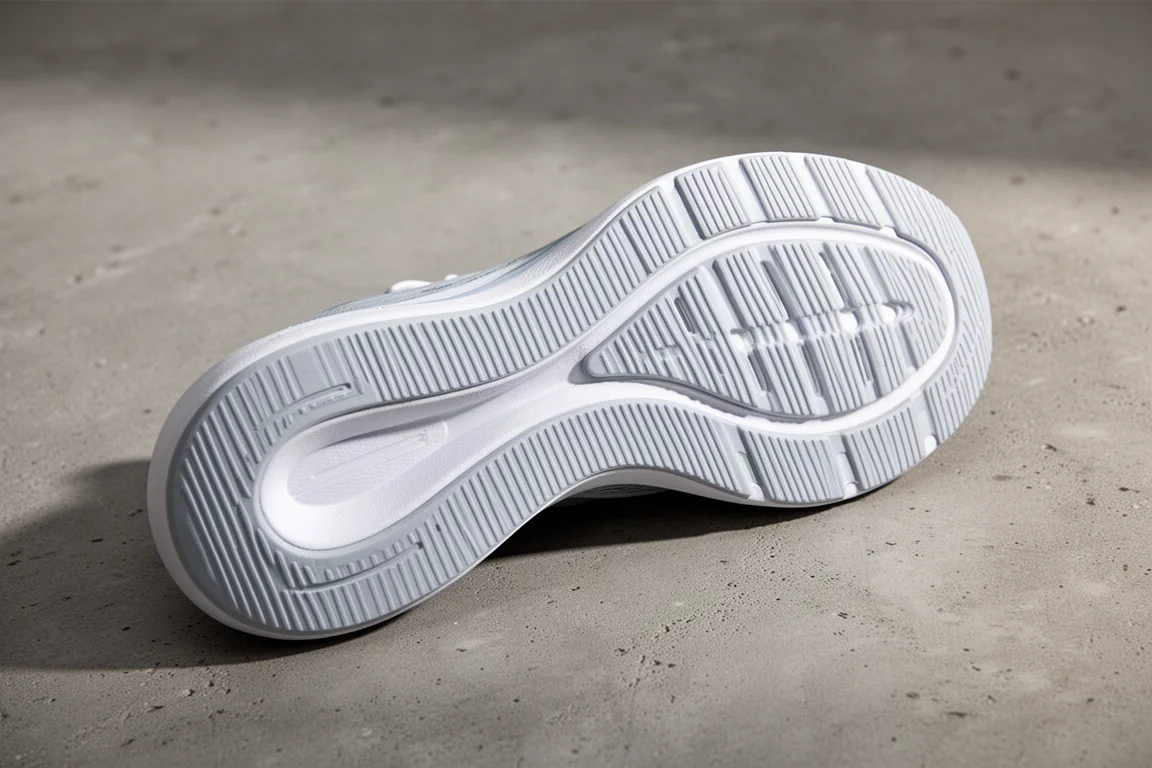
The Light Traction outsole is just as good as it is on many other Adidas shoes. There are plenty of ridges, a full-coverage outsole, lots of surface area, and a very assured feel around bends and corners. Other shoes with this compound have gone hundreds of miles with barely any wear, so there is no reason to expect problems over time. Very few spots catch dirt and grit, either. The only real complaint is that some areas of the plastic could have used a touch more pattern, as they are a little smooth.
Value and Verdict
Retail sits at £180 in the UK, which feels like Adidas is pushing it a bit. Picked up with a 15% discount code it came to around £153, and at that kind of price it is a great deal. It is clearly positioned against the Asics Superblast series, though not as capable as the Megablast, which is lighter and more nimble. Against the EvoRide Cell, which can be found well under £100, the choice is not much of a conundrum unless the discount is on.

For a lighter-built runner with a narrower foot after a max-cushion shoe without crazy weight or a clunky feel, the Hyperboost Edge is a genuinely fun surprise and a strong option alongside the Superblast 2 and 3. Build quality is decent overall, though a few glue marks needed some elbow grease and the felt-like collar material stains easily.
Conclusion
The Hyperboost Edge is a comfortable, bouncy max-cushion cruiser that shines at easy and recovery paces across varied distances. The upper is divisive and the retail price is high, but the foam, grip, and overall ride make it a shoe worth serious consideration for longer, relaxed running.
Product link
View more details for Adidas Hyperboost Edge
This product is mentioned in the review. Check the specifications, options, and compatibility before buying.
View more details for Adidas Hyperboost EdgeFurther reading
Related Reviews

Running Shoes
Best Road-to-Trail Running Shoes: Three Versatile Options for Mixed Terrain
A practical guide to three road-to-trail running shoes that handle both pavement and mild trails, with clear strengths and trade-offs for different runner types.

Running Shoes
Best Running Shoes for Achilles Tendonitis: Three Options Explained
Three running shoes with different heel drops and support features designed to help reduce Achilles tendon pain during walking and running.

Running Shoes
Best Running Shoes for Women: Five Top Choices Ranked
A ranked guide to five women's running shoes, from versatile daily trainers to high-performance racing options, with real strengths and trade-offs for each.