Running Shoes
Adidas Hyper Boost Edge vs the Max Cushion Field: Five Shoes Compared
Adidas brings back Boost with a new PEBA-based midsole. We compare it against the Asics Superblast 3, Asics Megablast, Nike Vomero Plus, and Brooks Glycerin Max 2.
Introduction
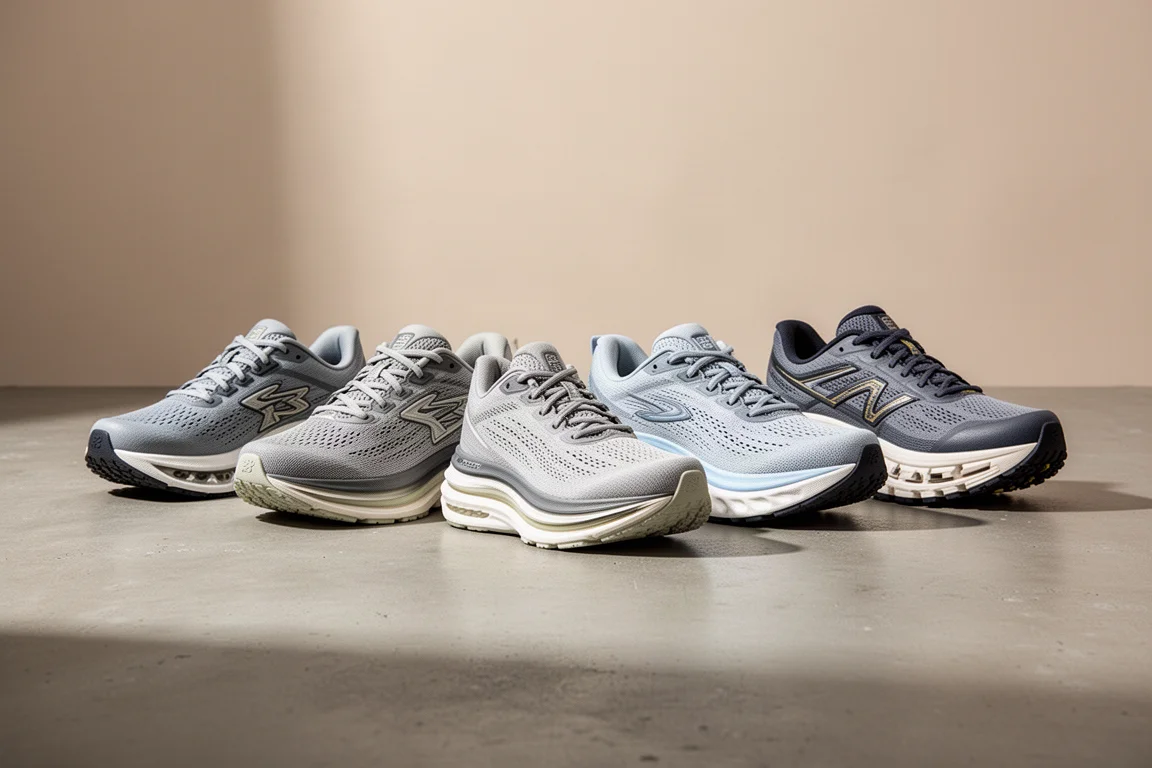
Adidas brought Boost back in 2026 with the Hyper Boost Edge, pairing the classic name with a new PEBA-based Hyper Boost Pro midsole. The question is how it stacks up against the strongest max cushion and do-everything trainers of the moment: the Asics Superblast 3, the Asics Megablast, the Nike Vomero Plus, and the Brooks Glycerin Max 2.
The short version: the new PEBA-based material makes the Boost shoe feel a bit more nimble and engaging than its rivals, helped by a narrower heel. The Vomero Plus, Superblast 3, and Glycerin Max 2 all share similar forefoot widths and larger heel surface areas, which leans them toward the easier, max cushion category. The Adidas model just feels a little more sprightly.
Weight and Footprint
Among these five, the Megablast is easily the lightest, while the Glycerin Max 2 from Brooks comes in as the heaviest. The Hyper Boost Edge sits somewhere in the middle, between the Vomero Plus and the Superblast 3 weight-wise.
The Glycerin Max 2 offers a different type of cushion, tuned toward more resilient compression. The Adidas model’s narrower heel gives it a more responsive character, though some runners will prefer the more entrenched, forgiving feel of the wider-heeled competition.
Nike Vomero Plus vs Adidas Hyper Boost Edge
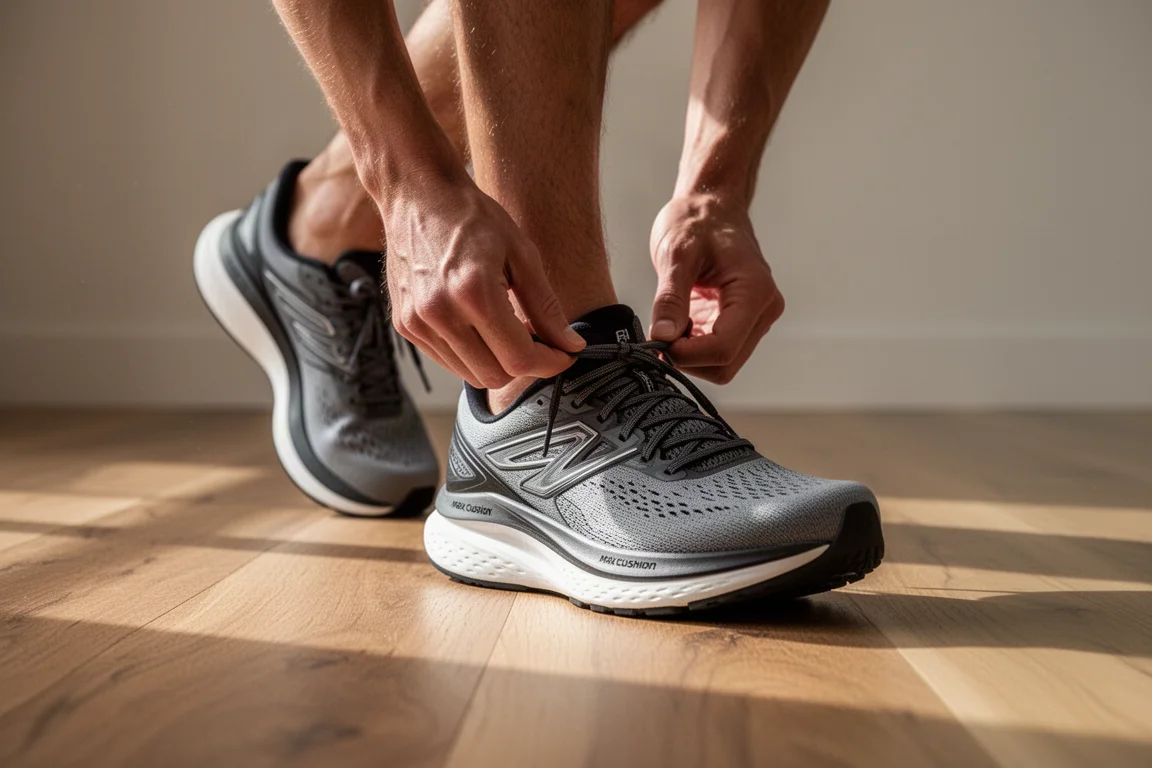
The extra weight in the Vomero Plus is quite noticeable on foot, feeling slightly bottom-heavy thanks to additional rubber. There is also considerably more padding in the Vomero Plus, and all that padding around the heel and tongue soaks up sweat and adds even more weight. The Hyper Boost Edge comes in around 40g lighter.
On the ride, the Vomero Plus feels more like an impact protection shoe, while the Hyper Boost Pro material offers a bit more bounce. The Zoom X foam in the Nike is very cushioned with lots of compression, but it is a foam design from 2017, and it can feel like it. The sleeker upper on the Adidas beats the overly padded, lifestyle-type design of the Vomero Plus, and the fit is more glove-like, especially for narrower feet. Breathability complaints about the Hyper Boost Edge seem overblown unless you are in a very warm climate.
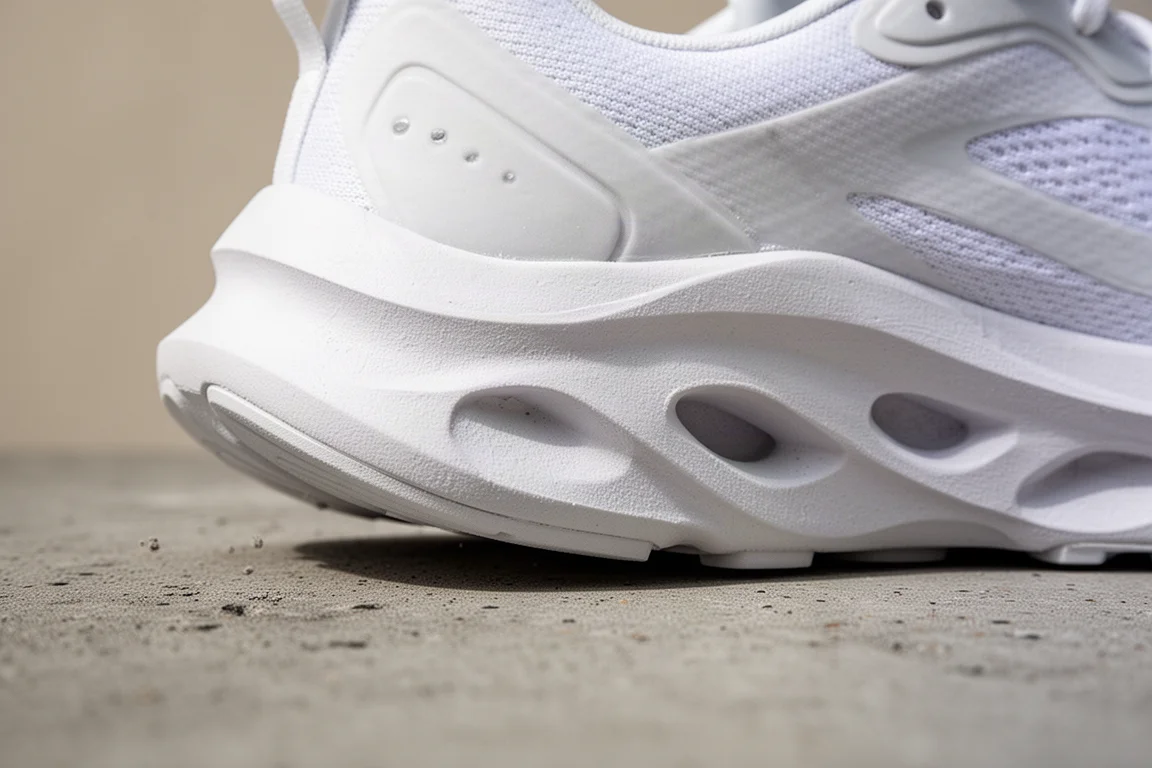
Outsole-wise, the Vomero Plus uses less rubber in terms of depth, but it is very hard-wearing and durable, working well on pretty much all surfaces. The dimples on its ridges and lugs wear down a little over time without really affecting grip. On pace range, the Adidas has it beat: it is not a fast shoe, but it is more versatile with more underfoot rebound. Despite the Adidas being a bit more expensive, it is the stronger pick here overall.
Asics Superblast 3 vs Adidas Hyper Boost Edge
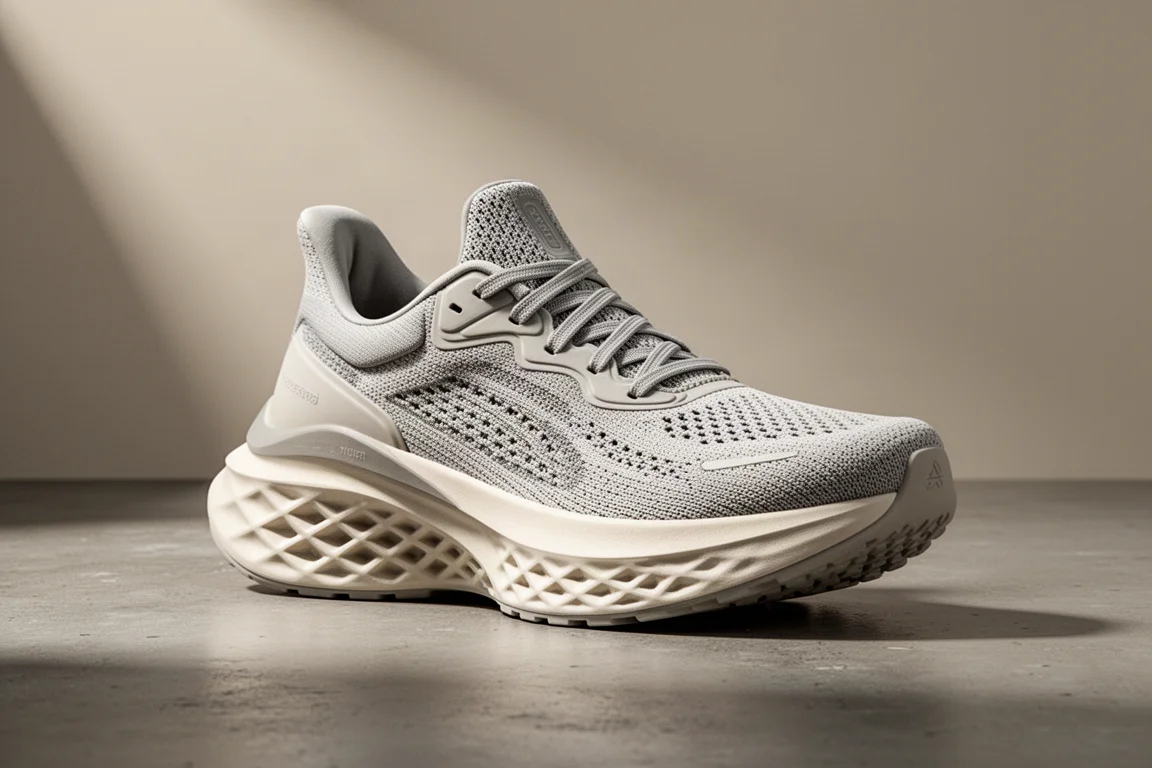
The Superblast 3 comes in almost an ounce lighter than the Hyper Boost Edge while offering more surface area underfoot. On foot, they feel quite different: the Superblast is not quite so bouncy, with more squash than the wild, press-down-and-free-the-beads character of the Adidas midsole. The Hyper Boost has actually gotten softer and bouncier over initial runs.
The 2026 Superblast update layered a new Flight Foam Leap midsole compound on top of the trusted Flight Foam Blast plus, adding genuine rebound to what some found a bit dull in the Superblast 2. The result is like a Superblast 2 with a bit more of a smile: durable, soft, and luxurious, with just enough compression without feeling sloppy or unstable.
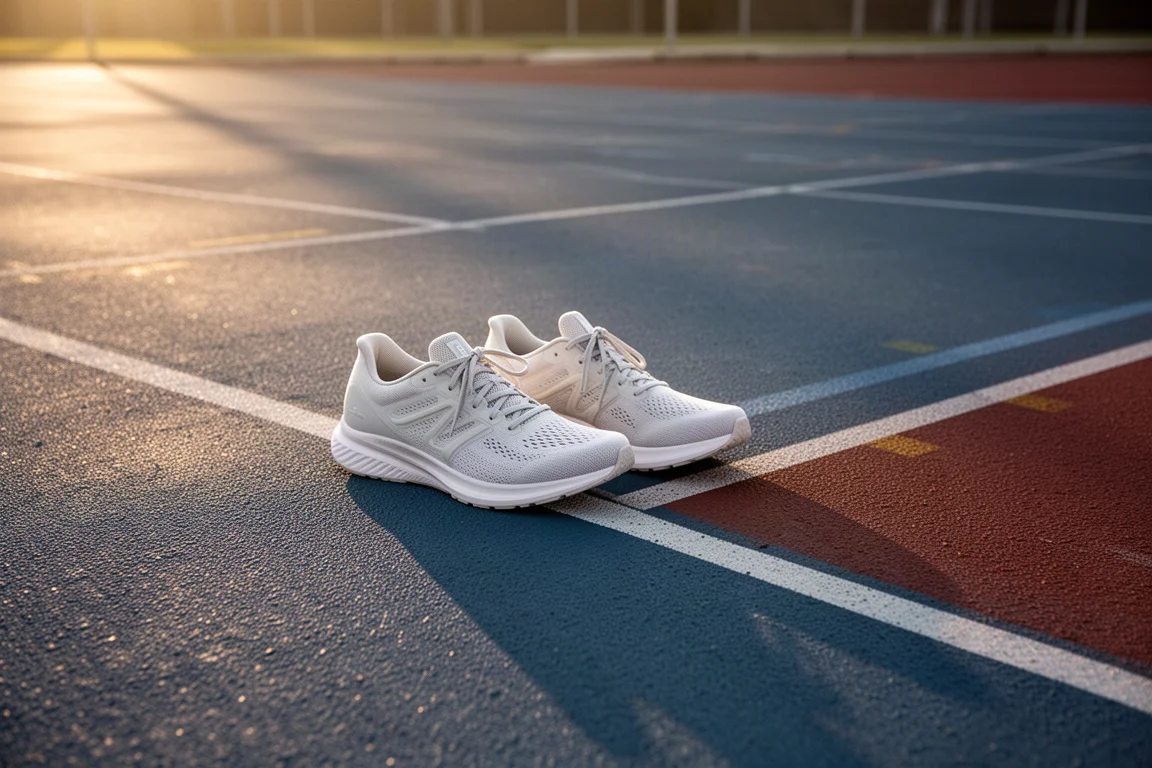
On uppers, the Superblast 3 has the advantage. Its more traditional design offers improved lockdown and will work for more runners. The Hyper Boost Edge fits well for narrower feet, but some runners report heel fit issues, particularly where a piece of padding was removed at the back of the heel. The quirky Adidas upper is not for everybody, and a more tried-and-tested design might have been the safer bet.
Outsole-wise, the Superblast 3 has more ridges, which means more places for dirt and debris to hide, while the Hyper Boost Edge’s full rubber coverage avoids that entirely. The Superblast 3 is a bit more expensive, but if you want a long-range option that is super forgiving yet durable, it is the better bet for most runners, and the weight difference does not punish you at all.
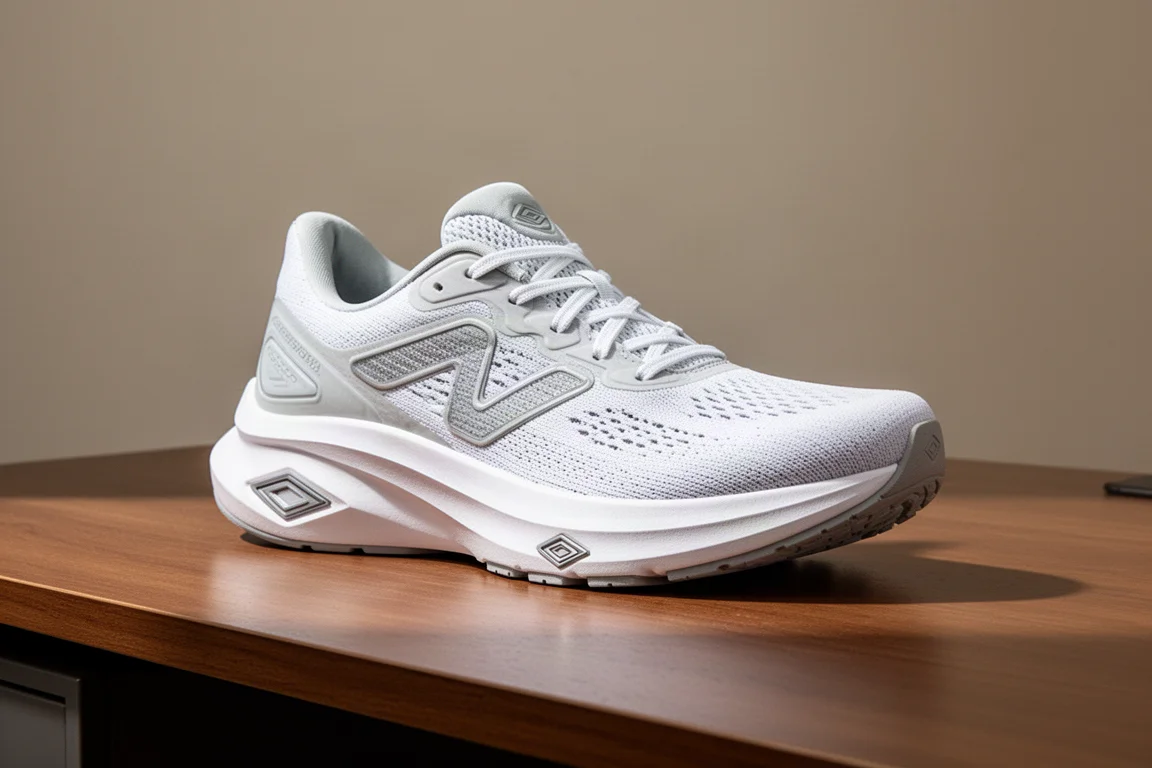
Asics Megablast vs Adidas Hyper Boost Edge
The Megablast is the closest rival in feel to the Hyper Boost Edge, with a nice wild bounce that does not seem to change internally over time. It is also the clear weight winner here, though it costs more, sitting just over the 200 mark where the Hyper Boost Edge can be found under that, especially with discounts. One buyer found the Adidas for 150.
The Megablast upper is quite flexible, requiring occasional re-tightening of the laces, but it fits better, particularly in the heel, and is the more breathable of the two. The Hyper Boost Edge has a more containing upper that is dead easy to get a good lockdown in, despite lacking extra eyelets for a runner’s knot.
One deciding factor: the Megablast has very little rubber on its outsole, while the Hyper Boost Edge offers full rubber coverage. That could tip the scales for you. Still, if choosing one, the Megablast edges it this time around.
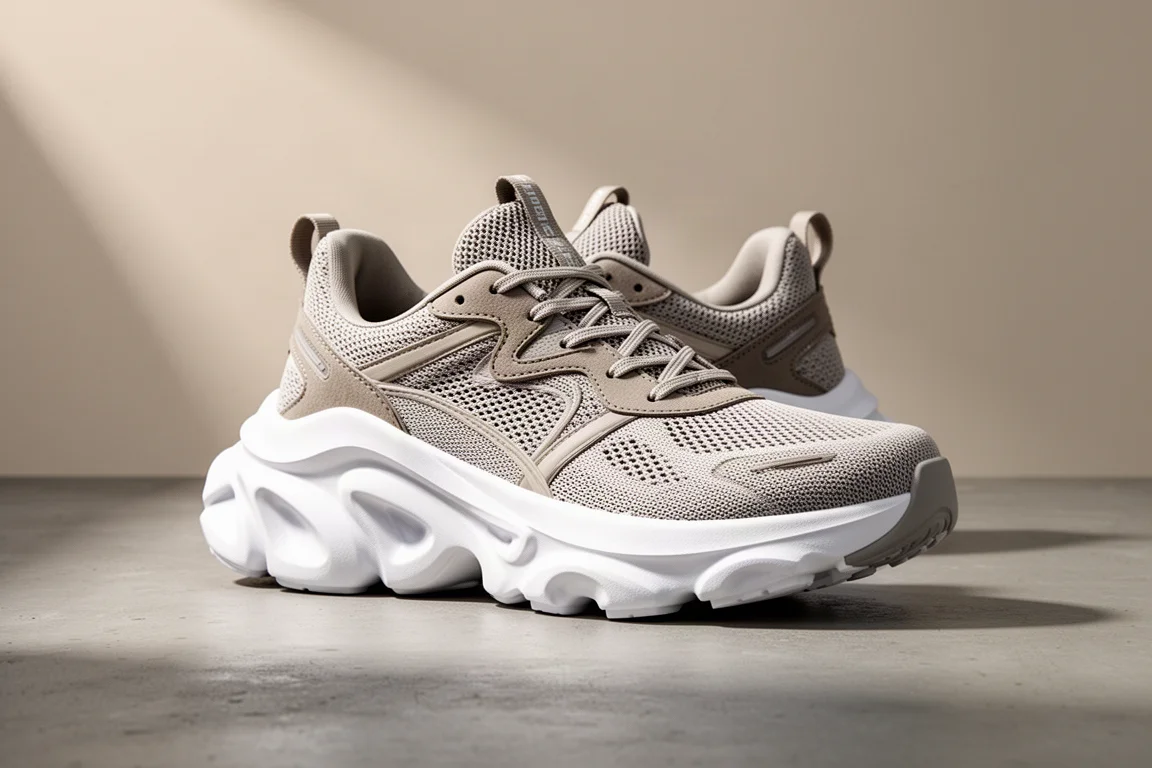
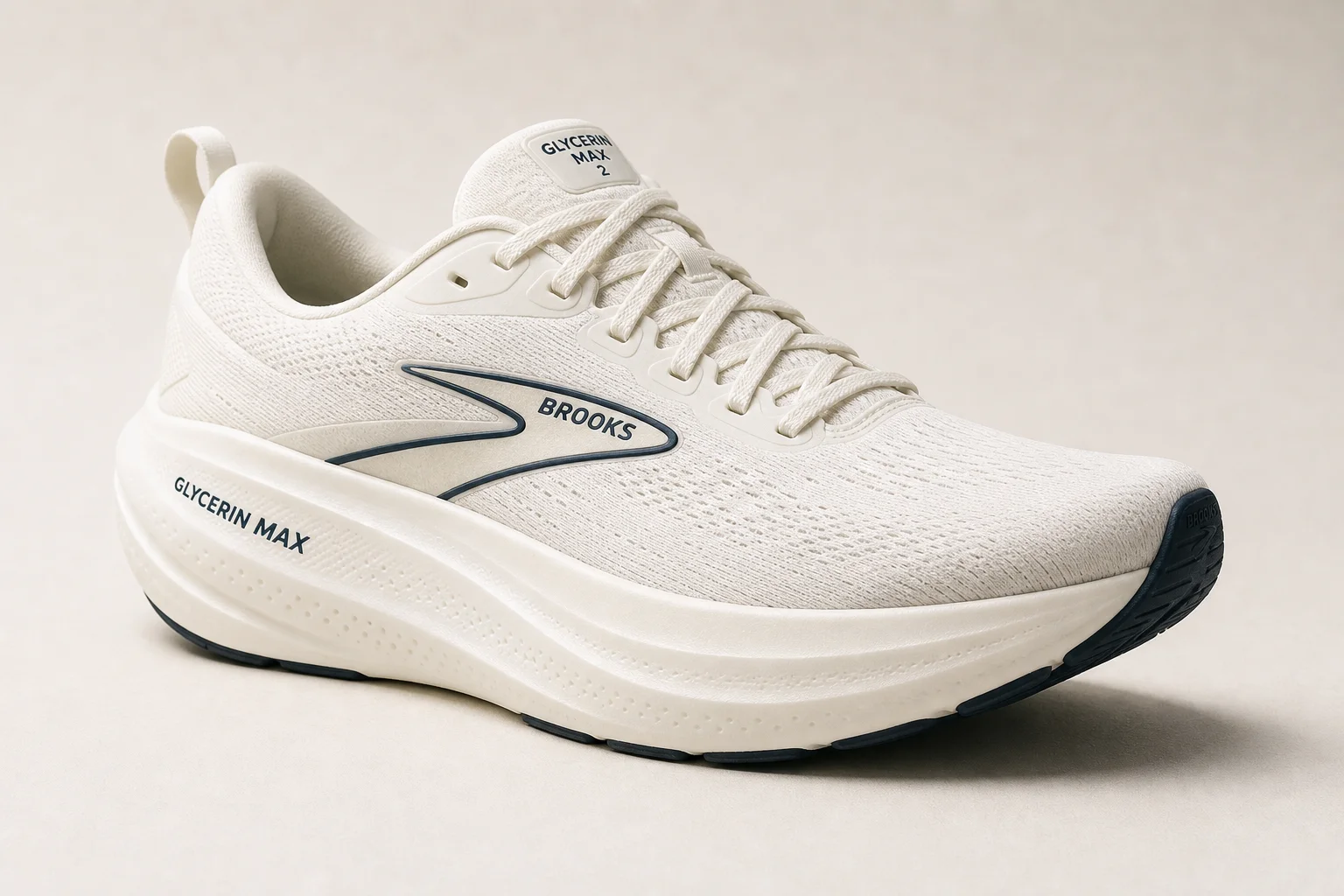
Brooks Glycerin Max 2 vs Adidas Hyper Boost Edge
The Glycerin Max 2 is a serious max cushion shoe. If impact protection is the goal, not much else hits the spot like it. Heavier-built runners will find its resilient foams outdo the Adidas easily, and there is a lot more surface area, with over a centimeter more width in the heel. The outsole is aggressive, with lots of ridges and very thick rubber.
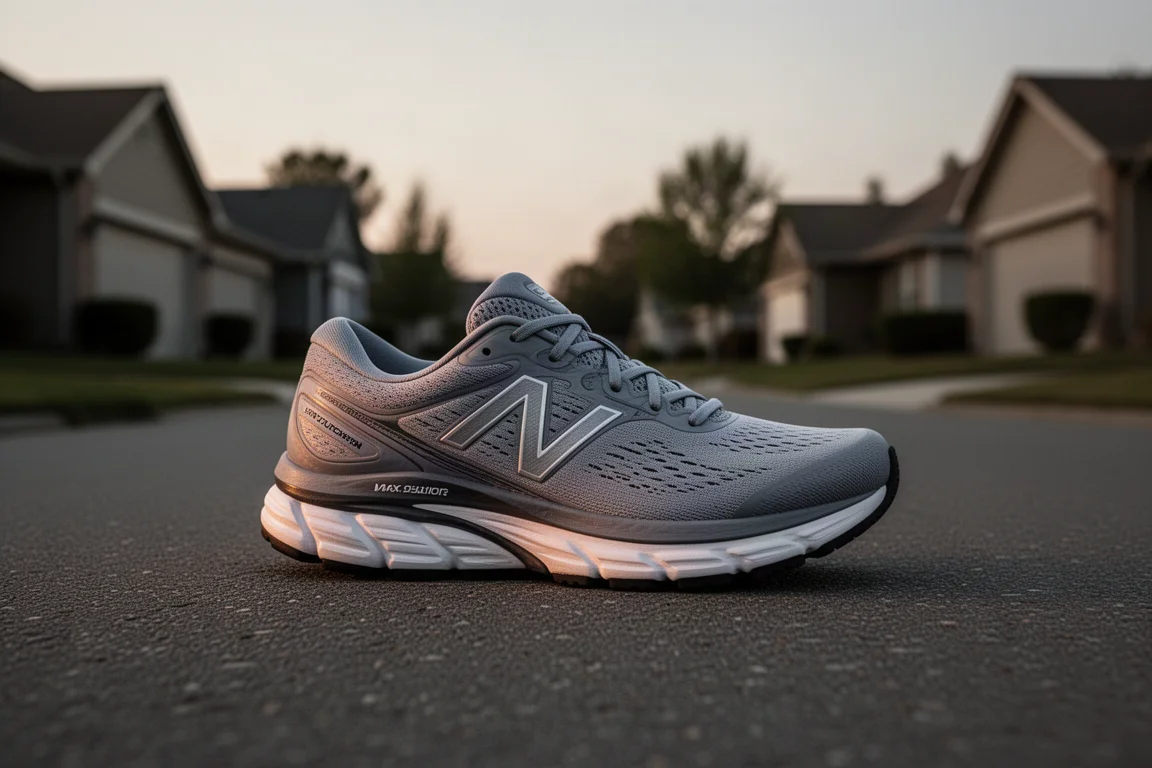
This version is a bit denser than the original, which some runners will really like: a compressive, very forgiving ride. If you are protecting your legs and muscles during grueling marathon training, it could be a great option. The upper fit is way more traditional, with more padding and an easy, comfortable lockdown.
For a lighter runner, though, the weight difference is hard to ignore, roughly 70g in favor of the Adidas, and it is noticeably bottom-heavy on foot. Despite very similar stack heights, the Adidas is the pick for lighter runners, while the Brooks is the comfort and protection specialist.
Buying Advice
If you want the most versatile, engaging ride of this group and have narrower feet, the Hyper Boost Edge is a genuinely interesting option, though expect some heel fit trial and error and a slightly higher price than the Nike. If you want a forgiving long-range trainer with a more traditional upper, the Superblast 3 is the safest all-around choice. The Megablast wins on weight and heel fit, the Vomero Plus on durability and plush padding, and the Glycerin Max 2 on pure impact protection for heavier runners or marathon training blocks.
Conclusion
The Hyper Boost Edge is a bit of a market disruptor, with Adidas even placing the three stripes on the midsole sidewall rather than the upper. It looks divisive, though it looks better in hand and on foot. For this comparison, the Adidas edges the Vomero Plus and Glycerin Max 2 on versatility and weight, while the Superblast 3 and Megablast each take their own matchups on fit and ride character. Pick based on which trade-off matters most to you: weight and bounce, or plush, entrenched cushioning.
Further reading
Related Reviews

Running Shoes
Best Road-to-Trail Running Shoes: Three Versatile Options for Mixed Terrain
A practical guide to three road-to-trail running shoes that handle both pavement and mild trails, with clear strengths and trade-offs for different runner types.

Running Shoes
Best Running Shoes for Achilles Tendonitis: Three Options Explained
Three running shoes with different heel drops and support features designed to help reduce Achilles tendon pain during walking and running.

Running Shoes
Best Running Shoes for Women: Five Top Choices Ranked
A ranked guide to five women's running shoes, from versatile daily trainers to high-performance racing options, with real strengths and trade-offs for each.