Running Shoes
Adidas Hyper Boost Edge Review: A New Max Stack Cruiser With Promise and Frustrations
Adidas re-enters the max stack trainer market with its all-new Hyper Boost Pro foam. Strong cushioning and grip, but a rigid upper and firm heel cup hold it back.
Introduction
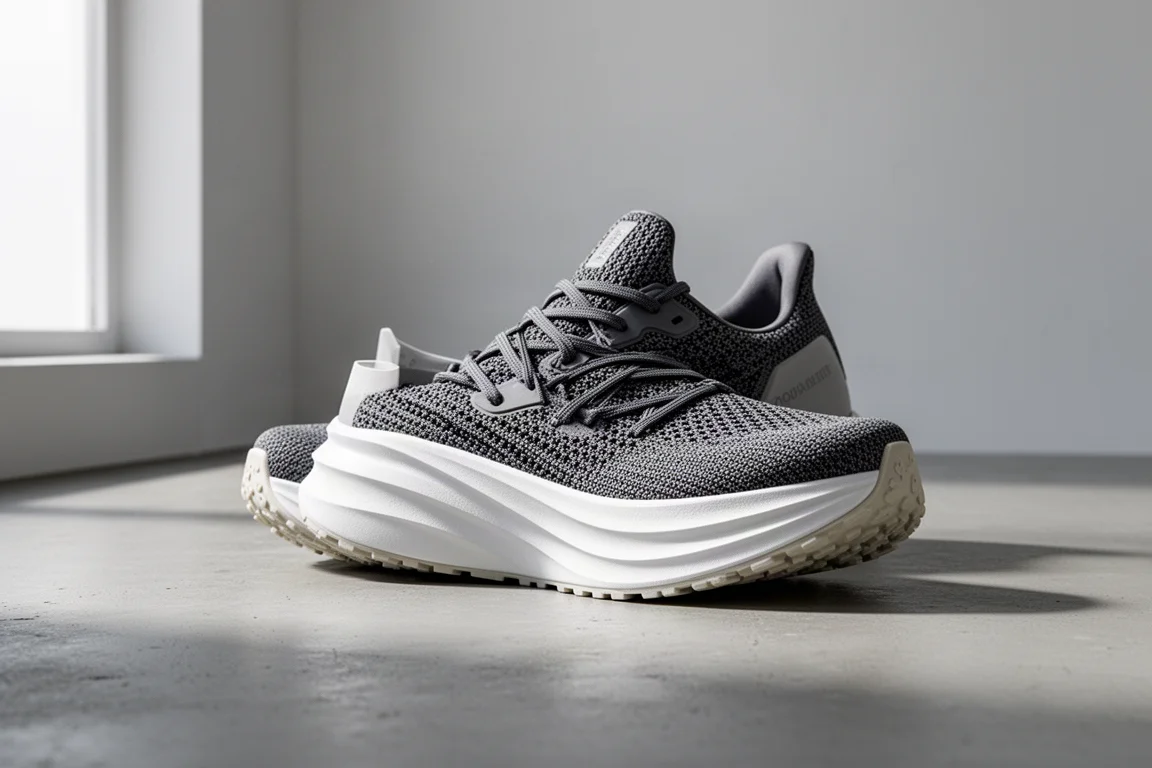
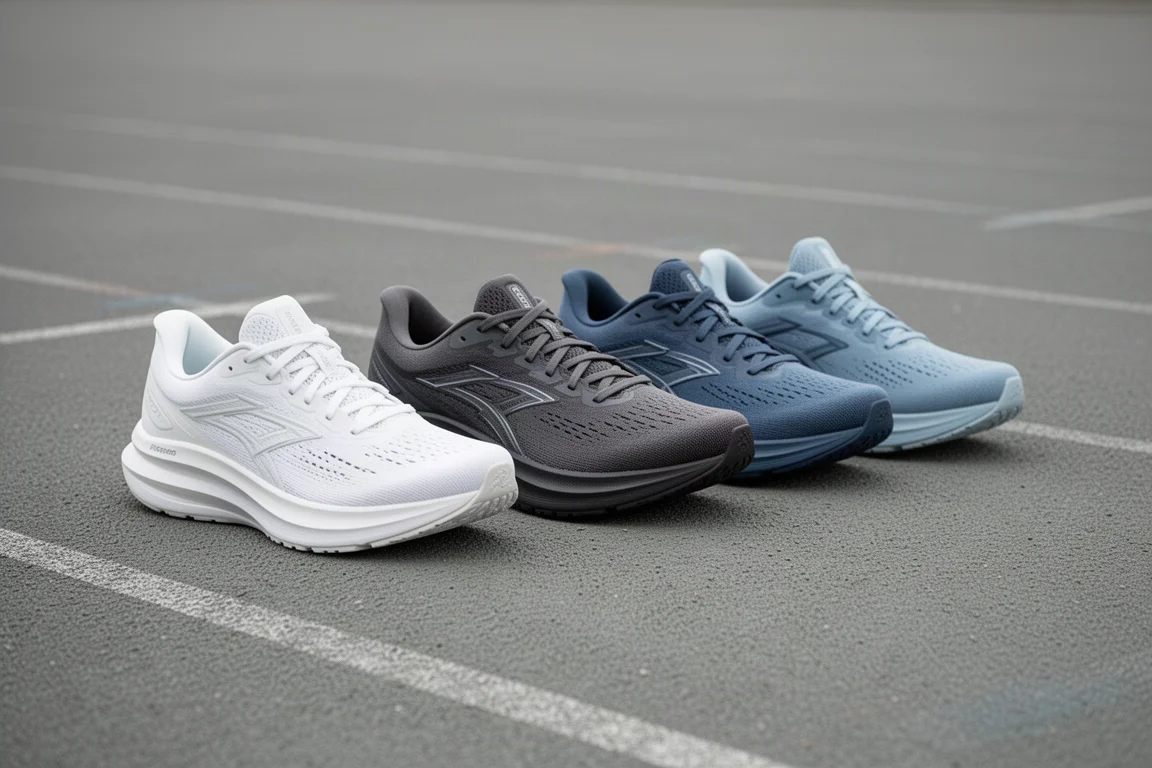
Adidas spent years away from the max stack trainer market, but with the Hyper Boost Edge it finally has a genuine entry. Built around the brand’s all-new Hyper Boost Pro foam, this is a shoe designed to eat long miles rather than chase fast times. It arrives in a sector dominated by established names, and it carries both the excitement of a new foam and the rough edges of a first attempt. After plenty of long runs in it, here is how it stacks up, including against its three biggest talking points: the Nike Vomero Plus, the Asics Superblast 3, and Adidas’s own Evo Ride.
Specs and Construction
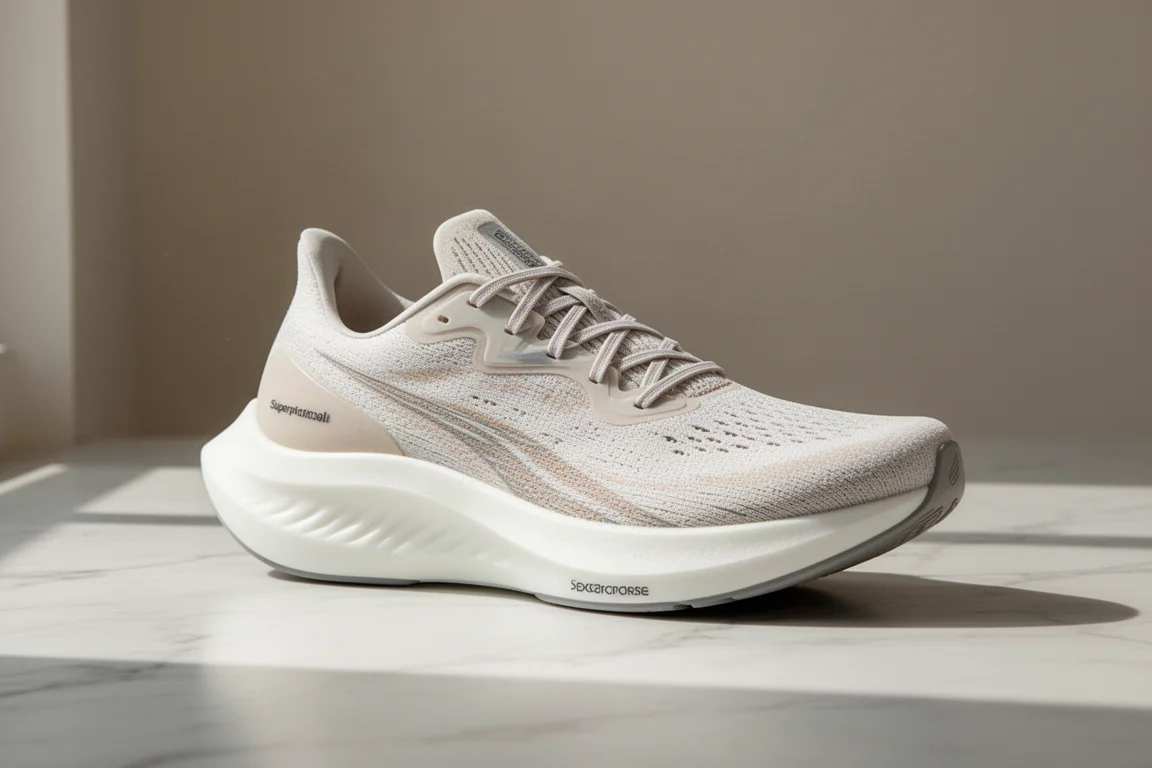
At the numbers level, the Hyper Boost Edge is a classic long run cruiser. Stack height sits at 45 mm at the heel with a 6 mm drop, and weight comes in at 294 g in a UK size 12, which is impressively light for this category. Anything under 300 g for a max stack shoe is on the lighter side. Sizing runs true to your regular Adidas size, such as your Evo SL or Boston, though there are no wide options at launch.
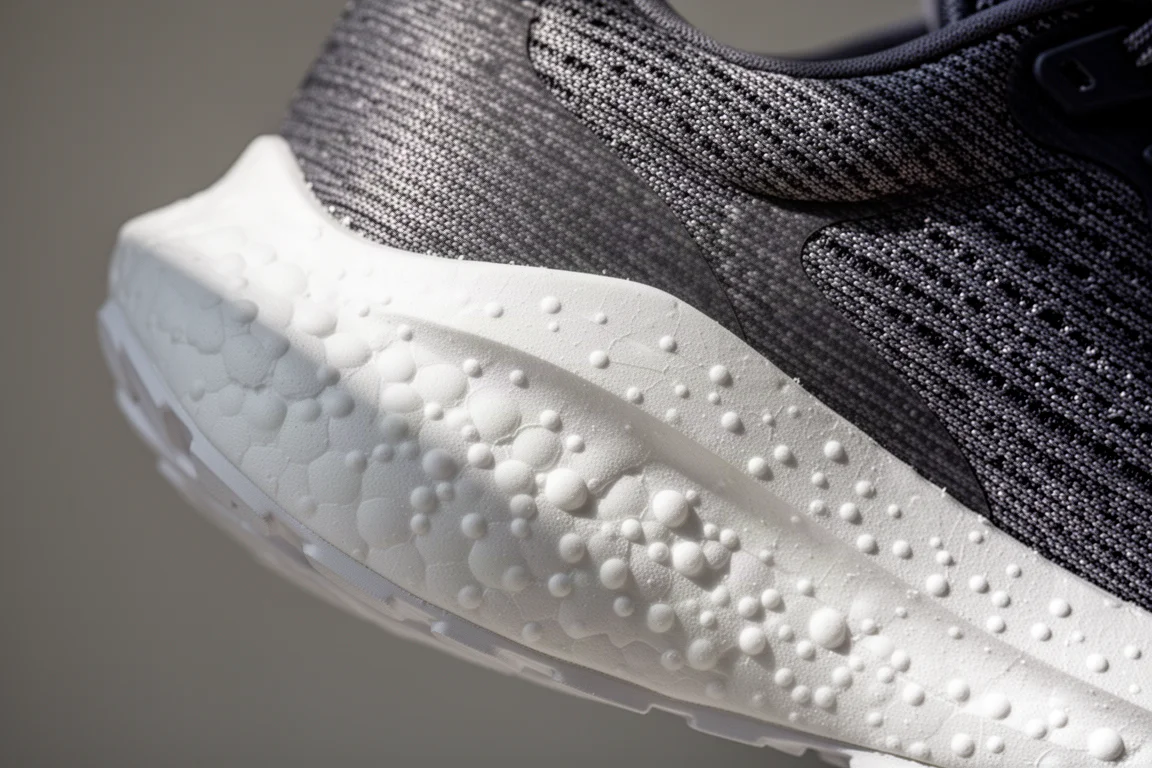
The upper is a new Primeknit woven material with comfort pods in the heel cup and a gusseted tongue on both sides. The midsole is where the story lives: Hyper Boost Pro is a new expanded beaded TPU compound for Adidas, and there are no plates or rods in the shoe. Outsole grip comes from a full-coverage light traction rubber rather than Continental, but it is still a very grippy compound. Pricing sits around £170 on Adidas’s own site, though availability has been managed through a draw via the Adidas app in the UK and Europe, which has made the shoe frustratingly hard to simply buy.
What We Liked
The new midsole is the headline act. Hyper Boost Pro hits a sweet spot of firmness for long runs: not too firm, not too soft and mushy. It absorbs impact well, looks after your legs over long distances, and offers good energy return along with a surprisingly stable ride for such a tall stack. The cushioning-to-weight ratio is genuinely strong, and the shoe runs lighter than it looks.

Grip is another clear win. Adidas has a long track record with outsoles, and the full light traction rubber here inspires confidence in corners. That matters on a shoe this tall, where cornering confidence can be a concern; the firmness of the foam plus the traction means you never feel nervous rolling an ankle. Durability also looks promising. At around 80 km in, the shoe is holding up well, and it seems reasonable to expect 500-plus miles of use.
What Could Be Better
The upper is the biggest disappointment. The main material offers very little breathability, and there is essentially no noticeable airflow while running, which could make warm-weather runs uncomfortable. The material is also rigid with little give, a real issue for wider feet given the lack of wide options, even if the toe box itself is not too cramped.
The heel cup is the second frustration. The sides are stiff and firm, and for heel strikers there is real potential for irritation around the ankle. Even walking around, the heel dug into the structure. Compared to something like the Superblast 3, which is much softer back there and gives no issues regardless of foot strike, this is a noticeable step down in comfort.
Finally, the geometry fights you at speed. The very late rocker at the front and minimal heel bevel at the back make the ride feel blocky and brick-like at faster paces such as strides or 5K and 10K efforts. At steady, easy and marathon-style paces, roughly 4:00 to 4:45 per km, it cruises nicely with good responsiveness. This is very much a long-run shoe, and it is best treated as one.
Alternatives Worth Considering
Nike Vomero Plus
The Vomero Plus comes in around £15 cheaper, has the same stack height, 4 mm more drop, and is about 65 g heavier in the same size. That weight difference is noticeable, but the Vomero is the more comfortable shoe of the two. Both sit firmly in the long-run cruiser category and neither is built for all-out speed. Breathability is slightly better on the Nike, though neither is great, while stability is slightly better on the Adidas. The softer, more comfortable ride means the Vomero Plus gets the pick between these two.
Asics Superblast 3
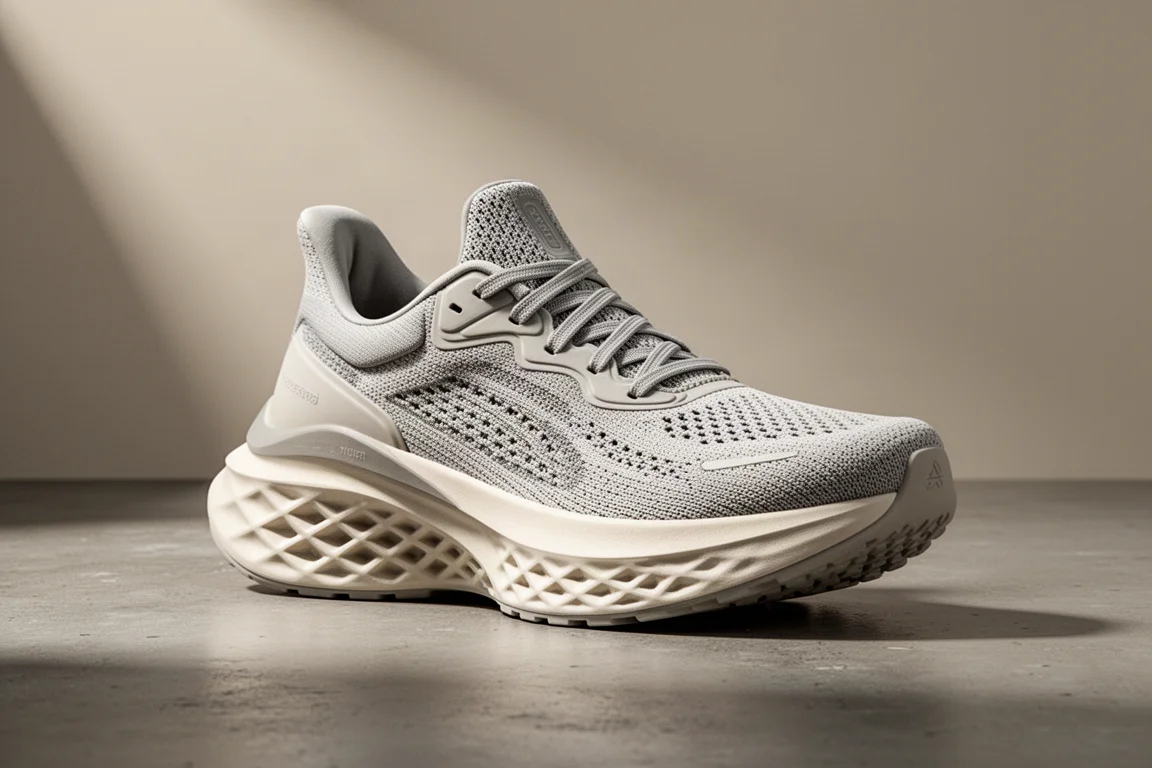
The Superblast 3 costs around £30 more, has 1.5 mm more heel stack, 2 mm more drop, and is roughly 18 g lighter than the Hyper Boost Edge. Its dual-layer midsole pairs softer, more responsive FF Blast foam on top with FF Blast Plus below for stability, and this version is notably softer than the Superblast 2. That softness does bring some stability concerns in corners, but the Superblast 3 wins in nearly every other department: a more comfortable upper, a faster and poppier feel, and far more versatility across a range of paces. The Adidas is more of a pure long-run cruiser.
Adidas Evo Ride: A Different Kind of Fast
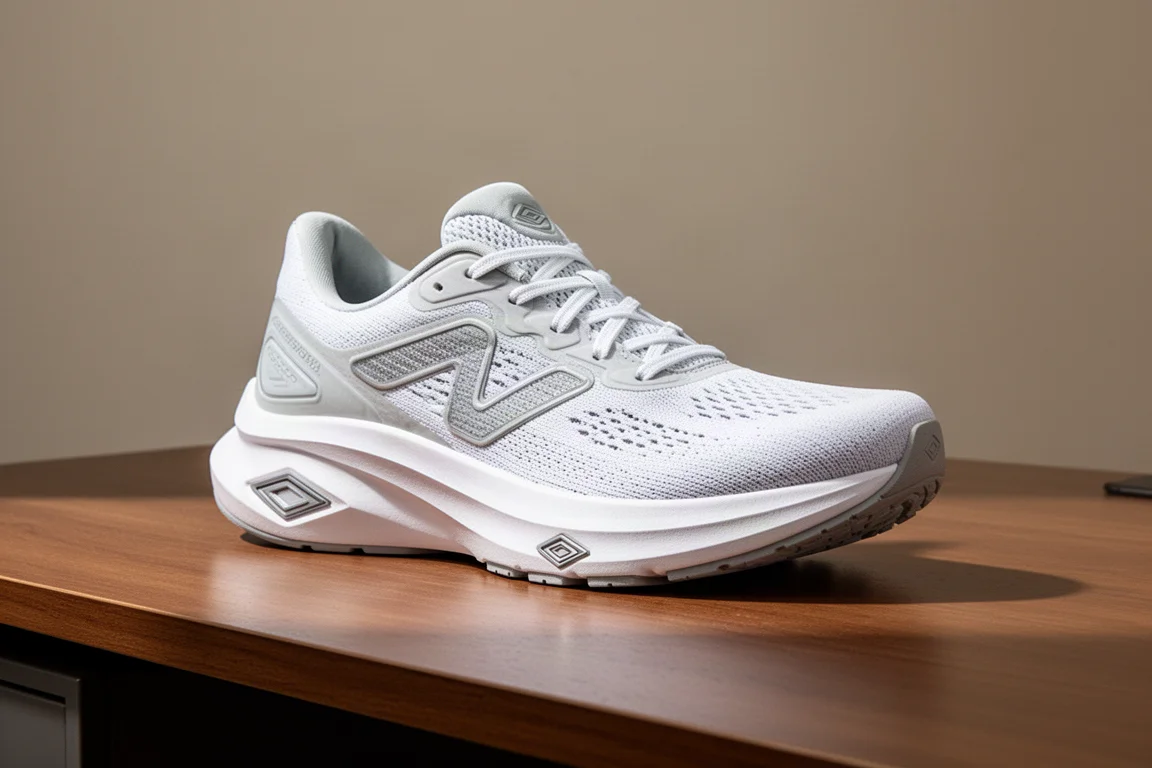
The Evo Ride is not a direct competitor, but the comparison comes up constantly. It is much softer and bouncier, designed to be responsive at faster speeds, though the soft Lightstrike Pro foam brings inherent stability concerns. The Hyper Boost Edge offers far more protection to absorb the miles during long runs, and it is more stable and likely more durable, while the Evo Ride has better breathability and a clearly quicker turn of speed. For marathon training long runs, the Hyper Boost Edge makes more sense; for outright enjoyment and speed, the Evo Ride wins.
Buying Advice
If you are a dedicated Adidas fan and a midfoot or forefoot striker, the Hyper Boost Edge deserves a shortlist spot. It is stable, very durable, and will support you well over long distances. But if you run in warm climates, have wider feet, are a heel striker, or want a shoe that can flex across paces, the Superblast 3 or Vomero Plus are safer purchases. The lack of wide options and the rigid upper are the two factors most likely to rule this shoe out.
Conclusion
It is great to see Adidas taking the max stack super trainer category seriously, and the Hyper Boost Pro foam is a genuinely promising start. But this is a good first effort with several misses: a stiff, poorly ventilated upper, an unforgiving heel cup, and a ride that never feels smooth at speed. For a pure long-run cruiser in the 4:00 to 4:45 per km range, it works. For everything else, there are better options on the market right now.
Further reading
Related Reviews

Running Shoes
Best Road-to-Trail Running Shoes: Three Versatile Options for Mixed Terrain
A practical guide to three road-to-trail running shoes that handle both pavement and mild trails, with clear strengths and trade-offs for different runner types.

Running Shoes
Best Running Shoes for Achilles Tendonitis: Three Options Explained
Three running shoes with different heel drops and support features designed to help reduce Achilles tendon pain during walking and running.

Running Shoes
Best Running Shoes for Women: Five Top Choices Ranked
A ranked guide to five women's running shoes, from versatile daily trainers to high-performance racing options, with real strengths and trade-offs for each.