Running Shoes
Adidas Evo SL vs Brooks Hyperion Max 3 vs Saucony Endorphin Speed 5: Which One Earns a Spot in Your Rotation?
A second-pair test of the Adidas Evo SL alongside two of its closest rivals, covering ride feel, quality control, and which shoe fits which kind of running.
Introduction
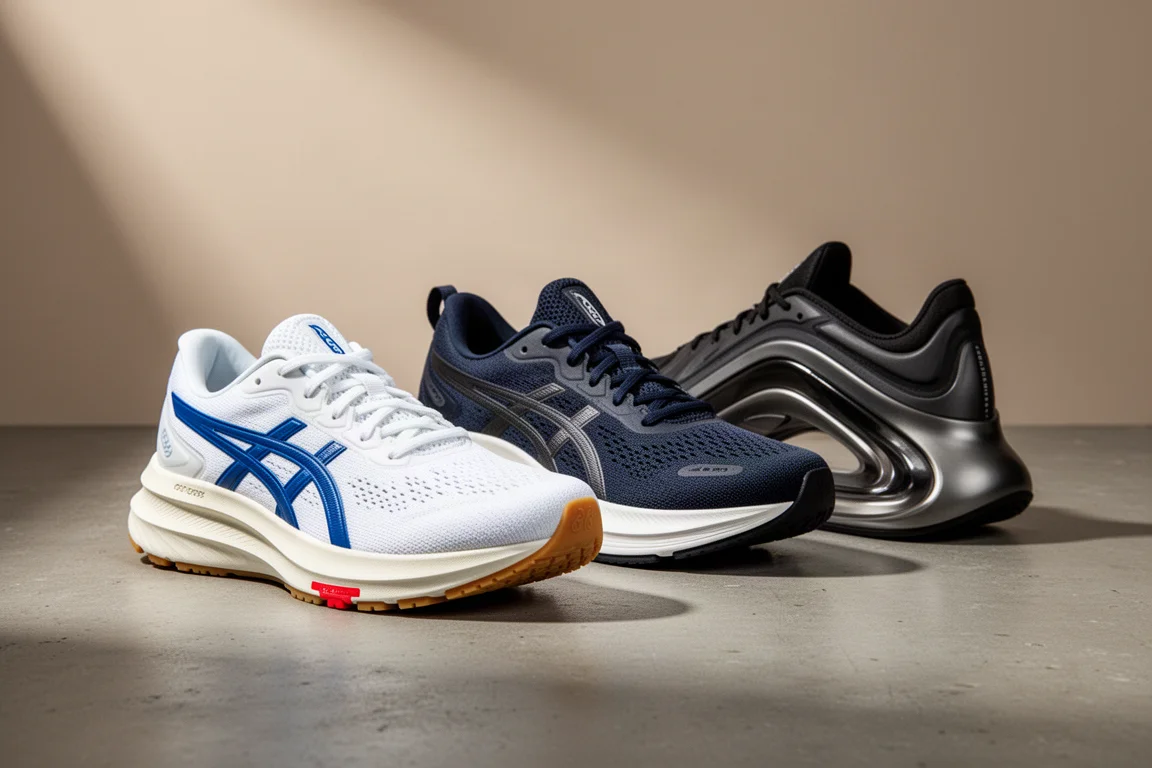
The Adidas Evo SL has been one of the most talked-about running shoes of the year, and it earned that attention for good reasons: a full stack of race foam, a rockered geometry, a reasonable weight, and a look that works as well at a coffee shop as it does on the road. But hype is not the same as fit for your running, so this comparison puts it up against two of its most natural rivals: the Brooks Hyperion Max 3 and the Saucony Endorphin Speed 5.
This is also a rare second-pair test. The Evo SL was bought once, run to 100 miles, found wanting in some areas, and then bought again to see whether the issues were bad luck or baked into the shoe. That second look makes for a more honest verdict than a single pair ever could.
Why the Adidas Evo SL Got a Second Chance
The Evo SL sits deliberately in the middle ground of running: not a jogging shoe, not an aggressive race-day weapon, but a shoe engineered for that comfortable-but-quick zone where your heart rate climbs into the high 150s and the miles start to feel fun. It has full race foam underfoot, a decent lightweight build, good cushioning, and a rocker that lets you go any distance. The first run in the original pair was a 30-mile long run straight out of the box, which says a lot about the shoe’s intentions.

The problem, at least for some runners, is that the middle ground is exactly where preferences diverge. If you want a shoe that is either plush for relaxed daily miles or sharp for workouts, a jack-of-all-trades can feel like neither. That is the core tension in this comparison, and it is the reason the other two shoes in this test exist.
Adidas Evo SL: Second-Pair Verdict
Out of the box, the new pair felt slightly softer in the Light Strike Pro foam than the original pair, and the initial squish test suggested it might finally deliver the soft, bouncy ride so many runners describe. That hope did not survive contact with the road. On an 8-mile test run with marathon-pace surges and fast strides at the end, the ride felt identical to the first pair: firm and uninspiring at easy jogging paces, and genuinely fun once the pace drops into the low six-minute range or faster.
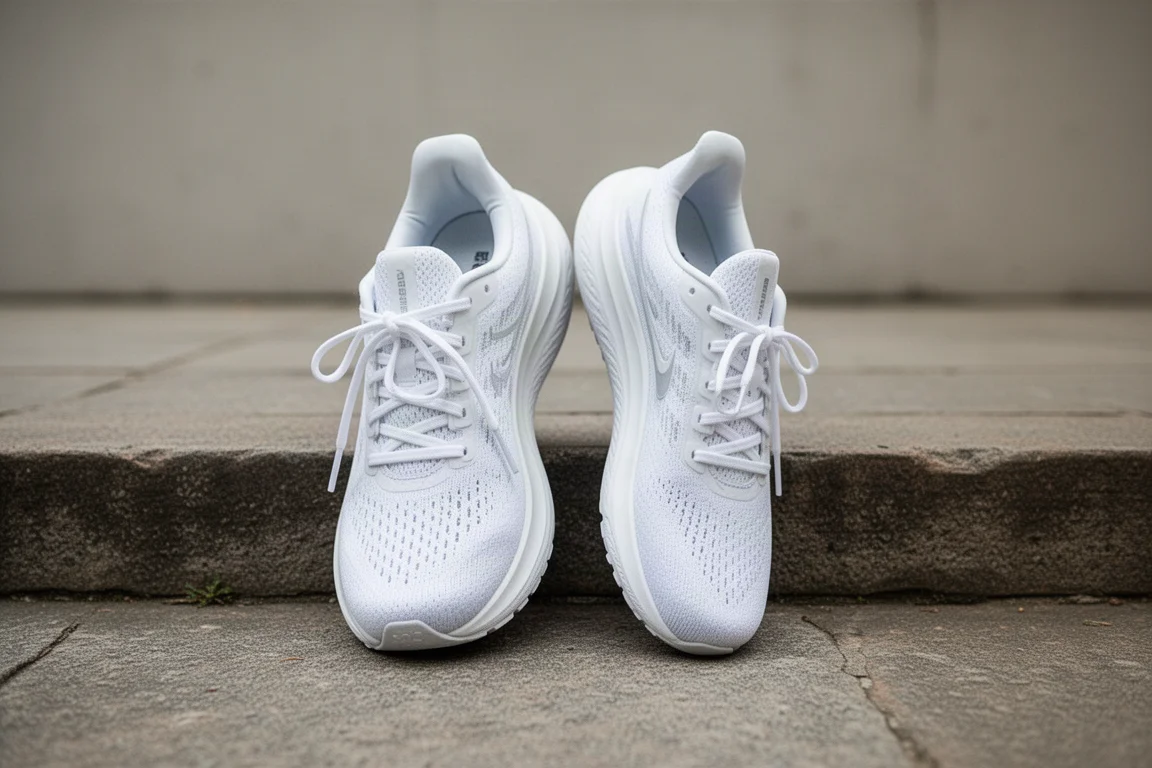
The pattern that emerged across both pairs is consistent. The Evo SL rewards runners who put power into the shoe, either by jamming the heel down into the back of the platform or by popping quickly off the forefoot. Lighter-touch, shuffling-style runners may never quite activate the foam at daily paces. But as a long-run and mileage shoe, it is excellent: it does not get mushy, it feels better the longer you go, and at 30 miles it still holds up. If a two or three shoe rotation is on your mind, it is a very strong long-run option, and with that gum sole and clean colorway, it is one of the best-looking shoes in the category.
Quality Control and the Second-Pair Test
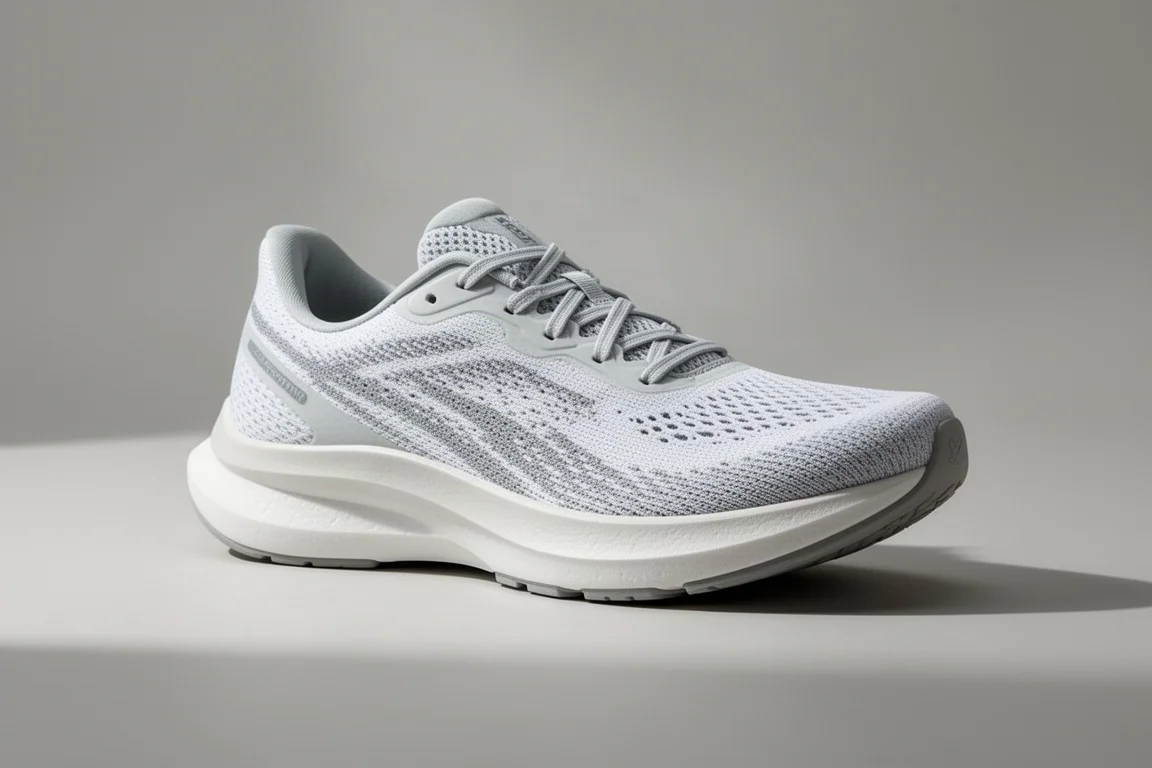
The second purchase was also a quality control experiment, and the results were mixed but instructive. The first pair showed a large left-right weight difference: 254 grams on one side against 238 grams on the other. The new pair was tighter, coming in at 240 and 248 grams, so variation is real but may be improving as production scales.
The bigger surprise was length. Both pairs are the same size, yet the original pair measures roughly half an inch longer than the new pair, which is shorter and stouter with a wider toe box. The two pairs were even made in different factories, one in China and one in Vietnam, which likely explains part of the inconsistency. Heel stack measured around 37mm on one side and lower on the other in the worn pair, with fresh pairs closer to the expected 37-38mm.

The practical takeaway: if you buy the Evo SL, check the fit carefully on arrival. The ride itself stayed remarkably consistent between the two very different pairs, which suggests the foam character is reliable even when the dimensions are not.
Brooks Hyperion Max 3: The Softer, Stiffer Speed Option
The Brooks Hyperion Max 3, released this summer, shares the Evo SL’s rockered profile and race foam, but the underfoot character is different. Despite a rigid carbon fiber plate and a firmer training foam, a soft top layer makes it feel softer than the Evo SL. That combination makes it genuinely comfortable for a speed-oriented shoe and well suited to high-mileage training.
It also has more top-end juice. The first run in it was a tempo at roughly six-minute pace with no complaints, and it handled relaxed miles better than the Evo SL as well. If your week mixes long comfortable miles with real speed work, the Hyperion Max 3 leans into both ends more decisively than the Evo SL’s neutral middle.
Saucony Endorphin Speed 5: The Soft and Bouncy Daily Trainer
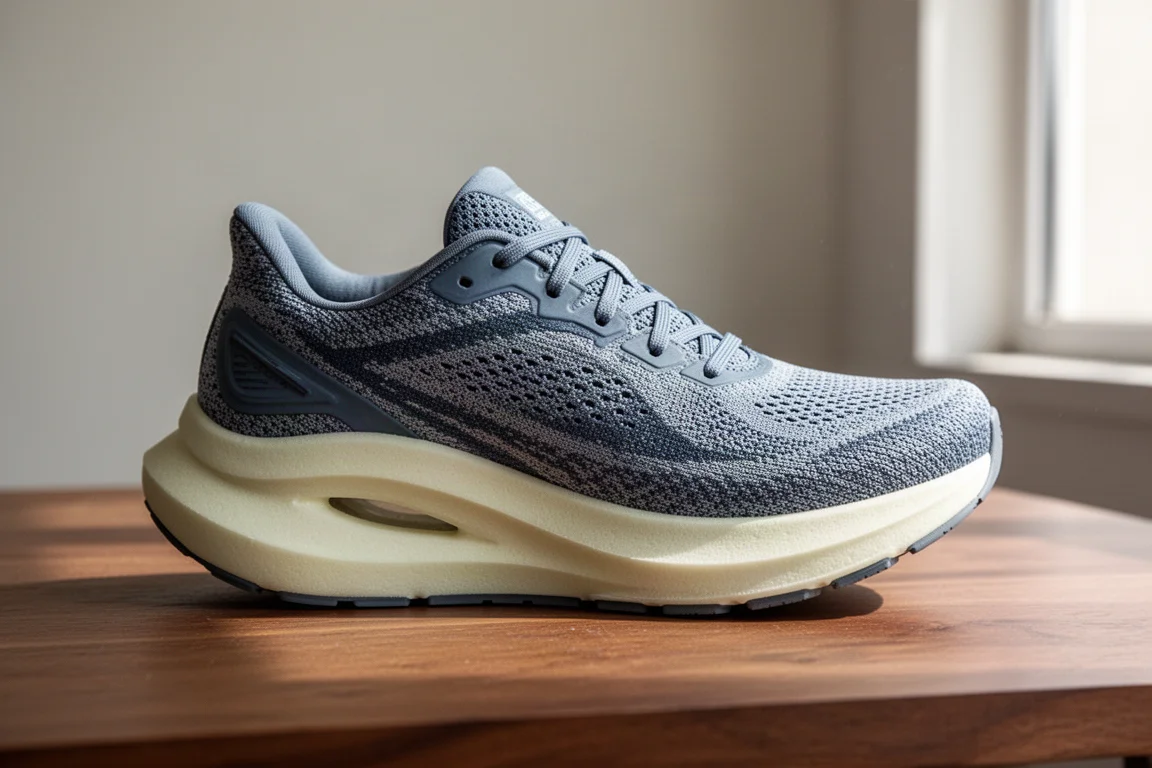
The Saucony Endorphin Speed 5 is what many runners expected the Evo SL to feel like: soft, bouncy, and genuinely pleasant at slower paces. As a daily trainer it is the stronger pick of the three for easy and moderate running, and it is the better shoe for lighter runners who do not put big force through the midsole.
Its trade-off is distance. This is better suited to shorter runs, and given its price, it makes more sense as a half marathon and shorter-distance shoe where you would not want to push much past two hours. Think of the Endorphin Speed 5 and the Evo SL as two opposite answers to the same question: one better for slower paces and shorter efforts, the other better for long mileage and stronger-paced running.
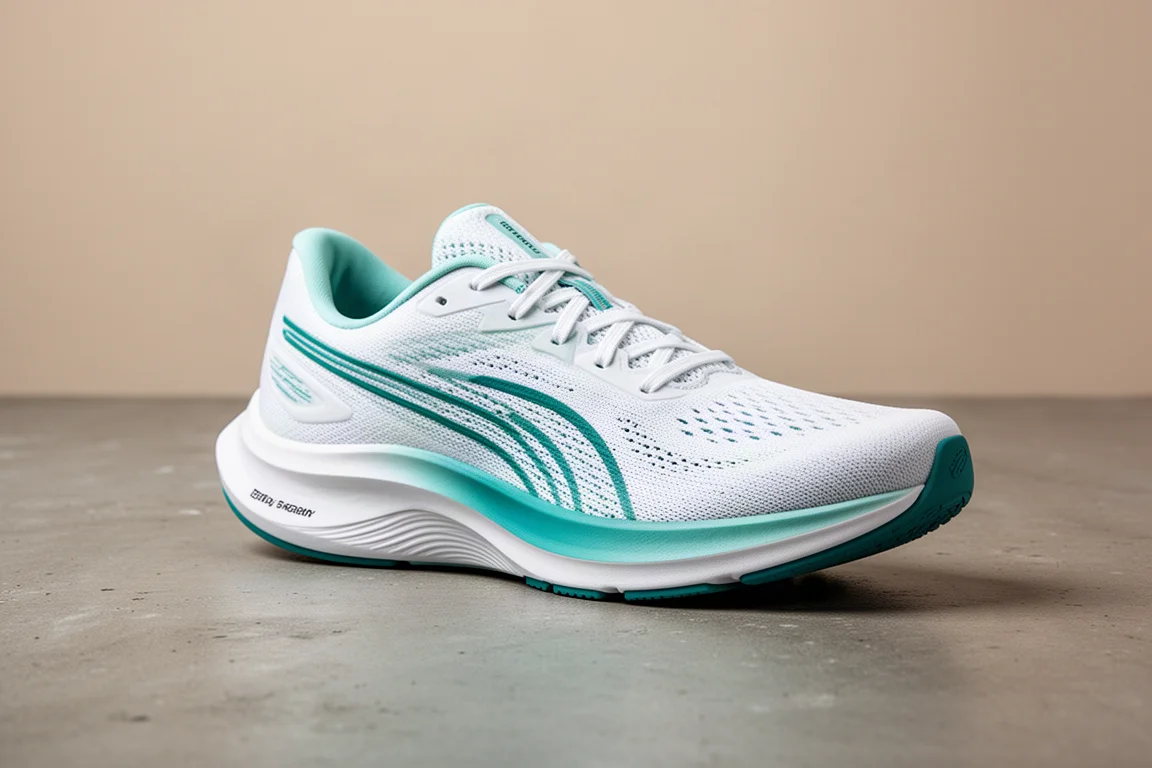
How the Three Fit Together in a Rotation
If forced to choose one role for each: the Evo SL is the long-run and mileage shoe that punches well above its weight and comes alive past the hour mark and at quicker paces. The Hyperion Max 3 is the high-mileage training shoe that still has real speed for tempo days. The Endorphin Speed 5 is the soft, bouncy daily trainer for slower paces and shorter races.
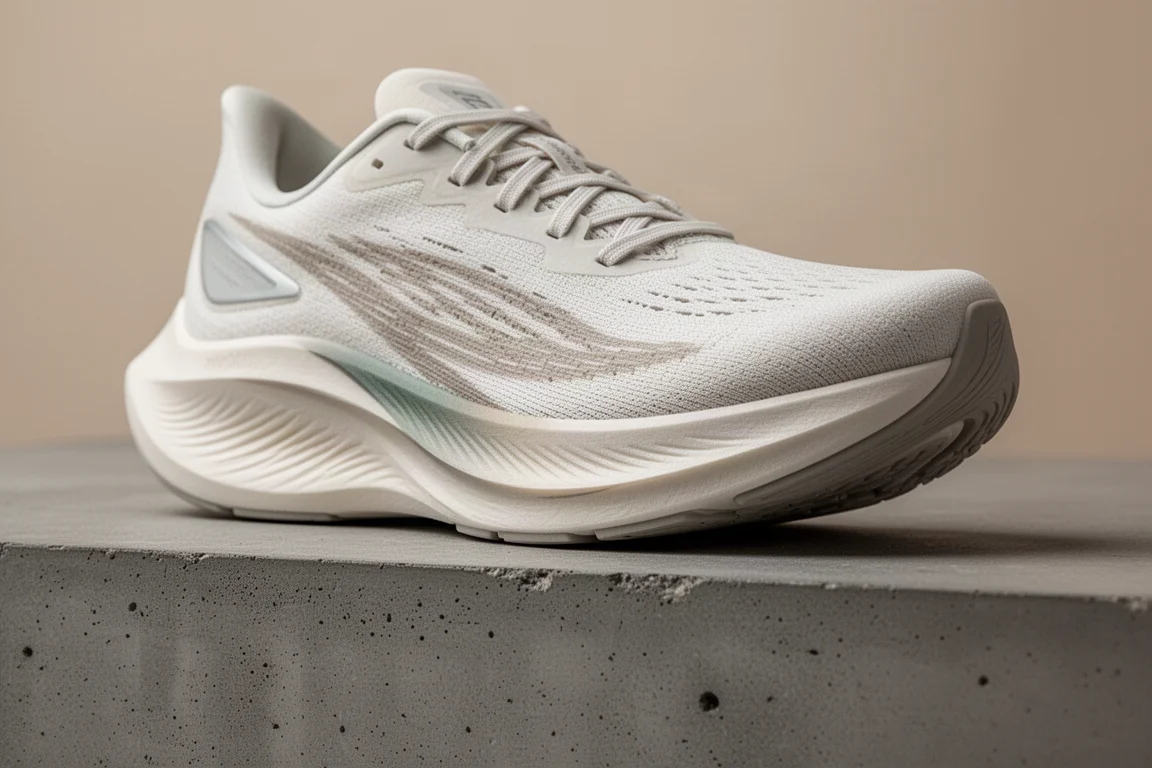
Buy the Evo SL if your priority is long runs and steadier faster miles, and if you are willing to verify fit and batch consistency on arrival. Buy the Hyperion Max 3 if you want one shoe covering both comfortable training miles and hard workouts. Buy the Endorphin Speed 5 if a cushioned, energetic daily trainer is what your rotation is missing.
Conclusion
The Evo SL’s second-pair test confirmed the first impression: a good shoe, not a silver bullet. The ride stayed firm at jogging paces regardless of factory, batch, or length, while remaining genuinely enjoyable once the pace rises or the miles pile up. The Hyperion Max 3 and Endorphin Speed 5 both resolve that weakness in different directions. Match the shoe to the role you actually need filled, and all three can earn their place.
Further reading
Related Reviews

Running Shoes
Best Road-to-Trail Running Shoes: Three Versatile Options for Mixed Terrain
A practical guide to three road-to-trail running shoes that handle both pavement and mild trails, with clear strengths and trade-offs for different runner types.

Running Shoes
Best Running Shoes for Achilles Tendonitis: Three Options Explained
Three running shoes with different heel drops and support features designed to help reduce Achilles tendon pain during walking and running.

Running Shoes
Best Running Shoes for Women: Five Top Choices Ranked
A ranked guide to five women's running shoes, from versatile daily trainers to high-performance racing options, with real strengths and trade-offs for each.