Running Shoes
Adidas Evo SL vs Adizero Boston 13: Which Fast Training Shoe Should You Buy?
Two of Adidas' fastest daily trainers compared on ride feel, fit, stability and value to help you pick the right one.
Introduction
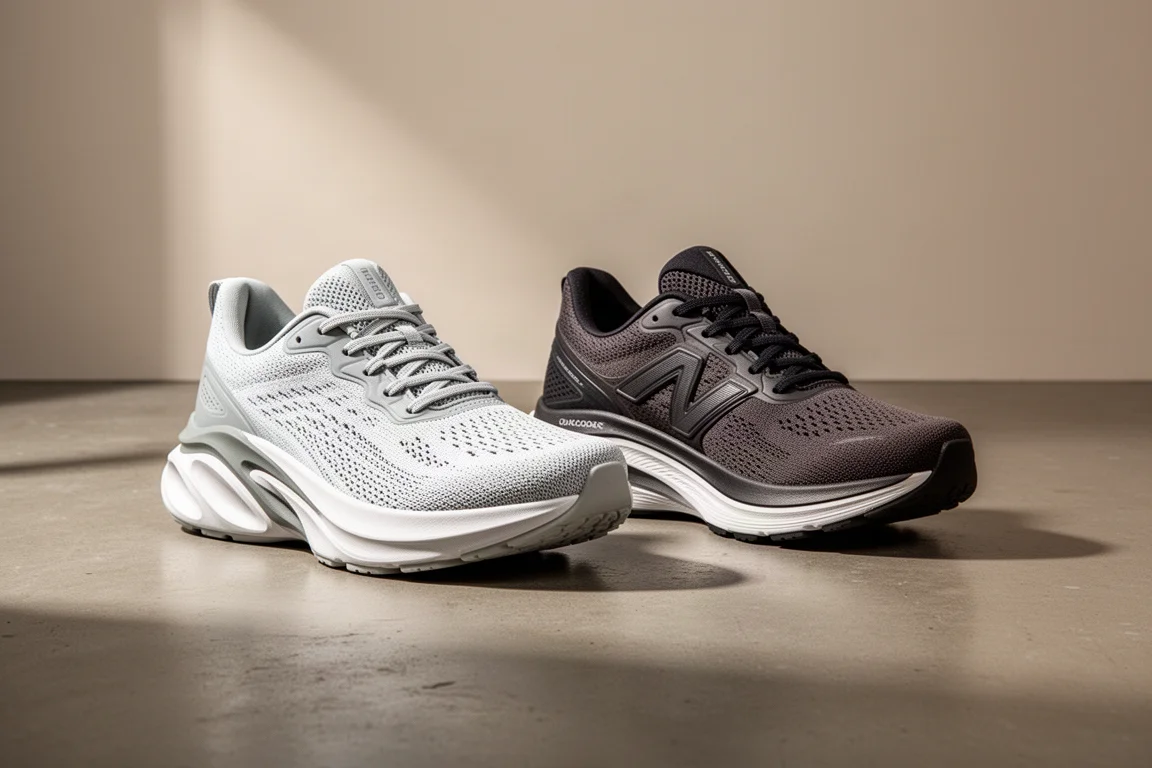
Adidas has two fast daily trainers that look similar on paper but deliver very different rides: the Evo SL and the Adizero Boston 13. Both sit in that sweet spot between a comfortable everyday shoe and a genuine performance trainer, and both are aimed at runners who like their training sessions skewed toward the faster side.
The Evo SL costs £130 or $150, weighs 224 g (7.9 oz) for men in a size 8.5 and has a 6 mm drop. The Boston 13 costs £140 or $160, weighs 253 g (8.9 oz) for men in a size 8 and also has a 6 mm drop. Those are close numbers, but the experience out on the road is not. Here is how they differ.
Fit and Sizing: Roomy Uppers, Different Lockdown
Start with sizing, because it matters here. Both shoes run small, so going up half a size is the sensible default: a UK 8 runner found the 8.5 to be the right call in both. Once sized correctly, both offer plenty of toe room and a generous forefoot.
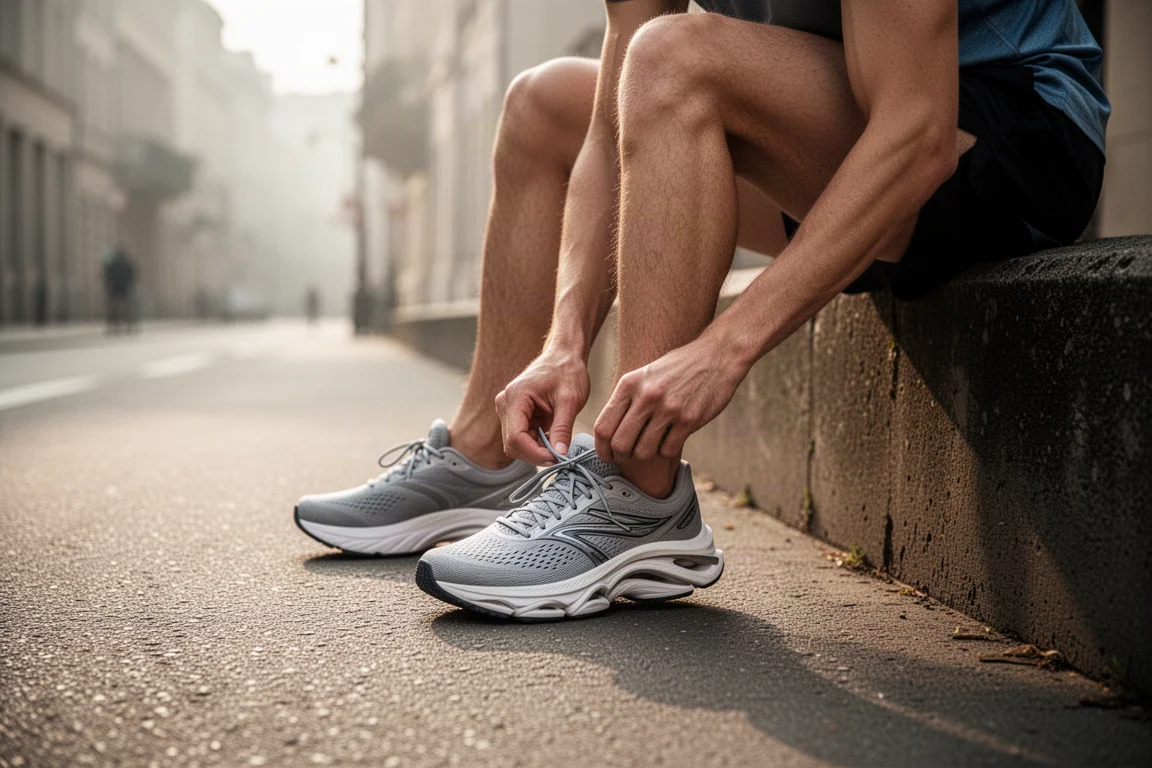
The real difference is the midfoot. The Evo SL is significantly roomier across the whole shoe, with a forgiving, relaxed upper that suits average or slightly wider feet. The Boston 13 is more restrictive through the midfoot; even with average-width feet, the fit sits close to the limit. Both have well-padded heel collars, but the Evo SL is the more comfortable of the two overall.
Adidas Evo SL: Soft, Bouncy and Enjoyable
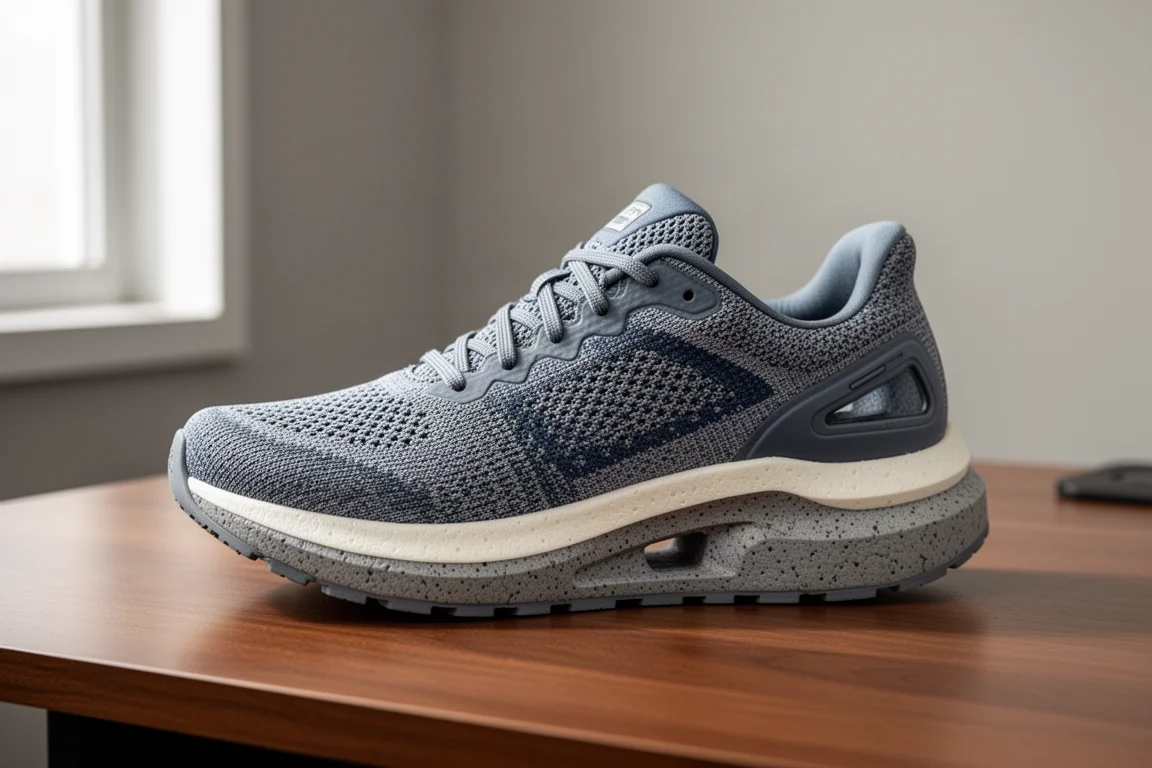
The Evo SL takes learnings from Adidas’ top-tier performance shoes and packages them into a versatile daily trainer. A thick layer of Lightstrike Pro midsole foam delivers softness, comfort and strong energy return, with no rods inside. The upper is a lightweight, breathable engineered mesh, the outsole combines Continental rubber on the forefoot with clear rubber at the heel, and there is generous padding around the ankle collar plus a slight rocker geometry for smooth heel-to-toe transition.
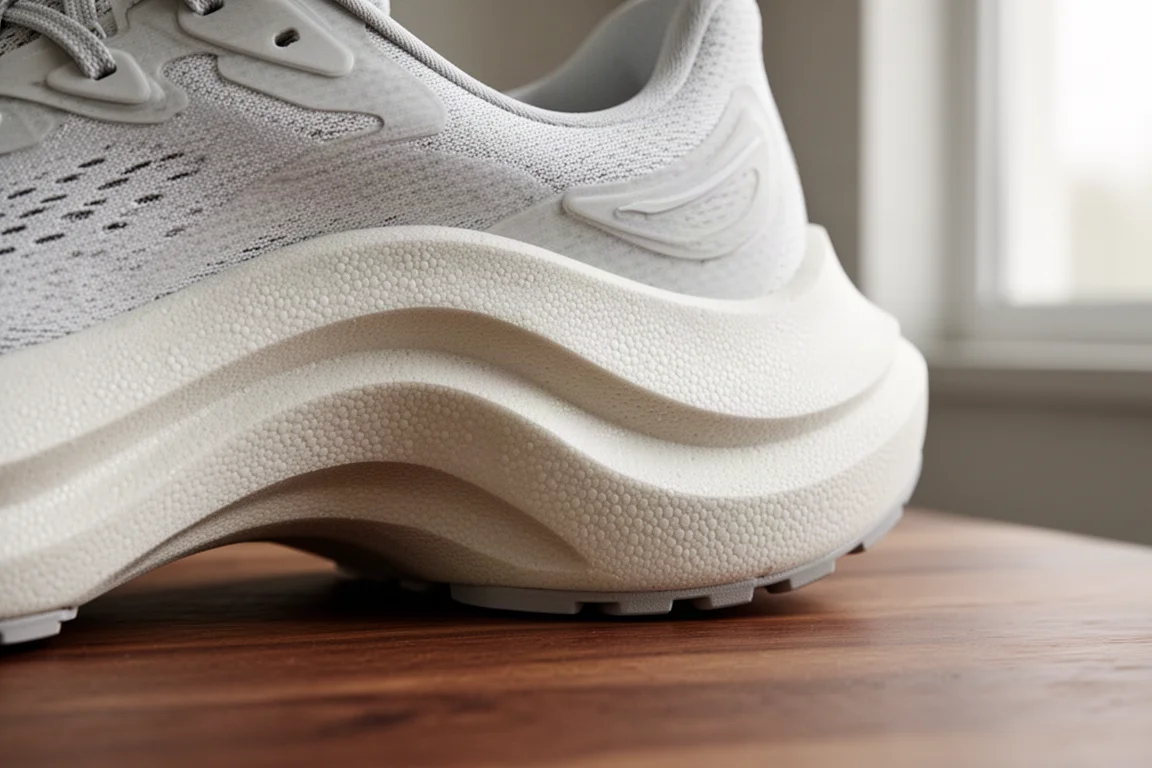
After around 100 km in the shoe, the verdict is emphatic: this is one of the strongest releases in recent years, and the value is a huge part of that. It is not the best dedicated easy-run shoe, but it remains comfortable and fun even at slow paces, and it truly kicks into gear when you pick up the pace. Interval sessions, marathon-pace work, longer tempo efforts: it handles all of it well, with a rolling action that tips you over nicely and somehow encourages faster kilometers than expected.
The one genuine caveat is stability. A full Lightstrike Pro midsole without rods can feel a little wobbly, and some runners have reported instability-related discomfort. If you are newer to running or need a stable platform, this may not be the right shoe for you.
Adidas Adizero Boston 13: Firm, Responsive and Stable
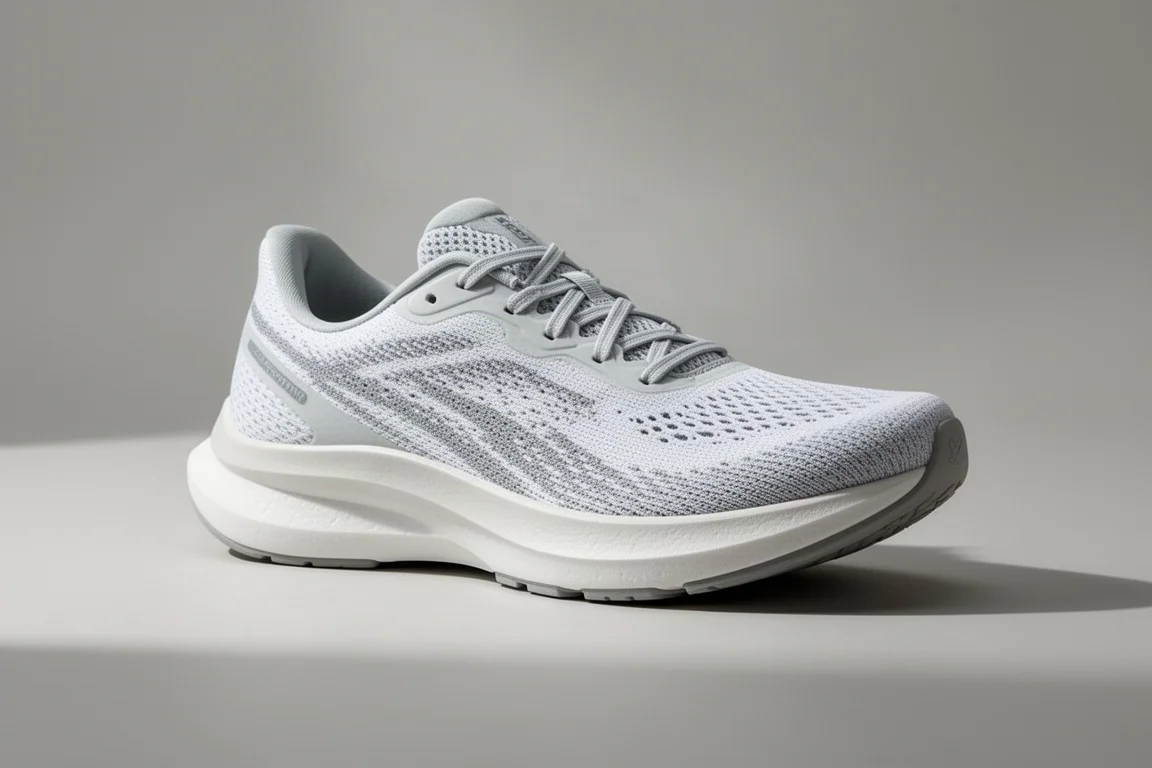
The Boston 13 approaches fast training differently. It sandwiches softer Lightstrike Pro foam over a firmer layer of standard Lightstrike, with energy rods between the two to add snap when you push the pace. Updates include 13.8% more Lightstrike Pro for improved bounce and cushioning, reworked energy rods for more forefoot energy and stability, and a revamped mesh upper for better fit and breathability in targeted areas.
The result is a firmer, more solid ride than the Evo SL. At easy paces it feels restrictive and simply is not an enjoyable slow-run shoe. But pick up the pace and it becomes genuinely responsive and quick, which some runners will prefer over very soft foams. It is also noticeably more stable: the midsole and rods keep your feet feeling planted and in the right position, making it a sturdy, supportive choice where the Evo SL can feel unsteady.
Outsole and Durability
This is where the two shoes diverge further. The Boston 13 has an excellent outsole, combining Light Traction rubber from the Adios Pro 4 with Continental rubber for grip and midsole protection. It is a thick, durable covering with a noticeable tread pattern, built to churn out a lot of miles over a long life.
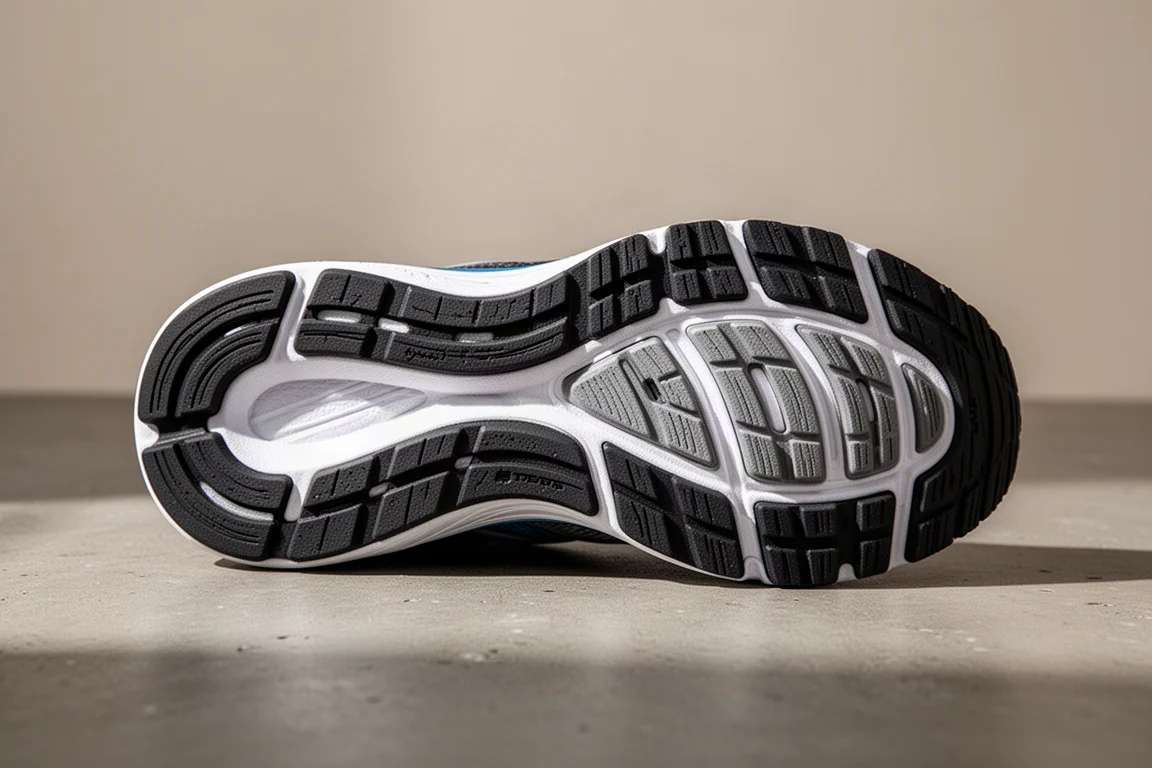
The Evo SL uses a thinner layer of Continental rubber up front and smooth clear rubber at the heel, with essentially no tread. Despite the minimal look, it has held up well over 100 km with no signs of wear, though some runners report it can get slightly slippy in the wet. If long-term durability is a priority, the Boston 13 has the clear edge.
Which One Should You Buy?
Both are very good options if you want a fast training shoe to run alongside a racing shoe, and both are effective at the faster end of training. The choice comes down almost entirely to midsole feel and fit.

If you value softness, bounce, energy return and a comfortable, enjoyable ride, the Evo SL is the stronger pick, and its price makes it remarkable value. It sits in the same performance territory as super trainers costing considerably more. It is also the better option for longer, more comfortable sessions, though stability-sensitive runners should look elsewhere.
If you prefer responsiveness over softness, want a firmer, more planted ride, need maximum midfoot lockdown, or plan to use one shoe mainly for intervals, tempo runs and faster sessions up to around 10 to 15k, the Boston 13 is the better match, and its durability suits heavy mileage.
Conclusion
The Evo SL and Boston 13 are both excellent fast daily trainers, but they serve different runners. The Evo SL wins on comfort, versatility and sheer value, while the Boston 13 wins on stability, structure and outsole durability. Choose based on whether your priority is a soft, fun ride or a firm, stable one, and pick your size up half a size in either case.
Further reading
Related Reviews

Running Shoes
Best Road-to-Trail Running Shoes: Three Versatile Options for Mixed Terrain
A practical guide to three road-to-trail running shoes that handle both pavement and mild trails, with clear strengths and trade-offs for different runner types.

Running Shoes
Best Running Shoes for Achilles Tendonitis: Three Options Explained
Three running shoes with different heel drops and support features designed to help reduce Achilles tendon pain during walking and running.

Running Shoes
Best Running Shoes for Women: Five Top Choices Ranked
A ranked guide to five women's running shoes, from versatile daily trainers to high-performance racing options, with real strengths and trade-offs for each.