Running Shoes
Adidas Evo SL Review: Premium Foam Without the Super Shoe Price
The Evo SL brings full-length Lightstrike Pro to a plateless daily speed shoe at £130. Here's what it does well and where it falls short.
Introduction
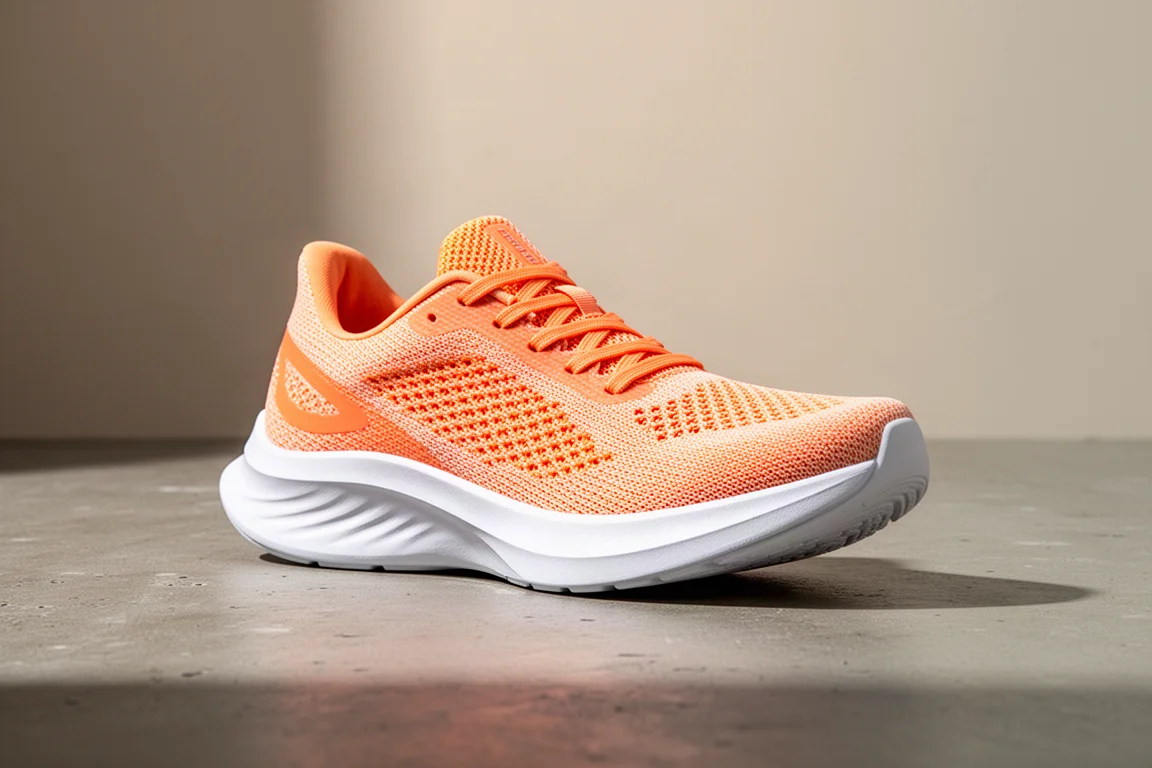
The Adidas Evo SL borrows heavily from the brand’s flagship racing shoe, the record-setting Adizero Adios Pro Evo 1, which costs an eye-watering £450. Same foam, same stack height, same drop. The difference? The Evo SL costs £130, a saving of £320. It exists as a more affordable daily training and racing option, and it has generated an enormous amount of hype, launching via a ballot before finally going on general sale. This review looks at what the shoe actually delivers once you get past the noise.
What the Evo SL Is Built For
The Evo SL is a lightweight daily shoe aimed at speed work, threshold sessions, and racing up to a half marathon. Some runners have certainly taken it further and run a marathon in it, but if you want extra assistance over the full distance, something more plated is probably the better call. It is a neutral shoe, true to size in testing, with men’s and women’s versions available.

The numbers: 39mm of stack at the heel, 32mm at the forefoot, and a 7mm drop. Weight is just 267g in a UK size 12, which puts it among the lightest shoes most runners will ever lace up. The upper is a lightweight woven mesh that is breathable, perhaps almost too breathable in cold weather, and potentially a little fragile. Fit is more accommodating than you might expect from an Adidas shoe, though runners with very narrow or very wide feet may want to look elsewhere. There are no width options.
What We Like
The headline feature is the full-length midsole of Lightstrike Pro, Adidas’s most premium foam from its 200-plus Super Shoes. This is the proper full blend, not a watered-down version, and at £130 that is rare. The foam is bouncy, responsive, and renowned for its durability, so you should get plenty of miles out of the shoe. There is no plate or carbon rods here, only a small plastic shank in the midfoot that exists purely for stability rather than performance.
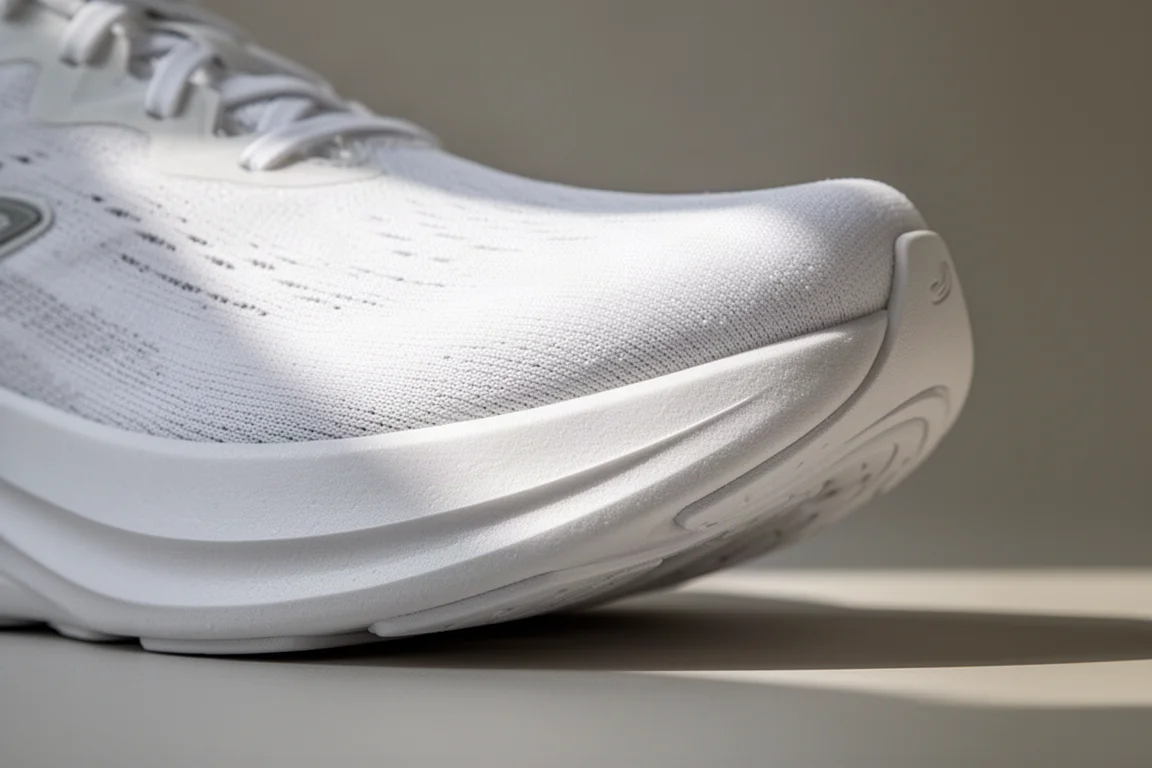
The ride is fast, simple, and fun. With a big rocker at the front of the shoe combined with that foam and the low weight, the Evo SL is happiest at speed, covering ground smoothly and encouraging you to run faster. It is versatile too: testing covered everything from one-minute reps at around 3 minutes per kilometre down to easy jogs at 5:30/k, and it felt comfortable at both ends. For tempo and threshold work, though, it truly comes alive.
The Continental rubber outsole is the winter version of Adidas’s grip compound and has performed well in UK winter conditions, though it is on the thin side, a necessary trade-off to keep weight down.
What Could Be Better
The tongue is a little too short for effective heel-lock lacing, and because it is not gusseted, it tends to move around. A bit more material would have held it in place far better. The laces themselves are extremely skinny and feel cheaply made, closer to what you would find in a budget shoe than a £130 one.
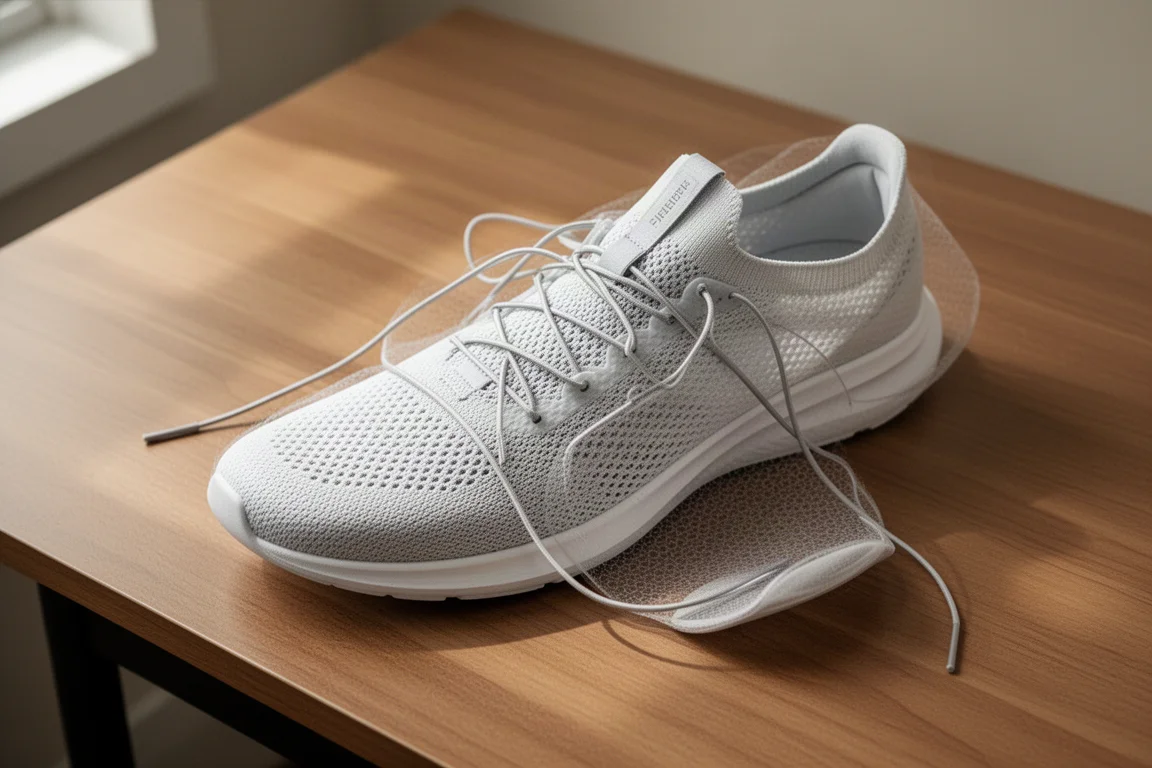
The upper also does not offer the best lockdown. With so little material, sharp corners and fast parkrun turns can leave your foot rolling across the side of the shoe slightly. Options like the SL2 or the Boston hold the foot in place considerably better, with more structure and durability at the cost of some weight.
Finally, it is worth tempering the hype. The limited ballot-style release and social media buzz have created expectations that few shoes could meet. The Evo SL is a good shoe. It is still just a running shoe, and some buyers will inevitably feel slightly underwhelmed.
Should You Save Up or Spend More?
If you are considering the Evo SL, two natural alternatives sit on either side of it.
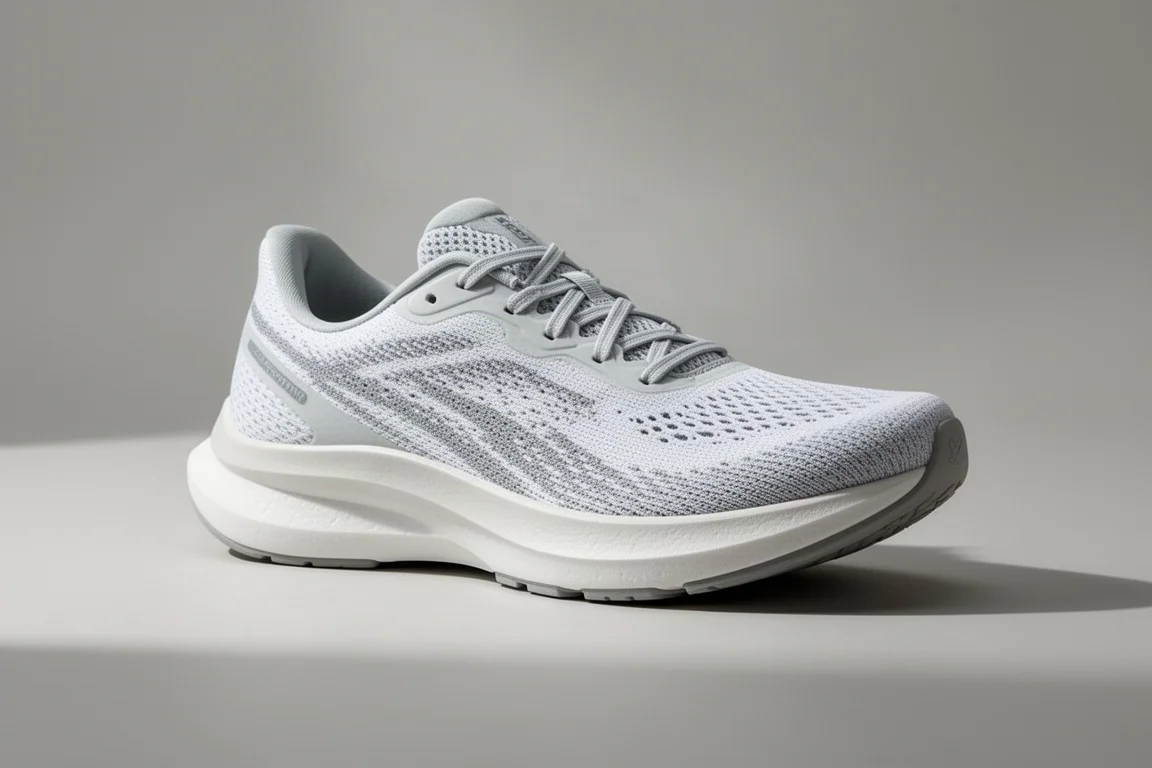
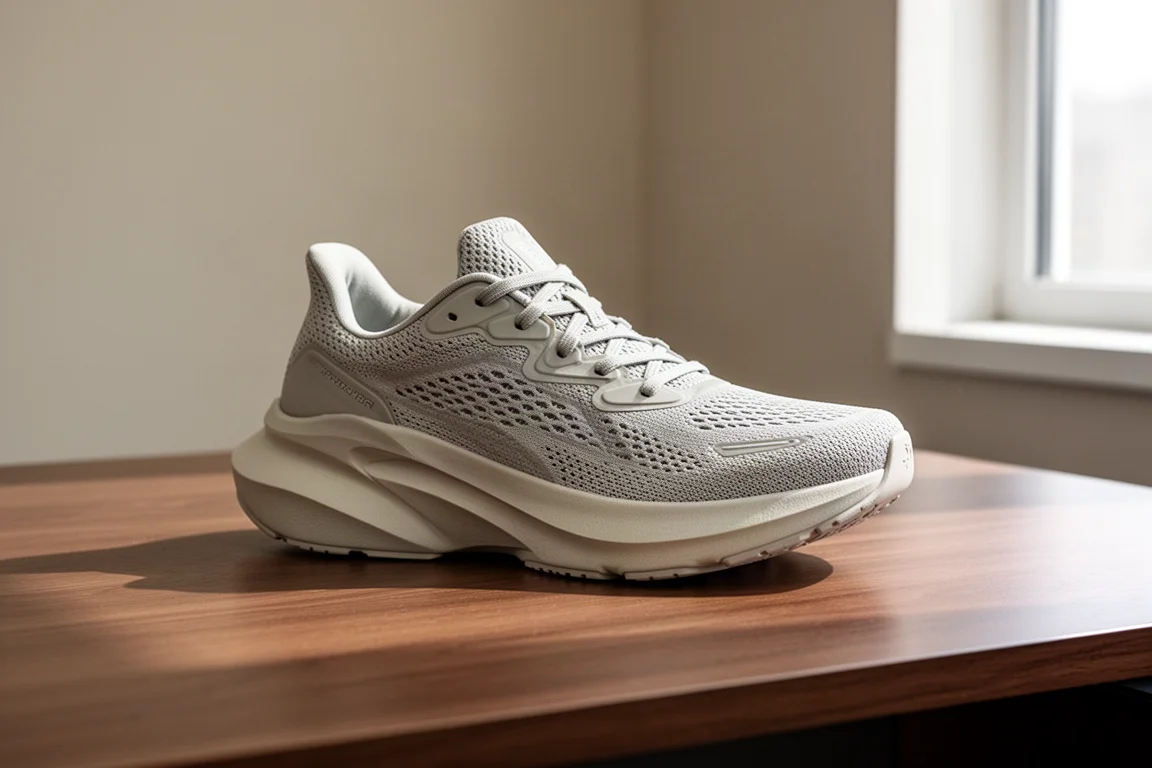
The Adidas SL2 costs £20 less and offers fantastic value. It is 20g heavier, with a small layer of the premium Lightstrike Pro foam sandwiched between two layers of far more durable foam, so it should be very hard-wearing. You do not get the Continental outsole, and the stack height is slightly lower. Lockdown is much better, but the Evo SL is more responsive with far better energy return and a more aggressive, smoother rocker. The SL2 is the durable daily workhorse; the Evo SL is the shoe you reach for when you want to go fast and feel fast.
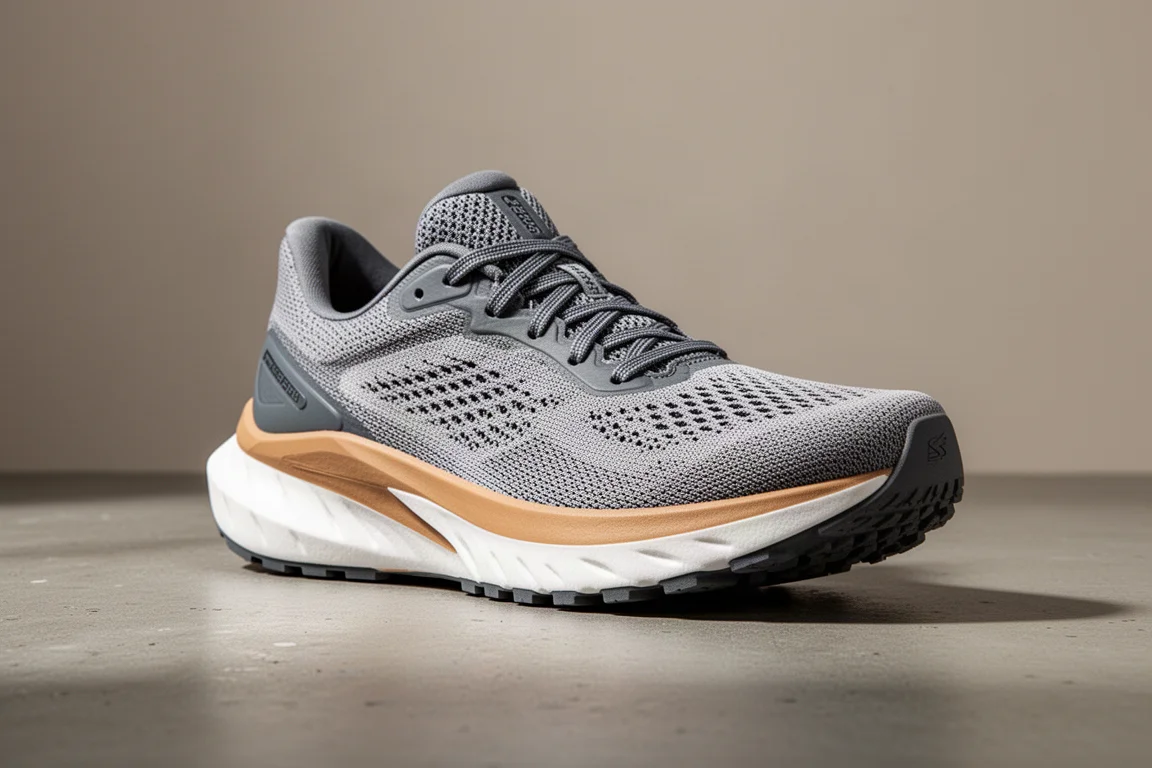
The Adizero Boston is £10 more expensive and heavier, at 318g in a UK size 12, though still respectable. It uses two foams, Lightstrike Pro alongside a more durable EVA, plus energy rods for a more assisted ride, and a very hard-wearing, grippy Continental rubber outsole. The Boston is better at long distances, considerably more durable, and a very dependable overall shoe.
Buying Advice
For most runners, the smartest setup is to pair the Evo SL with something more durable as a daily option. Keep the Evo SL for fresh legs, quality speed sessions, longer fast runs, or short races where its lightweight, responsive character really shines. If you want one shoe to do everything and take abuse in any weather, the SL2 is the better value. If you want more assistance and durability for long distances, the Boston earns its extra £10.
Conclusion
Does the Evo SL live up to the hype? Probably not entirely, since the hype was close to unprecedented. But it is a good, solid shoe, clearly better than much of what has launched recently. The Lightstrike Pro midsole will look after your legs and bring a smile to your face when the pace picks up. Just go in knowing its limitations: it is a lightweight shoe with a lot stripped out, and it rewards being partnered with a tougher daily trainer.
Further reading
Related Reviews

Running Shoes
Best Road-to-Trail Running Shoes: Three Versatile Options for Mixed Terrain
A practical guide to three road-to-trail running shoes that handle both pavement and mild trails, with clear strengths and trade-offs for different runner types.

Running Shoes
Best Running Shoes for Achilles Tendonitis: Three Options Explained
Three running shoes with different heel drops and support features designed to help reduce Achilles tendon pain during walking and running.

Running Shoes
Best Running Shoes for Women: Five Top Choices Ranked
A ranked guide to five women's running shoes, from versatile daily trainers to high-performance racing options, with real strengths and trade-offs for each.