Running Shoes
Adidas Evo SL Exo Review: The Best-Looking Evo SL Yet, But Is It More Than That?
A structured, lifestyle-leaning take on the Evo SL with the same Lightstrike Pro ride. We test where the Exo fits in the lineup.
Introduction
Adidas has turned the Evo SL into a family of shoes, and the Evo SL Exo is the third variant to arrive. The idea sounds simple on paper: keep the Lightstrike Pro midsole that made the original such a hit, and build a more structured, lifestyle-oriented upper on top. The question is whether that added structure changes the ride or just the looks, and whether it justifies picking the Exo over the standard or the Woven.
After a solid 10-mile test run at steady paces, the short answer is this: it is basically the same shoe as the Woven underfoot, with a much cooler design. Whether that is enough depends entirely on what you want from it.
What the Evo SL Exo Actually Changes
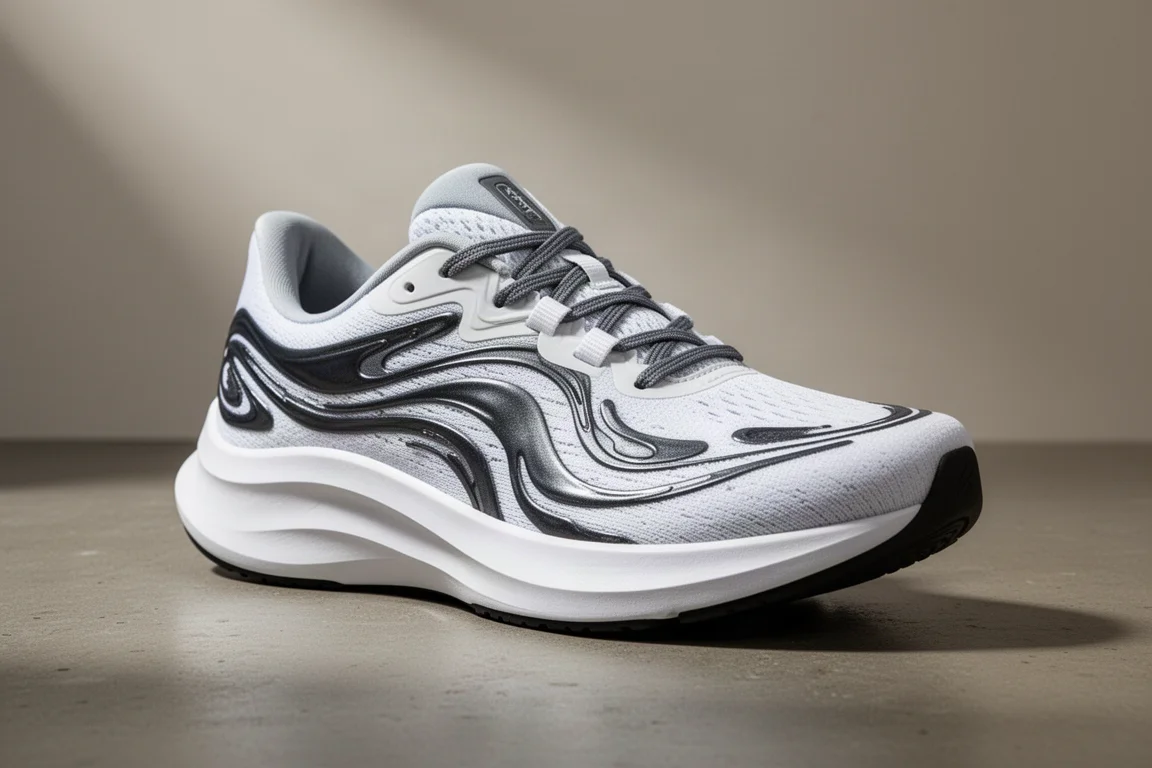
All Evo SL variants share the Lightstrike Pro midsole, so the differences live in the upper. The standard Evo SL drew criticism for a fit many found sloppy and under-dialed. The Woven fixed much of that with a performance-oriented upper, and the Exo pushes further with a built-up exoskeleton-style construction: TPU overlays across a woven base, a gusseted tongue, looped lace eyelets attached to the upper instead of standard eyelets, and noticeably thicker laces with a lifestyle feel rather than a performance one.
The metallic overlay treatment over the white base gives it an oil-spill look that works just as well with jeans as with running kit. If you plan to wear any Evo SL casually, this is the one.
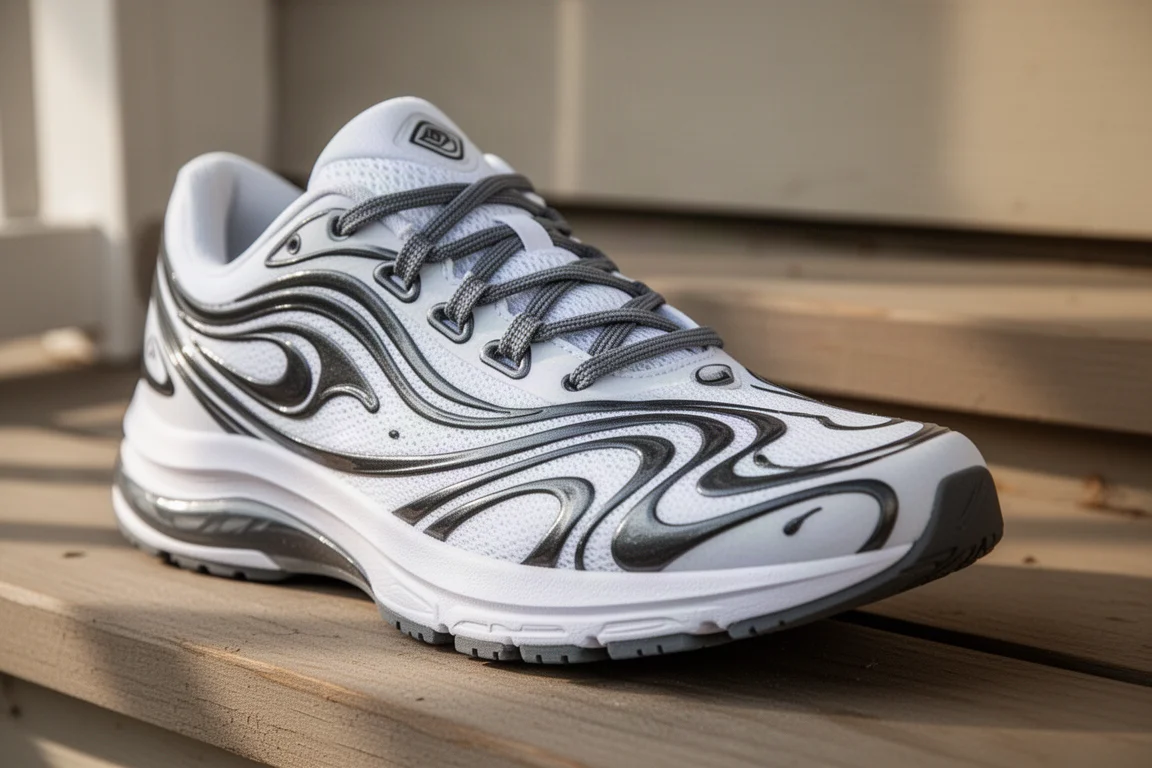
On the scale, the Exo comes in around 254 to 258 grams, roughly 4 to 10 grams heavier than the Woven and a touch heavier than the standard, which makes sense given all the overlay material. Heel stack measures around 38 mm with a 6 mm drop, the tallest of the Evo SL variants tested. It fits true to size with a slightly thicker sock, similar in width to the other Evos, not narrow.
Who the Evo SL Exo Is For
This is a speed daily trainer, not a max-cushion cruiser. The Evo SL line has built its reputation on being the zone-three shoe: it rewards strength, midfoot and forefoot striking, and a quicker clip. At relaxed paces it does not work as well, and heavier heel striking at slow speeds can leave the shoe feeling off-balance and even contribute to calf soreness for some runners.

If your easy days sit around 7:30 pace or faster, or your steady runs live in the 6:20 to 7:00 range, this shoe thrives. If you want a plush recovery-day shoe, look elsewhere in the lineup.
Main Strengths
The ride is zippy rather than bouncy. Lightstrike Pro here is firm, forward-directed, and smooth off the midfoot, with a dialed rocker that cleans up mechanics without sinking you into the foam. It feels light, peppy, and fun when you are moving with purpose.
The Exo variant itself adds three things worth noting. First, the structured upper gives a secure lockdown and a stable platform, with no stability complaints at sub-7-minute paces. Second, the on-foot feel ended up near identical to the Woven after the initial stiffness broke in, which is a good thing; the structure does not detract from the performance. Third, the aesthetics are genuinely excellent. This might be the best-looking Evo SL of the three.
At $150, it remains one of the best value propositions in performance running, and it has stayed at that price despite brief list-price wobbles. On sale, the standard or Woven can be found for around $100 to $110.
Things to Consider Before Buying
The one-note character is real. This shoe shines in one pace range and only tolerates the rest. It is not the most comfortable max-cushion option for recovery miles or all-day casual wear, though it is still far more comfortable than a true lifestyle sneaker if you want to wear it out and about.
Buyers with significant overpronation issues hoping the Exo’s structure solves what the standard Evo could not will be disappointed. On the run, it does not feel meaningfully different in stability from the other variants. The stiff, slightly crinkly upper also needs a few miles to soften up.
The looped lace eyelets are the same design seen on other models where durability questions have come up, so keep an eye on them over the long term.
Buying Advice
The decision tree is simple. If you do not own an Evo SL and want the best balance of performance and looks, get the Exo. If you already own the Woven and like it, the Exo adds little except aesthetics; only upgrade if the design genuinely appeals to you. If you want the cheapest entry into the family, hunt for the standard or Woven on sale.
One practical tip: if you are unsure about the fit or stability for your gait, buying from a retailer with a generous return window lets you test the shoe properly before committing.
Conclusion
The Evo SL Exo is a Woven with a much cooler look, and that is a perfectly fine place to be. It keeps the peppy Lightstrike Pro ride, adds a secure structured upper, and delivers arguably the best silhouette in the lineup. As a speed daily trainer it earns top marks, and as a lifestyle-leaning option it may be the most wearable Evo SL yet. Just do not expect it to replace your cushioned recovery shoe, and do not expect the exoskeleton upper to transform the ride. It is a refinement, not a reinvention, and a very good one.
Product link
View more details for Adidas Evo SL Exo
This product is mentioned in the review. Check the specifications, options, and compatibility before buying.
View more details for Adidas Evo SL ExoFurther reading
Related Reviews

Running Shoes
Best Road-to-Trail Running Shoes: Three Versatile Options for Mixed Terrain
A practical guide to three road-to-trail running shoes that handle both pavement and mild trails, with clear strengths and trade-offs for different runner types.

Running Shoes
Best Running Shoes for Achilles Tendonitis: Three Options Explained
Three running shoes with different heel drops and support features designed to help reduce Achilles tendon pain during walking and running.

Running Shoes
Best Running Shoes for Women: Five Top Choices Ranked
A ranked guide to five women's running shoes, from versatile daily trainers to high-performance racing options, with real strengths and trade-offs for each.