Running Shoes
Adidas Evo SL vs Evo SL ATR vs Woven vs Exo: Which One Should You Buy?
Four versions of the Adidas Evo SL, four different uppers, one shared Lightstrike Pro midsole. Here is how to pick the right one for your running.
Introduction
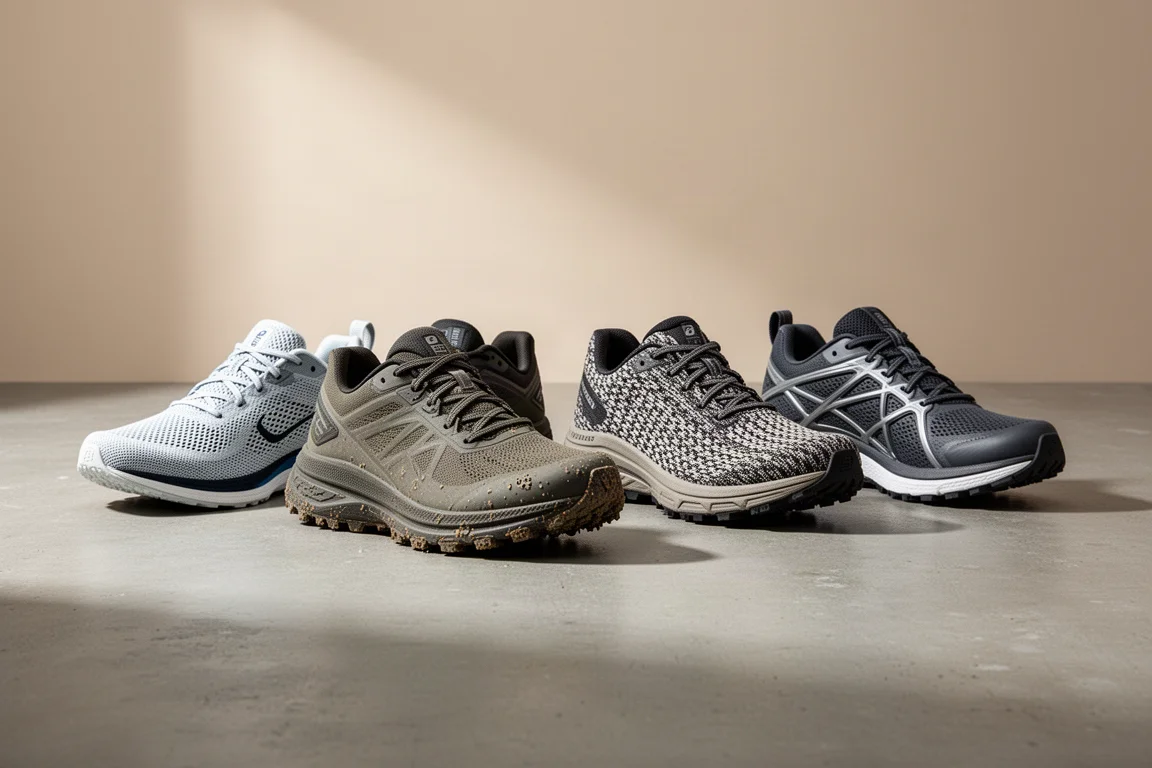
Few running shoes have grown a family as quickly as the Adidas Evo SL. What started as a single hard-to-find speed shoe at the end of 2024 is now a range of four widely available versions that look confusingly similar at first glance. Some changes are purely cosmetic, some genuinely change how the shoe fits, and one of them stands out as the best of the bunch for most runners.
This guide breaks down the Evo SL, the Evo SL ATR, the Evo SL Woven, and the newest addition, the Evo SL Exo, so you can match the right version to your running. (There is also an Evo SL Equipment edition, but that is firmly a fashion shoe, so it is out of scope here.)
The Four Versions at a Glance
All four are plateless speed shoes: essentially a well-cushioned daily trainer with Adidas’ high-end Lightstrike Pro foam giving them a speedier character. That foam is the same one found in the brand’s Pro 4 super shoe, and it is the reason people love this line: soft, bouncy, and responsive, with a small plastic shank instead of a plate to help with stability.
The stack and drop are identical across the range: 39mm at the heel with a 7mm drop. All four fit true to size for a regular UK 12 tester foot and run surprisingly wide for Adidas, so narrow, regular, and slightly wider feet should all be fine. No wide sizing exists yet.

Weights differ more noticeably. The standard Evo SL is the lightest at 267g in a UK 12. The Woven comes in at 284g and the Exo at 283g, both barely noticeable when running. The ATR is the heaviest at 318g because of its more rugged construction. On pricing, the standard, Woven, and Exo all sit at £130, while the ATR costs £140. The original Evo SL is also frequently discounted, with some runners picking it up for around £80 to £90.
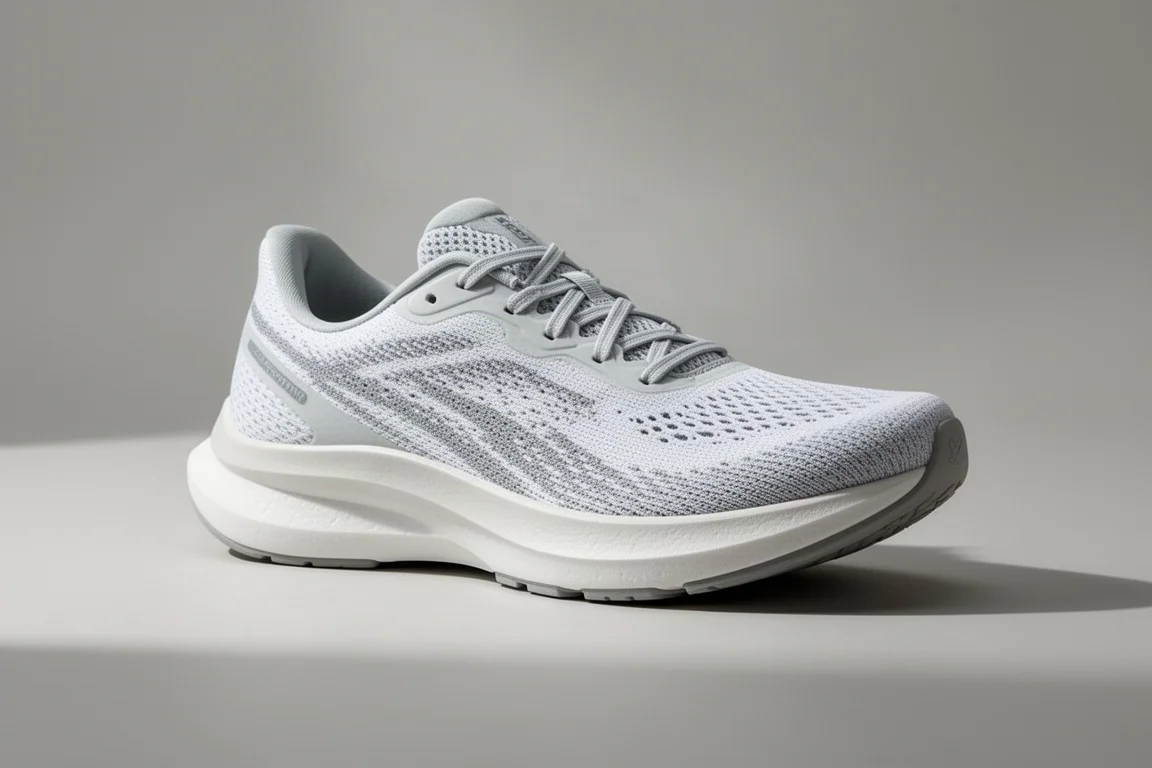
Adidas Evo SL: The Original
The OG of the range is still the purest expression of it: fast, fun, and lightweight, with a breathable mesh upper. It suits all distances up to half marathon and is the easiest version to find at a discount, which makes it excellent value when you catch a deal.
The downsides are the ones the later versions set out to fix: a short, non-gusseted tongue that moves around, and slightly loose lockdown that lets the foot shift a little on sharp corners given how soft the foam is. It also lacks a final-eyelet heel lock option in practice only through fit, not hardware.
If you want the lightest, most breathable option, the widest color choice, and the best chance of a great price, this is the one to hunt down.
Adidas Evo SL ATR: The Winterized Version
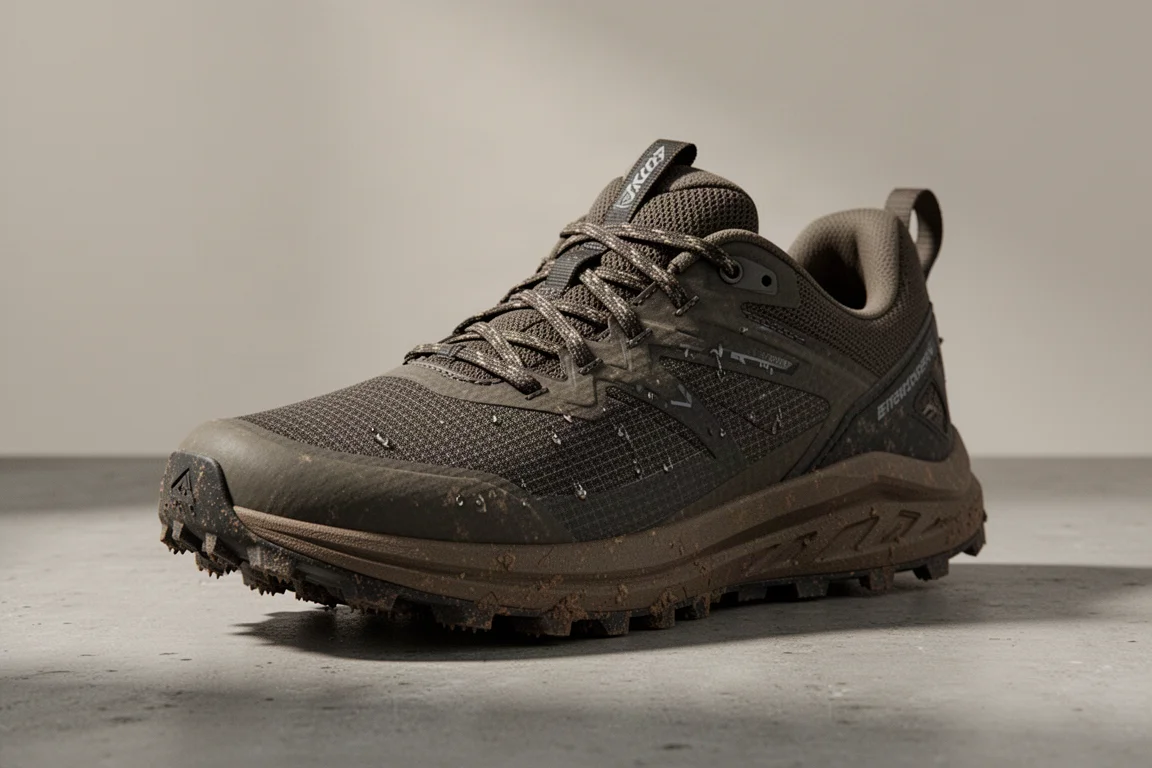
The ATR is best understood as a winter running shoe rather than a true all-terrain one. It gets a ripstop water-resistant mesh upper, a protective mudguard around the front, sawtooth laces that are simply the best in the range, a gusseted tongue, and pull tabs for easier entry.
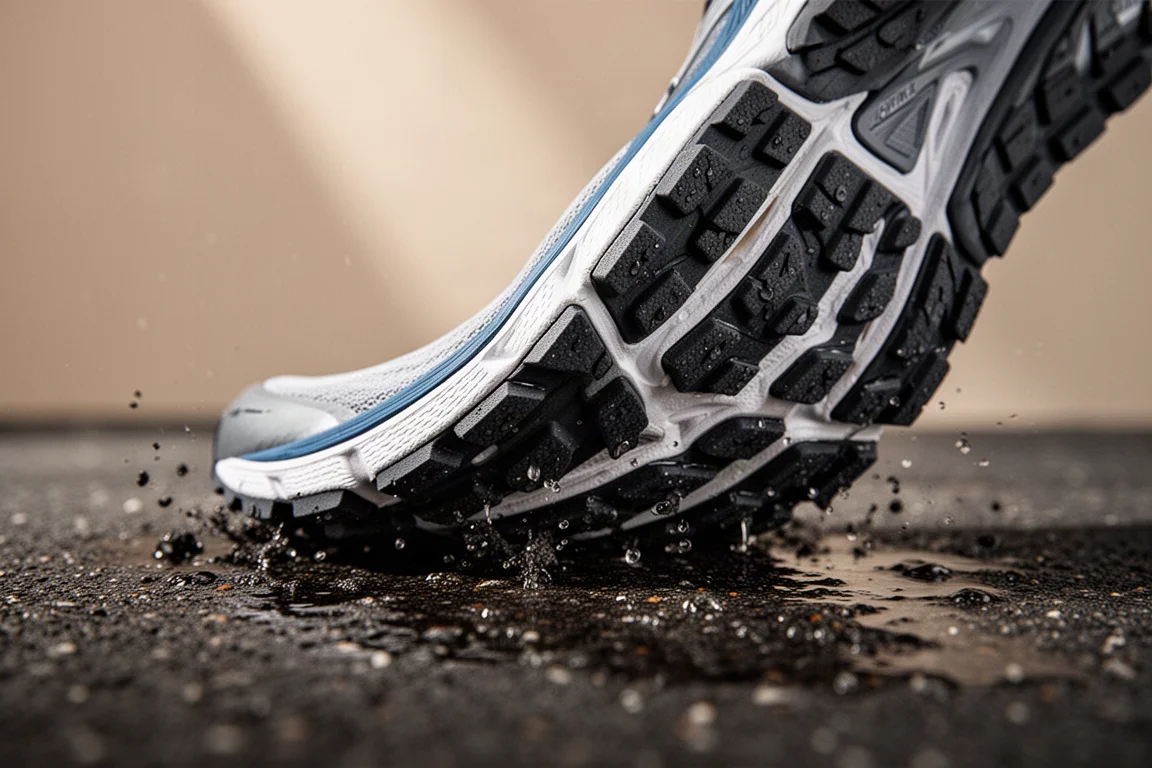
On the outsole it keeps Continental rubber but adds 1.5mm lugs and more coverage, which gives it the best grip and traction of the range on road, light trail, gravel, and canal towpaths. The more reinforced upper and outsole also make it the most stable-feeling of the four.
The trade-offs: it runs noticeably heavier, gives up a little energy return due to the thicker rubber, and runs very warm because that water-resistant upper offers little breathability. It is also not a trail shoe; on technical terrain it feels unstable. But for poor weather and messy city winters, it is well worth the extra £10.
Adidas Evo SL Woven: The Fit-Fix Version
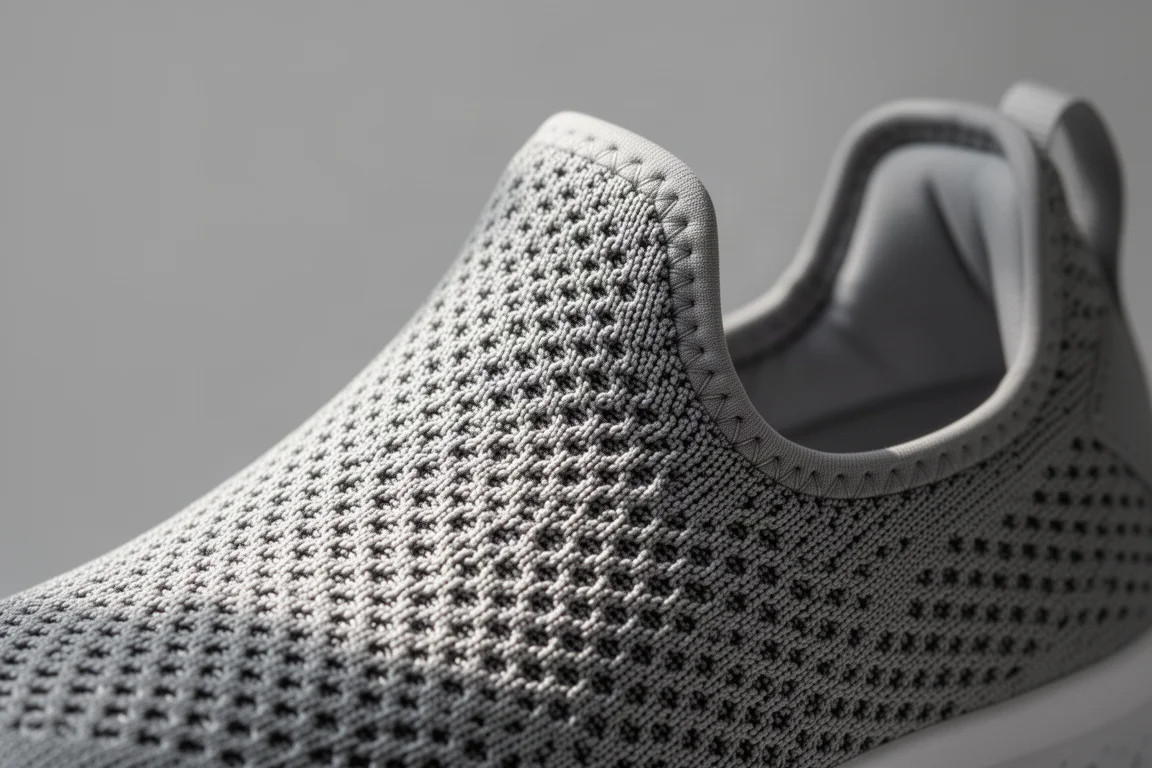
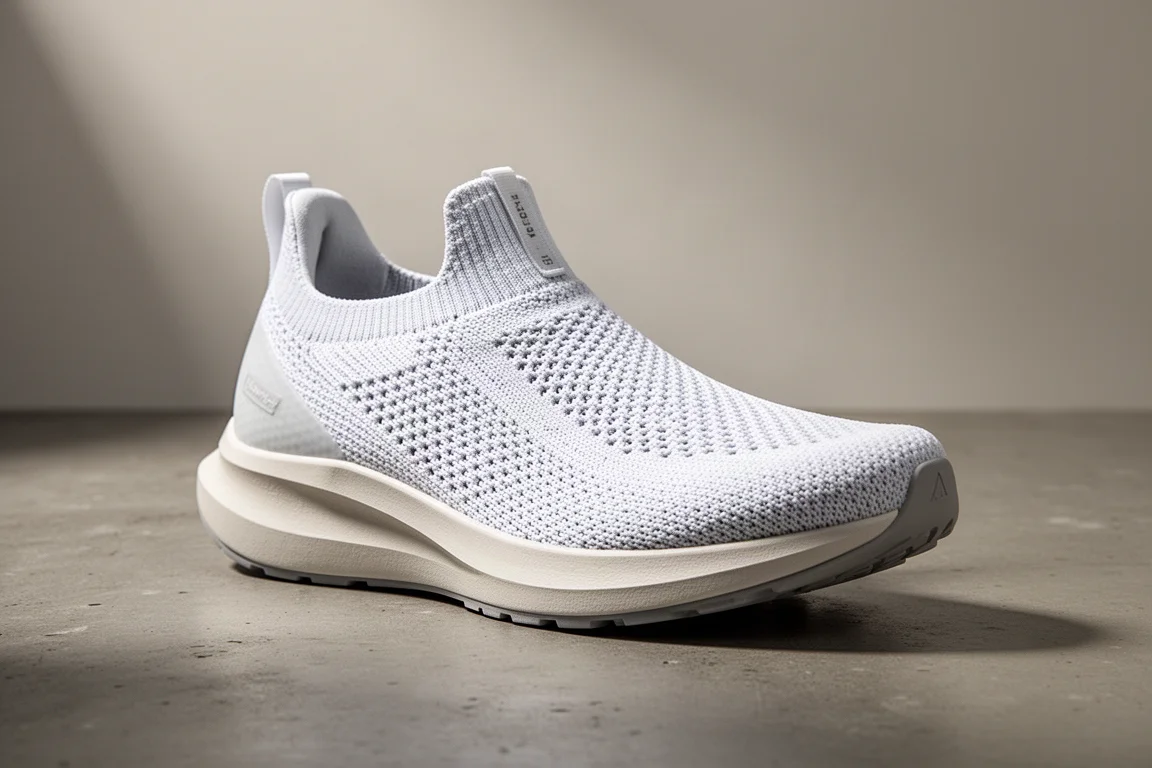
The Woven keeps everything that made the original fast and fun, but swaps in a completely revised woven mesh upper with a gusseted tongue. The result is a more secure lockdown, a more flexible upper, and a fit that hugs the foot noticeably better than the OG.
It is slightly less breathable than the original and feels a touch narrower, and it unfortunately drops back to basic laces that are not great. If you tried the regular Evo SL and found the tongue sliding around or the lockdown lacking, this is the version that solves those problems, with only a small weight penalty in return.
Adidas Evo SL Exo: The Structure Upgrade
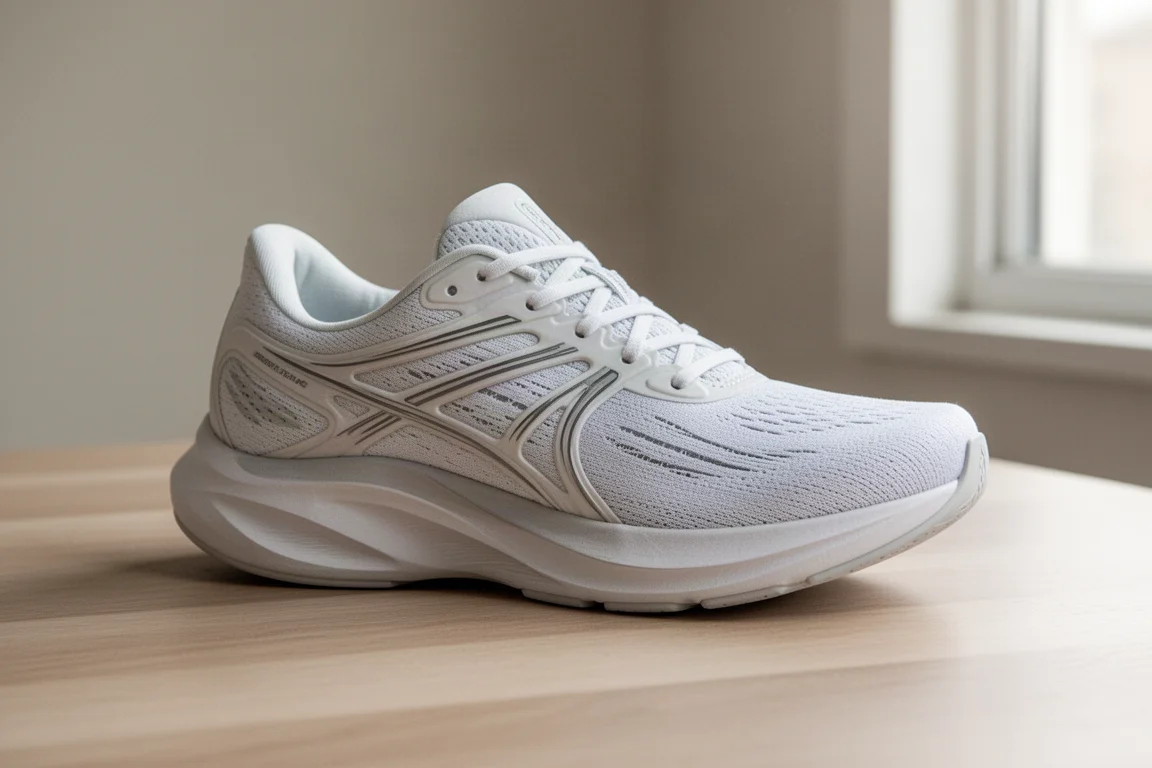
The Exo takes the woven upper and adds an exoskeleton-style overlay for extra support, structure, and durability, plus some extra ventilation holes. It is the best upper in the range for support and stability, and it corrects most of the complaints people had with the original, while staying just as fast and fun.
Two caveats: the top eyelet has been removed, so heel lock lacing is not possible, and it is still less breathable than the original mesh, making the OG the better pick for very hot days. The design leans slightly lifestyle, which means it doubles as a genuinely cool casual shoe.
It is the favorite of the range overall: fun, fast, holds the foot well, and one of the most versatile and best-value running shoes around.
Which Evo SL Is Right for You?
Buy the standard Evo SL if you want the lightest and most breathable option, the biggest color choice, and the best chance of a bargain price, and if stability is not your top concern. Buy the ATR if you run a lot off-road in mixed conditions or want a shoe that handles wet, wintry city miles with dry-ish feet and better grip. Buy the Woven if the original’s lockdown, fit, or wandering tongue bothered you. Buy the Exo if you want the most structure and stability, or simply prefer its quirky, fashion-forward look.
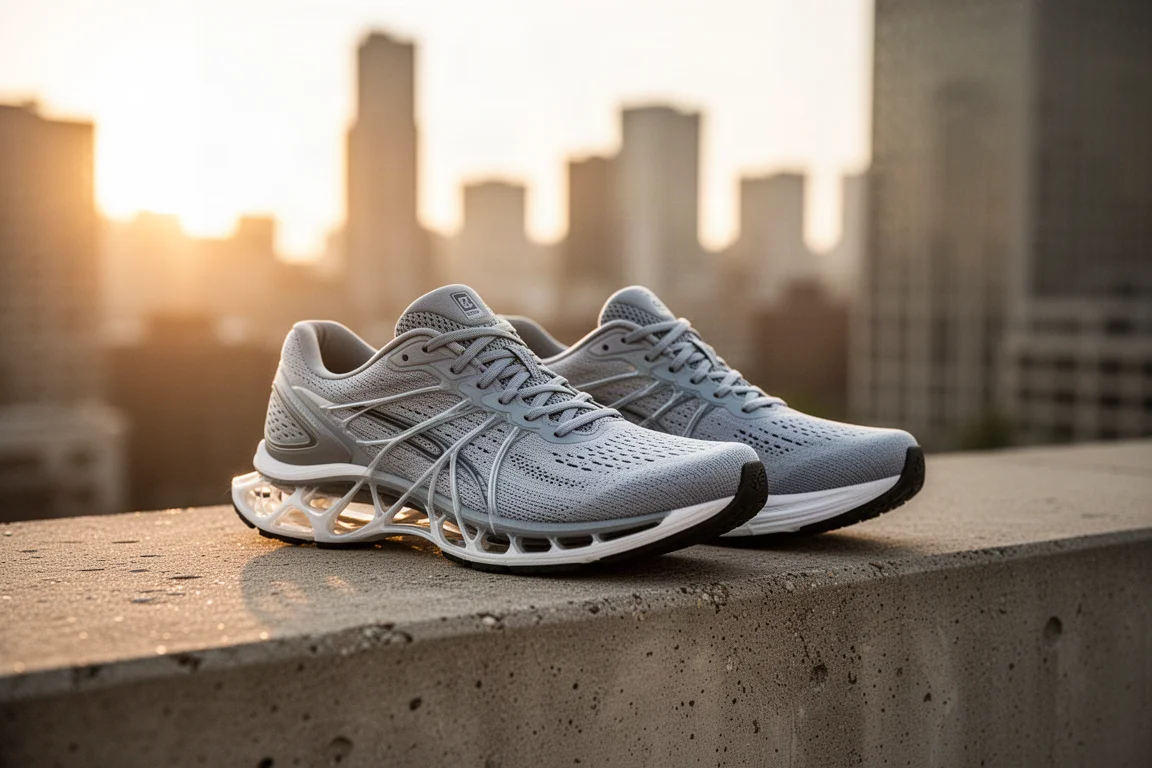
If a great deal on the original turns up, it remains about 95% of the shoe the Exo is at a much lower street price, which is hard to argue with.
Conclusion
The Evo SL family shares the same brilliant Lightstrike Pro midsole, so the choice really comes down to upper, weight, and conditions. For most runners the Exo is the standout thanks to its supportive, well-built upper, but the discounted original is a superb alternative, the Woven fixes fit issues, and the ATR earns its keep once the weather turns.
Further reading
Related Reviews

Running Shoes
Best Road-to-Trail Running Shoes: Three Versatile Options for Mixed Terrain
A practical guide to three road-to-trail running shoes that handle both pavement and mild trails, with clear strengths and trade-offs for different runner types.

Running Shoes
Best Running Shoes for Achilles Tendonitis: Three Options Explained
Three running shoes with different heel drops and support features designed to help reduce Achilles tendon pain during walking and running.

Running Shoes
Best Running Shoes for Women: Five Top Choices Ranked
A ranked guide to five women's running shoes, from versatile daily trainers to high-performance racing options, with real strengths and trade-offs for each.