Running Shoes
Adidas Evo SL After 100 Miles: The Race-Foam Daily Trainer, Plus the Alternatives Worth Knowing
One hundred miles of daily training in the Adidas Evo SL, and how it stacks up against the New Balance Rebel v4, ASICS Novablast 5, and the rest of the Adidas lineup.
Introduction
Some daily trainers are competent. A few are genuinely fun. The Adidas Evo SL sits in that rare second group, because it takes race-grade foam and gives it an everyday job. After 100 miles of daily training, travel, easy runs and honest workout sessions, it has held up far better than its racing pedigree would suggest. This review covers how the Evo SL has worn in, what to know before buying, and the alternatives worth comparing before you spend your money.
The 100-Mile Update
The Evo SL uses Lightstrike Pro, the same foam formula Adidas put in its Adios Pro 3 racing shoe, but shaped with the geometry of the Pro Evo 1. The key difference is what has been removed: there is no carbon plate and no energy rods, just the foam itself. Adidas effectively took a race shoe that was a little too aggressive for everyday running and detuned it into something you can lace up most days of the week.
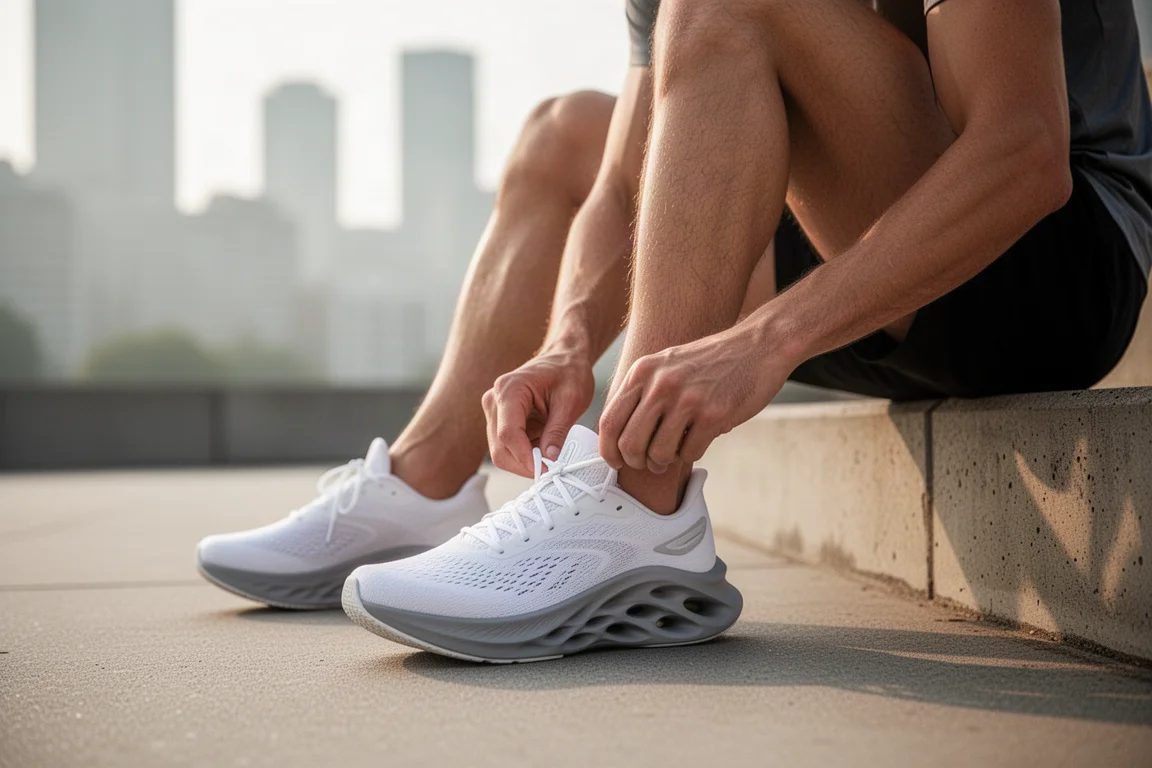
That approach works remarkably well. The foam feels cushioned without being mushy and lively without being harsh, a genuine middle ground between comfort and speed. It handles recovery runs, long runs and faster work including progression runs and threshold repeats. The upper is restrained too: a lightly padded heel cup, a tongue that is not overly puffy, and a nimble overall feel. It also works as a travel shoe, comfortable enough to wear casually around a city and capable enough for a proper run the same day.
How It Held Up Over 100 Miles
Race foams are typically built for performance, not durability, so the big question was whether Lightstrike Pro would fade quickly in a training role. The short answer: it has not.
Visually, there is some creasing along the midsole, and the ride has changed subtly. The shoe has drifted slightly to the firm side for the day after a hard workout or for a second run in the afternoon, and it is no longer the first choice for those recovery days when maximum softness is the priority. But it remains enjoyable for daily training and still feels fast and snappy when the pace picks up.
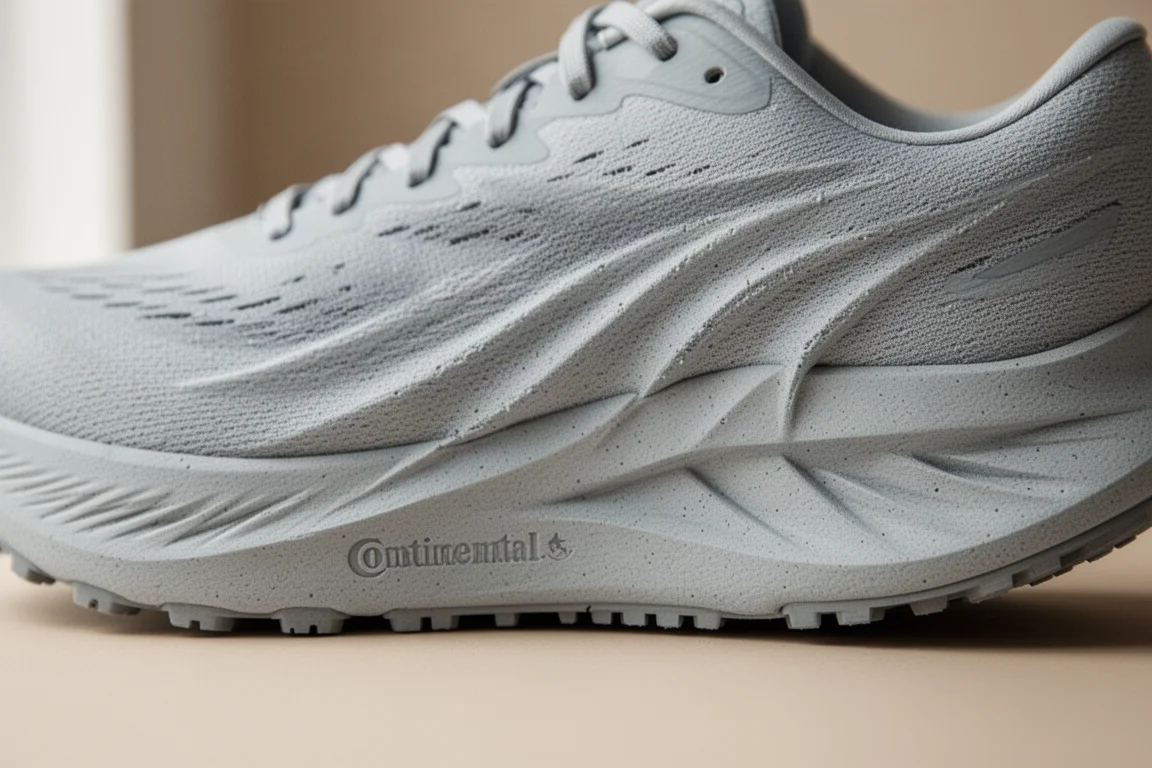
The outsole uses a very thin layer of Continental rubber, which initially raised concerns. After 100 miles it is doing its job well: grip is good, and while light etching in the design has started to wear away in the highest-wear area at the outer heel, the rubber itself is not chipping or wearing through toward the midsole. The large amount of exposed midsole foam at the rear of the shoe, a normal sight on a race shoe, also shows little damage despite regular street use, apart from one small puncture from stepping on a rock or twig.
The upper was all white out of the box and now shows light staining, plus some discoloration near the front of the ankle from dark socks and friction at the top of the tongue. The non-gusseted tongue can bunch slightly on longer runs, a minor annoyance rather than a real problem. Fit remains roomy and comfortable even when feet swell during travel. Going with your normal running shoe size is the right call for most people.

The name comes from the Pro Evo 1, a shoe never designed to last long. The worry was that the Evo SL would inherit that short lifespan. It has not. There are still many enjoyable miles left in this pair, and the foam response on a long, hilly run felt far from end of life.
The Best Alternatives
No daily trainer exists in a vacuum. These are the shoes worth comparing against the Evo SL before deciding.
New Balance Rebel v4
A previous favorite daily trainer, the Rebel v4 chases the same idea as the Evo SL: elevated materials in a shoe you can run in every day. It uses a PEBA-based race-grade foam blend mixed with more conventional training foam. That blend initially looked like a cost-saving compromise, but over 100 miles it proved well suited to the shoe’s purpose. It handles daily training and speed work well, looks good enough to cross over into casual wear, and comes in at $140, ten dollars less than the Evo SL.
ASICS Novablast 5
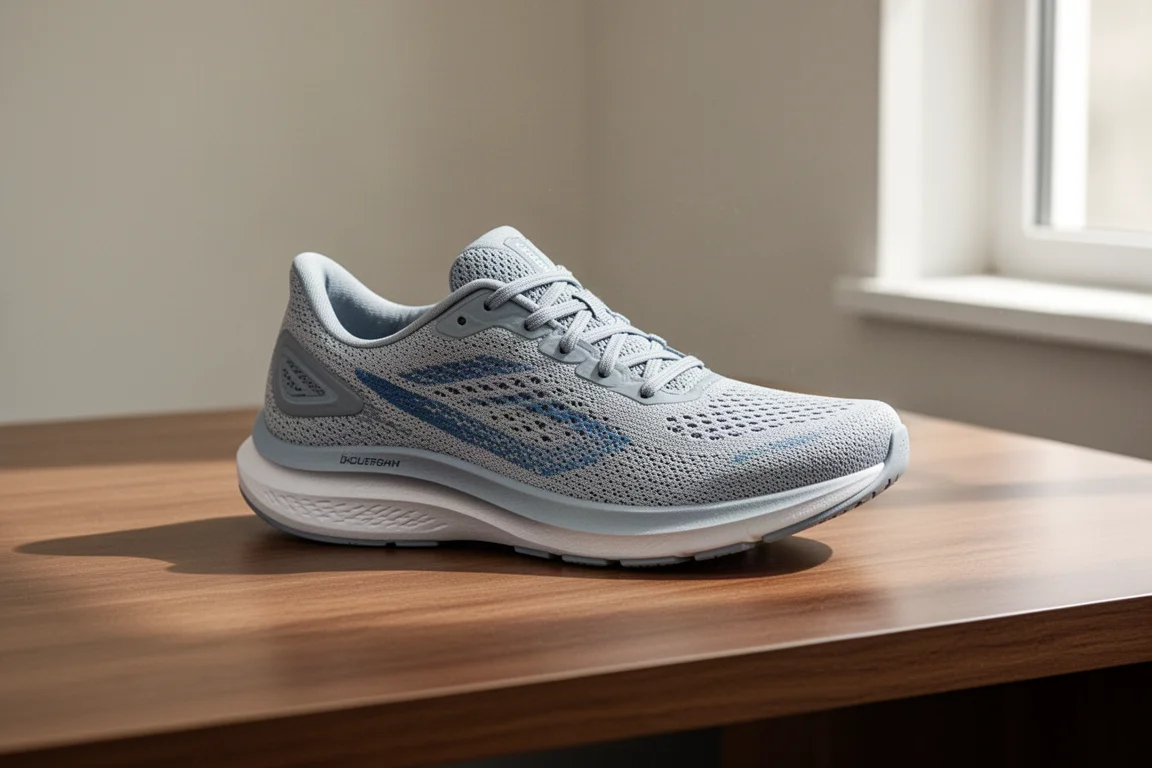
The Novablast 5 sits in the same conversation and has been a near-permanent fixture at the top of daily trainer rankings. It leans slightly more toward pure daily training: more cushioned, more comfortable, with plush padding at the heel that makes easy and recovery runs feel great, though arguably a touch too padded. The practical difference is simple: the Evo SL is better for workouts and faster running, the Novablast 5 is better for relaxed, everyday miles.
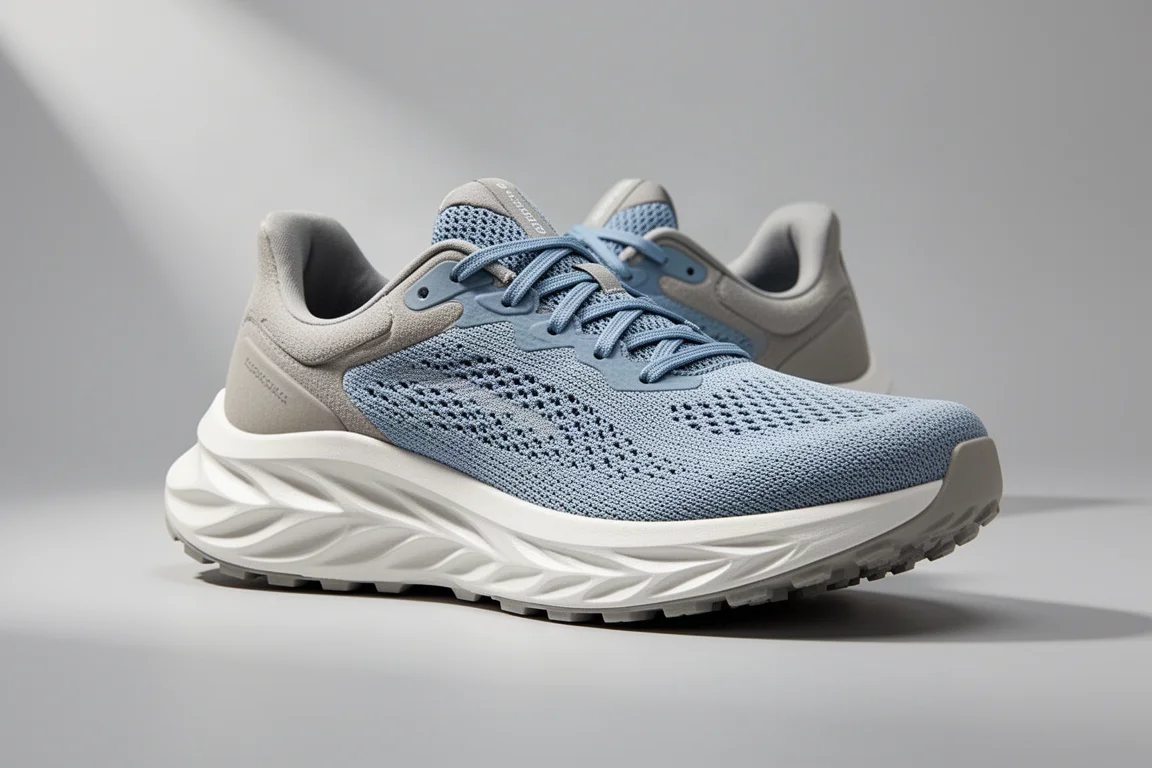
Adidas Adios Pro 4
If you want a proper race day shoe to pair with the Evo SL in a two-shoe rotation, the Adios Pro 4 is the natural choice. It is the racing counterpart that the Evo SL was detuned from, and it suits runners who find something like the Pro Evo 1 too aggressive for the full marathon distance.
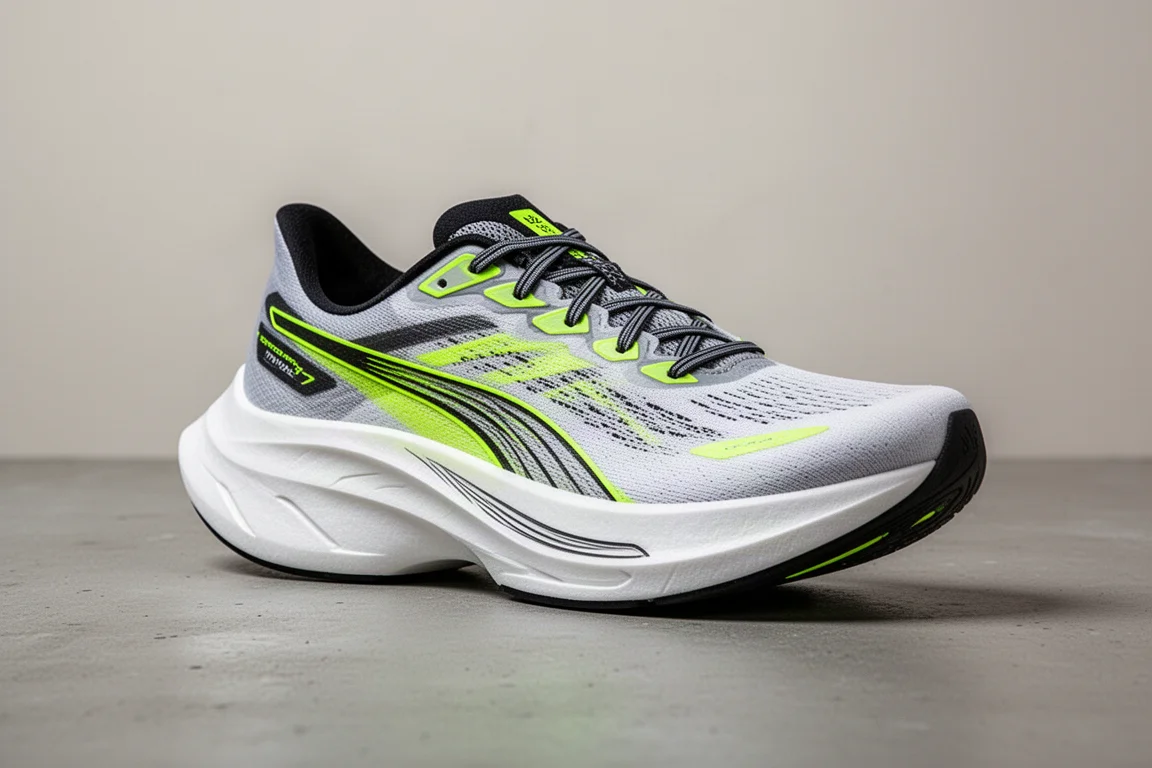
Adidas Boston 13
For the day after a hard session, when the Evo SL feels a touch firm, the Boston 13 fills the cushioned slot. It has energy rods for structure, a stabilizing element along the side, and a two-layer midsole with Lightstrike Pro on top and firmer Lightstrike in the heel. It suits longer time on your feet, picking up the pace on long runs, and it doubles as comfortable casual wear.
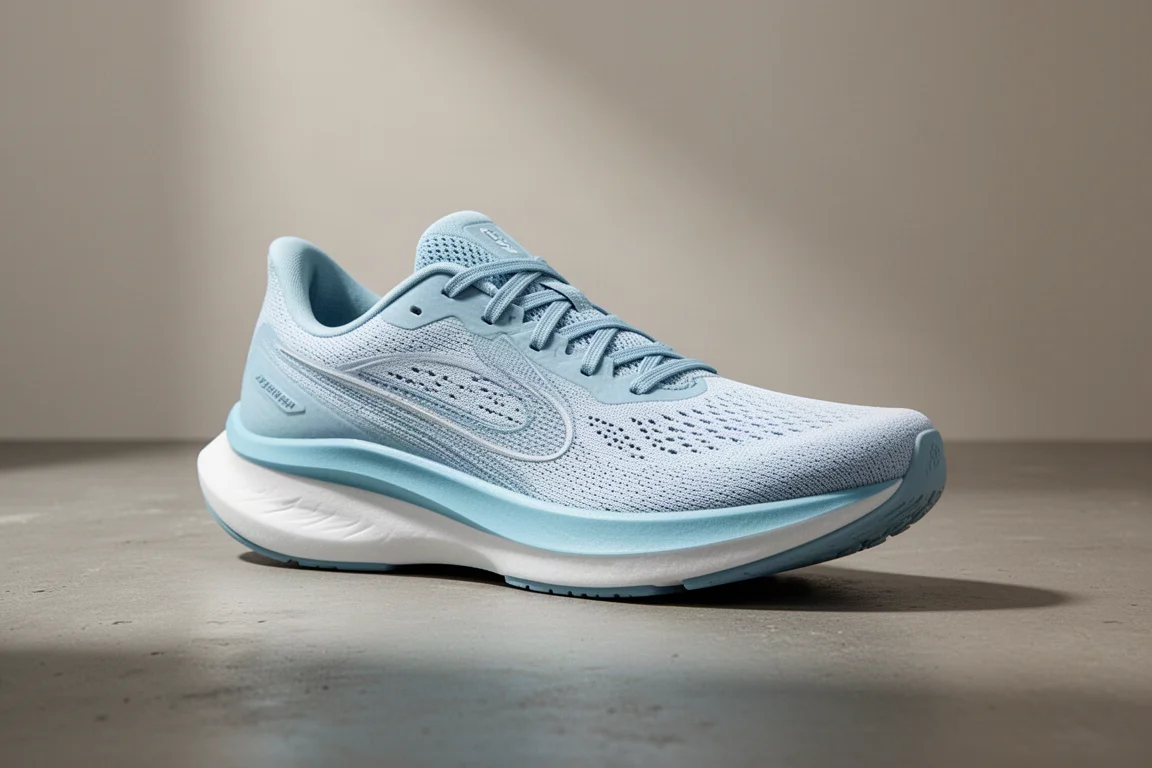
Adidas Takumi Sen 10
The gap between daily trainer and race shoe is where the Takumi Sen 10 lives. Built as a 5K and 10K race shoe, with energy rods and Lightstrike Pro, it is a favorite speed-day shoe for flat, fast workouts. Stronger runners can stretch it toward the half marathon, but as a workout shoe for shorter, quicker sessions it is hard to beat.
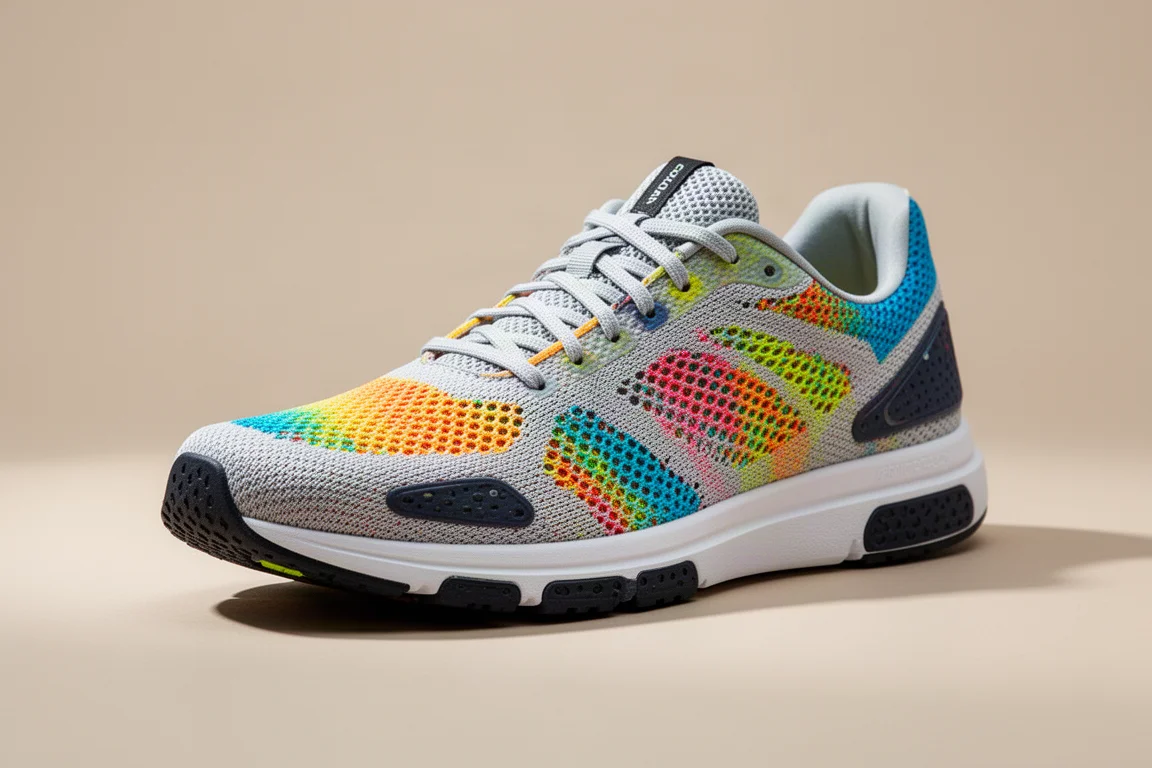
Adidas Pro Evo 1
The Evo SL’s direct inspiration is a very different proposition: a roughly $500 concept shoe with an extremely short lifespan and a special, ultralight version of Lightstrike Pro. This is an either-or decision, not a both-shoes pairing. If you choose the Pro Evo 1, it replaces the Adios Pro 4 as your race day shoe rather than sitting alongside the Evo SL.
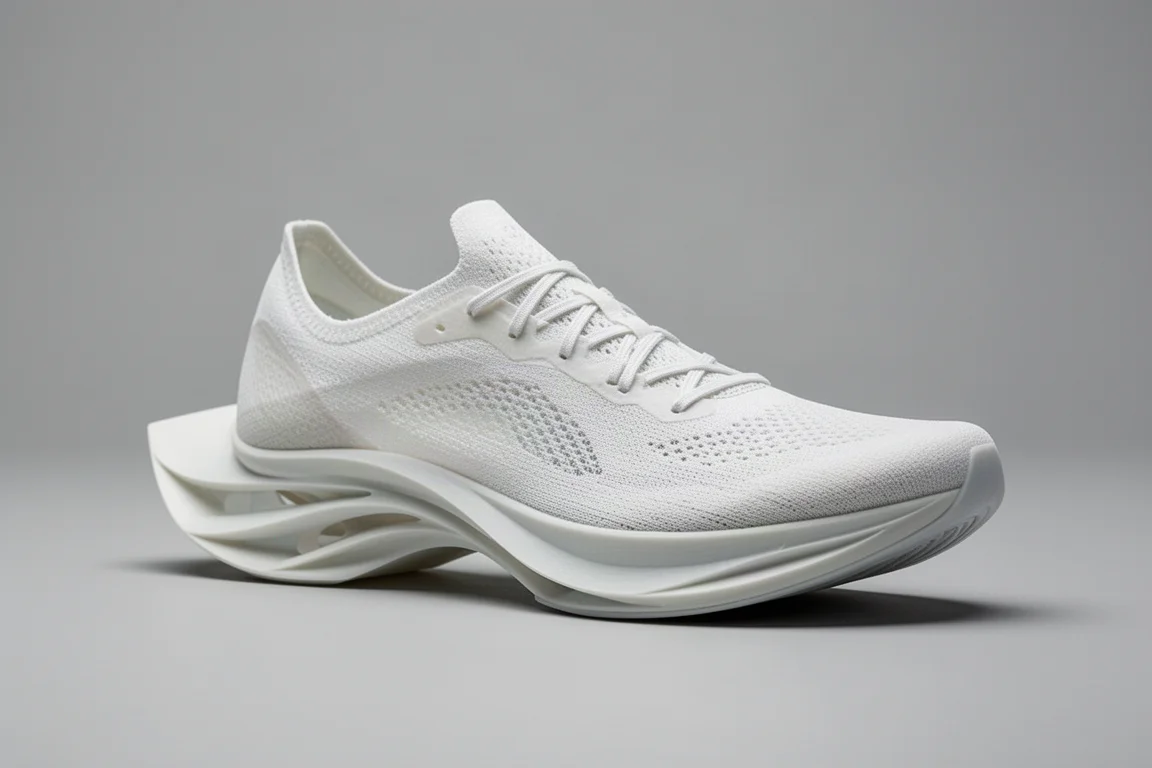
Adidas Prime X 2 Strung
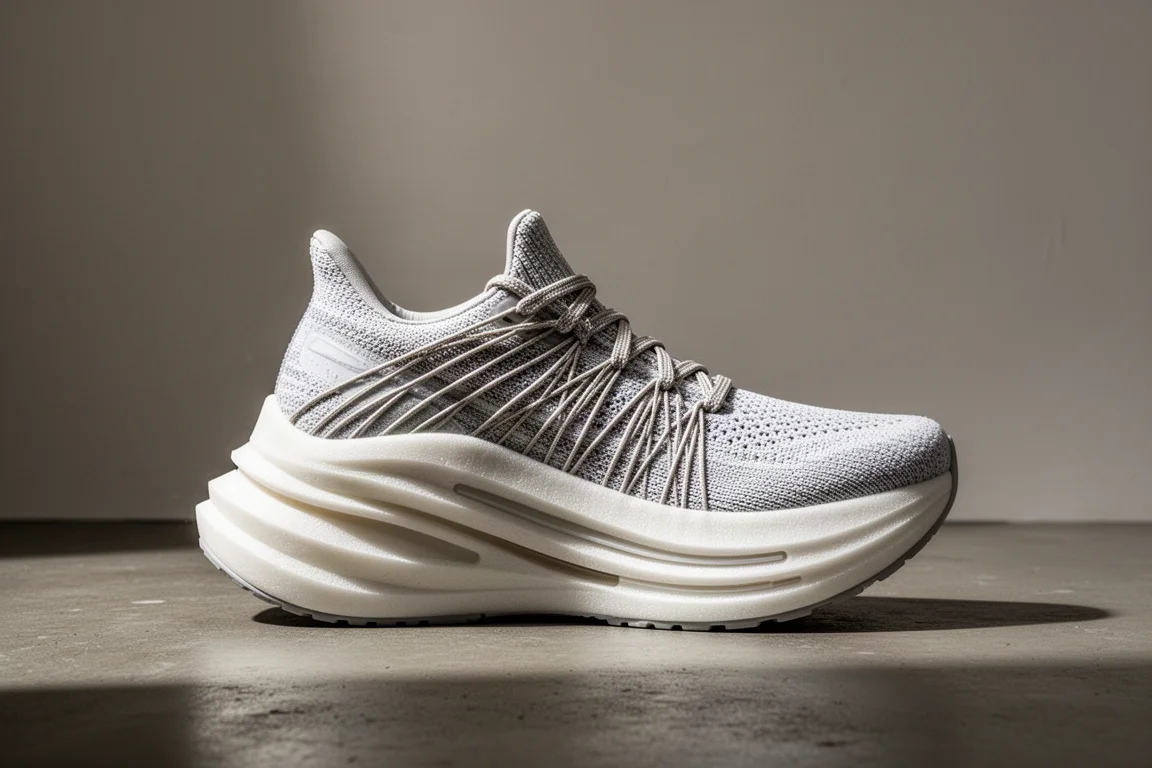
For a fifth shoe, or as an alternative to the Boston 13, the Prime X 2 Strung is the fun option. It carries a jumbo 50mm stack, two layers of rigid elements, and technically breaks the rules, but it is a genuinely enjoyable long-run shoe with far more cushion than anything else in the lineup.
Building an Adidas Rotation
A sensible way to assemble the lineup: the Evo SL as the daily trainer and the centerpiece of the rotation, the Takumi Sen 10 for short and fast speed days, and the Adios Pro 4 for race day. Add the Boston 13 if you want more cushion on recovery days, and the Prime X 2 Strung if you want a max-cushion long-run toy. That five-shoe collection, spanning the Prime X 2 Strung at $300, the Takumi Sen 10 at $180, the Evo SL at $150 and the Pro Evo 1 at $500, is about as premium as a shoe rotation gets.
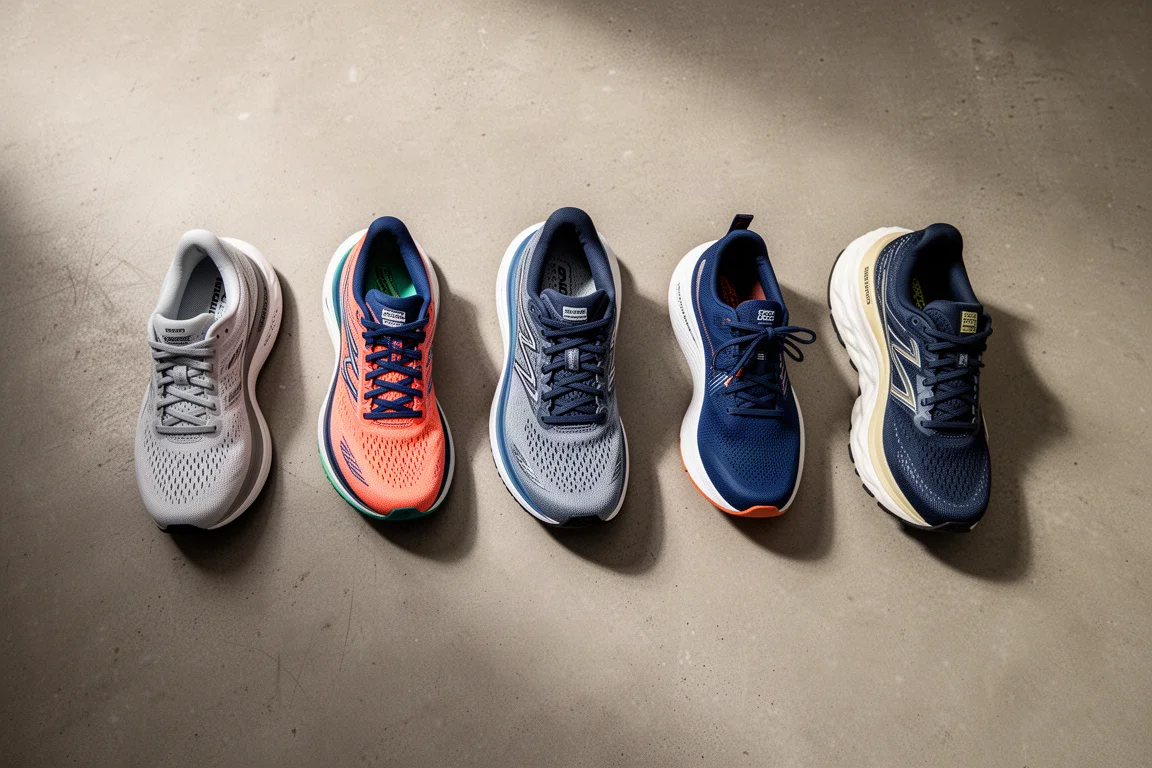
The Evo SL is currently sold out on the Adidas website, though pairs may still be available at run specialty retailers. At $150 it costs a little more than comparable daily trainers, but race-grade foam in a daily package justifies the premium for many runners.
Conclusion
After 100 miles, the Evo SL has earned its reputation. The Lightstrike Pro midsole has outlasted expectations, the outsole rubber is barely showing wear, and the shoe still delivers a fast, fun ride across nearly every pace. The main trade-offs are the slightly firm feel on recovery days, a non-gusseted tongue that can shift on long runs, and a price that sits above similar trainers. If your running leans toward relaxed and plush, the Novablast 5 is the better fit; if you want more versatility at a lower price, the Rebel v4 earns its place. But if you want a daily trainer that brings race-day excitement to everyday miles, the Evo SL is the one to beat.
Further reading
Related Reviews

Running Shoes
Best Road-to-Trail Running Shoes: Three Versatile Options for Mixed Terrain
A practical guide to three road-to-trail running shoes that handle both pavement and mild trails, with clear strengths and trade-offs for different runner types.

Running Shoes
Best Running Shoes for Achilles Tendonitis: Three Options Explained
Three running shoes with different heel drops and support features designed to help reduce Achilles tendon pain during walking and running.

Running Shoes
Best Running Shoes for Women: Five Top Choices Ranked
A ranked guide to five women's running shoes, from versatile daily trainers to high-performance racing options, with real strengths and trade-offs for each.