Running Shoes
Adidas Boston 13 vs Saucony Endorphin Speed 5: Two Classic Speed Trainers Compared
The Boston 13 and Endorphin Speed 5 are the standard bearers of the speed training category. Here is how they differ on foam, ride, comfort, grip, and price.
Introduction
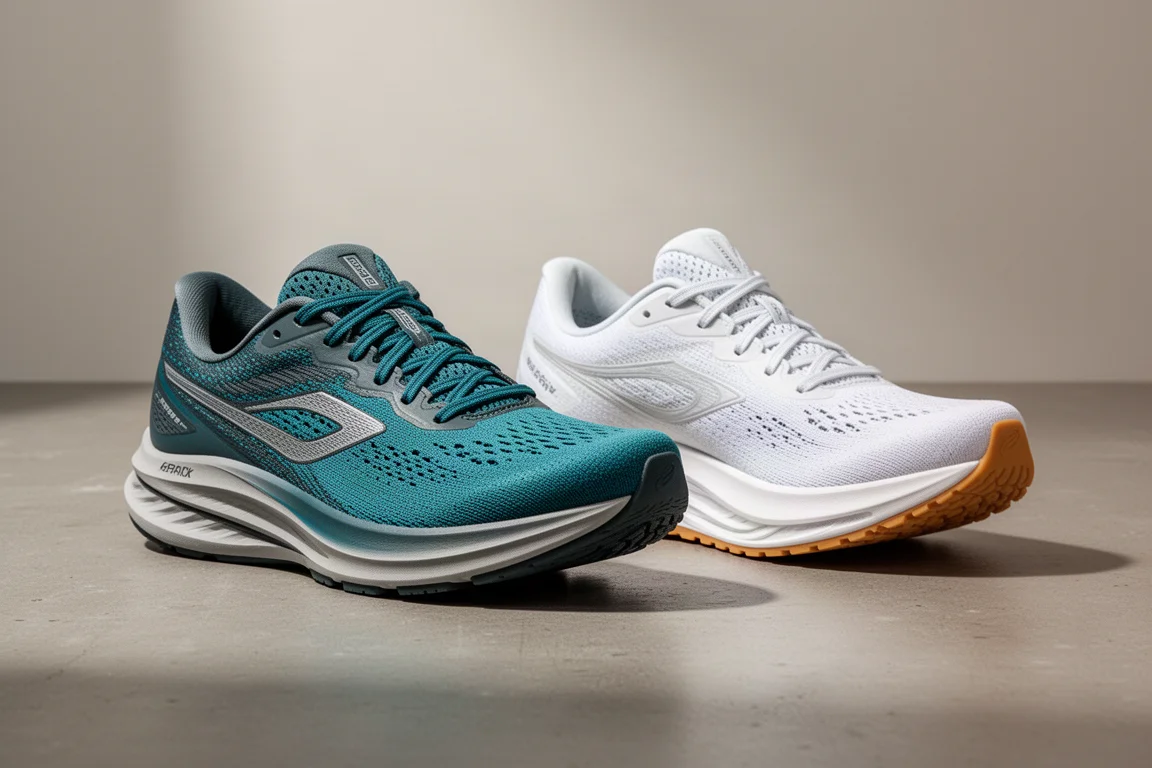
The Adidas Boston 13 and the Saucony Endorphin Speed 5 are two of the most established names in the speed training shoe category. Both are designed as versatile alternatives to full carbon racing shoes: cheaper, more comfortable, and more durable, while still offering a genuinely fast ride. In this comparison, we put them back to back on the road, including a rainy-day workout with pace repeats, to see where each one shines and where it does not.
Adidas Boston 13: The Firm Workhorse
The Boston 13 is built around a two-layer midsole: a bottom layer of Lightstrike 2.0, a standard training foam, and a top layer of Lightstrike Pro race foam with carbon fiber rods. Those rods add stiffness without making the shoe rigid, giving the Boston a bend that threads the needle between a fast shoe and a comfortable one. The front of the upper uses lightweight, almost plasticky race-style material, while the rear has a sturdier, more structured daily-trainer build.
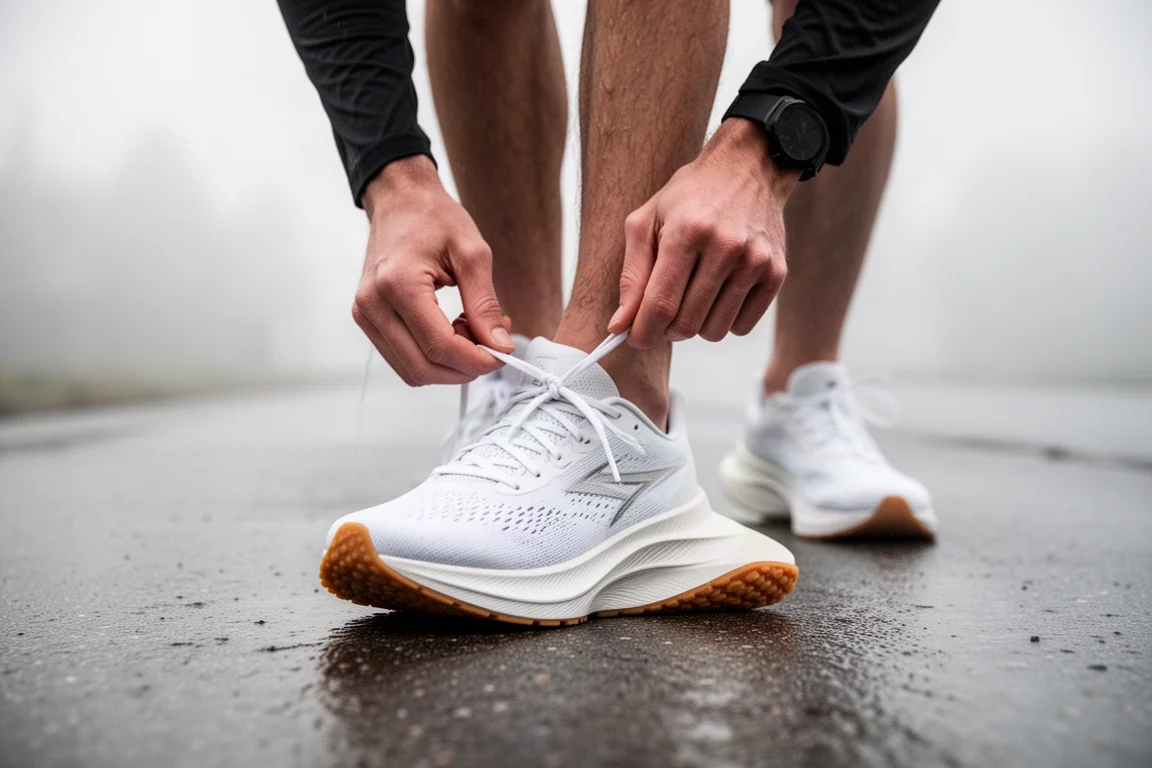
On the scale, the Boston 13 came in at 275 grams, about 15 grams heavier than the Speed 5, likely due to the standard EVA in the rear. That extra weight and sturdiness translate into a platform that never feels mushy. It is a lower, flatter geometry at roughly 34 to 35 millimeters of stack in the heel, with a traditional feel that rewards pushing the pace. With Continental rubber on the outsole, grip was excellent on wet roads and gravel alike, and the shoe held up impressively over two 20-mile long runs.
Saucony Endorphin Speed 5: Soft, Bouncy, Rockered
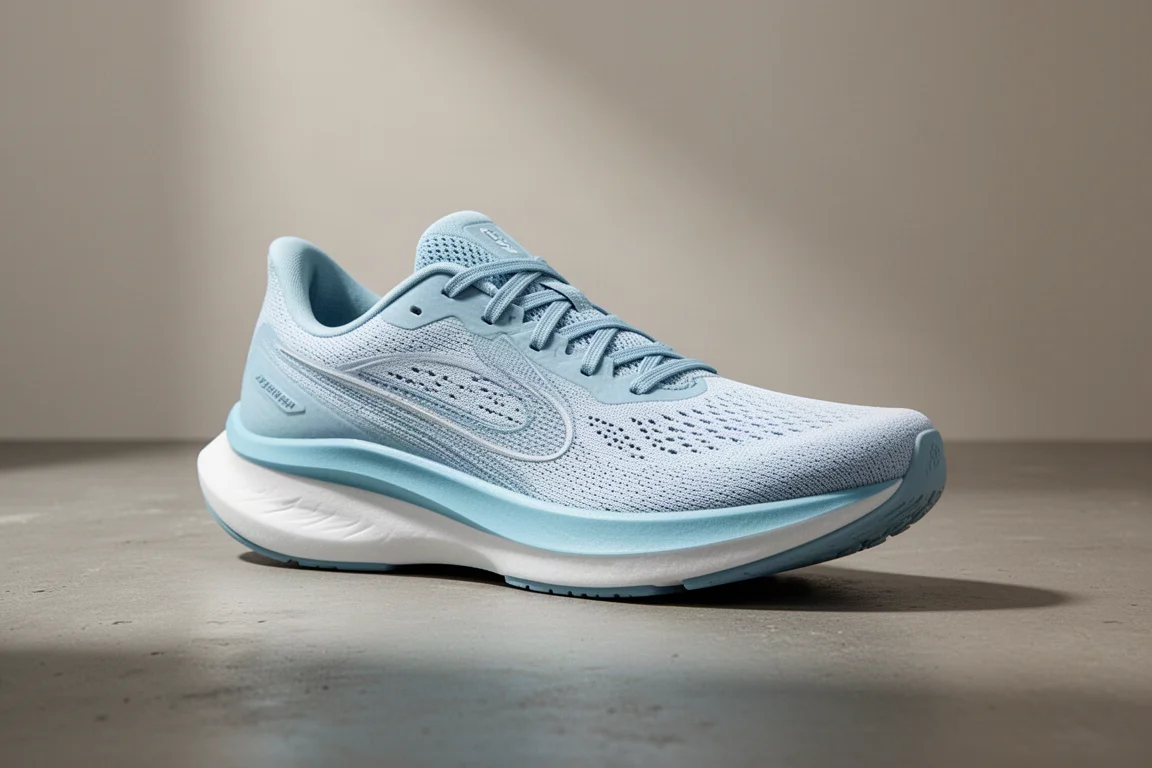
The Endorphin Speed 5 runs on a 100% PEBA midsole with a nylon plate, returning to the softer feel of the Speed 3 after the firmer Speed 4. Saucony brands its signature geometry as Speed Roll, a curved rocker that dominates the ride. At 260 grams it is the lighter shoe, and its stack is slightly taller at around 37 to 38 millimeters in the heel, so you sit a couple of millimeters higher than in the Boston.
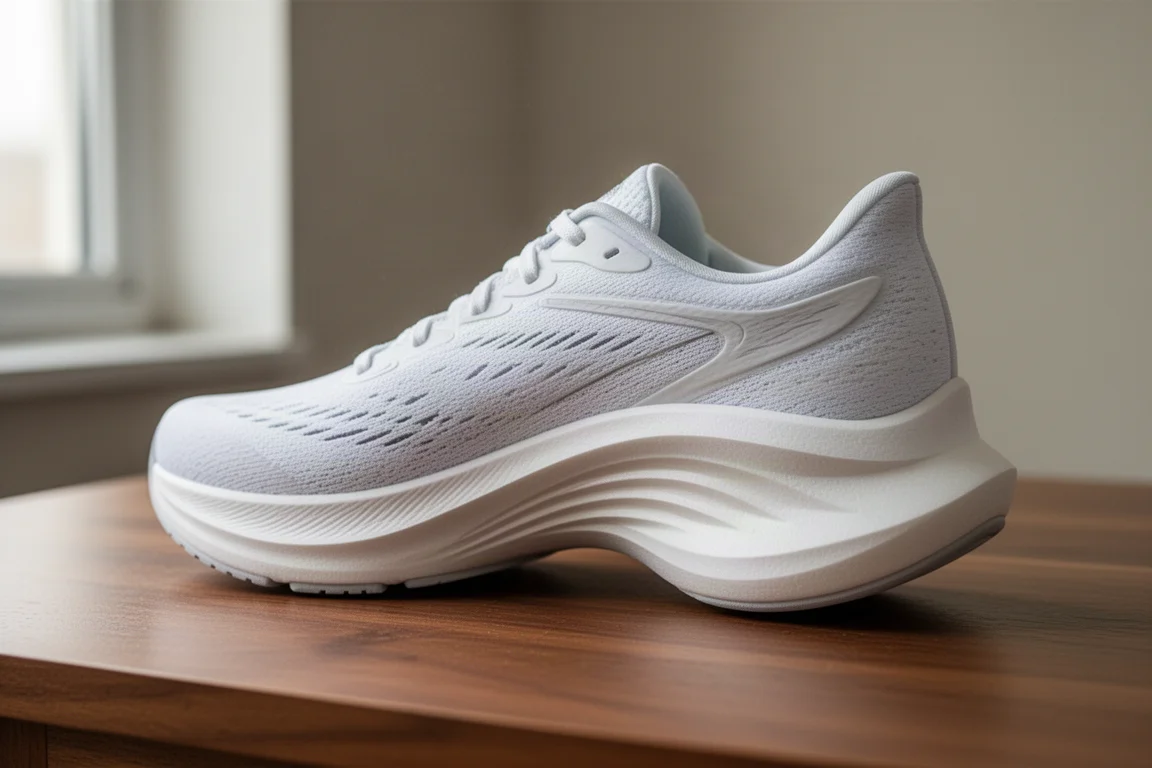
Where the Speed 5 really earns its keep is comfort and fun. The upper is lightweight and forgiving, without the narrow toe box of the Speed 4, and it fits generously, especially with a thin sock. The ride is soft, bouncy, and rockered, with just the right amount of assistance rather than aggressive propulsion. On easy and moderate daily paces it feels effortless, but when cranking 530 pace repeats, that classic PEBA softness shows up: effort outruns speed, and the forefoot flexes noticeably where the Boston’s rods stay firm.
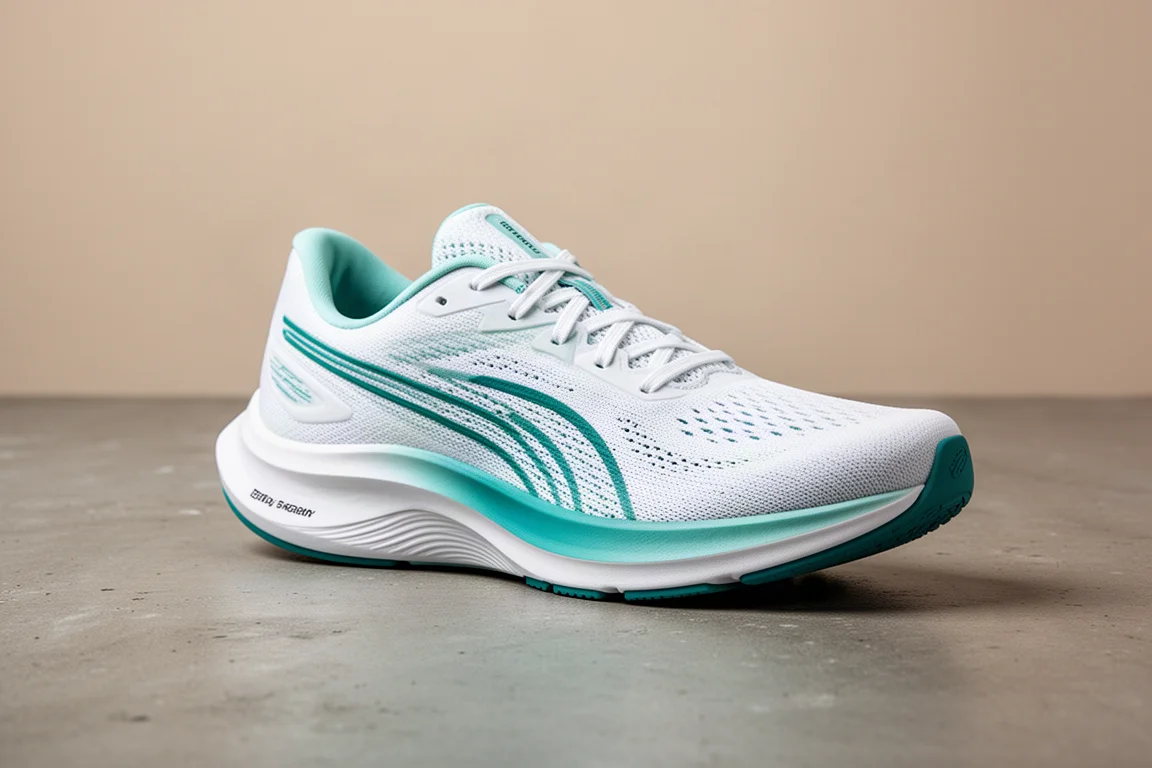
Head-to-Head on the Road
On the road, the differences became clear quickly. For pure speed, the Boston 13 was not even close: the firmer platform and energy rods provide something to push against, and a similar-effort 400 split came out several seconds faster than in the Speed 5. For comfort, fun, and cruising capability, the Speed 5 takes it, with a more cushioned, joyful ride that makes easy miles feel great. Both uppers are excellent, both fit true to similar length in the same size, and both handled wet pavement and gravel without slipping.
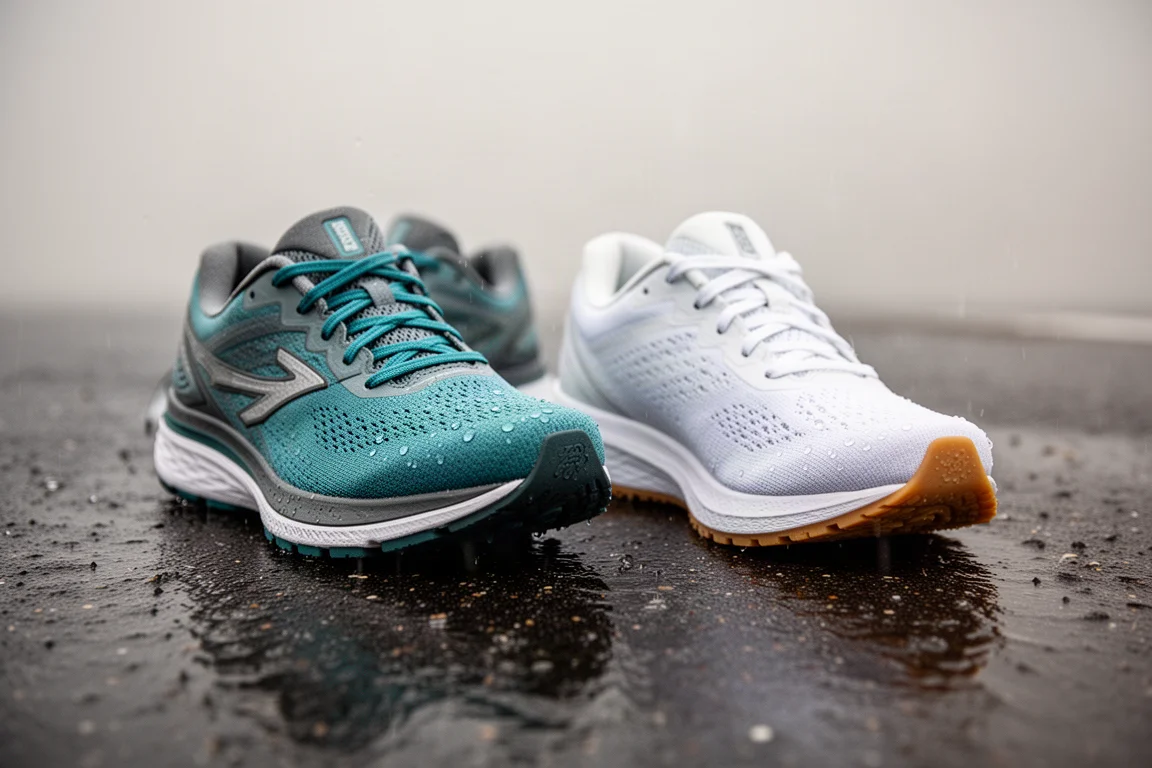
On price, the Boston 13 sits at $160 and the Speed 5 at $175. The $15 difference is unlikely to break the bank, and both remain roughly $100 cheaper than their carbon-placed race counterparts, the Adidas Adizero line at $250 and the Saucony Endorphin Pro at $240 to $290. Both are also likely more durable than those race shoes.
Which One Should You Buy?
The choice comes down to what pairs with the rest of your rotation. If you want a shoe for true workouts, track sessions, and pushing the pace, or if you are a bigger or more powerful runner, the Boston 13 is the safer bet: it is firmer, more stable, more locked in, and proven over long runs. If you want something for fun, soft, comfortable daily miles, especially if you have a wider foot or a higher cadence, the Speed 5 is the better pick, and it is the friendlier choice as a daily trainer.

A practical way to decide: if your existing daily trainer is already very comfortable and you want something speedy to pair with it, go Boston. If you already own a race shoe or a daily trainer that handles speed, and just want a comfortable, fun second shoe, go Speed. Either way, you are choosing between two of the best-executed shoes in the class.
Conclusion
The Boston 13 and the Endorphin Speed 5 are both excellent at exactly what they set out to do. The Boston brings the firm, durable, workhorse speed, while the Speed 5 brings soft, bouncy, all-day comfort. Do you want comfort or speed? Soft or firm? Pick your priority, and you cannot go wrong.
Further reading
Related Reviews

Running Shoes
Best Road-to-Trail Running Shoes: Three Versatile Options for Mixed Terrain
A practical guide to three road-to-trail running shoes that handle both pavement and mild trails, with clear strengths and trade-offs for different runner types.

Running Shoes
Best Running Shoes for Achilles Tendonitis: Three Options Explained
Three running shoes with different heel drops and support features designed to help reduce Achilles tendon pain during walking and running.

Running Shoes
Best Running Shoes for Women: Five Top Choices Ranked
A ranked guide to five women's running shoes, from versatile daily trainers to high-performance racing options, with real strengths and trade-offs for each.