Running Shoes
Adidas Boston 13 vs Puma Deviate Nitro 3: The German Speed Trainer Showdown
Two plated speed training shoes with a similar race foam formula, very different personalities. Here is which one fits your running better.
Introduction
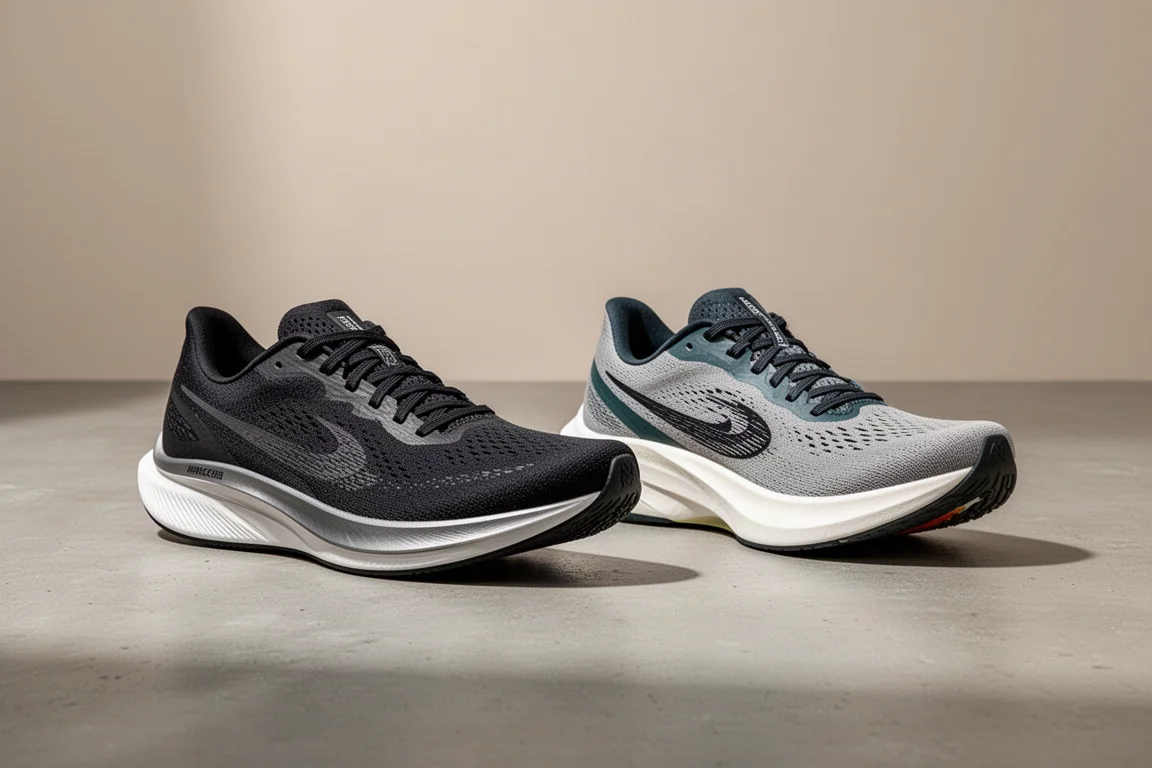
Some comparisons produce a clear winner. This is not one of them. The Adidas Boston 13 and the Puma Deviate Nitro 3 share a nearly identical recipe: a top layer of race foam, a bottom layer of standard training foam, and a plate or rod structure in between. Both retail at $160, both are built to handle a wide variety of runs, and both earned very high marks in testing. Yet they feel meaningfully different on foot, and the right choice depends entirely on what you want from a speed training shoe.
The Similar Formula
The Deviate Nitro 3 was one of the favorite plated trainers of its release year: a full carbon fiber plate sandwiched between a top layer of Puma’s race foam and a bottom layer of more standard training foam. The Boston 13 takes the same idea and swaps the plate for rods, using Lightstrike Pro on top and Lightstrike 2.0 below.
Both shoes are intentionally more traditional than the wilder super trainer options. There is no huge rocker, no aggressively scooped geometry, and only around 36 mm of foam in the Boston 13, well below the roughly 38 to 40 mm found in shoes like the Hoka Mach X2. If you want maximum modern speed assistance, neither of these is that shoe. If you want a calm, capable trainer that can still rip, keep reading.

Adidas Boston 13: The Comfortable Speed Trainer
The Boston 13 surprises with comfort. Step-in feel is plush for an Adidas speed shoe, the midfoot is roomy, and the toe box is genuinely generous, fixing one of the main complaints about the previous version. The upper is also more breathable than the Puma’s. After a short break-in, the Lightstrike Pro top layer softens up nicely and the whole package molds to the foot.
The magic shows up at speed. The rods direct energy forward instead of letting it sink into the foam, the forefoot feels connected rather than mushy, and getting up on the forefoot to run fast is remarkably easy. In fast tempo work it outperformed shoes with more aggressive reputations, and it rewards runners who put power through the platform. The trade-off: at an easy 7:35 pace, it feels like a 7:35. You do the work.
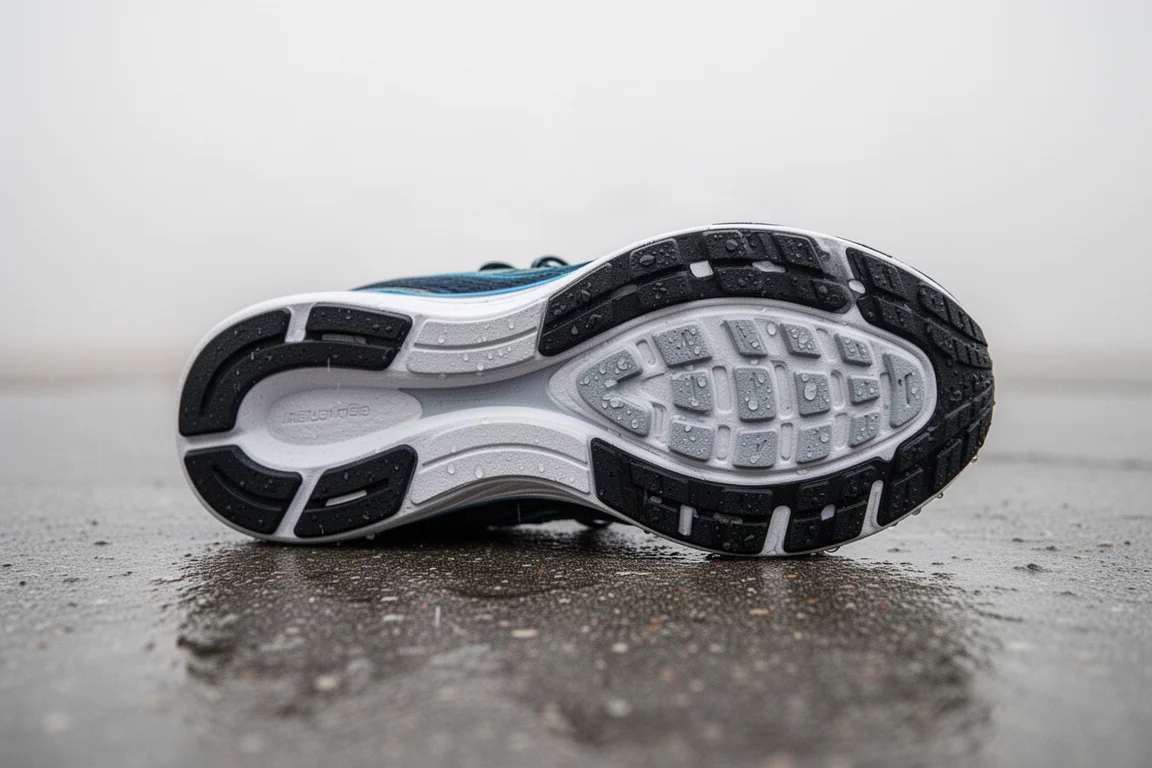
Grip is a standout thanks to Continental rubber on key contact points, and at 275.5 g in the tested size it also feels lighter than the Puma. Measured after about 50 miles, the heel came in at 34 mm with roughly 31 mm at the forefoot, a low, flat, traditional profile that suits heel strikers and turnover-focused runners.
Puma Deviate Nitro 3: Built-In Speed Assistance
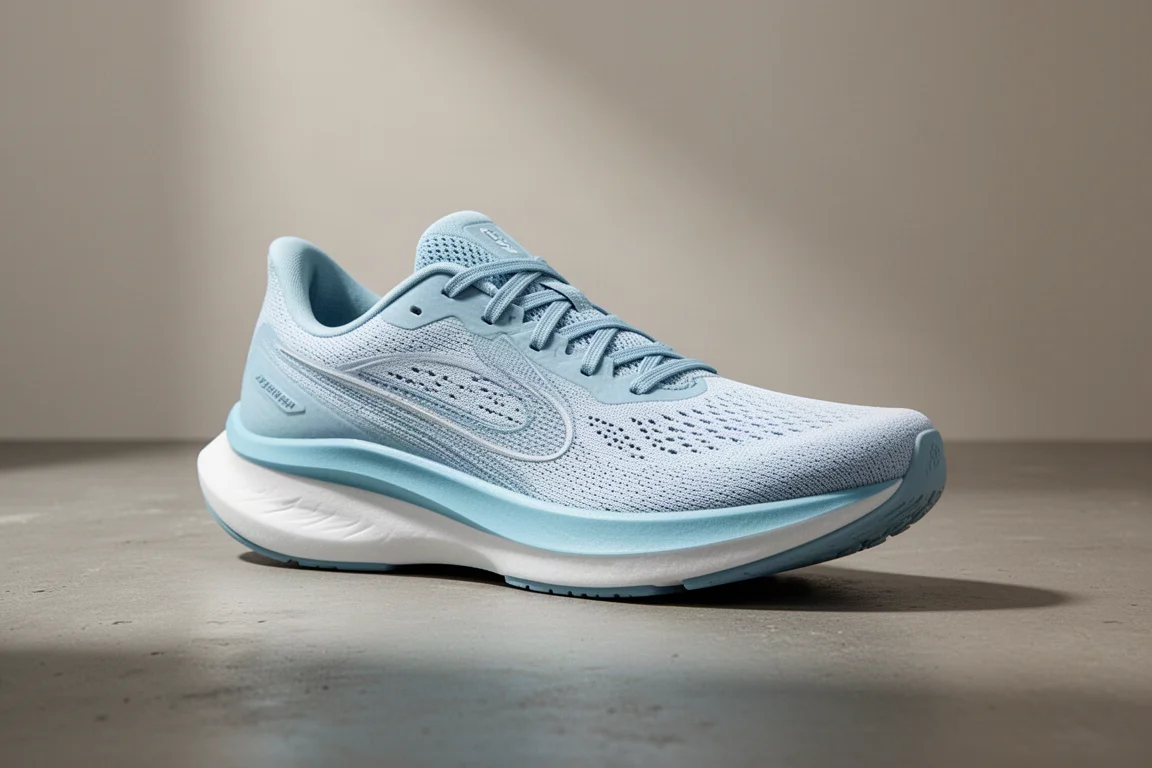
The Deviate Nitro 3 leans the opposite direction. It is firmer stepping in, more cushioned in the heel, and heavier at 284 g in the tested size, with a taller 38 mm heel measurement. The 10 mm drop is noticeable; heel strikers get a comfortable landing platform, though a community-measured pair compressed over time to a functional drop closer to 8 mm after about 80 miles.
This is the shoe that gives back. At everyday paces the bounce quietly pulls you along: start at an 8:00 pace and you drift down to 7:20 or 7:30 without forcing it. It feels like a daily trainer that lives at the faster end of your easy miles, similar in use case to the Saucony Endorphin Speed 3. It never begs for a hard workout, and it doubles beautifully as a recovery-run shoe.

The one real drawback is fit. The toe box and midfoot are narrow and shallow, and runners with wide or high-volume feet should simply look elsewhere; even average-width feet may feel pinched. The upper material also stains easily in wet conditions, so expect these to look rough faster than most shoes.
Head-to-Head Verdict
Put simply: the Boston 13 is the better fit, the better high-end speed shoe, and the more refined package, while the Deviate Nitro 3 offers more cushion, more bounce at slower paces, and more built-in assistance.
If a typical easy pace is 7:35, the Boston 13 will give you 7:35 and ask you to work for it. The Deviate Nitro 3 will hand you something closer to 7:22. Choose the Puma if you want comfort and a tailwind at daily paces; choose the Boston 13 if you want a shoe that responds when you push and fits almost any foot.
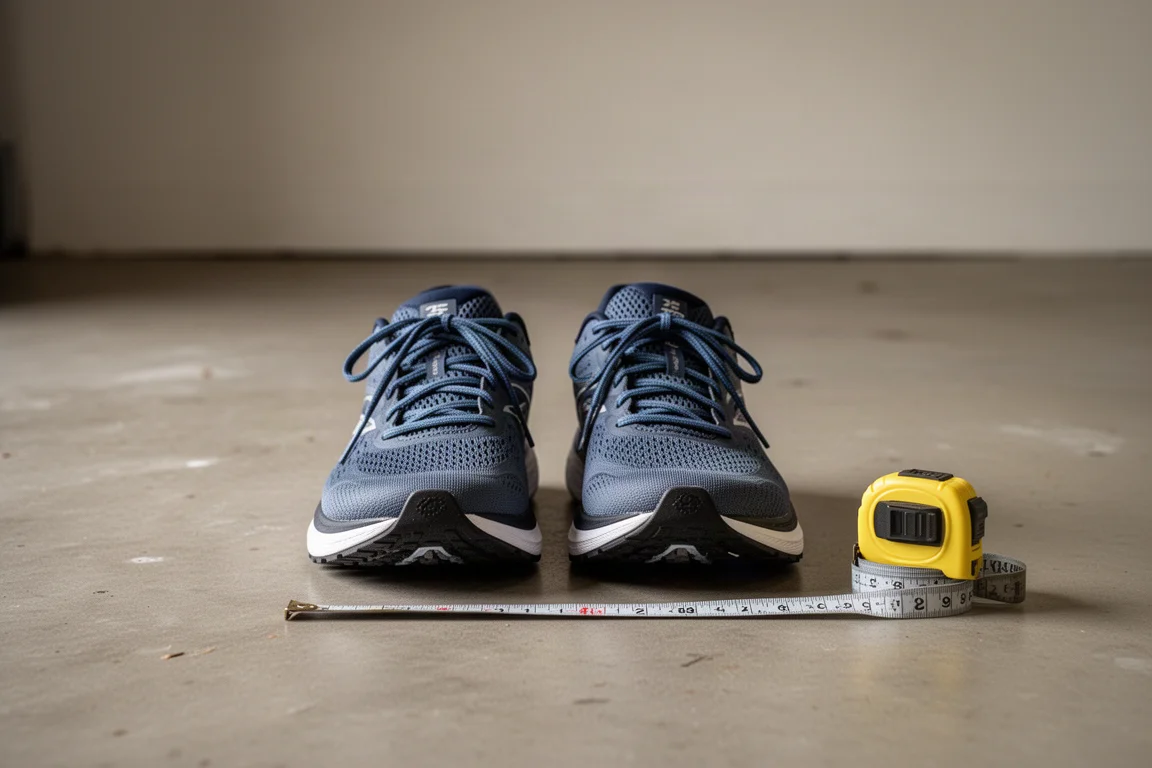
One safety note that applies to both: the shoes themselves do not cause injury. What causes problems is false confidence, jumping into hard running in a new plated shoe before your body is ready. Rotate shoes, progress sensibly, and both of these will serve you well.
Conclusion
Both shoes are excellent, and this one really is a feel decision. The Boston 13 is the streamlined, connected, do-more-of-the-work option with the roomier fit and better top-end speed. The Deviate Nitro 3 is the cushioned, bouncy, comfort-first option that makes easy days feel quicker. Pick based on which of those runners you actually are.
Further reading
Related Reviews

Running Shoes
Best Road-to-Trail Running Shoes: Three Versatile Options for Mixed Terrain
A practical guide to three road-to-trail running shoes that handle both pavement and mild trails, with clear strengths and trade-offs for different runner types.

Running Shoes
Best Running Shoes for Achilles Tendonitis: Three Options Explained
Three running shoes with different heel drops and support features designed to help reduce Achilles tendon pain during walking and running.

Running Shoes
Best Running Shoes for Women: Five Top Choices Ranked
A ranked guide to five women's running shoes, from versatile daily trainers to high-performance racing options, with real strengths and trade-offs for each.