Running Shoes
Adidas Boston 13 vs Asics Superblast 2: Which Daily Trainer Deserves a Spot in Your Rotation?
Two popular daily trainers with very different personalities: the firm, responsive Boston 13 or the big, soft Superblast 2. Here is how they compare on specs, fit, ride, and value.
Introduction
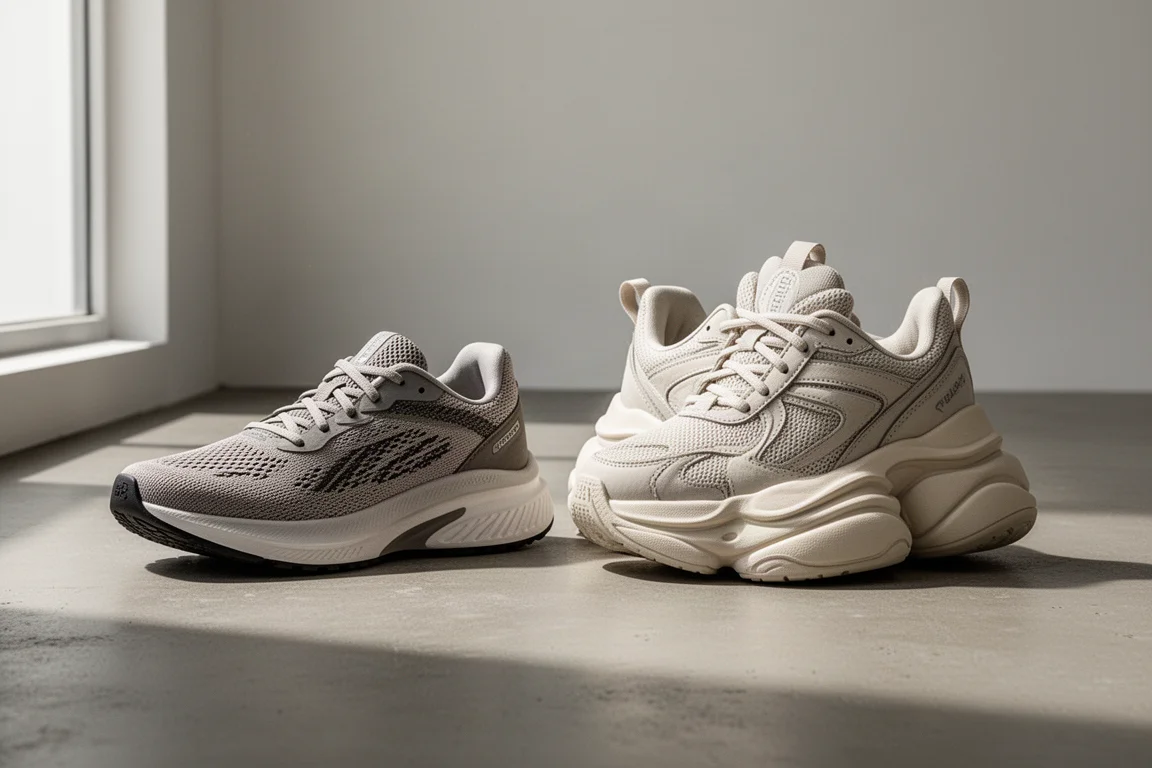
Both of these shoes are built to eat most of your daily training mileage, but they take very different approaches to the job. The Asics Superblast 2 is a big, soft, max-stack beast. The Adidas Boston 13 goes for a lower, more direct, compact ride.
So which one belongs in your rotation? After plenty of miles in both, here is how they stack up.
Specs and Construction
The numbers set the tone early. The Boston 13 packs 36mm of stack in the heel and 30mm in the forefoot for a 6mm drop. The Superblast 2 ramps up the midsole wedge with a massive 45mm in the heel and 37mm in the forefoot for an 8mm drop.
Weight is nearly a tie: 9.1 oz (259g) for the Boston 13 in a UK 8.5 / US 9, versus 8.9 oz (254g) for the Superblast 2 in a UK 8.5 / US 9. Price is where they diverge sharply. The Superblast 2 commands a premium at $200 or £200, while the Boston 13 comes in considerably cheaper at around £140 to £160 depending on market.
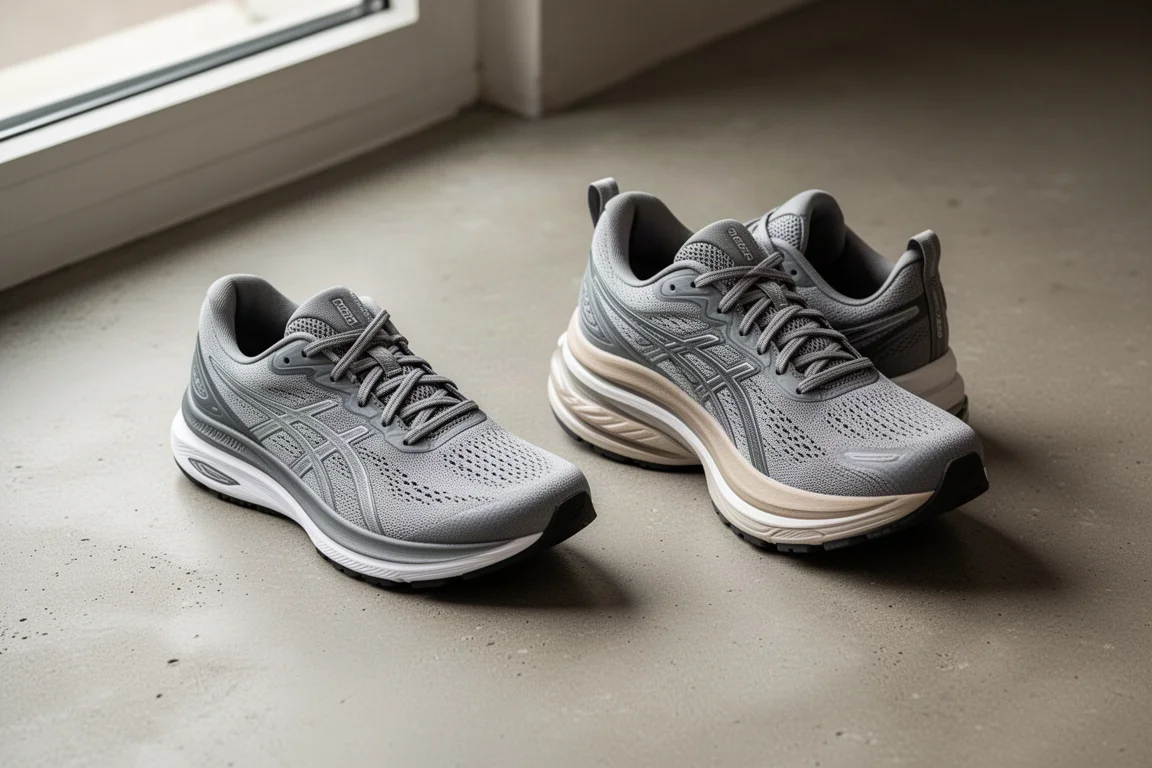
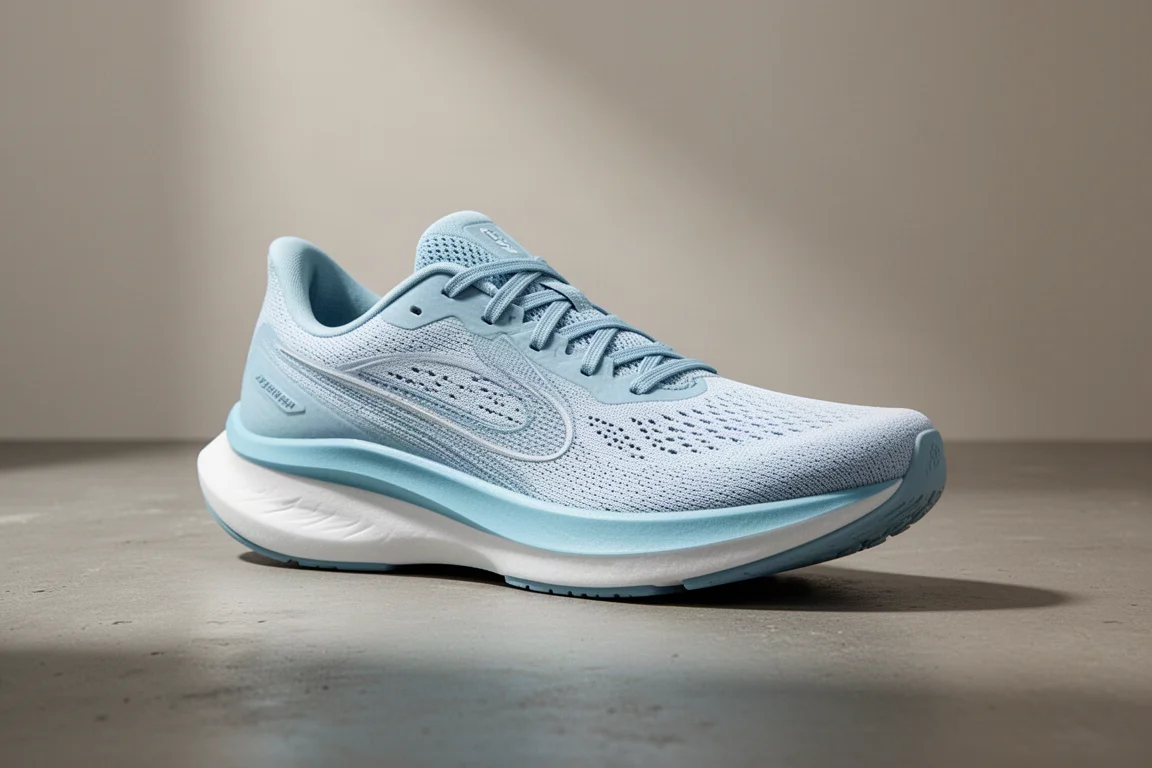
Both use a dual-foam design. The Superblast 2 combines a full-length layer of Asics FF Turbo Plus (the same foam used in the Metaspeed range) with a slab of FF Blast Plus Eco underneath, and there is no plate in the shoe. The Boston 13 layers Lightstrike Pro on top with stability-boosting Lightstrike below, and now has more Lightstrike Pro under the forefoot than the Boston 12 in the hope of a snappier feel. The whole package is notably narrower and more compact than the Superblast 2.
Fit and Sizing
This is where the personalities really split. The Superblast 2 feels remarkably spacious, with loads of extra length in the toe box and generous volume above the toes. Some may find it too voluminous, almost like your foot is swimming, but for long miles that extra room is genuinely welcome.
The Boston 13 is the opposite: snug and secure, held tighter across the toe knuckles and through the midfoot, with a narrower, more tapered toe box that still offers ample room. Wide-footed runners may find the midfoot lockdown a bit restrictive.
On sizing, the practical rule from testing: go half a size up in the Boston 13 (a UK 8.5 worked well for a UK 8 runner, which is typical for Adidas), and stay true to size or even half a size down in the Superblast 2 if you want a leaner fit. The Superblast 2 also has more plush padding in the heel collar, while the Boston 13’s more padded tongue and collar is a big step up from the minimal heel package some runners found in the Boston 12. Both shoes have gusseted tongues: flatter and more wrapping on the Superblast 2, thicker and more padded on the Boston 13.
Asics Superblast 2: The Big Soft Cruiser
The Superblast 2 is a max-stack, wide-platform shoe with a softer, bouncier character. You get a deeper sink into the midsole foam and more spring-back energy when it returns, plus much more cushioning in the heel, which makes it a strong pick for heel strikers who want protected landings. For such a tall shoe, the wide base offers reasonable reliability underfoot, though it is not as consistently stable as the firmer Boston 13.

Where it excels is longer, consistent-pace running. Once you settle into a rhythm, it feels smooth and fluid, rolls you forward, and makes holding a marathon-pace effort over long distances feel easy. It is also genuinely versatile for easy runs thanks to all that cushioning, and it handles mixed-pace long runs where some of the miles are fast and some are slow. What it does not do well is really fast sessions: intervals, sprints, or anything demanding quick pickups. It is not the most nimble shoe at high intensity, and it is not the right choice for track work. The main drawback is price: at £200 there are now cheaper options that do a similar job.
Adidas Boston 13: The Snappier Option
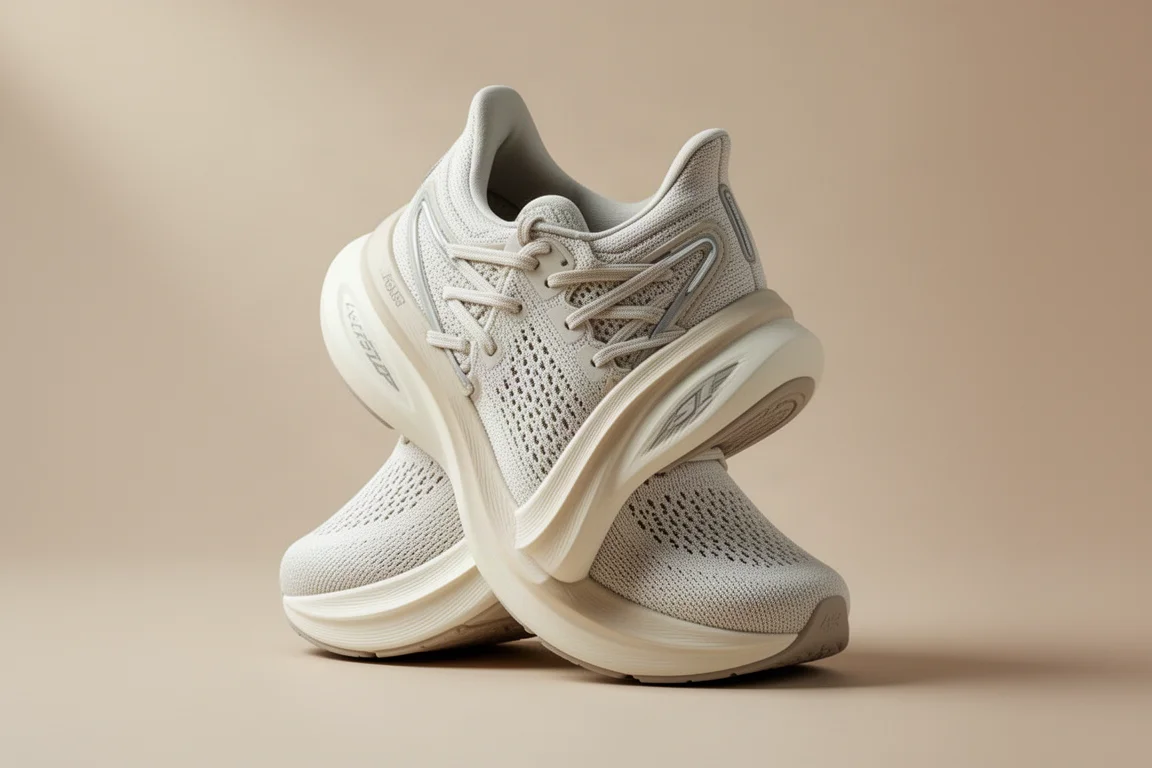
The Boston 13 feels faster. The foam is firmer, the ride is more responsive, and it kicks into gear when you pick up the pace, making it a natural fit for intervals, tempo sessions, and anything up to around half marathon distance. The Lightstrike base foam creates a grounded, structured platform with a balance of cushion and stability, and there is just enough versatility to handle endurance miles as well.
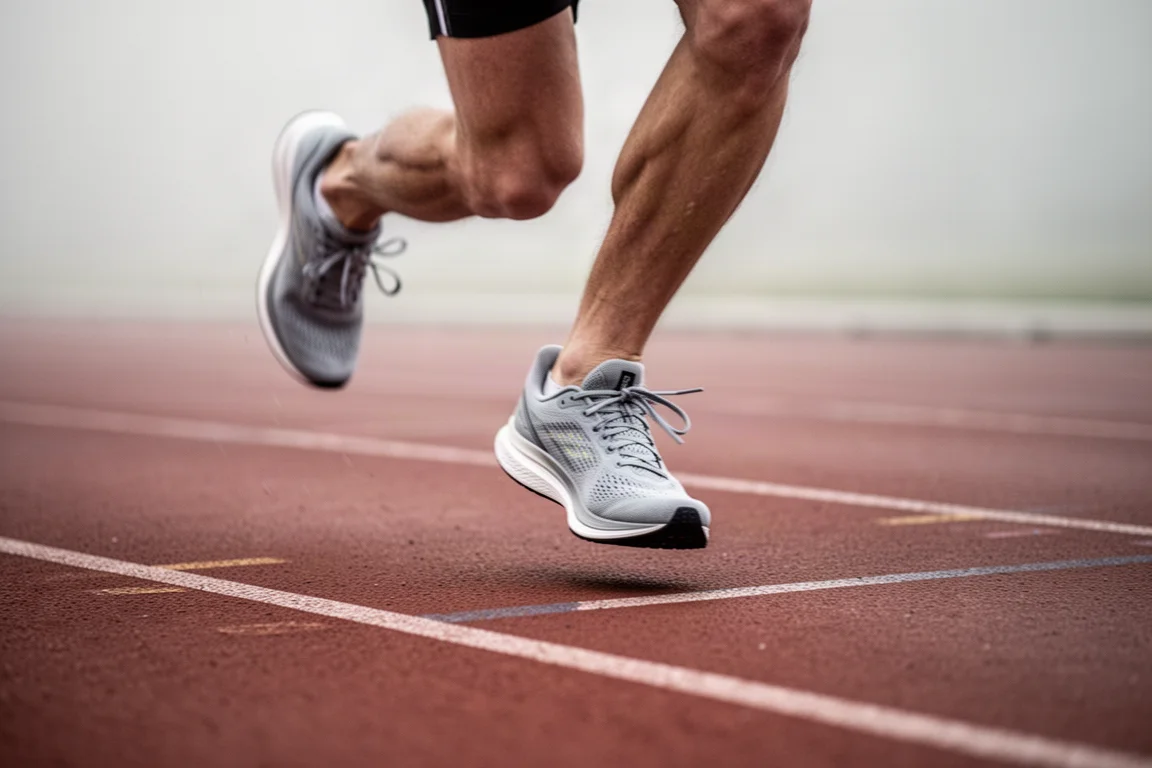
The trade-off is at the other end of the pace spectrum. Because of the firmer ride, easy pace running is less enjoyable, and it is not the ideal long run shoe if you prioritize softness and comfort. It can cope with slower recovery runs, but the compact, racy character suits shorter, faster efforts better.
The outsole is a genuine highlight: a thick layer of rubber with large Continental pads in the main forefoot strike zone, which bodes well for durability and makes it a convincing training partner for a carbon racer like the Adios Pro 4. Add the considerably lower price, and it becomes a very easy recommendation as a faster trainer in a rotation.
Durability and Testing Notes
Both shoes logged north of 50 miles in testing across a full range of paces, from easy recovery sessions up to 5k-pace intervals. The longest outing in the Boston 13 was 90 minutes on foot; the Superblast 2 went up to three and a half hours in a solo marathon test. Most miles were on road, with a few light off-road outings.
The Boston 13’s thick rubber outsole is the standout, with updates over the previous version and expectations of good durability. The Superblast 2’s outsole rubber is good rather than spectacular, but the coverage is thick and strategic, and it does a solid job of protecting the midsole foam.
Which One Should You Buy?
It comes down to ride preference and the type of running you do. If you want a firmer, snappier, more responsive shoe that rewards quicker foot turnover and does not coddle your stride, the Boston 13 is the pick. If you want a softer, bigger, bouncier, more protective ride, the Superblast 2 is the better choice.
For long hours on your feet, especially those big 16 to 20 mile marathon training runs, the Superblast 2’s cushioning is simply better at softening the road, and its softness suits heavier, ragged-feeling landings. The Boston 13’s compact, racy ride suits shorter, faster efforts and is more nimble and agile.
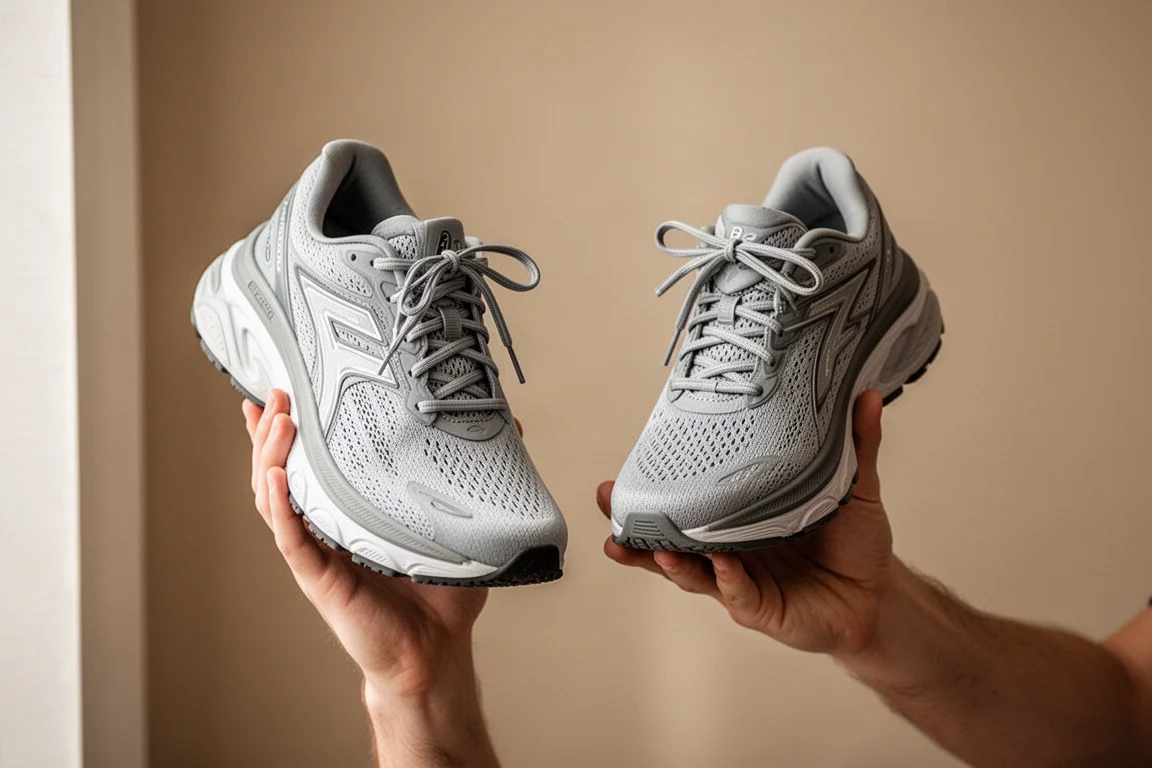
Both are excellent cruisers, just with different amounts of ground feel and feedback. If forced to pick one best all-rounder for the widest range of runners, the Superblast 2 edges it, because most runners prefer a softer, more cushioned option with bounce, and the plate-free design is a plus for general training. But if you get on with the Boston 13’s ride profile and want a durable daily partner for a carbon racer like the Adios Pro 4, it is a very strong option, and the big price gap makes it significantly more palatable for a lot of people.
Conclusion
These are both capable daily trainers that handle a range of paces and a wide span of mileage. The Superblast 2 is the better longer-distance, comfort-first shoe and our pick for the best all-rounder, while the Boston 13 is the snappier, cheaper, firmer option that shines in shorter and faster sessions. Choose the ride character that matches your training, and either shoe will serve you well.
Further reading
Related Reviews

Running Shoes
Best Road-to-Trail Running Shoes: Three Versatile Options for Mixed Terrain
A practical guide to three road-to-trail running shoes that handle both pavement and mild trails, with clear strengths and trade-offs for different runner types.

Running Shoes
Best Running Shoes for Achilles Tendonitis: Three Options Explained
Three running shoes with different heel drops and support features designed to help reduce Achilles tendon pain during walking and running.

Running Shoes
Best Running Shoes for Women: Five Top Choices Ranked
A ranked guide to five women's running shoes, from versatile daily trainers to high-performance racing options, with real strengths and trade-offs for each.