Running Shoes
Adidas Boston 13 vs Adios Pro 4: Which Fast Adidas Should You Buy?
Two Adidas speed shoes with shared DNA but very different missions. We compare stack, weight, fit, ride feel, and durability to help you pick the right one.
Introduction
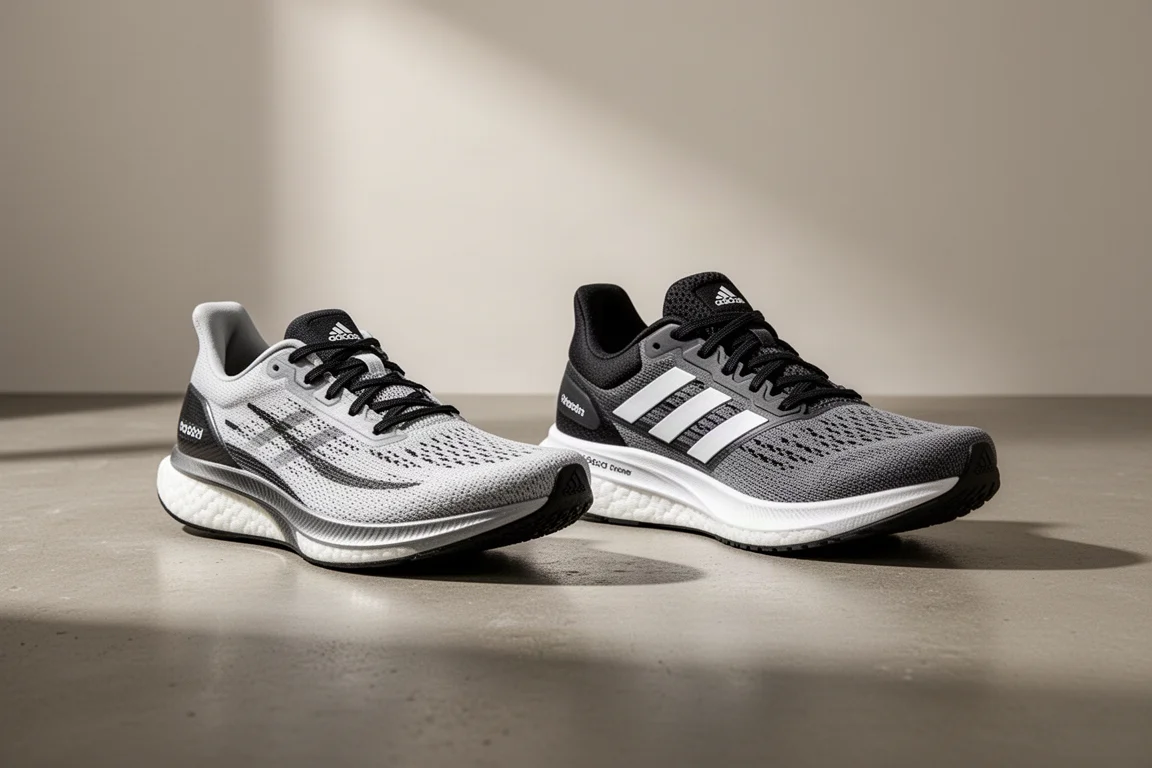
Adidas built these two shoes from the same recipe. The Boston 13 and the Adios Pro 4 both use Lightstrike Pro midsole foam, Light mesh uppers, and the brand’s carbon Energy Rods 2.0. On paper, one is the training partner and the other is the race day weapon. In practice, the gap between them is wider than the shared parts suggest, and knowing which one matches your running is the difference between a great purchase and an expensive mistake.
Key Specs at a Glance
The Adios Pro 4 sits among the lower-stacked carbon racers, with 39mm of foam in the heel and 33mm in the forefoot for a 6mm drop. It weighs 202g (7.1 oz) in a men’s US 9 / UK 8.5 test shoe and costs $250.
The Boston 13 packs less shoe underfoot at 36mm in the heel and 30mm in the forefoot, also with a 6mm drop. Despite the lower stack, it comes in heavier at 259g (9.1 oz) in the same size, priced at $160.

What Changed for 2025
Both shoes received significant updates, and those changes push them further apart. The Boston 13 is now clearly positioned as a versatile, speedy trainer, while the Pro 4 remains an all-out race day PR chaser.
The biggest changes are in the uppers. Runners liked the minimal, racy upper of the Boston 12 for speed but wanted more comfort for longer training miles. Adidas answered with the Boston 13’s padded traditional heel collar. The Pro 4 sticks with internal pads in a thin, race-ready heel package.
The Boston 13 also gets more Lightstrike Pro foam in its dual-foam setup, placed predominantly under the forefoot, to give it a snappier feel. The Pro 4’s midsole is all Lightstrike Pro, with a new foam formula tuned for a little extra softness compared to the Pro 3. Its forefoot rocker has also been moved back to 60% of the shoe’s length, matching the Adios Pro Evo 1, to boost efficiency.
Upper and Fit
The Pro 4 uses a new Lightlock upper with locking bands that wrap the foot for a snug, secure fit, plus a one-way stretch woven mesh designed to fix the fussy fit some runners had with the Pro 3. The Boston 13 uses an engineered mesh upper that is not as light and slightly more rigid, but still airy.
Fit is where these two diverge sharply. The Boston 13 fits true to size for most testers, with a roomy toe box that is less narrow than you might expect from the Adizero line, good hold through the heel and midfoot, and a genuinely comfortable padded heel collar. Some testers still preferred going up half a size.
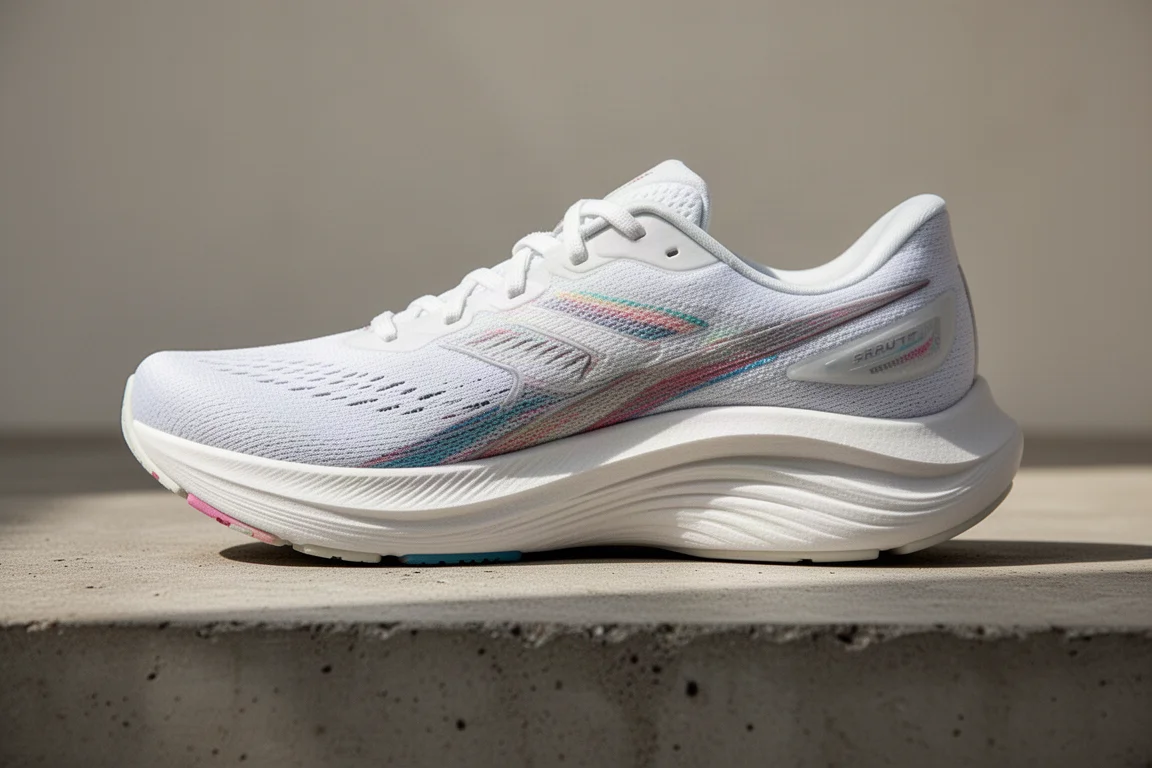
The Pro 4 is the problem child on fit. The toe box runs short and snug, tapering quickly around the toes, and one tester who ran a full marathon in their regular size ended up with black toenails. The consensus recommendation: go half a size up, and be careful if you have wider feet. The midfoot and minimal heel collar hold well once laced, with no rubbing reported, but it is unmistakably a race fit.
Ride Feel: Bouncy Racer vs Balanced Trainer
Despite the shared components, these shoes feel far apart once you start running. The Adios Pro 4 has the bouncy, springy energy of an all-out punchy carbon racer. Its softer Lightstrike Pro sinks and compresses deeply, then returns with real punch. Combined with the higher stack, lighter weight, and sharper forefoot rocker, it is simply much easier to run fast in. The trade-off is stability: the softer midsole and aggressive geometry make it feel less grounded than the Pro 3, and some testers found different parts of the shoe seemed to move separately when landing further back on the foot.
The Boston 13 is notably tamer and more controlled. It is firmer, even slightly blocky by comparison, but far more stable, with a smoother and more uniform transition thanks to its Lightstrike carrier foam. Easy runs are fine rather than fun, and it is not the liveliest shoe in the Adidas range. But it opens up and feels snappier as you pick up the pace, and the Energy Rods help you sustain tempo efforts. You just have to do more of the work yourself.
Durability and Outsole
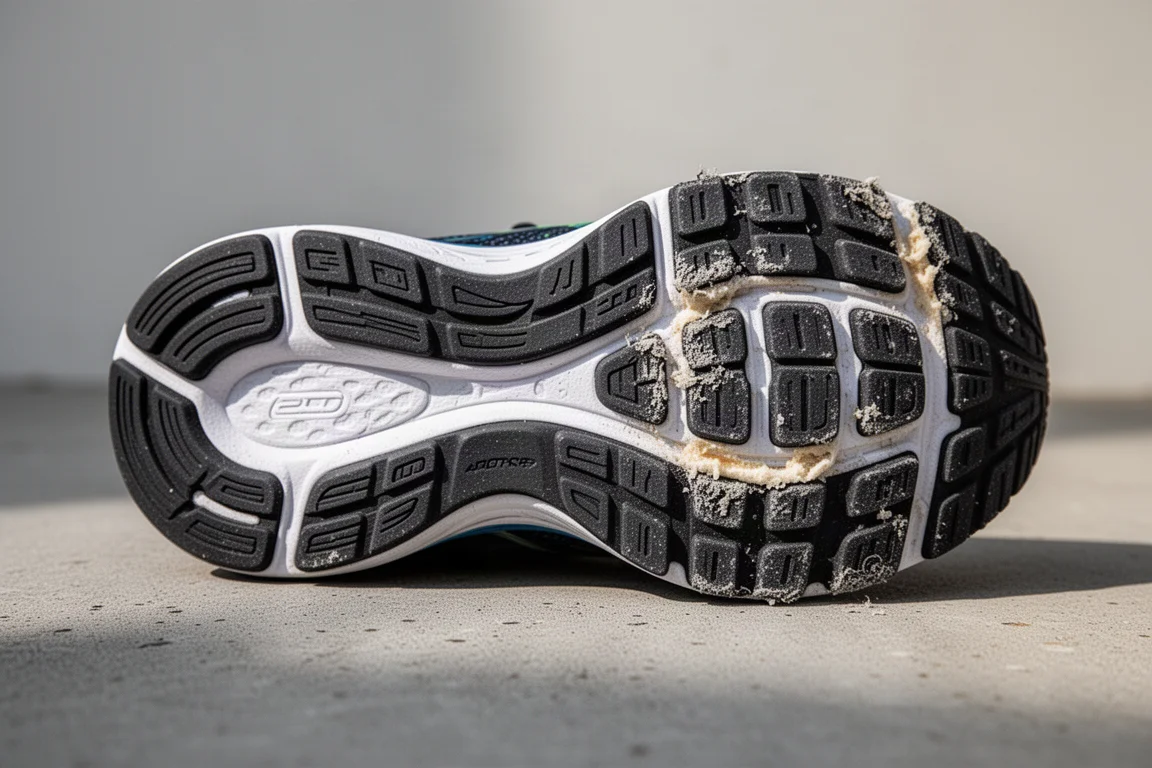
Both shoes use a combination of Light Traction and Continental rubber. The Boston 13 adds extra reinforcement in the heel impact zone to handle bigger training mileage, and its outsole feels built for lots and lots of miles.
The Pro 4 does not share that resilience. One tester managed to rip rubber off the Pro 4’s outsole after roughly 45k, and the softer Lightstrike Pro midsole is not expected to withstand heavy training the way the Boston’s firmer dual-layer setup would. This is a race shoe, not a mileage shoe, and treating it like one gets expensive fast.
Which One Should You Buy?
If you want one shoe to do everything, the Boston 13 is the better buy. It handles daily training and faster sessions well, offers enough comfort and stability for easy runs, costs $90 less, and is far more durable. It is a sensible option for first-time marathoners who want a hint of carbon assist without something as wild as the Pro 4, and it could even work as a racing option for runners who find the Pro 4 too unstable. Its main weaknesses: it is too firm for truly enjoyable easy running, and it lacks the cushioned protection many runners want for a full marathon.

If you are buying for race day and fast workouts, the Adios Pro 4 is the superior shoe. It is lighter, bouncier, and clearly the fastest shoe in the Pro range, with a propulsive ride that delivers on the promise of a carbon racer and genuine PR potential, provided you nail the fit. Just do not plan on logging easy miles in it. It is not built for that, and you would be wearing down a $250 shoe unnecessarily.
Conclusion
These are two excellent fast shoes with clearly defined roles. The Adios Pro 4 is the lively, propulsive race day pick with a fit that demands half a size up. The Boston 13 is the comfortable, stable, more affordable workhorse that can handle everything from progression runs to tempo 10ks, and even the occasional race. Match the shoe to the job and both will serve you well.
Product link
View more details for Adidas Boston 13
This product is mentioned in the review. Check the specifications, options, and compatibility before buying.
View more details for Adidas Boston 13Further reading
Related Reviews

Running Shoes
Best Road-to-Trail Running Shoes: Three Versatile Options for Mixed Terrain
A practical guide to three road-to-trail running shoes that handle both pavement and mild trails, with clear strengths and trade-offs for different runner types.

Running Shoes
Best Running Shoes for Achilles Tendonitis: Three Options Explained
Three running shoes with different heel drops and support features designed to help reduce Achilles tendon pain during walking and running.

Running Shoes
Best Running Shoes for Women: Five Top Choices Ranked
A ranked guide to five women's running shoes, from versatile daily trainers to high-performance racing options, with real strengths and trade-offs for each.