Running Shoes
Adidas Boston 13 Review: The Do-It-All Trainer That Punches Above Its Stack
After 50-plus miles of workouts, recovery jogs, and a 20-mile long run, the Adidas Boston 13 proves itself as the true workhorse speed trainer in Adidas' lineup.
Introduction
The Adidas Boston 13 arrives as the follow-up to one of the most beloved marathon training shoes in recent memory, the Boston 12. It also lives in a difficult spot in the lineup: it is the sibling of the Adidas Evo SL, the shoe that has taken the running world by storm. That spotlight problem is real, but after 50-plus miles that include 400 and 200 meter repeats, stroller-pushing recovery jogs, and two 20-mile long runs, the Boston 13 has earned a place as the true do-it-all workhorse in this pairing. It is a shoe rated roughly a seven to eight out of ten at everything you could ask of it, and for many runners that is exactly the right profile.
First Impressions: A Classic Done Right
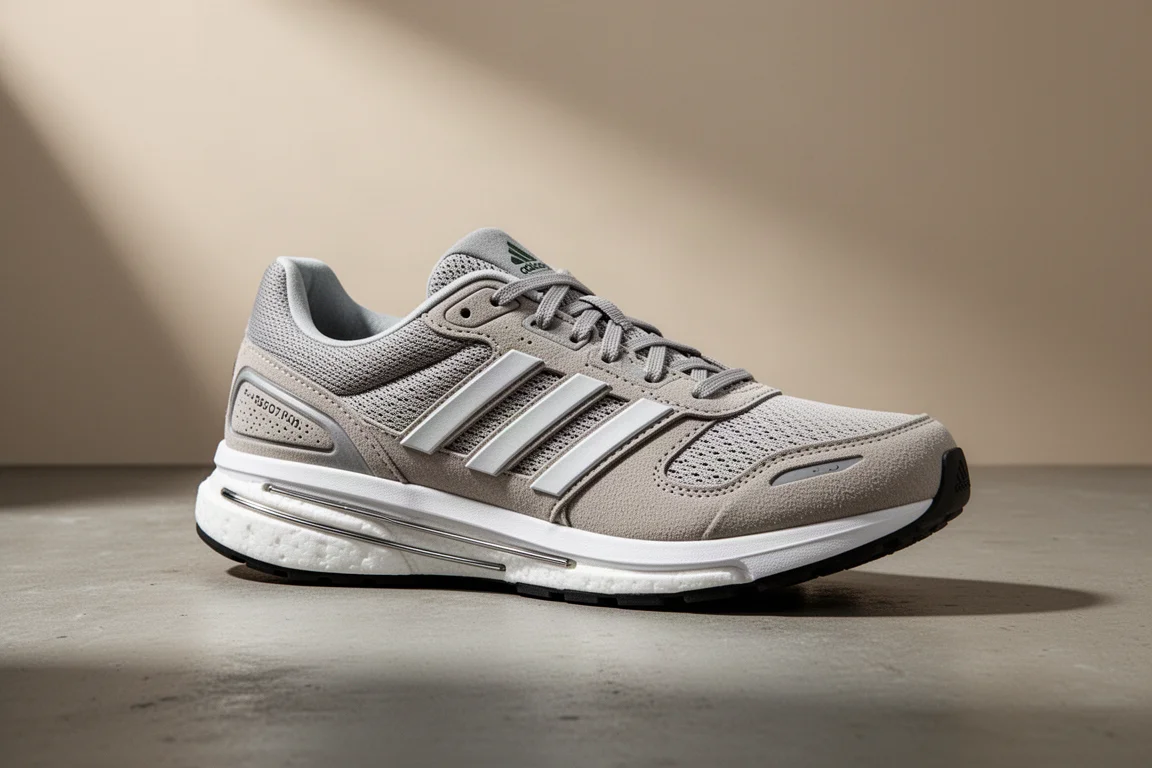
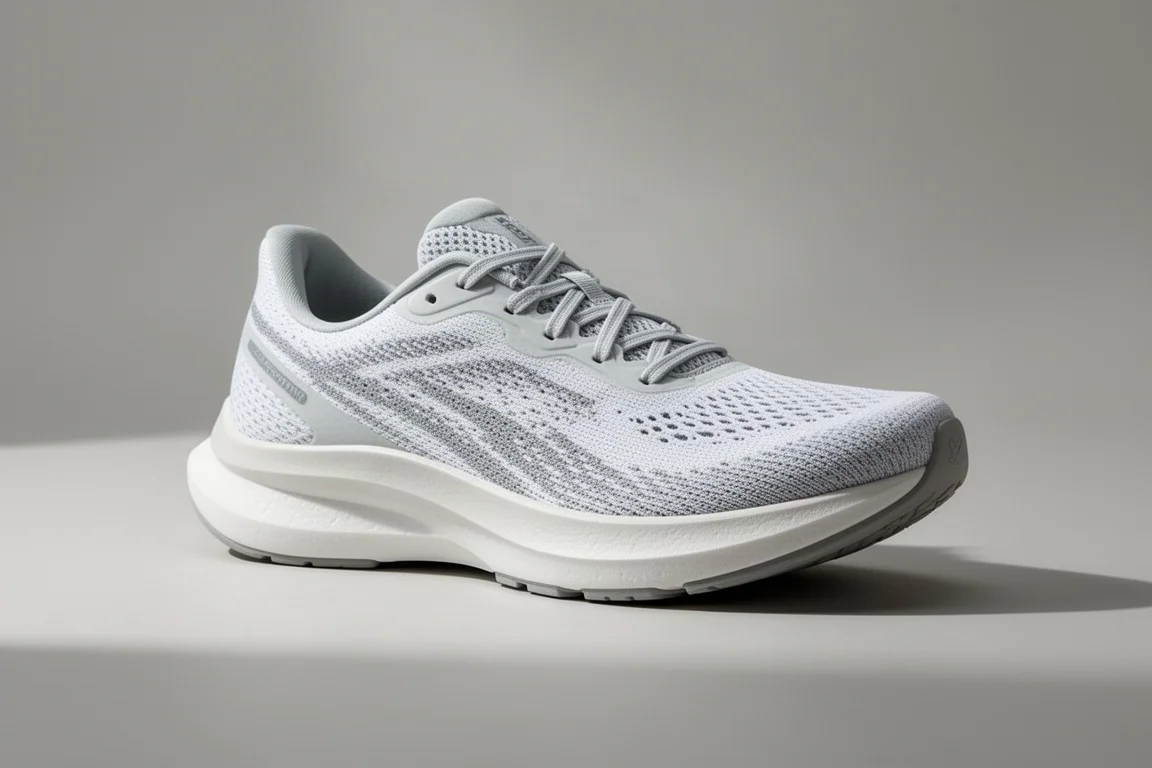
Out of the box, the word that keeps coming to mind is classic. In this colorway, the Boston 13 looks like a refined gym sneaker, with old-school Adidas styling that would not look out of place on a tennis court. Adidas put the same colorway on the Evo SL as well, but this one simply belongs on the Boston. It screams the name.
Underneath the retro aesthetic sits a serious stack of modern technology. The midsole blends race foam in the forefoot with training foam in the rear, and glass fiber rods run through the platform for snap. Step-in feel is actively comfortable, and the walk test feels like high-performance equipment wrapped in a refined, traditional package. There is no aggressive rocker pushing you forward or strange foam feel screaming for attention. It just feels like a genuinely dialed athletic sneaker.
Fit and Comfort: A Complete Overhaul
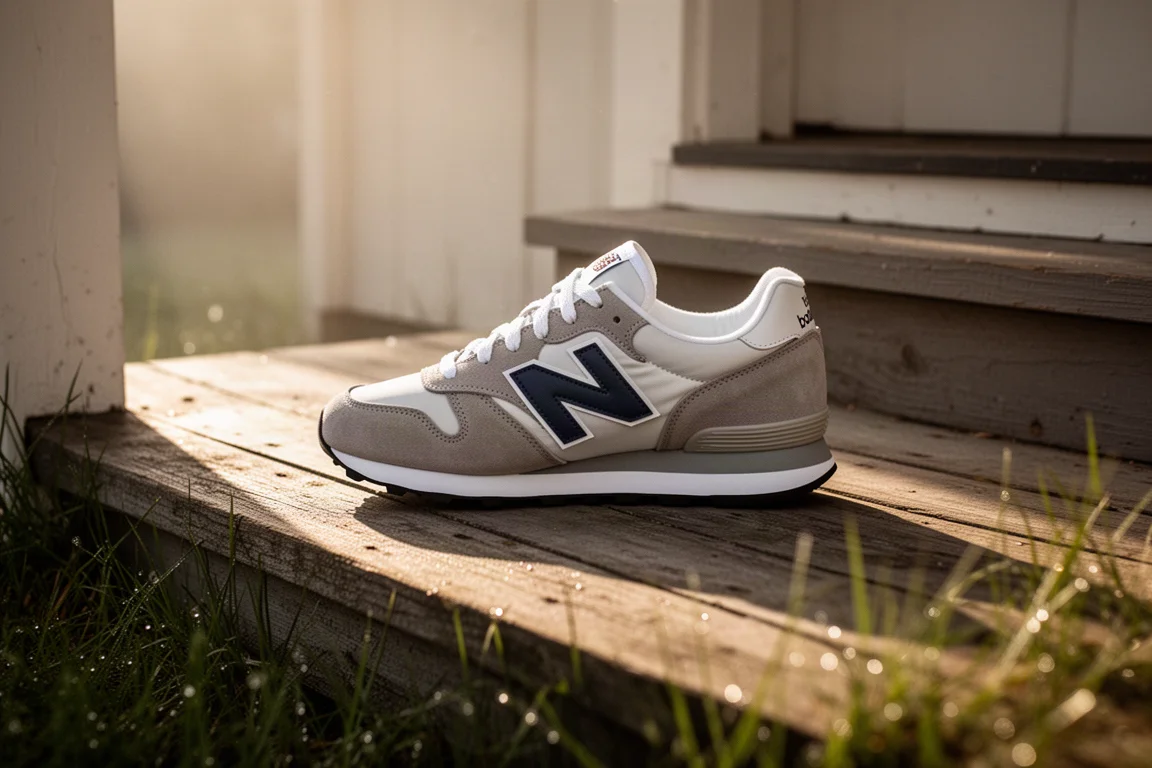
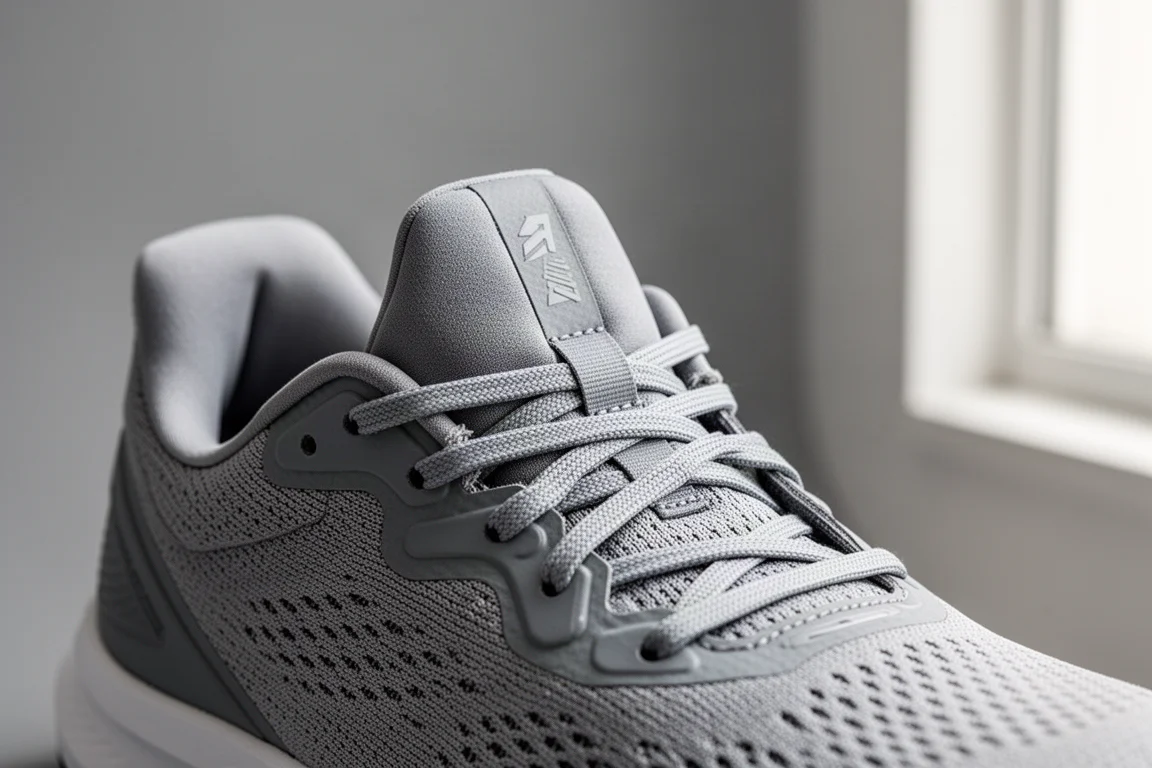
The biggest change from the Boston 12 is comfort, and it is not subtle. The Boston 12 was hard, harsh, firm, and rigid, with a plasticky stiff upper that needed serious break-in. The 13 is the opposite: a perfectly padded tongue, a secure heel with proper padding around the back, and one of the best daily trainer uppers in this category. It fits very similarly to the SL2 and the Adios Pro 4, so if you know your size in either of those, get the same size here.
One sizing caveat is worth flagging. The Boston 12 ran long, and Adidas appears to have overcorrected slightly. Some testers may find the length almost too short, with toes close to the front edge, even though the toe box offers more than enough room widthwise for slightly wider feet. If you plan to use this as a marathon shoe, going up a half size is worth considering, or better yet, trying it on first where returns are easy.
Ride and Performance: Fast When You Need It, Easy When You Don’t
This is where the Boston 13 earns its keep. The three-element platform of standard training foam on the bottom, glass fiber rods in the middle, and the updated Lightstrike Pro race foam on top creates a remarkably versatile ride. During faster sessions, the forefoot pops on short 400 and 200 meter repeats at paces around 4:50 to 5:10 per mile. During recovery miles, the shoe is forgiving enough that it never fights you.
The magic is that you cannot feel the rods at all when you do not need them. They are there when it is time to push, but they never add stress or force a stride change. That is what the best technology does: it makes your life easier without demanding anything from you. The Lightstrike Pro here is the most updated version used in the Adios Pro 4, but it does not feel super soft or squishy. It sits right in the Goldilocks zone, and the updated Lightstrike 2.0 base layer is a meaningful improvement over the old version.
Stability is another quiet strength. This is not a wide, bulky, inherently stable platform, but because it sits lower to the ground, is not overly soft, and has the rods extending that connected foot feel, it is not going to feel weird to run in either. Runners with moderate or mild overpronation who do fine in standard neutral trainers like the Pegasus or a Saucony Ride should be comfortable here. If you need heavy guidance to control overpronation, this is not your shoe.

How It Compares to the Adidas Evo SL
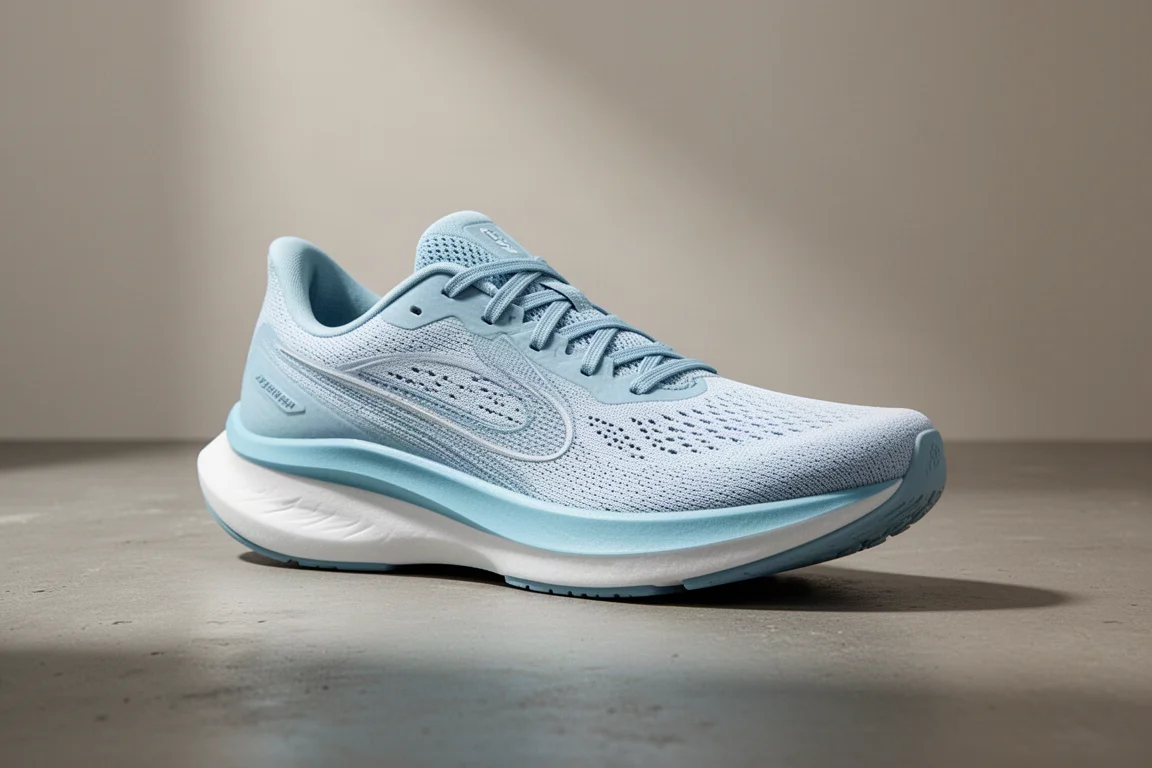
For most runners, this is the real decision, because you are unlikely to own both. The Evo SL is essentially a race shoe dropped into a training package: 100 percent Lightstrike Pro, an aggressive rocker, and enormous hype. It is the fun, flashy option you can take out for speed occasionally.
The Boston 13 is the more serious, true-to-purpose speed trainer. It offers more comfort, a less aggressive geometry, and a more natural running feel. With the Evo SL, the rocker is aggressive enough that you often feel like you have to land at the front or modify your mechanics. The Boston 13 never demands that adjustment, which makes it a better fit for a wider range of use cases and a more crowd-pleasing shoe overall. If you are hunting for a one-shoe rotation, the classic here is the safer bet.
Durability and Value
Adidas trainers have a reputation for durability, and early signs back that up. At 70 miles, the outsole rubber still looks essentially new, matching how the Boston 12 looked at 100 miles and beyond. It also sheds moisture better than the padding would suggest, picking up only around 10 to 15 grams in wet conditions.
At $160, the value proposition is strong. The stack height is moderate, measured around 34 to 35 millimeters at the heel, and it does not need more. This is everything you need and nothing you don’t. Compared to the Hoka Mach 5, the closest spiritual match in the do-everything category, the Boston 13 holds up better deep into long runs thanks to its more resilient foams and rods, whereas the Mach 5 could flatten out after 14 or 15 miles.
Buying Advice: Who Should Buy the Boston 13
If you want a single shoe to handle the bulk of your mileage, speed workouts, long runs, and recovery days without a super-stacked platform, this is an easy recommendation. It feels like an antidote to a lot of what is out there right now, in the same spirit as the SL2 or a solid, no-gimmicks daily trainer, just executed about ten percent better thanks to the rods, the foam layering, and the significantly improved upper.

If you typically wear a 10.5 in the Boston 12, SL2, or Adios Pro 4, that size should carry over. The snugger length is the only reason to try before you buy.
Conclusion
The Boston 13 may not be getting the hype of the Evo SL, but it is arguably the better all-around shoe for the majority of runners. It is a true workhorse speed trainer with no gimmicks, no excess, and just enough of everything. Two 20-mile long runs in and still looking forward to every mile is about the strongest endorsement a versatile trainer can get. Big thumbs up, and a likely spot on any year-end top ten list.
Further reading
Related Reviews

Running Shoes
Best Road-to-Trail Running Shoes: Three Versatile Options for Mixed Terrain
A practical guide to three road-to-trail running shoes that handle both pavement and mild trails, with clear strengths and trade-offs for different runner types.

Running Shoes
Best Running Shoes for Achilles Tendonitis: Three Options Explained
Three running shoes with different heel drops and support features designed to help reduce Achilles tendon pain during walking and running.

Running Shoes
Best Running Shoes for Women: Five Top Choices Ranked
A ranked guide to five women's running shoes, from versatile daily trainers to high-performance racing options, with real strengths and trade-offs for each.