Running Shoes
Adidas Boston 12 vs Takumi Sen 9: Which Adidas Speed Shoe Fits Your Running?
Two Adidas Adizero shoes built on Lightstrike Pro, aimed at very different jobs. Here is how the Boston 12 and Takumi Sen 9 compare on midsole, fit, durability, and who should buy each.
Introduction
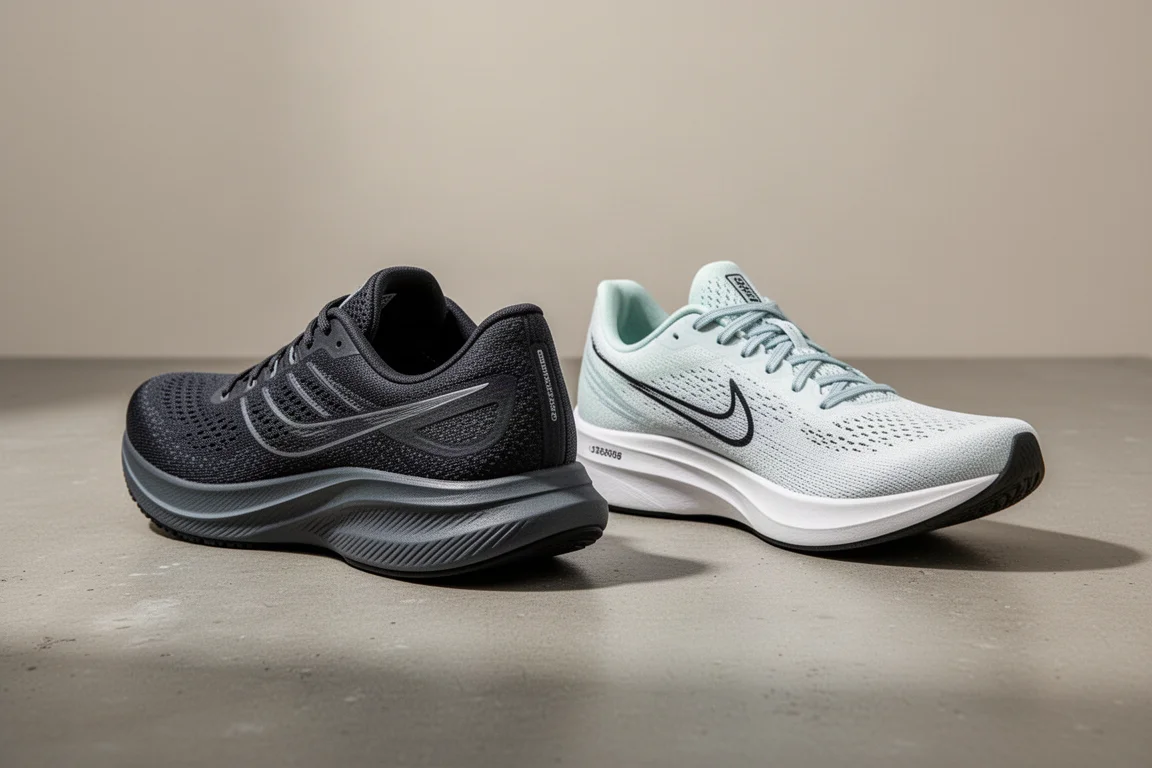
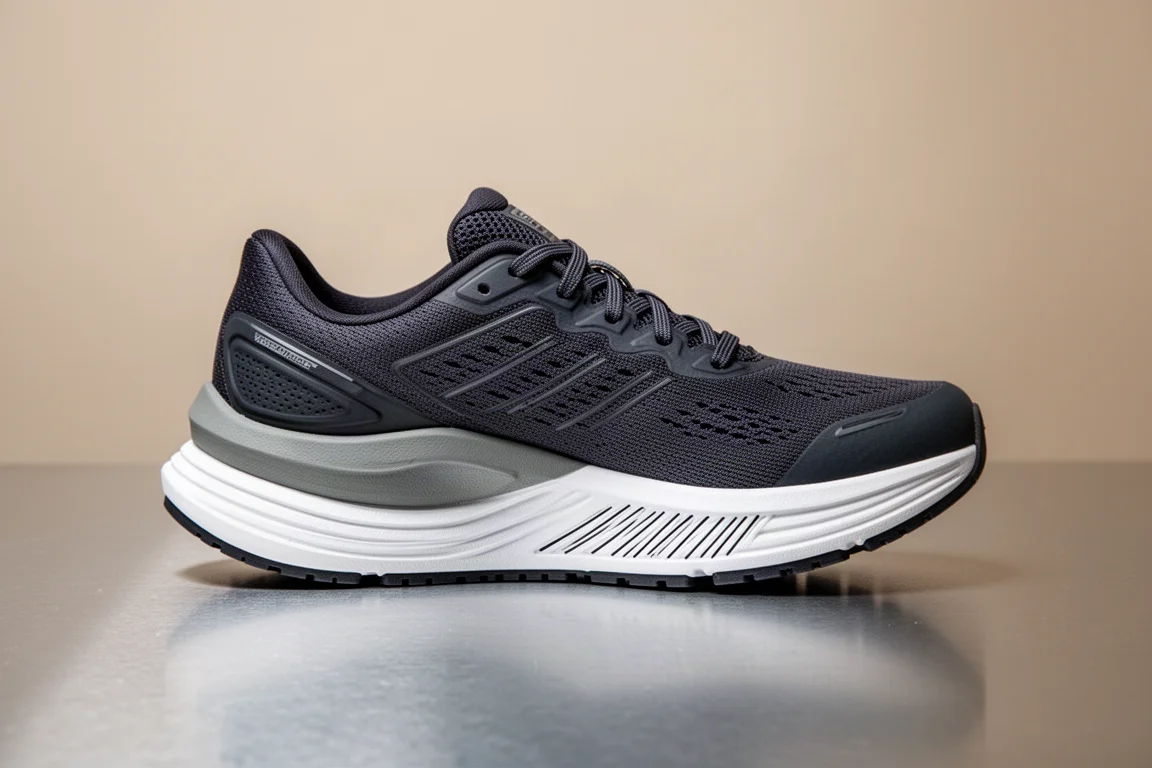
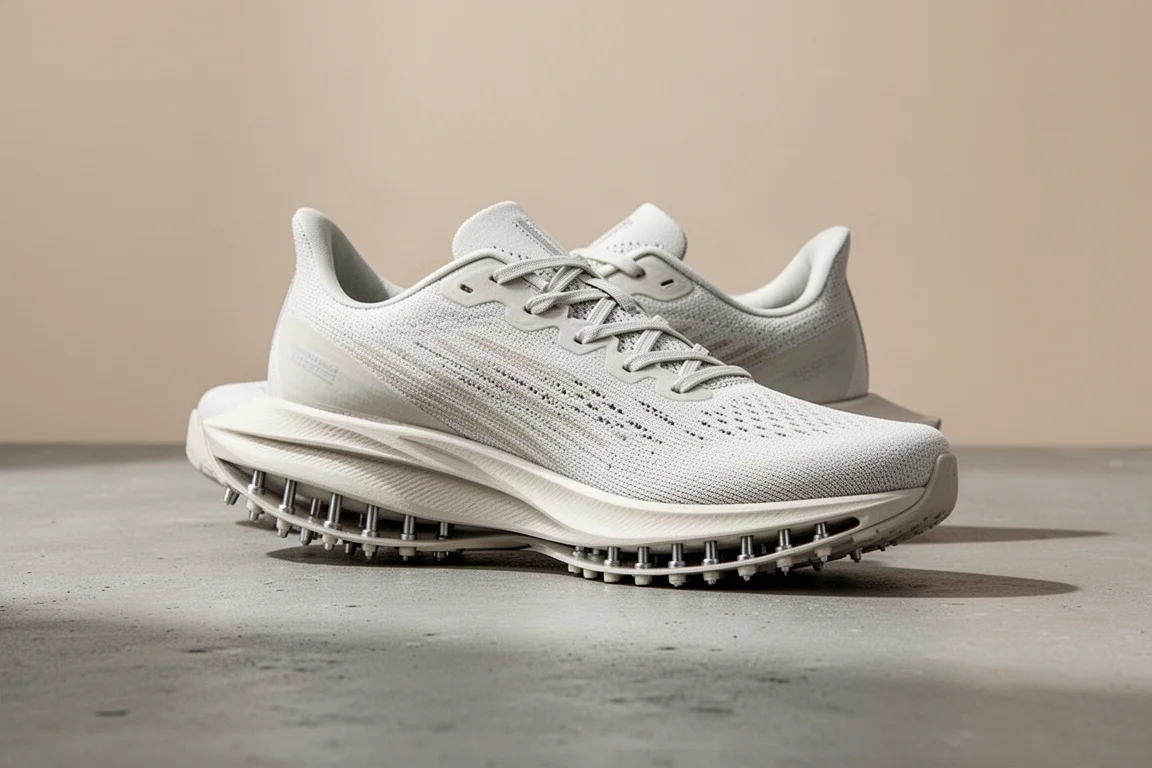
The Adidas Boston 12 and Takumi Sen 9 sit in the same Adizero family and share the same standout ingredient: Lightstrike Pro foam. Beyond that, they are built for very different work. The Boston 12 is Adidas’s high-mileage marathon training shoe, while the Takumi Sen 9 is its short, fast, snappy 5K and 10K racer. This comparison breaks down the midsole, upper, fit, outsole, and overall ride of each so you can pick the right one for your rotation.
Two Shoes, Two Very Different Jobs
The Boston 12 is the latest model in the Adizero lineup and marks a real return to form after versions 10 and 11 failed to make much of an impact. It uses a thick stack of Lightstrike and Lightstrike Pro in the midsole, glass fiber energy rods in the bottom, and is designed for long efforts with speed layered over endurance.
The Takumi Sen 9, on the other hand, is positioned as a 5K and 10K racer. It is lightweight and snappy, and while it is designed as a racer, many runners use it as a workout shoe for shorter, faster efforts.

On paper, the numbers tell the story. The Boston 12 runs 37 mm in the heel and 31 mm at the forefoot for a 6 mm drop, while the Takumi Sen 9 is lower at 33 mm heel and 27 mm forefoot with the same 6 mm drop. The Boston 12 is also heavier at around 9.5 oz versus roughly 7 to 8 oz for the Takumi Sen 9, and slightly cheaper at $160 versus $180. The Takumi Sen 9 also goes on sale frequently, and pairs can often be found for around $100 depending on timing.
Midsole and Ride Feel
The midsole is where these two shoes diverge most. The Boston 12 uses two foams: a top layer of Lightstrike Pro, Adidas’s racing foam, and a bottom layer of Lightstrike 2.0, an EVA-based foam that is firmer and adds stability, structure, and longevity. The result is a planted ride built for long miles.
The Takumi Sen 9 uses 100% Lightstrike Pro, a supercritical TPU foam injected with gas during manufacturing. It is bouncy, lightweight, and feels spry and snappy on foot. The Takumi Sen’s platform is also noticeably narrower, while the Boston 12 is wider for stability and planted landings over long distances when form starts to fade.
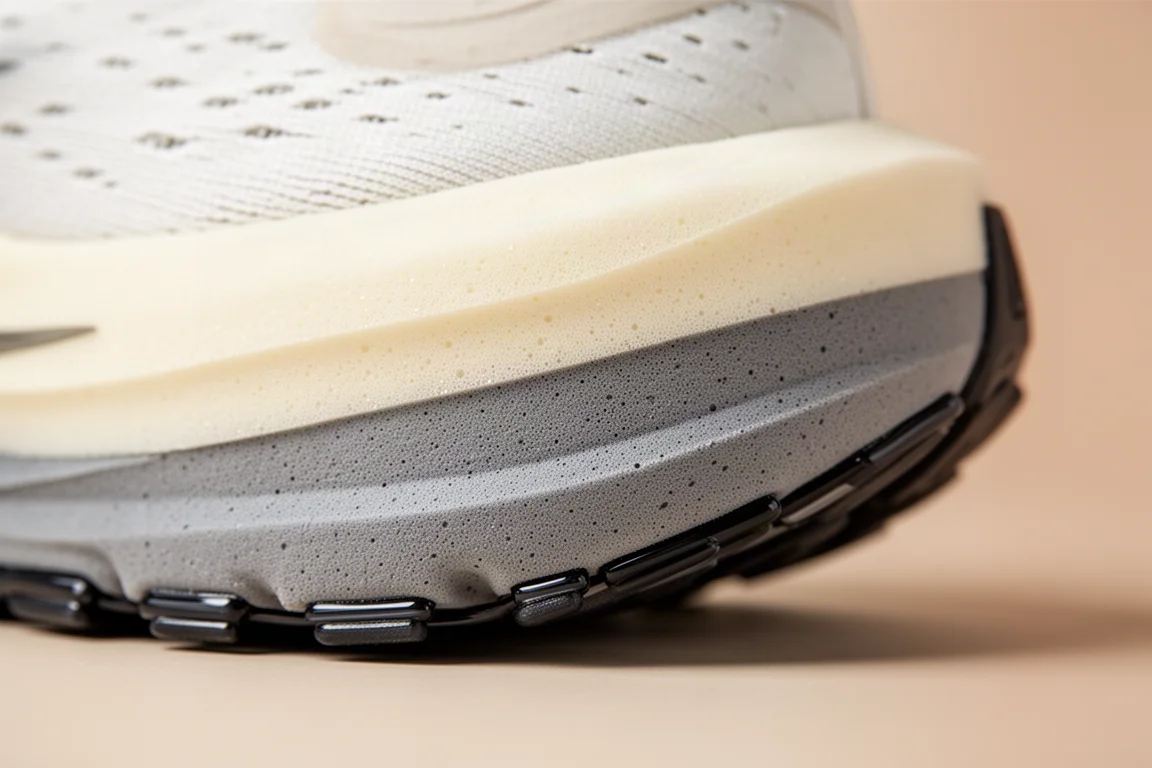
In practice, the Boston 12 rewards speed but does not punish slow running. In over 100 miles of use, it felt like a normal shoe even at recovery paces well slower than marathon pace, though it feels best around marathon to half marathon pace. The Takumi Sen 9 is different: with its narrower platform, it wants good form and a fast cadence, landing on the balls of the feet. Run it slow and it will punish you.
Both shoes share a similar sensation at speed: a planted bounciness that is firmer than ZoomX and firmer than the Saucony Endorphin Pro 3 or Speed 3 with PowerTrap PB. You have to put power into the shoe to get the benefit. One more note on break-in: the Takumi Sen 9 was fast right out of the box, while the Boston 12 felt blocky for the first 50 or so miles before coming around.
Upper and Fit: The Shared Weak Spot
Both shoes share a thin, race-like upper, and this is the main weakness for each. It is more forgivable on the Takumi Sen 9 since it is a short-distance racer, but on the Boston 12 a more padded training upper would have been welcome.
Heel lockdown is a shared frustration. Both shoes need to be laced and relaced multiple times on almost every run to get the right lock down, and the Takumi Sen 9 in particular needs to be cranked tight to deliver its best ride. Once locked in, the paper-thin upper disappears and the shoe feels like a fast pad tied to the bottom of your foot.
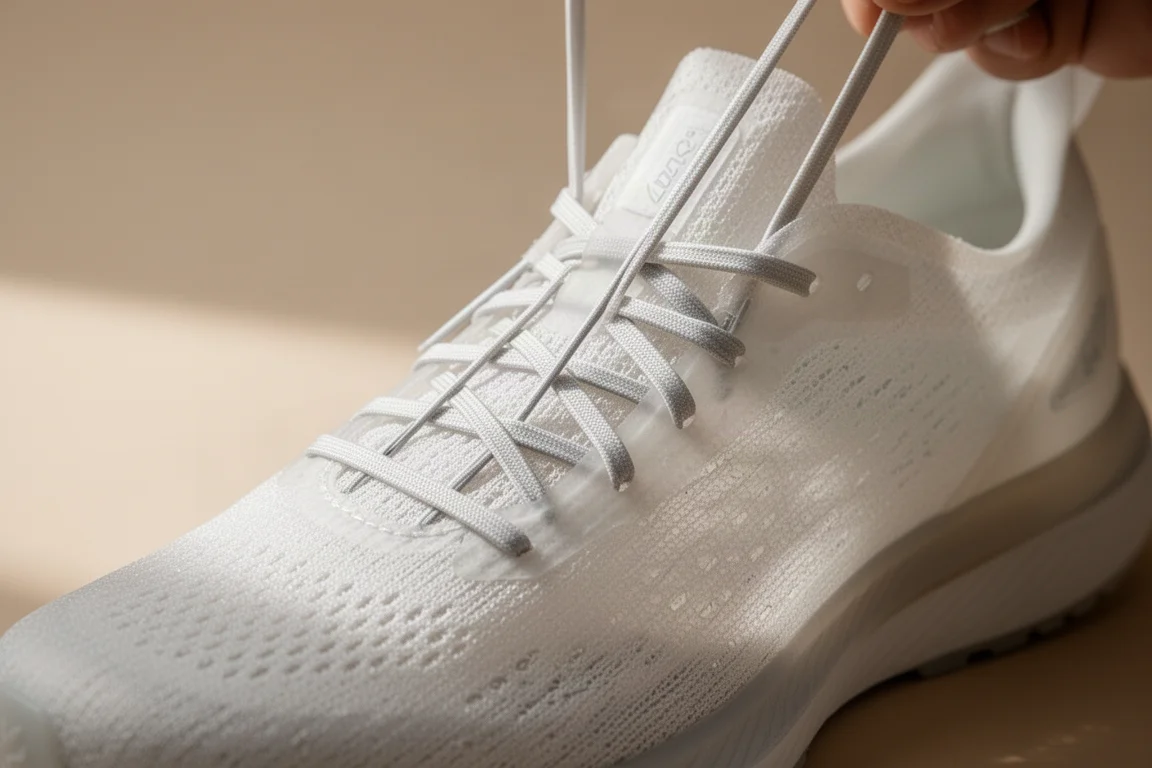
Fit also differs. Both have a narrow midfoot, and sizing up a half size is recommended in the Takumi Sen 9. That is not necessary in the Boston 12, which has a roomier forefoot than its sibling. One small fix worth considering: both shoes have thin tongues and laces that feel like sharp little ropes, so swapping in a softer pair of laces is a sensible upgrade, especially for the Boston 12 if you are using it several times a week.
Outsole and Durability
Both shoes use Continental rubber, and wet-weather grip is fantastic on both. The Boston 12 was run hard through a downpour with no slipping or sliding, and the Takumi Sen 9 handled a rainy half marathon with the same confidence, allowing full power through corners and puddles.
The difference is coverage. The Boston 12 has a more comprehensive rubber layout front and back, with thicker application and more coverage on the lateral and medial sides to protect the foam over the long haul. The Takumi Sen 9 is a weakness here: at around 100 miles, its foam was already starting to show wear, with rubber worn through into the Lightstrike Pro on one shoe. As a race shoe built for short efforts, that is expected, but the Boston 12 is clearly the more durable shoe of the pair.
Which Shoe Belongs in Your Rotation?
The Boston 12 is the more well-rounded option. If you only have one or two shoes in your rotation and need something that can handle long runs, workouts, and daily training, it is the shoe of choice. It can even handle a half marathon or marathon if you are not chasing an absolute PR with a dedicated super shoe, and it managed a 4 by 1.5 mile workout totaling around 12 miles with warmup and recovery without complaint. Daily miles are possible in it, though a softer, more cushioned shoe is still the better pick for recovery running.
The Takumi Sen 9 is a specialist. It suits intermediate and advanced runners who want a dedicated shoe for fast repeats during marathon training or VO2 max work. It should not be used for daily training, and anything beyond 10K, or workouts where total volume exceeds about 4 miles of hard work, is better left to another shoe.
Conclusion
The Boston 12 is the do-it-all option: long, short, and everything in between, with better durability and a lower price. The Takumi Sen 9 is a specialized short-distance racer that rewards good form and speed, best added as a fourth or fifth shoe once you already have a daily trainer and race day shoe covered. Choose based on how many slots you have left in your rotation.
Further reading
Related Reviews

Running Shoes
Best Road-to-Trail Running Shoes: Three Versatile Options for Mixed Terrain
A practical guide to three road-to-trail running shoes that handle both pavement and mild trails, with clear strengths and trade-offs for different runner types.

Running Shoes
Best Running Shoes for Achilles Tendonitis: Three Options Explained
Three running shoes with different heel drops and support features designed to help reduce Achilles tendon pain during walking and running.

Running Shoes
Best Running Shoes for Women: Five Top Choices Ranked
A ranked guide to five women's running shoes, from versatile daily trainers to high-performance racing options, with real strengths and trade-offs for each.