Running Shoes
Adidas Boston 12 vs Puma Deviate Nitro 2: Which Super Trainer Deserves Your Money?
Two versatile super trainers with dual-density midsoles go head to head. We break down fit, ride, grip, and where each one genuinely shines.
Introduction
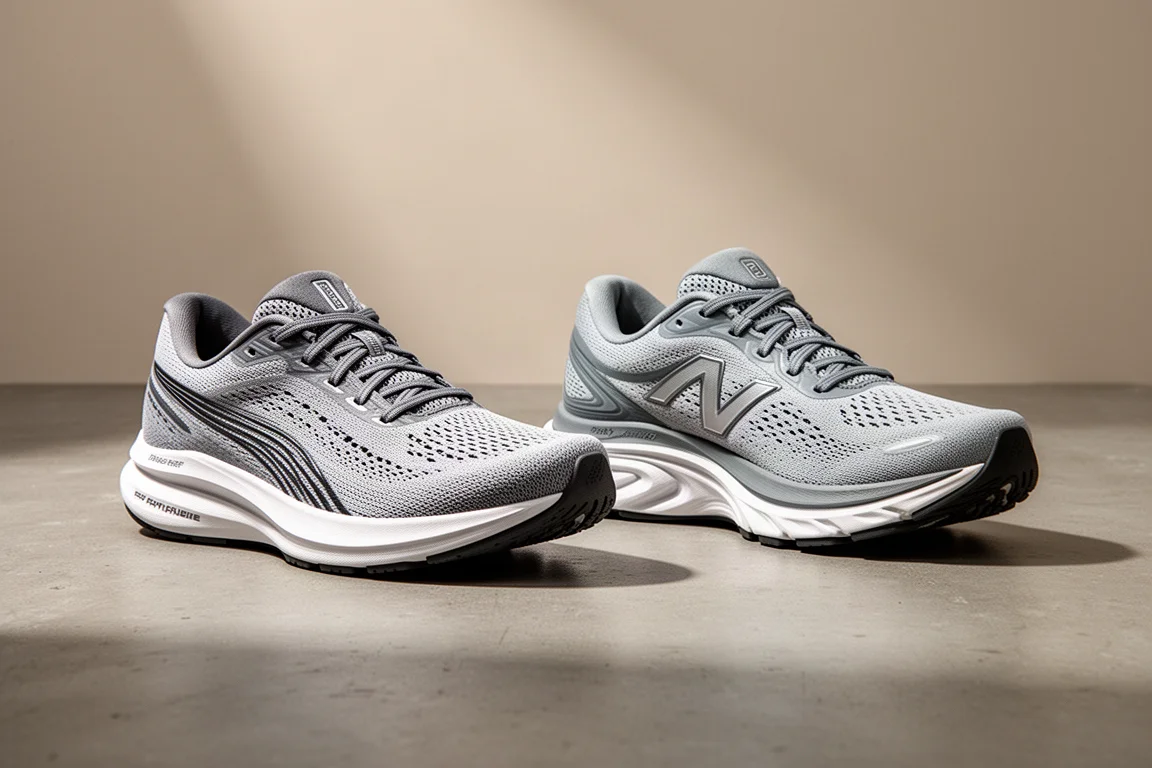
The Adidas Boston 12 and Puma Deviate Nitro 2 are both super trainers with dual-density midsoles and built-in tech designed to aid your efficiency on the run. Both are reasonably well priced for the category: the Boston 12 costs £140 in the UK, the Puma £145, and both sit at $160 in the US. On paper they look like near twins. On the foot, they feel quite different, and that difference is what makes this comparison worth your time.
Specs and Build at a Glance
The Boston 12 is the slightly lighter shoe at 259 grams (9.1 oz) in a UK 9, while the Deviate Nitro 2 comes in at 276 grams (9.7 oz) in the same size. Both have a 38 mm heel stack, but the Boston drops 7 mm to 31 mm at the forefoot, and the Puma drops 8 mm to 30 mm.
Each shoe layers two foams. The Puma puts nitrogen-infused PEBA Nitro Elite foam on top of nitrogen-infused TPEE Nitro foam, separated by a Power Plate that combines TPU and carbon. The Boston uses bouncy Lightstrike Pro over a softer, lighter second-generation Lightstrike EVA, with glass-fiber infused Energy Rods 2.0 running under the forefoot to track along the metatarsals for a propulsive ride.
Outsoles differ significantly. The Puma uses Pumagrip with an even grippier ATR compound at the rear, in a thick layer that is genuinely impressive for a shoe this light. The Boston has Continental rubber, a much thinner layer with good coverage that remains grippy and has proven durable in use.
Fit and Sizing
Both shoes fit true to size in normal sizing, and both suit narrower feet well. If you have a wide foot, be cautious: both run fairly narrow.
The Puma’s fit is the more comfortable of the two. It has a good amount of padding at the heel, Puma Power Tape for structure, and no concerns about length or heel movement. The Boston’s upper is a very stripped-back, lightweight mesh with little padding at the heel and tongue and minimal structure. That makes it feel racy, but it also means some heel rub can occur unless you lace carefully, and there can be occasional lace pressure on the tongue. If you can live with the firmer fit, the ride rewards you, but the Puma is simply the more comfortable shoe to pull on.
Puma Deviate Nitro 2: The Practical All-Rounder
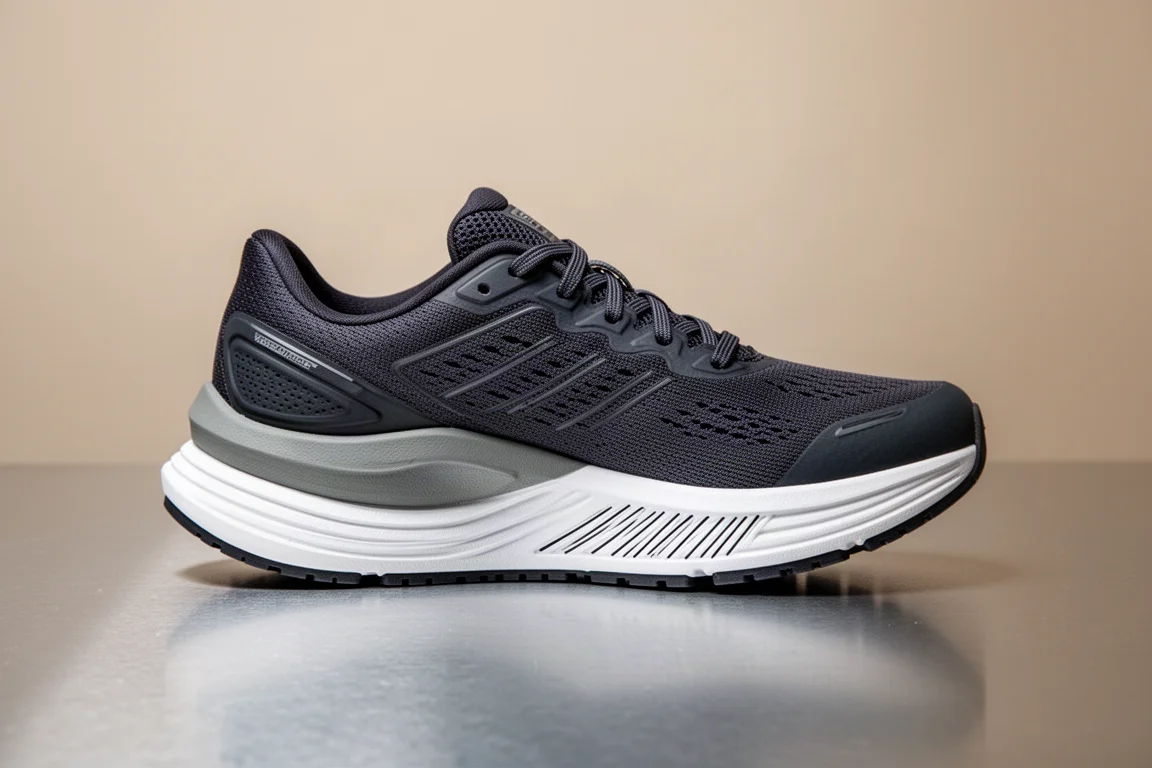
The Deviate Nitro 2 has a much more daily-training feel. Its thick, grippy outsole is a genuine plus for traction and durability, but it also dulls the ride slightly and reduces ground feel. The more padded, relaxed upper reinforces that easy-going character, and the foams stay soft underfoot at easy paces.
That practicality is the shoe’s real strength. It handles every kind of run, grips well across a range of surfaces, and the outsole layer looks set to last a long time. It may not feel as exciting as some rivals, but it quietly gets the job done, and the ride remains genuinely good with a slightly more traditional, snappy feel through the geometry.
Adidas Boston 12: The Punchier, Racy Option
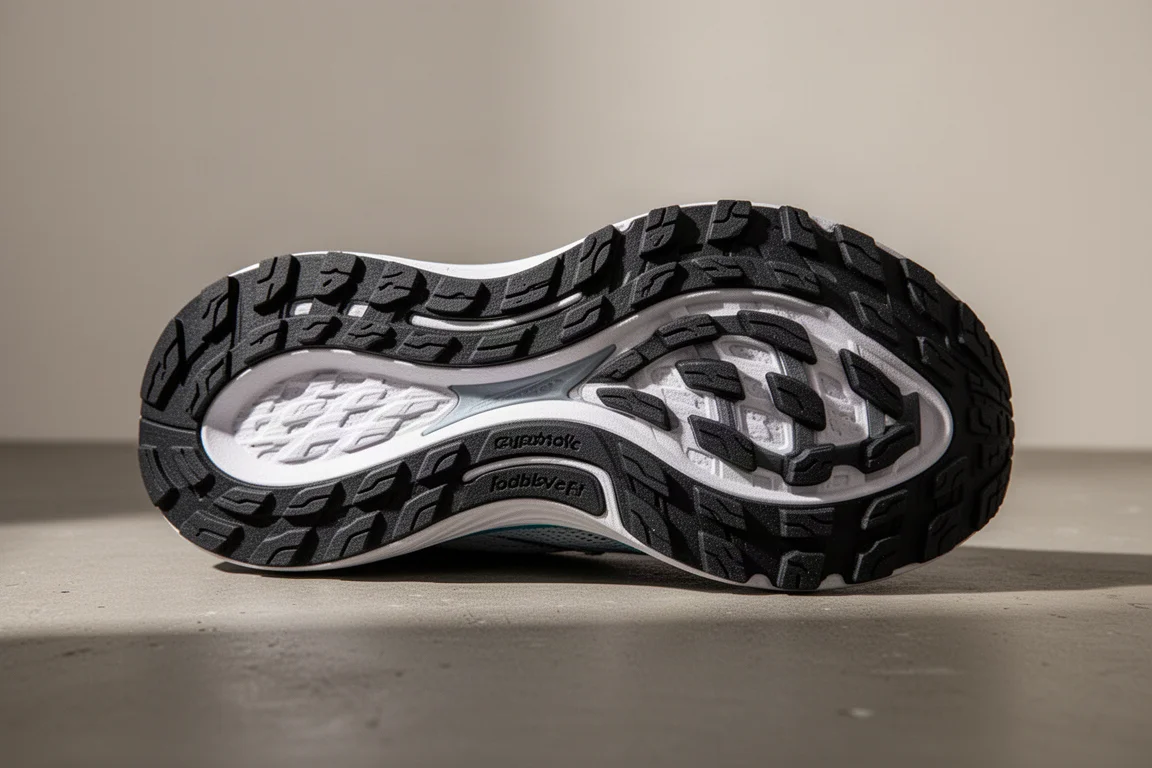
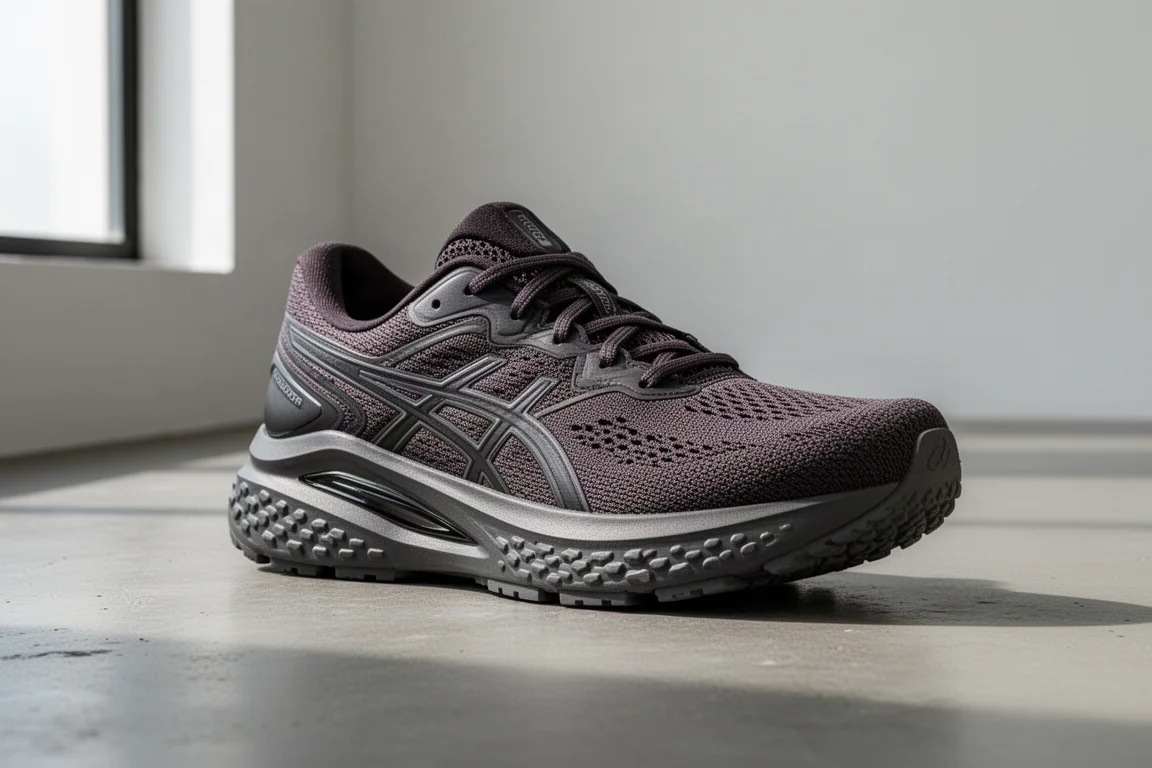
The Boston 12 feels lighter and more aggressive than its weight difference suggests. The thin Continental rubber outsole gives noticeably more ground feel, and the Lightstrike Pro foam provides a bit more punch than the Nitro Elite, especially off the forefoot. It has a stronger rocker and more aggressive toe spring, which makes it feel smoother and nimbler at faster paces.
It is more versatile than its racy first impression suggests. Long runs and easy runs are perfectly doable once the upper settles against your foot, and the two foams work together beautifully. The trade-off is that stripped-back upper: it is less comfortable out of the box and slightly limits how relaxed the shoe feels on slow days.
On the Track: 20 x 400m
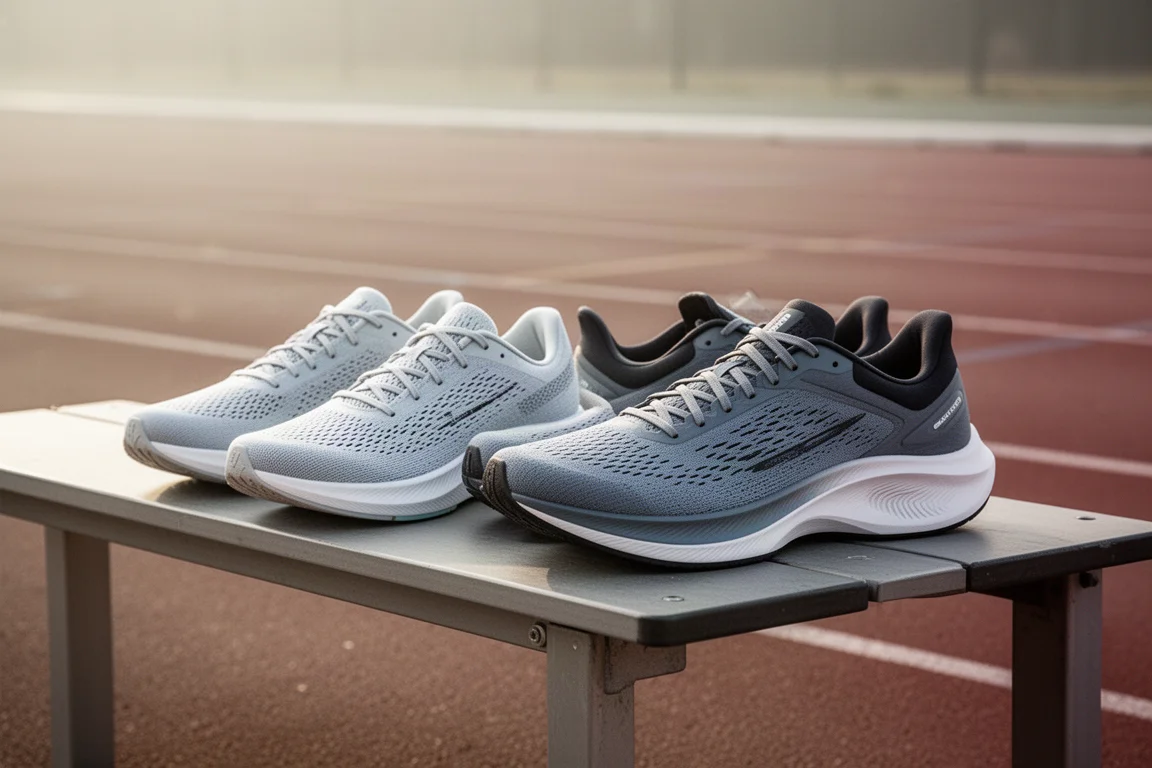
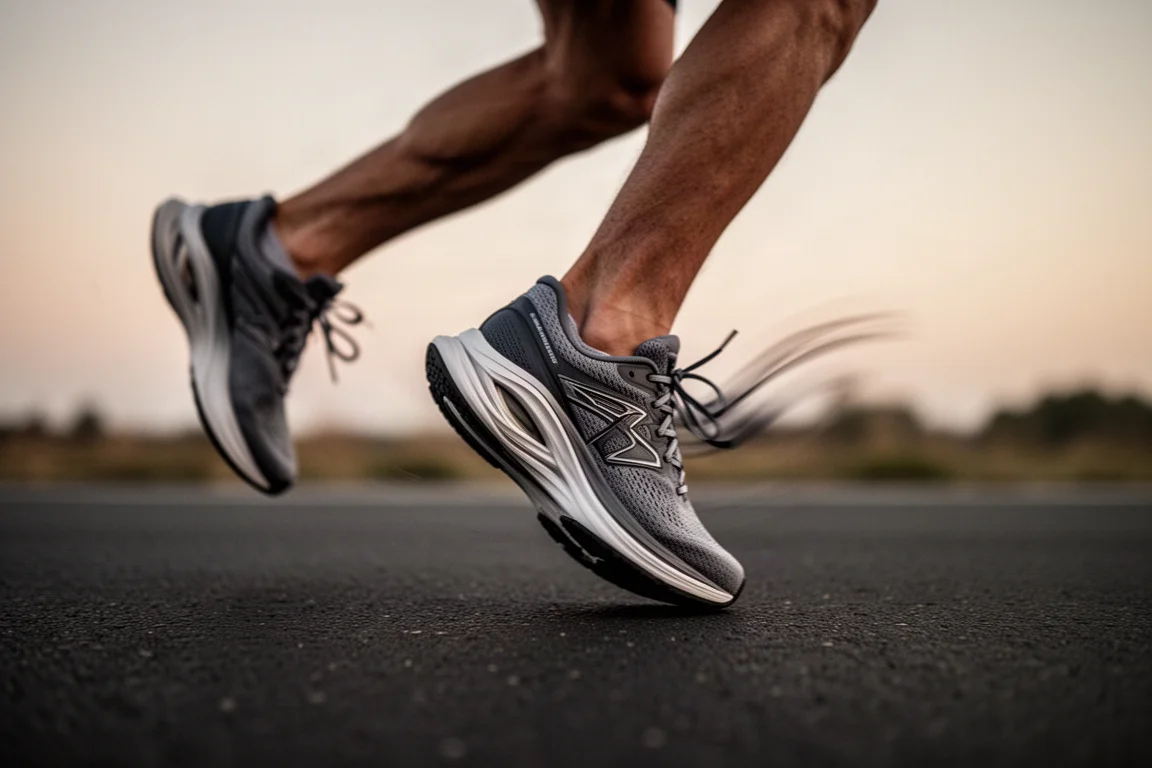
A long alternating session of 20 x 400m reps, ten in each shoe with roughly 100m jog or walk recoveries, made the contrast obvious. Switching into the Boston mid-session brought an immediate sense of lightness, nimbleness, and ground feel, with a satisfying explosive bounce from that big wedge of Lightstrike Pro underfoot.
The Puma never lacked pace. Paces were hit comfortably in both shoes, and the Deviate Nitro 2 cruised through the reps enjoyably, just with slightly less ground feel because of that thick outsole. The Boston simply felt a touch more explosive and agile for the fastest work, including an all-out final sprint.

Which One Should You Buy?
Both shoes can genuinely do it all, and how you categorize them comes down to feel. The Puma is the more practical choice for an all-rounder: better outsole durability, more grip, a more comfortable upper, and a ride that works across every run type. The Boston has the more thrilling underfoot feel, with superb ride quality and real punch, but its upper is the sticking point.
If ride feel is your priority and the snug fit does not bother you, the Boston 12 edges it. If you want one shoe that will handle everything comfortably and last, the Deviate Nitro 2 is the smarter, safer pick. Notably, Puma fixed the aggressive heel of the original Deviate Nitro by adding a little padding and weight, a lesson the next Boston could learn: a small comfort bump would make the Boston far more universally appealing without dulling what makes it special.
Conclusion
These are two of the strongest all-round super trainers available, and the choice comes down to character. The Adidas Boston 12 wins on ride feel, agility, and that explosive forefoot snap. The Puma Deviate Nitro 2 wins on comfort, outsole durability, and everyday practicality. Either way, you are getting a shoe that can genuinely cover easy runs, long runs, and hard workouts.
Further reading
Related Reviews

Running Shoes
Best Road-to-Trail Running Shoes: Three Versatile Options for Mixed Terrain
A practical guide to three road-to-trail running shoes that handle both pavement and mild trails, with clear strengths and trade-offs for different runner types.

Running Shoes
Best Running Shoes for Achilles Tendonitis: Three Options Explained
Three running shoes with different heel drops and support features designed to help reduce Achilles tendon pain during walking and running.

Running Shoes
Best Running Shoes for Women: Five Top Choices Ranked
A ranked guide to five women's running shoes, from versatile daily trainers to high-performance racing options, with real strengths and trade-offs for each.