Running Shoes
Adidas Boston 12 vs Hoka Mach X: Two Super Trainers, Two Very Different Rides
Both sit in the super trainer category, borrowing tech from each brand's carbon racers. One is snappier and cheaper, the other comfier and more stable. Here's how they compare.
Introduction
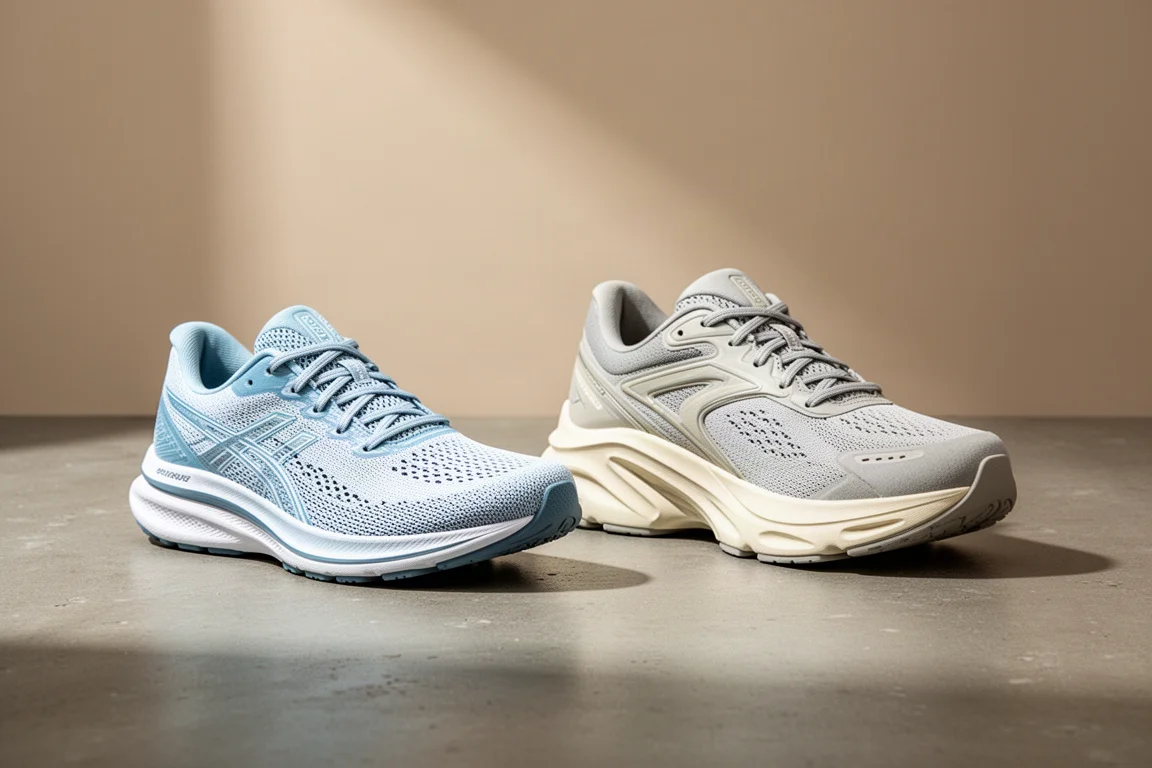
The Adidas Boston 12 and the Hoka Mach X both live in the super trainer category: shoes that borrow technology from each brand’s best carbon racing shoes and package it for daily training across a wide range of runs. They sit at similar weights and similar stack heights, yet they feel noticeably different on the foot. After testing both side by side, one clearly suits fast, snappy running while the other leans toward comfort and stability. Here is how they break down.
Specs and Construction
The Boston 12 is the cheaper of the two at £140 or $160, while the Mach X comes in at £160 or $180. They are close in weight: the Mach X is 265g (9.3oz) in a UK 9, and the Boston 12 is 259g (9.1oz). The Boston 12 has an 8mm drop with a 38mm heel and 30mm forefoot stack. The Mach X runs a 5mm drop with a 39mm heel and 34mm forefoot in the men’s shoe, and 37mm heel and 32mm forefoot in the women’s version.
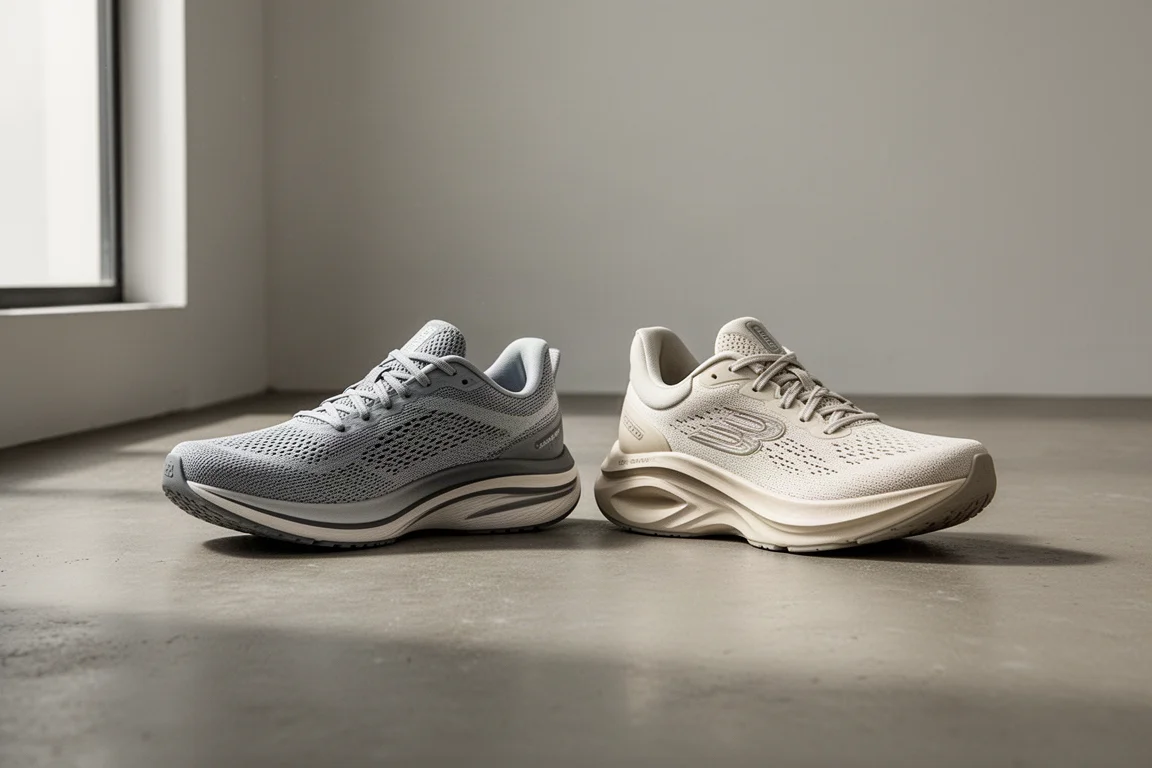
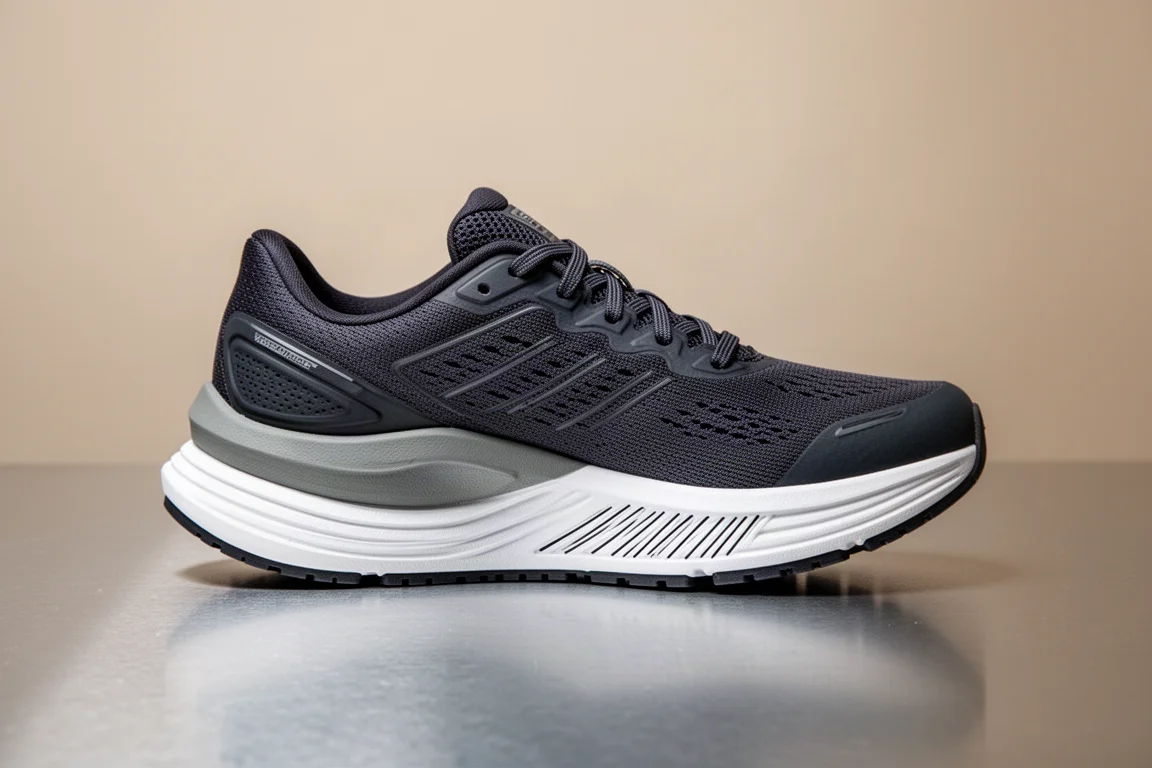
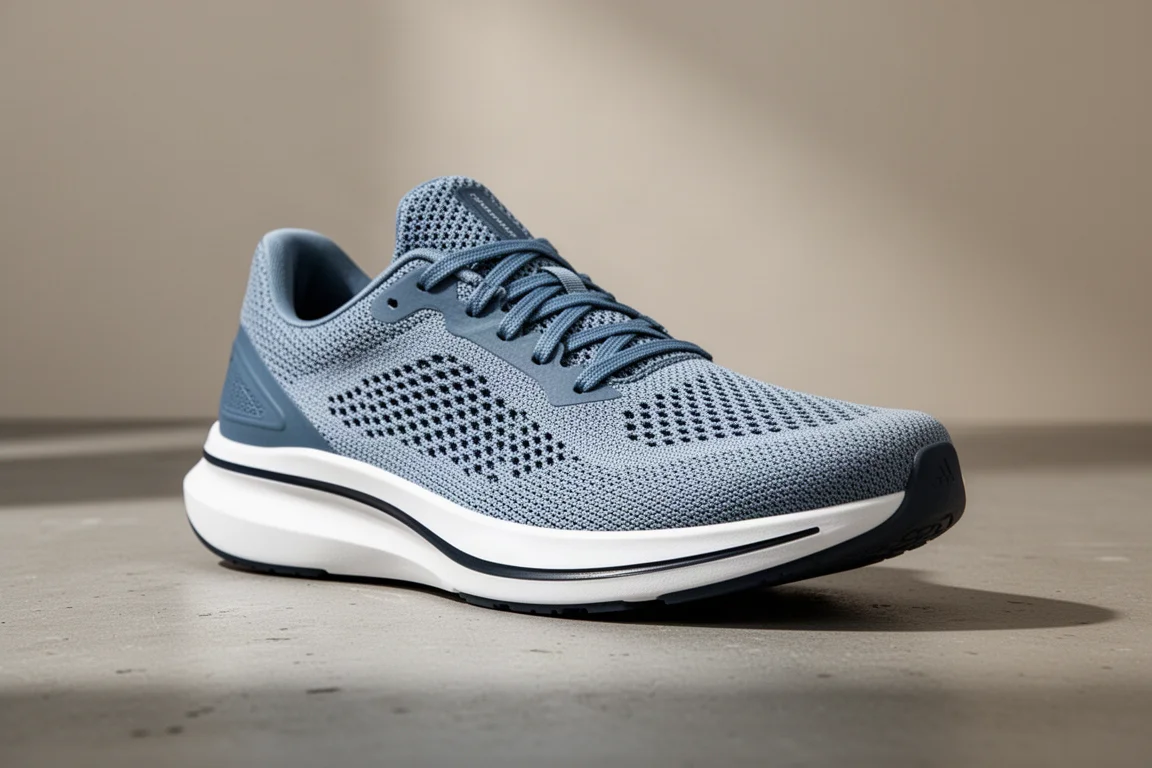
Under the hood, both use a dual-density midsole. The Boston 12 layers Lightstrike Pro, Adidas’s best foam from shoes like the Adios Pro 3, over a lighter, softer Lightstrike 2.0 EVA, with glass fiber-infused energy rods 2.0 between the layers in place of a plate. That setup aims for a more flexible feel while still delivering propulsion. The Mach X uses a PEBA foam top layer over an EVA bottom layer, with an actual plate instead of rods, plus a more pronounced rocker.
The outsoles tell a similar story with a key difference: the Boston 12 uses Continental rubber with good coverage, especially across the forefoot, with cutouts and some exposed foam to save weight. The Mach X has decent rubber coverage too, though it is not quite as effective as the Continental compound.
Fit and Upper
This is where the two shoes diverge sharply. The Mach X is a very well-fitted shoe straight out of the box: a engineered jacquard mesh upper with generous heel padding, a substantial heel counter, and a good hold through the midfoot. It might come up a little narrow for some, but it is easy to get on and off and comfortable from the first run.
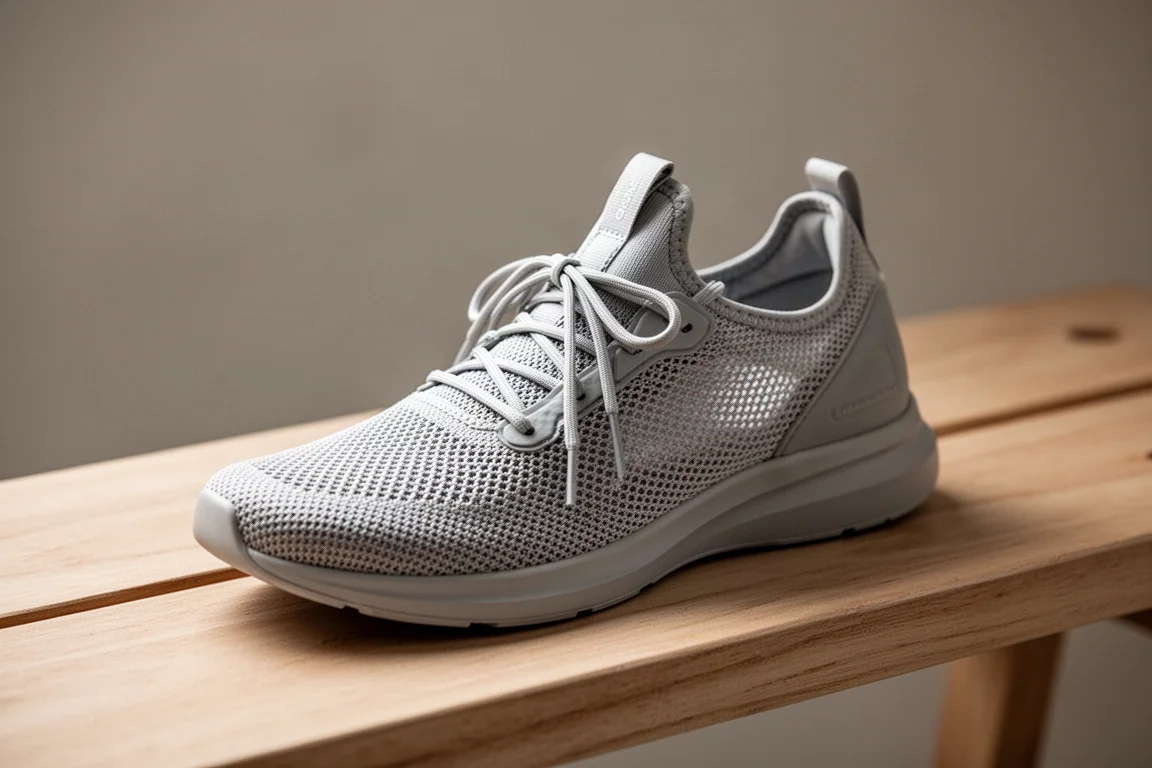
The Boston 12’s upper is not its strong suit. It is a very thin, racy mesh with essentially no structure and a minimal heel counter. It is harder to get the shoe on, the thin tongue can produce some lace bite, and some runners report heel rub that requires a heel-lock lacing adjustment. Stick with your normal size in both shoes, but expect to fiddle with the Boston 12’s lacing far more than the Mach X.
Ride and Performance
Despite the similar weights, these shoes ride very differently. The Hoka feels bigger and weightier on the foot, with a less snappy character. It is a shoe you roll through with the rocker, getting some punch from the plate and foams, but it never feels notably quick or propulsive. That works beautifully on easy runs and steady efforts, and it can handle fast work, but it does not feel especially nimble.
The Boston 12 delivers a more traditional, snappy ride. There is a lot more punch off the large block of Lightstrike Pro under the forefoot, and the energy rods plus lighter, more flexible construction make it feel much more agile. It is the clear pick for 400-meter reps and extended fast running, and it handles hard long runs well too, with the two foams merging into a smooth transition from the firmer heel to the bouncier forefoot.
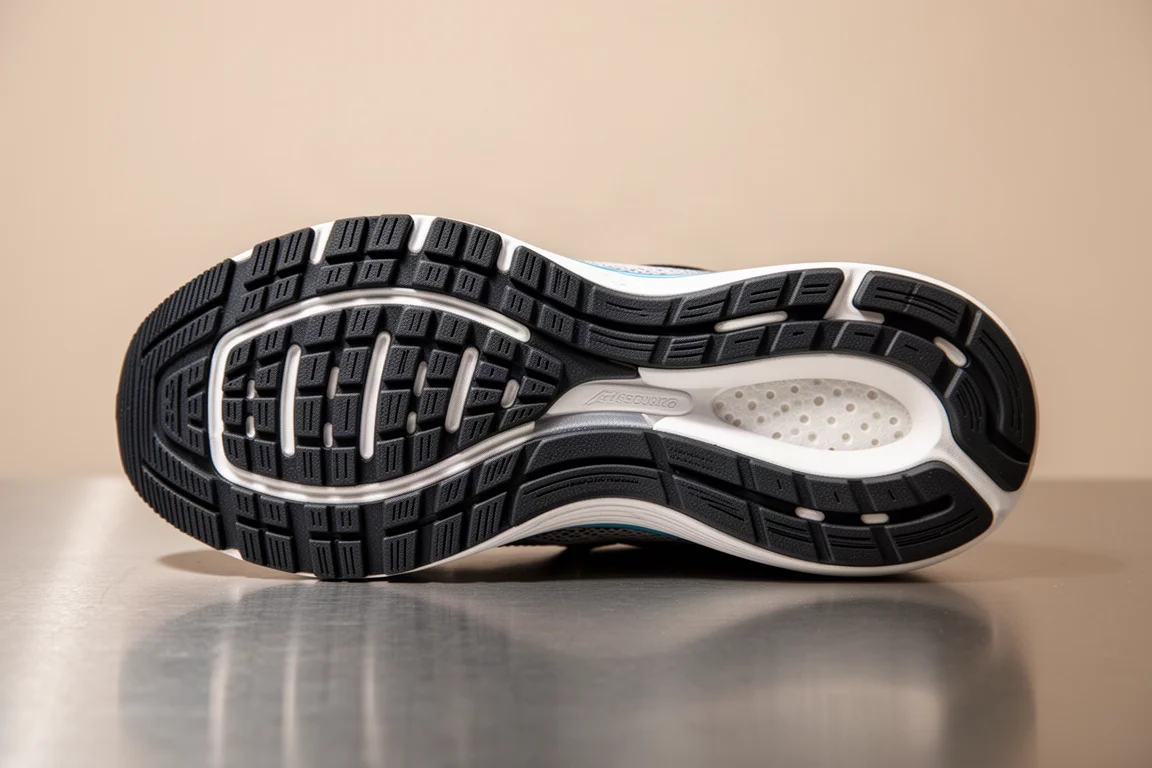
Two more practical points stand out. First, grip: the Boston 12’s Continental rubber delivers reliable traction on greasy pavements, while the Mach X felt a little slippery in the same conditions. If you train through winter, that edge matters. Second, cadence and stride style: high-turnover runners will likely find the Boston 12 easier to spin up, while runners with a more bounding stride may extract more from the Mach X’s plate and thicker foam platform.
On comfort over long, easy miles, the Hoka wins. The smoother rocker plus the noticeably more comfortable upper make it the more relaxed cruising shoe, and it is also the more stable platform of the two.
Which One Should You Buy?
The Hoka Mach X is the friendlier all-rounder. If you mostly run easy miles and long cruises, want a shoe that is comfortable and stable out of the box, and value a fuss-free upper, it is the better fit. It is also a sensible first plated shoe for runners new to that style. It does have speed available, just less of it.

The Adidas Boston 12 is the better pick if your super trainer needs to skew fast. It handles easy runs and long runs comfortably, but it shines on tempo work, track reps, and progression runs, and it comes with a lower price at £140 or $160. It also appears in sales fairly often, including strong Black Friday discounts, whereas the Mach X has not dropped in price much yet.
Conclusion
Both are solid super trainers with similar dual-density midsole concepts, but they serve different runners. The Boston 12 is the snappier, lighter-feeling, better-gripping, and cheaper option with an upper that needs some dialing in. The Mach X is the more comfortable, more stable cruiser that rolls effortlessly through long runs. If you want range at the fast end, the Boston 12 is the stronger all-rounder; if you want maximum ease on easy days, the Mach X makes more sense.
Further reading
Related Reviews

Running Shoes
Best Road-to-Trail Running Shoes: Three Versatile Options for Mixed Terrain
A practical guide to three road-to-trail running shoes that handle both pavement and mild trails, with clear strengths and trade-offs for different runner types.

Running Shoes
Best Running Shoes for Achilles Tendonitis: Three Options Explained
Three running shoes with different heel drops and support features designed to help reduce Achilles tendon pain during walking and running.

Running Shoes
Best Running Shoes for Women: Five Top Choices Ranked
A ranked guide to five women's running shoes, from versatile daily trainers to high-performance racing options, with real strengths and trade-offs for each.