Running Shoes
Adidas Boston 12 vs Hoka Mach 6: Which Versatile Speedy Trainer Should You Buy?
Two of the most versatile daily trainers on the market go head to head: the punchy Adidas Boston 12 against the relaxed, stable Hoka Mach 6.
Introduction
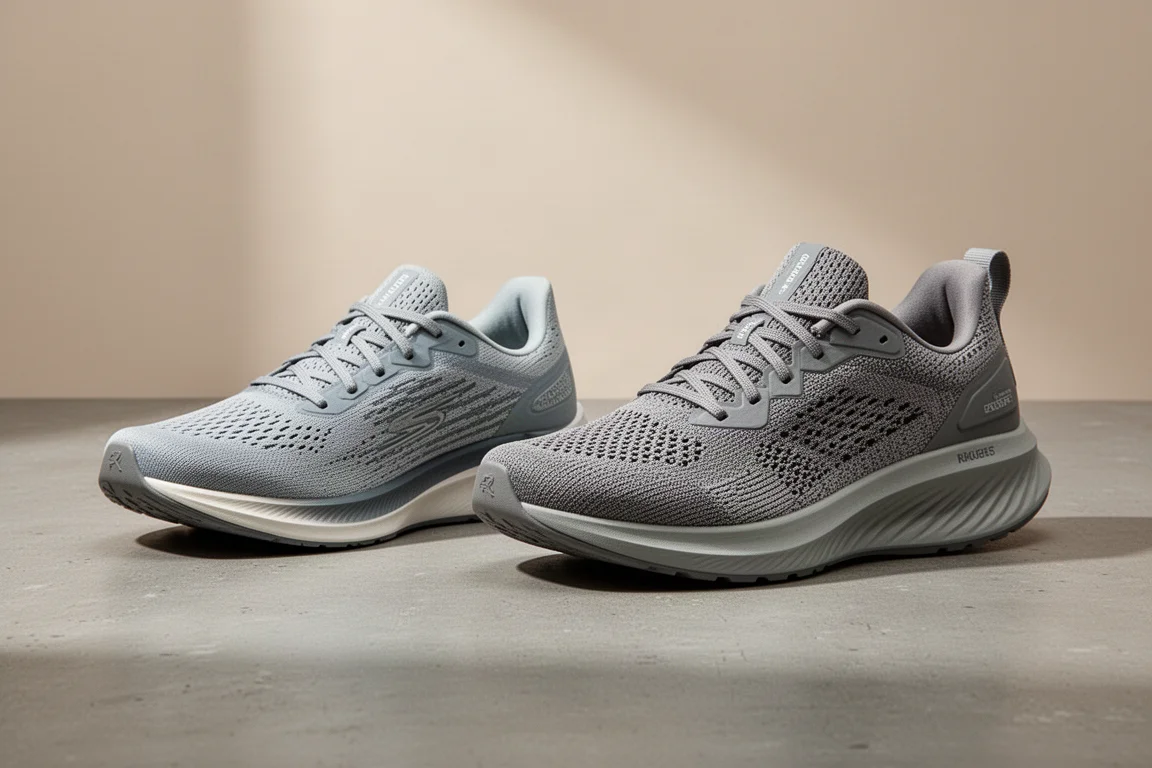
The Adidas Boston 12 and Hoka Mach 6 are both versatile daily trainers that lean towards the speedy end of things on paper, but in practice they handle a remarkably wide variety of runs. They are also two of the most impressive all-rounders in the current running shoe market, and both sit at a similar price point, which makes them a natural pairing to compare.
On paper the two shoes look close, but they take noticeably different approaches to getting there. One is built like a super trainer with plates and premium foam, while the other keeps things simple and relaxed. Understanding that difference is the key to choosing between them.
Specs and Design at a Glance
The Boston 12 comes in at £140 or $160, while the Mach 6 is £140 or $140, making it the slightly cheaper option in the US. The Mach is also the lighter shoe: 233g (8.2oz) in a UK 9, against 259g (9.1oz) for the Boston in the same size.
Geometry differs too. The Boston has a 7mm drop with a 38mm heel stack and 31mm at the forefoot. The Mach has a 5mm drop and different stack heights for men and women: 37mm at the heel in the men’s shoe and 35mm in the women’s.
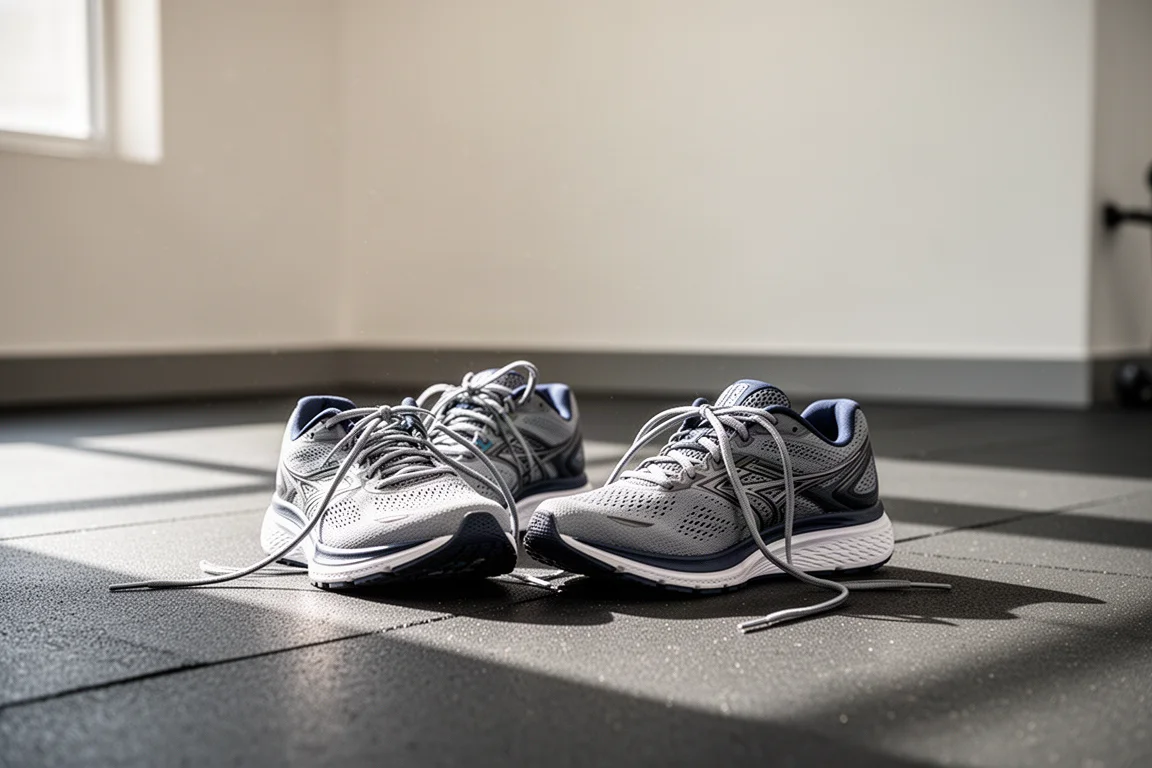
Construction is where they really diverge. The Boston uses a dual-density midsole with a top layer of Lightstrike Pro over a bottom layer of Lightstrike 2.0 EVA, and between the two layers sit glass fiber infused Energy Rods 2.0. These act a bit like a plate, adding pop and propulsion and pushing the Boston firmly into super trainer territory. Underfoot there is Continental rubber with great forefoot coverage and two strips of rubber at the back.
The Mach 6 instead uses a full supercritical EVA midsole made of a single material, a change from the dual-density setup of the Mach 4 and 5. There is a pleasant rocker shape and, new for this generation, a proper rubber outsole with good coverage running the length of the shoe. Previous Mach models only had a rubberized EVA outsole. Even as a heel striker, the small exposed patch at the heel is not an area that wears noticeably.
Fit and Upper Experience
The Boston 12 has a very lightweight, minimal, racy upper with a thin tongue, thin laces and not much padding or structure at the heel. There is no significant internal heel counter. The Mach 6 uses a creel jacquard mesh upper with an extended heel tab that rises fairly high up the back, with a bit of padding around it, though the tongue is still fairly thin and the overall setup remains lightweight.
Both brands have a history of running fairly narrow, and that is mostly still true. The Mach in particular is quite narrow in the toe box. The Boston is a little wider than some past Adidas shoes but is still not a wide shoe in any way. Runners with narrow feet should find both fit well in both length and width.
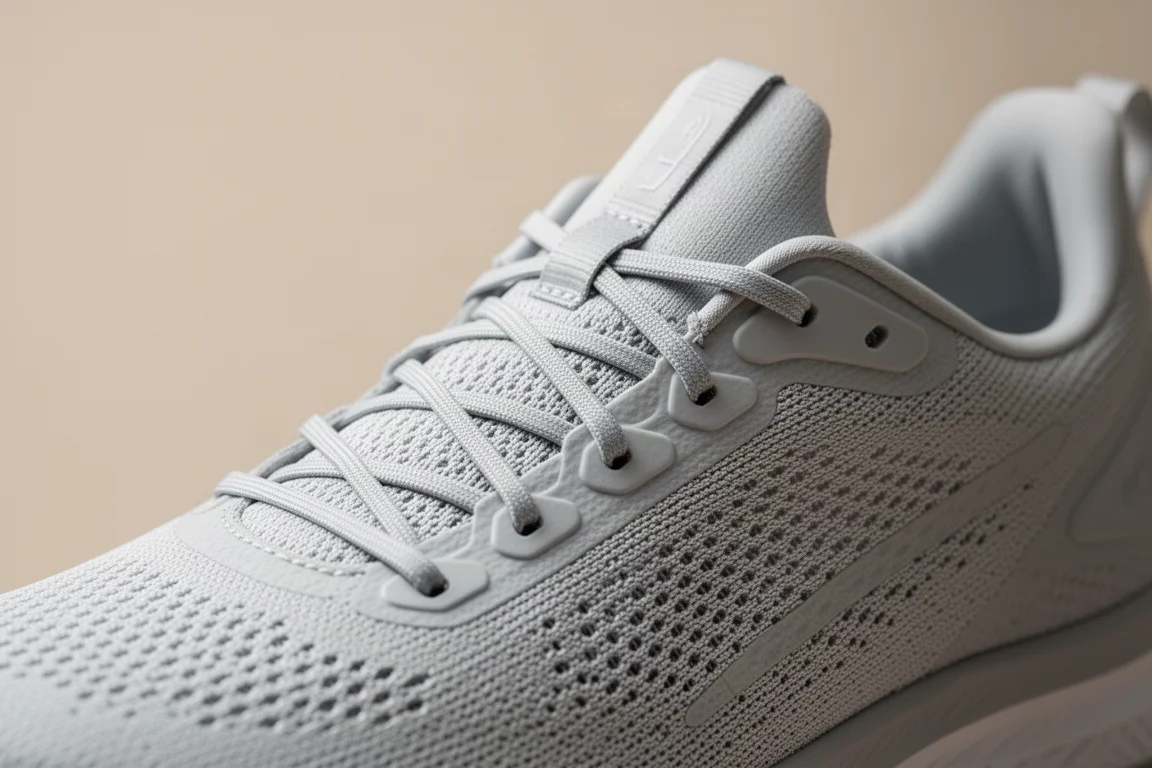
The Boston is the fussier fit of the two. Because the upper is so thin and racy, you have to fiddle with it quite a lot: heel-lock lacing helps avoid heel rub, and tightening the laces for speed work can produce some lace bite through the tongue. The Mach offers a much more relaxed and easy fit, which counts for a lot in a shoe you pull on most days.
How They Feel on the Run
The Boston 12 is a lightweight, fast-feeling shoe. It is not the lightest shoe available, but it feels lighter than its weight. The combination of Lightstrike Pro foam and the Energy Rods pushes you onto your forefoot and delivers a dynamic, punchy ride when you up the pace. The high stack and two soft foams meld nicely on the run: you sink into the bouncy top layer, hit the slightly firmer layer beneath, then get a responsive toe-off. Despite the speed focus, it still feels cushioned and protective at easy paces.

The Mach 6 lives up to the high standards of its line as a really nice, simple, lightweight, versatile all-rounder. It is especially good for long runs and cruising, but it has enough top-end speed if you want it. It does not match the Boston’s pace, since there are no rods and the foam is not quite as impressive, particularly at the top layer. What you get instead is a bit more width, a bit more stability and more comfort at relaxed, easy paces.
Running in both back to back makes the difference obvious. The Boston’s extra punch is very clear: it moves you onto your forefoot quickly and feels lighter than the Mach even though it is actually the heavier shoe. The Mach feels more grounded, rolls you through foot strike and is far more enjoyable for easy and relaxed runs. The Boston can do easy miles, but some runners will find the stripped-back upper annoying and the rear of the shoe a little unstable on slow days.
Everyday Comfort and Stability
As a daily trainer, the Mach’s relaxed fit and stable rear make it the easier shoe to live with. You can cruise along comfortably, and it ticks over nicely while staying light on the foot, which makes it well suited to marathon training and eating up a lot of miles.
The Boston, by contrast, is genuinely annoying to put on and set up. Sorting the laces so nothing rubs or bites takes effort almost every time you put the shoe on, and that counts against it as an everyday option. The trade-off is a much tighter, faster feel that rewards you the moment the pace rises.
Which One Should You Buy?
If you are a one-shoe runner who wants a single shoe to do it all, and you want something pretty speedy that you might even take to race day, the Boston 12 is the better pick. It is also the stronger choice if you run a rotation and need a fast trainer for track workouts, intervals, tempo runs and hills.
If you want to round out a rotation with an easy-day shoe or a daily trainer with more emphasis on long runs and relaxed miles, the Mach 6 is the better option because it is simply more comfortable at those paces. The shoes do overlap enough that both could sit in one rotation, with the Boston as the speed shoe and the Mach as the relaxed daily trainer, but the overlap is large enough that most runners should just pick between them.

Value is worth considering too. While they cost the same in the UK, the Boston is actually more expensive in the US at $160 versus $140. However, the Boston pops up in sales frequently, sometimes under $100 around events like Black Friday, while the Mach line has historically been harder to find at a discount. Catch the Boston on sale and it becomes excellent value as a shoe that can do a little bit of everything. Just remember that some runners will find it a bit narrow and a bit too racy for easy runs, in which case the Hoka is the safer bet.
Conclusion
The Boston 12 is the faster, more versatile, more demanding shoe: a punchy super trainer with rods in the midsole and a racy fit that rewards effort with speed. The Mach 6 is the simpler, more relaxed ride: stable, comfortable, and genuinely great for easy and long runs, with enough pace in reserve when needed. Choose the Boston if speed is the priority, the Mach if comfort and everyday ease win out.
Product link
View more details for Adidas Boston 12
This product is mentioned in the review. Check the specifications, options, and compatibility before buying.
View more details for Adidas Boston 12Further reading
Related Reviews

Running Shoes
Best Road-to-Trail Running Shoes: Three Versatile Options for Mixed Terrain
A practical guide to three road-to-trail running shoes that handle both pavement and mild trails, with clear strengths and trade-offs for different runner types.

Running Shoes
Best Running Shoes for Achilles Tendonitis: Three Options Explained
Three running shoes with different heel drops and support features designed to help reduce Achilles tendon pain during walking and running.

Running Shoes
Best Running Shoes for Women: Five Top Choices Ranked
A ranked guide to five women's running shoes, from versatile daily trainers to high-performance racing options, with real strengths and trade-offs for each.