Running Shoes
Adidas Boston 12 vs Adiós 8: Two Racing-Derived Trainers for Different Jobs
Adidas updated both long-running speed lines this year with a new Lightstrike EVA blend. We compare stack, fit, ride feel, and which one suits your training.
Introduction
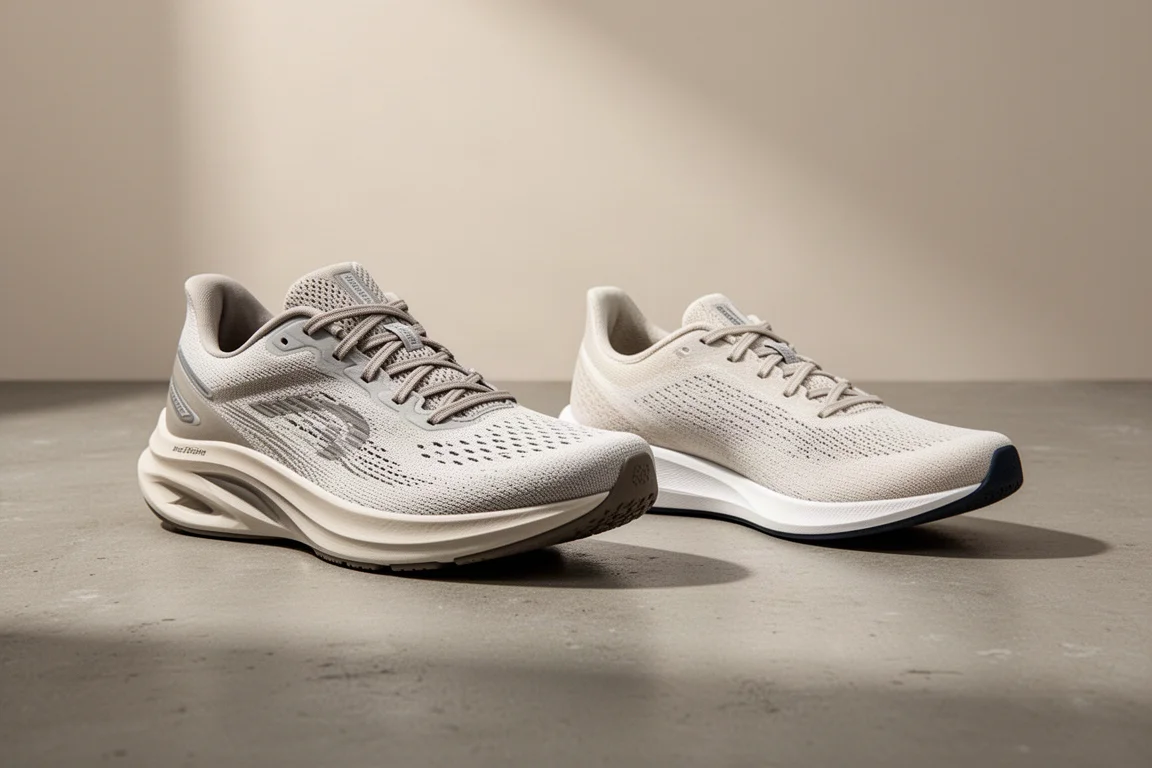
The Boston and the Adiós are two of the longest-running and most popular lines in Adidas’s running lineup. Both started life as racing shoes and gradually became all-round fast trainers, and both received significant updates this year that improved them considerably. They are great shoes all around, and they are quite reasonably priced given where running shoe pricing sits these days, especially with super trainers now heading up towards £200.
The Boston 12 sits at £160 or $160, while the Adiós 8 comes in at £120 or $130. That pricing alone makes them interesting against the market, but they serve noticeably different purposes, and the difference comes down mostly to stack height, foam volume, and ride feel.
Specs and Construction
In UK size 9, the Boston 12 weighs 259g or 9.1 oz, while the Adiós 8 is 217g or 7.65 oz. The Boston has a 7mm drop with a stack of 38.8mm at the heel and 31mm at the forefoot. The Adiós has an 8mm drop and a much lower stack of 28mm at the heel and 20mm at the forefoot.
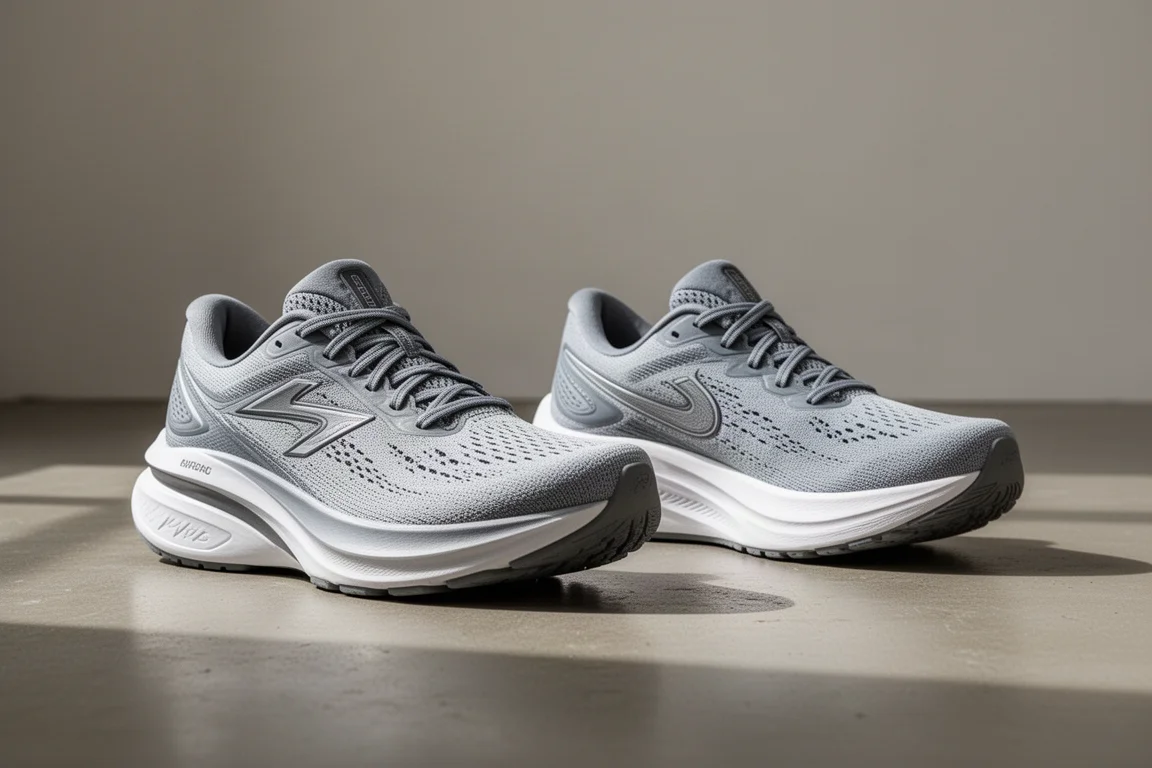
Both shoes use dual-density midsoles, and the big update this year is the Lightstrike EVA foam at the back of the Adiós and underneath the Boston. It is now a softer, lighter, better foam than the original Lightstrike. On top of that, the Adiós carries a chunk of Lightstrike Pro under the forefoot, Adidas’s best foam from its racing shoes. The Adiós also uses a plastic shank running from the midfoot, with prongs extending mainly forward, an older Adidas approach to adding torsion, stiffness, and propulsion at toe-off.
The Boston goes further, with glass-fiber infused Energyrods 2.0 running through the shoe and a much larger amount of Lightstrike Pro in its higher stack. Both shoes get a very stripped-back, lightweight upper with minimal padding around the heel and only a little toe reinforcement, plus a Continental rubber outsole with strong grip and not much exposed foam. The Boston’s rubber layer is slightly thicker with a ridged setup compared to the Adiós’s flatter feel.
Fit and Comfort
I tested both in UK size 9, which converts to a US 9.5 in Adidas sizing, so they can come up slightly smaller than other brands that run a UK 9 as a US 10. Length has been fine in both, but the heel fit is a weak point on each. I needed to heel lock both shoes, as Adidas’s upper system and minimal heel padding caused heel rub without quite tight lacing, which in turn delivers a little lace bite.
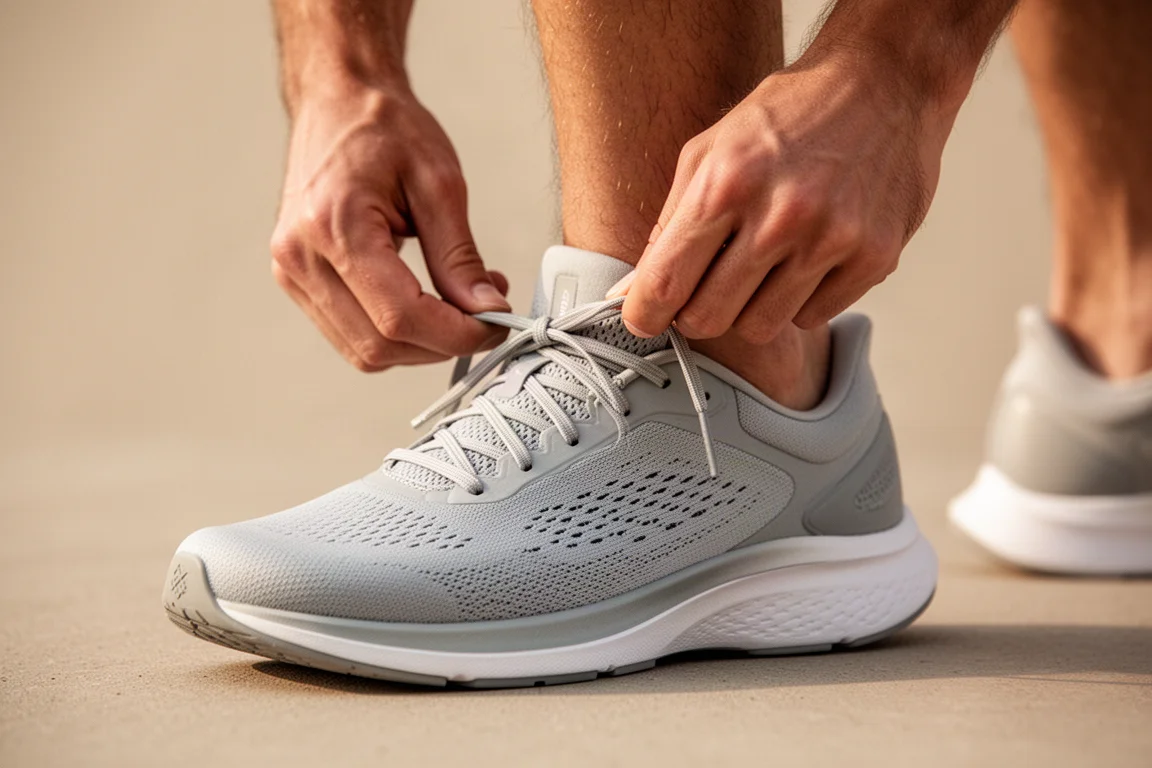
For the Adiós, a stripped-back racing-flat upper is arguably acceptable given its purpose. The Boston, however, is built as a training shoe that can handle long miles, and it certainly can handle them, so the upper feels a little too stripped back and uncomfortable at times for a shoe you would want to do a lot of mileage in. Both fit true to normal size overall, and they are a bit wider than past versions of these shoes, which used to be very torpedo-like.
Adidas Adiós 8: The Fast, Direct Speed Day Shoe
The Adiós 8 is a much flatter and more direct shoe than the Boston, with a traditional racing-flat feel. It shines in short, sharp sessions: the Lightstrike Pro under the forefoot gives a nice feel off the front of the shoe, it is light and nimble, grip is good, and there is a nice bounce at toe-off. Heel rep sessions and track work are exactly what it is built for, and it even held up well in a steady five-mile run and an easy run.

Where it struggles is distance. Push a steady five-mile run out to a 10-mile tempo and the Adiós stops working as well, because the lower platform and flatter, more direct feel limit comfort. If you hanker for the days of lower-profile shoes with more ground feel and a slightly firmer ride, this is a really good example, and it remains pretty comfortable. It is simply not the shoe for piling on the miles.
Adidas Boston 12: The Do-It-All Super Trainer
The Boston 12 is so good at the runs the Adiós falters on. It has a genuinely smooth and comfortable ride, with a nice bit of snap when you want to run faster. The larger wedge of Lightstrike Pro under the forefoot feels more comfortable and bouncier than the Adiós, simply because there is more foam in a much higher stack.
It really is a do-it-all shoe. Long-run cruising feels great, track sessions and short sharp reps still work well, easy runs are comfortable, and it excels at long hard efforts like a 10-mile tempo or a steady hour in training. Grip is dependable on general roads, particularly useful in winter, and the combination of dual-density foam and the Energyrods gives a bouncy ride that helps you hold faster paces over longer periods.
Which One Should You Buy?
Both shoes do the jobs they were built for. The Adiós 8 is the fast speed-day shoe with a traditional, grounded, flatter feel that is genuinely nimble, much more so than the Boston. The Boston 12 is the modern super trainer whose ride works for essentially any kind of run, and it is the one I would pick as the more versatile all-rounder.
If you specialize in short-distance work and short sessions, even on easy and recovery days, and rarely go out for long runs, the Adiós will tick every box. It is also good value. That said, there are not many shoes like it on the market anymore; lightweight shoes without full super-foam midsoles and carbon plates are rare, and Adidas’s own Takumi Sen, while more expensive, is arguably a better shoe for the same runs and also pops up in sales.
If you are marathon training, regularly doing long workouts, or facing sessions with long tempo sections and reps of around 2K, the Boston hoovers all of that up. It also stands out well on the market: super trainers now start around £160 and go over £200, so the Boston at £160 is strong value, and it has appeared in sales hovering around the £100 mark, which would make it a great do-it-all shoe. Against shoes like the Saucony Endorphin Speed 3 or the Puma Deviate Nitro 2, it does a great job of all the same kinds of runs.

As a general recommendation, the Boston 12 is the more accomplished shoe and the one I would get as a fantastic all-rounder. Choose the Adiós 8 only if you specifically crave that direct, firmer, flatter ride and mostly run short and fast.
Conclusion
Both updates are genuinely good and both are sensibly priced. The Adiós 8 is the nimble speed-day option with a traditional racing-flat character, best kept to runs up to about 10K. The Boston 12 is the more comfortable, more versatile shoe that still handles speed work and shines on long hard runs, making it the safer pick for most runners, especially anyone in marathon training.
Further reading
Related Reviews

Running Shoes
Best Road-to-Trail Running Shoes: Three Versatile Options for Mixed Terrain
A practical guide to three road-to-trail running shoes that handle both pavement and mild trails, with clear strengths and trade-offs for different runner types.

Running Shoes
Best Running Shoes for Achilles Tendonitis: Three Options Explained
Three running shoes with different heel drops and support features designed to help reduce Achilles tendon pain during walking and running.

Running Shoes
Best Running Shoes for Women: Five Top Choices Ranked
A ranked guide to five women's running shoes, from versatile daily trainers to high-performance racing options, with real strengths and trade-offs for each.