Running Shoes
Adidas Boston 12 Review: Does It Still Beat the 2024 Super Trainers?
A seasoned daily trainer with energy rods, dual-density foam, and a racy fit. We compare it against the latest plated and unplated super trainers to see if it still holds up.
Introduction
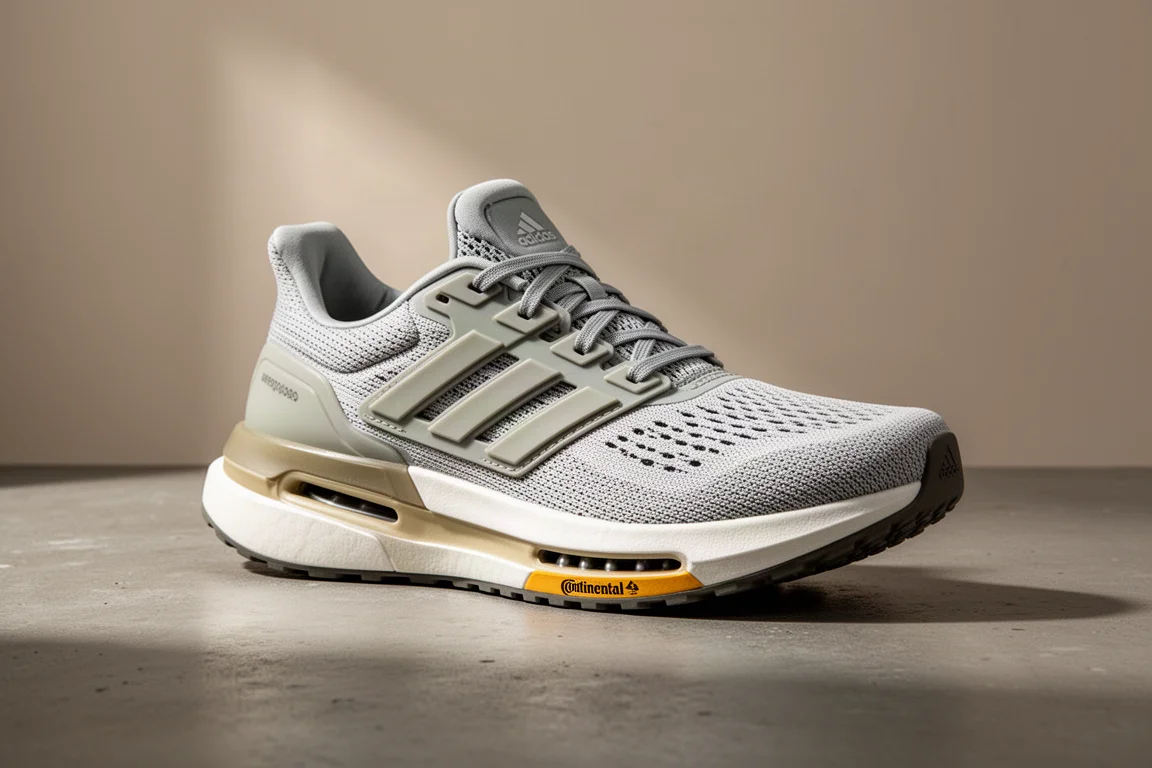
The Adidas Boston 12 arrived in 2023, and unlike many of its rivals it has not been refreshed this year. That has not stopped it from remaining one of the most interesting options in the crowded super trainer category. At £140 or $160, it undercuts most of the plated trainers released in 2024, and it regularly shows up in sales, which makes the value case even stronger.
What sets it apart from much of the current crop is its feel. Where newer super trainers have grown softer, bouncier and wider, the Boston stays direct, grounded and nimble. The question is whether that character still holds up against the newer competition. After re-testing it on an easy-to-steady hour with strides at the end, the short answer is yes, with a few caveats.
Who This Shoe Is For
The Boston 12 suits runners who want one versatile shoe that can handle easy runs, long runs and fast sessions without costing super-shoe money. It works best for runners with narrower feet who appreciate a dialed-in, racy fit, and it is a genuinely capable option for tempo days, interval sessions and even the occasional race.
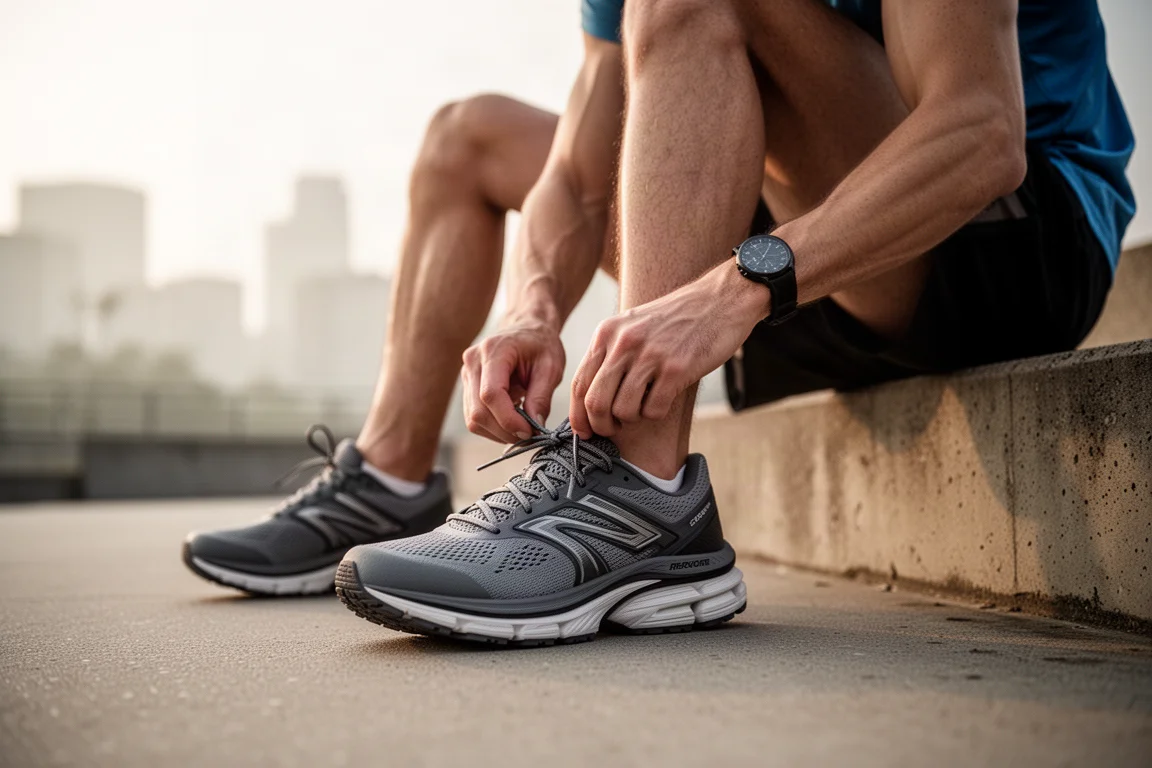
Heel strikers will find the denser underlayer surprisingly protective at easy paces, which makes the shoe more comfortable across a training week than its minimal vibe suggests. If you prioritize plushness above everything else, though, this is not your shoe.
Main Strengths
The specs sit in a sweet spot: 259g (9.1oz) in a UK 9, a 7mm drop, and a 38mm heel to 31mm forefoot stack. The midsole combines a Light Strike Pro layer over Light Strike EVA 2.0, with glass-fibre infused energy rods between them to add stiffness and propulsion without a traditional plate.
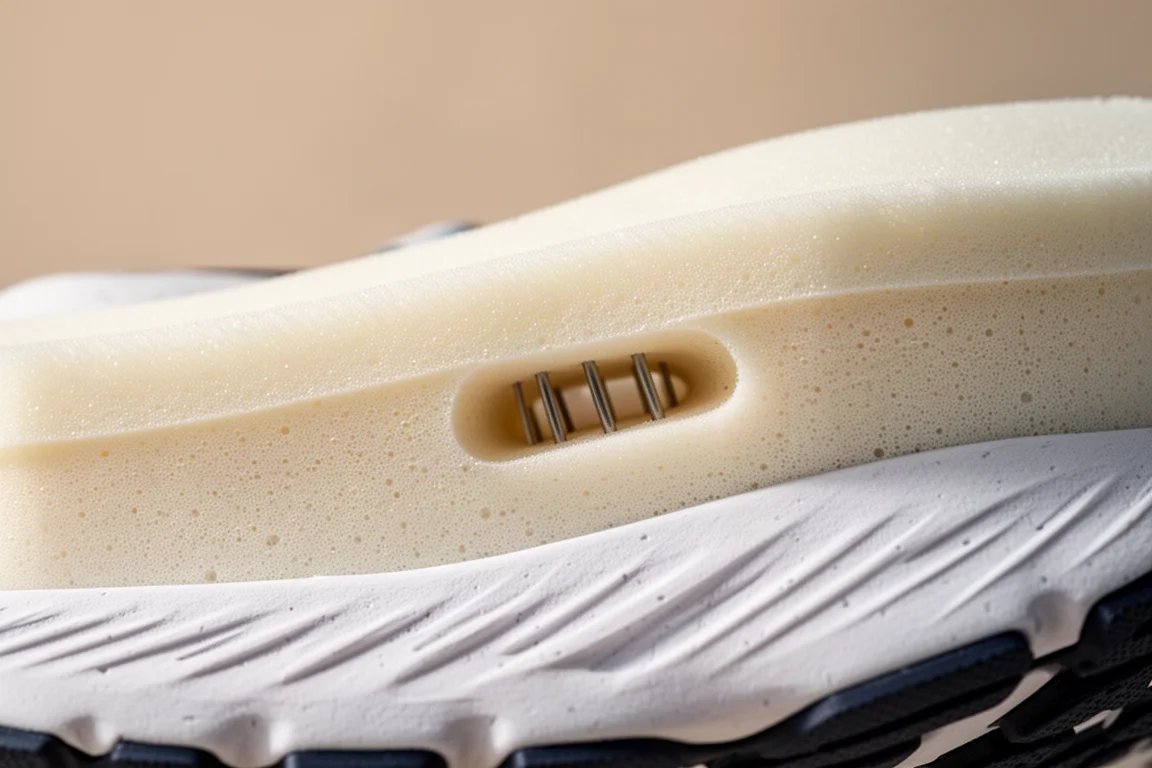
That structure gives the Boston a snappy, punchy ride, especially at the forefoot. On faster running it feels sharp and direct, closer to an interval or racing shoe than a soft daily trainer. Ground feel is excellent, and the ride feels more connected to the road than most of the wider, more cushioned super trainers released this year.
The outsole deserves its own mention. Continental rubber with strong forefoot coverage and dual strips at the heel delivers reliable grip in wet conditions, which makes the Boston a genuinely good option for winter training. The verdict on the shoe itself is simple: it is a very good all-rounder and easily worth its list price.
Things to Consider Before Buying
The upper is the weak point. It is a very racy, minimal design with little padding around the heel and almost none on the tongue, so lace bite and general discomfort are easy to come by in the first section of a run. A heel lock lace pattern helps keep the heel from rubbing, but you do have to work at getting a comfortable fit.

It is also not the most cushioned or most rocker-heavy shoe in the category. Compared with the big super trainers of 2024, it puts a bit more impact through the legs, and it lacks the plush, floating ride some runners now expect from a daily trainer. Neither flaw is disqualifying, but both matter if comfort on easy days is your top priority.
Buying Advice: How It Compares
Against the Saucony Endorphin Speed 4, the Boston is nimbler, more grounded and slightly punchier on short reps, while the Speed 4 wins on comfort for easy runs and fluidity over long distances. They are comparable on outright speed, but if you want one shoe for everything, the Speed 4 edges it, with the Boston winning on price.
The Hoka Mach X2 is a more expensive but arguably better all-rounder: more foam underfoot, extra bounce, equally fast, and an upper that is easier to live with than the Boston’s. The Puma Deviate Nitro 3 leans soft but hurt our tester’s achilles and felt less propulsive, so the Boston is the clear preference there.
The Mizuno Neo Vista and New Balance SC Trainer V3 both aim for the comfortable end of the spectrum, better for cruising, long marathon-training runs and longer reps, but they are heavier, less nimble and, in the case of the SC Trainer, much more expensive. The Brooks Hyperion Max 2 is a bigger, smoother, bouncier shoe for long sessions, but it lacks the Boston’s pace for short, sharp reps. The Asics Superblast 2 and New Balance Balos are superb high-stack daily trainers with more protection for high mileage, but both cost considerably more, and the Balos in particular is geared more to relaxed easy running than fast training.
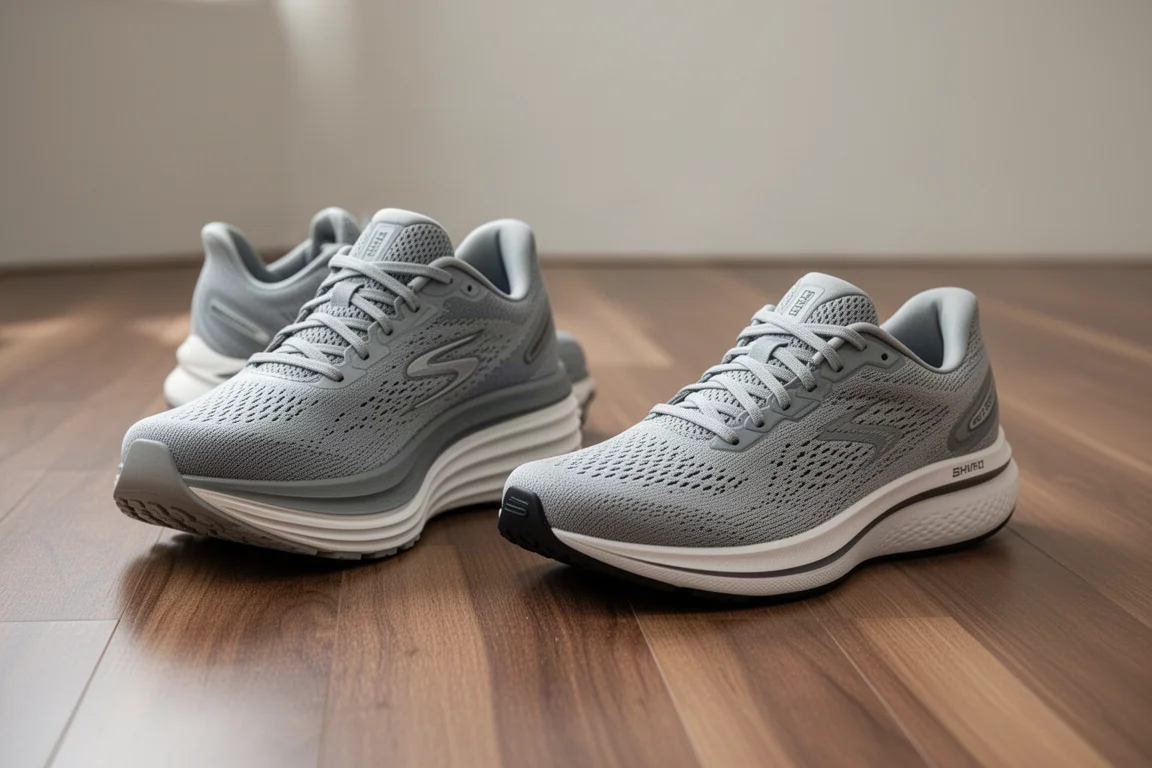
The Nike Pegasus Plus sits closer to the Boston in character with its fairly firm ZoomX foam, but the Boston feels sharper and punches harder off the toes, making it the better interval option. Finally, at similar prices, the Hoka Mach 6 and New Balance Rebel V4 are lightweight, comfortable, great-value trainers without plates or rods. They cover daily training duties with more comfortable uppers, but the Boston is the faster of the group and the one to pick if you want a shoe that doubles as a race-day option.
Conclusion
The Boston 12 still holds up remarkably well in 2024. It is not the most comfortable upper, and softer super trainers now exist for runners who want maximum plushness, but its direct, nimble ride, excellent winter outsole and lower price keep it genuinely competitive. If you get on with the fit, it remains one of the best value all-round super trainers available, and it pairs nicely with a softer shoe in a rotation if your training is heavy on long runs.
Product link
View more details for Adidas Boston 12
This product is mentioned in the review. Check the specifications, options, and compatibility before buying.
View more details for Adidas Boston 12Further reading
Related Reviews
Running Shoes
Best Road-to-Trail Running Shoes: Three Versatile Options for Mixed Terrain
A practical guide to three road-to-trail running shoes that handle both pavement and mild trails, with clear strengths and trade-offs for different runner types.
Running Shoes
Best Running Shoes for Achilles Tendonitis: Three Options Explained
Three running shoes with different heel drops and support features designed to help reduce Achilles tendon pain during walking and running.
Running Shoes
Best Running Shoes for Women: Five Top Choices Ranked
A ranked guide to five women's running shoes, from versatile daily trainers to high-performance racing options, with real strengths and trade-offs for each.