Running Shoes
adidas Boston 10 Mid-Term Review: A Heavyweight Puzzle That Grows on You
After around 50 miles, the adidas Boston 10 has gone from confusing to likeable, but its narrow use case and unusual design still raise questions.
Introduction
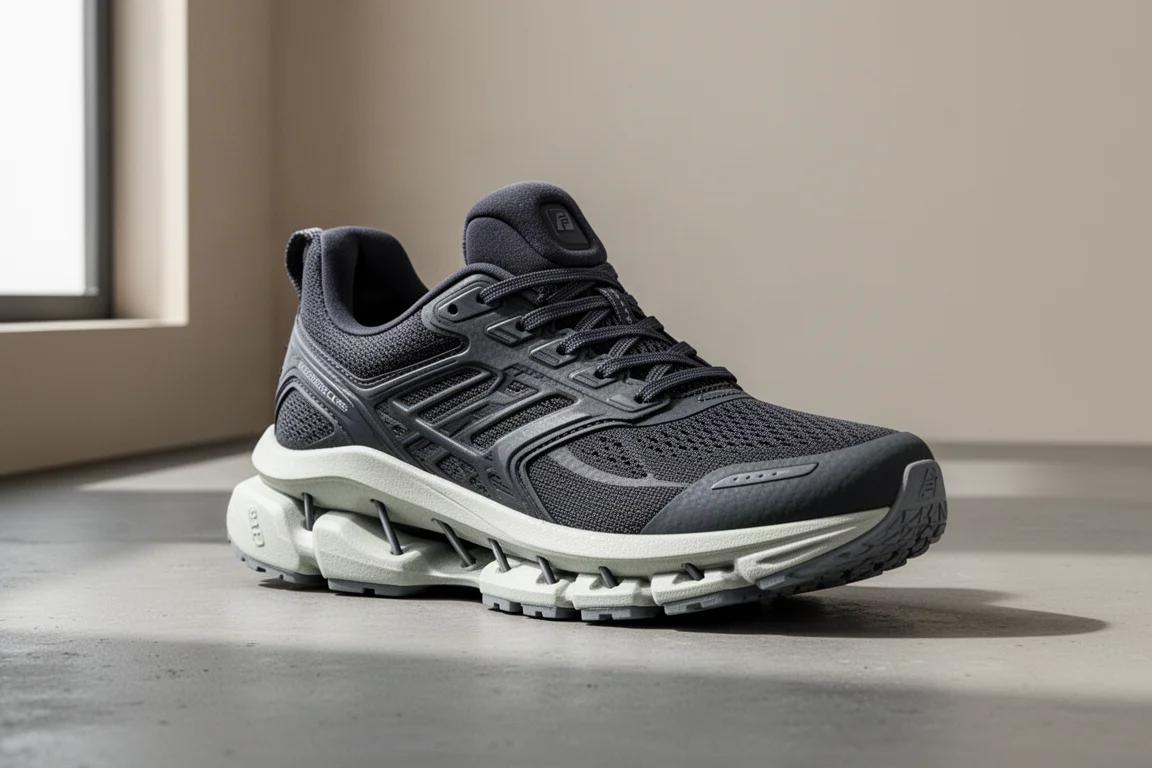
Some shoes make sense from the first run. The adidas Boston 10 was never going to be one of them. Picked up with high expectations after enjoying the Boston 9, this version turned out to be an odd mishmash of a shoe: a tight-fitting upper, a massive slab of foam, and strange bendy nylon rods that seemed to serve no obvious purpose. At roughly 345 grams in a UK size 11.5, it sits around 70 grams heavier than the previous model, heavy enough to wonder what category it is even aiming at.
After around 50 miles of testing, opinions have shifted. The shoe is far more likeable now than in first impressions, but it still feels like a design with a very narrow place in a rotation. This mid-term update breaks down where it works, where it does not, and who might actually get on with it.
Upper: A Comfy Cushy Blanket
The upper is one of the genuine bright spots, particularly in winter conditions. The extra materials make it more form fitting in a way that feels closer to premium super shoe uppers, and the tongue is quite present, lavishly padded across the top of the foot. It wraps the foot like a comfy, cushy blanket when the weather turns cold.
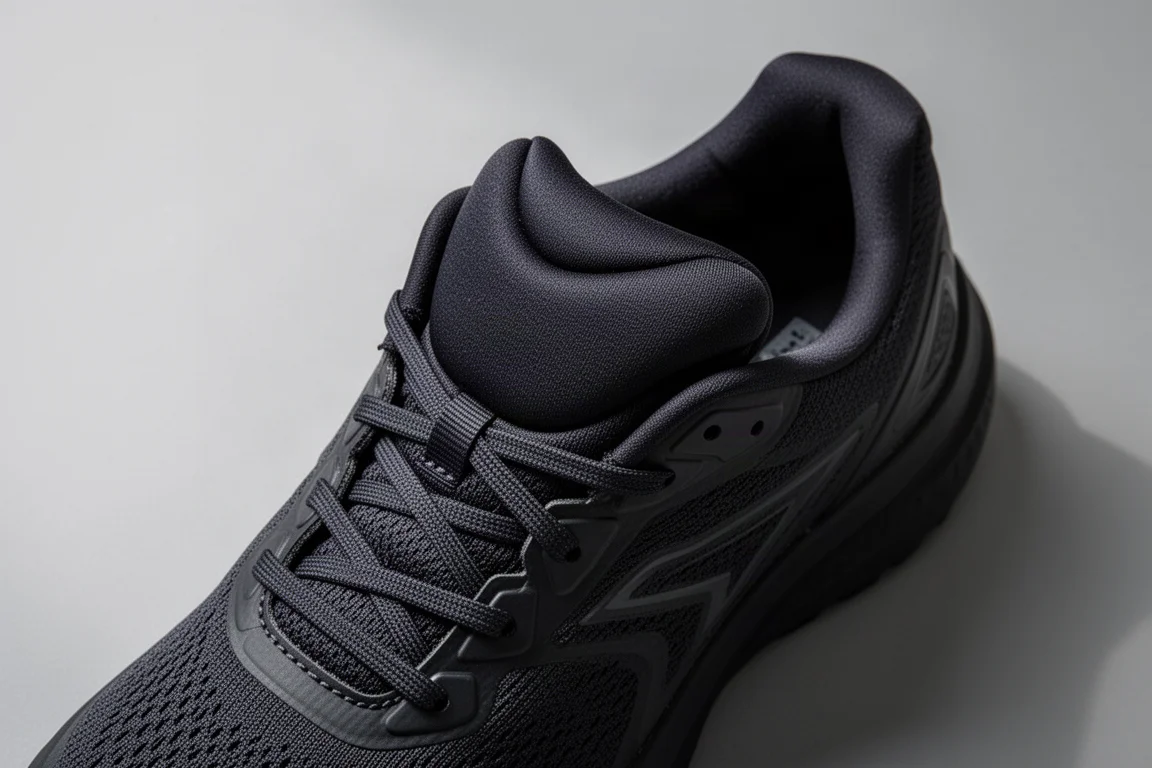
The midfoot area is a touch wider than its predecessor, and the lace tension is easy to estimate, which makes dialling in lockdown over the top of the foot straightforward. For a shoe that initially felt tight and confusing, the upper has become one of its better parts with further testing.
Midsole: Still a Bit Perplexing
The midsole remains the confusing part. The sheer mass of the shoe makes it a bit of a slower slogger, and the firmer Lightstrike in the heel will not suit everybody. That said, the midsole has started to soften up with mileage, and the heel-to-toe transition is becoming noticeably more forgiving and smoother over time. Spend time on the midfoot or forefoot and you hit the more responsive Lightstrike Pro, but that raises an obvious question: why carry all that heel foam if faster running naturally moves off the heel?
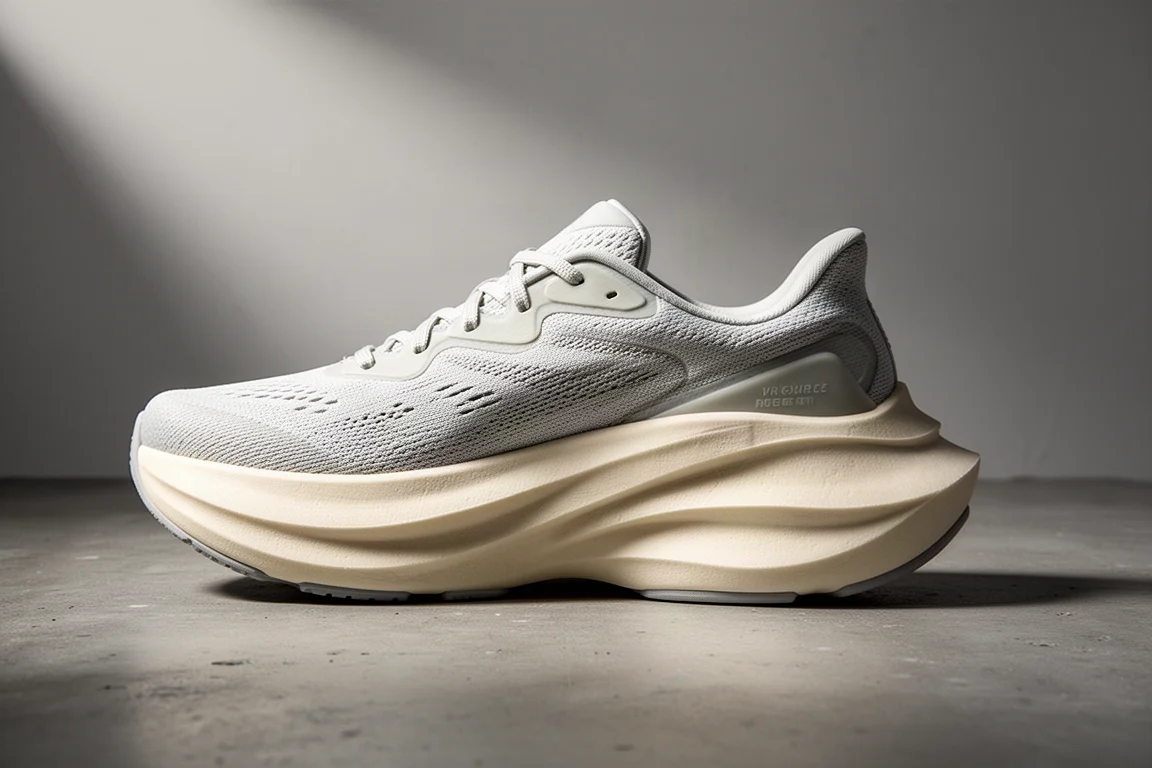
There is also a plate in the heel section that feels unnecessary. Lightstrike is a stable foam on its own, and the overall midsole structure seems stable enough without it. Removing it would be an easy change and would not appear to hurt stability. It is even possible to carefully extract the plate through the top layer of fabric, an experiment some runners have already tried.
For pace, this shoe is best at easy efforts, roughly 8:15 down to 7:45 per mile, or about 5:08 to 4:50 per kilometre. Anything faster and the weight simply gets in the way. It is not a shoe for speed sessions, no matter how much the midsole mellows.
Outsole: The Highlight of the Shoe
The outsole is where the good news keeps coming. The slate-like patio pattern grip on the bottom really does the trick, delivering excellent traction and impressive durability with zero wear to speak of so far.

It works on pretty much every surface most runners gravitate to, and even offers half-decent traction on softer turf and mud, which is usually kryptonite for running shoes. One quirk: the traction fins hoover up grit in much the same way as the cheaper and more versatile Adios 6, so occasional cleaning is part of the deal.
Things to Consider Before Buying
The biggest question remains the same: what is this shoe actually for? At around 350 grams, it is one of the heavier modern running shoes available, and adidas’ own recently released alternative is bulkier, more forgiving, and cheaper. For easy recovery runs or long runs, that other option feels more cushioned out of the box with no break-in required.

If you are prepared to put the miles in, the Boston 10 can earn its place, but even after 50 miles the preference leans toward alternatives in the same lineup. The bendy nylon rods and the heel plate also feel like elements that could have been dropped to great effect.
Buying Advice
Buy the Boston 10 if you already know you like a firm, substantial daily trainer and do not mind the weight. It rewards patience: the midsole softens with use, the upper is comfortable and secure, and the outsole grips brilliantly on nearly everything. Skip it if you want a light tempo shoe, an out-of-the-box cushioned long run option, or a budget-friendly all-rounder, because adidas has better-suited choices for those jobs. Patience with the break-in is essential, and tinkerers may even find removing the heel plate worth exploring.
Conclusion
The Boston 10 has gone from baffling to likeable over 50 miles, but it remains a strange, heavyweight beast with a very specific job. Comfortable upper, superb outsole, and a mellowing midsole are real strengths. The weight, the nylon rods, and the pointless heel plate keep it from being an easy recommendation. It found a narrow niche in one rotation, and it may find one in yours, provided you know exactly what you are buying.
Product link
View more details for Adidas Boston 10
This product is mentioned in the review. Check the specifications, options, and compatibility before buying.
View more details for Adidas Boston 10Further reading
Related Reviews

Running Shoes
Best Road-to-Trail Running Shoes: Three Versatile Options for Mixed Terrain
A practical guide to three road-to-trail running shoes that handle both pavement and mild trails, with clear strengths and trade-offs for different runner types.

Running Shoes
Best Running Shoes for Achilles Tendonitis: Three Options Explained
Three running shoes with different heel drops and support features designed to help reduce Achilles tendon pain during walking and running.

Running Shoes
Best Running Shoes for Women: Five Top Choices Ranked
A ranked guide to five women's running shoes, from versatile daily trainers to high-performance racing options, with real strengths and trade-offs for each.