Trail Running Shoes
Adidas Agravic Trail Shoes Compared: Speed Ultra, Speed, and Agravic 3
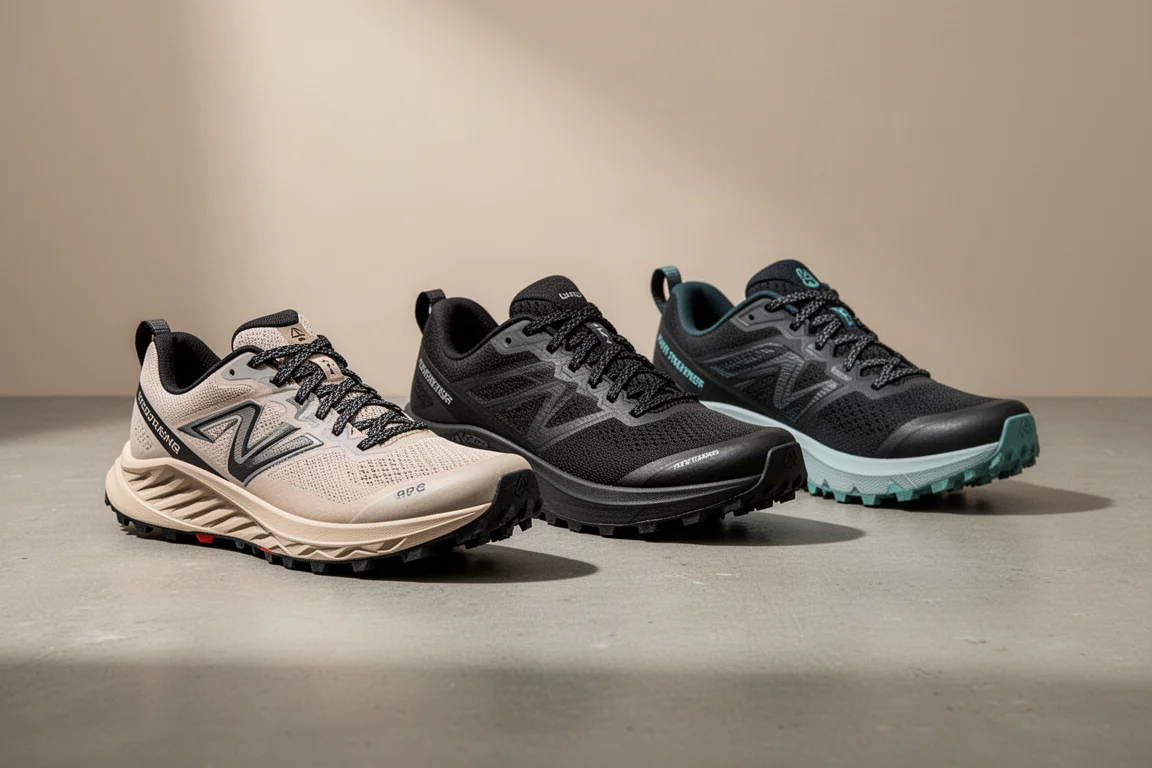
Three Adidas trail running shoes for three different jobs: a plated racer, a fast trainer, and a stable daily option. Here is how each one behaves on real terrain.
Introduction
Adidas now covers the trail running market the same way it covers the road: three distinct tiers, each with a clear role. The Agravic Speed Ultra sits at the top with 100% Light Strike Pro and a plate. The Agravic Speed is the dual-foam fast trainer in the middle. The Agravic 3 is the plain, stable daily trainer at the entry level.
After running all three on steep, loose, and technical terrain, the differences turned out to be more nuanced than the spec sheet suggests. Here is what each shoe is actually for.
The Lineup at a Glance
The Speed Ultra is the flagship: full Light Strike Pro midsole, a plate or energy rod system through the rear, Continental rubber outsole, and a very aggressive rocker geometry. It has been described as the trail equivalent of the Adizero Adios Pro 3. It costs $220.
The Agravic Speed is the training counterpart, closer in spirit to the Boston 12. It uses Light Strike Pro on the top layer and firmer Light Strike underneath, with no plate. It was on sale for $104 at the time of testing, which is a strong deal for a dual-foam fast trail shoe.

The Agravic 3, often just called the three, is the standard daily trainer. It is 100% Light Strike with no race foam and no plate, plus Continental rubber. It is not exciting on paper, but it is stable, and on trails you sometimes do not need bounce.
Adidas Agravic Speed: The Fast Middle Ground
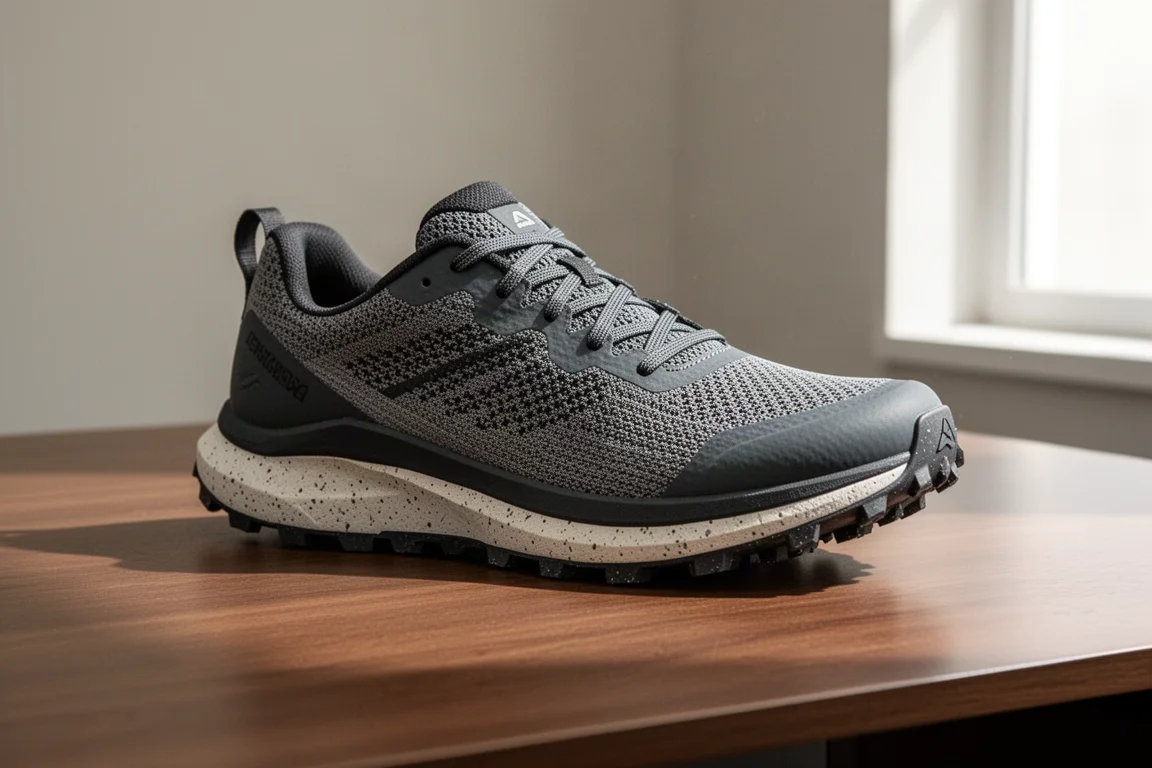
This is the Boston 12 of the trail lineup, and it impressed more than expected. On foot it sits low to the ground and feels firm, which is what you want in a fast trail shoe that has no plate. The step-in feel is soft at first, then noticeably firmer once you start moving.
The upper is a highlight. It is lightweight, streamlined, and has less fabric than the Boston 12, closer to a racing upper with a better heel hold than the road shoe. Several wearers compared it favorably to premium racing uppers, noting it fits roomier than expected without being sloppy.
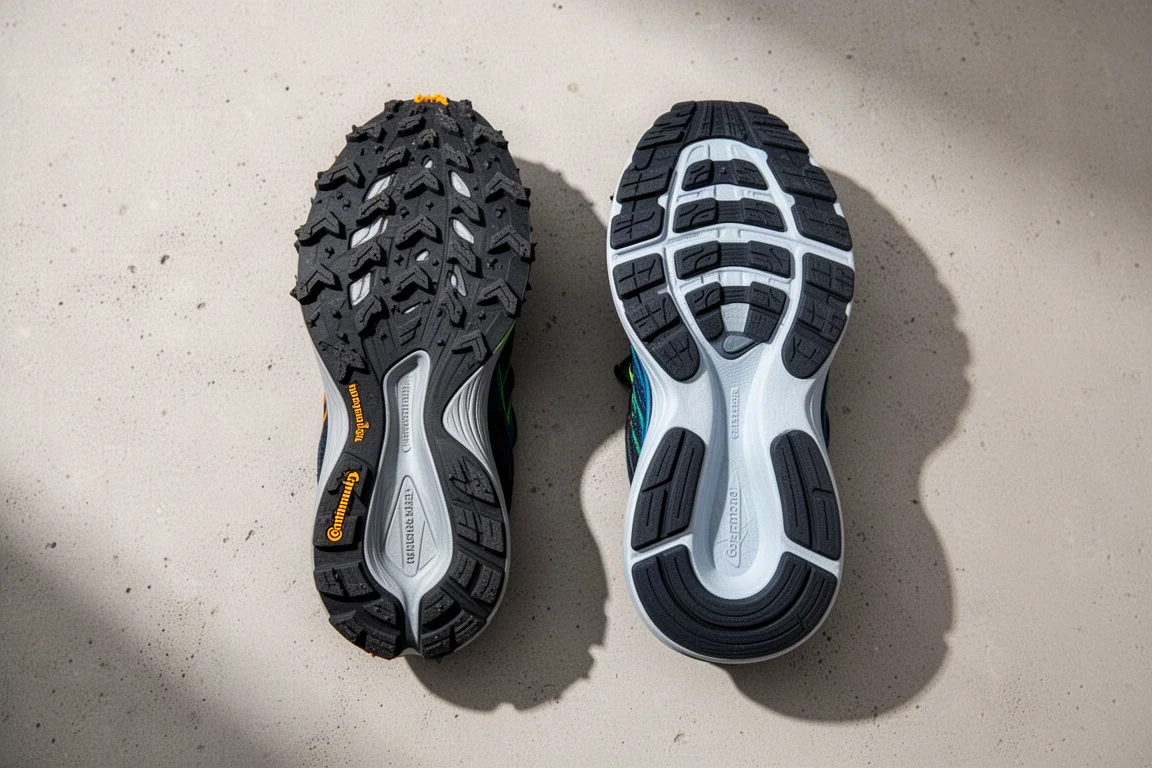
The main caution is the heel: the outsole is remarkably narrow compared with a typical road trainer, which raised stability concerns before the run. In practice, the firm midsole kept things planted even over loose, rutted ground. Light Strike Pro here does not feel like the road version yet; it feels denser and should soften with break-in. One fit quirk to note: the tongue tends to slide down, which some testers found uncomfortable.
This is a genuinely nimble shoe: low, light, and controllable. It would also make a solid fast hiker. As a bonus, the all-black colorway hides trail damage well.
Adidas Agravic Speed Ultra: The Top-Tier Racer
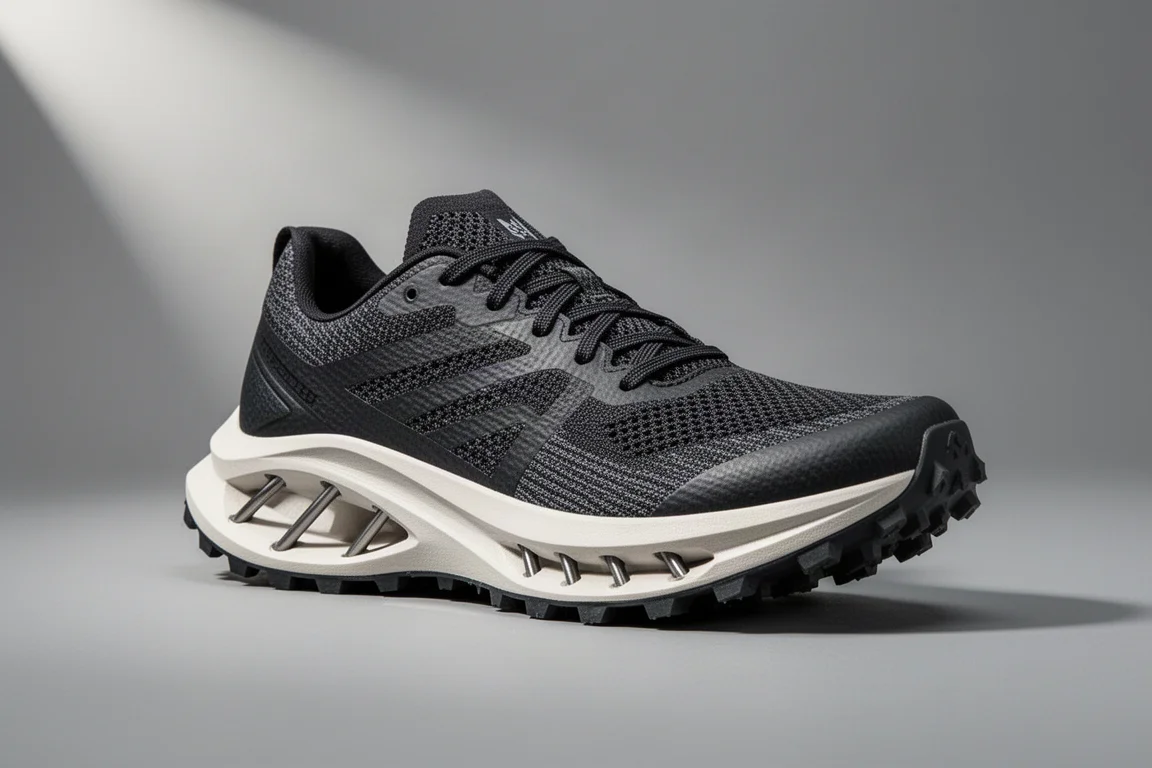
The Speed Ultra has the full stack of Light Strike Pro, a plate and energy rod system through the rear, and an aggressive rocker that looks as fast as it is. Step-in comfort is clearly better than the Speed, roughly 20 to 30 percent softer, with a plush squish underfoot.
But out of the box it does not blow you away. During strides and climbs, testers did not feel a huge jump over the Speed, and certainly nothing like the leap from a trainer to a top road racer. Light Strike Pro typically needs around 30 miles to develop its character, and this pair was brand new, so early impressions may improve significantly with break-in.

Where it does shine is on smooth, rolling fire roads where you can open up your stride. On that kind of terrain it feels like a race day shoe, light and fast with a noticeable get-up-and-go from the rocker. On uneven descents it gets a little squirrely; the heel is narrow and there is no rock plate, so heel landings on sharp ground get punished. Staying up on your toes and using the wider forefoot is the way to run this shoe.
The Continental rubber grip is solid, but the lugs are shallow, around 2.5 to 3 millimeters, so this is not a deep mud or East Coast style technical trail shoe. It is aimed at fast, well-groomed trail running, and at $220 it is a serious investment in that specific use case.
Adidas Agravic 3: The Steady Daily Trainer
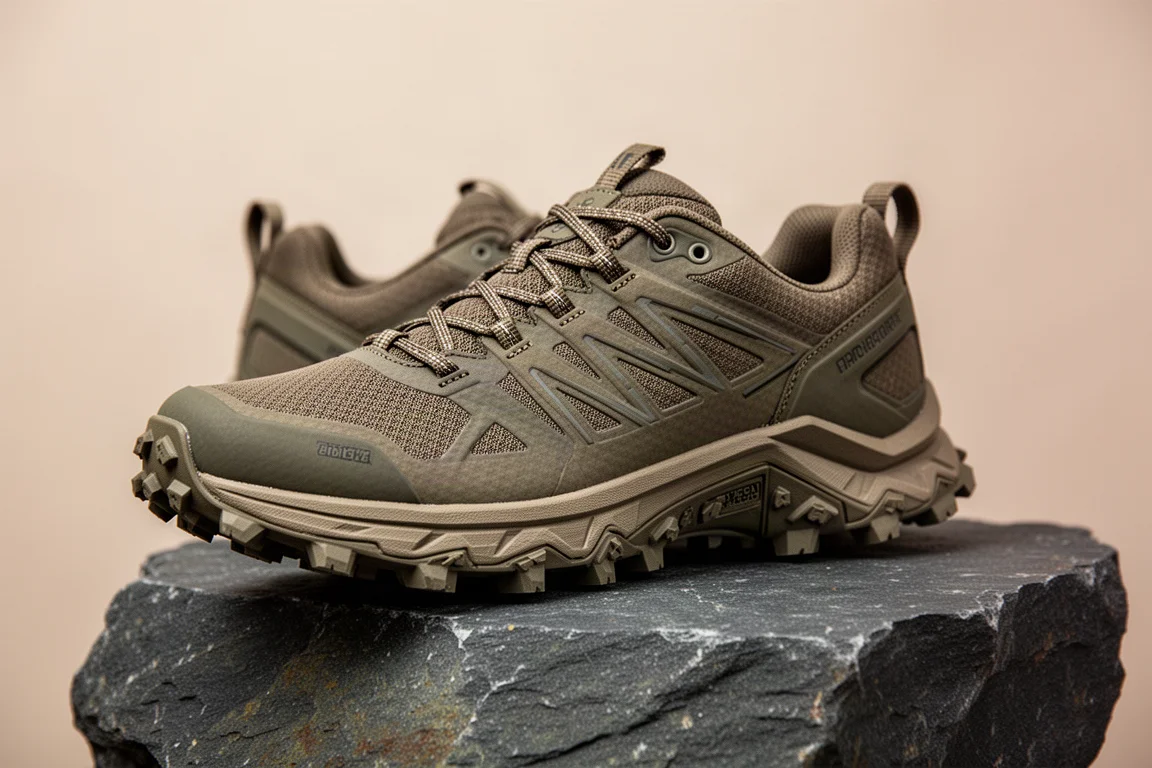
The Agravic 3 is the Pegasus of the trail range: 100% Light Strike, no race foam, no plate, and Continental rubber outsoles. It will not bounce like the other two, but it delivers what a daily trail shoe needs: a stable platform and dependable grip.
Testers were pleasantly surprised. Several expected something soft and casual and instead found a mild rocker that made the shoe feel faster than anticipated, though not as aggressive as the Speed Ultra. The fit is roomy and comfortable, and the grip was described as actively grabbing the dirt on climbs.
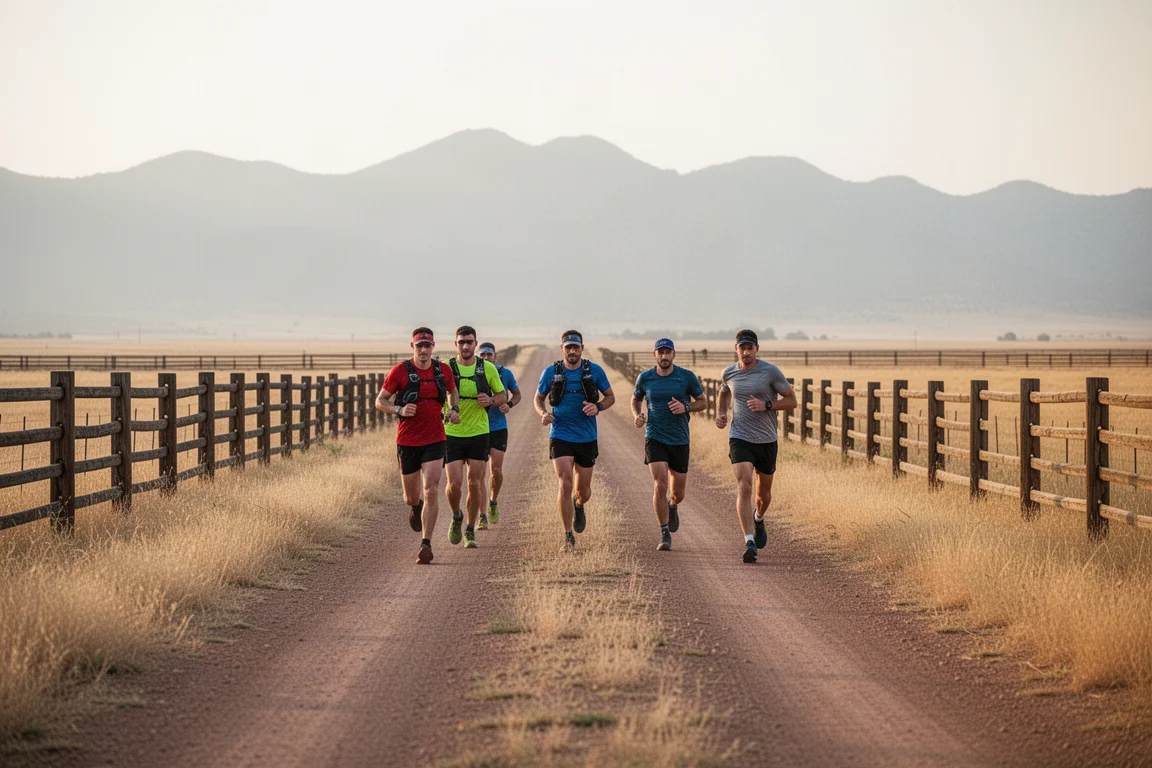
On punchy climbs and tired legs, the lack of bounce matters less than you might think. This is the sensible pick for regular miles, and for runners who want one shoe that simply gets the job done.
Which One Should You Buy?
Pick the Agravic Speed Ultra if you race or run fast on smooth, groomed trails and want maximum foam and propulsion, and you are willing to pay $220 and break it in. Pick the Agravic Speed if you want a nimble, low, fast trail shoe at a much lower price, and you accept a firmer ride and a narrow heel. Pick the Agravic 3 if you want a stable, unexciting but reliable daily trail trainer for everyday miles.
None of these are deep-mud or highly technical East Coast trail specialists. They are at their best on California-style terrain: dry, rolling, and runnable.
Conclusion
Adidas has built a coherent trail family where each shoe has a genuine identity: a plated racer, a dual-foam fast trainer, and a stable daily workhorse. The Speed Ultra needs break-in to show its best, the Speed is the value standout of the trio, and the Agravic 3 is the dependable base of the range. Match the shoe to the terrain you actually run, and all three have a place.
Further reading
Related Reviews
Trail Running Shoes
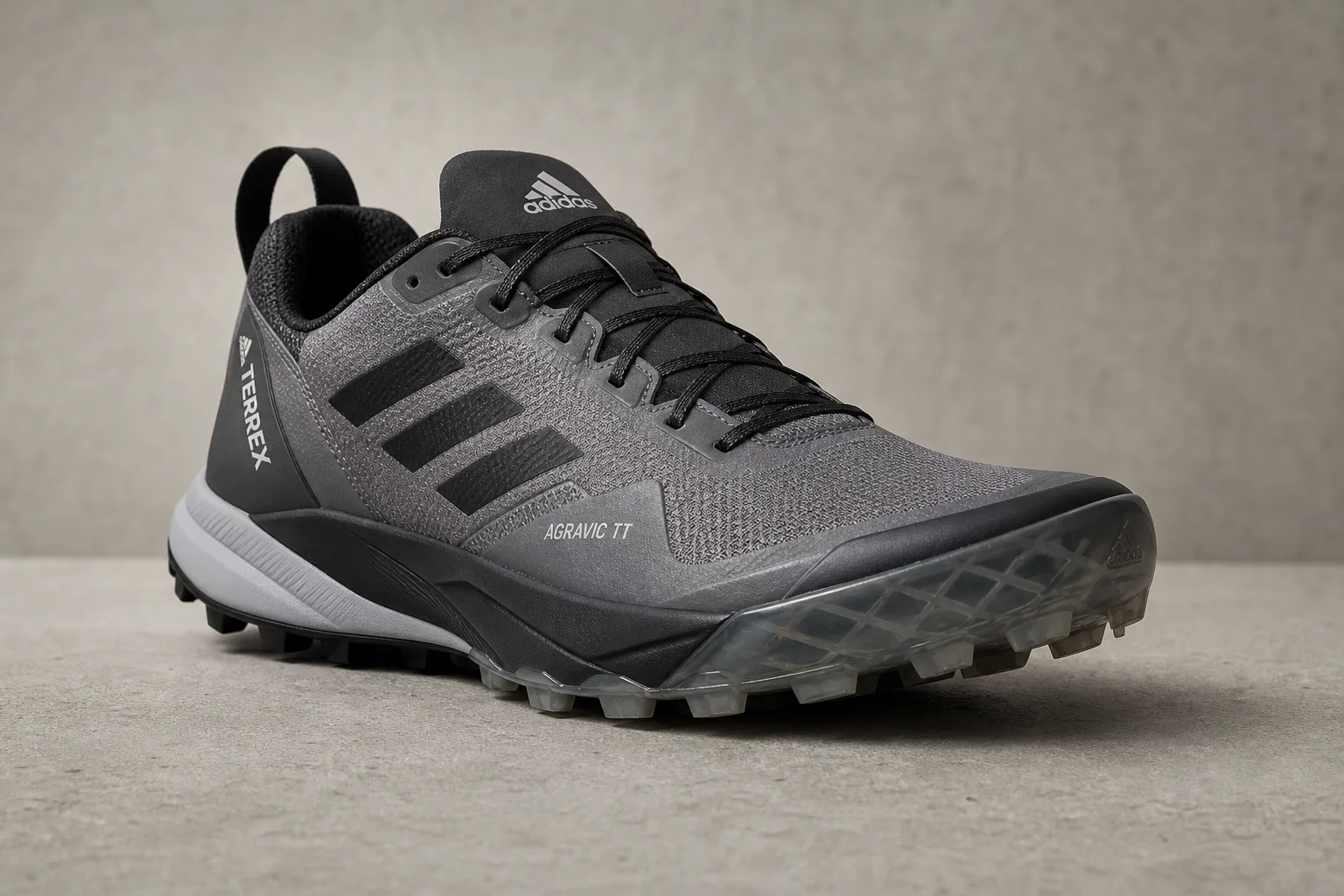
Adidas Terrex Agravic TT Review: A Technical Trail Shoe Built for Rocky Terrain
The Adidas Terrex Agravic TT combines a full-coverage rock plate with a firmer midsole to deliver protection and stability on technical, rocky trails. A capable choice for runners who prioritize underfoot defense over lightweight cushioning.
Trail Running Shoes
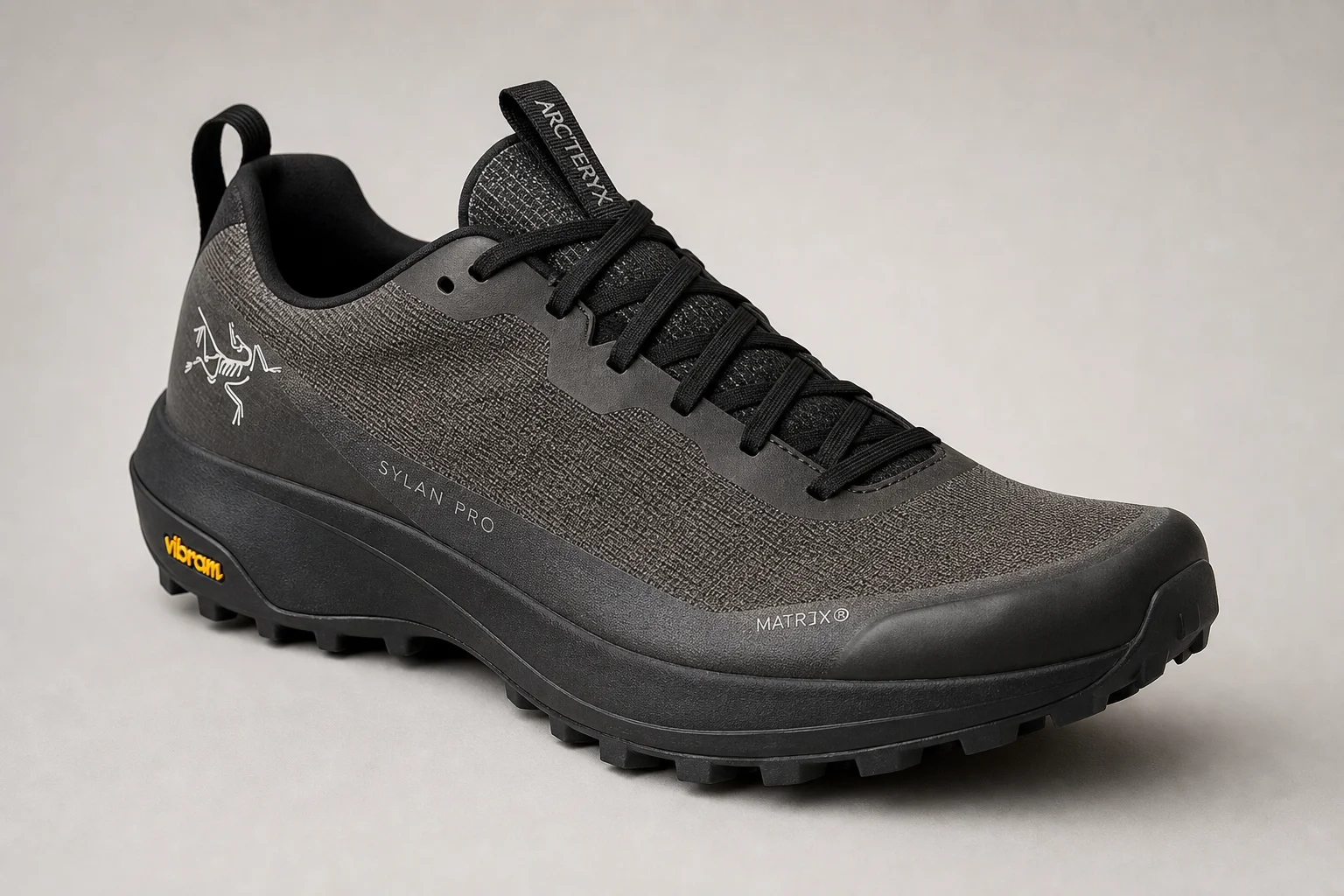
Arc'teryx Sylan Pro Review: A Rocker-Focused Mountain Running Shoe Tested on 20 Miles
The Arc'teryx Sylan Pro brings a pronounced rocker geometry and secure fit to mountain terrain. We tested it on a 20-mile Sawtooth loop to evaluate its climbing efficiency, protection, and handling of technical descents.
Trail Running Shoes
Best All-Mountain Trail Running Shoes: Three Versatile Options for Any Trail
A focused roundup of three all-mountain trail running shoes that handle technical terrain, long distances, and variable conditions with real strengths and practical trade-offs.