Trail Running Shoes
Adidas Agravic Trail Lineup: Race Day, Fast Trainer, and Workhorse Compared
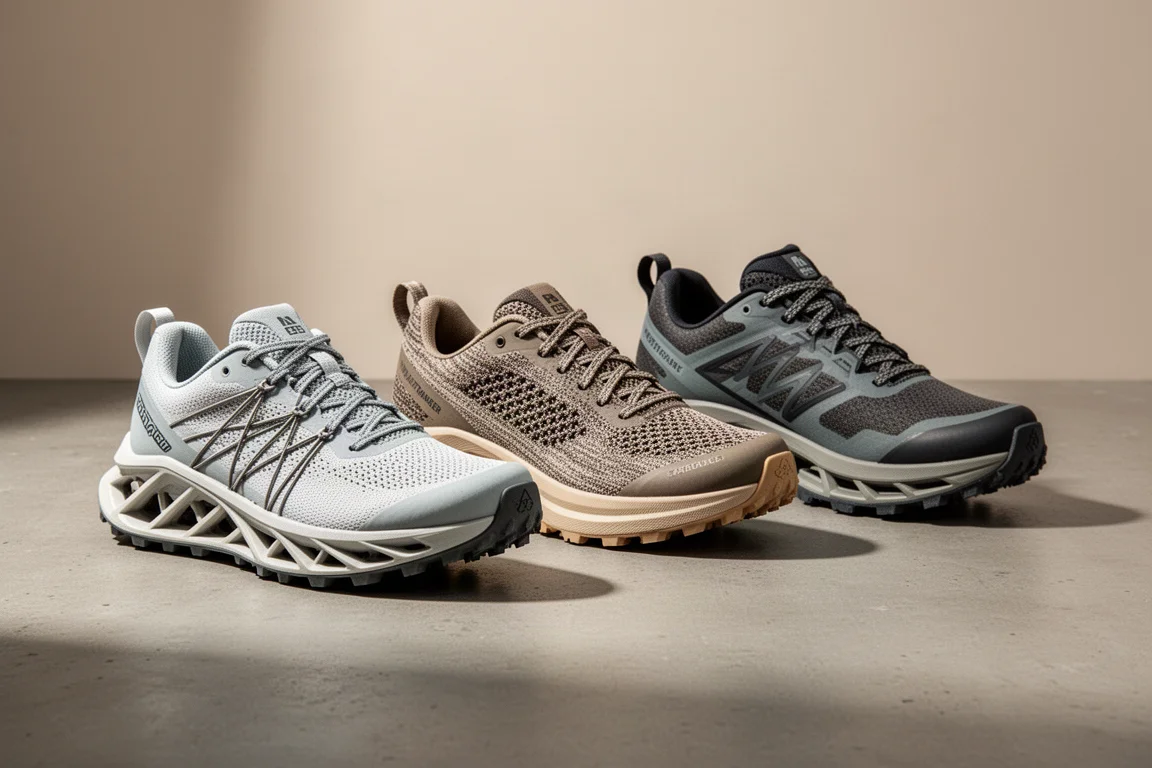
Three new Agravic trail shoes covering three distinct roles: a race day speed shoe, a nimble shorter-distance trainer, and an everyday workhorse.
Introduction
Adidas has reworked its entire Agravic trail running line, and the new range is structured around three clear roles: a race day shoe, a fast shorter-distance trainer, and an everyday workhorse. The three models launched roughly one month apart in the spring, which makes the lineup unusually easy to read. Each shoe shares the fast and nimble design ethos but packages it for a different kind of trail running.
If you have tried older Agravic models and been underwhelmed, this is a genuinely fresh start rather than a small refresh. Here is how the three shoes compare and who each one is built for.
A Quick Look at the New Agravic Range
The headline story is how much road-derived technology has been adapted specifically for the trail, rather than simply copied over. The range leans on Adidas Light Strike Pro foam, energy rod systems tuned for uneven ground, and Continental rubber outsoles throughout. Athlete feedback shaped the race day model directly, and the whole franchise was designed to bring premium trail technology to more accessible price points.

Adidas Agravic Speed Ultra: The Race Day Flagship
The Agravic Speed Ultra is the shoe most people in the trail world have been waiting to see come to life. Planned for an April launch at $220, it was co-created with Adidas athletes, with Tom Evans using it to win at the Western States trail. Ruth Croft raced a predecessor iteration the year before, so the racing pedigree runs through several generations of development.
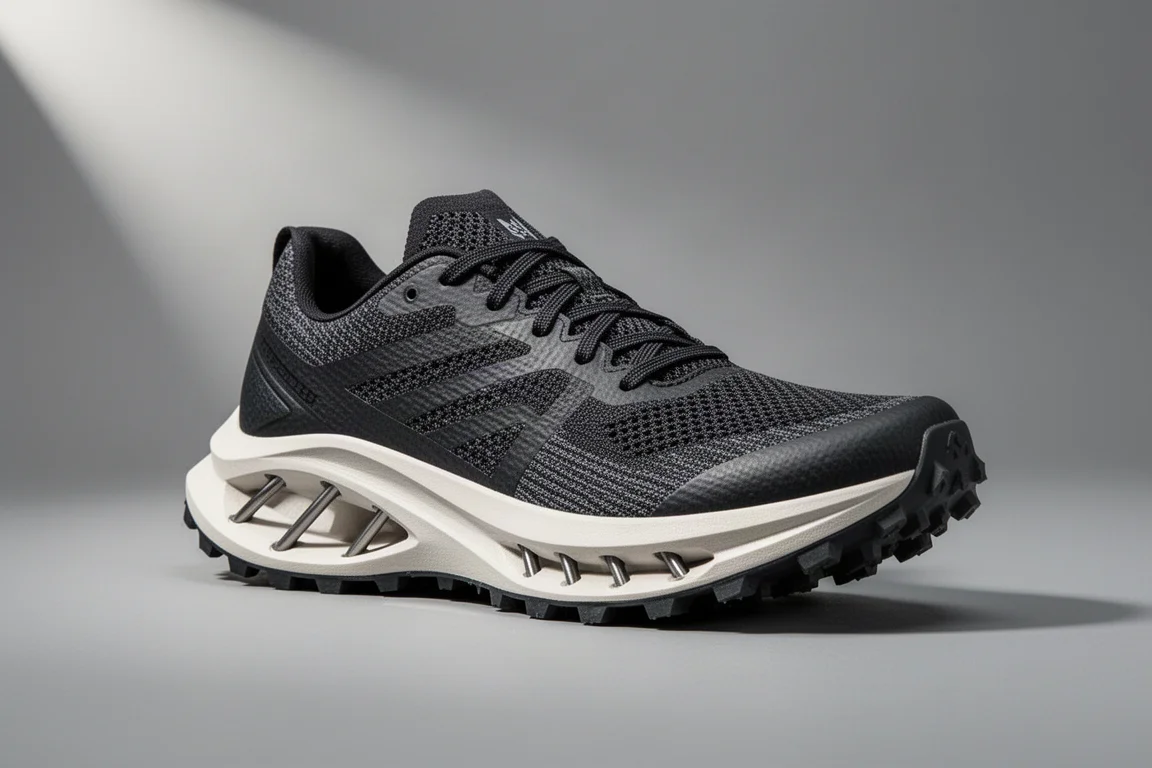
The design borrows from the brand’s road super shoe but adapts it for trails. A new geometry uses Light Strike Pro in a dual-layer midsole that sandwiches a redesigned rod system. That rod system started as the road energy rod concept but was rebuilt: it uses a TPE material instead of carbon, chosen for durability and flexibility, with a snappy, fast feel underfoot. The goal was a shoe that lasts well beyond 100 miles.
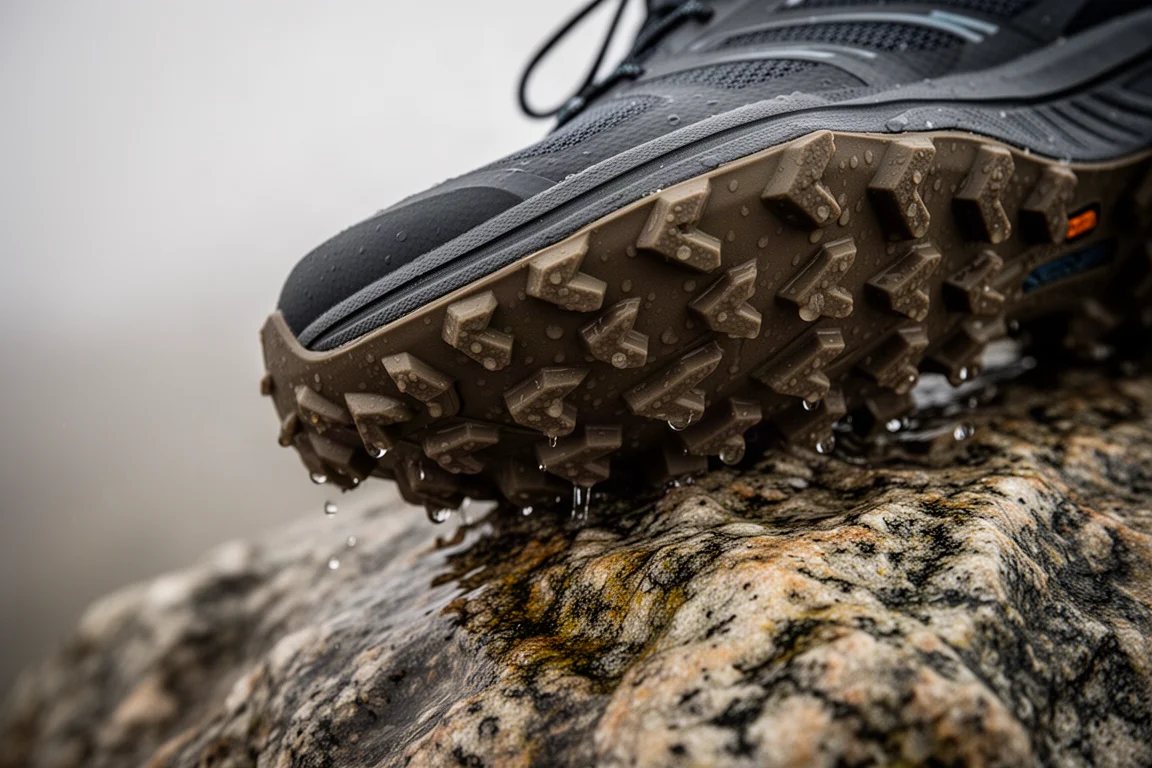
Two trail-specific changes stand out. The four rod prongs in the forefoot are spaced closer to the lateral and medial sides, adding stability on uneven ground. And the heel section is decoupled from the forefoot section, working in parallel rather than as one linked piece, which gives the shoe more adaptability on technical terrain. A Continental rubber outsole rounds out the package.
Adidas Agravic Speed: The Nimble Middle Child
Launching in May at $160, the Agravic Speed takes the race day ethos and shrinks it into a shorter, faster, more nimble package aimed at a much wider group of runners. It is a closer spiritual update to the beloved previous Agravic Speed, which used Boost foam: durable and well-fitting, but heavier and less bouncy than this new generation.
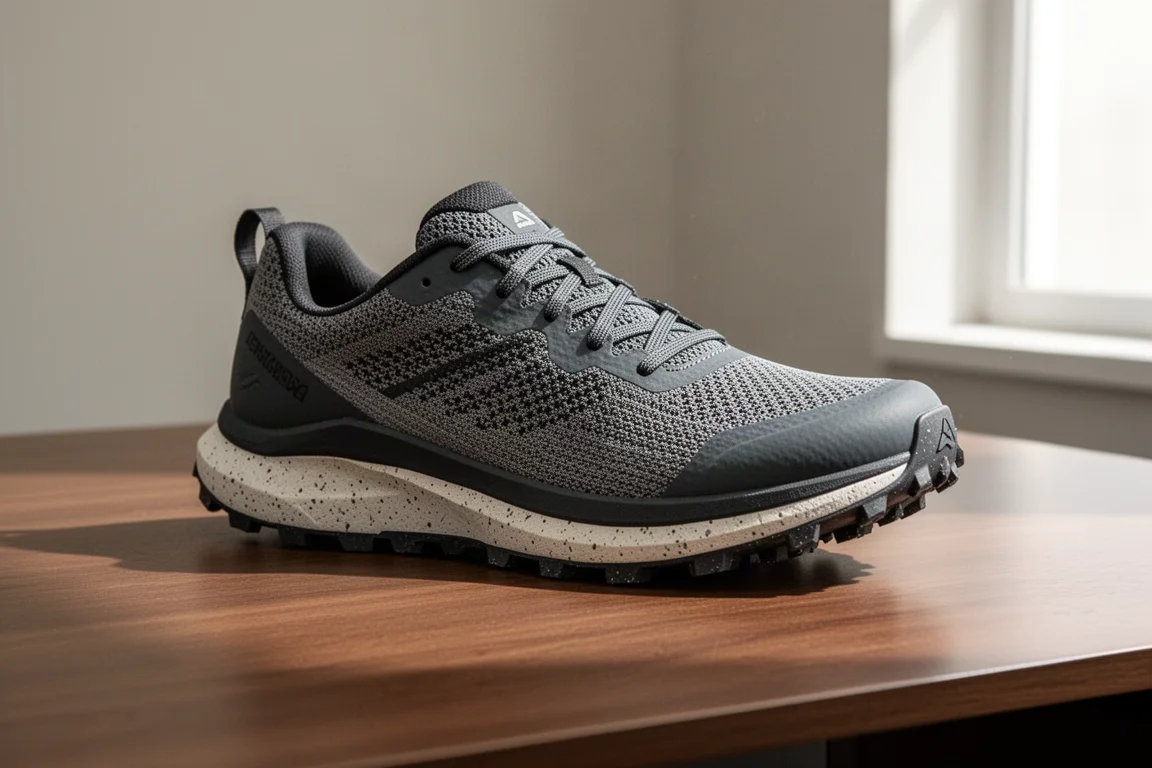
The midsole is the interesting part. Light Strike Pro forms the core, but it is wrapped in a Light Strike rim. The result is a density split: softer toward the foot for that Light Strike Pro cushioning and energy return, firmer underneath for structure and stability. The Light Strike Pro density differs from the Speed Ultra and instead mimics the Agravic 3. The stack is lower overall, and the geometry is slightly more aggressive, reinforcing the fast feel.

The upper is a woven abrasion-resistant material that breathes well, drains fast, and dries quickly. As a training counterpart to the race day model, this is the shoe most runners in the lineup will realistically use week to week.
Adidas Agravic 3: The Everyday Workhorse
Slated for a June launch at $130, the Agravic 3 is the everyday training shoe of the franchise. It still chases that fast and nimble feel but in a package built for high mileage. The midsole uses a full-length Light Strike 2, a much improved formulation of the brand’s standard foam: softer and better cushioned underfoot, with strong energy return while staying lightweight. A stability plate gives the shoe an ultra smooth ride, and Continental rubber sits underneath.
Past Agravic models drew mixed reactions, with rigid upper materials and an awkward fit often cited as problems. This new concept resets the line, and the underfoot feel is a clear step forward. If you wrote the franchise off years ago, this is the one to try again.

Which Agravic Shoe Should You Pick?
The lineup is easy to match to your needs. If you race long trail distances and want maximum speed, the Speed Ultra is the flagship, with elite results to back it up and a $220 price to match. If you want a fast, nimble daily option for shorter trail runs, the Agravic Speed at $160 is the most versatile pick. And if you simply need a dependable everyday trainer that finally does the Agravic name justice, the $130 Agravic 3 is the workhorse.
Because the three launched a month apart, spring and summer gave runners a complete race day, trainer, and workhorse ladder within a single franchise. That coherence is rare in trail running, and it makes choosing between them straightforward rather than confusing.
Conclusion
The new Agravic range is a genuine reset for Adidas on the trails: a race day super shoe co-built with winning athletes, a nimble mid-priced speed trainer, and a rebuilt everyday workhorse. Pick the Speed Ultra for race day, the Speed for fast everyday running, and the Agravic 3 for the miles in between.
Further reading
Related Reviews
Trail Running Shoes
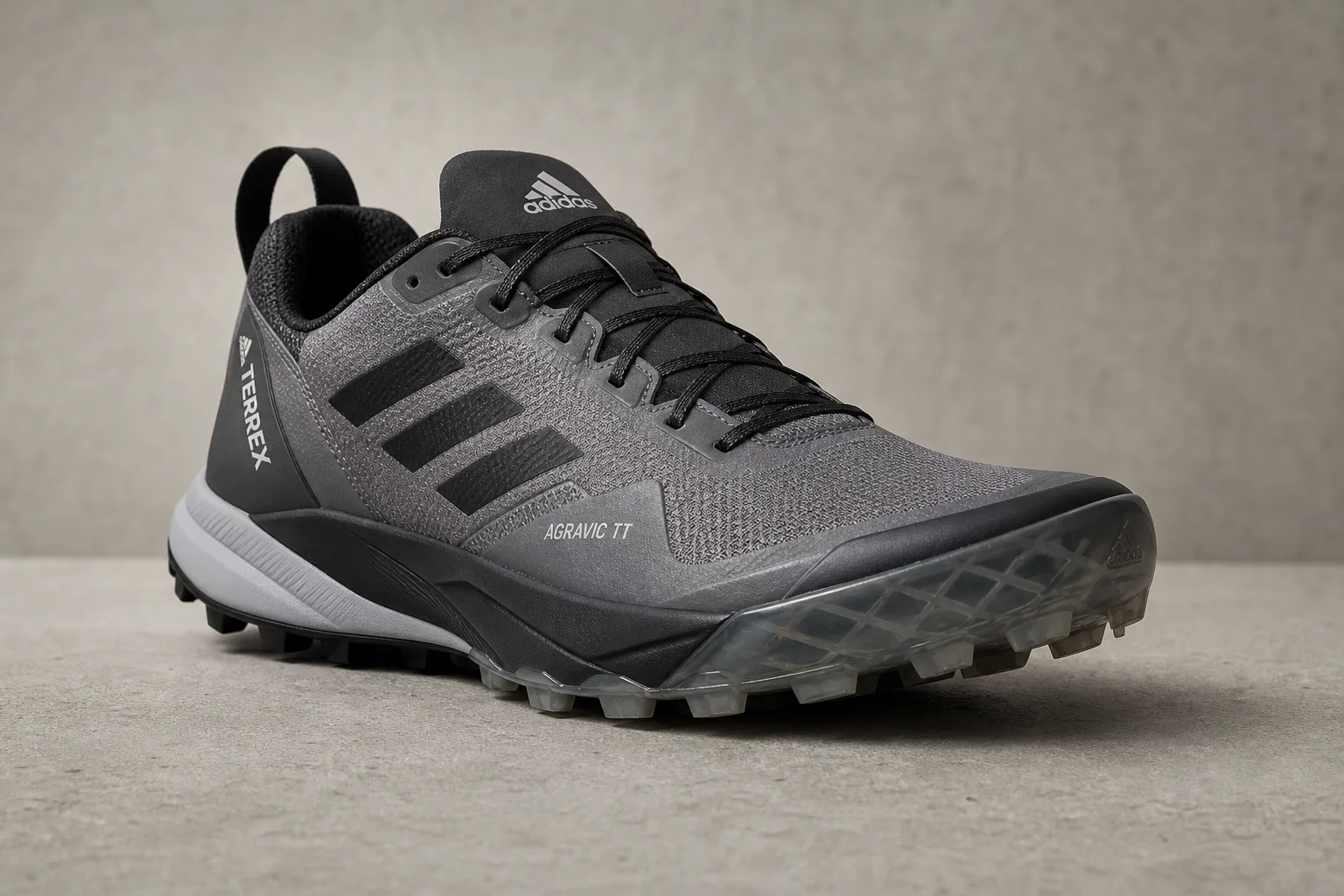
Adidas Terrex Agravic TT Review: A Technical Trail Shoe Built for Rocky Terrain
The Adidas Terrex Agravic TT combines a full-coverage rock plate with a firmer midsole to deliver protection and stability on technical, rocky trails. A capable choice for runners who prioritize underfoot defense over lightweight cushioning.
Trail Running Shoes
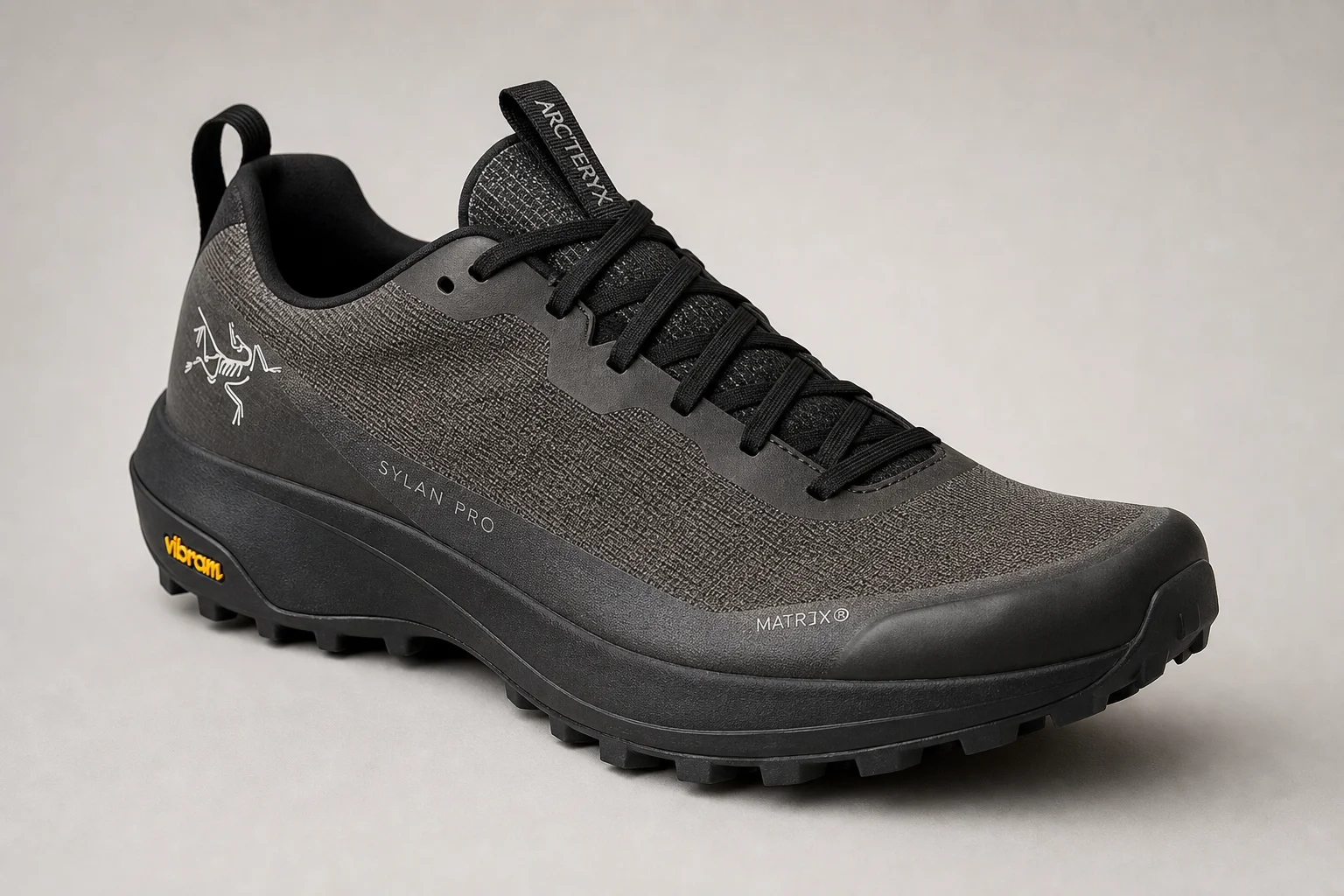
Arc'teryx Sylan Pro Review: A Rocker-Focused Mountain Running Shoe Tested on 20 Miles
The Arc'teryx Sylan Pro brings a pronounced rocker geometry and secure fit to mountain terrain. We tested it on a 20-mile Sawtooth loop to evaluate its climbing efficiency, protection, and handling of technical descents.
Trail Running Shoes
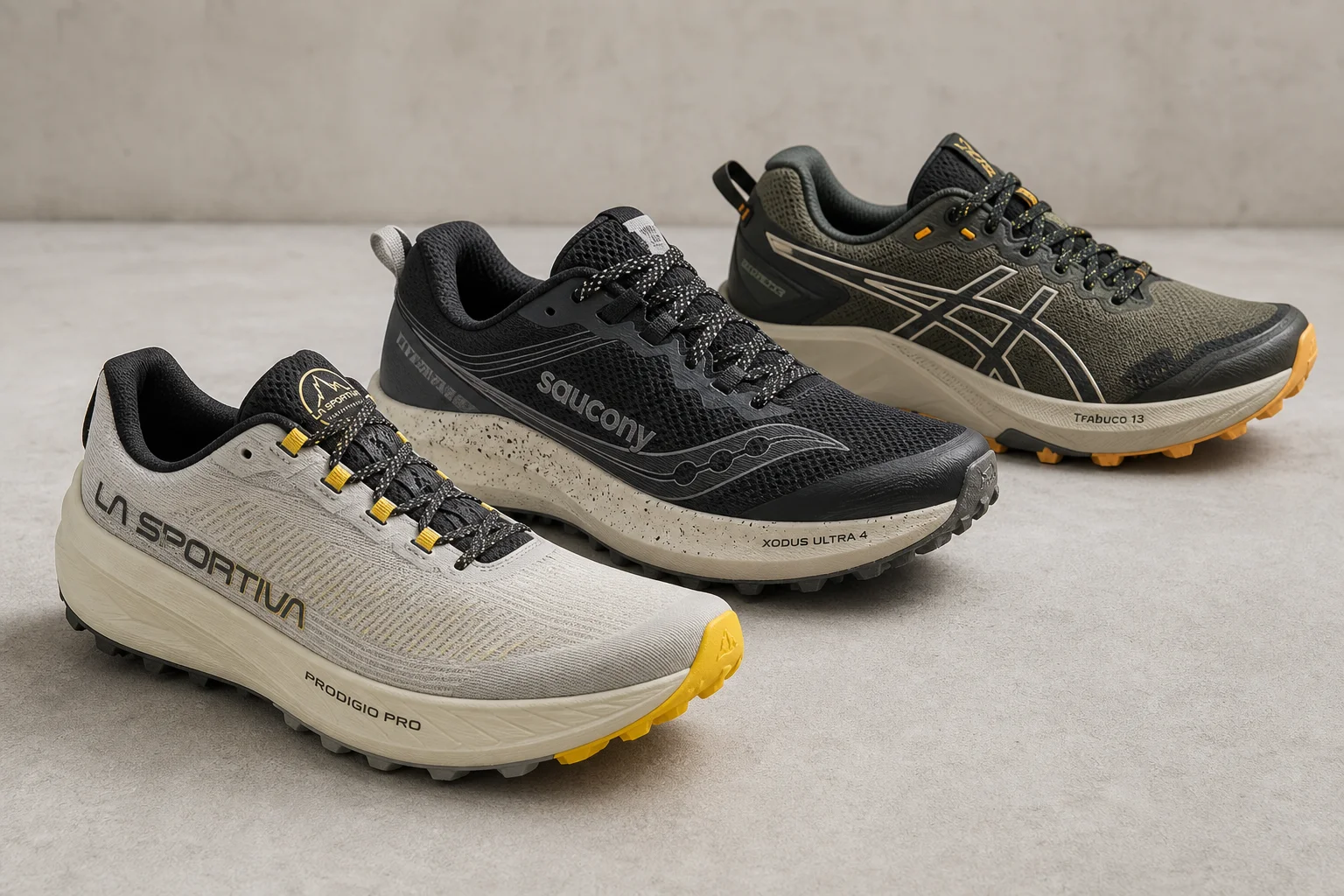
Best All-Mountain Trail Running Shoes: Three Versatile Options for Any Trail
A focused roundup of three all-mountain trail running shoes that handle technical terrain, long distances, and variable conditions with real strengths and practical trade-offs.