Trail Running Shoes
Adidas Agravic Speed Ultra Review: A Road Supershoe DNA Built for the Trail
Tested over a 30-plus mile solo ultra on mixed road and runnable trail, the Adidas Agravic Speed Ultra impressed with comfort, energy, and a road-shoe feel off-road.
Introduction
Some trail shoes ask you to adapt to them. Others feel like they were tuned around the way you already run. After more than 30 miles of continuous testing on mixed road and trail, the Adidas Agravic Speed Ultra lands firmly in the second camp. It is a shoe with clear road supershoe DNA, reshaped for the trail, and it delivers a surprisingly smooth, energetic ride on exactly the kind of terrain most ultra runners spend their time on.
This review is based on a solo long-distance test: just over 30 miles completed in around five hours, moving at a steady six-plus miles per hour on a route combining road sections, compacted trail, and patches of softer, muddier ground. Here is how the shoe held up.
First Impressions and the Test Plan
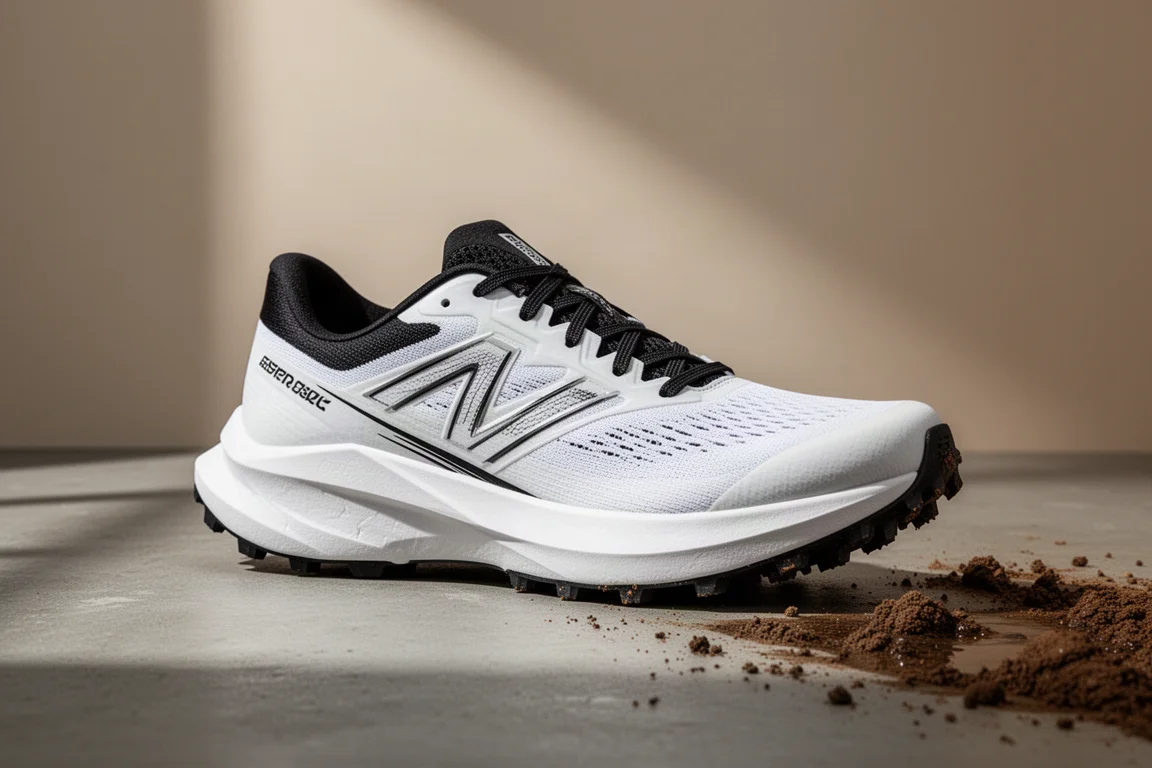
The stats set the tone for what kind of shoe this is. The Agravic Speed Ultra has a 38mm heel stack and a 30mm forefoot stack for an 8mm drop. In a UK men’s size 8.5 test pair, it weighs 267g or 9.4oz. The outsole uses two lug depths, 2.5mm and 3mm, which signals immediately that this is a shoe aimed at runnable ground rather than gnarly mountain terrain.

The test route covered roughly 36 planned miles of road commuting to reach two large trail-friendly parks, with loops on compacted paths and whatever off-road detours the terrain allowed. The plan was simple: push big mileage and see whether the shoe’s racy, minimal-looking build could hold up over an ultra-length effort.
Specs and Design Details
Visually, the shoe leans racy. The heel collar looks thin and minimal, and the tall midsole stack is visibly springy and bouncy. That combination raises a fair question for ultra runners: will a shoe that looks this aggressive stay comfortable after hours on the feet?
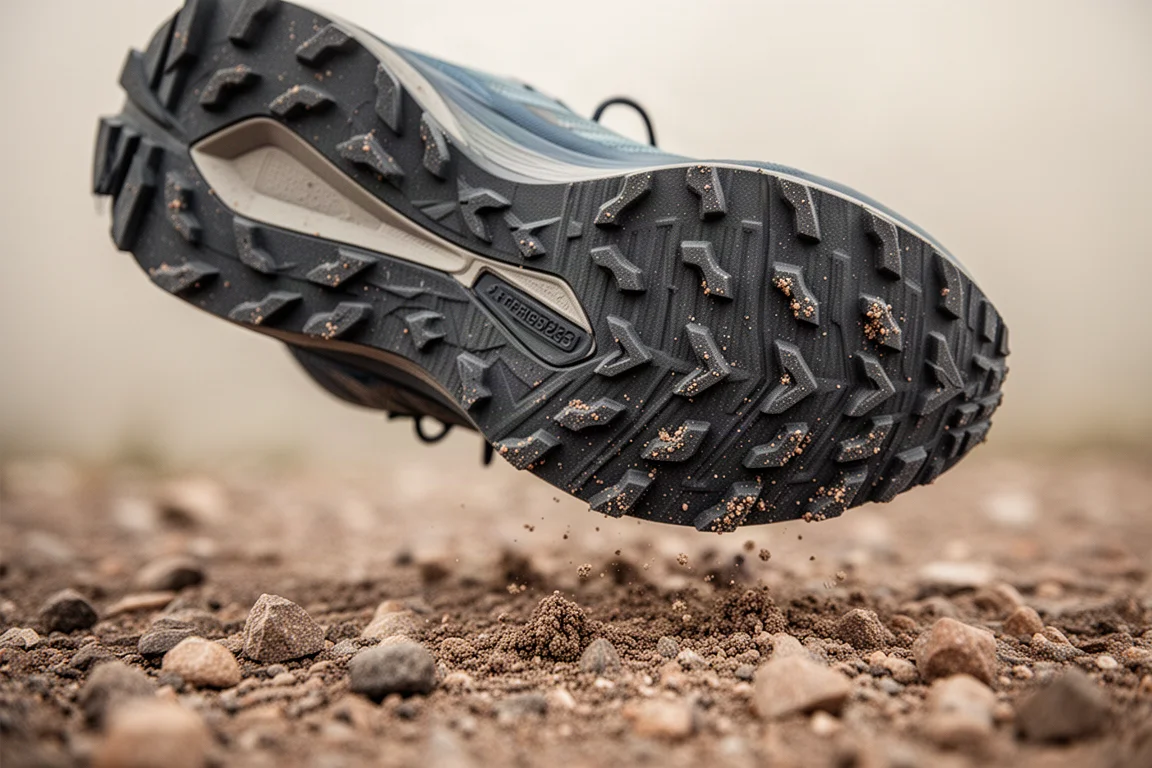
The two-depth lug pattern is the key design compromise. Shorter lugs keep the ride planted and smooth on hard-packed and mixed surfaces, while the deeper 3mm lugs provide grip when the trail softens. It is a setup clearly optimized for road-to-trail versatility rather than deep-mud or technical mountain work.
Comfort and On-Foot Feel
Comfort was the biggest pre-run concern, and it turned out to be a non-issue. The thin heel collar, which looked worrying fresh out of the box, caused no problems across the entire ultra. The hold was good, and the shoe wraps across the top of the foot nicely without feeling constricted.
The toe box deserves specific praise. There is plenty of room and genuine wiggle space without the shoe feeling loose or baggy. After five hours of running, there was no rubbing, no cramping of the toes, and no urge to take the shoes off. On-foot comfort over this distance was exceptional.
Ride and Midsole Energy
Underfoot, the ride is where this shoe earns its keep. The Lightstrike Pro midsole delivers a strong sense of energy and propulsion, but crucially it does so without tipping into instability. The feeling is of being in control of the shoe rather than the shoe controlling you.
The best description of the ride is smooth, springy but controlled, cushioned, protective, and unfussy. It does not interrupt your stride or make you conscious of foot strike. Each landing simply rolls through with a little added energy, in that slightly supernaturally smooth way the best modern foams achieve.
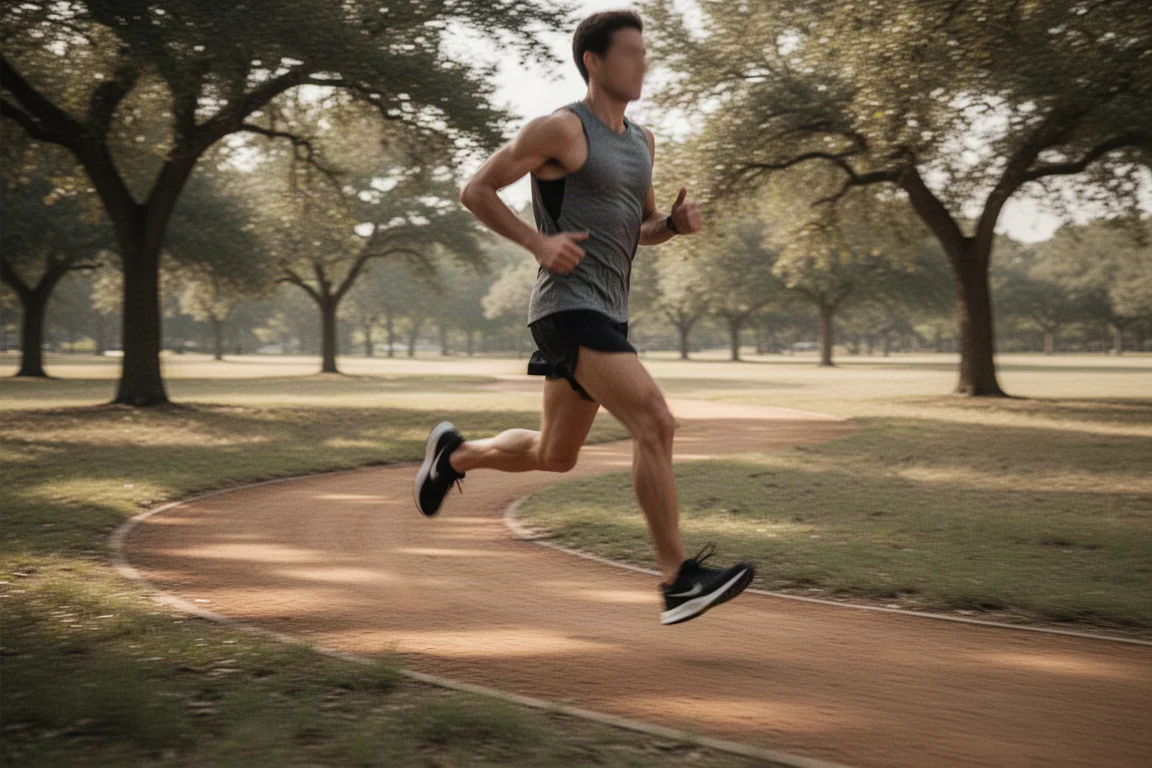
On flat, undulating, untechnical terrain, the shoe is a dream. It runs better than many dedicated road shoes on tarmac sections, with a grippy, sticky feel on tarmac and a near road-supershoe punchiness that makes faster-paced efforts genuinely tempting. Where it may falter is on uneven, stony, or steeply technical ground, where the soft, springy midsole could lose consistency, feel wobblier, and make steeper descents harder to control.
Where This Shoe Fits Your Running
The picture that emerges is very specific and very useful. This is a winning shoe for runnable, manageable, not-too-steep trail: think UK events like the New Forest marathon with its mix of road and light off-road, the Thames Path 100, the South Downs, or the North Downs. If your race profile avoids rocky, lumpy, technical ground, this is a shoe worth racing in.
The trade-off is equally clear. On trickier mountain routes, the road-shoe punchiness that works so well here may work against you, reducing ground contact and stability where you need firmness most. Runners who spend most of their time in the mountains should treat this as a different category of shoe.
Buying Advice
For runners targeting flat, runnable trail ultras or road-to-trail races, the Agravic Speed Ultra is an easy recommendation. It saved legs over 30 miles, delivered consistent energy from start to finish, and handled road sections better than several dedicated road shoes tested recently.

If your terrain is technical, rocky, or steep, the stability question remains open and this may not be the right pick. But for the kind of long, flowing mileage that defines most trail ultras, this shoe performed without a single complaint from first mile to last.
Conclusion
The Adidas Agravic Speed Ultra turned out to be one of the most pleasant surprises a long test can produce. The fears about its minimal heel collar and bouncy tall stack proved unfounded, and what remained was a supremely comfortable, energetic, road-supershoe-flavored trail runner that excels on exactly the terrain most of us actually race on. If runnable trail is your game, this shoe deserves a serious look.
Product link
View more details for Adidas Agravic Speed Ultra
This product is mentioned in the review. Check the specifications, options, and compatibility before buying.
View more details for Adidas Agravic Speed UltraFurther reading
Related Reviews
Trail Running Shoes
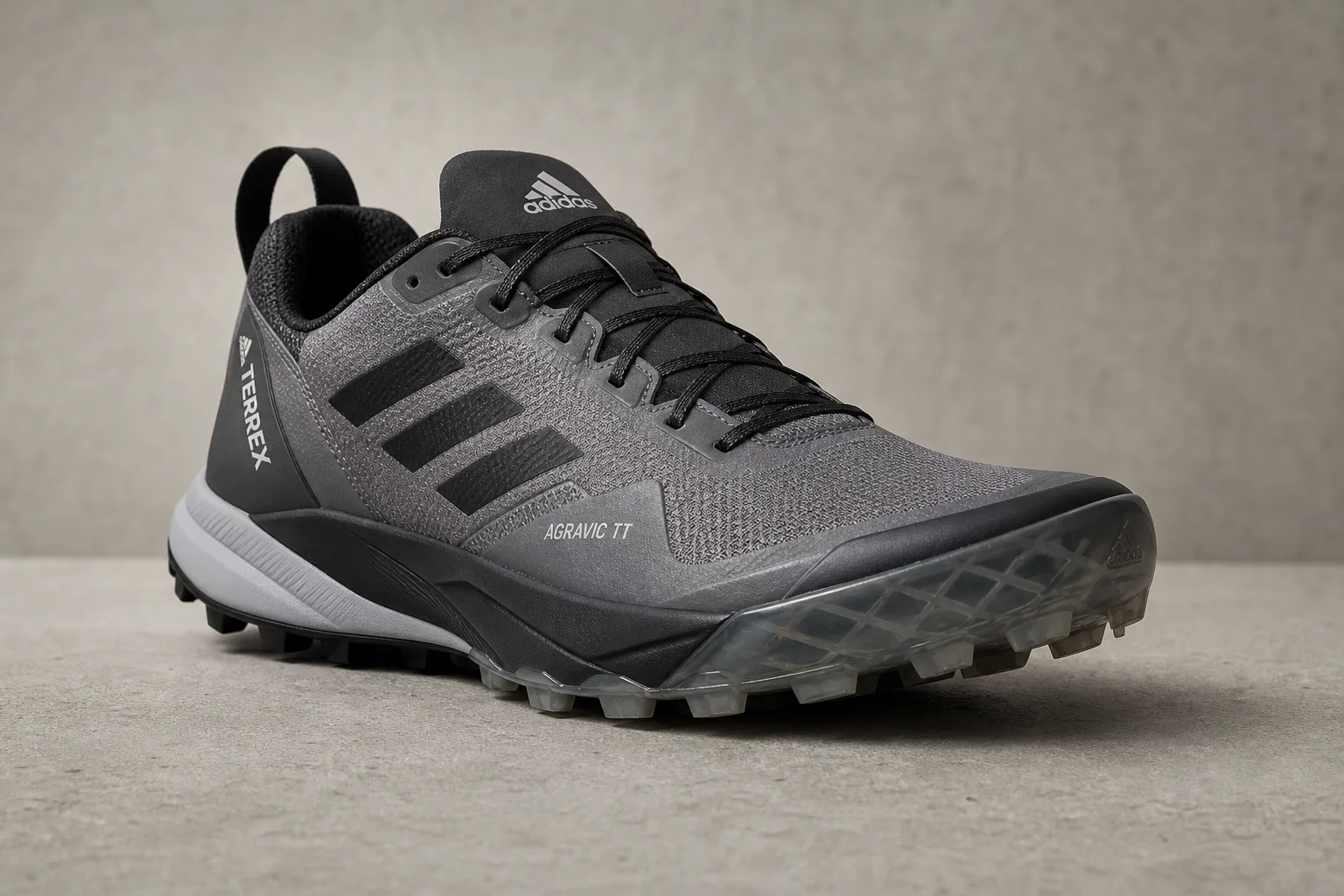
Adidas Terrex Agravic TT Review: A Technical Trail Shoe Built for Rocky Terrain
The Adidas Terrex Agravic TT combines a full-coverage rock plate with a firmer midsole to deliver protection and stability on technical, rocky trails. A capable choice for runners who prioritize underfoot defense over lightweight cushioning.
Trail Running Shoes
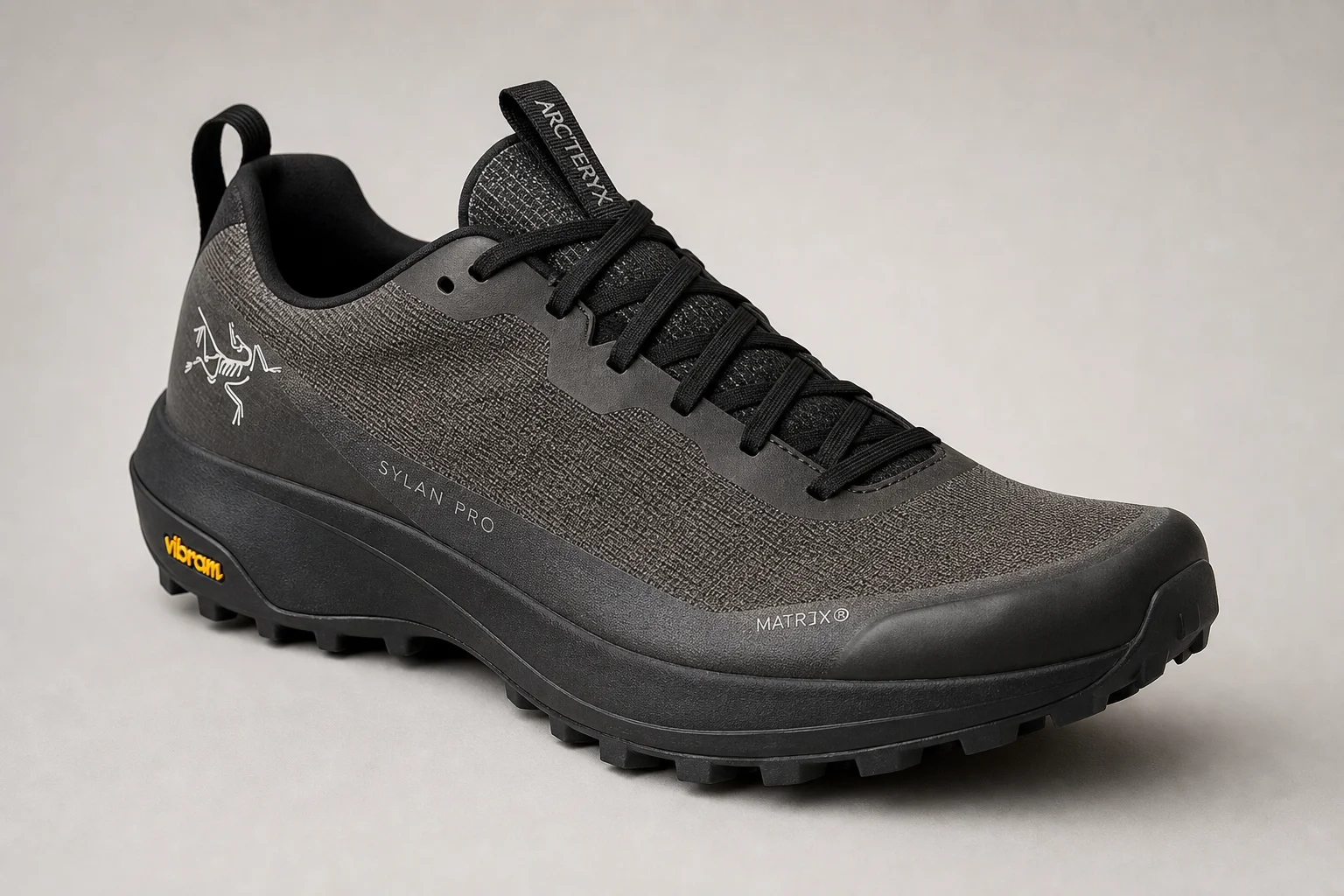
Arc'teryx Sylan Pro Review: A Rocker-Focused Mountain Running Shoe Tested on 20 Miles
The Arc'teryx Sylan Pro brings a pronounced rocker geometry and secure fit to mountain terrain. We tested it on a 20-mile Sawtooth loop to evaluate its climbing efficiency, protection, and handling of technical descents.
Trail Running Shoes
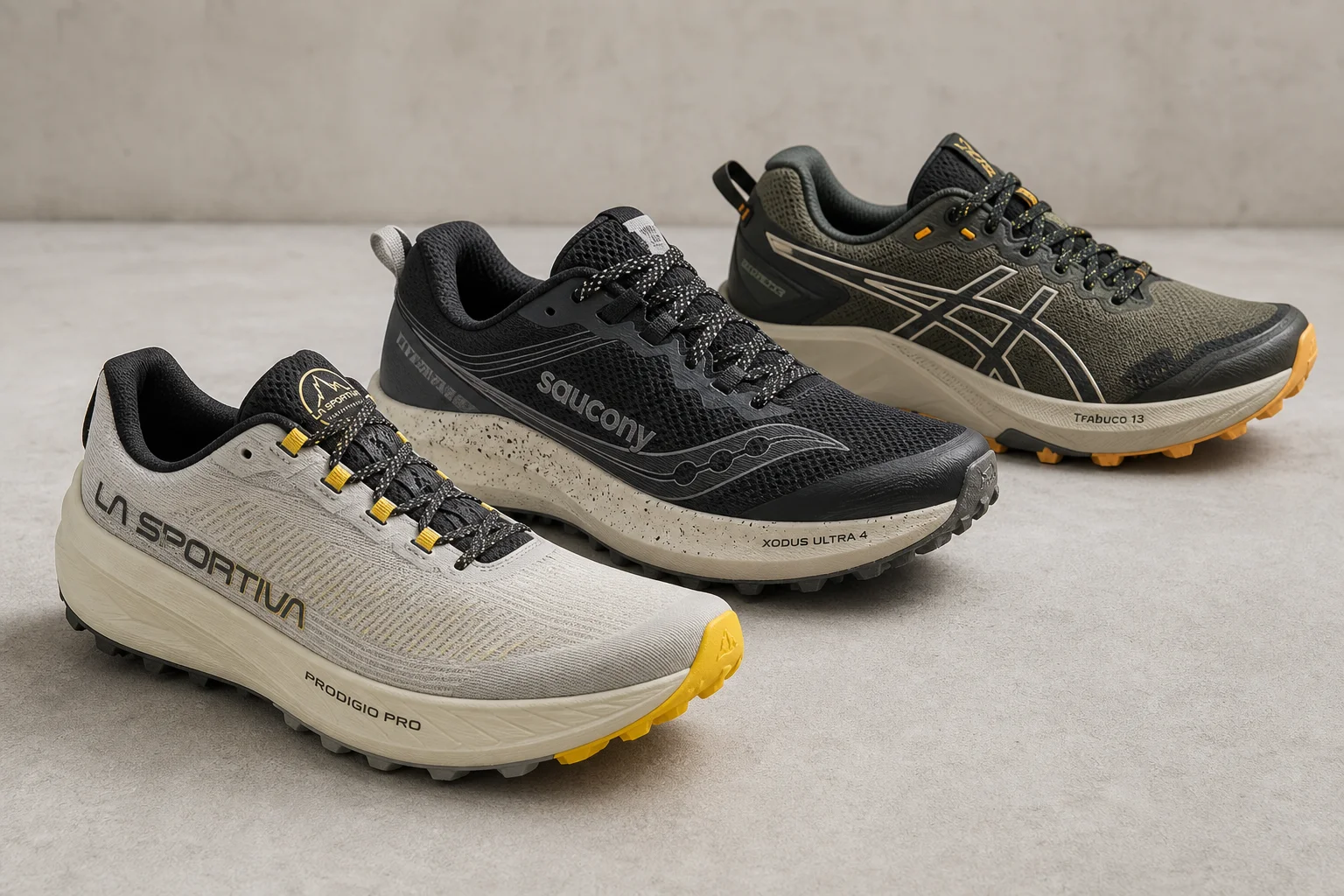
Best All-Mountain Trail Running Shoes: Three Versatile Options for Any Trail
A focused roundup of three all-mountain trail running shoes that handle technical terrain, long distances, and variable conditions with real strengths and practical trade-offs.