Running Shoes
Adidas AdiZero Takumi Sen 11 Review: 100km of Long-Term Use
After 100km in the AdiZero Takumi Sen 11, this lower-stack speed shoe shows a firm ride, strong grip, and a very narrow fit that suits a niche group of runners.
Introduction
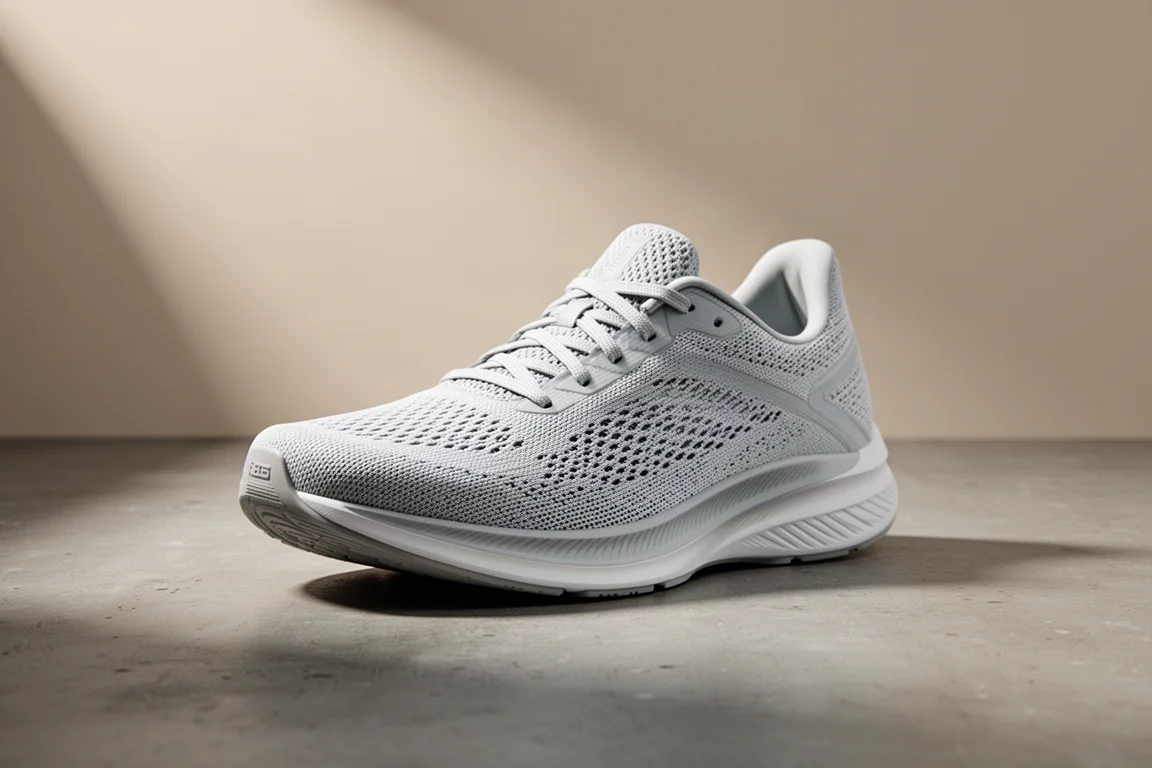
The Adidas AdiZero Takumi Sen 11 is the lower-stack speed shoe in the AdiZero range, and after roughly 100km of use it is time to look at how it holds up beyond a first impression. It remains a light shoe, but the picture after long-term use is more nuanced than the spec sheet suggests.
The standout issue at 100km is that other options now offer more stack at a lower weight, and the Takumi Sen model has stayed largely unchanged over several iterations. It feels due for an update, which shapes how this shoe fits into the current market.
Specs and Long-Term Wear
In a UK 11 / US 11.5, this pair measures roughly 36mm of heel stack and around 29mm at the front, for a 6mm drop, at about 219g or 7.7oz. Those are the numbers to keep in mind when comparing it with current alternatives.
After 100km the midsole shows no real damage. Lightstrike Pro does crease, but unlike Zoom X it never tears or breaks away, and the foam arguably feels a little softer now than it did out of the box. That is a good sign for anyone worried about durability.
Upper Fit and Durability
The upper material has held up well and is very similar to other AdiZero shoes such as the Adios 9 and Adios Pro 4: thin, quite flexible, and with a glove-like wrap. It is a very narrow shoe, especially through the arch area, and the gusseted tongue hugs the foot closely. It is genuinely hard to get on, requiring the flip-out pull tab to shoehorn yourself in.
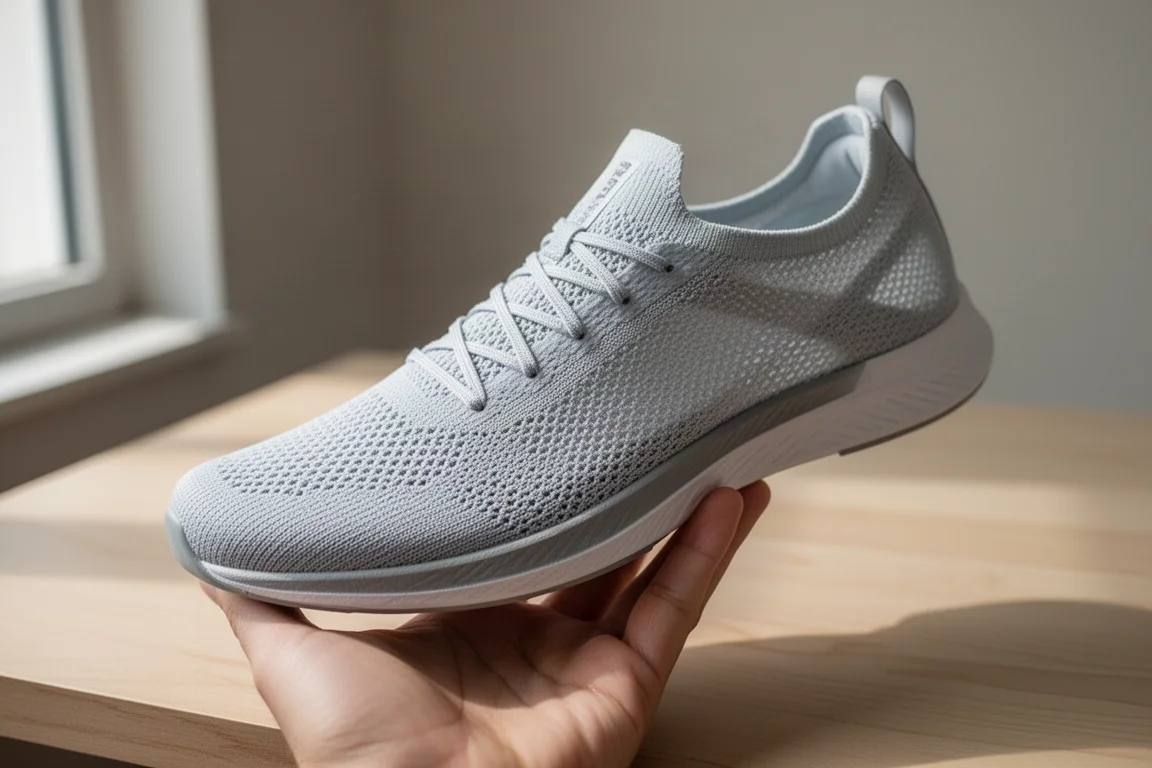
Some runners will benefit from going up a half size, particularly if they want extra toe box height or width. The shoe feels true to size but works best with a thinner sock. Lace tension is tricky to judge and needed some re-cinching to get right; by comparison, the Adios 9 is far easier to set and forget.
There are a couple of wear points to note. Threads are starting to come apart at the back of the heel where the internal padding is held in, and the shoe absorbs sweat noticeably, picking up an odor that other pairs with hundreds of miles do not develop.
Midsole and Ride Character
The ride is firmer than the Adios Pro 4, more rigid and less forgiving, with glass fiber rods adding to that stiffness. Despite similar shore A durometer readings across the range, the versions of Lightstrike Pro clearly differ between models: the Pro 4 is softest, the Adios 9 sits in the middle, and the Takumi Sen is the firmest of the bunch. The Boston 13’s Lightstrike Pro also felt softer than this foam, so the name on the sidewall does not guarantee the same cushioning.

This shoe shines at medium-range sessions where the bulk of the work is at tempo or faster: 10K and half marathon efforts feel good. Below that it feels harsh at easier paces, and beyond about 9 miles it becomes a bit too tough for longer sessions. That makes it a candidate for the perfect track shoe, with low stack and reasonable weight to help keep cadence high during speed work.
Outsole and Grip
There is a small outsole separation on the medial side of the heel, something that tends to happen on softer shoes. The Light Traction and Continental rubber combination is the highlight, though: it seems to get better and better with use, becoming more tactile over time, a behavior seen on other AdiZero shoes using this material.
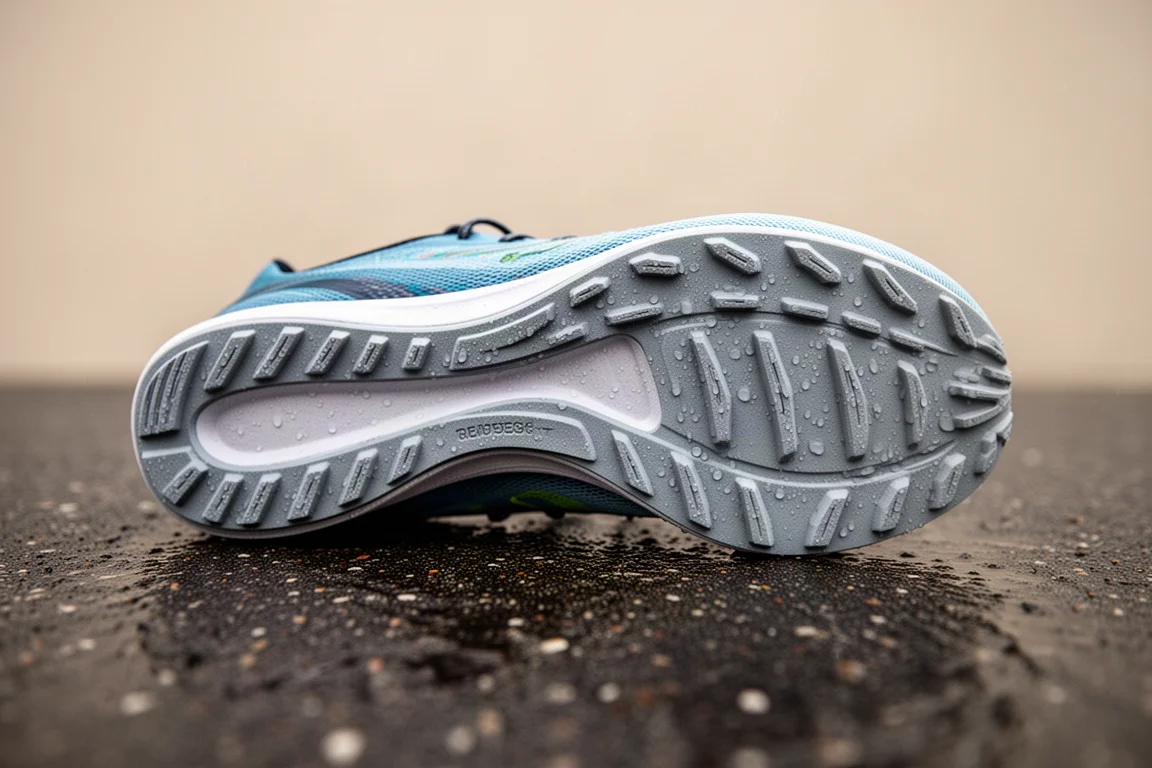
Grip on road and pavement is excellent, and it holds up well on the track and in wetter conditions. The lugs are fairly flat and shallow, so a more aggressively lugged shoe would do better off-road. On the lateral side you can feel more material underfoot at landing, which adds to the harshness, largely due to the cut-out in the medial arch area.
How It Compares and What It Should Cost
The Takumi Sen 11 sits in an odd spot. The Adios 9 is more stable without the medial arch cutout, sometimes available for 60 to 70 pounds in the UK, and makes a great low-stack speed option thanks to its low weight. The discounted Adios Pro 4 is more forgiving over longer runs with a softer midsole, and is not much heavier, offering the plus points without the harshness at slower paces.
The Sen 11 retails at around 170 pounds and is often discounted, but it does not fly off the shelves. It shares technology with the super shoes yet is not seen as one, and with huge-stack, super-soft options dominating attention, many runners simply choose a discounted 40mm-stack shoe over this lower-drop offering. If a Takumi Sen 12 comes, the model clearly needs something new to re-energize it.
Who Should Buy the Takumi Sen 11
This is a great option for lighter runners with a faster cadence who want something quick and nimble for short to medium distance racing and track speed work. For heavier runners there is simply not enough cushion: it bottoms out too quickly, and the narrow upper will not fit many people. It has always been a niche shoe, and that remains true here.

Conclusion
At 100km, the AdiZero Takumi Sen 11 holds up well where it matters: the upper material survives, the midsole shows no real damage and may even feel slightly softer, and the Continental rubber grip keeps improving. But the firmer ride, narrow fit, and unchanged formula limit it to a specific runner. If you match that profile, it is a rewarding speed shoe; if not, discounted alternatives in the AdiZero line make more sense.
Product link
View more details for Adidas AdiZero Takumi Sen 11
This product is mentioned in the review. Check the specifications, options, and compatibility before buying.
View more details for Adidas AdiZero Takumi Sen 11Further reading
Related Reviews

Running Shoes
Best Road-to-Trail Running Shoes: Three Versatile Options for Mixed Terrain
A practical guide to three road-to-trail running shoes that handle both pavement and mild trails, with clear strengths and trade-offs for different runner types.

Running Shoes
Best Running Shoes for Achilles Tendonitis: Three Options Explained
Three running shoes with different heel drops and support features designed to help reduce Achilles tendon pain during walking and running.

Running Shoes
Best Running Shoes for Women: Five Top Choices Ranked
A ranked guide to five women's running shoes, from versatile daily trainers to high-performance racing options, with real strengths and trade-offs for each.