Running Shoes
Adidas Adizero Takumi Sen 10 vs the Competition: SC Pacer, Liberate Nitro 2 and Vaporfly 3
The low-stack Takumi Sen 10 goes head to head with three of its closest speed-day rivals to see where it wins, where it does not, and who should buy what.
Introduction
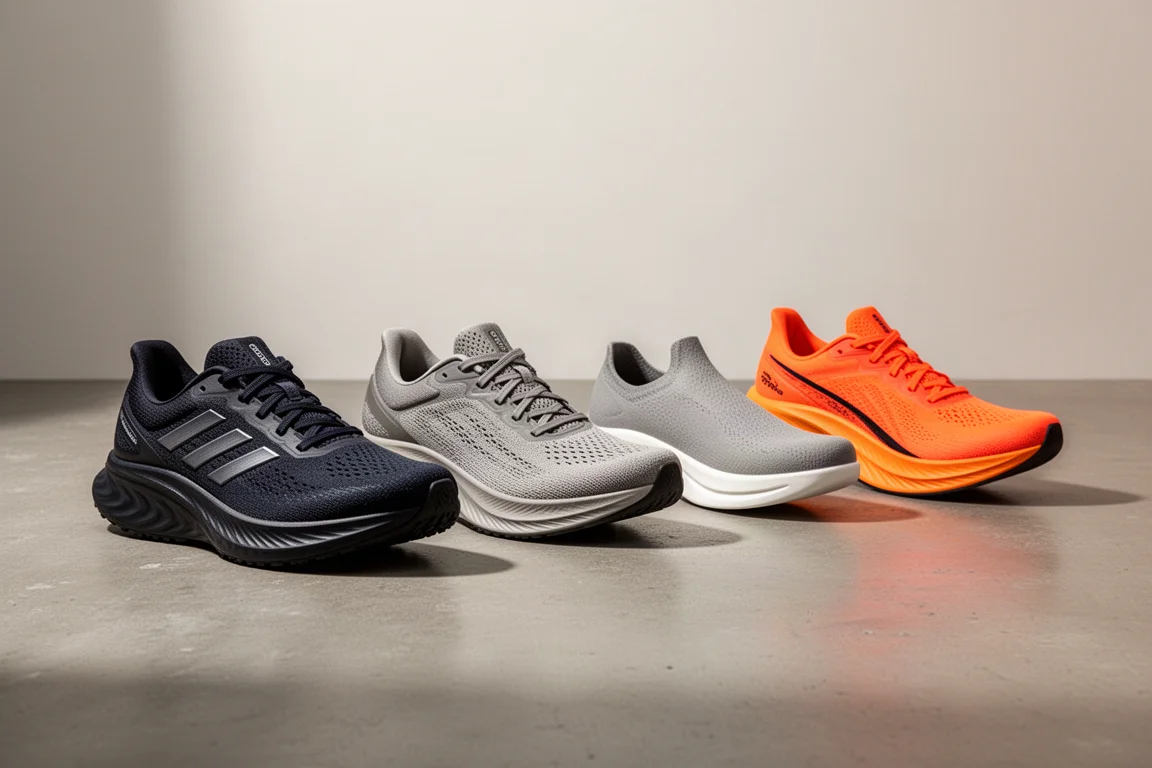
The Adidas Adizero Takumi Sen 10 has landed as one of the more interesting speed shoes in the current supershoe wave. It is a lower-stack racing shoe built for intervals, repeats and speed sessions, yet light enough to double as a nimble daily trainer for some runners. Everything about this iteration feels refined: a glove-like fit, resilient Lightstrike Pro foam, and an outsole setup with genuinely strong grip.
To work out whether it deserves a spot in your rotation, this comparison puts it up against three close rivals: the New Balance SC Pacer, the Puma Liberate Nitro 2 and the Nike Vaporfly 3.
Versus the New Balance SC Pacer
The stack difference is immediately apparent. The Takumi Sen 10 carries roughly 32 mm of heel stack and about 25 mm in the forefoot, and that extra foam changes the character of the shoe entirely. The Lightstrike Pro foam feels more resilient and a touch more forgiving than the FuelCell setup in the SC Pacer, which crumples and falls away in the heel section where too much material appears to have been carved out.
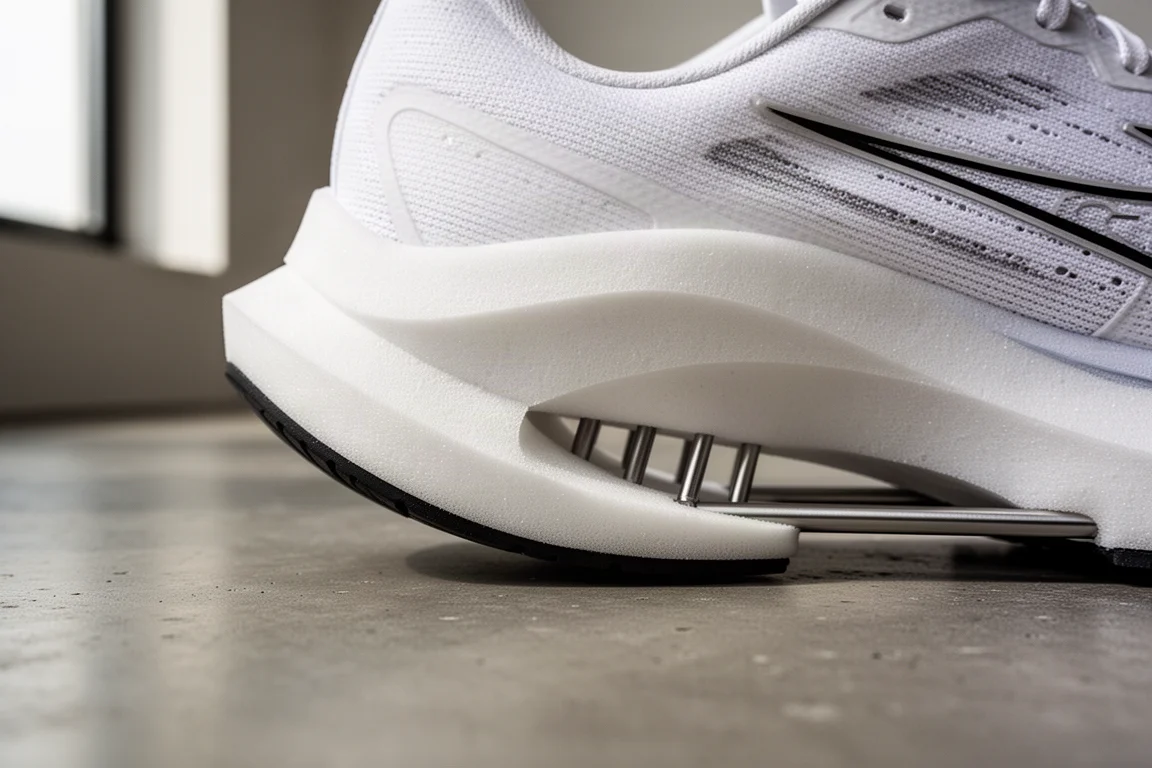
The Sen 10 also benefits from slightly firmer foam underfoot, which feels more stable and consistent. New Balance are reworking the FuelCell formula for the SC Pacer 2 with a full overhaul, but Adidas barely changed anything across the last three iterations of the Sen series, and the formula is already dialed in. The plate in the SC Pacer feels overly rigid, almost like running directly on the plate, and it adds weight. The energy rods in the Sen 10 provide enough rigidity for strong toe-off propulsion without that harshness, and the shoe is even slightly lighter despite carrying around 4 mm more heel stack and roughly 5 mm more in the forefoot.
The upper is another clear win. The SC Pacer’s lack of eyelets makes it genuinely hard to lock the shoe down on foot, while the Sen 10 fits like a glove. Grip and traction are also far better on the Adidas. In almost every measurable way, the Takumi Sen 10 is the stronger shoe here, and it is not close.
Versus the Puma Liberate Nitro 2
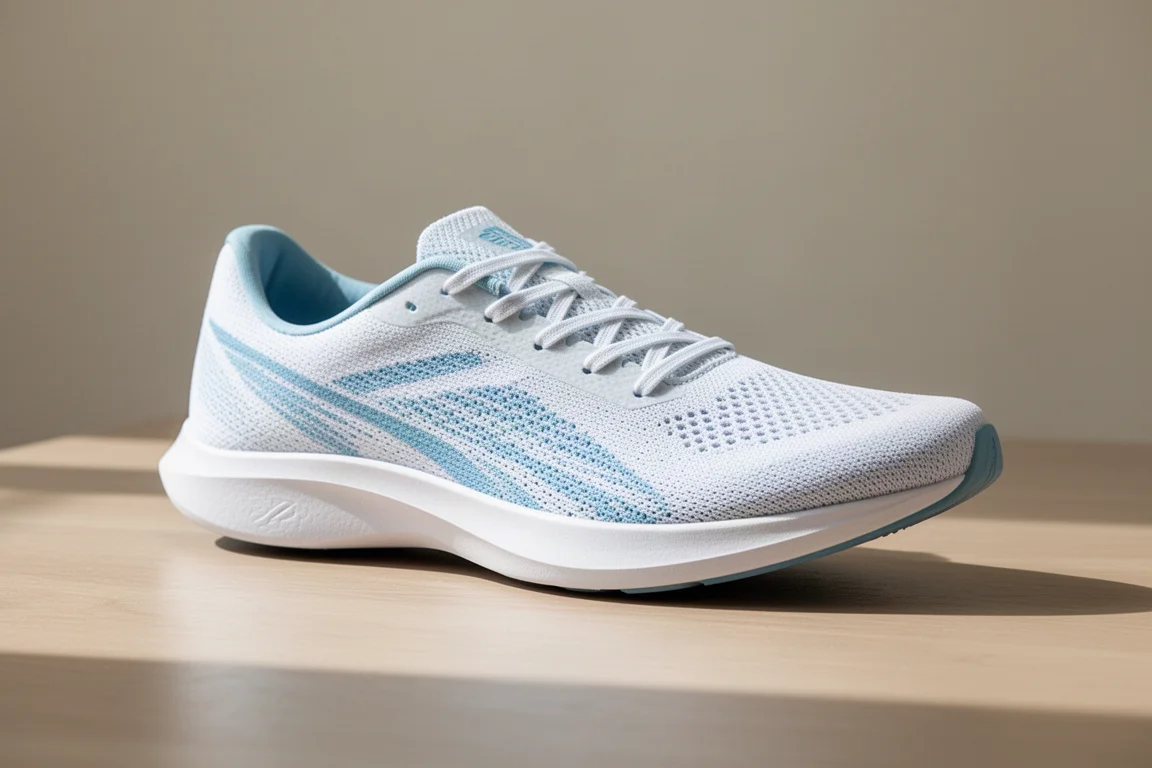
The Liberate Nitro 2 is a very simple shoe with no bells and whistles, relying on a slab of Nitro foam for cushioning. That foam is resilient and very responsive, and a scraping of Puma’s sticky grip rubber on the outsole provides solid traction. It runs around 15 grams heavier than the Sen 10, with a more considerable upper than the original, which has perhaps made it fly under the radar.
Structurally the two shoes are not that different: similar ankle designs, no heel counter, and padding around the heel area. The dealbreaker is the foam. Lightstrike Pro in the Sen 10 has a bit more pop, and the Adidas feels more nimble overall. In effect, the Liberate Nitro 2 is a cut-down, featherweight version of Puma’s marathon shoe, and it suits shorter sessions, repeats and intervals, with the track also a viable use case.

Where the Puma fights back hard is price. At around £56 in the UK it is an absolute steal against the Sen 10’s £170 retail, and it highlights just how big the markup on running shoes has become. For budget-conscious runners doing track work and speed sessions, especially lighter-framed runners who do not need extra cushion, it can do a genuinely good job.
View more details for Puma Liberate Nitro 2
Versus the Nike Vaporfly 3
Some will argue the stack gap makes this an unfair fight, but with the Vaporfly 3 regularly discounted to around £175, it sits right in the same price range as the Takumi Sen 10. The Nike carries a good 6 mm of extra heel stack in real-world pairs and a more aggressive drop, and that additional foam can feel like too much to pound through for shorter events such as 5K or 10K racing, or for lighter runners, even up to the half marathon.
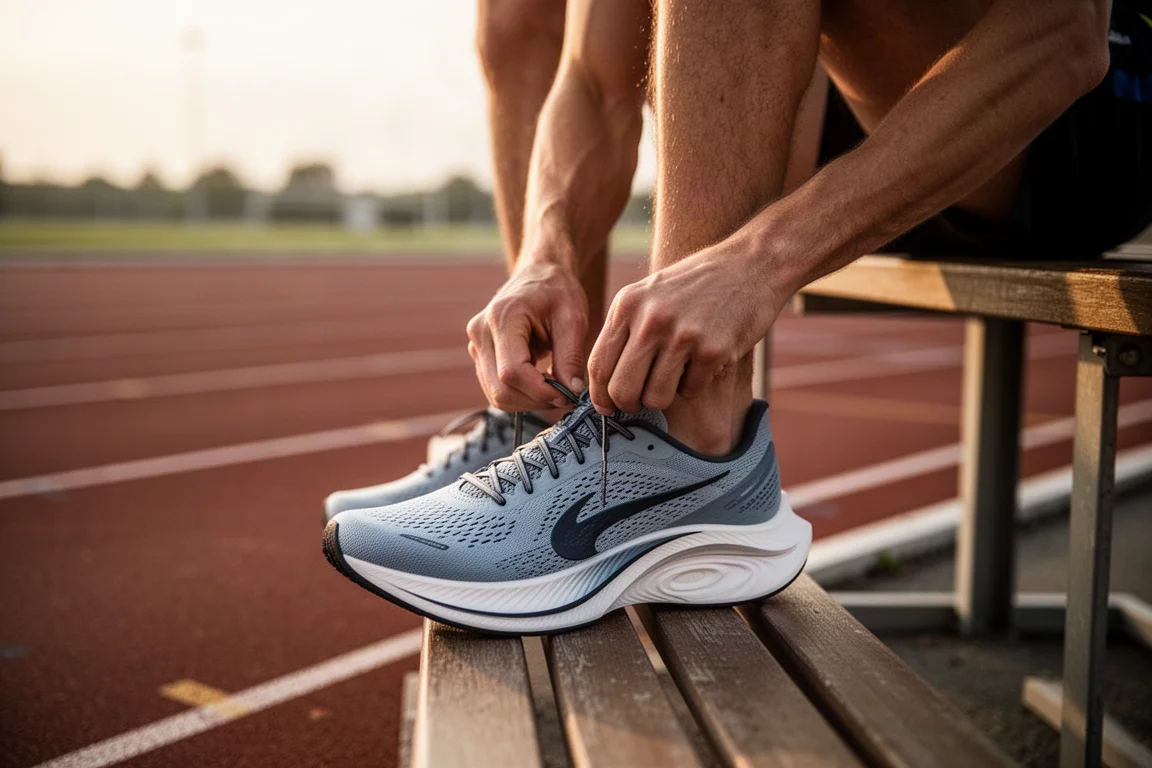
In reality the two shoes weigh about the same, and durability has been strong on the Vaporfly 3, with around 100 miles on a test pair showing no pieces falling off and forefoot grip still decent. The weight saving over earlier versions comes mainly from the upper, which is more of a net than a mesh and is denser in the toe box area than the Sen 10. The Adidas rubber is stickier, though, with more assured traction in wet conditions, which matters on corners in the rain.
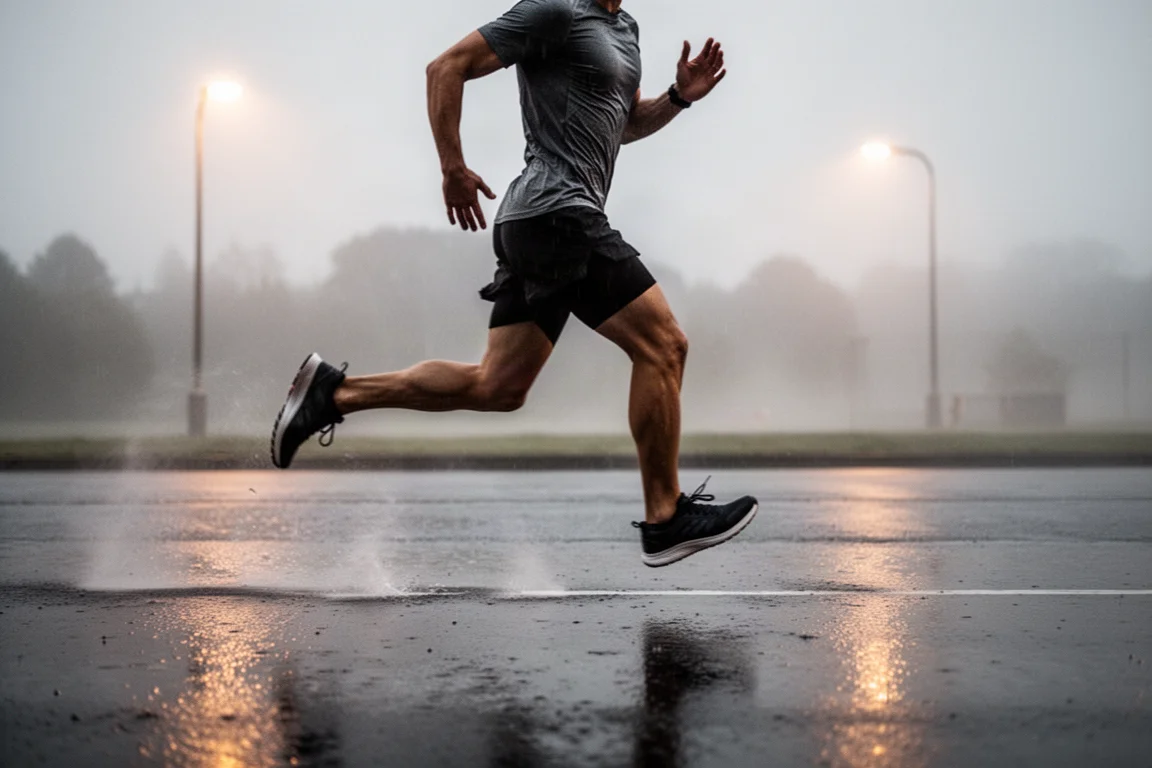
Both shoes suit a normal to narrow foot width, and neither works well for wide feet or heavier runners, where the foam in these supershoes can feel too compressive. If forced to choose, the Sen 10 still edges it: no need to cinch the laces as hard for a secure fit, and a glove-like feel the Nike upper cannot quite match.
Overall Buying Advice
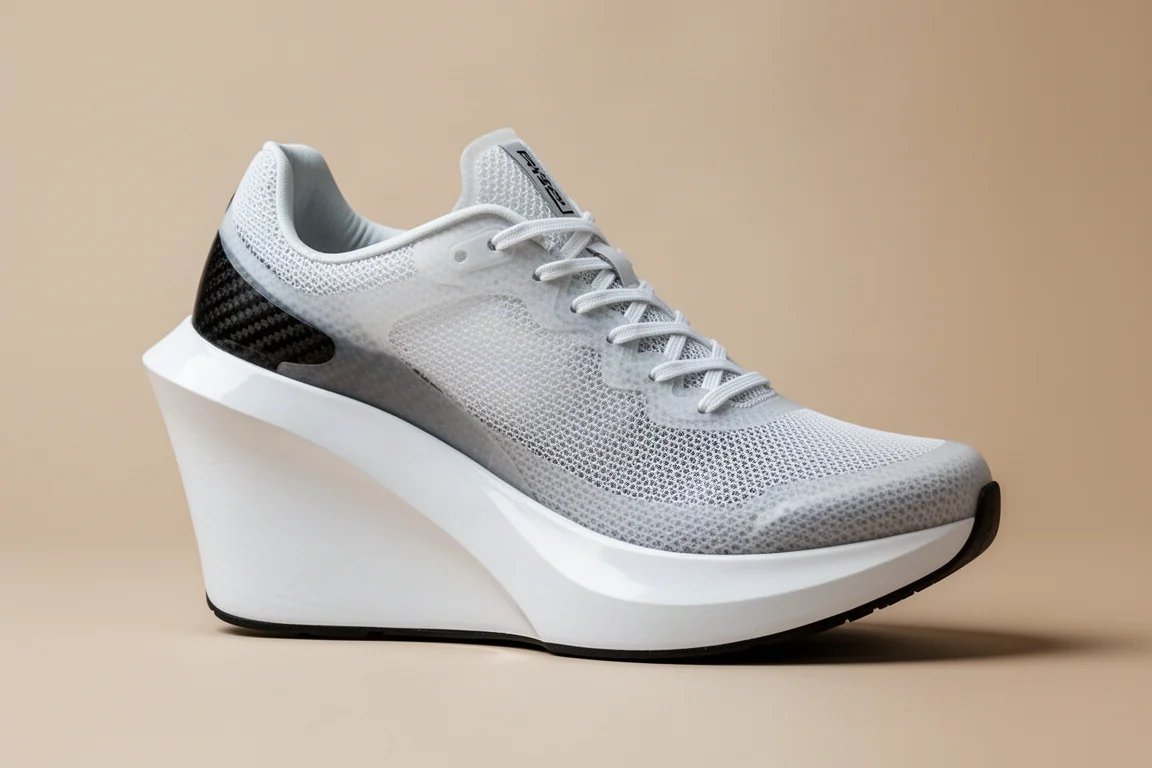
For pure speed work, the Takumi Sen 10 is the most complete of the four and an early contender for shoe of the year. If budget is the priority, the Liberate Nitro 2 delivers most of the speed-day experience at a fraction of the cost. The Vaporfly 3 makes sense for runners who want more stack for longer efforts and can find it discounted, while the SC Pacer is hard to recommend against the Adidas at similar money.
Conclusion
The Adizero Takumi Sen 10 wins its comparisons on fit, foam resilience, grip and weight, and it does so without losing sight of what a lower-stack speed shoe should be. Choose it for intervals and fast sessions; choose the Puma on a budget, the Nike for longer races with more cushion, and look elsewhere if you have wide feet or need a more durable daily platform.
Further reading
Related Reviews

Running Shoes
Best Road-to-Trail Running Shoes: Three Versatile Options for Mixed Terrain
A practical guide to three road-to-trail running shoes that handle both pavement and mild trails, with clear strengths and trade-offs for different runner types.

Running Shoes
Best Running Shoes for Achilles Tendonitis: Three Options Explained
Three running shoes with different heel drops and support features designed to help reduce Achilles tendon pain during walking and running.

Running Shoes
Best Running Shoes for Women: Five Top Choices Ranked
A ranked guide to five women's running shoes, from versatile daily trainers to high-performance racing options, with real strengths and trade-offs for each.