Running Shoes
Adidas Adizero Speed Shoes Compared: Takumi Sen 10, Boston 12, Adios Pro 3 and the Rivals
We put the Takumi Sen 10 through a wet 10K time trial against the Takumi Sen 8, Boston 12, Adios Pro 3, Nike Vaporfly and Asics Metaspeed Sky Paris to see where each shoe belongs in your rotation.
Introduction
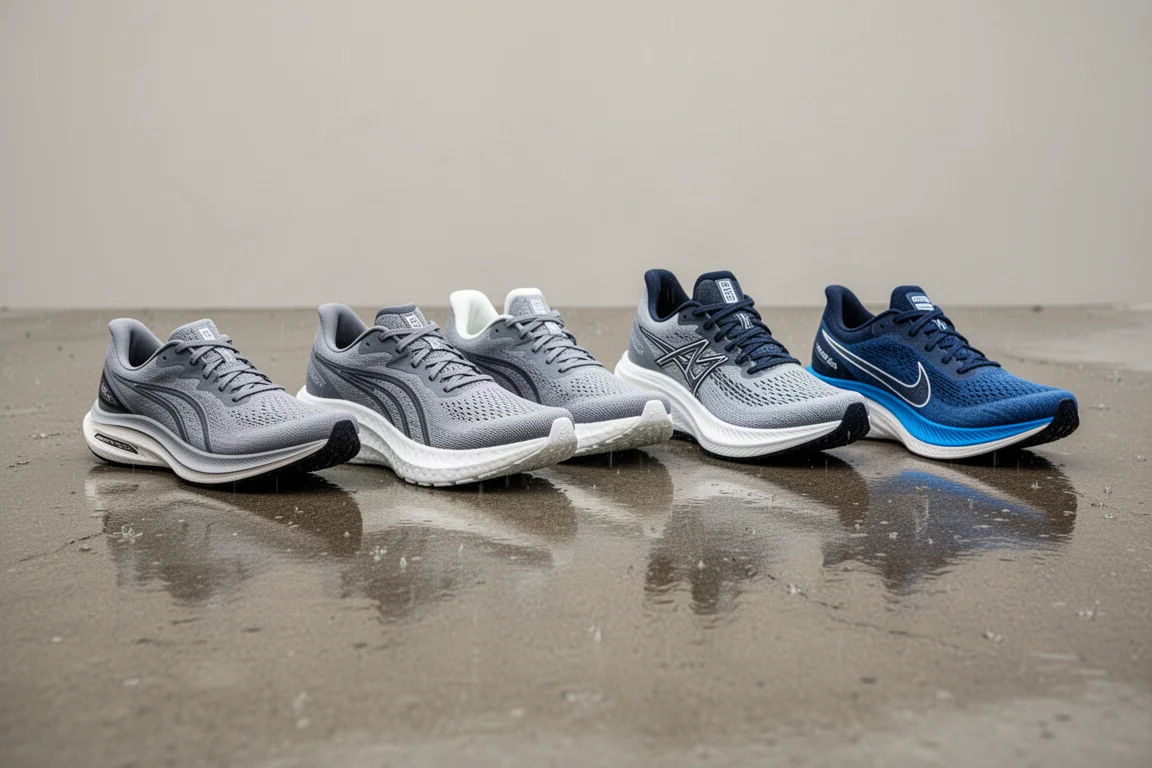
Adidas’s Adizero performance line covers a lot of ground: a dedicated 5K and 10K racer, a marathon trainer, and a marathon racing shoe. On a gray, rainy morning, we ran a 10K time trial in the Takumi Sen 10 with a warm-up in the Boston 12 and a cool-down in the Adios Pro 3, then compared all three against the previous Takumi Sen 8, the Nike Vaporfly, and the Asics Metaspeed Sky Paris.
The short version: the Takumi Sen 10 is a genuinely fun shoe for running fast, but its limited use case and its weight relative to lighter marathon racing shoes make it a tough sell for most recreational runners. The Boston 12 and Adios Pro 3 remain the more versatile buys.
The Short-Distance Racer: Adidas Adizero Takumi Sen 10
The Takumi Sen 10 is Adidas’s 5K and 10K racing shoe, built on a similar recipe to the Adios Pro 3: Lightstrike Pro foam in the midsole, Continental rubber on the outsole, and a lightweight upper. The key difference is a lower heel stack of 33mm versus roughly 40mm in the Adios Pro 3, along with a narrower, more streamlined platform.
On the scale it came in at 215g, just slightly heavier than the 213g Takumi Sen 8. On foot it feels light, fast, and aggressive, and it really comes alive around 5:40 to 5:50 pace. The ride is planted and direct, with a pure running feel: what you put into the shoe is what you get back, and you never feel the plate or the internal rods as separate elements.
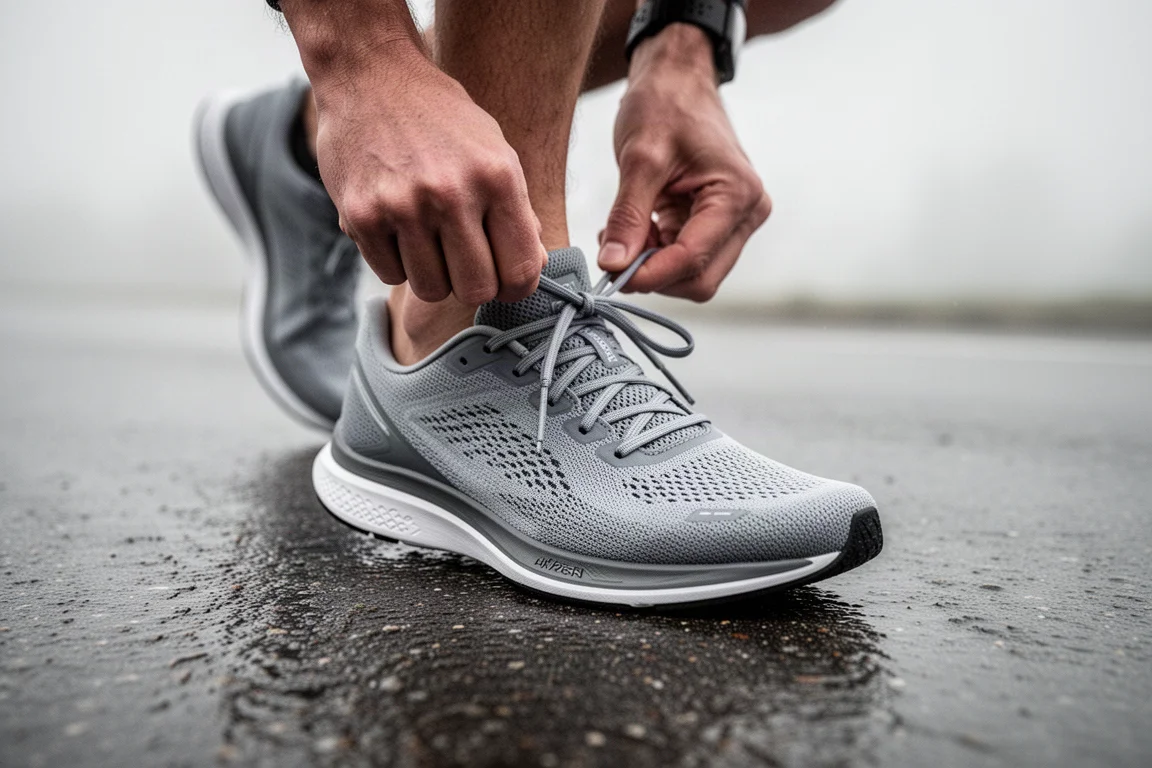
The catch is comfort and fit. The upper is snug and finicky, and the laces run directly through the upper, so you have to crank them tight to keep your foot from sliding. Tie them loosely and you lose energy laterally. Beyond about 30 minutes, the 33mm of stack feels thin by modern standards, and the shoe left feet feeling pounded by miles five and six. It also soaked up about 25g of water in the rain, which undercuts the whole lightweight pitch.
The Previous Generation: Adidas Adizero Takumi Sen 8
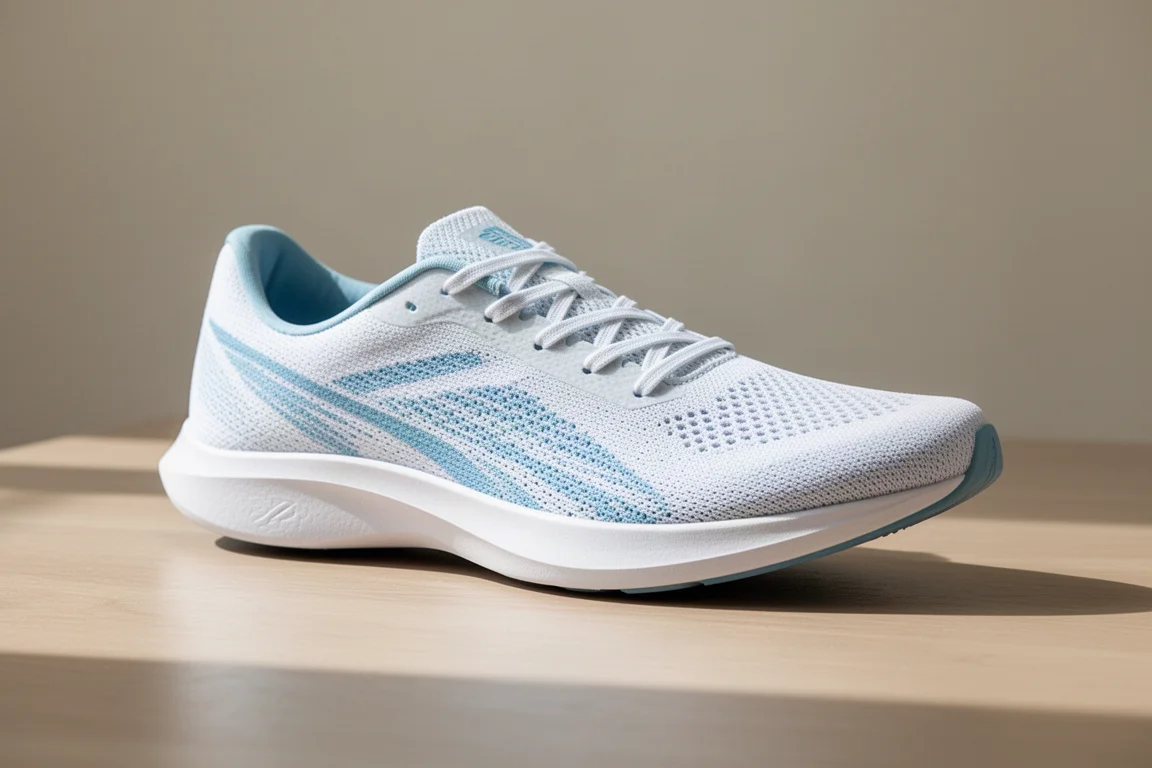
At first glance there is not much separating the Sen 8 from the Sen 10 beyond the colorway. The Sen 8 came in slightly lighter at 213g, and on the run it felt a touch bouncier, possibly due to a slightly different Lightstrike Pro formulation.
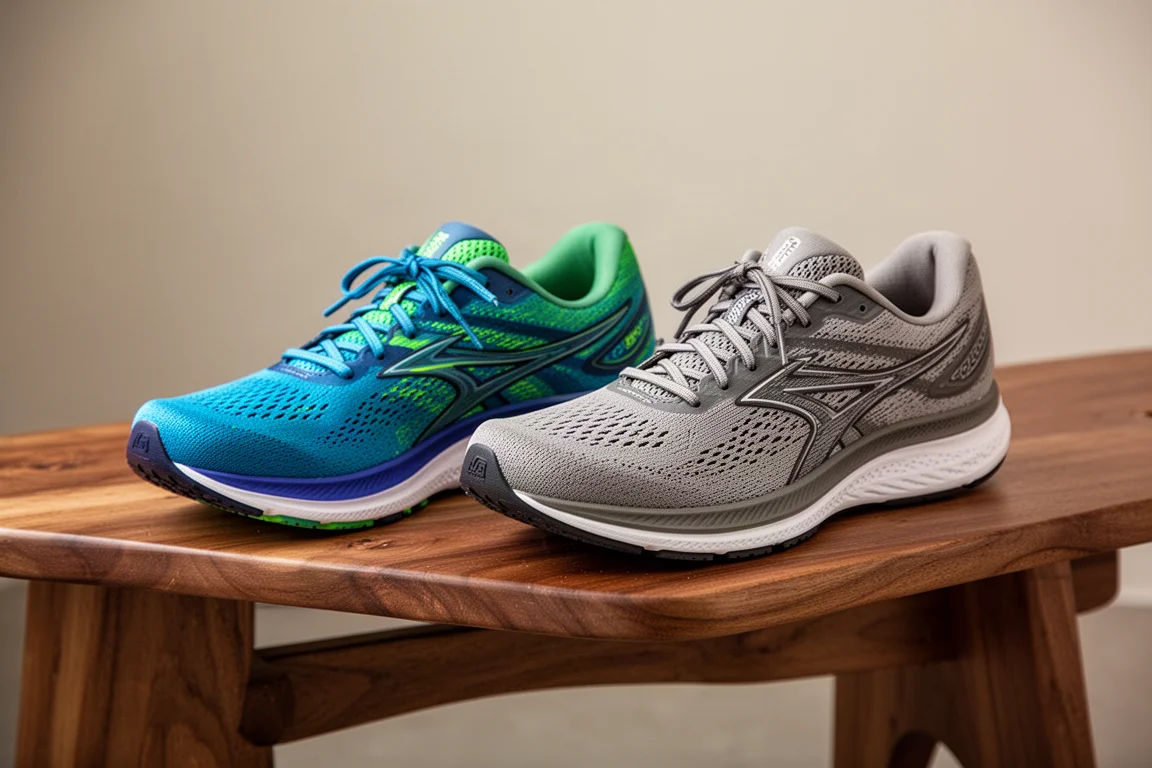
The two meaningful spec changes in the Sen 10 are a slightly widened rear and rods that moved from carbon to glass fiber, which most runners will not notice. The Sen 8 also shares the same problem: a stiff, hard-to-get-on upper that feels like a bandage strapped to a launch pad when laced loosely.
If you can find the previous generation at a discount, that is often the smarter purchase. It is the same category of shoe with the same direct, nimble feel, and it has proven itself in everything from track workouts to an ill-advised half marathon.
The Marathon Trainer: Adidas Adizero Boston 12
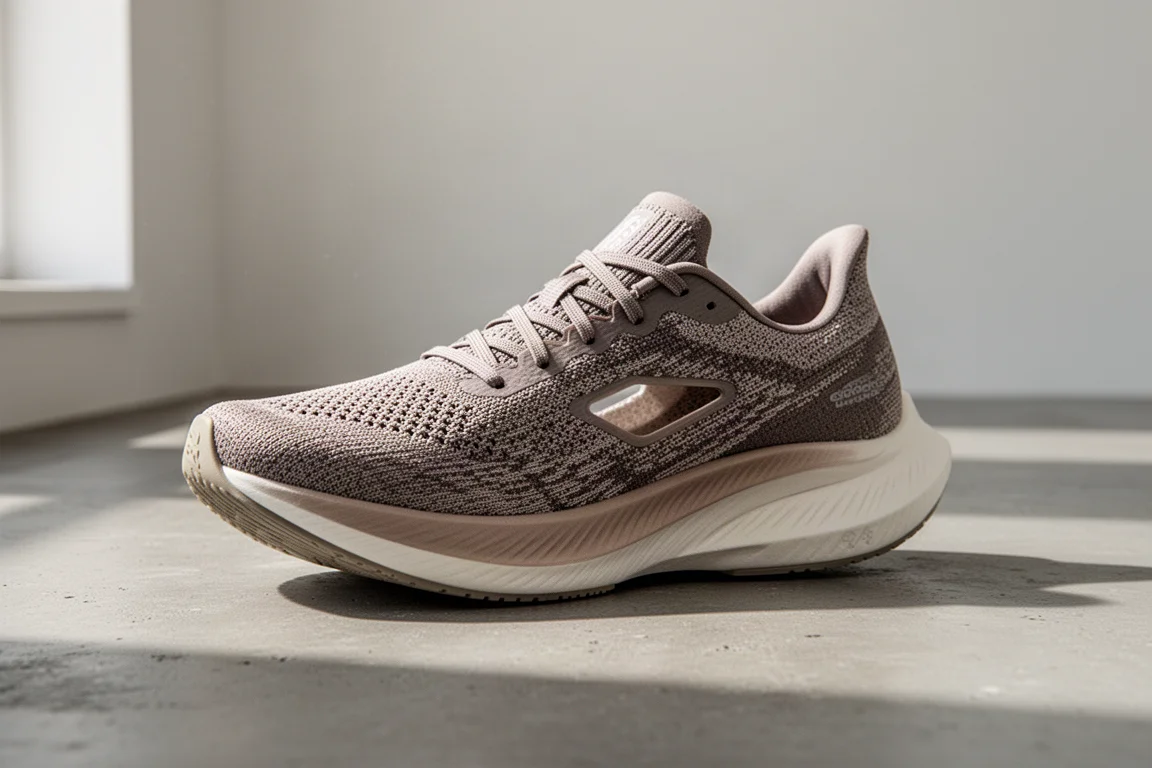
The Boston 12 is the marathon training shoe in the lineup, and at 300-plus miles it still looked and ran remarkably well. It is the versatile workhorse of the three: durable enough for high mileage, comfortable enough for long runs, and quick enough for speed days, including 5:10 to 5:30 pace miles.
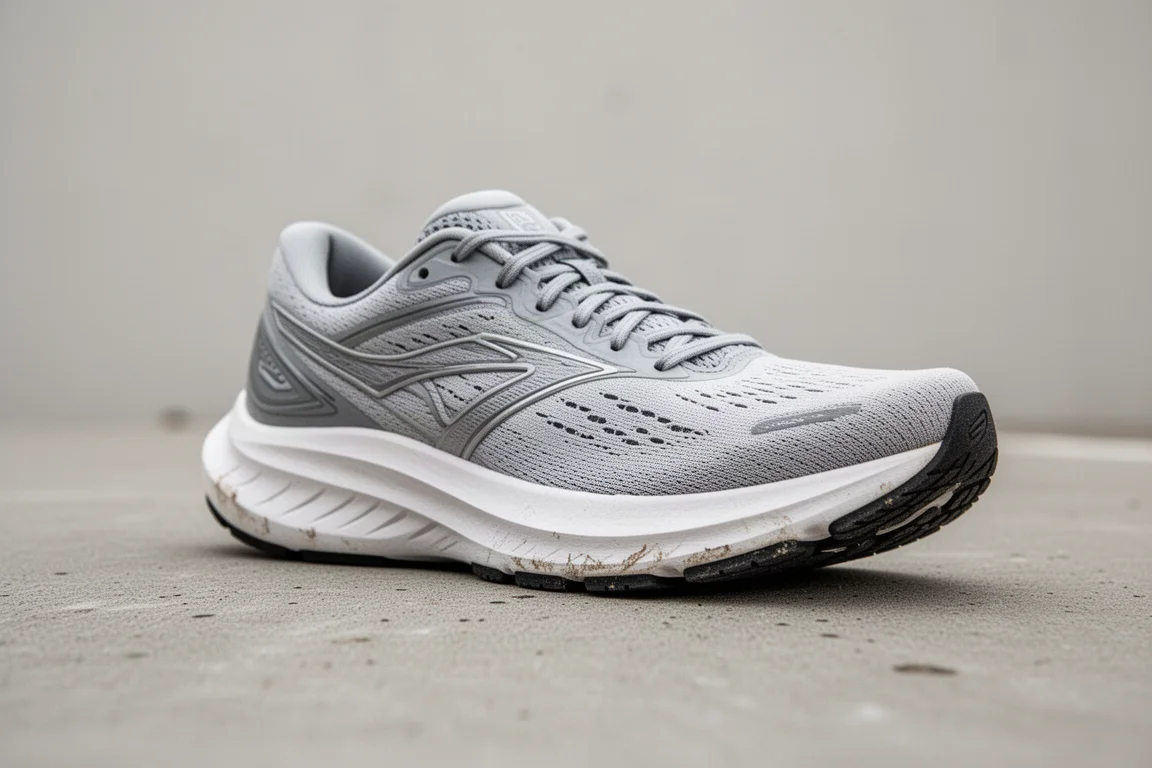
With wear, the Lightstrike Pro has softened slightly, trading a little pop for a more cushioned, slightly squishier feel that approaches a max-cushion daily trainer. That is not a dealbreaker in a training shoe, where comfort and durability matter more than peak responsiveness. The upper is stiffer and more industrial than most, but it fits well with minor lace adjustment and cleans up like new after mud and rain.
At its frequent sale price of $120, it is arguably the best value in the whole lineup and the shoe most people could happily race a marathon in.
The Marathon Racer: Adidas Adizero Adios Pro 3
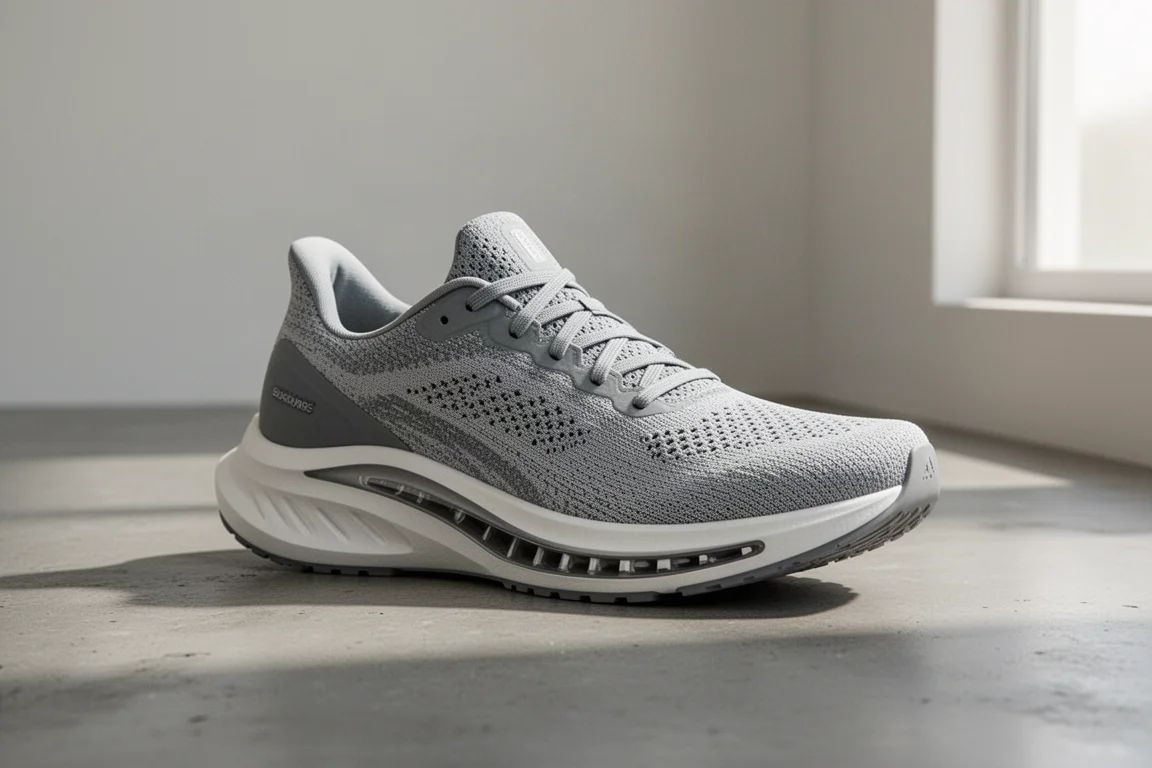
The Adios Pro 3 is the flagship marathon racing shoe, and at 242g it sits between the Boston 12 and the Takumi Sen 10 on the scale, with roughly 40mm of heel stack for far more cushioning and protection over long distances.
Like all the Adizero performance shoes, the technology disappears into the ride: you do not feel the midsole elements individually, they simply support and enhance your running. It is less stable than the Boston 12, which is why some runners prefer the Boston for normal training days, but as a race-day shoe with real utility for everything from cool-downs to marathons, it offers far more than a dedicated short-distance racer.
The Established Rivals: Nike Vaporfly
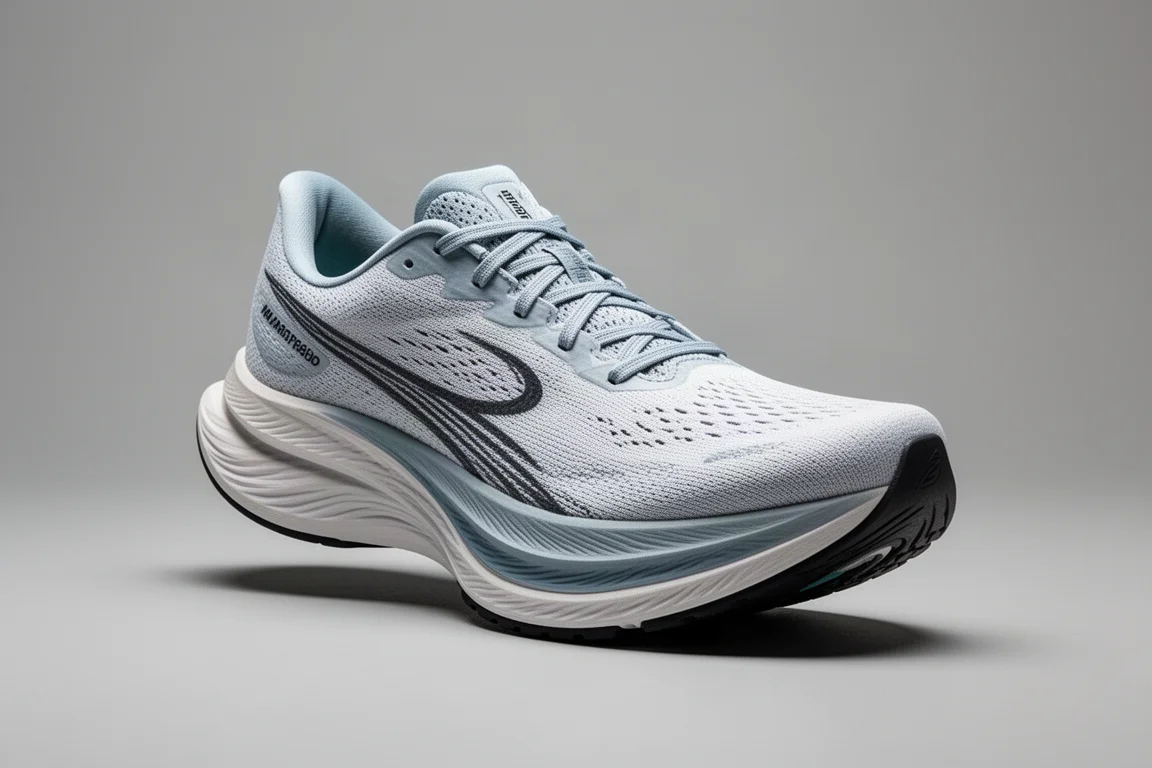
The Nike Vaporfly remains the default answer when most runners shop for a 5K or 10K race shoe, and that reputation is part of its appeal. Here it weighed in at 275g, heavier than the Takumi Sen 10 on the scale, which is surprising for a shoe pitched as the short-distance standard.
It is not the most comfortable option for longer distances either, but it is a proven, widely available race shoe, and for many runners it remains an easy, familiar choice for shorter races and half marathons.
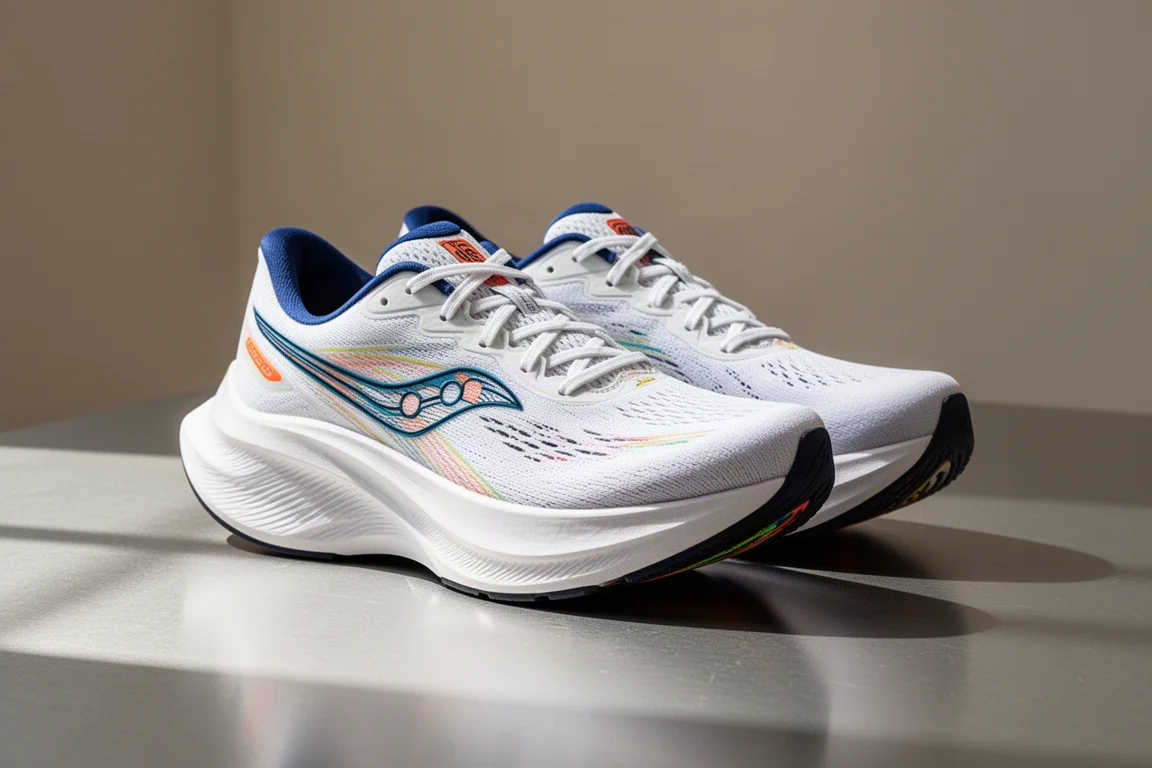
Asics Metaspeed Sky Paris
The Asics Metaspeed Sky Paris is the heaviest hitter in this comparison. At 195g it was the lightest shoe on the scale, lighter than the Takumi Sen 10 while offering more foam, more propulsion, and more comfort.
It is an aggressive ride, and it is not the most cushioned-feeling marathon shoe, but it delivered a marathon personal best, and a previous 10K personal best was also set in it. If you want something light, fast, and aggressive, this was the clear pick over the Takumi Sen 10, despite roughly a $70 higher price.
Which One Should You Buy
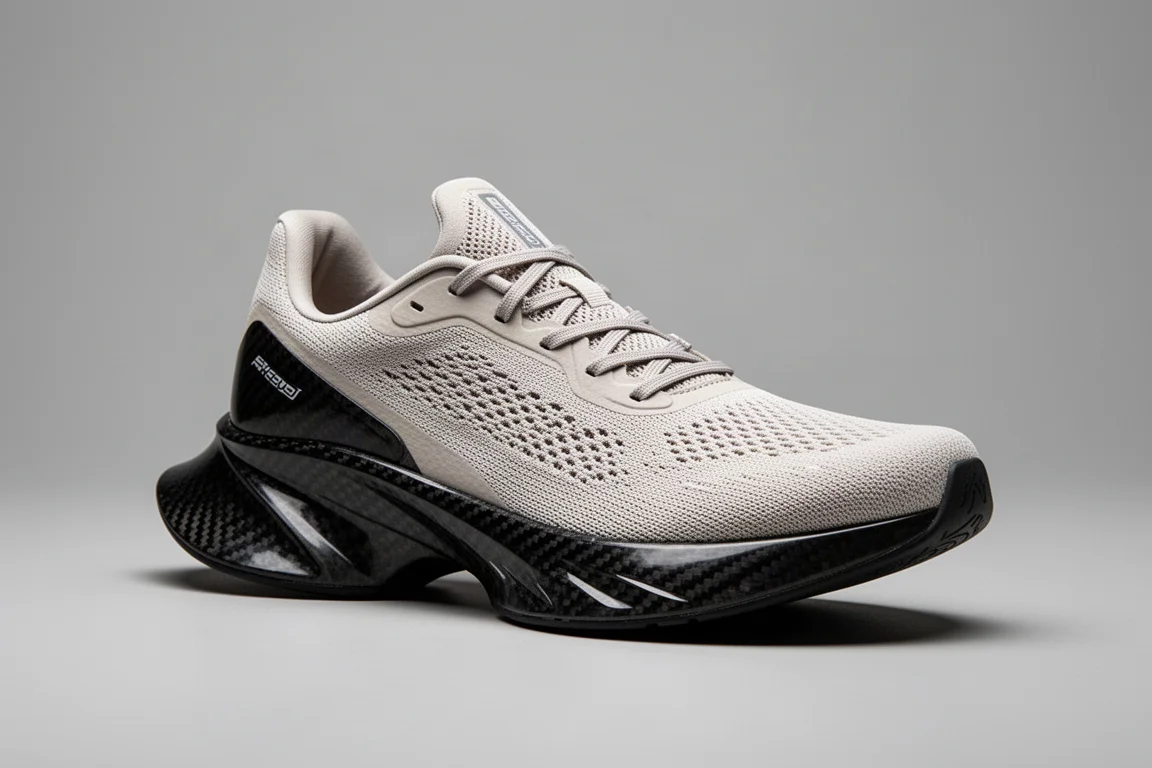
For most recreational runners training for a marathon, the Boston 12 is the one to get, especially near its $120 sale price, with the Adios Pro 3 as the race-day upgrade. For dedicated shorter-distance specialists, high school and college runners, or anyone doing regular track intervals, the Takumi Sen 10 earns its place: it is easier to run top-end speeds in, with great control over the front of the platform and fantastic outsole grip.

If your goal is simply a fast 10K or 5K personal best, the Metaspeed Sky Paris or the Vaporfly remain the stronger picks. And if you just want a fun new daily trainer, a versatile speed-oriented trainer will get far more use than a highly specialized 33mm-stacked racer.
Conclusion
The Takumi Sen 10 is a fun, direct, fast shoe that does exactly what it was designed to do, but its narrow use case, finicky upper, and unremarkable weight make the more versatile Boston 12 and Adios Pro 3 better buys for most runners. Short-distance specialists chasing top-end speed have a genuine contender here; everyone else should look one category up.
Further reading
Related Reviews

Running Shoes
Best Road-to-Trail Running Shoes: Three Versatile Options for Mixed Terrain
A practical guide to three road-to-trail running shoes that handle both pavement and mild trails, with clear strengths and trade-offs for different runner types.

Running Shoes
Best Running Shoes for Achilles Tendonitis: Three Options Explained
Three running shoes with different heel drops and support features designed to help reduce Achilles tendon pain during walking and running.

Running Shoes
Best Running Shoes for Women: Five Top Choices Ranked
A ranked guide to five women's running shoes, from versatile daily trainers to high-performance racing options, with real strengths and trade-offs for each.