Running Shoes
Adidas Adizero SL2 vs Puma Velocity Nitro 3: Which Value Daily Trainer Wins?
Two of the best value daily trainers go head to head. Comfort, speed, fit, grip, and which shoe suits your running.
Introduction
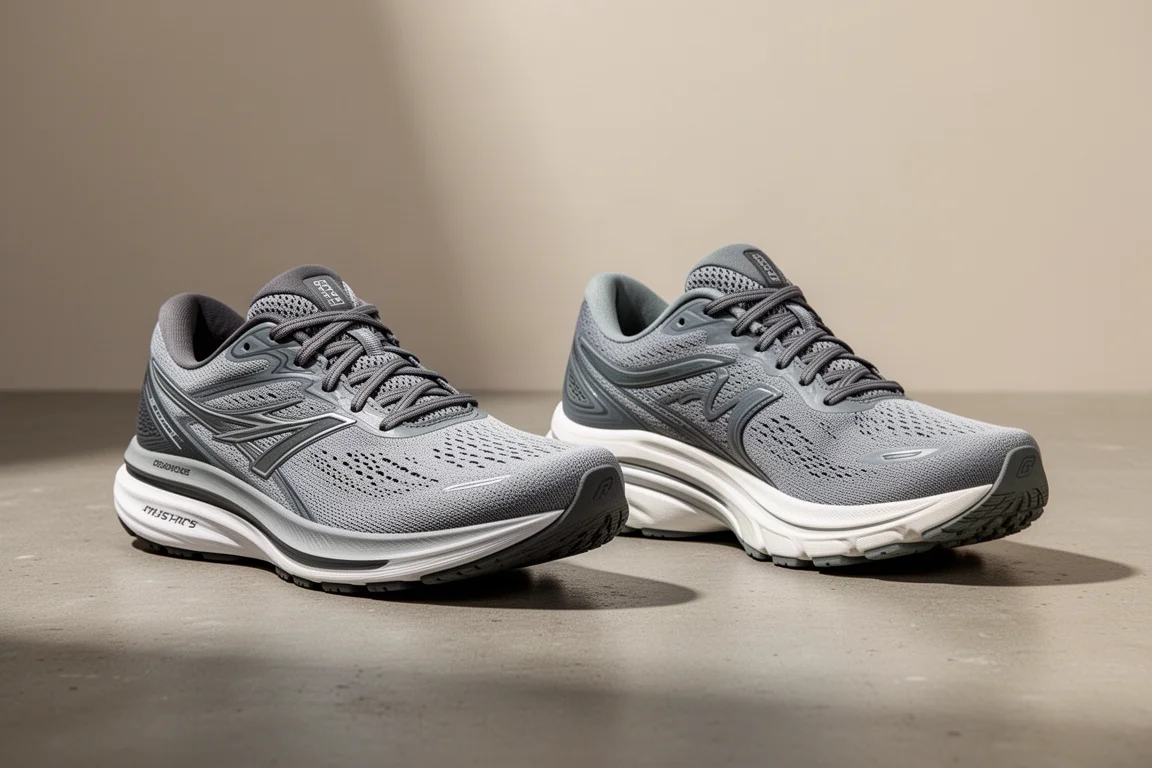
If you are hunting for a good value daily trainer, these two shoes will almost certainly crop up in your search. The Adidas Adizero SL2 and the Puma Velocity Nitro 3 sit at very similar prices, are designed to do very similar jobs, and in many ways are difficult to separate. Both are all-rounders built for daily training: comfort, cushioning, and the ability to run a bit faster when the session calls for it. The difference comes down to how each one balances that versatility.
Adidas Adizero SL2: The Fast Daily Trainer
The Adizero SL2 costs £110 or $130, weighs 240g (8.5oz) for men in a size 8, and has a 9mm drop. It is a daily running shoe designed for versatility and affordability, balancing comfort and cushioning with a solid level of energy return thanks to a combination of Lightstrike and Lightstrike Pro foams in the midsole. It does not have the Continental rubber outsole seen on many of the brand’s more expensive shoes, but there is still a healthy layer of outsole rubber for grip and durability. The upper is engineered mesh with targeted support around key areas of the foot, plenty of breathability, and modest padding for comfort.
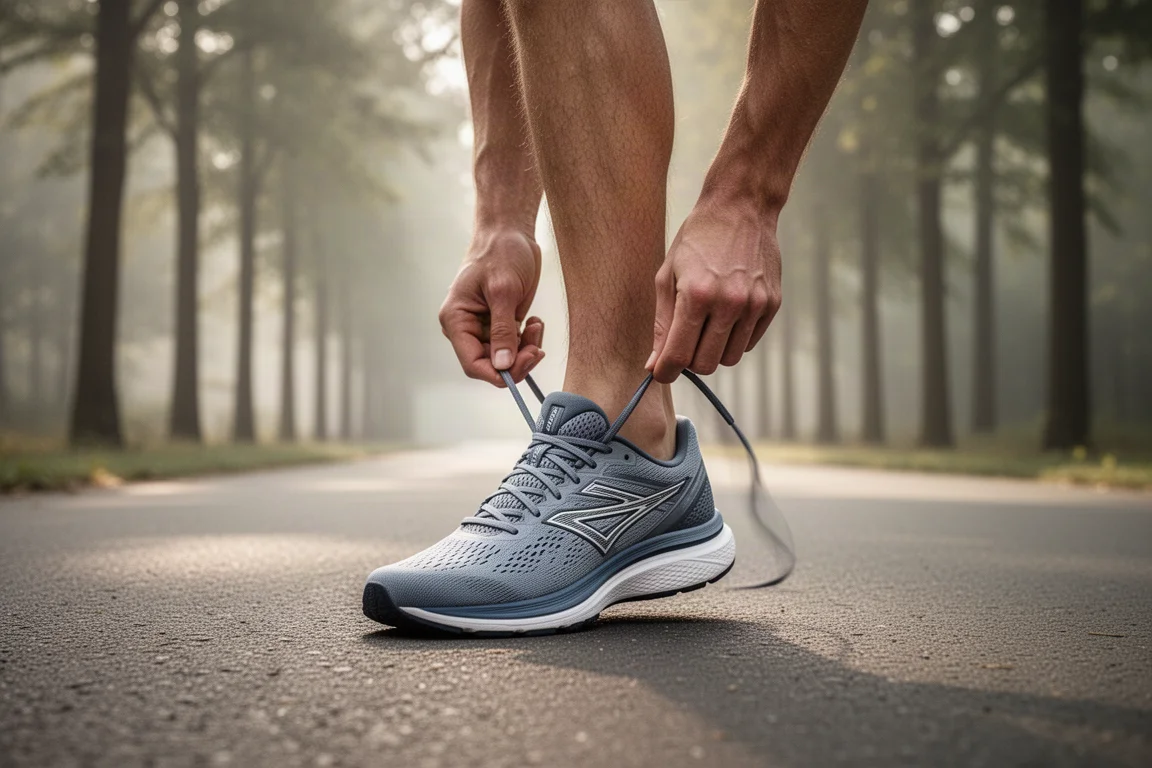
This is a comfortable daily shoe that skews towards faster efforts. It really kicks into gear on quicker sessions: intervals, tempo runs, fartleks, anything where you want to pick up the pace. It feels nimble on the foot and you can change speed quickly. It is not a massively cushioned shoe; it is fairly lean, which is what makes it feel so quick. In testing it proved a genuinely good shoe for interval sessions, including 1K repeats during a marathon training block. There is no standout flashy tech driving that speed, no dramatic energy return or aggressive rocker. It simply feels like a very traditional fast running shoe, the kind that a decade ago would have been a racer’s default pick.
View more details for Adidas Adizero SL2
Puma Velocity Nitro 3: Comfort First, Still Versatile
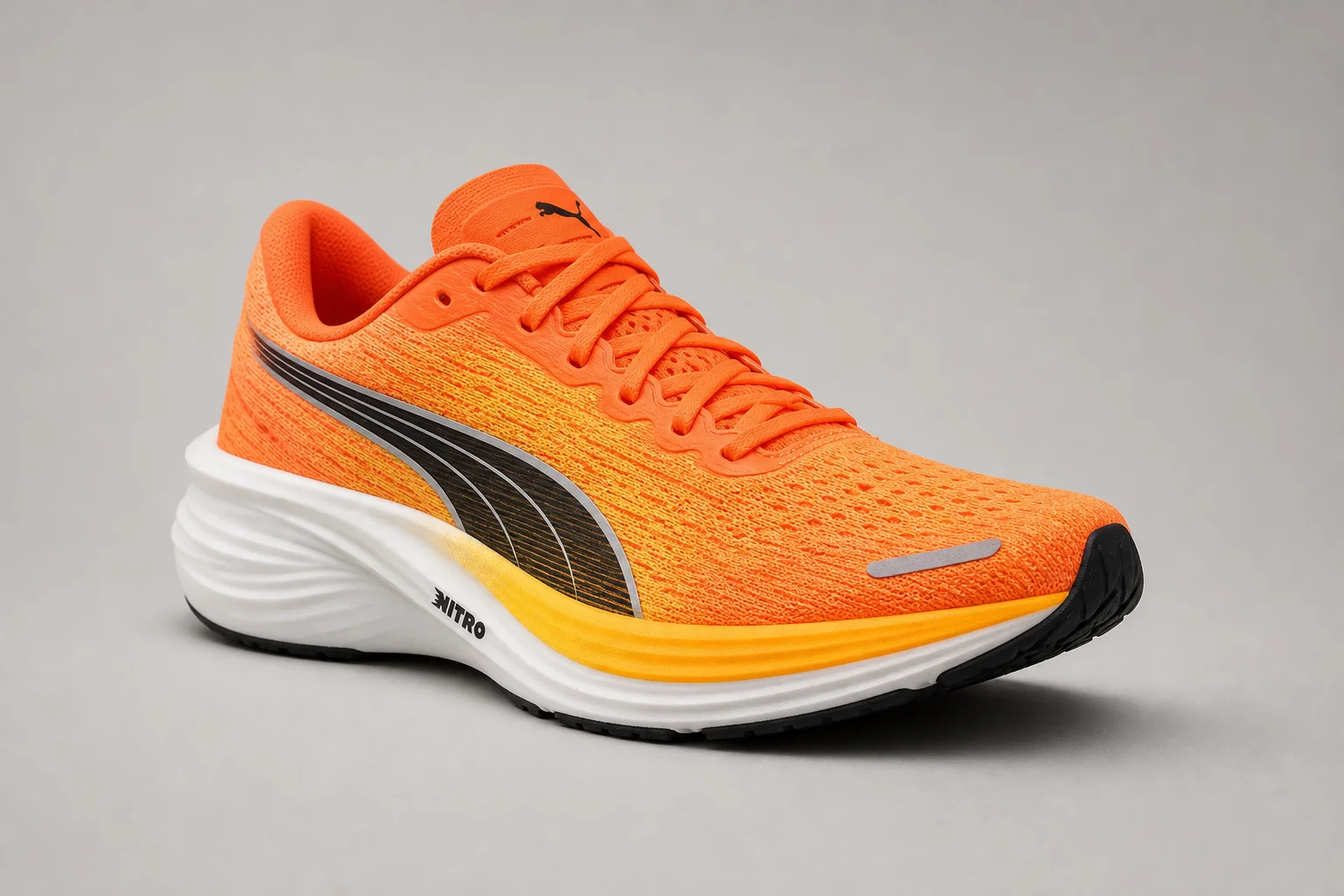
The Velocity Nitro 3 costs £110 or $135, weighs 271g (9.6oz) for men in a size 8, and has a 10mm drop. It is not a major overhaul of the hugely popular Velocity Nitro 2, instead making a few careful adjustments. The biggest is a slight increase in dual-density midsole foam to improve comfort, which adds a little weight. There is also a modified padding design around the heel and new power tape strips on the upper to improve structure and support. As with previous generations, there is an impressive covering of Pumagrip outsole rubber, meaning it can tackle all conditions, even lighter trails.
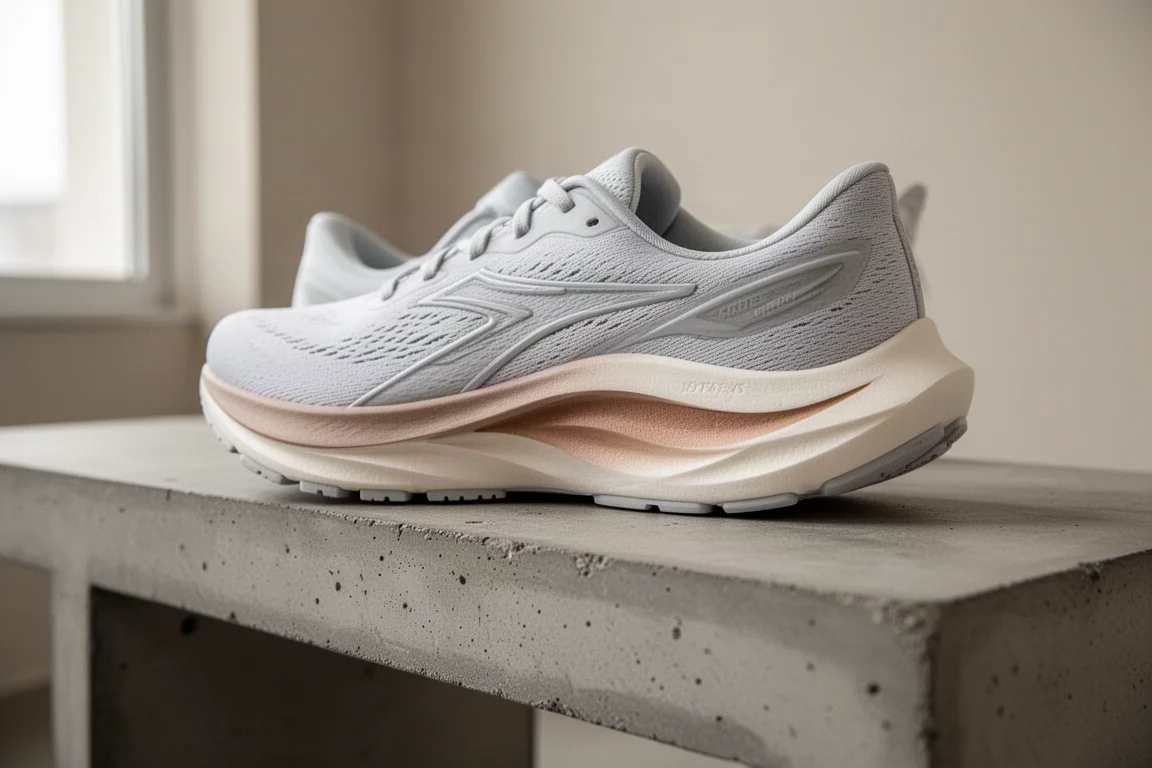
This is the more cushioned of the two and better suited to easy running. It feels like there is a bit more underfoot, which makes it a strong pick for easy runs, recovery runs, and longer sessions at a consistent pace. It remains genuinely versatile, but it lacks the nimble pickup of the SL2, so it is not the shoe this comparison favours for interval work. The midsole delivers a balanced ride rather than anything overly soft, which is exactly what keeps it usable across a wide range of runs.
Fit and Sizing
The Velocity Nitro 3 is a roomy shoe, with extra space in both the forefoot and midfoot compared to many rivals, while still delivering a nice lockdown fit. Stick to your usual size; going down half a size is not advised for most people.
The Adizero SL2 is the opposite story. Adidas sizing can run small, but this one felt fine in a UK size 8 and is actually a little roomier than the Adizero Pro 3, which has a very shallow forefoot that rubs the tops of toes on long efforts. That said, it is a fairly narrow shoe, so wider-footed runners may struggle. If anything, consider going up half a size.
Grip and Outsoles
Both outsoles are very good. Pumagrip on the Velocity Nitro 3 is one of the best outsoles you can get on a running shoe, confident enough for lighter trails such as gravel paths, public footpaths, and canal towpaths, arguably better than some dedicated trail shoes. It is noticeably grippier in wet conditions.
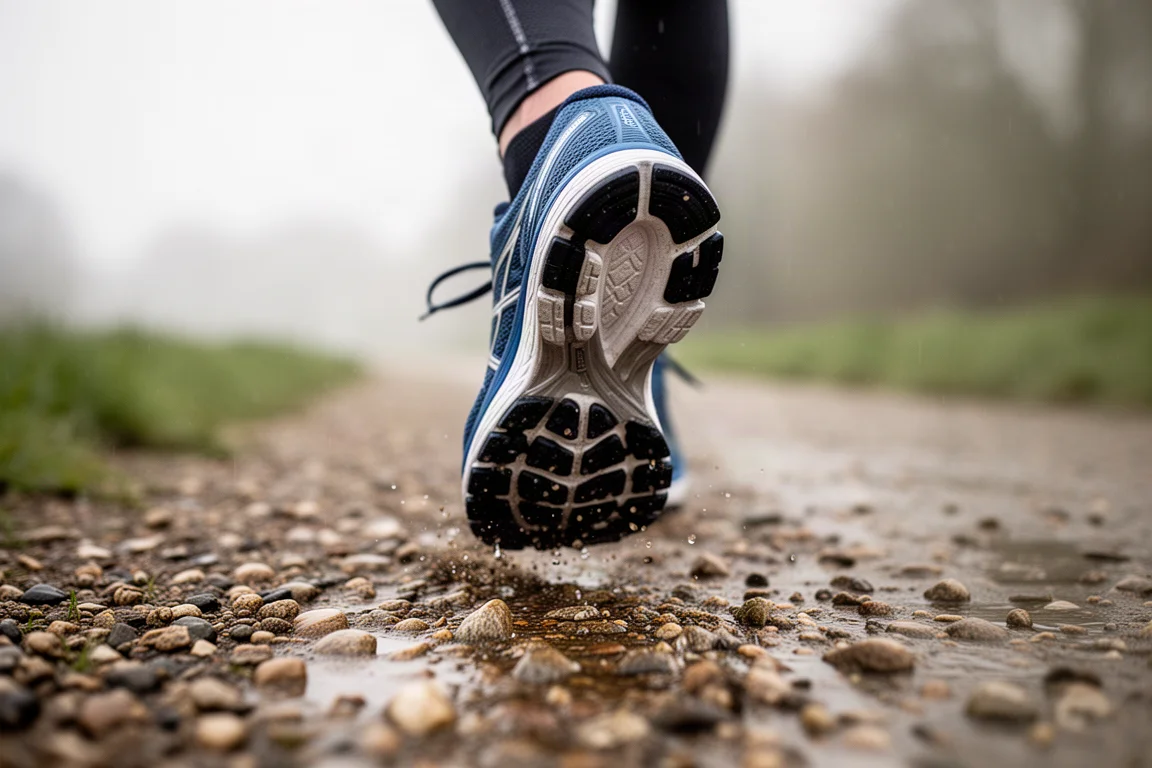
The SL2 lacks the Continental rubber used on pricier Adidas models, but it still has plenty of coverage and grips most conditions reliably. It is a solid outsole, just not quite on the Nitro 3’s level. On stability, the Puma also wins: it is wider and feels more secure underfoot, while the SL2’s narrow platform is quick but less planted.
Which Should You Buy?
Both are excellent value, and both frequently drop below RRP. The SL2 has been found for around £80 just months after release, and earlier versions of the Velocity Nitro 3 typically come down in price too, making them even better deals.
For newer runners, the Velocity Nitro 3 is the more accessible choice, with that extra cushioning for the easier sessions you will be doing most. For experienced runners building a rotation, both make great workhorses for the runs where you do not want to burn through expensive trainers.

The decision comes down to use case: if you do a lot of faster sessions and want a shoe that can cover them plus easy days, get the SL2. If comfort is the priority and speed is secondary, the Velocity Nitro 3 is the better pick. Of the two, the Adizero SL2 edges it for interval-focused training, but the Velocity Nitro 3 is the stronger all-round cushioned daily.
Conclusion
These are two of the strongest value daily trainers you can buy right now. The Adizero SL2 rewards runners who want nimble, traditional speed in a comfortable package, while the Velocity Nitro 3 offers more cushioning, better grip, and a roomier fit. Pick based on whether your week leans fast or easy, and you will not go wrong with either.
Further reading
Related Reviews

Running Shoes
Best Road-to-Trail Running Shoes: Three Versatile Options for Mixed Terrain
A practical guide to three road-to-trail running shoes that handle both pavement and mild trails, with clear strengths and trade-offs for different runner types.

Running Shoes
Best Running Shoes for Achilles Tendonitis: Three Options Explained
Three running shoes with different heel drops and support features designed to help reduce Achilles tendon pain during walking and running.

Running Shoes
Best Running Shoes for Women: Five Top Choices Ranked
A ranked guide to five women's running shoes, from versatile daily trainers to high-performance racing options, with real strengths and trade-offs for each.