Running Shoes
Adidas Adizero SL2 vs New Balance FuelCell Rebel v4: Which Fast Daily Trainer Wins?
Two lightweight, fun everyday running shoes go head to head over a 5x1 mile threshold test, with fit, foam, weight, and versatility all on the line.
Introduction
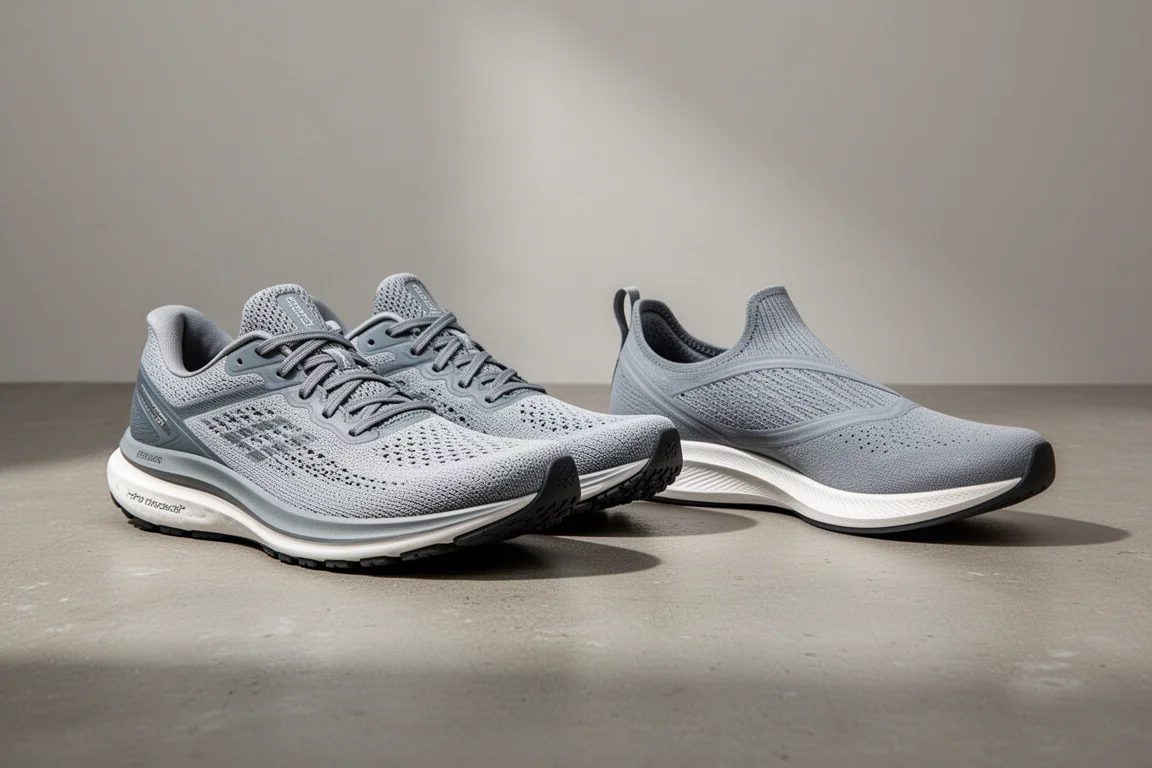
Two fast everyday running shoes, one clear question: which is the better overall pick, not just at speed but across every kind of run? The Adidas Adizero SL2 and the New Balance FuelCell Rebel v4 sit in the same crowded segment, both aiming to be light, fun, and versatile. After serious miles in both, including a 5x1 mile threshold test, the differences turned out to be more meaningful than the spec sheets suggest.
Two Fast Daily Trainers, Two Different Personalities
Both shoes are built around a blend of training and racing foam. The Adizero SL2 mixes a single compound of that combination in one solid midsole piece. The Rebel v4 takes a different approach: a full layer of racing foam wrapped in a casing of training foam, which gives it a softer, lower step-in feel.
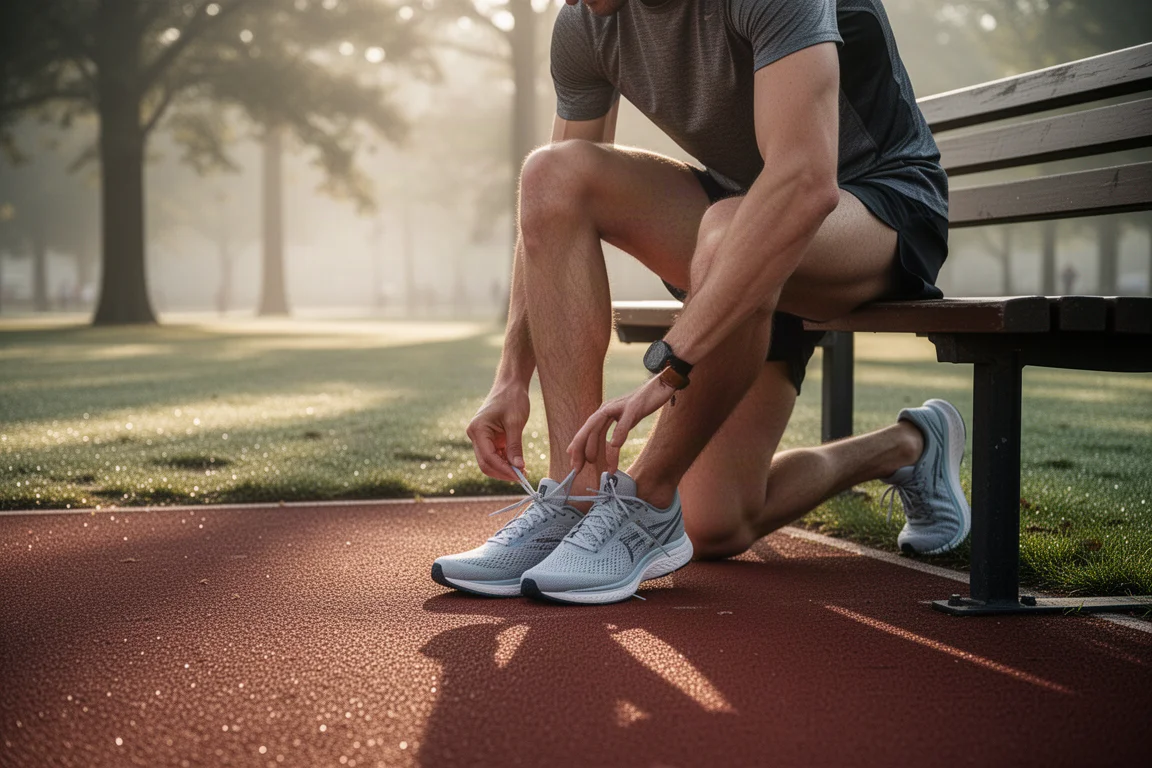
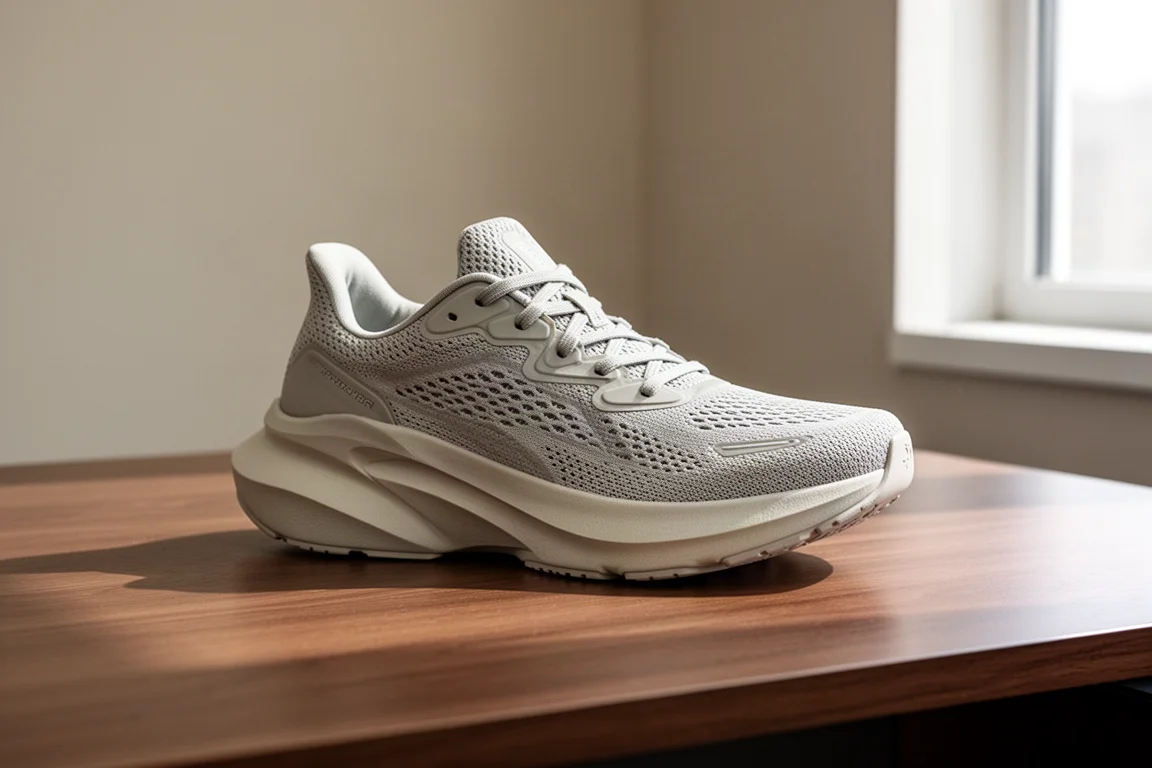
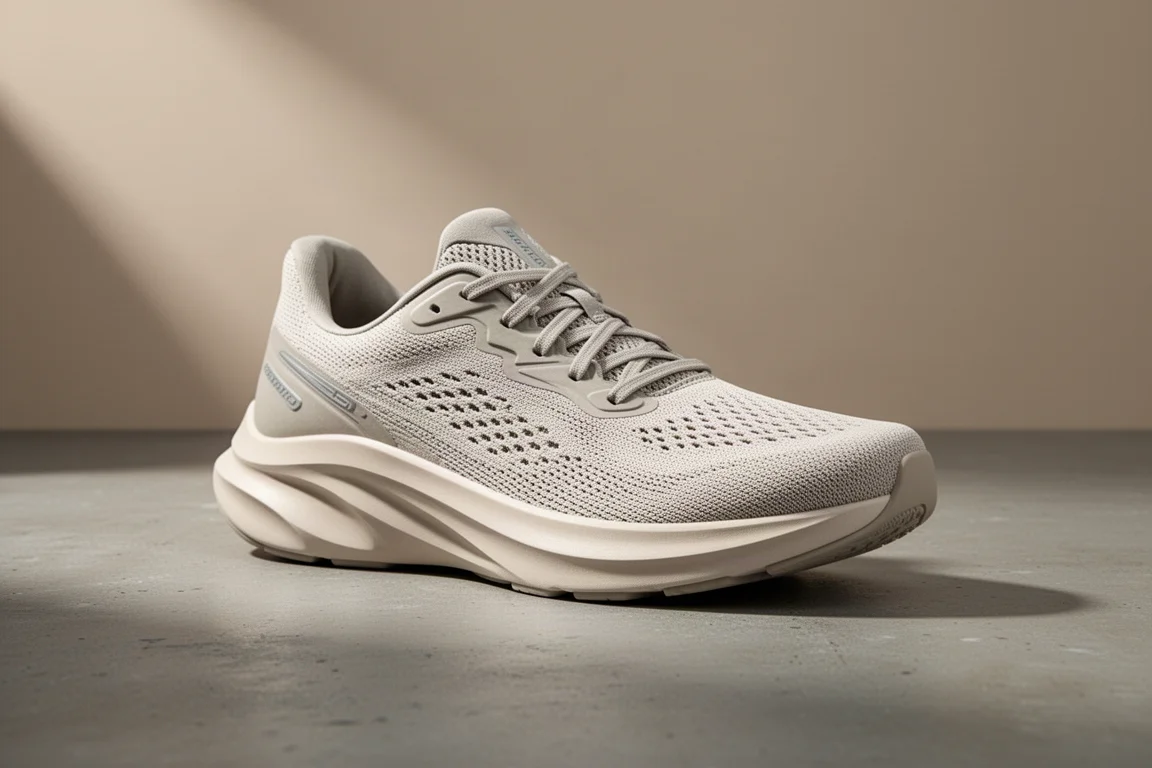
On foot, the personalities diverge quickly. The Rebel v4 is dramatically lighter and lower, with a smooth rocker that encourages a quick cadence. The SL2 feels more like a premium daily trainer with genuine speed in reserve: more padding, more outsole rubber, and more protection underfoot. That distinction shapes everything else in this comparison.
Weight and Spec Rundown
The scale tells the story. The Adizero SL2 came in at 260g, which is genuinely light for a durable workhorse-style shoe, especially when many comparable everyday trainers land around 300g. The Rebel v4 is not even close, at 223g. That weight difference is why the Rebel feels so streamlined and connected to the ground, while the SL2 lives between the speed training and daily trainer categories.
If you want the most lightweight, natural, flexible feel for track sessions, short fast treadmill runs, or hybrid gym days, the Rebel v4 has the edge on paper. If you want a shoe that can do it all and still hang with firmer, heavier workhorses, the SL2 earns its extra grams.
Fit and Upper Comparison
The SL2 is the more padded shoe: more cushioning in the upper, more padding in the tongue, and a plush collar at the heel. The Rebel v4 goes the other way with a very thin tongue and a lighter, more breathable upper.
Fit runs slightly snug on the SL2 and noticeably roomier on the Rebel v4, which has one of the most forgiving toe boxes in a standard-fit shoe right now. If you have a slightly wider foot, the Rebel’s standard fit is likely the better option. One caveat: some runners report the Rebel v4 digging into the back of the Achilles, so a padded heel sock is worth considering if you pick it up.
Foam and Ride: Soft, Bouncy, and Surprisingly Versatile
Both shoes sit on the softer side of the segment, but the Rebel v4 steps in feeling even squishier than the SL2, which is saying something given how soft the SL2 is for its class. Press down into the Rebel’s foam and it just keeps giving.
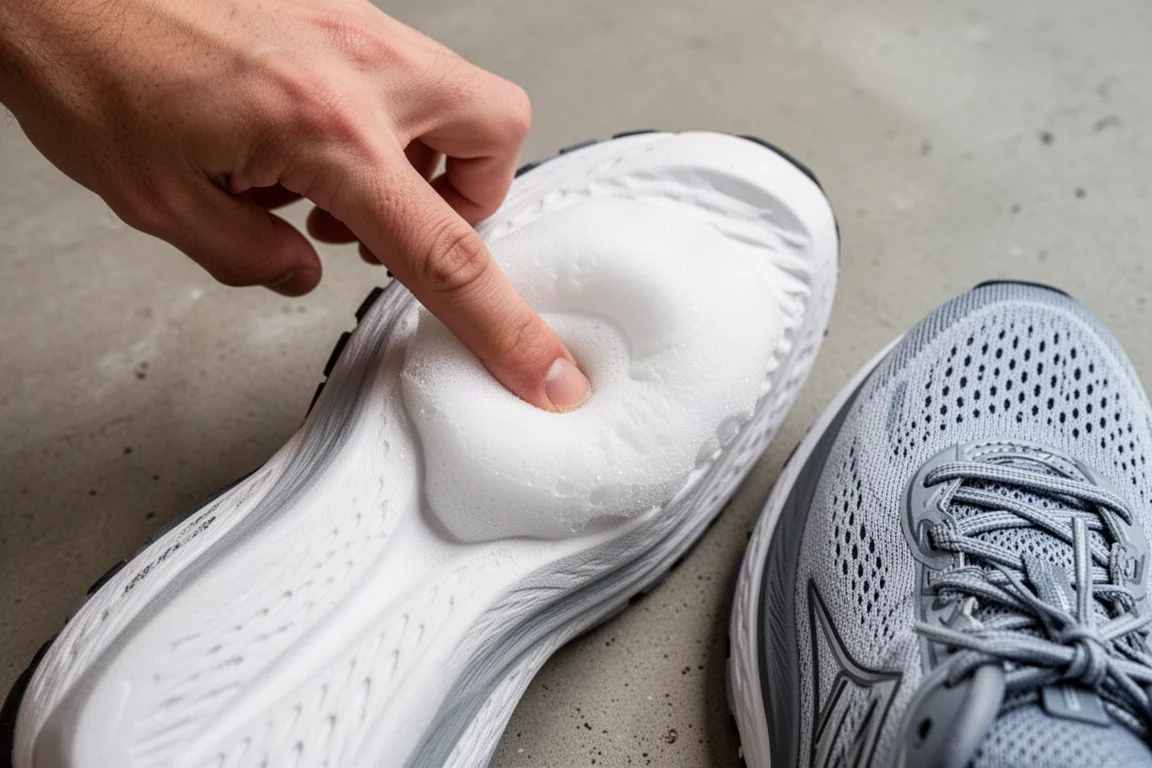
The SL2’s character has evolved with miles. Out of the box it was wildly bouncy and slightly unstable; after around 40 miles it has molded to the foot, tamed down, and become far more versatile. It now feels genuinely good at relaxed paces, comfortable at the back, middle, and front of the ride, and still bouncy enough to rip surprisingly quick repeats. That range puts it in the conversation with the most versatile trainers available, and at $130 it punches well above its weight. The Rebel v4 feels thinner underfoot, especially in the forefoot, less protective than the SL2, and most at home when you are pushing pace.
Pentagon Test: 5x1 Mile Threshold Verdict
The Pentagon is a 5x1 mile threshold test, and the results here were revealing. Running the first three reps in the Adizero SL2 produced strong, comfortable splits, with the shoe providing real pep even on a fatigued morning. It felt like the right pick for the back half of a high-volume workout.

Switching into the Rebel v4 for the final reps told a different story. At slower paces it offers a low-drop, forefoot-forward feel that makes turnover feel a little harder, and it simply is not as protective as the SL2. But when the effort went up, it bit back. On the final rep, pushing hard on tired legs, the Rebel rewarded aggressive running with genuine pop. It is a shoe that nudges you into running strong rather than one that pampers you through the miles.
Which One Should You Buy?
There is no wrong choice, but there is a right choice for your running style. The Adizero SL2 is the better everyday shoe by a clear margin: more cushioning, more protection, more rubber, and impressive speed for a workhorse. If your rotation needs one shoe that does everything from easy miles to threshold sessions, this is it, and the value at $130 is hard to beat.
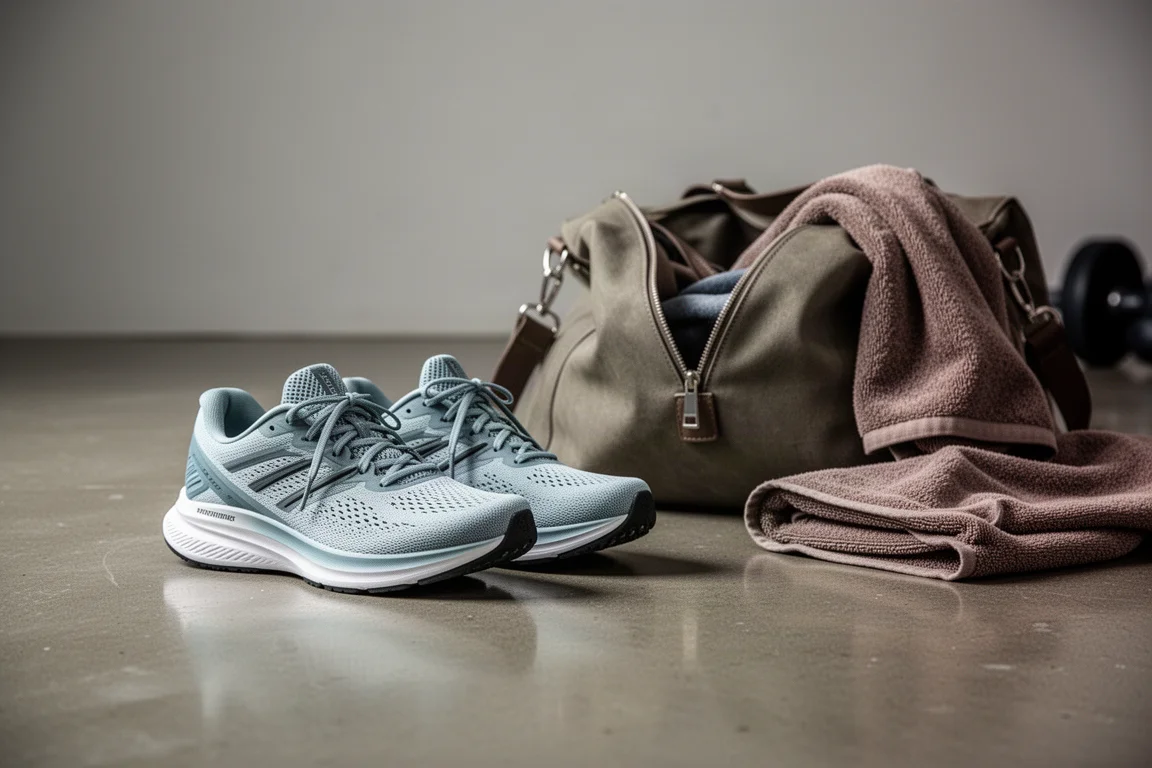
The FuelCell Rebel v4 is the more specialized pick. It suits runners who want something light, fast, and connected for tempo days, track work, and quality sessions, and who can accept less protection on recovery runs. Some runners even pair both: the SL2 for everyday miles and the Rebel v4 for days when they want to push the pace.
Conclusion
The Adizero SL2 comes out ahead as the best all-around value in the fast daily trainer segment, a shoe that can genuinely do every type of run without feeling sluggish or boring. The New Balance FuelCell Rebel v4 remains an excellent lightweight speed option for runners who know exactly what they want from it. Choose based on your rotation: versatility points to the SL2, pure lightness and speed point to the Rebel v4.
Further reading
Related Reviews

Running Shoes
Best Road-to-Trail Running Shoes: Three Versatile Options for Mixed Terrain
A practical guide to three road-to-trail running shoes that handle both pavement and mild trails, with clear strengths and trade-offs for different runner types.

Running Shoes
Best Running Shoes for Achilles Tendonitis: Three Options Explained
Three running shoes with different heel drops and support features designed to help reduce Achilles tendon pain during walking and running.

Running Shoes
Best Running Shoes for Women: Five Top Choices Ranked
A ranked guide to five women's running shoes, from versatile daily trainers to high-performance racing options, with real strengths and trade-offs for each.