Running Shoes
Adidas Adizero SL vs Nike Pegasus 39: Which Daily Trainer Fits Your Running?
A head-to-head look at two high-mileage daily trainers, covering midsole foam, ride feel, uppers, outsole grip, and who each shoe is best for.
Introduction
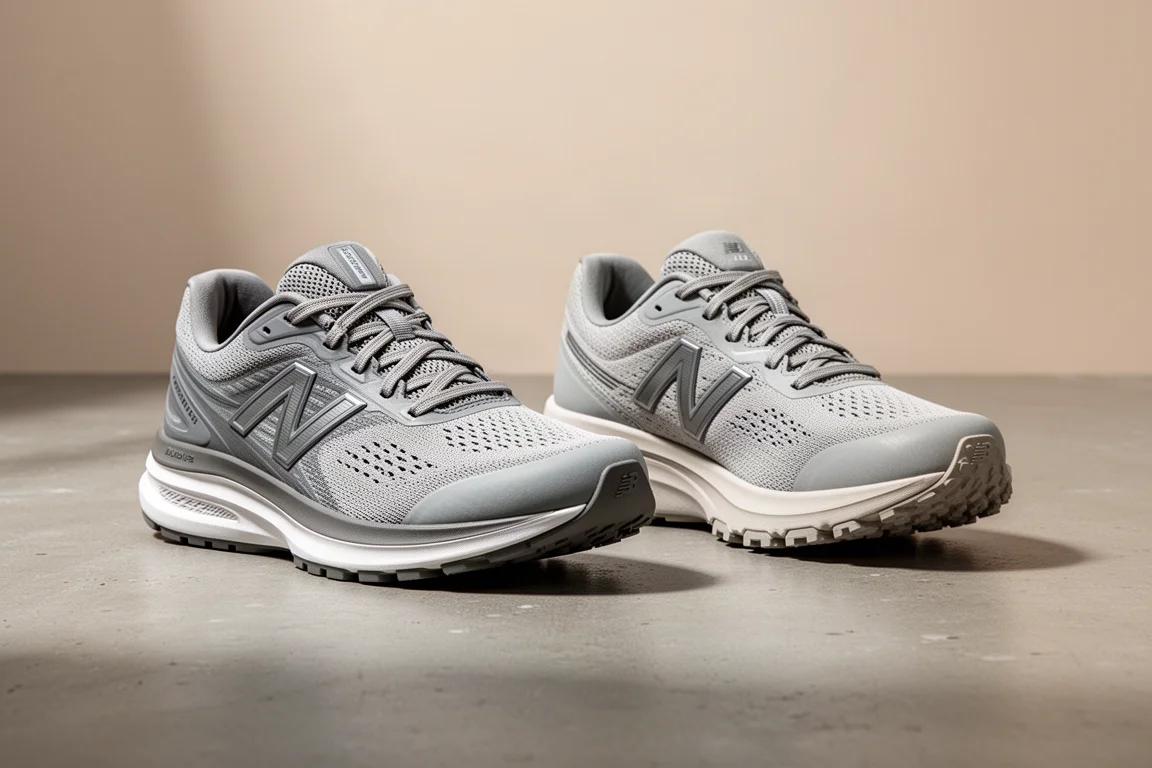
Both of these shoes are positioned by their brands as daily trainers: the everyday workhorses that eat up the bulk of your mileage. They are built for easy runs and long runs, and both can pinch-hit for faster work when needed. The Adizero SL is the newer entrant to the space, while the Pegasus is the standard-bearer for the simple, no-frills, high-mileage workhorse shoe. Here is how they compare on specs, feel, ride, comfort, and which one will suit you best.
Specs at a Glance
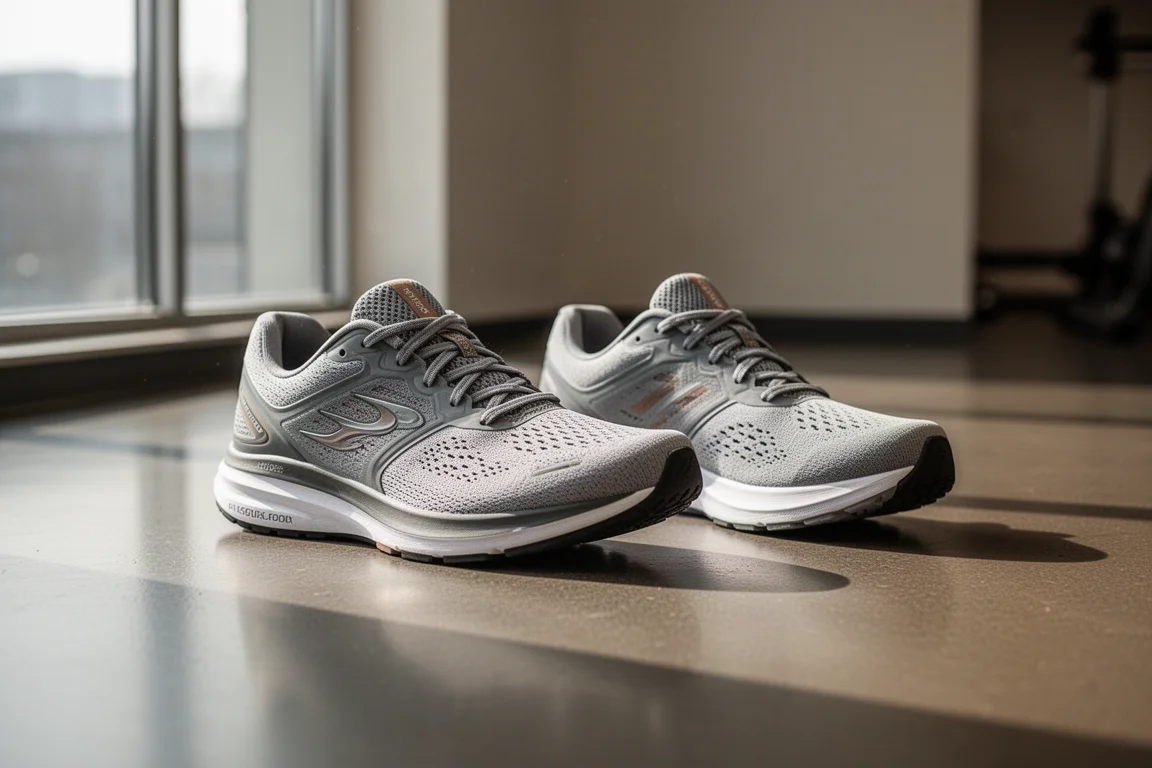
The Adizero SL comes in at 8.0 ounces, with a stack height of 35mm in the heel and 26mm in the forefoot for a 9mm drop. That is pretty lightweight for the category. The Pegasus 39 (the Pegasus 40 is extremely similar, just a minor upper update) weighs 9.4 ounces with a 33mm heel and 23mm forefoot, giving a 10mm drop. So the Adidas sits a few millimeters higher underfoot and is noticeably lighter.
On price, the Adizero SL sits at $120 while the Nike comes in at $130, so the two are very similar in cost with the Nike a touch more expensive.
Midsole Foam
The Adizero SL uses a primary construction of Adidas Lightstrike foam. Lightstrike is a standard EVA that tends to be on the firmer side for running shoe foams, but the secret sauce is in the forefoot: a puck or disc of Lightstrike Pro, a supercritical TPE foam also found in shoes like the Takumi Sen and the Adidas Pro 3. That Lightstrike Pro forefoot gives the shoe a faster, more responsive and slightly bouncier ride. Because the base is standard EVA, the midsole is a bit less flexible than some other daily trainers, and the ride is firmer out of the box, though it softens up with miles.
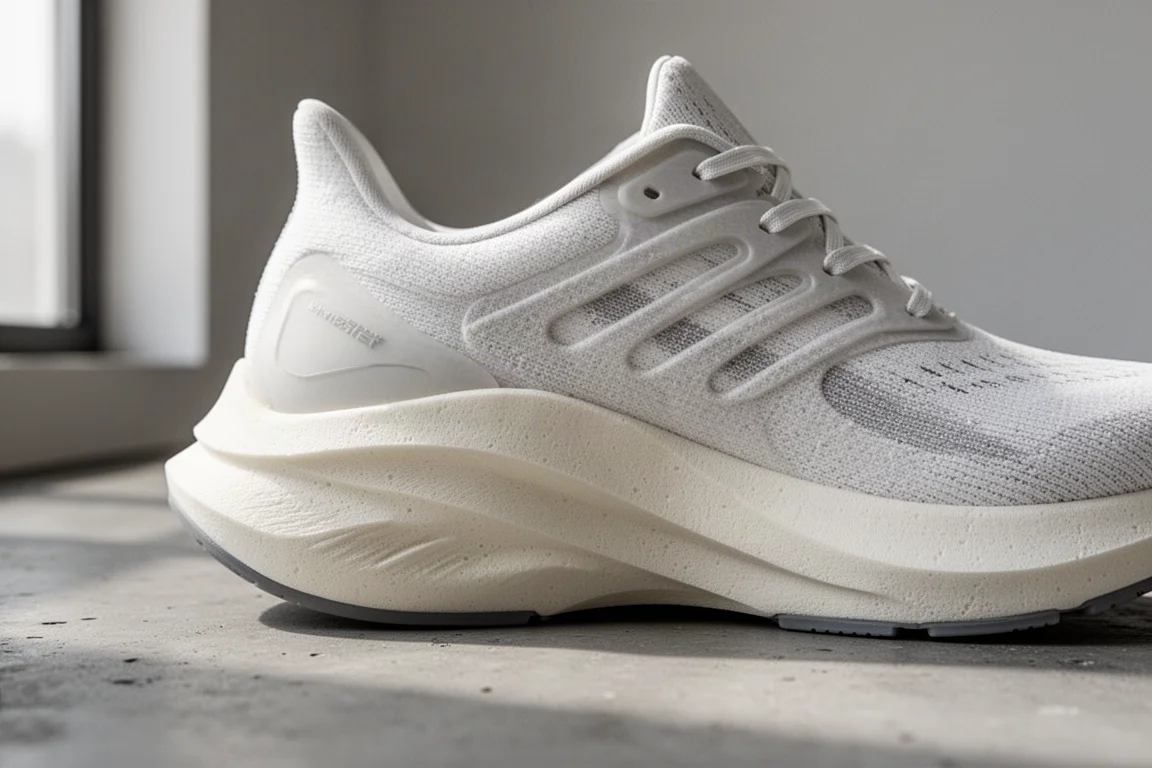
The Pegasus uses Nike React foam, likely a TPE compound though not a supercritical one, plus a Zoom Air unit in the forefoot. The Zoom Air is there to add a bit of structure and excitement to the midsole, though it is not particularly noticeable out on the run. Neither foam is exceptional; these are solid, standard daily training foams that are not extremely exciting or bouncy but get the job done, staying comfortable at slower paces while still responding to faster efforts.
Ride Feel
Out of the box the Adizero SL was extremely firm and took roughly 50 to 60 miles to break in, but once past that threshold the EVA softens up considerably. It has a more structured, cushioned feel that never gets soft or flexible, delivering a protective, muted ride. The Pegasus, by contrast, is a much more flexible platform. Its React foam is not super soft, but the flexible feel gives it a snappier sensation underfoot.
Another big difference is ground feel. Despite only a three-millimeter stack height difference in the heel, the Pegasus lets in far more ground contact because the React foam is a bit softer and squishier. It is not the most protective ride, so if you are used to max-cushion shoes, the Adizero SL’s more protected sensation may suit you better even though it is firmer.
Neither shoe felt unstable. Both are neutral shoes, and while neither includes prescriptive stability elements, the Adizero SL’s more structured feel may make it a slightly better choice if you want mild stability.
Uppers and Fit
Both shoes have relatively padded uppers, but the Nike is slightly more comfortable: a bit more plush, with a material that is more flexible and stretchy than the Adizero SL’s. The Adizero SL can feel somewhat constraining, especially in the first mile or two, while the Pegasus feels comfortable right away and, while not a wide shoe, offers more room for toes to wiggle. Both use decently breathable materials that held up well through summer running without overheating.
Wide-footed runners will not love either shoe in its standard fit, as both are relatively narrow, but both come in dedicated wide-fitting lasts, so the Adizero SL Wide or Pegasus Wide can serve you well.
Outsole and Durability
Both shoes carry a really solid covering of outsole rubber. The Adizero SL has more of it in a flatter, pancake-like application, while the Pegasus uses a more strategic application with more texture. That texture matters in the wet: the Pegasus gripped great on a wet-weather run, while the Adizero SL is probably slightly worse at gripping the ground.
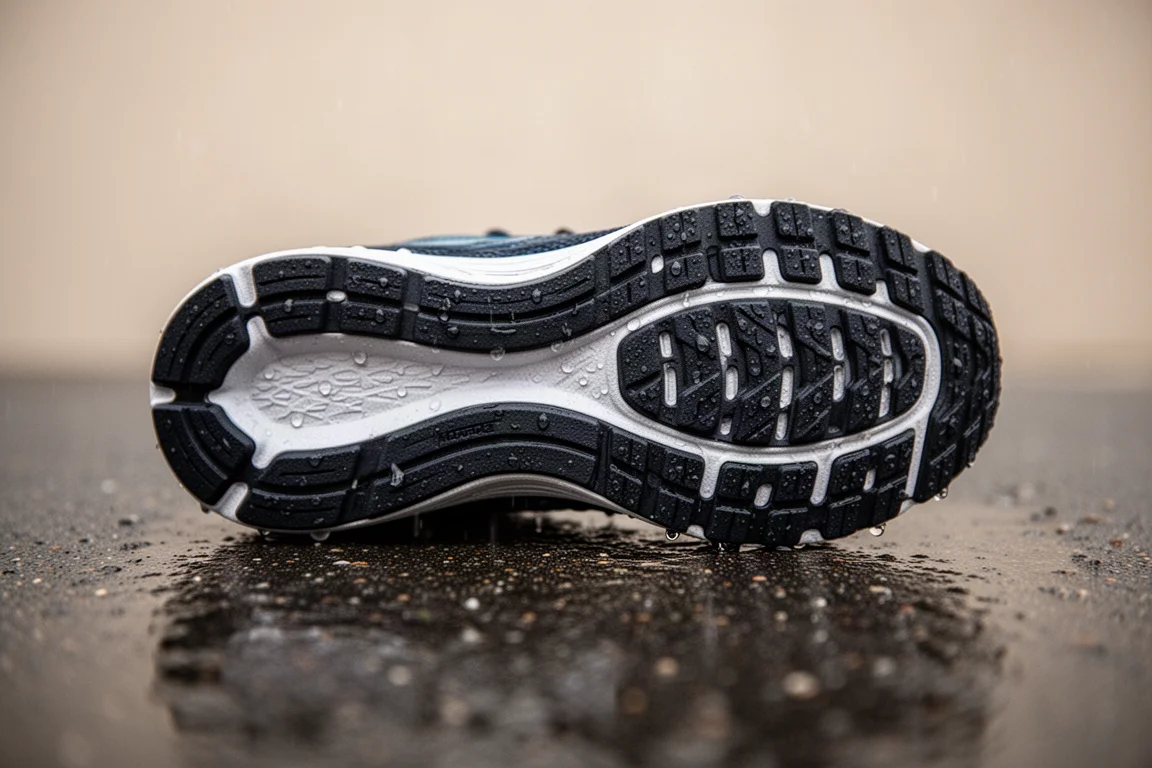
Durability looks strong on both. Through roughly 100 miles, the Adizero SL’s thick rubber shows essentially no wear even in a hard-wearing heel-strike area. The Pegasus is known as one of the most durable shoes in the running industry, which is where its workhorse reputation comes from, making it a great choice for high-mileage marathon training.
Which Shoe Is Best for You
The Adizero SL suits runners who like a firmer but cushioned ride. It will not feel like a soft, plush shoe in the mold of a GEL-Nimbus or Saucony Triumph, but it has more structure, similar in spirit to the Saucony Endorphin Shift 3. If you are a bigger or taller runner who wants a little more foam underfoot without a super squishy feeling, it is a great choice.
The Pegasus is the better pick if you are an efficient runner who likes a more minimal-feeling shoe. Even though it is heavier on paper, it feels less substantial on foot because the foam is less prominent. If you like feeling the ground more and prefer a flexible platform, it is the stronger option, with a ride sensation comparable to the New Balance Rebel v3, though with less bounce.
In terms of use case, both can handle long runs, interval training, and tempo runs, and both make excellent all-rounders. The Pegasus is probably a bit better for faster work such as 5K and 10K pace, because its flexible platform feels more nimble on foot.
Conclusion
These are two very similar daily trainers with meaningfully different personalities. Pick the Adizero SL if you want a firmer, more protective, structured ride and a lighter shoe on foot. Pick the Pegasus 39 if you want a snappier, flexible platform with better wet grip and a long track record of durability. Either one can anchor a rotation and handle nearly any run you throw at it.
Product link
View more details for Adidas Adizero SL
This product is mentioned in the review. Check the specifications, options, and compatibility before buying.
View more details for Adidas Adizero SLFurther reading
Related Reviews

Running Shoes
Best Road-to-Trail Running Shoes: Three Versatile Options for Mixed Terrain
A practical guide to three road-to-trail running shoes that handle both pavement and mild trails, with clear strengths and trade-offs for different runner types.

Running Shoes
Best Running Shoes for Achilles Tendonitis: Three Options Explained
Three running shoes with different heel drops and support features designed to help reduce Achilles tendon pain during walking and running.

Running Shoes
Best Running Shoes for Women: Five Top Choices Ranked
A ranked guide to five women's running shoes, from versatile daily trainers to high-performance racing options, with real strengths and trade-offs for each.