Running Shoes
Adidas Adizero SL 2 Review: A Faster Daily Trainer, Plus Three Alternatives Worth a Look
The Adizero SL 2 doubles down on Lightstrike Pro for a nimble, fast daily trainer. We break down the upgrades and compare it with the Puma Velocity Nitro 3, Tracksmith Elliot, and the original Adizero SL.
Introduction
The Adidas Adizero SL 2 arrives with a simple pitch: more of the brand’s best foam, in a shoe you can run in almost every day. It costs a bit more than the original, so the fair question is whether the upgrades justify the higher price. In this guide, we break down what changed, how the shoe performs on the road and the track, and which alternatives deserve your attention before you commit.
Adidas Adizero SL 2: The Everyday Race-Ready Trainer
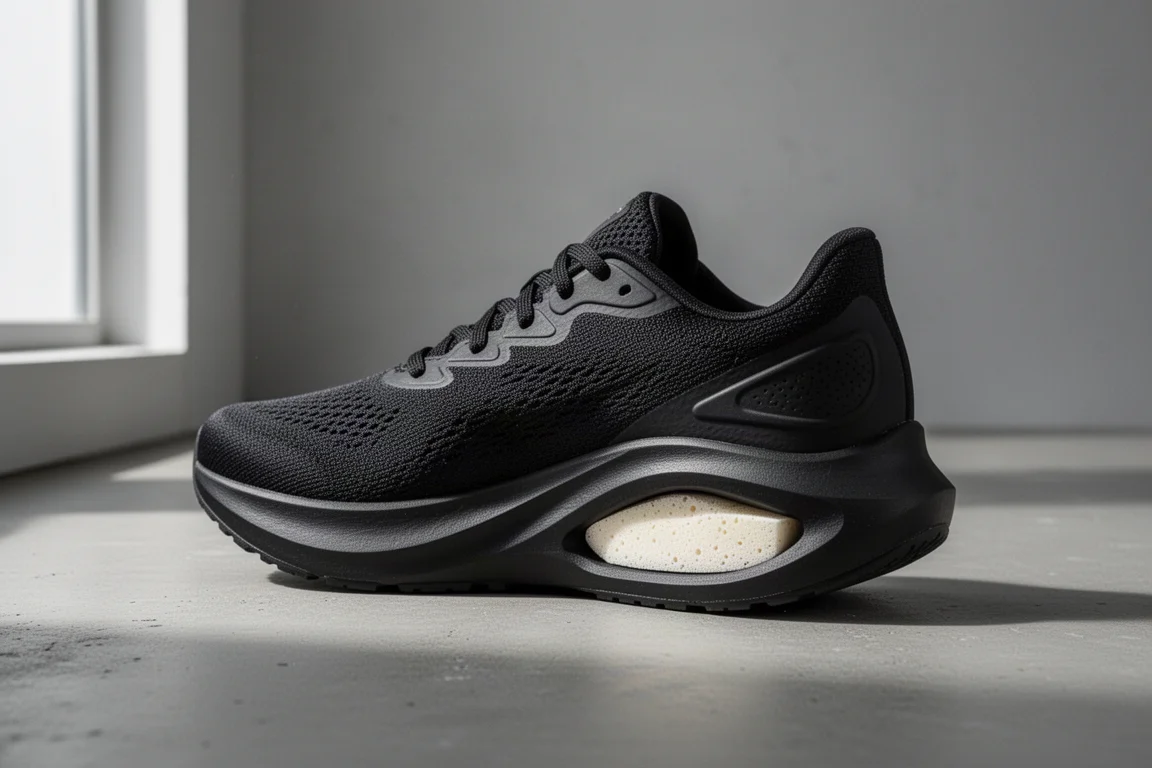
The Adizero SL 2 is a 36 mm stack height shoe with a 10 mm drop, which leaves 26 mm of foam under the forefoot. The construction uses two foams: a Lightstrike EVA carrier layer on the outside, and a full-length Lightstrike Pro insert inside it. Lightstrike Pro is Adidas’s racing-calibre foam, and this is the big change from last year. The original SL had only a forefoot puck of Lightstrike Pro; the SL 2 runs it heel to toe, effectively doubling the amount in the shoe.
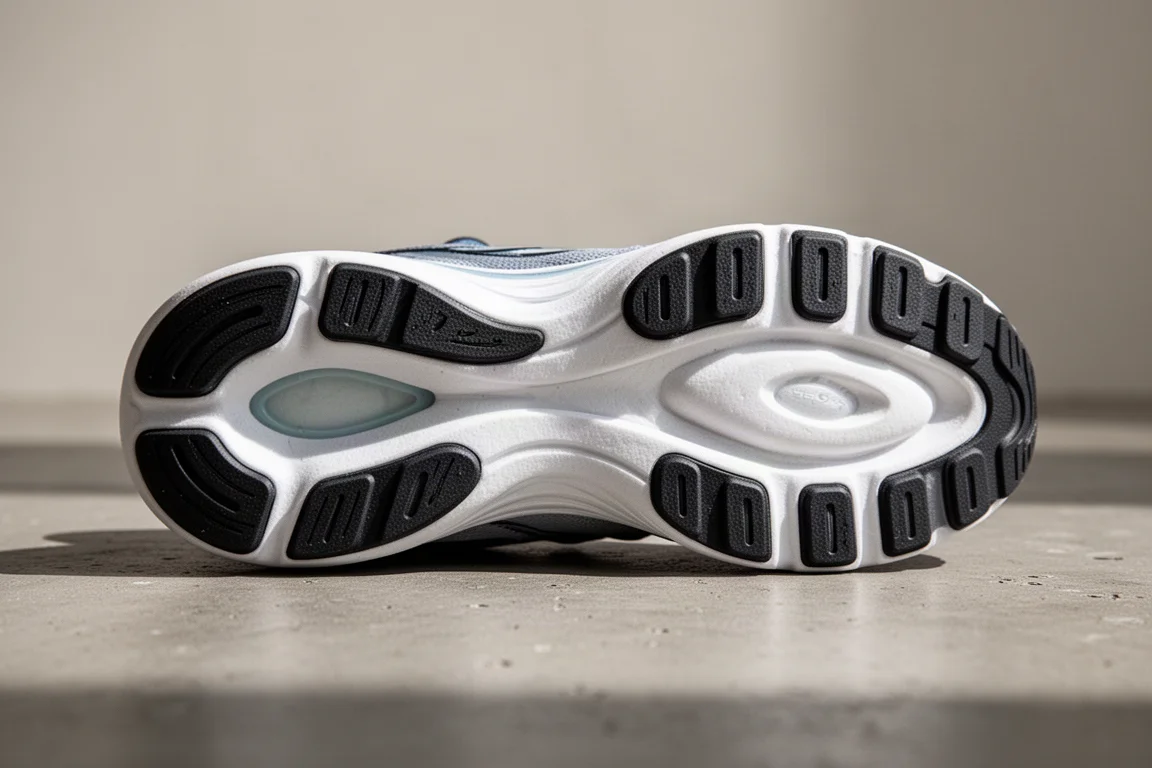
The outsole keeps a similar pattern to the previous version. It is not Continental rubber, but it is generous and grippy, with three cutouts up front that echo the top-end racing shoes in the Adizero line, plus a heel cutout that shows the Lightstrike Pro really does extend the full length of the shoe. A side window offers another view of the premium foam and reads as a nice design flourish.
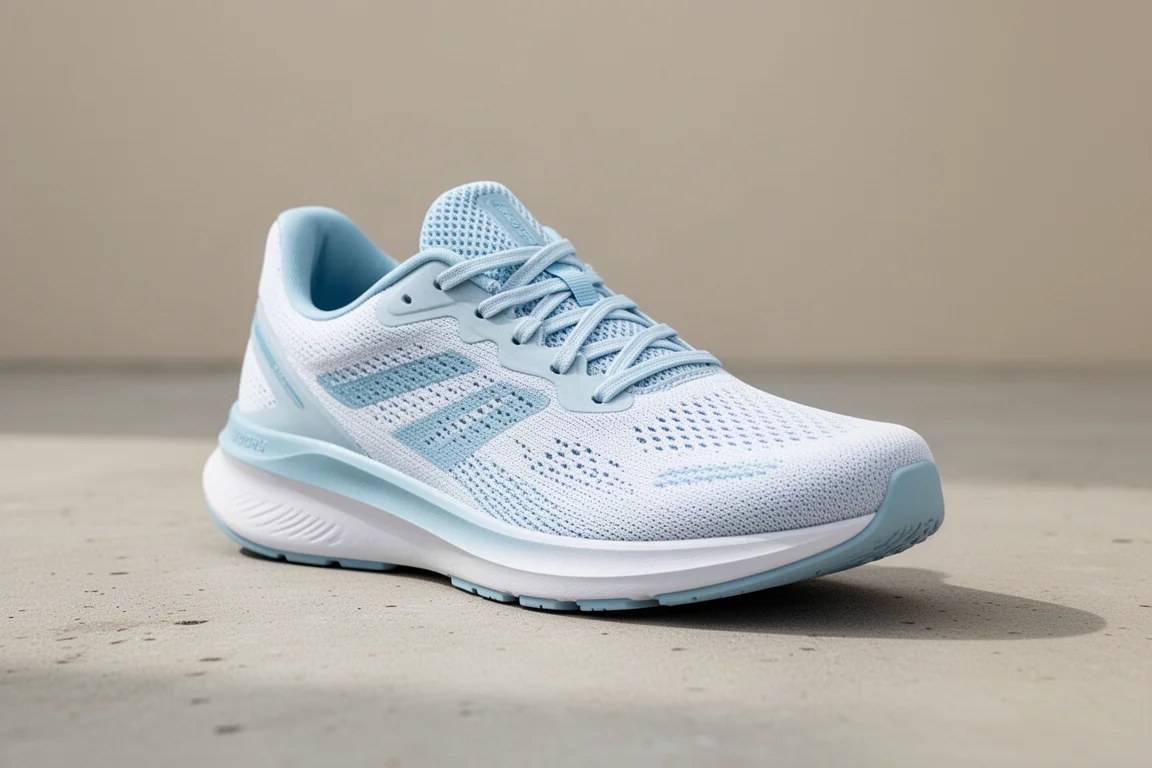
The upper is a single-layer mesh that stays soft, thin, and breathable, with overlays for structure and a lightly padded tongue. Padding has been reduced compared with the original, which helps in warm weather and keeps the shoe from feeling puffy. Total weight comes in at a very respectable 236 g (8.3 oz).
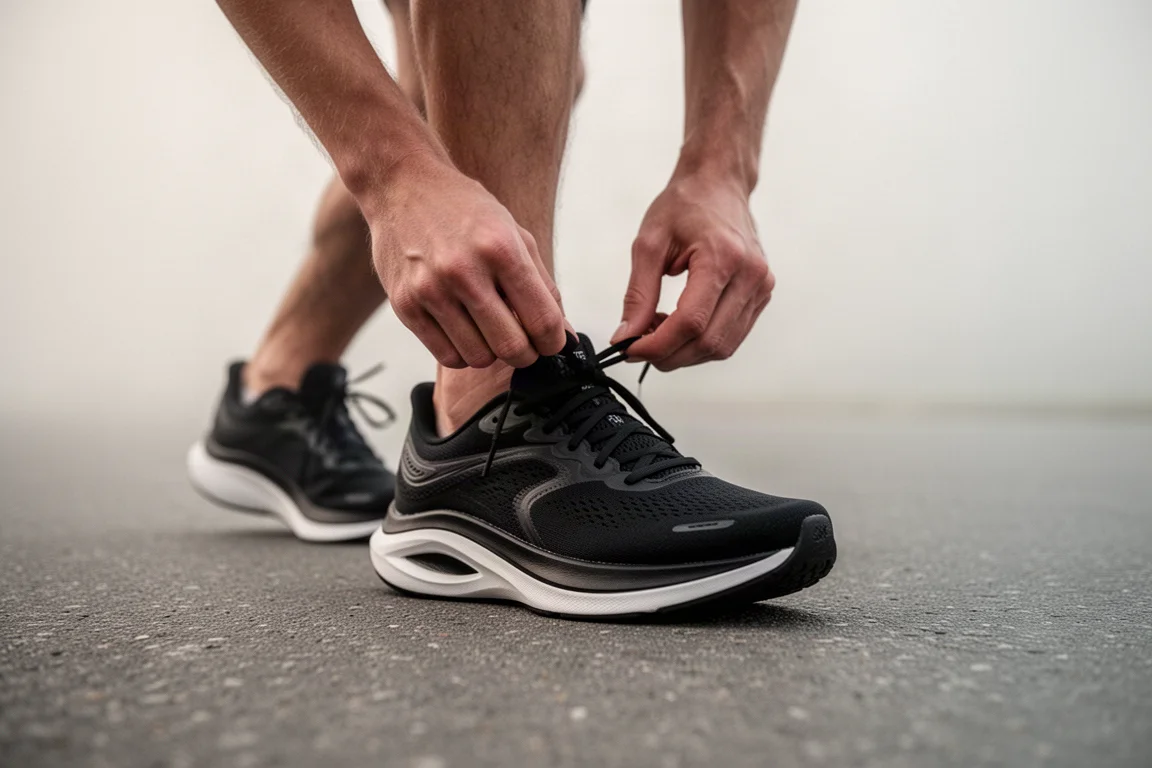
On the road, the Adizero SL 2 is a fun and fast daily trainer. It feels nimble and agile, and the extra Lightstrike Pro adds softness to the landing, a lighter overall feel, and a noticeable bit of responsiveness, since that foam is cushioned and bouncy at once. The Lightstrike carrier is still fairly firm, which is our one styling wish for a softer ride, but it provides structure and stability without the wide, ponderous footprint so many trainers now have. The shoe stays narrow through the midfoot, which is a key ingredient for anything you want to feel quick in.
That character makes it great for easy everyday runs, but also for strides and light workouts. It handled 200 m repeats on the track well because it is light, agile, and turns over nicely. If you want to save your carbon shoes for races or later in a training block, this is a strong option for 200s and 400s. The main weakness: it is not a long-run shoe. On runs beyond 90 minutes to 2 hours, the firmness can start to wear on you. Anything around 75 to 90 minutes or shorter is where it shines.
Within Adidas’s race-ready Adizero category, the SL 2 is the daily trainer, pairing with the Takumi Sen 10 as the tempo shoe and the Adios Pro 3 as the marathon racer. It suits newer runners who want one shoe for easy runs, workouts, and even some races, as well as experienced runners from high school sprinters to adult marathoners.
At $130, it is $10 more than last year’s version, but the performance upgrades feel like they justify the increase. It is a much better shoe.
Puma Velocity Nitro 3: The Firmer All-Rounder
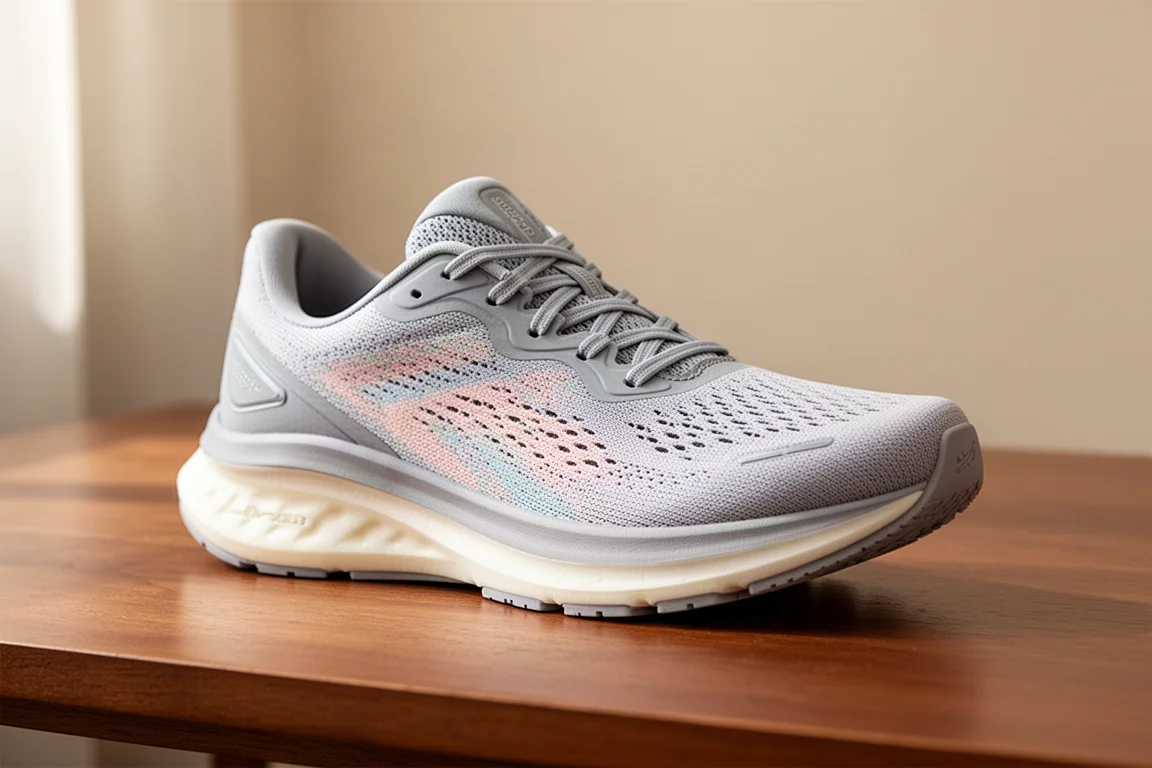
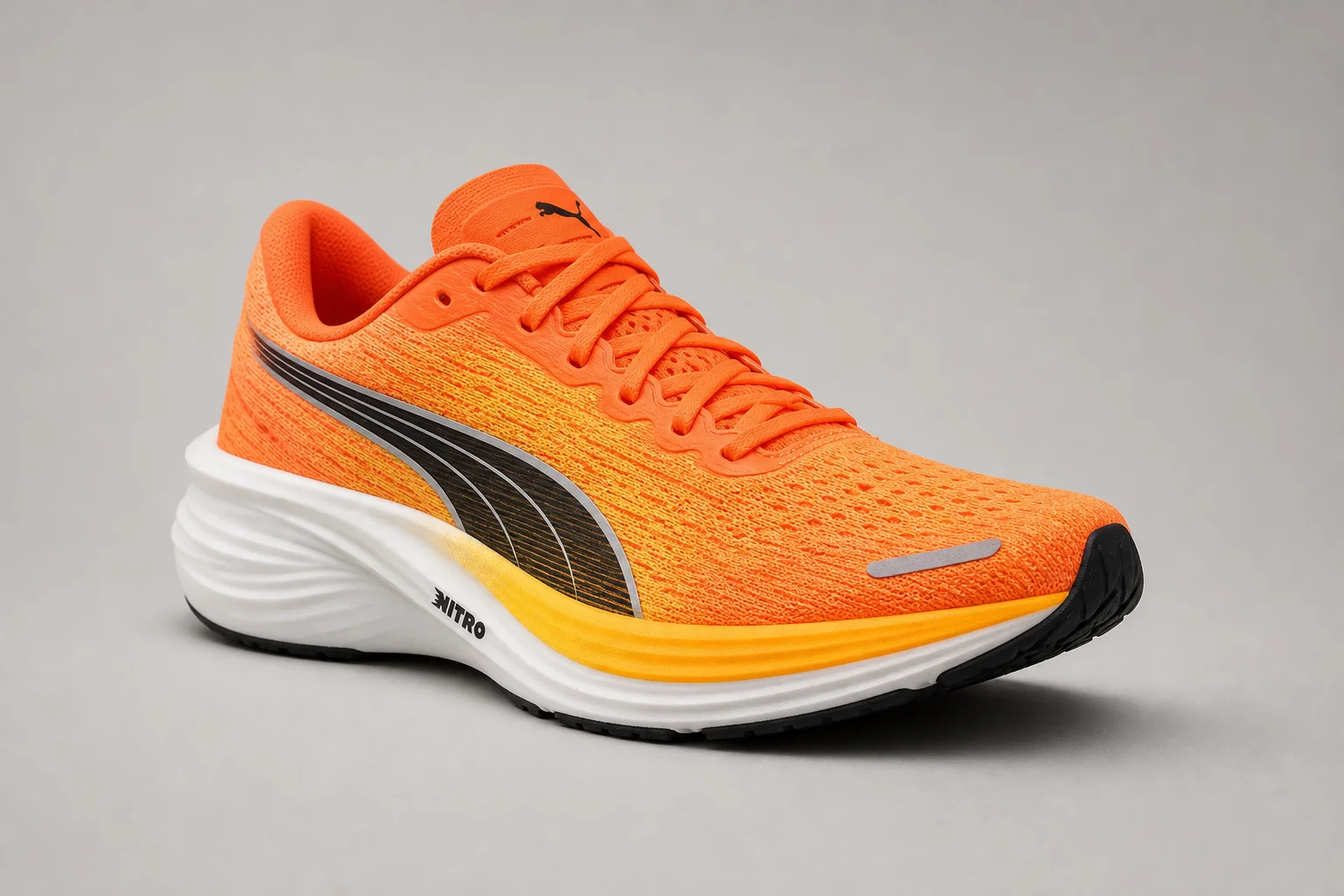
The Puma Velocity Nitro 3 is the first alternative that stacks up well against the Adizero SL 2. It also uses two foams: a stabilising EVA layer on the bottom and a Nitro layer of supercritical foam on top, sitting below Puma’s race-grade Nitro Elite. The ride is a touch firmer than we ideally like in a daily trainer, but in the same way the SL 2 is: structured, quick, and capable of bouncing when you push the pace.
We would use the Velocity Nitro 3 in much the same way as the Adizero SL 2. The trade-offs are price and weight: it comes in at $135, $5 more than the SL 2, and it is also a little heavier. If you prefer Puma’s fit and ride, though, it is a very close competitor.
Tracksmith Elliot: Premium Materials, Premium Price
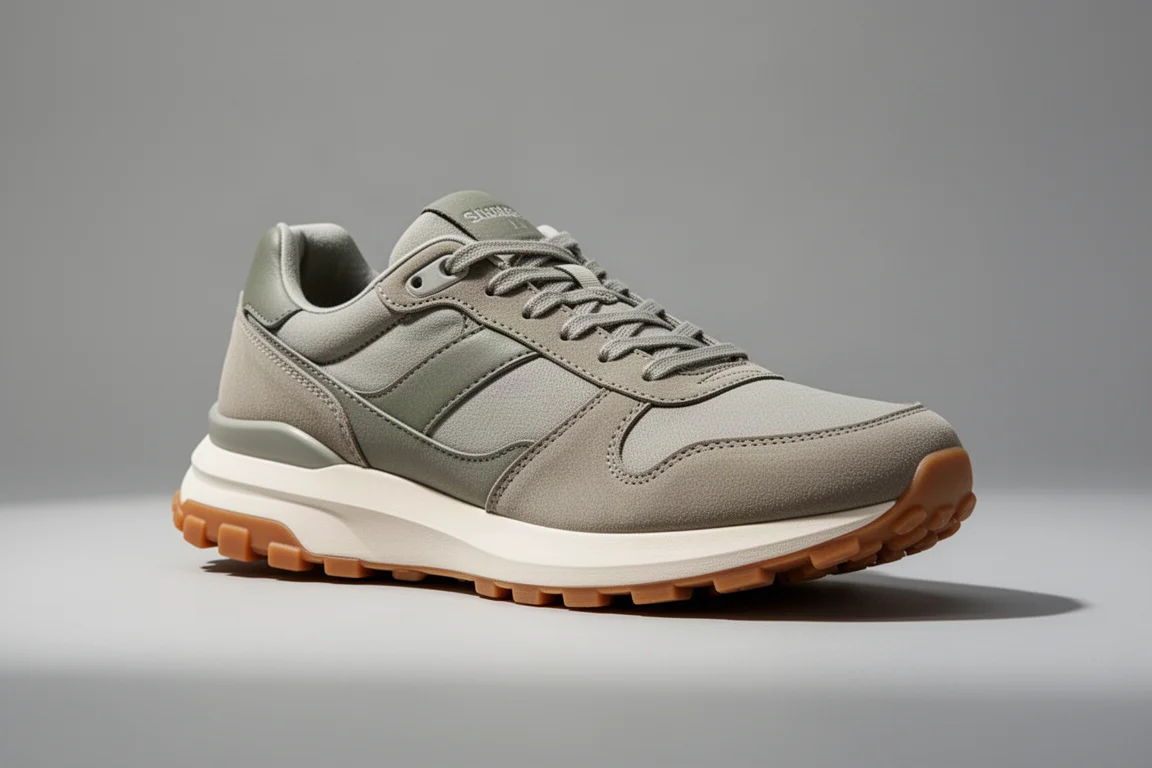
The Tracksmith Elliot rarely comes up in these conversations, and price is the main reason. At $198, it uses a Pebax midsole, the material family behind many top racing shoes, but it is built as a daily trainer with plenty of rubber on the outsole and materials meant to soak up a lot of miles.
In feel, it is close to the Adizero SL 2: slightly firmer than ideal, but bouncy and fast when you need it to be, and a solid shoe for racking up mileage. The problem is simple: unless you are already a devoted Tracksmith fan, a $200 price tag on a daily trainer is hard to justify. In terms of ride quality alone, though, it earns its place in this comparison.
Adidas Adizero SL: The Value Pick
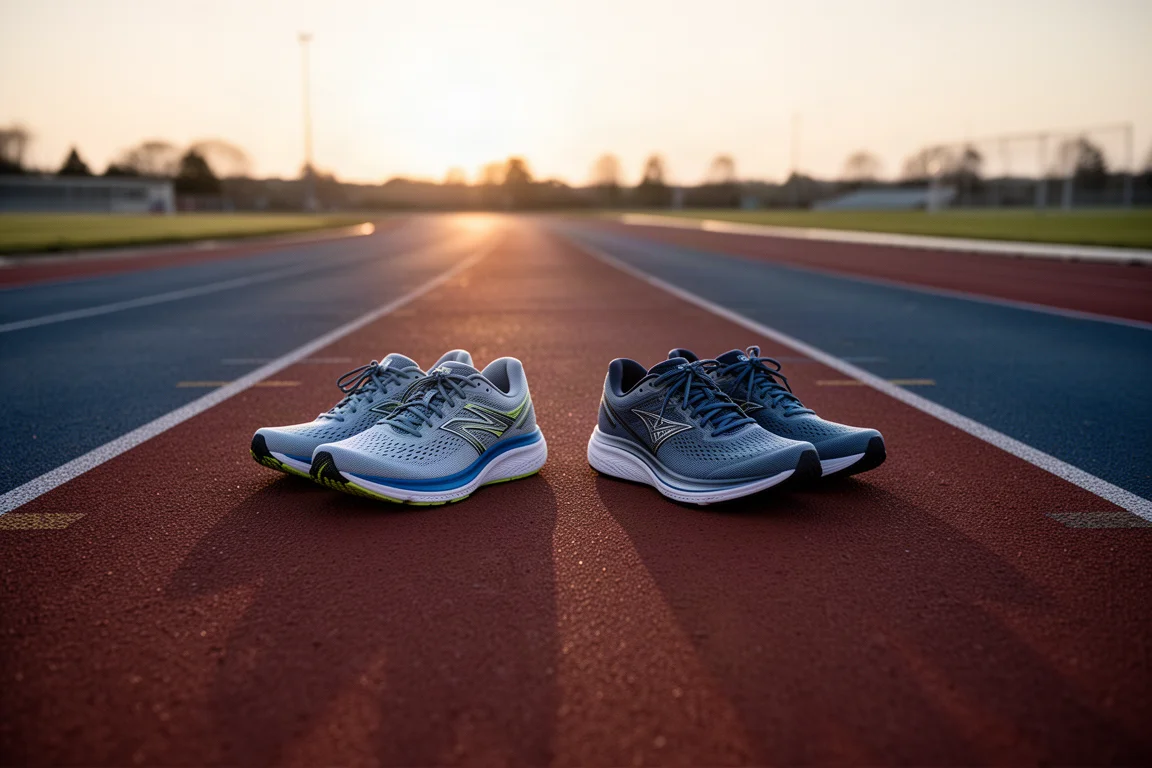
The last shoe to consider is last year’s Adizero SL, and honestly, it is the first alternative to check if budget matters. The two shoes are similar in spirit, but we prefer the SL 2 because of the doubled Lightstrike Pro. The original SL remains firmer still, with only a forefoot puck of the premium foam, but it keeps much of the fun and fast character.
It retailed at $120 and is now on sale for as low as $72, sometimes even less depending on size availability. That is a big gap versus the SL 2’s $130, and it makes the first-generation SL an easy recommendation for anyone looking to save money without giving up the core experience.
Buying Advice
If you want one shoe for easy runs, strides, track workouts, and the occasional race, the Adizero SL 2 is the strongest all-round choice here, and the extra Lightstrike Pro justifies the $130 price. If you like a firmer ride and prefer Puma, the Velocity Nitro 3 is nearly interchangeable in use. The Tracksmith Elliot offers premium Pebax cushioning if the price does not scare you off. And if value comes first, find the original Adizero SL on sale before anything else.
Conclusion
The Adizero SL 2 earns its price bump. Full-length Lightstrike Pro turns a solid daily trainer into a genuinely fun, fast, and nimble one, with only long-run firmness as a real limitation. Around it sit three credible alternatives: a firmer Puma, a premium Tracksmith, and a heavily discounted predecessor. Match the shoe to your budget and how you actually run, and all four can be the right call.
Further reading
Related Reviews

Running Shoes
Best Road-to-Trail Running Shoes: Three Versatile Options for Mixed Terrain
A practical guide to three road-to-trail running shoes that handle both pavement and mild trails, with clear strengths and trade-offs for different runner types.

Running Shoes
Best Running Shoes for Achilles Tendonitis: Three Options Explained
Three running shoes with different heel drops and support features designed to help reduce Achilles tendon pain during walking and running.

Running Shoes
Best Running Shoes for Women: Five Top Choices Ranked
A ranked guide to five women's running shoes, from versatile daily trainers to high-performance racing options, with real strengths and trade-offs for each.