Running Shoes
Adidas Adizero Lineup: Adios Pro 3, Adios Pro Evo, and Boston 12 Compared
Three Adidas Adizero shoes covering racing, elite racing, and marathon training, with real strengths, quirks, and who each one fits.
Introduction
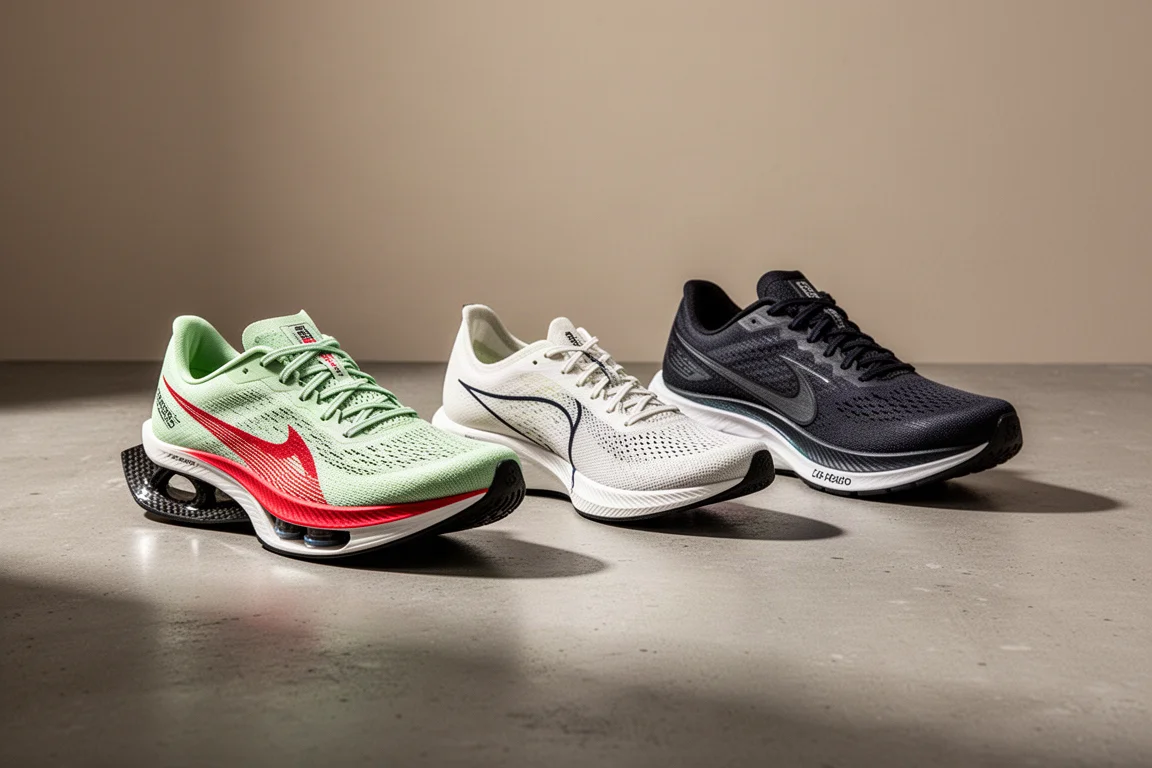
Adidas has built one of the most complete racing and training lineups in the Adizero family: a daily race-day workhorse, a super-shoe reserved for elite speed, and a marathon trainer that refuses to leave rotation. After putting real mileage into all three, including a 10-mile interval session in the Adios Pro 3 and long runs in the Boston 12, here is how they stack up and which one deserves a spot in your rotation.
Evaluation Criteria
We looked at each shoe across four things that matter for serious runners: ride quality at race pace, durability, fit and upper comfort, and how the shoe behaves at slower, everyday paces. A race shoe that only works at one speed is a lot less useful than one that transitions cleanly between warm-ups, intervals, and race efforts, so that balance carried extra weight in this comparison.
Adidas Adizero Adios Pro 3
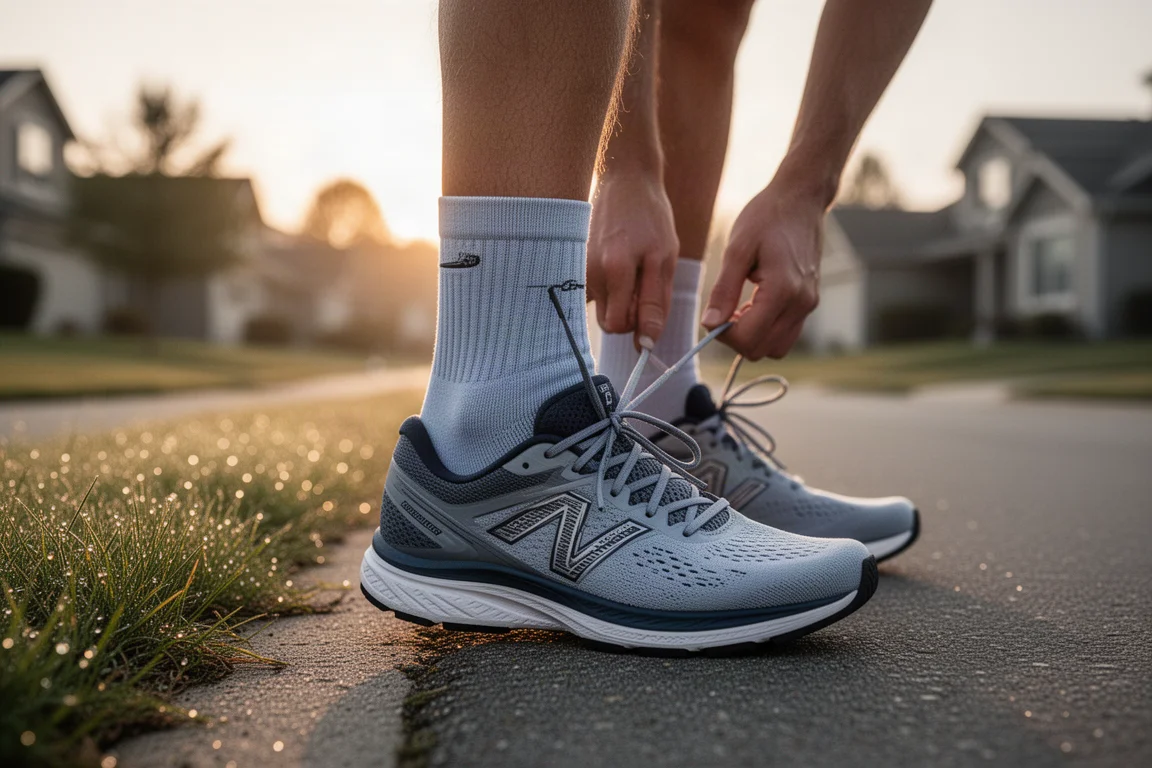
The Adios Pro 3 is built on a thick stack of Lightstrike Pro, Adidas’ race foam, and it has been on the market for a couple of years now because it is simply that good. It has not been forced to update yet, and it does not feel outdated. This is a workhorse race shoe: not the softest or the most explosive foam out there, but incredibly reliable, with the Lightstrike Pro offering excellent durability by race-foam standards.
The key to this shoe is that it rewards force. At an easy jog it feels fairly standard and even a bit dull, but once you start pushing pace, the foam lights up and becomes genuinely bouncy and electric. It strongly favors a midfoot to forefoot strike, and landing up front is where the platform activates best. It handles a wide range of paces well, from steady 6:30-per-mile interval work all the way down to sub-5:00 efforts, making it excellent for workouts with multiple paces.

The fit is the one area with a divided track record. The lightweight, paper-thin upper sheds water exceptionally well, ventilates brilliantly, and never picks up bulk, but some runners have found it irritating enough to cut modifications into it. In extended testing the upper sat completely flush with no movement or distraction. A well-padded pair of running socks solves most complaints, including the padded area around the heel.
There are real trade-offs to know about. The heel is slightly narrow, the rocker can feel clunky when you land back on your heels at slower paces, and heavier or lighter runners who do not put much force into the shoe may find the firm, dense foam never fully activates. But for midfoot and forefoot strikers, heavier runners wanting a fast shoe, or anyone racing a half marathon, this is one of the best tall-stack options available, and it holds up over high mileage thanks to the Continental rubber outsole.
Adidas Adizero Adios Pro Evo
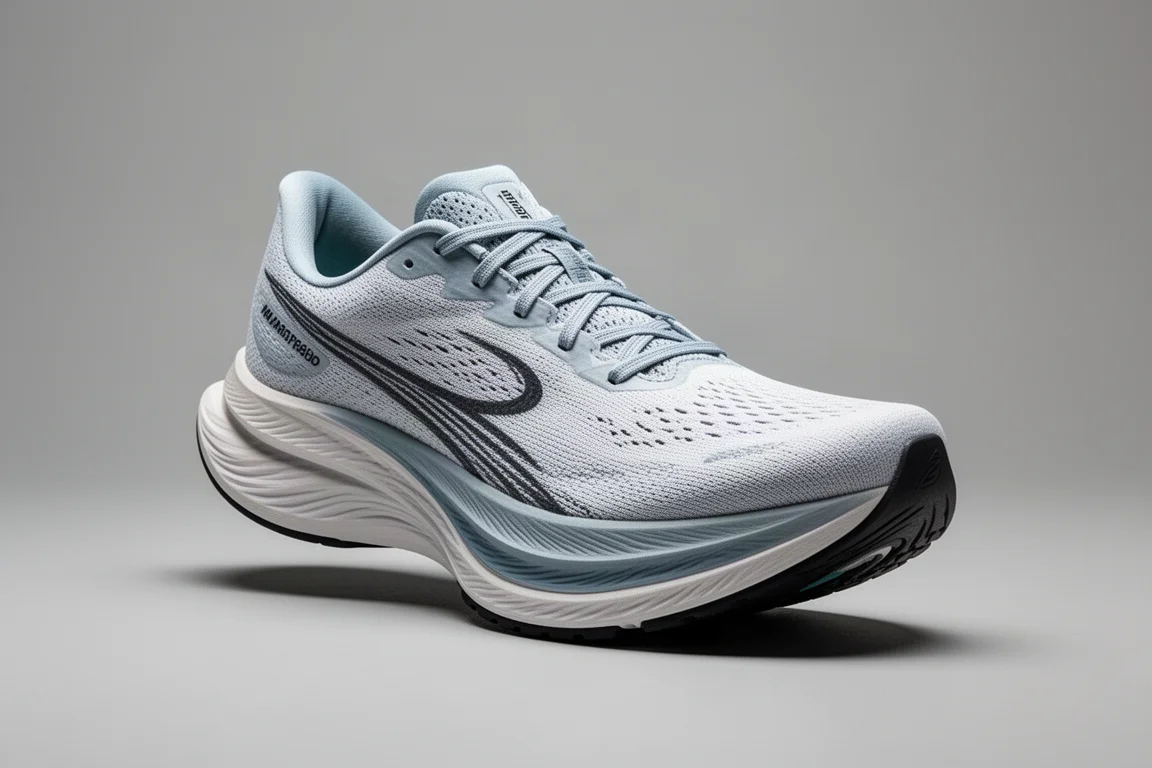
Sitting at the very top of the lineup is the Adios Pro Evo, the shoe Adidas designed for its elite athletes to race in. It is extremely lightweight, aggressive, and genuinely fun and fast, with a smoother, more forgiving rocker geometry than the Adios Pro 3. Where the Pro 3 demands attention to footstrike, the Evo’s rocker is so smooth that the footstrike becomes a non-issue.
But this is not a shoe made for recreational racing. It is not designed to be durable, and the price reflects its elite-athlete positioning rather than everyday value. It makes sense only if you have substantial disposable income or can recoup the cost some other way. For nearly everyone else, the Adios Pro 3 delivers most of the race-day benefit at a fraction of the price.
Adidas Boston 12
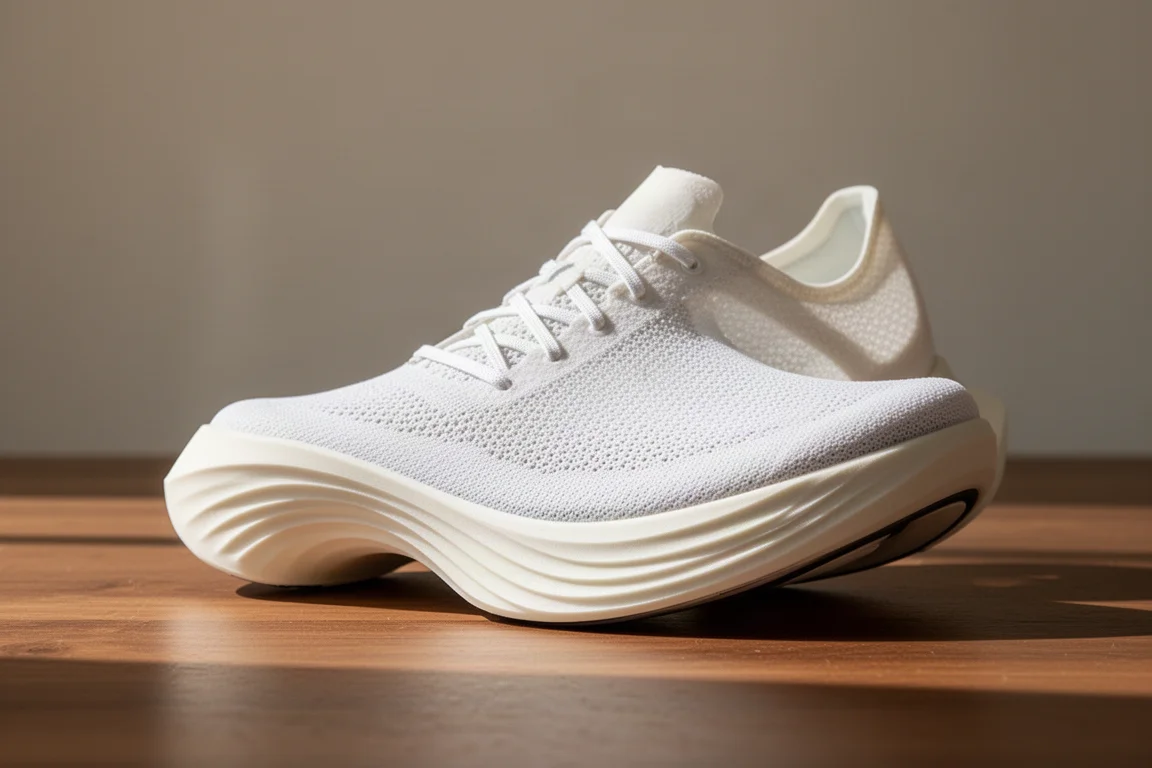
The Boston 12 fills the marathon training slot and earned its place as one of the favorite marathon speed training shoes around. It uses a dual-foam construction mixing Lightstrike Pro with a training foam, giving it a nice, bouncy character that never bottoms out, plus the same grippy Continental rubber for wet conditions.
The catch is time. This shoe needed roughly 50 to 60 miles to feel great, with the foam needing break-in before it came alive, especially when landing midfoot to forefoot where most of the Lightstrike Pro sits. Once broken in, though, it rewards that landing zone beautifully and holds up over serious mileage.
The honest assessment is that the Boston 12 is starting to show its age. A wave of excellent marathon trainers has arrived in the past year, and the shoe now needs an upper update or a general refresh to get back into the conversation. It is still an awesome shoe and a great trainer, but competitors have closed the gap.
Overall Buying Advice
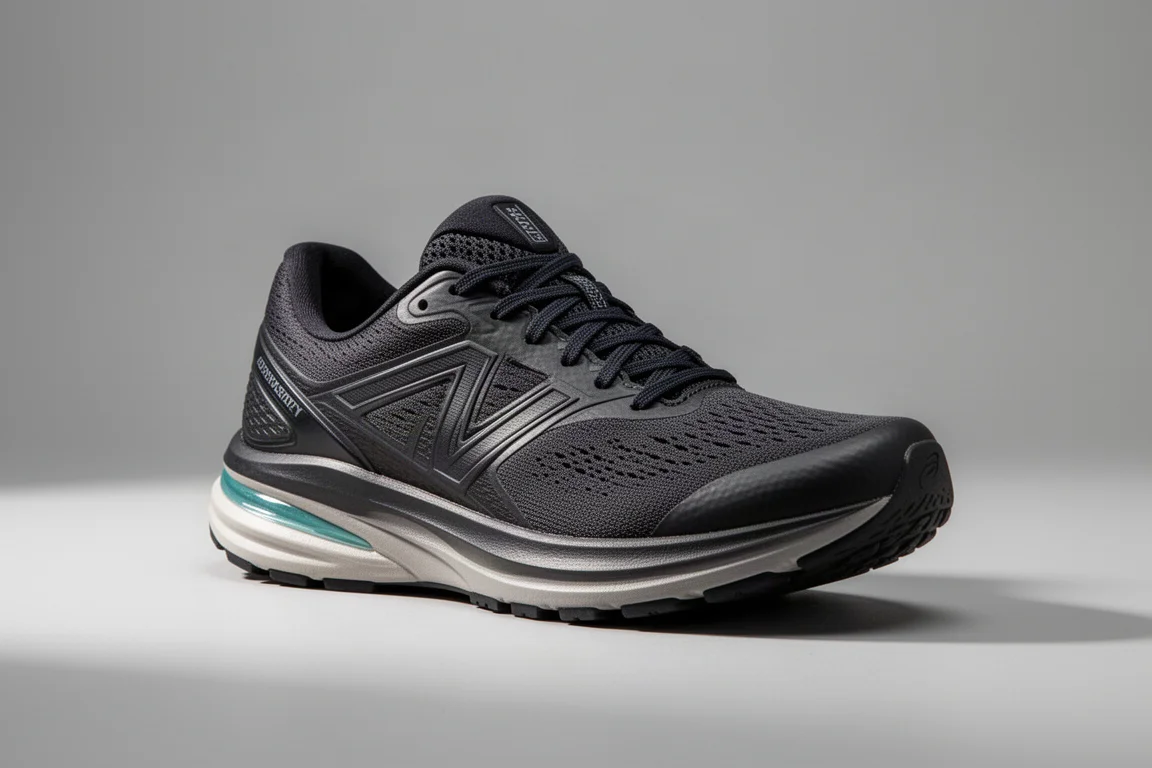
If you race half marathons or faster and land midfoot to forefoot, the Adios Pro 3 is the pick, and its Lightstrike Pro foam is among the most durable race foams available. If you want the absolute fastest, lightest race-day experience and cost is no object, the Pro Evo is in a class of its own for smoothness, but it is built for elites, not longevity. For marathon training and tempo work, the Boston 12 remains a very solid, bouncy trainer that just needs a refresh to stay fully competitive. Skip the Pro 3 if you are a light runner who does not put much force into the shoe, or an aggressive heel striker, as alternatives with softer, more stable platforms will fit better.
Conclusion
Adidas is squeezing every last drop out of a very good formula, and the lineup still holds up. The Adios Pro 3 remains a reliable, durable race-day workhorse that comes alive at pace, the Pro Evo delivers elite-level speed for those willing and able to pay for it, and the Boston 12 is a proven marathon trainer that would benefit from an update. Match the shoe to your stride, your pace, and your race distance, and each of these has a clear place in a serious rotation.
Further reading
Related Reviews

Running Shoes
Best Road-to-Trail Running Shoes: Three Versatile Options for Mixed Terrain
A practical guide to three road-to-trail running shoes that handle both pavement and mild trails, with clear strengths and trade-offs for different runner types.

Running Shoes
Best Running Shoes for Achilles Tendonitis: Three Options Explained
Three running shoes with different heel drops and support features designed to help reduce Achilles tendon pain during walking and running.

Running Shoes
Best Running Shoes for Women: Five Top Choices Ranked
A ranked guide to five women's running shoes, from versatile daily trainers to high-performance racing options, with real strengths and trade-offs for each.