Running Shoes
Adidas Adizero Pro 5 Review: A Major Rethink of a Race Day Favourite
Carbon rods are gone, a new energy rim is in, and the stability issues of the Pro 4 look solved. But there is one serious durability caveat to weigh before buying.
Introduction
Racing super shoes live or die on trust. You need to believe that what is under your feet will stay fast, stay stable, and stay in one piece for the distance you paid for. The Adidas Adizero Pro 5 arrives with big expectations because its predecessor, the Adizero Pro 4, was a hugely popular choice on start lines around the world: quick, reasonably comfortable for a race day shoe, and good value compared to many rivals. It did, however, divide opinion on stability, with some runners finding the very soft foam a little twitchy at pace.
The Pro 5 sets out to fix that, and on the surface it does. It is lighter, more stable, roomier in the toe box, and genuinely fun to run in. It is also the most concerning example of premature midsole wear we have come across in this category, and that matters when the price sits at £220. This review walks through what changed, what works, what does not, and whether the Pro 5 deserves a place in your race rotation.
Who This Shoe Is For
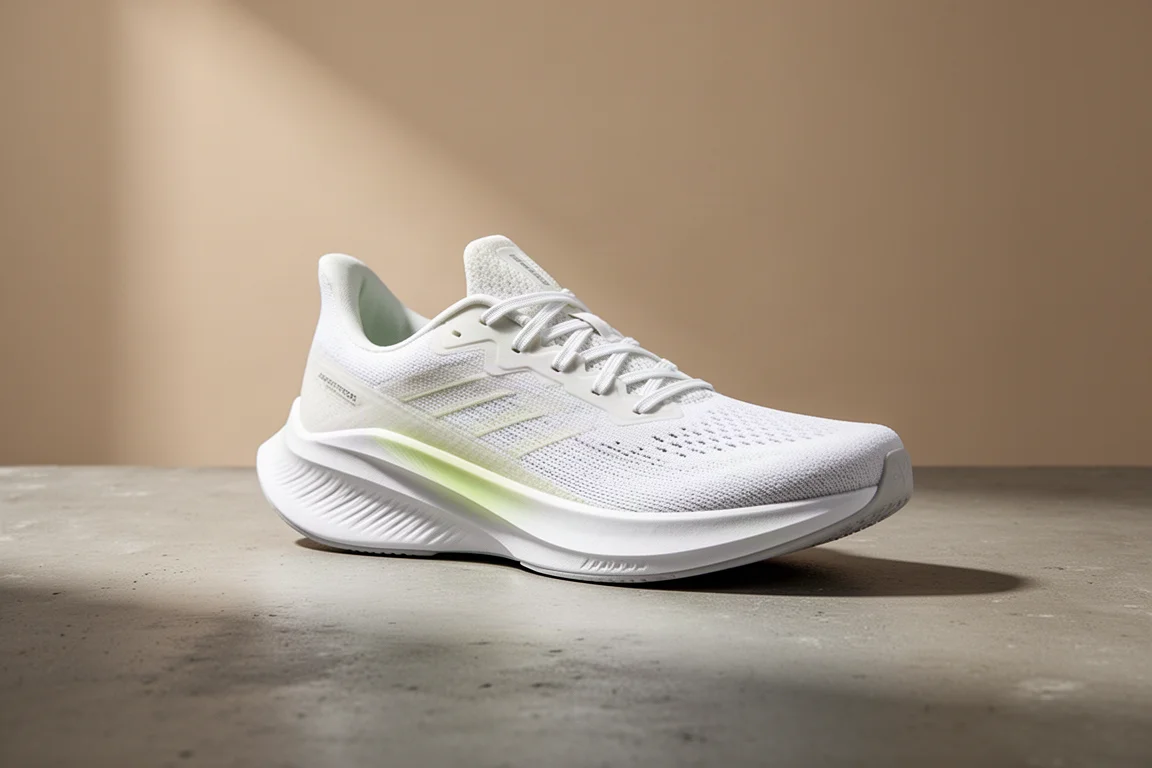
The Adizero Pro 5 is a carbon race shoe built for everything from 5Ks up to the full marathon, though it makes most sense as a half marathon and marathon shoe. If you are a regular runner chasing a personal best at longer race distances, this is squarely the shoe’s core purpose. It is light enough, at 205 g in a men’s sample size, to handle shorter efforts too, but as we will see, the character of the ride now leans toward cruising at half and full marathon pace rather than all-out 5K sharpness.
Sizing runs true for a snug racing fit. If you prefer the same room as your daily trainers, go up half a size. The toe box has been made wider and less tapered than the Pro 4, so runners who found that version narrow, including those with slightly wider feet, should find this generation noticeably more accommodating.
What Changed From the Adizero Pro 4
The headline change is structural. The carbon rods that defined Adidas’s high-end racers for years are gone, replaced by what Adidas calls a carbon-infused energy rim. Instead of rods running through the middle of the shoe, this is a ring of carbon fibre that wraps around the perimeter of the midsole in a U shape behind the foot, with an opening at the very front. Your foot effectively sits on foam in the centre, with the carbon framing it around the sides.
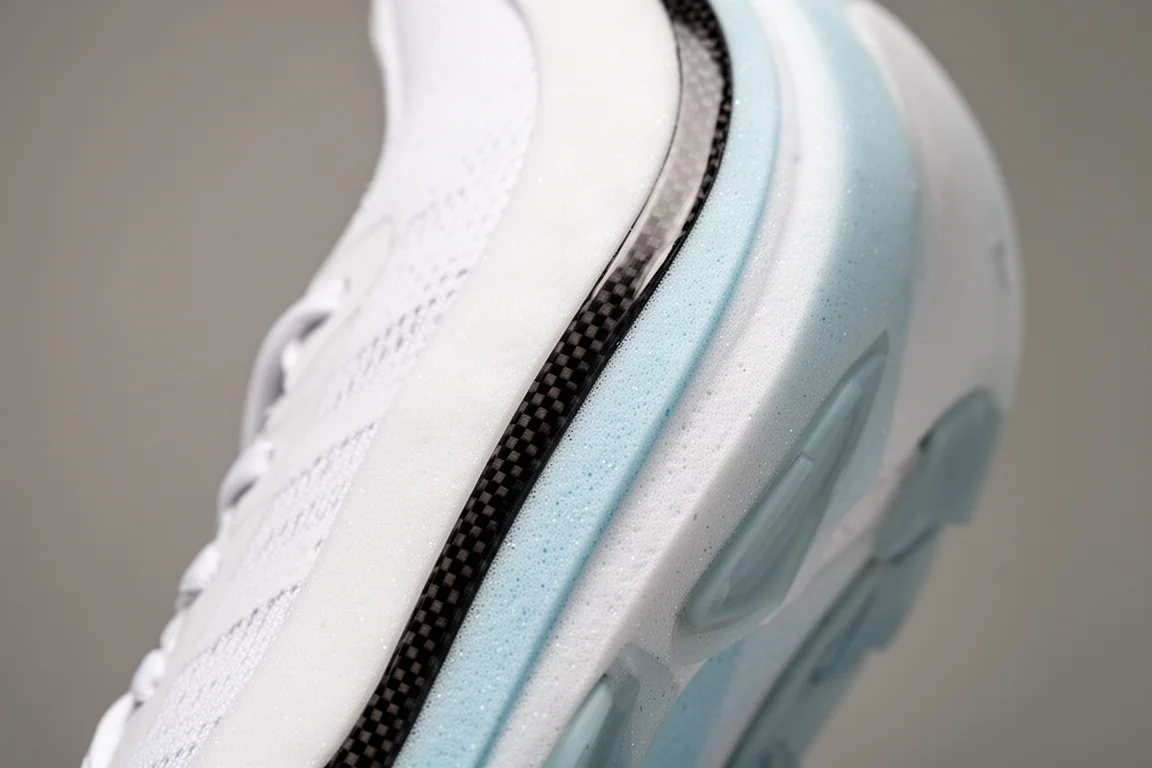
That repositioning allowed Adidas to fill in the medial cutout in the midsole, which was a major source of the Pro 4’s stability complaints. Other updates include the Light Lock 2.0 upper, slightly more breathable than before, upgraded sawtooth-style laces replacing the old cheap strings, a reshaped and roomier toe box, and 2 mm of extra foam in the forefoot, which drops the heel-to-toe offset from 6 mm to 4 mm while the heel stack stays at 39 mm.
The midsole is now a dual-foam setup: a variation of the Lightstrike Evo foam from the elite Pro Evo 3 racer on top, over an updated Lightstrike Pro underneath. The result feels slightly softer and springier than a traditional plate, less mechanical, and more natural underfoot.
Key Specs and Fit
- Price: £220 in the UK, with price increases in several other markets
- Heel stack: 39 mm with a 4 mm drop (down from 6 mm)
- Weight: 205 g in a sample size, roughly 32 g lighter than the Pro 4
- Upper: Light Lock 2.0 with perforated laces
- Outsole: Light traction rubber with a Continental rubber patch at the forefoot for toe-off grip
For context on the weight, the Puma Fast-R 3 comes in around 214 g and the Asics Metaspeed Edge around 191 g in comparable sizing, so the Pro 5 sits firmly among the lightest super shoes available. It is worth noting that stock at launch was patchy, with the flagship store visited on release day carrying nothing above a UK 9.5, so online purchasing may be the practical route.
Standout Strengths
Stability is the biggest win. With the medial cutout filled in and the energy rim keeping the foot level, the Pro 5 feels far more planted at pace and through corners than the Pro 4. This is now one of the more stable super shoe options on the market, and confidence at speed is noticeably higher.
The toe box is another clear improvement. Wider, roomier, and less pointed, it ranks among the better fits in this category. Adidas still does not offer a dedicated wide version the way some competitors do, but regular and slightly wider-footed runners should be well served.
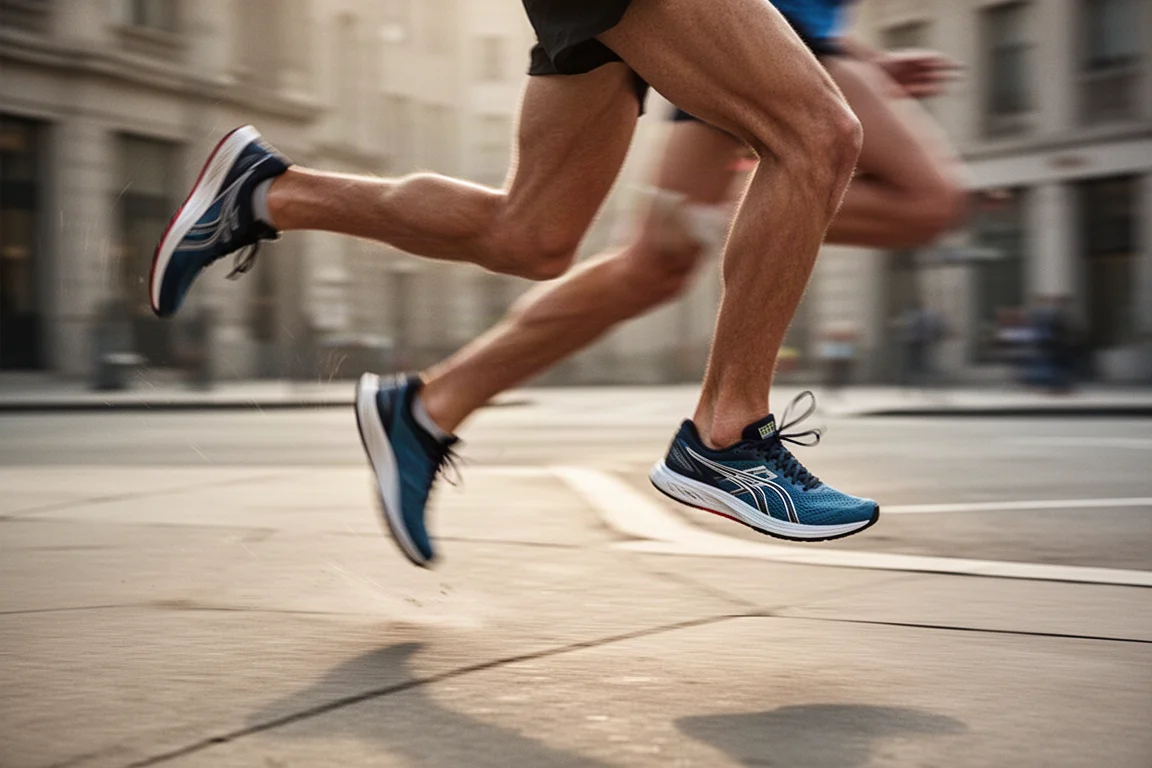
The ride itself is firmer than the Pro 4, and the combination of the energy rim and the extra forefoot foam produces a smooth, lively, genuinely enjoyable experience over longer distances. Comfort is strong for the category too: the new laces and Light Lock 2.0 upper give a secure lockdown with no hot spots, and the heel area is a touch wider and better padded than before, helping anyone who found the previous version pinchy. Add in the fact that it is a very good-looking shoe with reflective heel detailing, and it delivers exactly the confidence you want on race day.
Things to Consider Before Buying
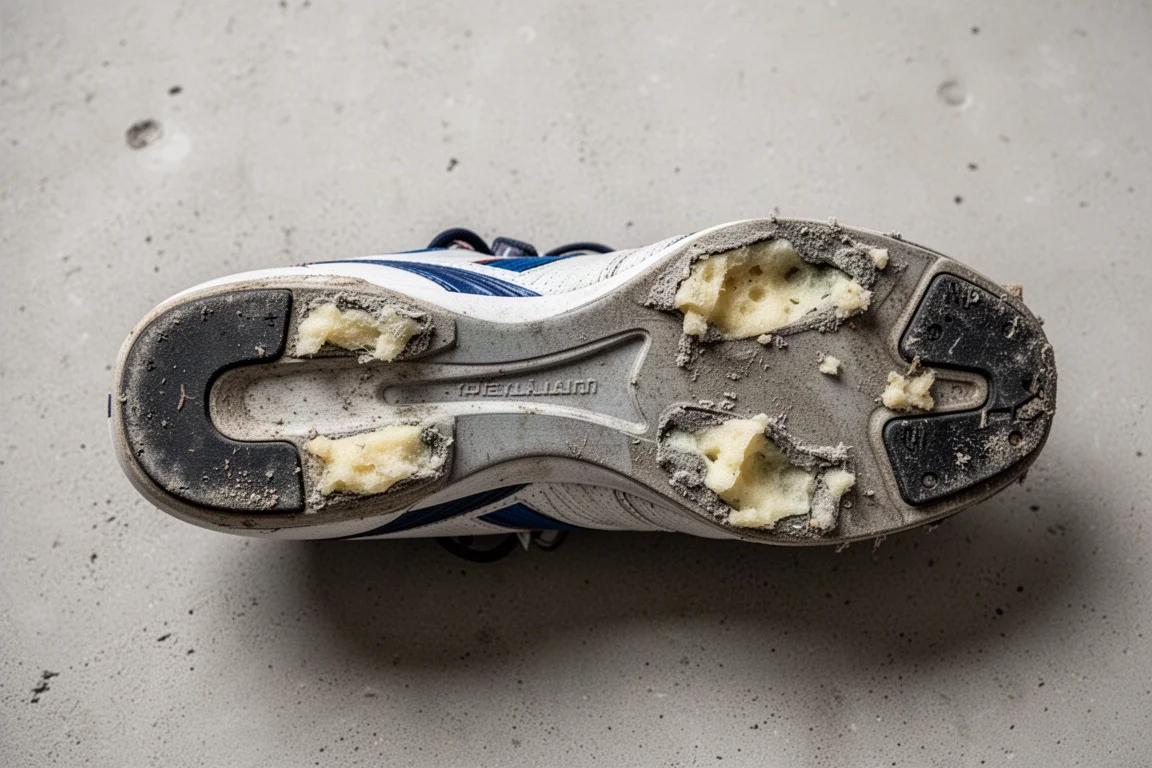
Here is the difficult part. After just one 10K speed session, the exposed foam on the lateral side of the midsole began disintegrating, with sizeable chunks missing near the forefoot. The affected area is not covered by the outsole rubber, and for a runner who lands slightly on the outside of the foot and rolls inward, that foam is getting shredded. This will depend heavily on running style and may not affect everyone, but it is the worst early-wear experience encountered in any shoe in this category, and long-term durability testing is ongoing.
Other trade-offs to weigh:
- The energy rim is fast, but it lacks the snappy pop of the Pro 4’s rods or a full-length carbon plate. If all-out 5K and 10K speed is your priority, a plated shoe may suit you better.
- The upper is well constructed but only modestly breathable, and the tongue and heel cup padding is quite stripped back.
- The edge of the energy rim sits close to the shoe’s side and can feel sharp if your calves brush against it mid-stride.
The honest summary: the Pro 5 is a genuinely well-rounded update that suits more runners than the Pro 4, but depending on your foot strike, it may simply not last as long as you would expect at this price.
How It Compares to the Competition
Against the Asics Metaspeed Edge, the Adidas is the heavier of the two by about 14 g but roughly £20 cheaper in the markets compared. The Metaspeed Edge is the more aggressive shoe with a more pronounced forefoot rocker and softer foam at the heel, making it better suited to midfoot and forefoot strikers, and its lightweight mesh upper breathes a little better. The Pro 5 counters with slightly more stability and a softer feel, and over marathon distance it is the smoother, more comfortable option.
The Puma Fast-R 3 is around £40 more expensive, uses an 8 mm drop, and weighs within about 9 g of the Adidas. It is a very aggressive, heavily rockered shoe with a stripped-back upper that is unstable at the heel for heel strikers. The Fast-R 3 genuinely feels faster at 5K and 10K pace, but the Pro 5 is the more sensible choice for half and full marathons and suits a much wider range of foot strikes.
The Nike Alphafly 3 is currently seeing heavy discounts as stock clears ahead of its successor. It carries an 8 mm drop and is a substantial 64 g heavier at 269 g. The two feel very different: Nike generates its power from two forefoot Air units plus a traditional carbon plate, producing a mechanical, unnatural sensation, while the Adidas leans on responsive foam and the perimeter energy rim for a smoother, more natural ride. Heavier runners may get more out of the Alphafly 3, but for shorter distances and overall smoothness, the Pro 5 is the stronger pick.
Buying Advice
Putting the durability concerns aside for a moment, this is a very good update. It is light, fast, very stable, and comfortable enough that you will actually enjoy your race. The energy rim is not a gimmick, but it does not deliver the sharpest 5K and 10K speeds that a plate or rods provide. What it does deliver, thanks to that extra cushioning, is an excellent experience for regular runners at half and full marathon pace.
Is it worth upgrading from the Pro 4? Yes, if you value the stability improvements, the roomier fit, and the lighter weight. But go in with open eyes about the exposed midsole foam. If you are an outsole-heavy forefoot striker, inspect the shoe carefully after your first few runs, and if ultimate short-distance speed matters more than long-distance comfort, the Puma Fast-R 3 remains the sharper tool.
Conclusion
The Adidas Adizero Pro 5 is a thoughtful, well-rounded super shoe that fixes the biggest complaints about its predecessor and brings a smoother, more natural ride to the half and full marathon distance. It suits more runners than ever, looks superb, and feels lively without being harsh. The one glaring asterisk is the early midsole wear seen on the unprotected lateral foam, which could turn a great shoe into a frustrating purchase depending on how you run. If it holds up over the long term, it is one of the best all-round race day options available right now. If not, it is a brilliant shoe you may not get to enjoy for long.
Product link
View more details for Adidas Adizero Pro 5
This product is mentioned in the review. Check the specifications, options, and compatibility before buying.
View more details for Adidas Adizero Pro 5Further reading
Related Reviews

Running Shoes
Best Road-to-Trail Running Shoes: Three Versatile Options for Mixed Terrain
A practical guide to three road-to-trail running shoes that handle both pavement and mild trails, with clear strengths and trade-offs for different runner types.

Running Shoes
Best Running Shoes for Achilles Tendonitis: Three Options Explained
Three running shoes with different heel drops and support features designed to help reduce Achilles tendon pain during walking and running.

Running Shoes
Best Running Shoes for Women: Five Top Choices Ranked
A ranked guide to five women's running shoes, from versatile daily trainers to high-performance racing options, with real strengths and trade-offs for each.