Running Shoes
Adidas Adizero Prime X Evo Review: The $500 Road Ultra Racer That Deletes Miles
A 162g, 50mm road ultra racing shoe built for a sub-6-hour 100K attempt. Incredible protection and cushion, but stability and fit come with real trade-offs.
Introduction
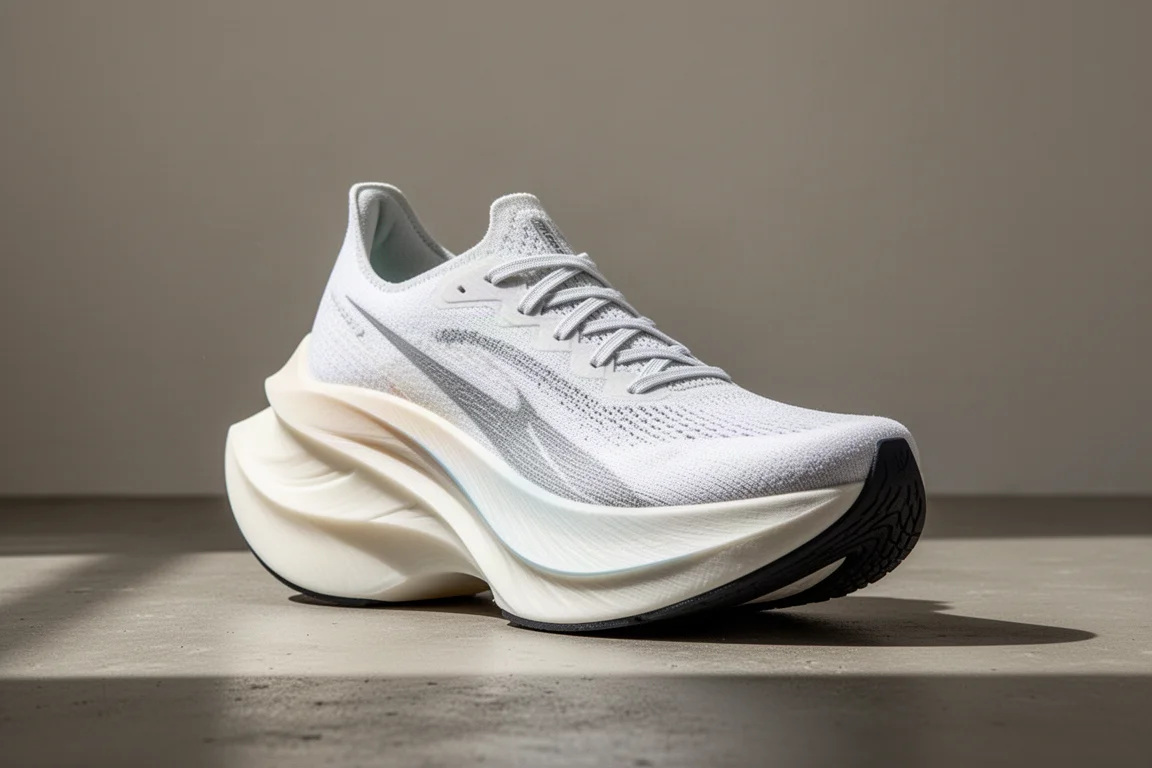
The Adidas Adizero Prime X Evo is not a normal race shoe. At roughly $500, it sits in the same price tier as the Pro Evo line, and it is built for a purpose almost no other brand is targeting: a road ultra racing shoe designed around a sub-6-hour 100K attempt at the Nardo Ring in August 2025, where a group of athletes raced it over the distance. It is an AMG collab with a single launch colorway, an illegal stack height well over 40mm at the heel, and a name that combines the Pro Evo line with the Prime X platform.
The idea is genuinely fresh. Where most race shoes arrive as variations of a 40mm stack and carbon plate formula, this one is aimed at a distance nobody else is designing for, and it shows in the geometry. The shoe looks like it is crouched forward on its haunches, aggressive and muscular, which fits the AMG branding. After a 21-mile long run in it, we have a clear picture of what works and what does not.
Who This Shoe Is For
This is an elite road ultra shoe first and a training tool second. It was engineered for specific athletes chasing a very specific record, and Adidas made no attempt to hide that. The launch concept, the sub-6 attempt data printed on the shoe, and the extreme design choices all point to a tool rather than a mass-market product.

It also suits runners logging very long races or training days: 3 to 5 hour marathons, 50Ks, and 100K road events. If your time on feet is long, the protection and cushioning here could genuinely change how those miles feel. Faster runners chasing sub-6-minute marathon pace will likely prefer a lower, punchier option.
Main Strengths
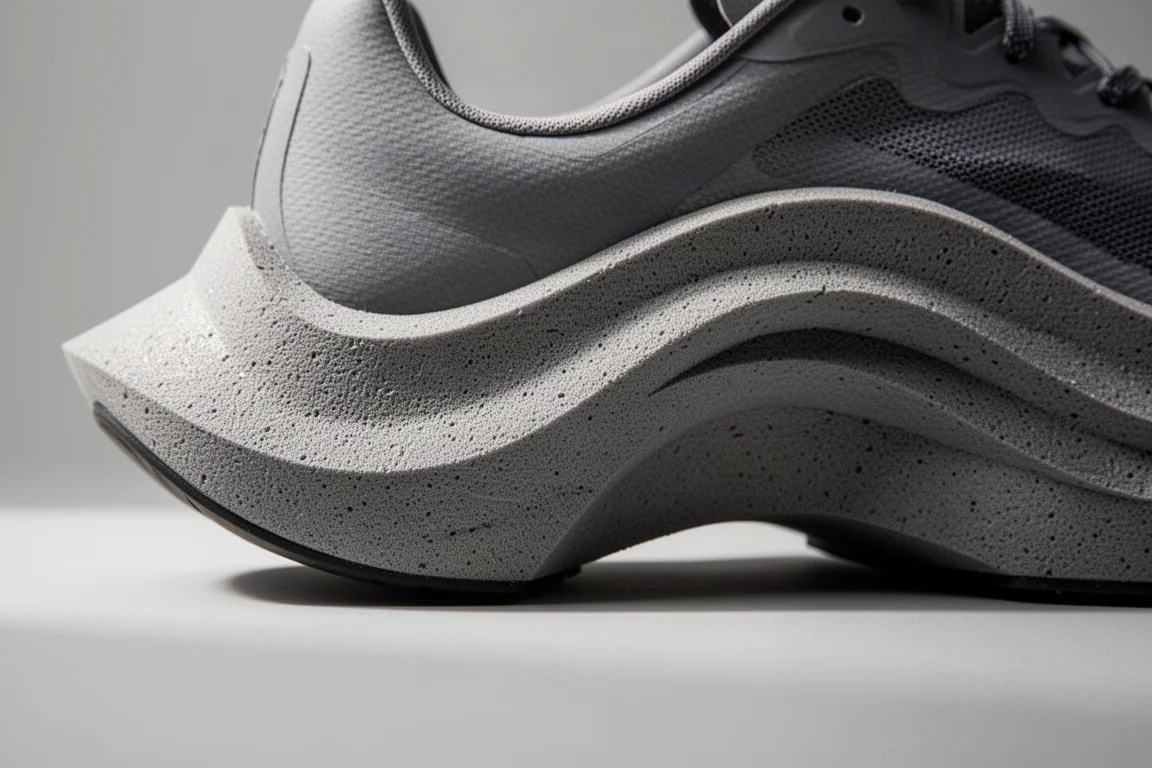
The headline spec is absurd: 162g in a size 11, likely in the 150s at smaller sizes, with a measured heel stack of 49.9mm on the legal side and 69mm of foam measured at the heel bevel. Midfoot foam sits around 62mm and the toe-off area around 55mm. For a shoe this tall, the weight is remarkable, comparable to a Metaspeed Sky.
The Lightstrike Pro Evo foam in this version finally feels special. Where the Pro Evo OG and Pro Evo 2 packed impressive uncompressed supercritical foam that nevertheless felt firm and unremarkable underfoot, this iteration is significantly softer, whether through a revised compound or simply the sheer volume of it. The rocker geometry is out of control in the best way: it catches each stride and pushes you forward, and the shoe genuinely feels like it does the work for you.
The practical effect is what earns the shoe its nickname, the mileage deleter. Ten miles feel like five. A 21-mile long run finished at 6:45 pace feeling closer to a 12-mile effort, with the last mile dropped comfortably around goal marathon pace. Impact absorption is next level, effort feels low, and the cushion and gentle bounce are genuinely protective on the legs. Continental rubber underfoot provides light traction, and the shoe is beautifully aggressive looking.
Things to Consider Before Buying
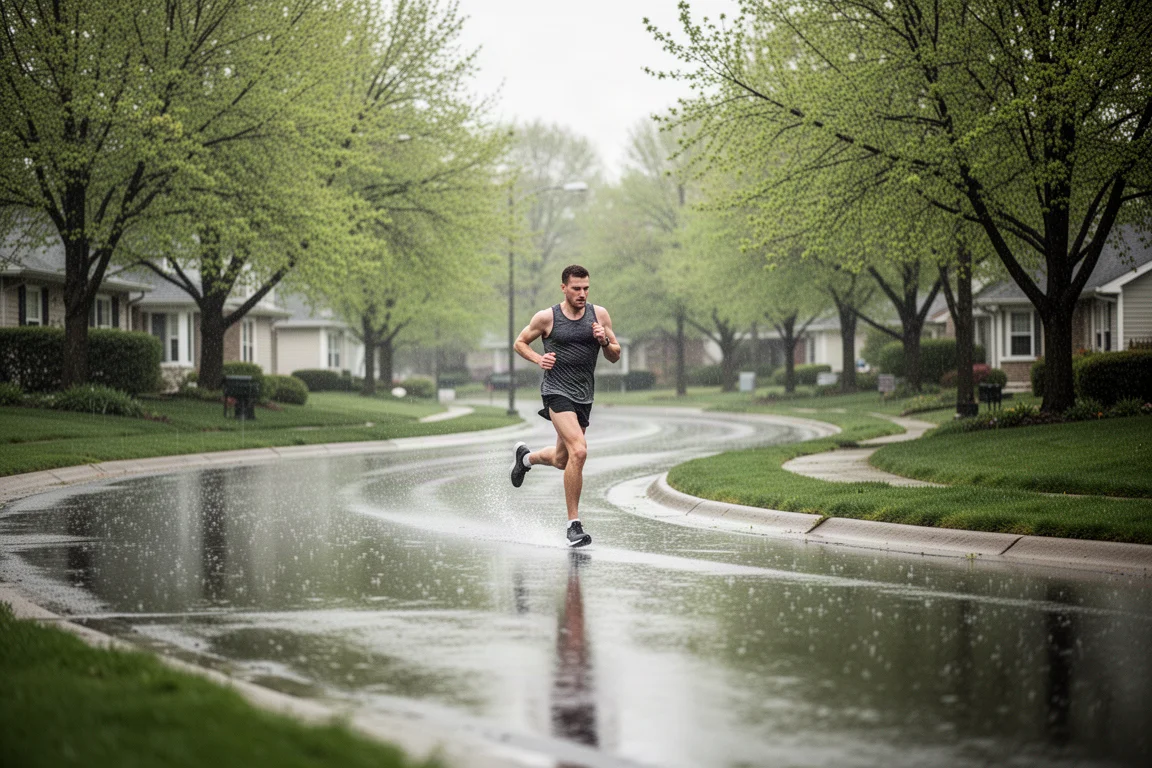
The trade-offs are real and mostly come from the platform itself rather than any single defect. Stability is the biggest concern. The heel measures about 88mm wide, roughly 7mm narrower than an Alphafly, on a 50mm stack. Cornering on suburban cul-de-sacs was genuinely dicey, with moments of the foot contorting over the tall foam, and the shoe demands a flat, low-turn course.
The upper is thin and floppy, using the same thin woven material as the Pro Evo line, and it needs cranking down hard on the laces to feel locked in. More structure, overlays, or a different material would help, along with a more padded tongue and more forgiving laces. This is where the elite-tool compromises are most visible.
Fit runs small and narrow: a half size up worked reasonably, and anyone buying it for a true road ultra should probably consider sizing up for the extra toe room. It is also not a speed shoe. Below roughly 6-minute mile pace, it takes real effort to get it moving, since the deep cushion slows ground contact time. It shines best in the 6:20 to 7:00 flat range. And at $500, availability and durability of the soft foam remain open questions.
Buying Advice
If you can spend $500 on a race shoe and your goal is a road ultra or a long, time-on-feet marathon, this is a rare case where the price is backed up by the experience. It is the best long-run tool in racing shoe form we have encountered, a kind of max cushion racer that combines the comfort of a big trainer with the weight of a hyper shoe.
If the price or availability is a barrier, strong alternatives include the Hoka Cielo, the Li-Ning Feidian 6 Elite, or the Asics Metaspeed Sky, all of which deliver a similar high-stack marathon experience closer to $300. For faster pace work, a Saucony Kinvara 6 Elite or a more conventional super shoe will feel more natural.

Choose this shoe for flat, low-turn courses and long efforts. Skip it for twisty courses, short fast races, or if stability on tall foam makes you nervous. Size up half a size and plan to cinch the laces.
Conclusion
The Adidas Adizero Prime X Evo is an absolute banger with rough edges. It nails its intended purpose as the fastest possible road ultra shoe, and it delivers cushioning, protection, and effortless long-distance comfort that few shoes can match at any price. The wobbly heel, flimsy upper, and demanding fit keep it from being universally recommendable, but as a statement of what a niche, purpose-built race shoe can be, Adidas nailed the concept. For the right runner on the right course, it is worth every penny.
Product link
View more details for Adidas Adizero Prime X Evo
This product is mentioned in the review. Check the specifications, options, and compatibility before buying.
View more details for Adidas Adizero Prime X EvoFurther reading
Related Reviews

Running Shoes
Best Road-to-Trail Running Shoes: Three Versatile Options for Mixed Terrain
A practical guide to three road-to-trail running shoes that handle both pavement and mild trails, with clear strengths and trade-offs for different runner types.

Running Shoes
Best Running Shoes for Achilles Tendonitis: Three Options Explained
Three running shoes with different heel drops and support features designed to help reduce Achilles tendon pain during walking and running.

Running Shoes
Best Running Shoes for Women: Five Top Choices Ranked
A ranked guide to five women's running shoes, from versatile daily trainers to high-performance racing options, with real strengths and trade-offs for each.