Running Shoes
Adidas Adizero Prime X 2 Strung vs Boston 12, Alphafly 2 and Super Blast: Which One Belongs in Your Rotation
A four-shoe comparison looking at how the towering Prime X 2 Strung stacks up against the Adidas Boston 12, Nike Air Zoom Alphafly 2 and Asics Super Blast.
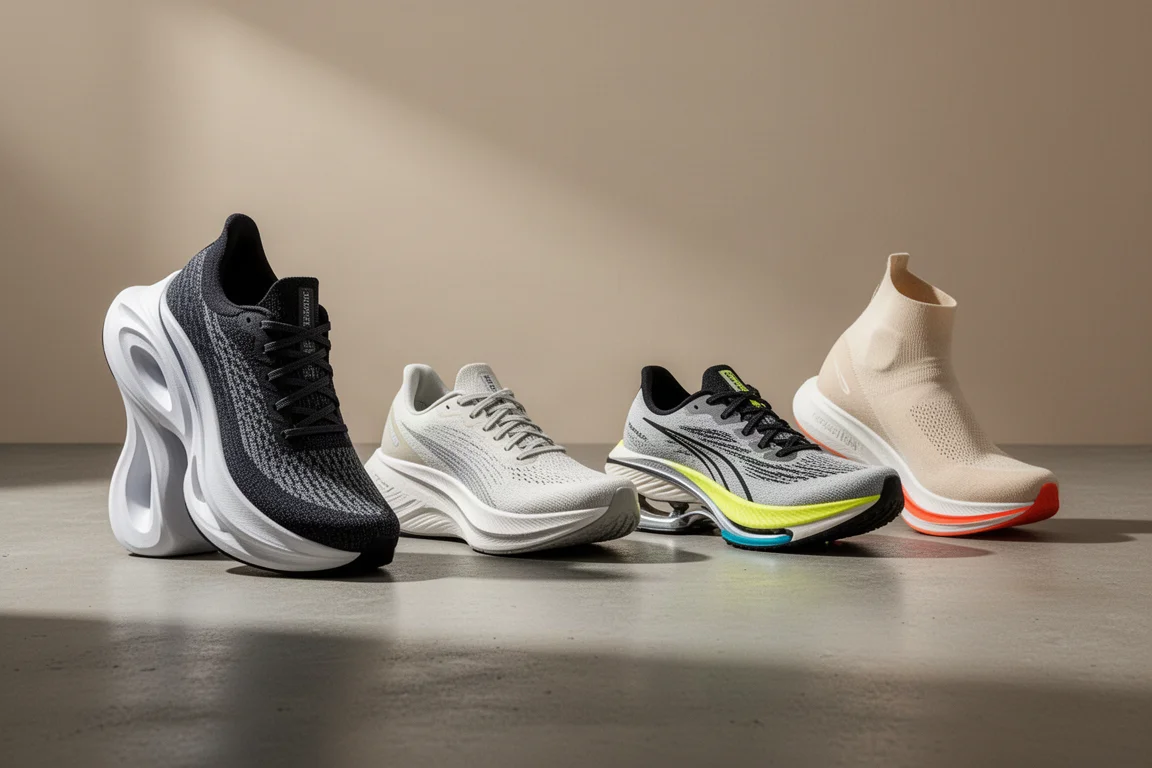
Introduction
The Adidas Adizero Prime X 2 Strung has prompted an unusual number of comparison requests, largely because of its mammoth midsole. To put it in context, we lined it up against three very different alternatives: the Adidas Boston 12, the Nike Air Zoom Alphafly 2, and the Asics Super Blast. One rival sits a little above it in price, while a couple come in considerably cheaper.
How the Prime X 2 Strung Compares
First, a note on how the Prime X 2 itself feels. Despite some impressions to the contrary, it is not a marshmallow. The ride is more resilient than squashy, with more bounce than anything else, and it is far firmer underfoot than something like the Nike Invincible Run 3. Measured on a shore durometer, the forefoot foam comes in around 19, which is remarkably soft on the scale, yet the energy core in the forefoot makes you want to aim your landing right on that area.
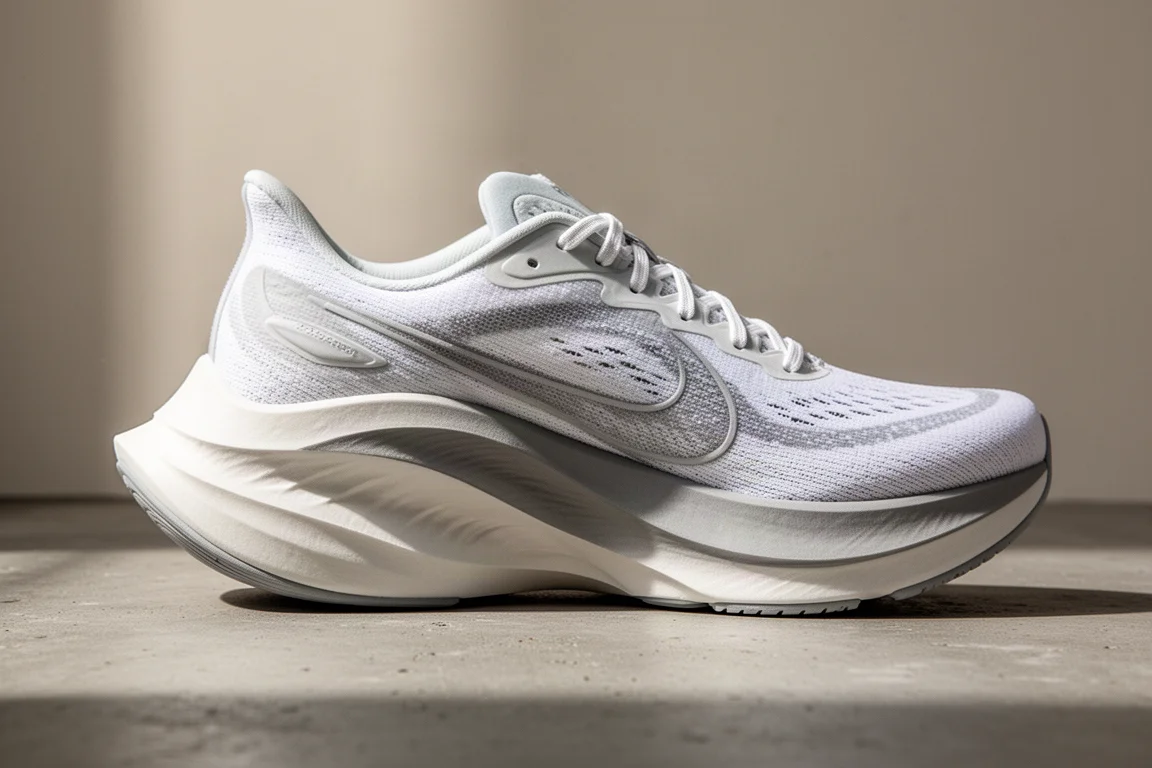
The shoe does take some getting used to. Around 30 miles in, the feel had changed noticeably from the first run, and the underfoot bounce keeps improving over the miles. The Strung upper, though, is a slightly confused implementation: getting into the shoe is a skill in itself, and the loops and extra eyelets do not do a great job, especially if you have a narrow to normal width foot.
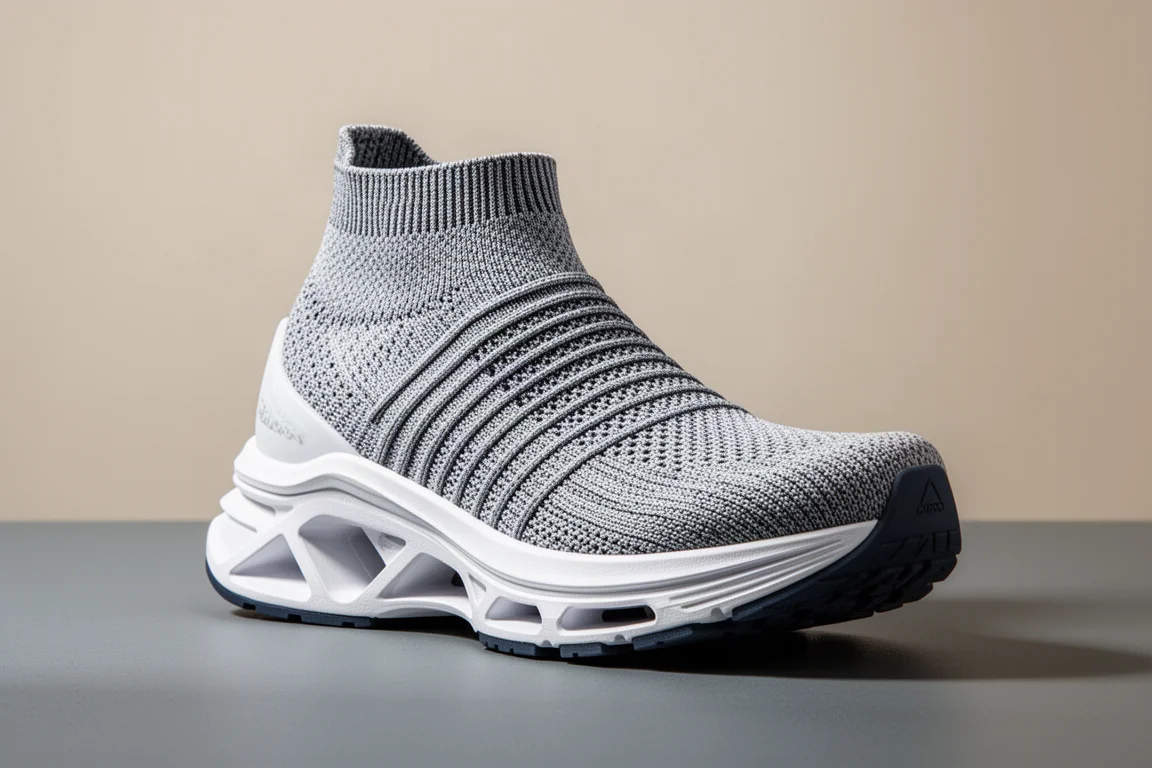
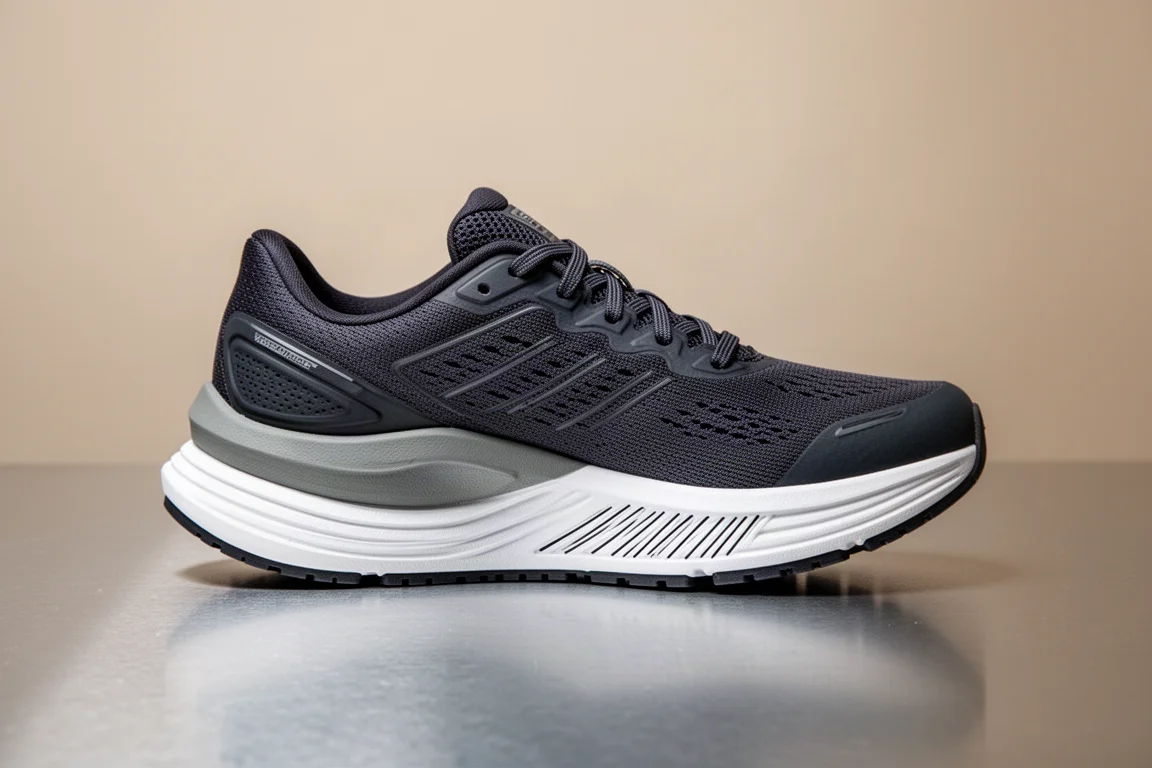
Versus the Adidas Boston 12
The Boston 12 shares a very similar forefoot and heel width with the Prime X 2, but there is a clear 60-gram difference between the two shoes. The Boston 10 used to sit close in weight to the original Prime X, so the Boston 12 shows just how much that model has changed. With roughly 41mm of stack in the Boston compared to around 54mm in the Prime X 2, the huge Prime X 2 midsole actually makes the Boston 12 feel like a daily trainer.
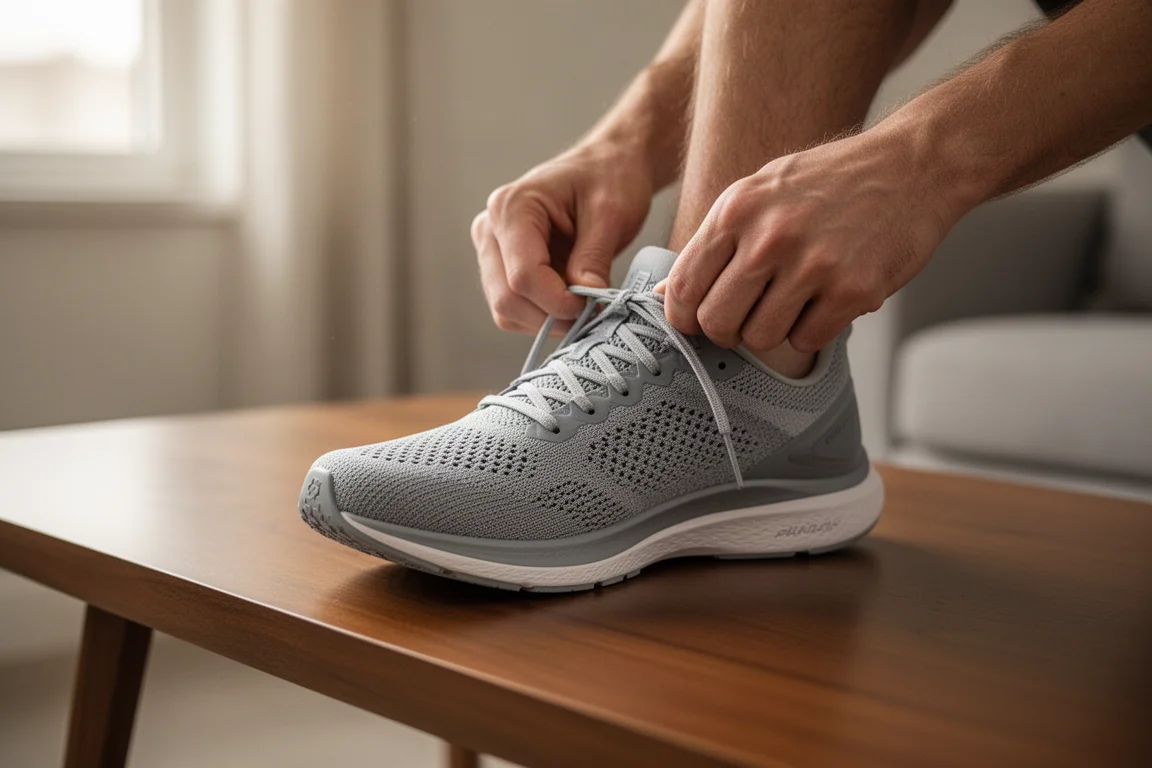
Both models feel aggressive and responsive on foot. The Boston 12’s upper is far more refined, with a glove-like lockdown compared to the Strung upper, and its on-foot presence is not as odd. Rather than choosing one, the two complement each other surprisingly well: the lighter Boston could take racing duties, with the Prime X 2 handling heavier training, potentially even marathon build-up work. The Boston 12 also gives an approximation of the Adios Pro 3 feel and works as a forgiving longer-run option, though it is heavier than the original Prime X as a training choice.
Versus the Asics Super Blast
This is the comparison many people asked for, and the common claim is that the Super Blast is far more versatile. Having spent time in both, that holds up, though they are very different shoes. The Adidas upper acts more as a container than a wrap around the foot, while the Super Blast uses much thinner material and is far easier to get on foot and tighten for a secure lockdown. The Asics shoe is the more traditional of the two.
The Super Blast looks like it could be tall and unstable, but it is not especially weird on foot. The Prime X 2, by contrast, remains a very odd shoe until you learn how to run in it. Underfoot, the Super Blast’s Flight Foam Turbo feels somewhat brittle when touched, without the exhilarating bounce of the Adidas energy core, but it works across a wider range of paces and feels more comfortable and sustainable over distance.
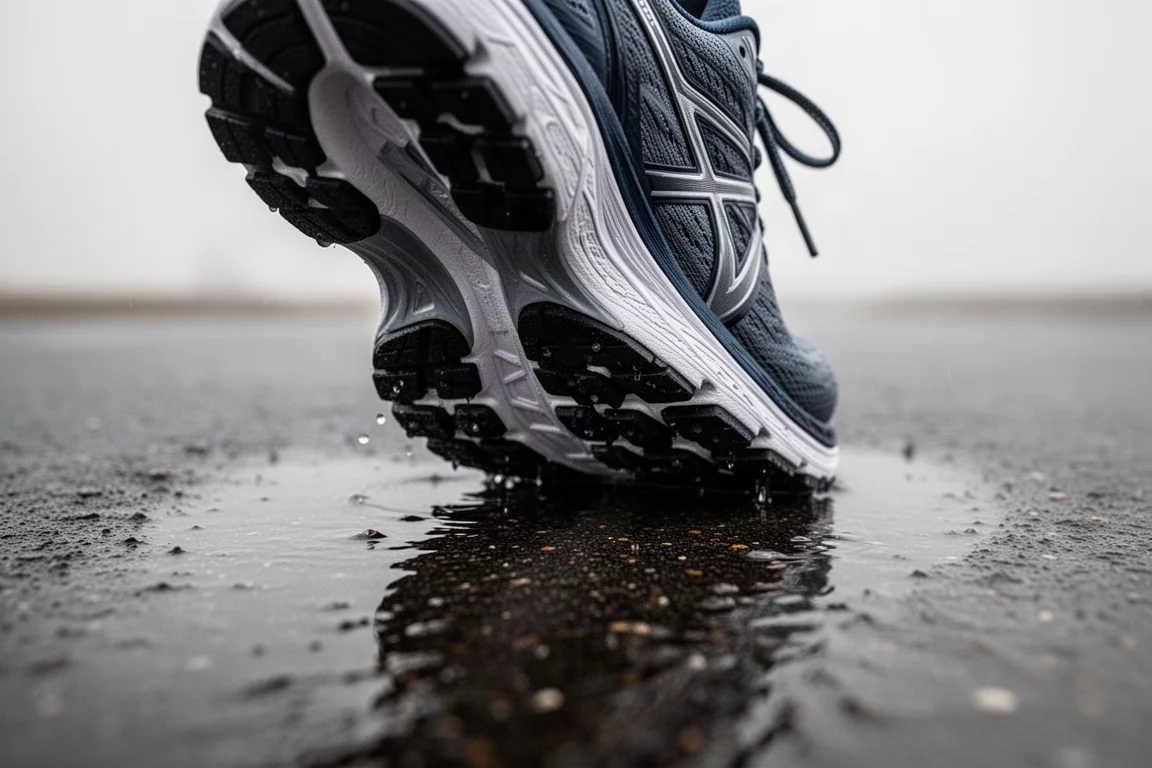
You will feel the roughly 70-gram difference over longer runs, and the Super Blast is easier on the wallet too, coming in around £190, some £60 less than the Prime X 2 Strung. Where the Adidas shoe wins decisively is grip: the Continental rubber outsole simply outperforms the Asics rubber, especially in wet weather, where the Asics compound needs a pattern change rather than a compound change to cope better. On overall versatility, though, the Super Blast takes this comparison.
Versus the Nike Air Zoom Alphafly 2
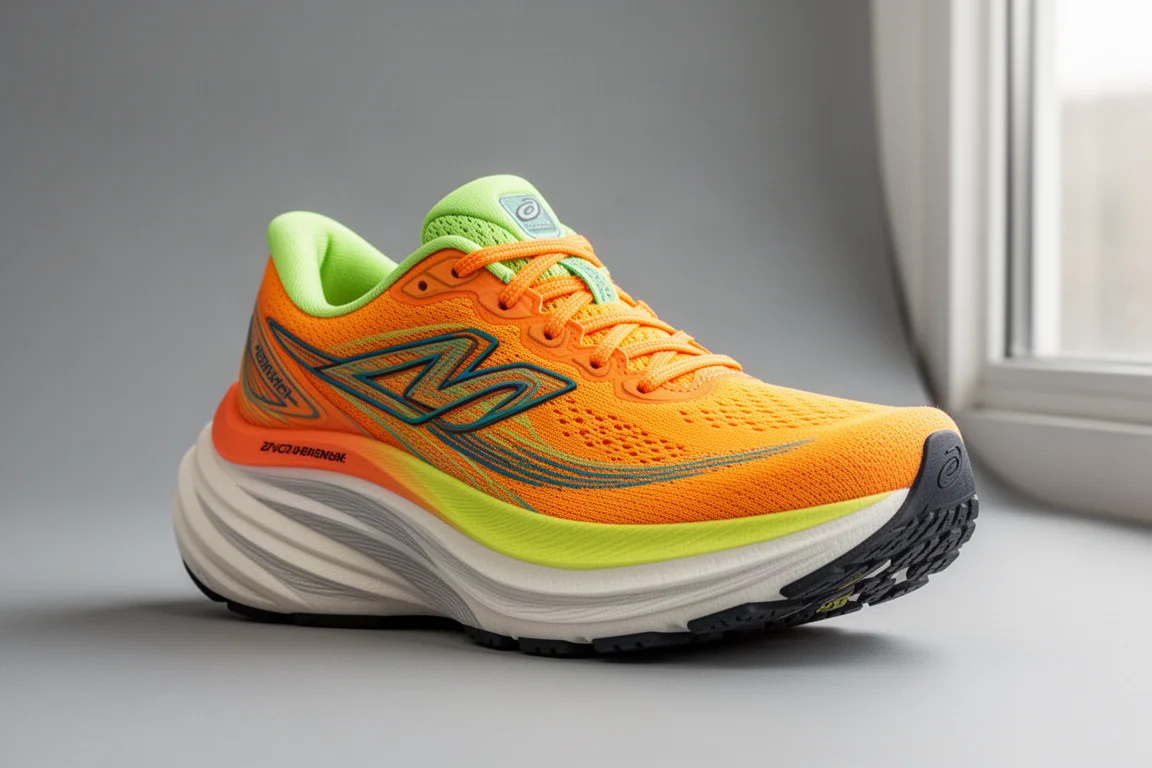
The Alphafly 2 is one of the few shoes that costs more than the Prime X 2. Remarkably, the Prime X 2 still comes in taller at the heel in terms of midsole stack, which is hard to square with how massive the Alphafly already is, especially given the carved-out area in the Nike’s heel. Both uppers clearly share design DNA and both require a bit of shoehorning, though the Alphafly 2 is easier to get into thanks to large pull tabs at the rear and tongue and an elasticated Flyknit strip running the length of the tongue.
The forefoot midsole areas in both shoes are the exciting part, and on foot strike you find yourself aiming for them. Both have extreme heel bevels; the Alphafly 2 is almost boat-like. The decisive factor is weight: the massive difference makes one a racer and one a trainer. The Alphafly 2 is reasonably durable and could even be trained in, holding race-like paces over distance, while the Prime X 2 is out of contention for racing, carrying something like 2.5 extra ounces per foot over a marathon, which nobody is going to do. Despite its higher price, the Alphafly 2 is arguably the better value if you can find a discount, since it works for both training and racing.
Buying Advice
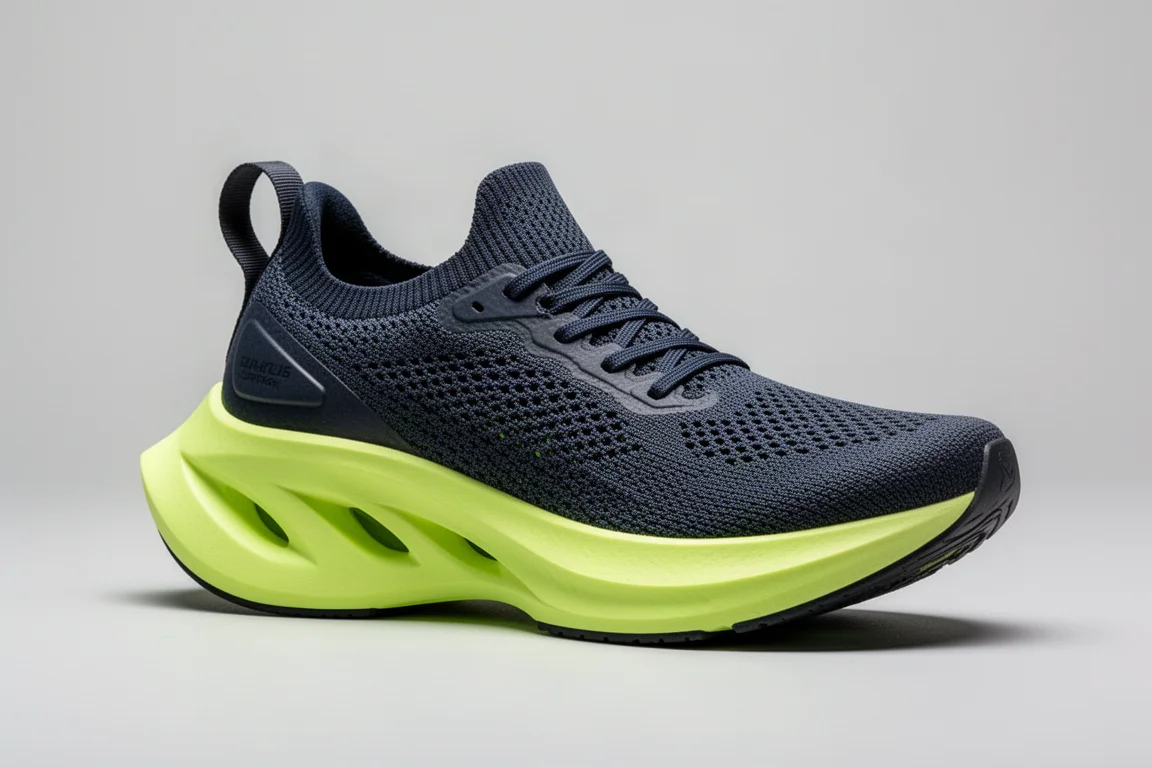
If you want one do-everything shoe at a friendlier price, the Super Blast is the most versatile of the group. If you want a two-shoe Adidas rotation, pairing the Boston 12 for faster days and racing with the Prime X 2 for training is a genuinely cohesive combination. If your priority is race pace over distance and you can absorb the premium, the Alphafly 2 remains the strongest pure racing option, while the Prime X 2 Strung makes most sense as a cushioned, bouncy trainer for those drawn to its towering midsole and willing to learn its quirks.
Conclusion
The Prime X 2 Strung is a fascinating, intoxicatingly bouncy shoe with a huge stack and excellent wet-weather grip, but its odd fit, weight and price mean the alternatives each beat it in specific areas: the Boston 12 for a refined lighter complement, the Super Blast for versatility and value, and the Alphafly 2 for serious racing. Choosing comes down to which of those strengths matters most to your running.
Further reading
Related Reviews

Running Shoes
Best Road-to-Trail Running Shoes: Three Versatile Options for Mixed Terrain
A practical guide to three road-to-trail running shoes that handle both pavement and mild trails, with clear strengths and trade-offs for different runner types.

Running Shoes
Best Running Shoes for Achilles Tendonitis: Three Options Explained
Three running shoes with different heel drops and support features designed to help reduce Achilles tendon pain during walking and running.

Running Shoes
Best Running Shoes for Women: Five Top Choices Ranked
A ranked guide to five women's running shoes, from versatile daily trainers to high-performance racing options, with real strengths and trade-offs for each.