Running Shoes
Adidas Adizero Lineup Explained: Which Shoe Fits Your Running
Six Adizero shoes, six different jobs. A practical guide to where the Adios 9, Takumi Sen 11, Adios Pro 4, Evo SL, Boston 13 and Prime X3 Strung sit in a running rotation.
Introduction
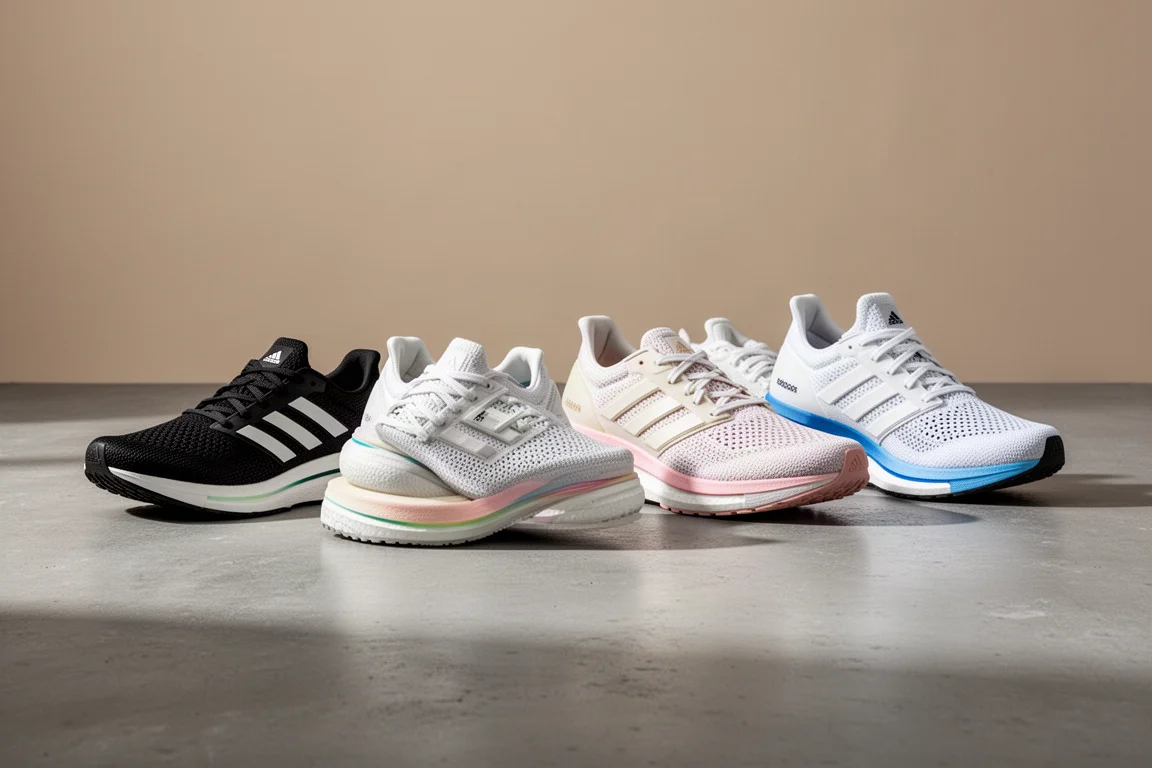
The Adidas Adizero lineup confuses a lot of runners. Six shoes share similar tech, similar uppers and similar naming, yet each is built for a very different role in a training rotation. This guide walks through each model in turn, where it fits, and who it actually makes sense for.
The short version: the Adios 9 is a featherweight tempo tool, the Takumi Sen 11 is a sharper short-distance racer, the Adios Pro 4 targets half and full marathon racing, the Evo SL is the all-round daily trainer, the Boston 13 is the durable workhorse, and the Prime X3 Strung is an experimental stack-it-all project shoe.
Adidas Adizero Adios 9
The Adios 9 is a very lightweight shoe at around 205g (about 7.2oz), built around a firmer Lightstrike Pro midsole with roughly 27mm of heel stack, which is modest by modern standards. The upper is comfortable and minimal, with a sling-style heel that pulls the foot in and stops movement, plus slightly more heel padding than the Takumi Sen 11 for a more daily-usable feel.
Notably, there is no medial cutout in the midsole, making it slightly more stable than the Takumi Sen 11 or Adios Pro 4. It shines at shorter-range, faster work such as 400m or 1km repeats and steady pace efforts, but there simply is not enough midsole stack for easy days for most runners. Lighter-built runners and those after a nimble, faster-paced training option will get the most from it. It is very much a rotation shoe that complements other models.
Adidas Adizero Takumi Sen 11
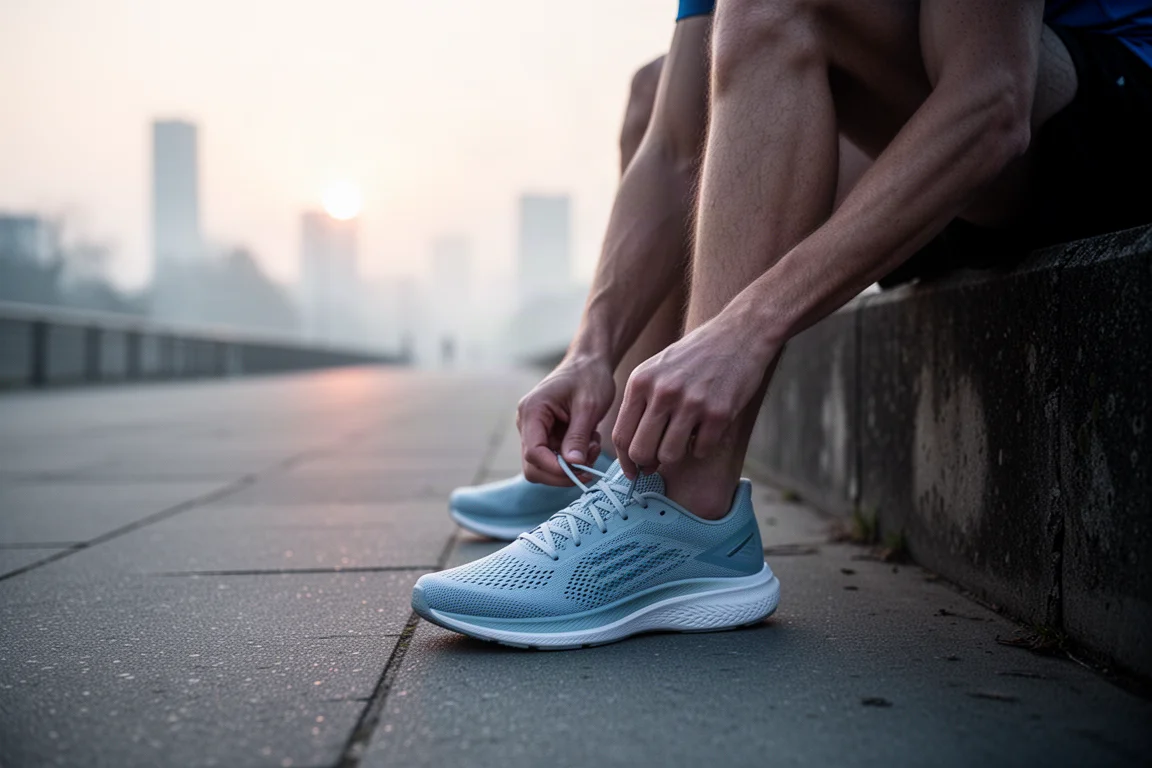
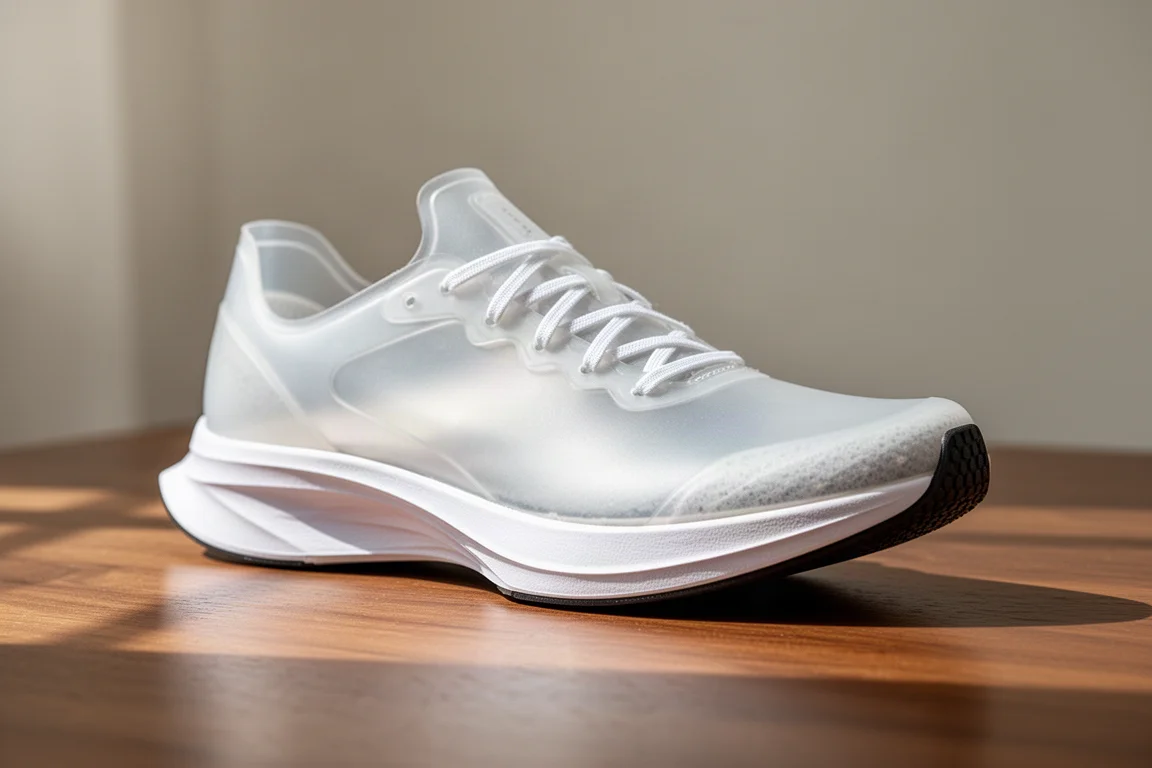
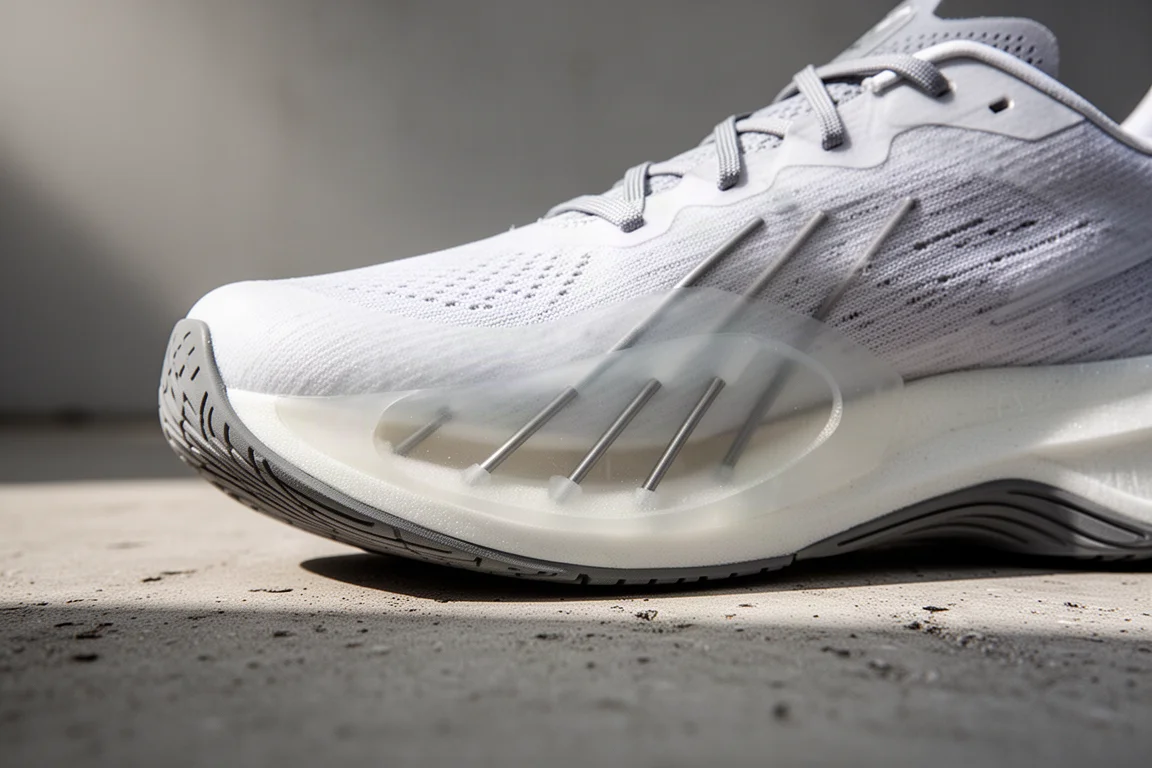
The Takumi Sen 11 is the next logical step up, coming in at around 219g (about 7.8oz) in a US 11. The key difference from the Adios 9 is rigidity: energy rods in the midsole create a strong lever for toe-off, making it feel more propulsive. Adidas sticks with rods rather than a plate here, and the foam is a slightly denser Lightstrike Pro formulation. Heel padding is trimmed back and concentrated in two areas.
The outsole follows a similar pattern to the Adios 9: light traction across most of the foot with Continental rubber where it counts at toe-off. It performs well in wet weather aside from a flat, smooth section on the medial side of the heel.
This is a high-speed trainer or racer for faster tempo sessions and short-distance racing. Most runners will find it adequate for 5K and 10K races, with more experienced runners able to use it for the half marathon, though it lacks the softness for a full marathon. There is a noticeable price step up from the Adios 9 and only subtle differences between the two, but in terms of durability and overall usefulness the Takumi Sen 11 edges it, ticking off more categories within a rotation.
Adidas Adizero Adios Pro 4
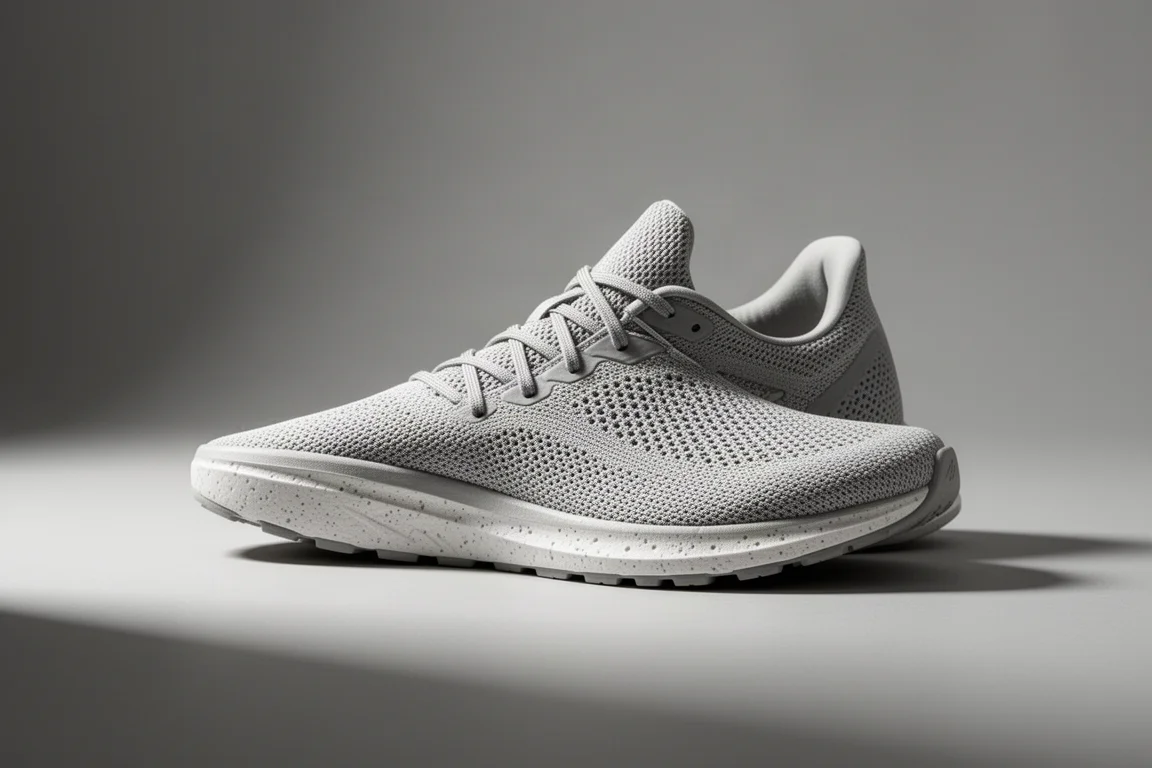
The Adios Pro 4 uses the softest Lightstrike Pro formula in the Adizero range and feels very soft yet almost explosive out of the box. At around 232g (about 8.2oz), it is marginally heavier than the Takumi Sen 11 but offers far more stack, and that softness may save your legs in the latter stages of a marathon.
Two caveats are worth knowing. First, the foam dulled noticeably by around 100 miles in use, losing some of its early excitement. Second, the fit runs tricky: the midsole is so soft that feet compress it and slide forward into the toe box, so many runners should consider a half size up.
It occupies the space between half marathon and full marathon racing. It is simply too soft for a 5K, where you want response and road feel rather than a quicksand sensation. This is the max-out option for longer race distances, and a very different underfoot experience from the Adios 9 or Takumi Sen 11.
Adidas Adizero Evo SL
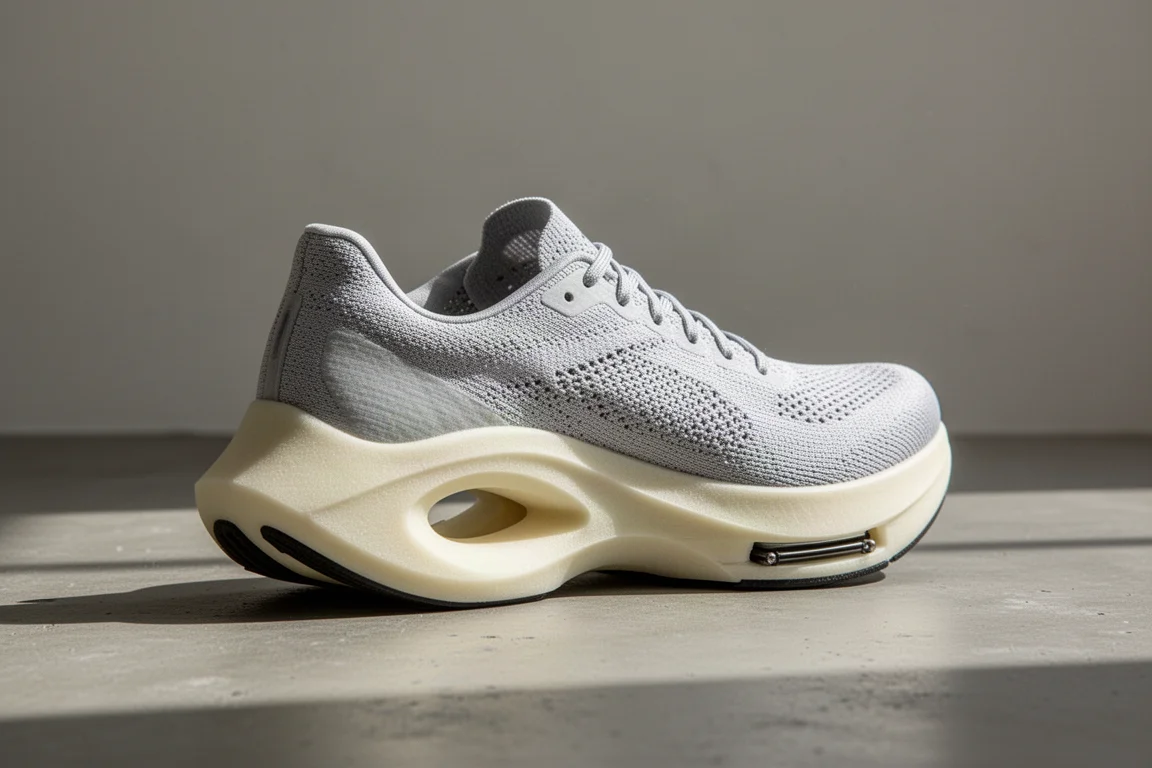
The Evo SL is the crowd favourite, and for good reason. At around 260g (about 9.2oz), it sits well below the 300g mark of many daily trainers, some of which push 350g. You can lace it up for any type of session, and it feels fun and unrestrictive.
The midsole shares a lot of DNA with the Adios Pro 3, with a shank similar to the Adios 9 for torsional stability. It uses a Lightstrike Pro formula that gets better the more miles you put into it, transforming over its life rather than peaking out of the box. The tongue and laces are not great out of the box, but that is a small complaint on a strong all-rounder.
At around $129, it is one of the best daily trainers currently available, ticking a huge number of boxes within a rotation. If you want a single shoe that does a bit of everything, this is the one.
Adidas Adizero Boston 13
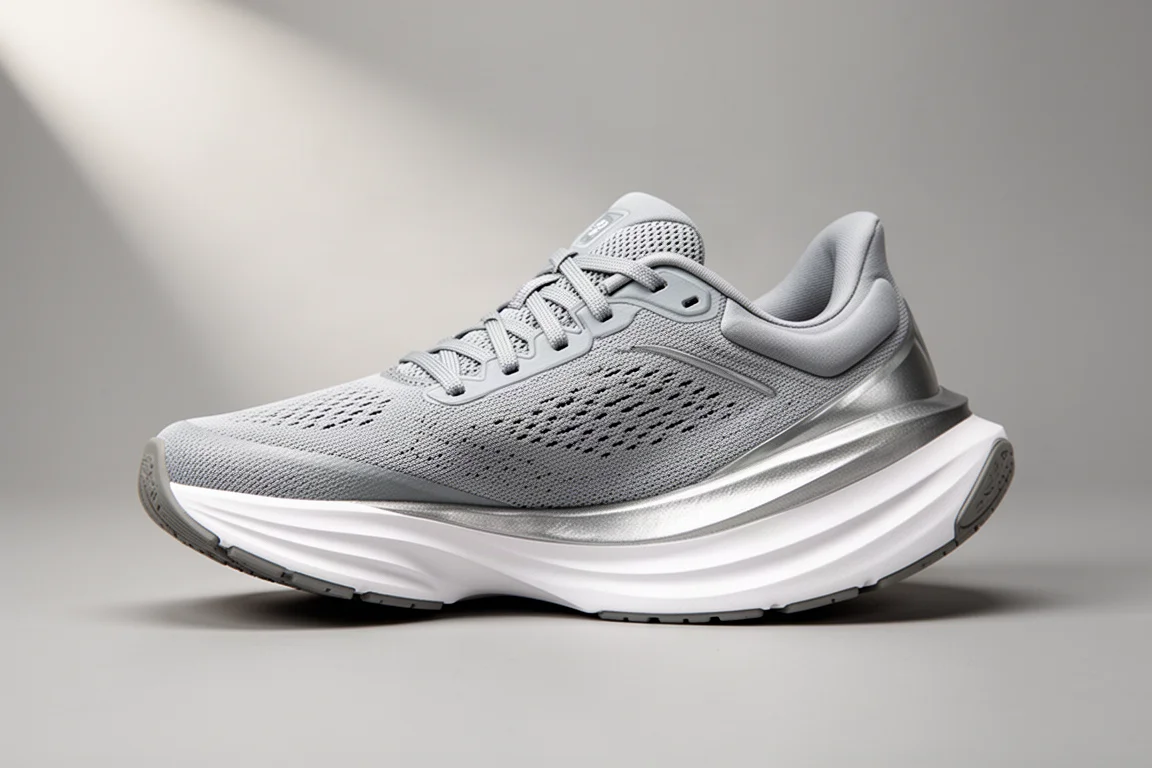
The Boston 13 sits between the racer and the daily trainer. Its Lightstrike Pro formula is closer to the Adios Pro 4 than to any other Adizero shoe, though at just under 300g it is considerably heavier, which moves it out of racing for most people.
What you gain is a more stable landing platform, particularly in the heel, plus energy rods that appear slightly thinner than in the race shoes. The outsole is more durable and thicker, with more Continental rubber up front and extra coverage in the high-wear lateral heel area. That durability makes it a good choice for autumn and winter training when debris is on the roads and the minimal uppers of the race shoes are less appropriate.
The upper is more traditional than the rest of the range, with more padding in the tongue, though still breathable, and structure comes from reinforcements around the toe box. If you prefer a less minimal upper and a conventional feel, the Boston 13 is a great fit. It is another flavour of Adizero tech, leaning toward convention rather than innovation.
Adidas Adizero Prime X3 Strung
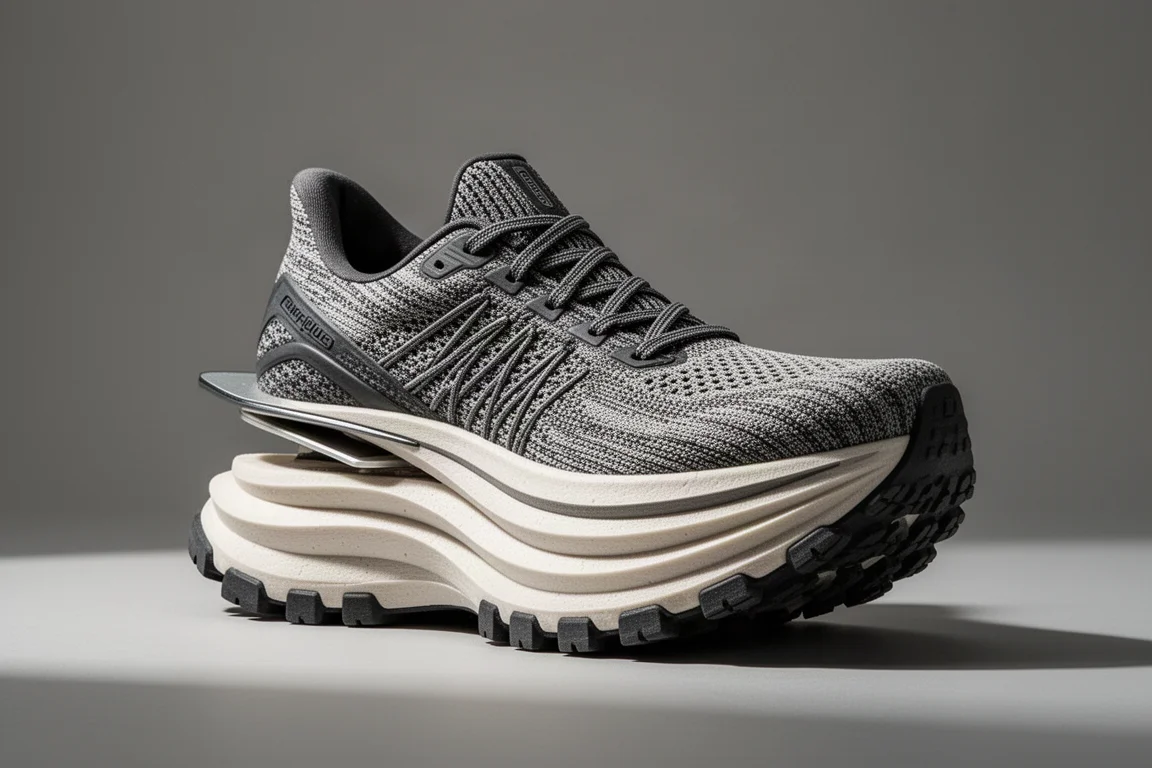
The Prime X3 Strung is the outlier of the lineup. At around 318g in a UK 11, it is heavier than even the Boston 13 and roughly 86g heavier than the Adios Pro 4. It carries essentially all of the Adizero tech rolled into one: energy rods, a plate that extends out the back, more Continental rubber in the forefoot, light traction in the rear, and substantial Strung upper material.
That combination feels mismatched. There is additional bounce, yes, but the heavier upper and sheer mass make it feel bombastic underfoot. It feels great when running really fast, but over longer distances the weight stops being enticing. Easy or steady pace is fine, but recovery runs are hard to imagine in these.
It could work for runners with strong legs doing marathon training who want to throw faster pace work into longer sessions, or for heavier runners after maximum cushioning alongside the Boston 13. For most, though, it is too tall and too much of an experiment. If you already own the Evo SL and the Adios Pro 4, there is little reason to add it. It is expensive, niche, and clearly the mad scientist of the range.
Buying Advice: Building Your Rotation
For most runners, a sensible Adizero rotation starts with the Evo SL as the daily driver, adds the Takumi Sen 11 for fast sessions and short races, and includes the Adios Pro 4 if you race half or full marathons. Lighter runners chasing a nimble tempo shoe can consider the Adios 9, while the Boston 13 covers durable winter training. The Prime X3 Strung remains an optional experiment rather than a core purchase.
Conclusion
Each Adizero shoe has a distinct role: featherweight speedwork, sharp short-distance racing, marathon-day softness, do-it-all daily training, durable year-round mileage, and one ambitious experiment. Match the shoe to the job in your rotation rather than the hype, and the lineup makes a lot more sense.
Further reading
Related Reviews

Running Shoes
Best Road-to-Trail Running Shoes: Three Versatile Options for Mixed Terrain
A practical guide to three road-to-trail running shoes that handle both pavement and mild trails, with clear strengths and trade-offs for different runner types.

Running Shoes
Best Running Shoes for Achilles Tendonitis: Three Options Explained
Three running shoes with different heel drops and support features designed to help reduce Achilles tendon pain during walking and running.

Running Shoes
Best Running Shoes for Women: Five Top Choices Ranked
A ranked guide to five women's running shoes, from versatile daily trainers to high-performance racing options, with real strengths and trade-offs for each.