Running Shoes
Adidas Adizero Hyperboost Edge Review: Boost Is Back
A high-stack daily trainer built on pelletized Lightstrike Pro foam, with a structured upper, surprising light weight, and a bounce that rewards faster running.
Introduction
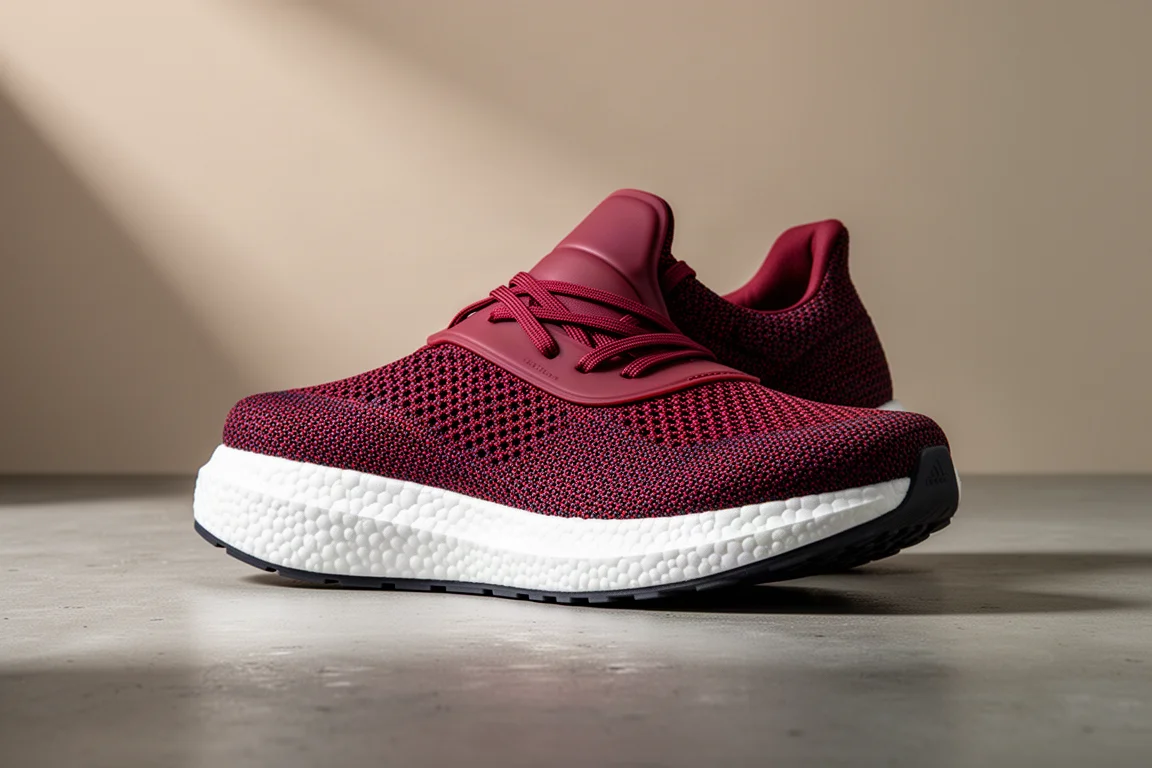
The Adidas Adizero Hyperboost Edge is the latest expression of Boost, and it feels like a genuine restart rather than a refresh. The original Energy Boost was revolutionary in its day: a pelletized foam that replaced the hard, flat-feeling EVA midsoles everyone else was using, delivering bounce and cushion in one package. It evolved into one of the best race shoes of its era, even holding records along the way. But the later Ultra Boost era drifted heavy and dense, with the last enjoyable version weighing nearly 12 oz.
The Hyperboost Edge flips that story. It has a higher stack, far more foam, and dramatically less weight, thanks to a new Hyper Boost Pro midsole made from pelletized Lightstrike Pro. This is the foam that, on an early wear test, made the impression that Boost was truly back, and it feels even better here: airy, bouncy, and noticeably more responsive than the Boost of old.
The Upper: Structured, Supportive, and Slightly Tricky
The Primeknit-style Prime Weave upper is a dense TPU mesh weave that looks almost like a basketball sneaker rather than a running shoe. It is highly structured, with substantial support around the heel and collar that locks the foot in place remarkably well. Once laced, it fits narrow feet very well while still accommodating wider feet, and it breathes better than such a tight weave would suggest. Inside the collar there is generous padding, almost like ankle pillows, plus a nicely padded tongue, which softens the contact with a fairly rigid heel counter.
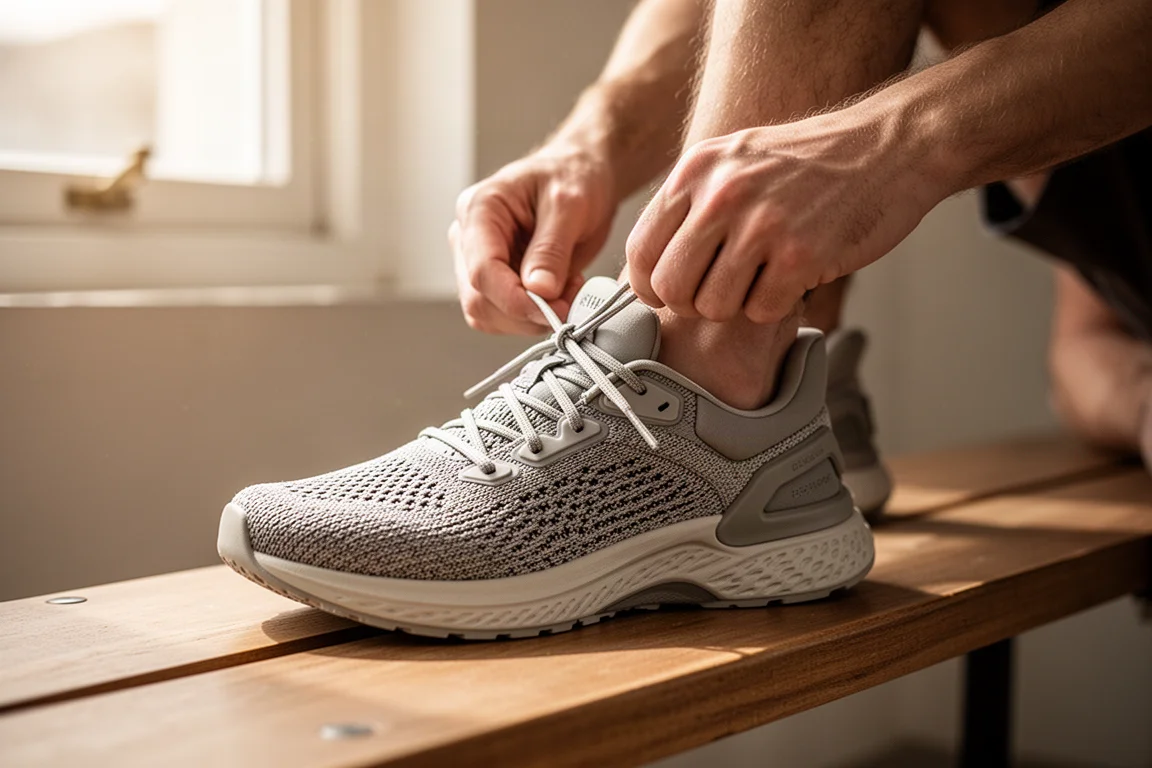
There are trade-offs. Getting the shoe on can be difficult at first, and the rigid collar can irritate the ankle bone when it lands in the wrong spot. For one tester, that irritation shows up just walking around but disappears once running starts; a heavier tester found it more persistent. If Adidas softens or lowers that collar a few millimeters, this would be a much easier shoe to recommend outright. The hidden lacing under a shell panel and the silhouette graphic on the side give it a distinct, futuristic look, with the three stripes placed low on the midsole to keep the attention on the foam.
Midsole: Hyper Boost Pro
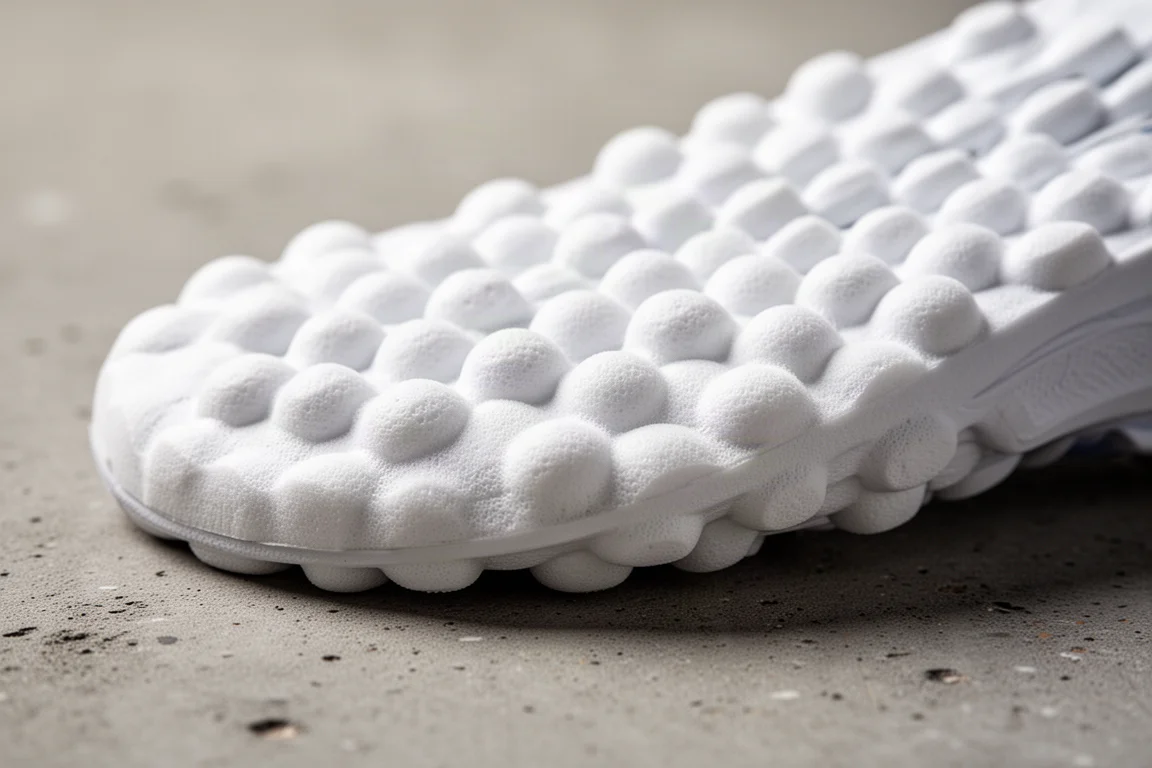
The midsole is the reason this shoe exists. Hyper Boost Pro is pelletized Lightstrike Pro: pellets are expanded and then molded into a one-piece foam block, rather than the supercritical puck process used in most modern midsoles. The result has properties similar to the foam in the Evo SL but feels a touch more airy, with noticeably more bounce.
The one-piece construction is interesting in itself. Many high-stack trainers now use two foams, a race-day layer over a more stable base, similar to the Superblast approach. This shoe gets that combination of sink and stability from a single foam, and it feels lighter for it. The stack is 45 mm in the heel and 39 mm in the forefoot for a 6 mm drop, so you are sitting on a big slab of foam, but the wide platform keeps the ride stable.
Ride and Performance
The underfoot feel is best described as light, high-stack, and responsive. It is not a soft sink-in-and-bounce-back experience; instead, the bounce scales with the pressure you put into it. Run it at moderate paces and the cushioning is simply there, a stable and comfortable platform. Pick up the pace with strides or faster work and the shoe comes alive, rewarding effort with more energy return. That makes it more versatile than its stack suggests, and the structured upper does an excellent job of keeping the foot locked in over the foam.
Weight is a highlight. A women’s 7.5 weighs 7.9 oz (225 g), and a men’s size comes in at 9.5 oz (270 g), which is remarkable given how much foam is underfoot. The weight is well distributed, too: even with a substantial, padded upper, the shoe never feels heavy or bottom-heavy the way earlier Boost models did. If you like the Evo SL underfoot, this is essentially a beefed-up version of it, more stack and more substance.

Traction and Durability
The outsole uses a light Adiwear traction layer rather than Continental rubber, applied as a very thin full-coverage sheet. That thinness avoids the blocky underfoot feel that thick rubber can create, while still adding grip and durability without muting the foam. It has handled snow, wet roads, and varied conditions well, keeping footing secure and consistent.
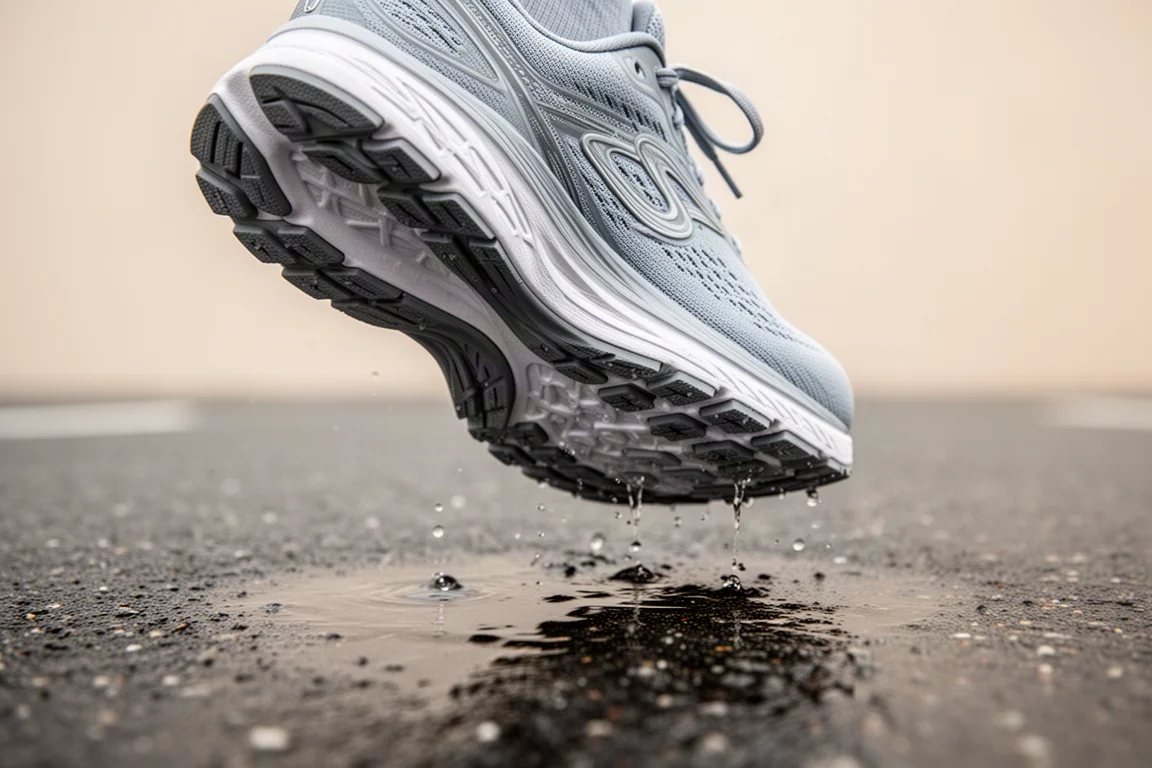
Durability is a quiet strength here. The foam shows no signs of dying quickly, the outsole rubber protects it, and the expectation is roughly double the mileage you would get from a lighter race-oriented shoe like the Evo SL. That makes the higher price easier to justify on a cost-per-mile basis.
Things to Consider Before Buying
The collar is the main caveat. It is rigid, sits relatively high, and can rub the ankle bone, particularly when walking. If you have sensitive ankles or you are a heavier runner, try it on carefully first. Price is the second consideration: this is part of the emerging category of trainers priced above $200, and while excellent shoes exist below that mark, this shoe sits deliberately in the premium daily-trainer tier.
Buying Advice
The Hyperboost Edge slots best as a long-run and daily workhorse trainer: a shoe for logging big miles while still having the legs to pick up the pace. It pairs naturally with the Evo SL, using the lighter shoe for quicker days and this one for long runs and recovery. It belongs in the same conversation as the ASICS Superblast and the On Cloudmonster Hyper, and at $200 it is the least expensive of that group. The colorway shown here launched March 17th, with additional colorways following in July.
Conclusion
Scoring-wise, the design earns a B for the futuristic look undercut by the collar issue, value lands at a B given the $200 price balanced against its durability, and performance earns a strong A for a responsive, fun, genuinely fast-feeling high-stack trainer. Overall, that averages out to a confident A and an easy recommendation. The midsole is S-tier; the upper is the only thing holding it back. With the Evo SL and now this, Adidas finally has two daily trainers worth getting excited about. Boost is back, and this time it earned it.
Product link
View more details for Adidas Adizero Hyperboost Edge
This product is mentioned in the review. Check the specifications, options, and compatibility before buying.
View more details for Adidas Adizero Hyperboost EdgeFurther reading
Related Reviews

Running Shoes
Best Road-to-Trail Running Shoes: Three Versatile Options for Mixed Terrain
A practical guide to three road-to-trail running shoes that handle both pavement and mild trails, with clear strengths and trade-offs for different runner types.

Running Shoes
Best Running Shoes for Achilles Tendonitis: Three Options Explained
Three running shoes with different heel drops and support features designed to help reduce Achilles tendon pain during walking and running.

Running Shoes
Best Running Shoes for Women: Five Top Choices Ranked
A ranked guide to five women's running shoes, from versatile daily trainers to high-performance racing options, with real strengths and trade-offs for each.